Why Industrial Shredder Maintenance Improves Productivity and Cuts Repair Costs

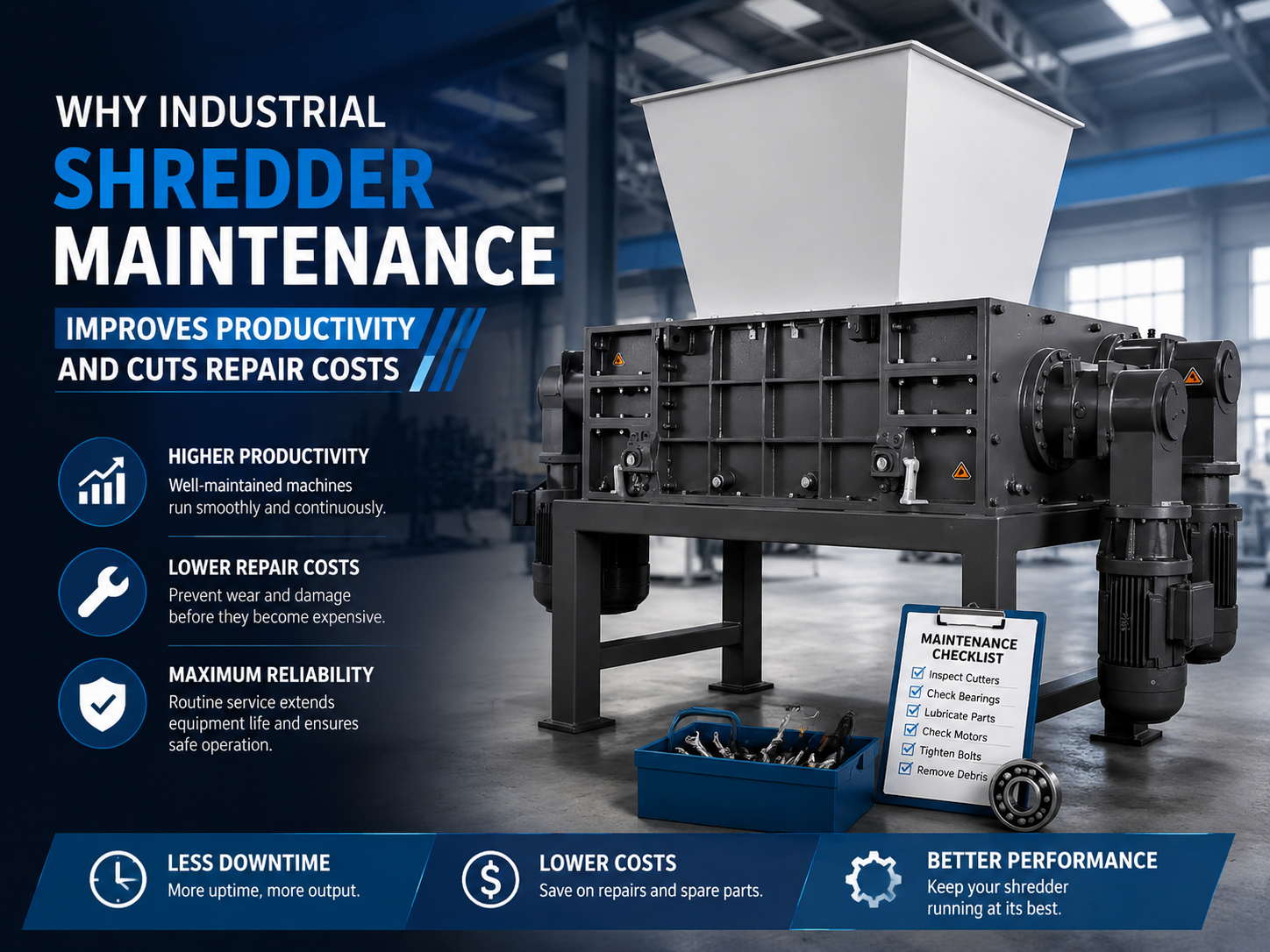
The Critical Link Between Maintenance and Profitability
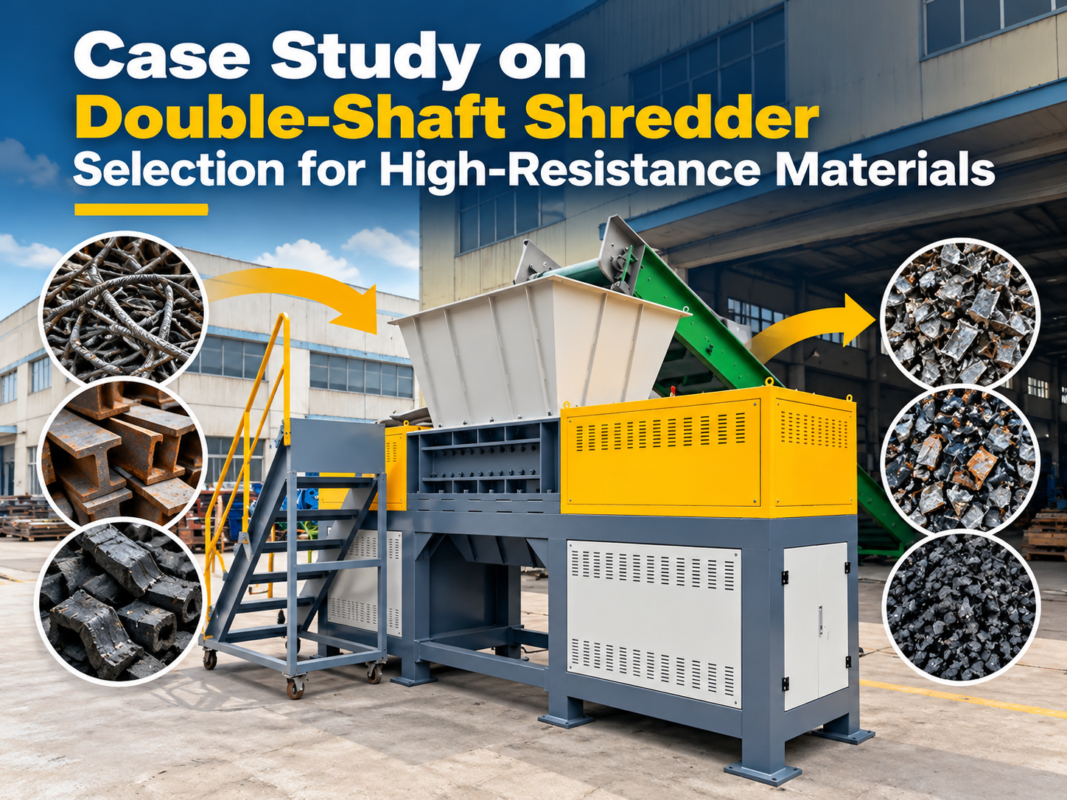
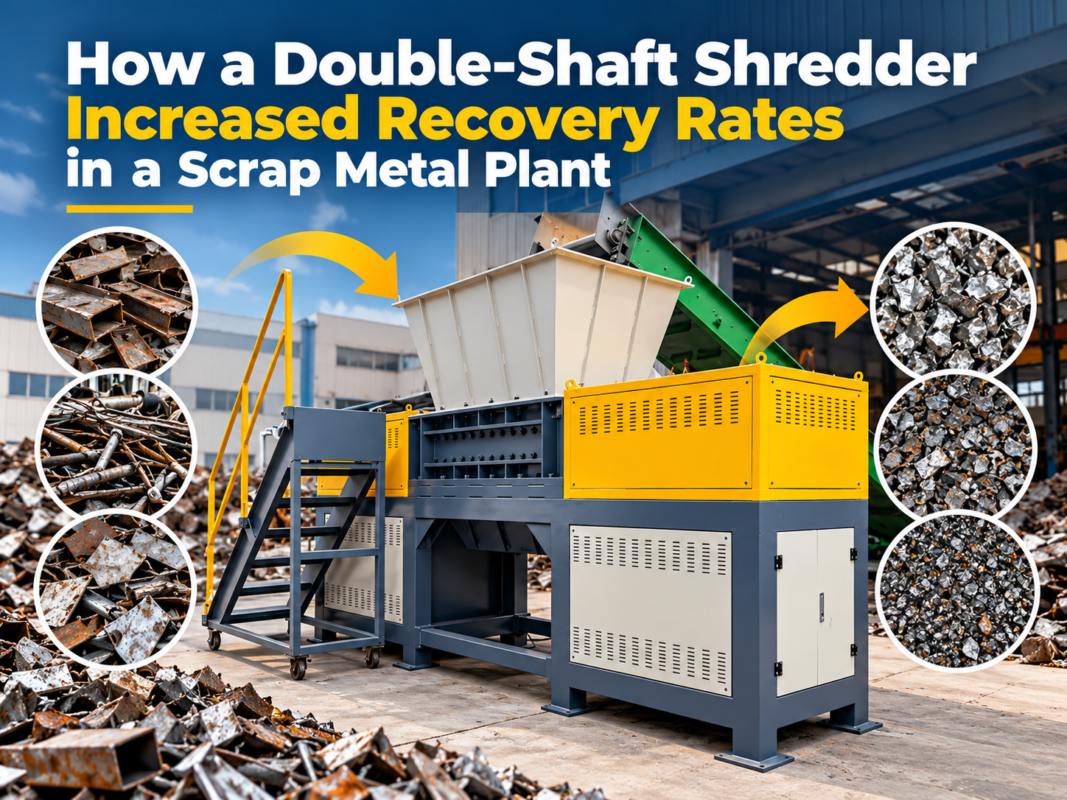
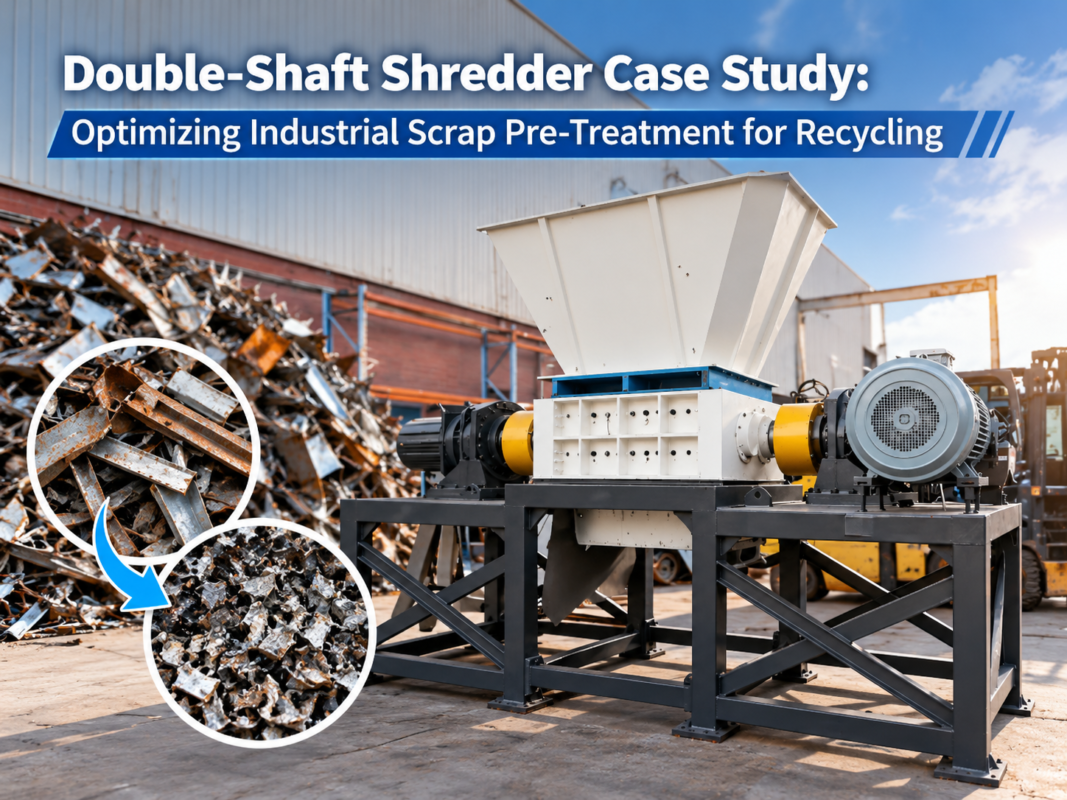
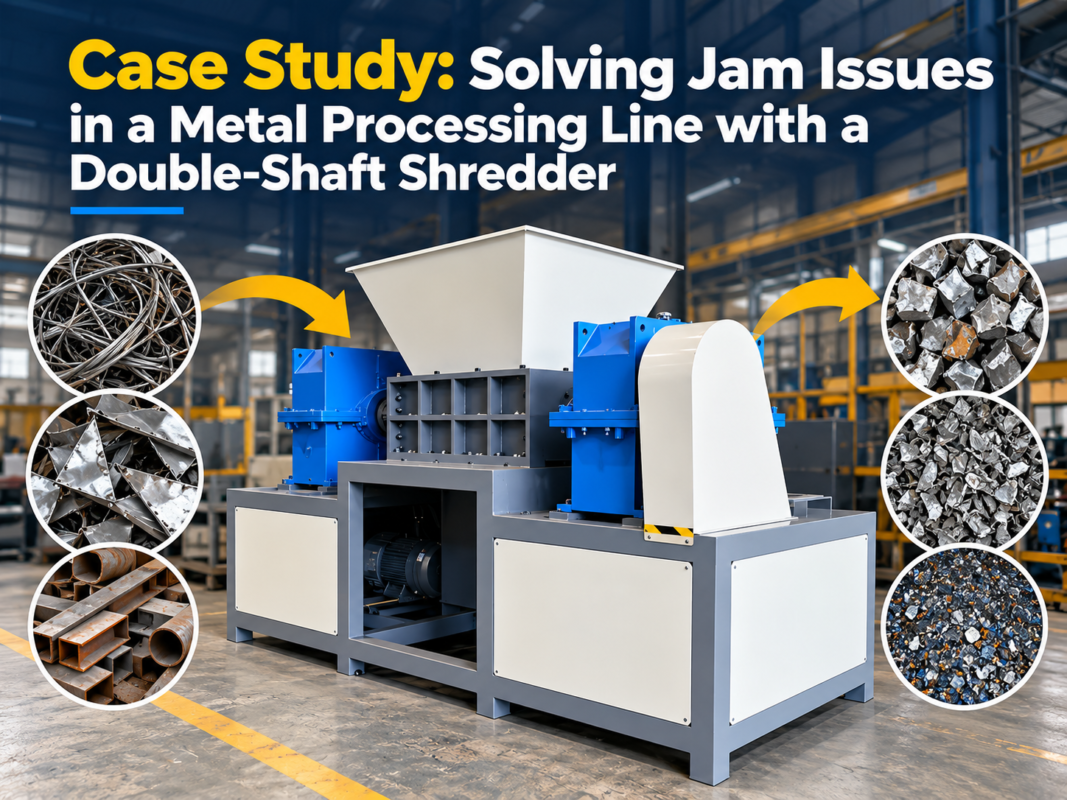
In the high-stakes world of industrial recycling and waste management, the industrial shredder stands as the workhorse of the facility. Whether processing scrap metal, plastics, or electronic waste, these machines are subjected to immense mechanical stress and abrasive forces. Understanding why Industrial Shredder Maintenance Improves Productivity Cuts Repair Costs is not just a matter of technical diligence; it is a fundamental business strategy. When a shredder operates at peak efficiency, the throughput is maximized, energy consumption is stabilized, and the quality of the output remains consistent. Conversely, neglecting maintenance leads to a cascade of failures that can cripple a production line.
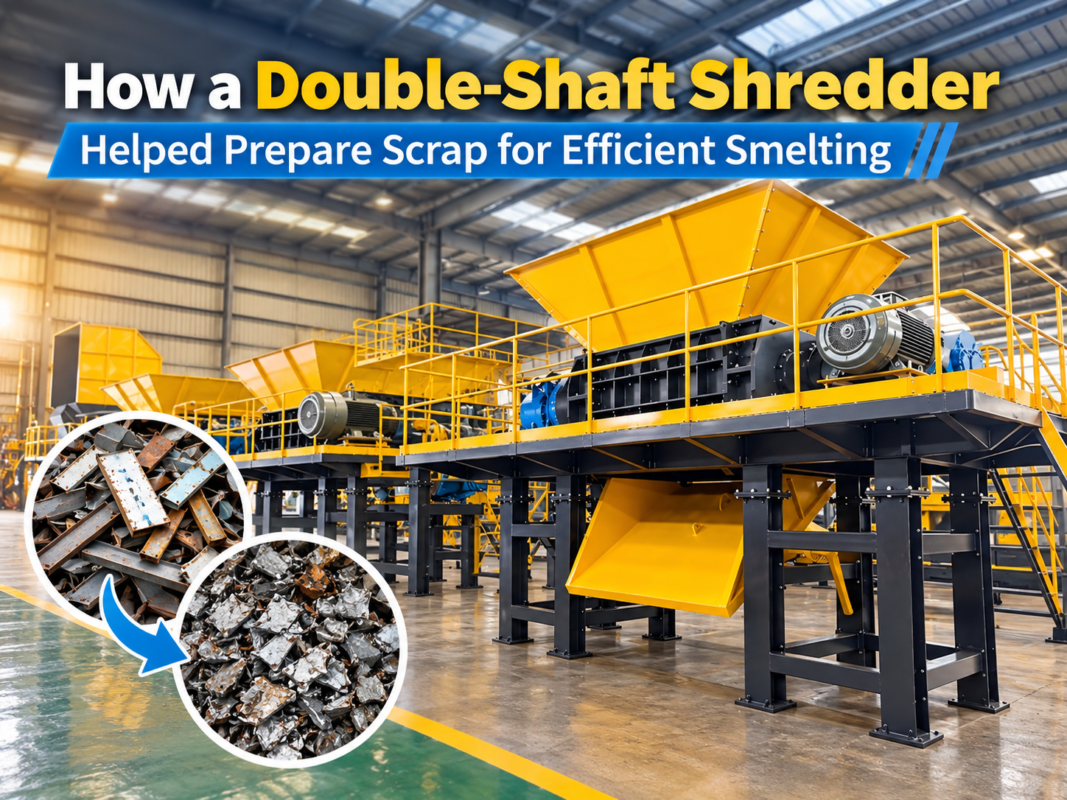
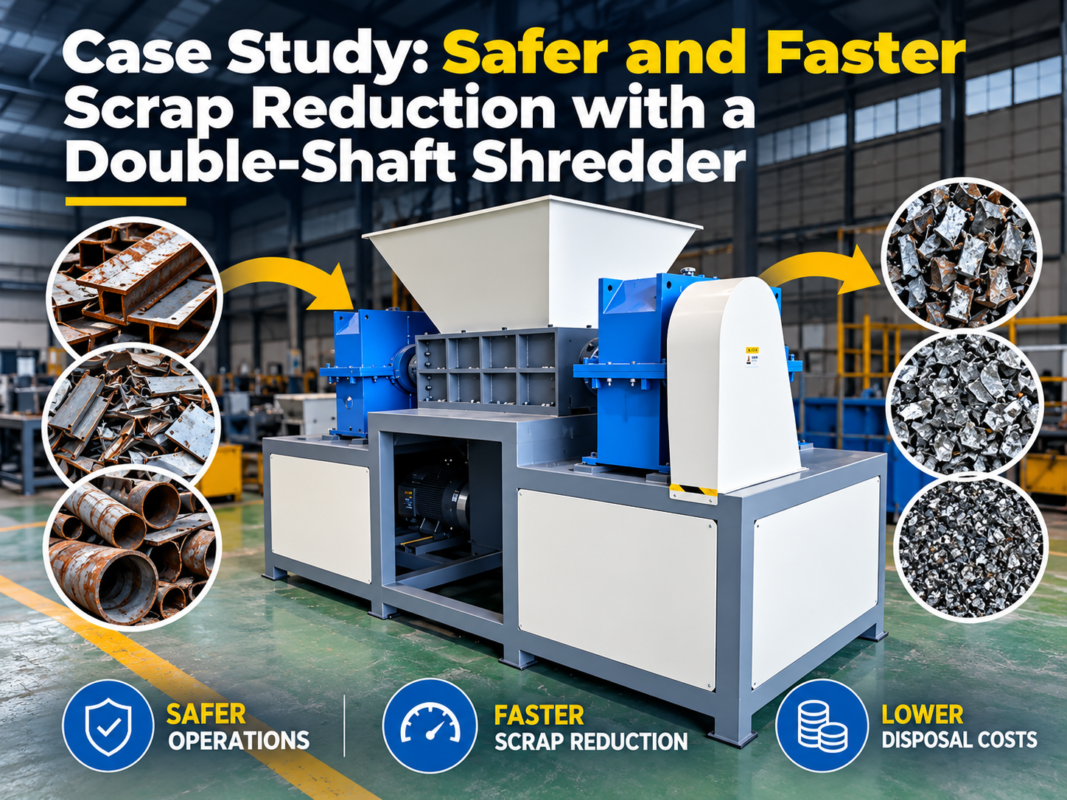
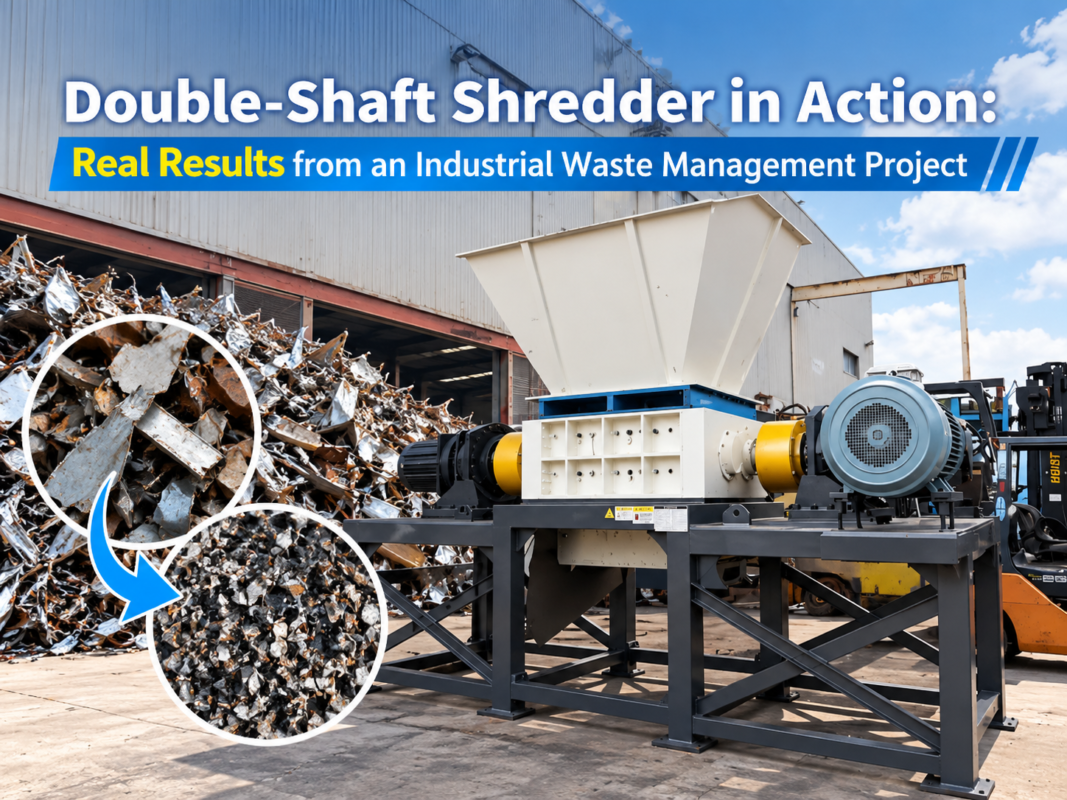
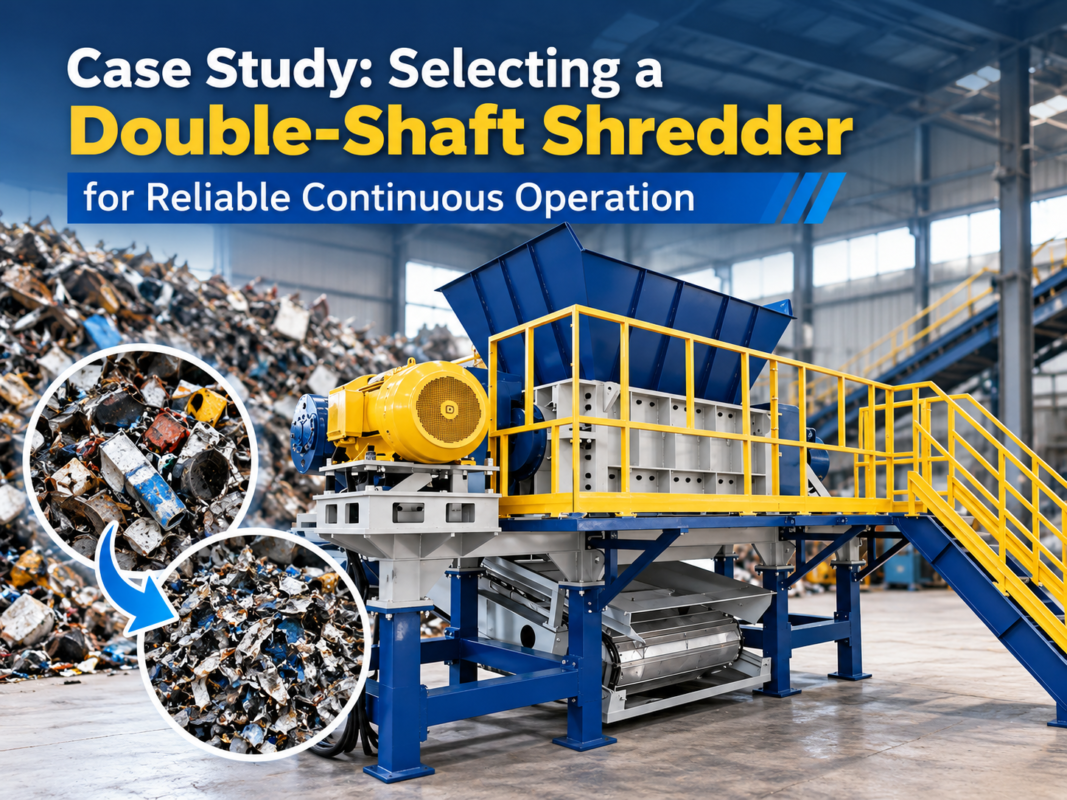
The primary reason maintenance is so vital lies in the nature of the shredding process itself. Industrial shredders, such as those manufactured by HARSLE, utilize high-torque, low-speed or high-speed shearing mechanisms. Over time, the constant impact and friction degrade the cutting edges, strain the hydraulic systems, and fatigue the structural components. By implementing a rigorous maintenance protocol, operators can identify minor wear patterns before they evolve into catastrophic failures. This proactive approach ensures that the machine remains available for operation during scheduled shifts, directly impacting the bottom line by avoiding the exorbitant costs of emergency repairs and unplanned downtime.
Furthermore, well-maintained machinery operates with higher precision. For instance, when blades are sharp and properly gapped, the shredder requires less power to shear through material. This reduction in resistance translates to lower electricity bills and less heat generation within the motor and gearbox. In an era where energy costs are a significant portion of operational overhead, the efficiency gains from regular maintenance provide a competitive edge. HARSLE emphasizes that a shredder is an investment, and like any high-value asset, its longevity is directly proportional to the care it receives.
Finally, safety cannot be overlooked. A poorly maintained shredder is a hazard to the workforce. Loose components, leaking hydraulic fluids, or malfunctioning emergency stops can lead to severe accidents. By prioritizing maintenance, facility managers demonstrate a commitment to worker safety while simultaneously protecting the equipment. In the following sections, we will explore the specific steps required to maintain these powerful machines, from daily inspections to complex mechanical overhauls.
Daily Inspection Protocols for Peak Performance
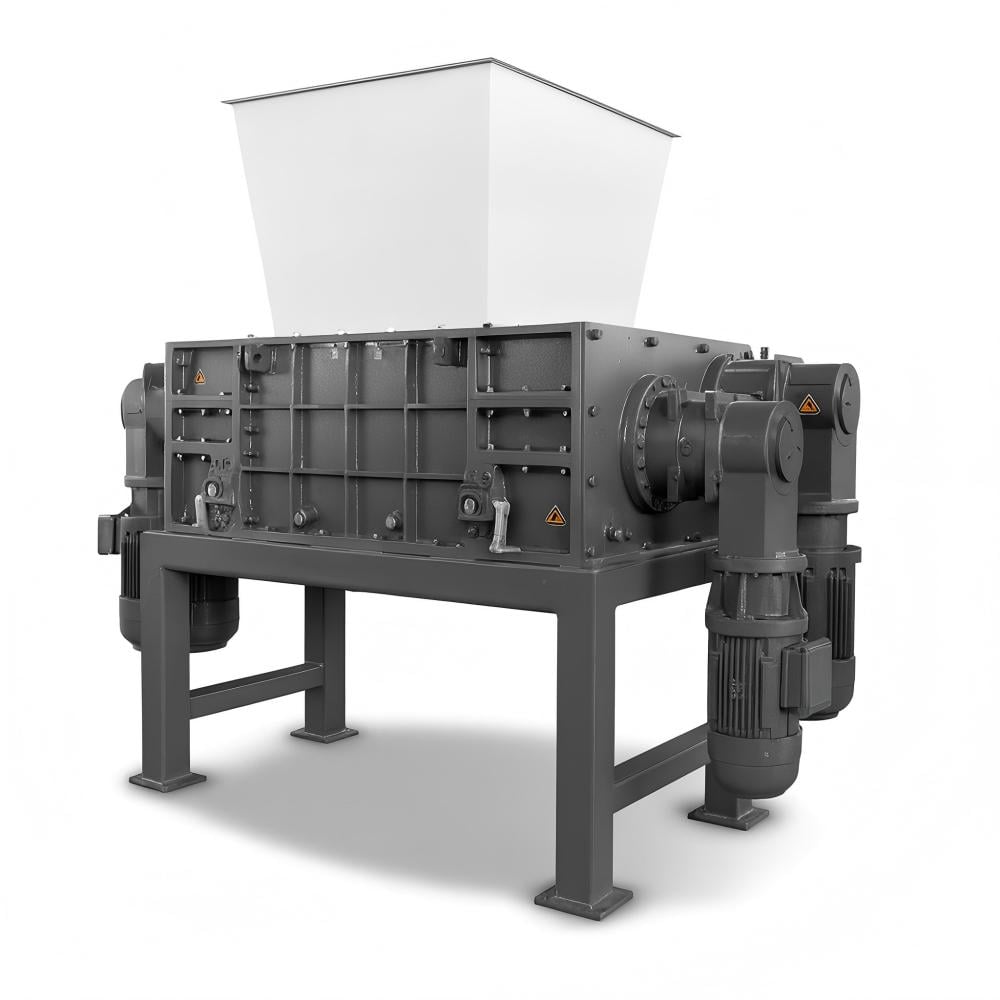
The foundation of any successful maintenance program is the daily inspection. This routine should be performed at the start of every shift to ensure the machine is in a safe and functional state. The goal of a daily check is not to perform deep repairs but to catch the “low-hanging fruit” of potential problems. Operators should begin with a visual sweep of the entire machine, looking for any signs of loose bolts, debris accumulation in cooling fins, or puddles of fluid that might indicate a leak. Because industrial shredders vibrate during operation, fasteners can gradually loosen, leading to misalignment of the shafts or housing.
One of the most critical aspects of the daily inspection is checking the cutting chamber. Operators must ensure that no foreign objects—such as heavy steel plates in a machine designed for plastics—are lodged in the blades. Clearing out residual material from the previous shift prevents the motor from starting under an unnecessary load. Additionally, the condition of the hopper and discharge chutes should be verified. Any blockages here can cause material to back up into the cutting chamber, leading to overheating and potential motor burnout. This simple five-minute check is a primary reason why Industrial Shredder Maintenance Improves Productivity Cuts Repair Costs.
Beyond visual checks, operators should listen to the machine during startup. Every industrial shredder has a unique “acoustic signature.” Experienced operators can often tell if a bearing is failing or if a blade is chipped simply by the sound the machine makes. Grinding, squealing, or excessive rattling are immediate red flags. If the machine sounds different than it did the day before, it warrants an immediate investigation. Documenting these daily observations in a logbook helps maintenance teams track the progression of wear and plan for part replacements during scheduled downtime.
Lastly, the daily routine must include a verification of all safety systems. This includes testing the emergency stop buttons, checking that all safety guards are securely in place, and ensuring that the interlock systems are functioning correctly. A shredder should never be operated if a safety feature is bypassed or broken. By making these checks a non-negotiable part of the workday, companies protect their employees and their equipment from the consequences of human error or mechanical malfunction.
Deep Dive: Hydraulic, Electrical, and Mechanical Systems
Hydraulic System Integrity
Many industrial shredders rely on hydraulic drive systems to provide the massive torque required for shearing tough materials. The hydraulic system is the lifeblood of the machine, and its maintenance is paramount. The first priority is fluid management. Hydraulic oil must be kept at the correct level and, more importantly, it must be clean. Contaminants like dust, metal shavings, or moisture can cause internal erosion of pumps and valves. Regularly replacing filters and performing oil analysis can extend the life of hydraulic components by years. Operators should also monitor the oil temperature; excessive heat is a sign of internal leakage or a failing cooling system, both of which reduce efficiency.
Electrical and Control Systems
The electrical cabinet is the brain of the shredder. In modern HARSLE machines, sophisticated PLCs (Programmable Logic Controllers) manage the load-sensing and auto-reverse functions. Maintenance here involves ensuring that all connections are tight and free from corrosion. Dust is a major enemy of electrical components, as it can cause short circuits or prevent heat dissipation. Using compressed air to clean out the control panel (while the power is off) is a vital task. Additionally, sensors—such as those that detect shaft speed or hopper levels—must be cleaned and calibrated. A faulty sensor can cause the machine to operate outside its safety parameters, leading to mechanical strain.
Mechanical Components and Blade Alignment
The mechanical heart of the shredder consists of the shafts, bearings, and cutting blades. The alignment of the shafts is critical; even a slight deviation can cause uneven wear on the bearings and reduce the effectiveness of the cut. Bearings should be checked for heat and vibration. If a bearing housing feels excessively hot to the touch, it likely requires lubrication or replacement. The blades themselves are the most frequently replaced wear part. Maintaining the correct gap between the blades (the clearance) is essential for a clean shear. If the gap is too wide, material will simply fold or jam; if it is too tight, the blades will clash and chip. Regular adjustment of the blade spacers and sharpening of the cutting edges are essential for maintaining high throughput.
The Science of Lubrication in Heavy-Duty Shredding
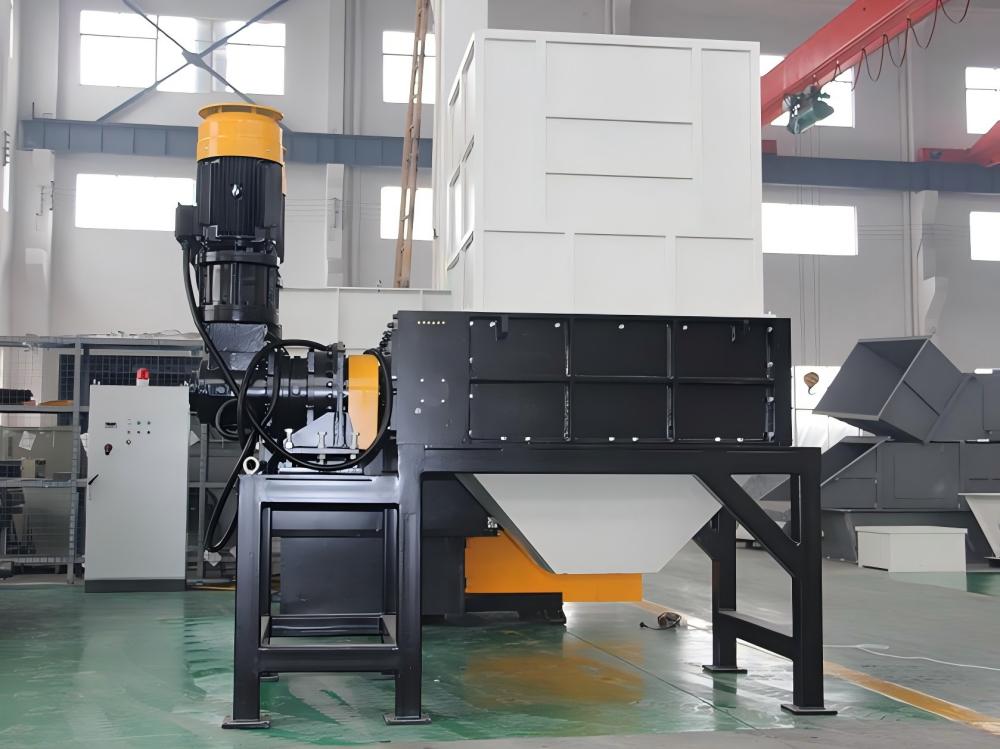
Lubrication is often misunderstood as simply “applying grease,” but in the context of an industrial shredder, it is a precise science. The goal of lubrication is to create a thin film between moving parts to reduce friction, dissipate heat, and prevent the ingress of contaminants. In a shredder, the main bearings and the gearbox are the primary areas requiring lubrication. Using the wrong type of grease can be as damaging as using no grease at all. High-pressure, high-temperature environments require lubricants with specific additives that won’t break down under the intense shear forces present in the machine.
A consistent lubrication plan is a key factor in how Industrial Shredder Maintenance Improves Productivity Cuts Repair Costs. Over-lubrication can be just as problematic as under-lubrication. Excessive grease can blow out seals, allowing dirt to enter the bearing, and can also cause the bearing to run hotter. Many HARSLE shredders come equipped with automatic lubrication systems. These systems must be monitored to ensure the reservoirs are full and the delivery lines are not blocked. For machines requiring manual lubrication, a strict schedule based on operating hours must be followed, and the grease points must be cleaned before the grease gun is applied to prevent pushing dirt into the bearing.
The gearbox requires special attention. The gear oil should be changed after the initial break-in period and then at regular intervals thereafter. During an oil change, maintenance personnel should inspect the old oil for metal flakes. Small amounts of fine metallic dust are normal, but large chunks indicate a failing gear or bearing. By analyzing the waste oil, you can gain a “window” into the internal health of the gearbox without having to disassemble it. This predictive maintenance allows for the ordering of parts well in advance of a total failure, significantly reducing the cost of the eventual repair.
Recognizing Early Warning Signs and Troubleshooting
Effective maintenance involves being a “machine whisperer.” The ability to recognize early warning signs can save a company thousands of dollars. One of the most common signals is a change in the motor’s current draw. If the shredder is pulling more Amps than usual to process the same amount of material, it indicates that the blades are dull or there is increased friction in the drive train. Monitoring the control panel’s display for load fluctuations is an excellent way to gauge when it is time to sharpen the blades. Ignoring this sign will eventually lead to a motor burnout or a snapped drive shaft.
Vibration is another critical indicator. While all shredders vibrate to some extent, a sudden increase in vibration frequency or amplitude suggests an imbalance. This could be caused by a broken blade, a bent shaft, or a failing foundation bolt. If left unaddressed, vibration will loosen every connection on the machine and can even lead to structural cracks in the frame. Using a handheld vibration meter can provide objective data to compare against the machine’s baseline performance. When vibration levels exceed the manufacturer’s specifications, the machine should be stopped and inspected immediately.
Thermal imaging is a modern tool that has revolutionized shredder troubleshooting. By using an infrared camera, maintenance teams can identify “hot spots” in the motor, bearings, or electrical panels that are invisible to the naked eye. A hot spot on a wire usually indicates a loose connection, while a hot spot on a bearing housing indicates a lack of lubrication or internal damage. This non-destructive testing method allows for inspections while the machine is running, providing a real-time look at the stresses being placed on the system. Early detection through these methods is the essence of why Industrial Shredder Maintenance Improves Productivity Cuts Repair Costs.
Comprehensive Maintenance Schedule Table
To help operators stay organized, the following table outlines a standard maintenance schedule for a HARSLE industrial shredder. Note that these intervals may vary based on the material being processed (e.g., metal requires more frequent checks than plastic).
| Frequency | Component | Action Required | Benefit |
|---|---|---|---|
| Daily | Cutting Chamber | Clear debris and check for foreign objects | Prevents jams and motor strain |
| Daily | Safety Systems | Test E-stops and interlocks | Ensures operator safety |
| Weekly | Fasteners/Bolts | Inspect and tighten all structural bolts | Prevents misalignment and vibration |
| Weekly | Hydraulic Fluid | Check level and look for leaks | Maintains torque and system pressure |
| Monthly | Blades/Cutters | Inspect for wear, chips, and gap clearance | Ensures high throughput and quality |
| Monthly | Drive Belts/Chains | Check tension and signs of wear | Prevents slippage and power loss |
| Quarterly | Gearbox Oil | Inspect for contaminants; change if necessary | Extends gear and bearing life |
| Quarterly | Electrical Panel | Clean dust and tighten connections | Prevents electrical failure and fires |
| Annually | Structural Frame | Inspect for stress cracks or weld fatigue | Ensures long-term machine integrity |
Frequently Asked Questions
How often should I sharpen my shredder blades?
The frequency of blade sharpening depends entirely on the material you are processing. For abrasive materials like glass-filled plastics or contaminated scrap metal, you may need to sharpen or rotate blades every few hundred hours. For softer materials, they may last thousands of hours. The best indicator is a drop in productivity or an increase in the motor’s power consumption.
Can I use any type of hydraulic oil in my HARSLE shredder?
No. You should always use the specific grade of hydraulic oil recommended in the HARSLE operator’s manual. Using the wrong viscosity can lead to poor pump performance, increased wear, and overheating. In extreme temperatures, you may need a specialized oil with a higher or lower viscosity index.
What is the most common cause of shredder failure?
The most common cause of failure is “non-shreddable” material entering the chamber. While HARSLE shredders are incredibly tough, a large piece of unyielding hardened steel in a machine designed for light scrap can cause immediate damage to the blades or shafts. Proper pre-sorting of material is the best way to prevent this.
Why does my shredder keep reversing automatically?
The auto-reverse function is a safety feature triggered when the PLC detects a motor overload. If this happens frequently, it usually means the material is too tough for the current settings, the blades are dull, or the hopper is being overfed. Check the blade condition and reduce the feed rate to see if the problem persists.
Is it worth repairing an old industrial shredder?
Generally, yes. Because the frames and shafts of HARSLE shredders are built to last decades, replacing wear parts like blades, bearings, and hydraulic motors is much more cost-effective than buying a new machine. A comprehensive overhaul can often return a machine to 95% of its original efficiency for a fraction of the cost of a new unit.
Conclusion: Investing in Longevity
In conclusion, the evidence is clear: Industrial Shredder Maintenance Improves Productivity Cuts Repair Costs. By shifting from a reactive “fix it when it breaks” mentality to a proactive preventive maintenance strategy, companies can ensure their HARSLE equipment remains a profitable asset for years to come. The costs associated with a rigorous maintenance program—such as lubricants, spare parts, and technician time—are negligible compared to the massive losses incurred during a week of unplanned downtime or the cost of replacing a destroyed gearbox.
HARSLE is committed to supporting our customers with high-quality machinery and the technical knowledge required to keep it running. By following the guidelines laid out in this guide, you can maximize your throughput, protect your employees, and ensure that your industrial shredder continues to deliver the performance your business depends on. Remember, a well-maintained machine is not just a tool; it is the heartbeat of your recycling operation.