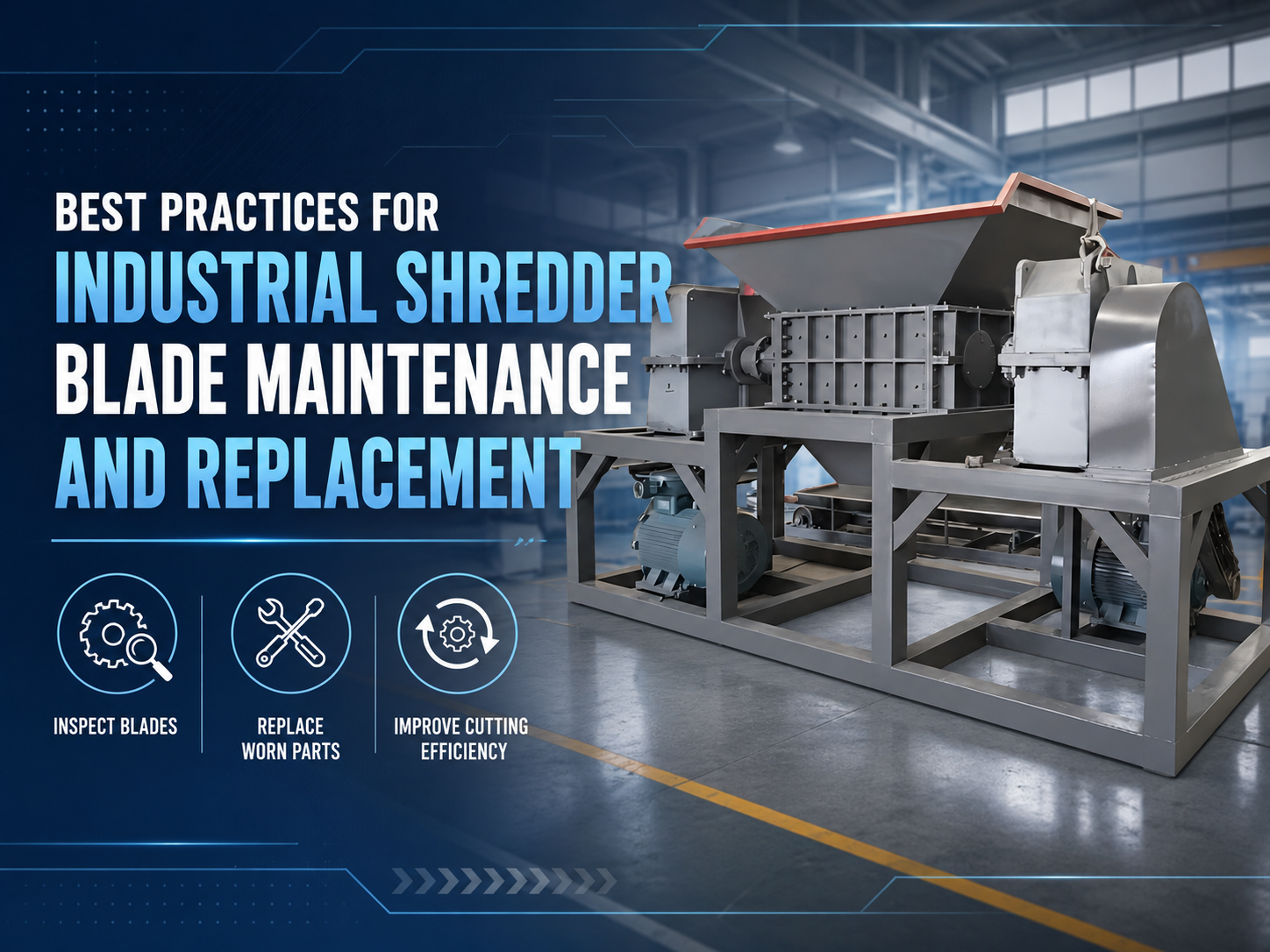
Best Practices for Industrial Shredder Blade Maintenance and Replacement

Introduction to Industrial Shredder Maintenance
In the world of heavy-duty recycling and waste management, the industrial shredder stands as a cornerstone of efficiency. Whether processing scrap metal, plastics, or electronic waste, these machines are designed to handle immense stress. However, the heart of any shredder—the blades—is subject to extreme wear and tear. Implementing Best Practices Industrial Shredder Blade Maintenance Replacement is not merely a suggestion; it is a critical operational requirement for any facility aiming to maximize uptime and minimize operational costs.
Industrial shredders operate on the principle of high torque and low speed (or high speed depending on the model) to shear, tear, or crush materials. This process puts incredible pressure on the cutting edges. Without a rigorous maintenance protocol, blades dull, energy consumption spikes, and the mechanical integrity of the entire machine is compromised. This guide provides a deep dive into the technical aspects of maintaining and replacing shredder blades to ensure your HARSLE equipment performs at its peak for years to come.
Effective maintenance goes beyond simple cleaning. It involves a holistic understanding of metallurgy, mechanical tolerances, and the specific demands of the material being processed. By following the best practices outlined here, operators can extend the life of their blades by up to 50%, significantly reducing the total cost of ownership and ensuring a safer working environment for all personnel involved in the fabrication and recycling process.
The Critical Importance of Regular Maintenance
The primary reason for prioritizing Best Practices Industrial Shredder Blade Maintenance Replacement is the preservation of the machine’s structural integrity. When blades become dull or chipped, they no longer cut cleanly. Instead, they begin to wedge material between the shafts, creating massive lateral forces that can damage bearings, bend shafts, and overheat motors. This “wedging effect” is a leading cause of catastrophic shredder failure.
Furthermore, maintenance is directly linked to energy efficiency. A shredder with sharp, well-adjusted blades requires significantly less amperage to process the same volume of material compared to a machine with worn components. In an industrial setting, these energy savings can translate into thousands of dollars annually. Moreover, consistent maintenance ensures that the output size remains uniform, which is often a strict requirement for downstream processing or resale of recycled materials.
Safety is another paramount concern. Worn blades are more likely to cause material ejections or “kickbacks.” Additionally, a machine that is struggling to process material due to dull blades is more prone to sudden jams, which require manual intervention—a high-risk activity for operators. By maintaining a strict schedule, you mitigate these risks and foster a culture of safety and precision within your facility.
Daily Inspection Protocols
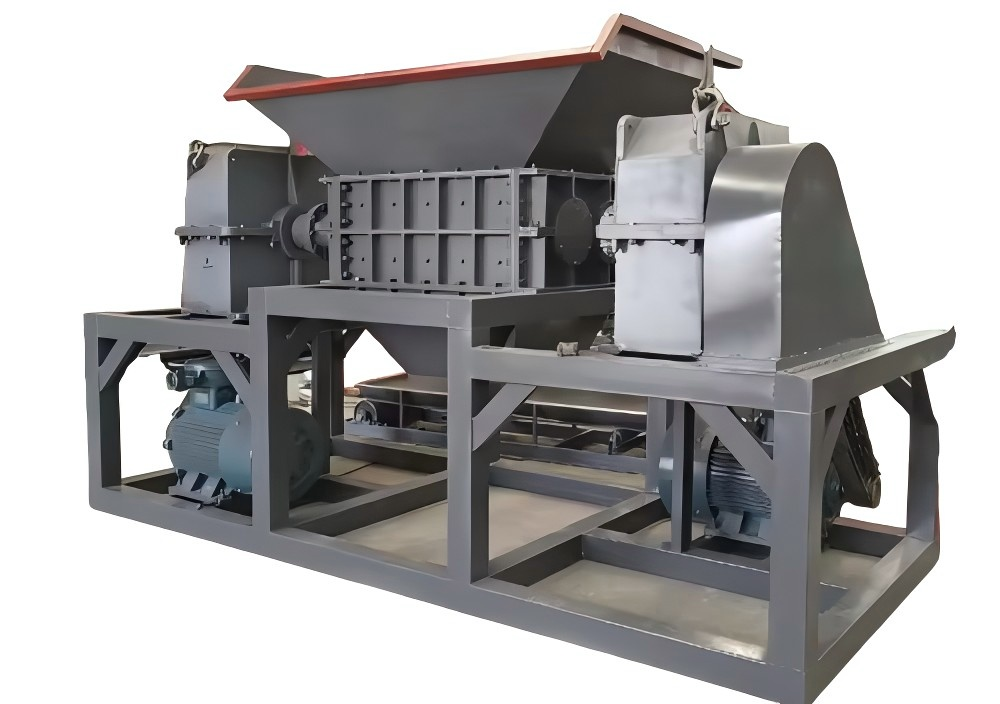
A successful maintenance strategy begins with daily vigilance. Before the start of every shift, operators should perform a comprehensive visual inspection. This starts with checking for any loose bolts or fasteners on the blade assemblies and the housing. The vibration inherent in shredding operations can gradually loosen even the most secure fittings, leading to blade misalignment or even detachment during operation.
Operators must also clear any residual material from the previous shift. Accumulated debris can harden or wrap around the shafts, creating friction and heat from the moment the machine is powered on. Pay close attention to the “cleaning fingers” or spacers between the blades; if these are clogged, the shredder’s ability to discharge material will be severely hampered, leading to internal buildup and potential motor strain.
Finally, the daily check should include a brief “dry run.” Listen for unusual sounds such as grinding, clicking, or excessive vibration. These are often the first indicators of a bearing beginning to fail or a blade that has shifted out of its optimal position. Documenting these daily checks in a logbook is a best practice that helps identify long-term wear patterns and informs future replacement schedules.
Hydraulic, Electrical, and Mechanical System Checks
While the blades are the focus, they do not operate in isolation. The hydraulic system provides the force necessary for heavy-duty shearing. Weekly checks should include monitoring hydraulic fluid levels, inspecting hoses for leaks or abrasions, and ensuring that the cooling system is functioning correctly. Overheated hydraulic oil loses its viscosity, leading to reduced pressure and sluggish blade performance.
The electrical system is the brain of the shredder. Ensure that all sensors—especially those responsible for detecting jams and triggering auto-reverse cycles—are clean and calibrated. Dust and metallic fines can interfere with proximity switches and optical sensors. Additionally, inspect the control panel for any signs of heat damage or loose wiring, as these can lead to intermittent power loss or failure of the emergency stop systems.
Mechanically, the focus should be on the gearbox and couplings. The gearbox is under constant load and requires regular oil analysis to check for metallic shavings, which indicate internal gear wear. Couplings should be checked for alignment; even a slight misalignment can cause uneven wear on the shredder blades and put undue stress on the motor bearings. Integrating these checks into your Best Practices Industrial Shredder Blade Maintenance Replacement routine ensures the entire powertrain supports the cutting action efficiently.
Comprehensive Lubrication Plan
Lubrication is the lifeblood of industrial machinery. For an industrial shredder, the lubrication plan must cover the main shaft bearings, the gearbox, and any drive chains or pivot points. Using the correct type of lubricant is vital; high-pressure (EP) grease is typically required for bearings to withstand the shock loads of shredding metal or heavy plastics.
The frequency of lubrication depends on the operating environment. In dusty or high-temperature settings, bearings may need greasing every 8 to 12 hours of operation. Over-lubrication can be just as damaging as under-lubrication, as it can cause seal failure and attract abrasive contaminants. An automated lubrication system is often a wise investment for high-volume operations, as it delivers precise amounts of grease at optimal intervals.
Don’t forget the gearbox oil. It should be changed after the initial break-in period and then at regular intervals (usually every 2,000 to 4,000 hours) thereafter. Always use the oil grade recommended by HARSLE to ensure the gears are protected against the extreme pressures and temperatures generated during heavy-duty cycles.
Identifying Troubleshooting Signals
Recognizing the early warning signs of blade wear can save a facility from expensive emergency repairs. One of the most common signals is a change in the “sound profile” of the machine. A sharp shredder produces a rhythmic shearing sound, while a dull one produces a heavy, thumping, or grinding noise as it struggles to tear through material.
Another key indicator is the quality of the output. If the shredded material starts to appear elongated, “stringy,” or larger than the specified screen size, it is a clear sign that the blade tolerances have increased. This usually happens because the edges have rounded off or the gap between the counter-blades has widened. Monitoring the motor’s amperage draw is also effective; a steady increase in power consumption for the same material load indicates that the blades are losing their cutting efficiency.
Heat is also a major red flag. If the shafts or the shredded material itself feel excessively hot to the touch, it indicates high friction caused by dull blades or improper lubrication. If you notice any of these signals, it is time to stop the machine and perform a detailed inspection of the blade edges and the clearance settings.
Best Practices for Blade Replacement and Sharpening
When it comes to Best Practices Industrial Shredder Blade Maintenance Replacement, knowing when to sharpen and when to replace is a science. Most high-quality shredder blades, such as those made from D2 or SKD11 tool steel, can be sharpened multiple times. However, sharpening must be done by professionals using precision grinding equipment to maintain the correct angles and ensure the blades remain balanced.
Replacement is necessary when the blade has reached its minimum thickness or when there is significant cracking or “spalling” on the surface. When replacing blades, always replace them in complete sets or balanced pairs. Mixing new blades with heavily worn ones can cause shaft imbalance and uneven wear. During the replacement process, it is also the ideal time to inspect the blade seats on the shaft for any signs of deformation or wear.
Proper torqueing of blade bolts is non-negotiable. Use a calibrated torque wrench and follow the manufacturer’s specifications exactly. Under-tightened bolts can lead to blade movement and shaft damage, while over-tightened bolts can snap under the stress of operation. Additionally, always check the “gap” or clearance between the rotating blades and the fixed counter-blades using feeler gauges to ensure optimal shearing action.
Industrial Shredder Maintenance Schedule Table
To maintain peak performance, follow this structured maintenance schedule. Adjust the frequency based on the abrasiveness of the material you are processing (e.g., glass or sand-filled plastics require more frequent checks than clean aluminum).
| Frequency | Component | Action Required |
|---|---|---|
| Daily | Blades & Shafts | Visual inspection for chips, clearing debris, checking for loose bolts. |
| Daily | Safety Systems | Test emergency stops and interlock sensors. |
| Weekly | Hydraulic System | Check fluid levels, inspect hoses for leaks, and clean oil coolers. |
| Weekly | Bearings | Apply high-pressure grease (if not automated). |
| Monthly | Electrical Panel | Vacuum dust, check for loose connections, and inspect contactors. |
| Monthly | Blade Clearance | Measure gap between blades and counter-blades; adjust if necessary. |
| Quarterly | Gearbox | Check oil quality and inspect for metallic particles. |
| Bi-Annually | Blade Sharpening | Evaluate blade wear and schedule professional grinding if needed. |
| Annually | Full System Audit | Comprehensive inspection of structural frame, motor mounts, and shafts. |
Advanced Metallurgy: Choosing the Right Blades
The longevity of your shredder blades is heavily dependent on the material they are made of. For most metal fabrication and recycling applications, D2 tool steel is the industry standard due to its high carbon and chromium content, providing an excellent balance of hardness and wear resistance. However, for extremely abrasive materials, tungsten carbide-tipped blades or specialized heat-treated alloys may be required.
Understanding the “Rockwell Hardness” (HRC) of your blades is essential. Blades that are too hard may be brittle and prone to cracking when hitting a non-shreddable object (like a thick steel tramp), while blades that are too soft will dull quickly. HARSLE provides various blade configurations tailored to specific industrial needs, ensuring that the metallurgy matches the application. When ordering replacements, always specify the material type to ensure the new blades can handle the specific stresses of your production line.
FAQ: Common Questions on Shredder Blade Maintenance
1. How often should I sharpen my industrial shredder blades?
The frequency depends entirely on the material being processed. For soft plastics, blades may last 1,000+ hours before needing sharpening. For scrap metal or abrasive e-waste, you might need to sharpen or rotate blades every 200-400 hours. Monitor output quality as your primary guide.
2. Can I sharpen the blades myself in-house?
While minor touch-ups with a hand grinder are possible for some low-precision shredders, it is generally discouraged for high-performance industrial shredders. Professional grinding ensures the geometry and balance of the blade are preserved, which is critical for the health of the shafts and bearings.
3. What is the most common cause of premature blade failure?
The entry of “non-shreddables” (tramp metal) is the leading cause of sudden blade damage. However, the most common cause of *gradual* premature failure is improper blade clearance (the gap is too wide), which causes material to rub and heat up rather than shear cleanly.
4. How do I know if a blade needs to be replaced instead of sharpened?
If the blade has lost more than 10-15% of its original mass, or if there are deep cracks extending toward the bolt holes, replacement is necessary. Also, if the blade has been sharpened so many times that it can no longer reach the counter-blade to maintain the proper gap, it must be replaced.
5. Does the direction of the shredder affect blade wear?
Many modern shredders feature an auto-reverse function to clear jams. While this is necessary, frequent reversing can cause different wear patterns. Some dual-shaft shredders allow for blades to be flipped or rotated to utilize all four cutting edges, effectively doubling the life of the blade before sharpening is required.
6. Why is my shredder vibrating excessively after a blade change?
Excessive vibration usually indicates an imbalance. This can happen if you only replaced some of the blades, if the blades were not torqued evenly, or if there is debris trapped between the blade and the shaft seat. Re-check the torque settings and ensure the shaft is clean.
Conclusion
Adhering to Best Practices Industrial Shredder Blade Maintenance Replacement is the most effective way to protect your investment in metal fabrication and recycling machinery. By combining daily inspections with a rigorous lubrication schedule and professional blade servicing, you ensure that your HARSLE shredder remains a reliable, efficient, and safe component of your industrial workflow. Remember, the cost of proactive maintenance is always a fraction of the cost of reactive repairs and lost production time. Keep your blades sharp, your systems lubricated, and your inspections consistent to achieve the highest possible ROI from your industrial equipment.