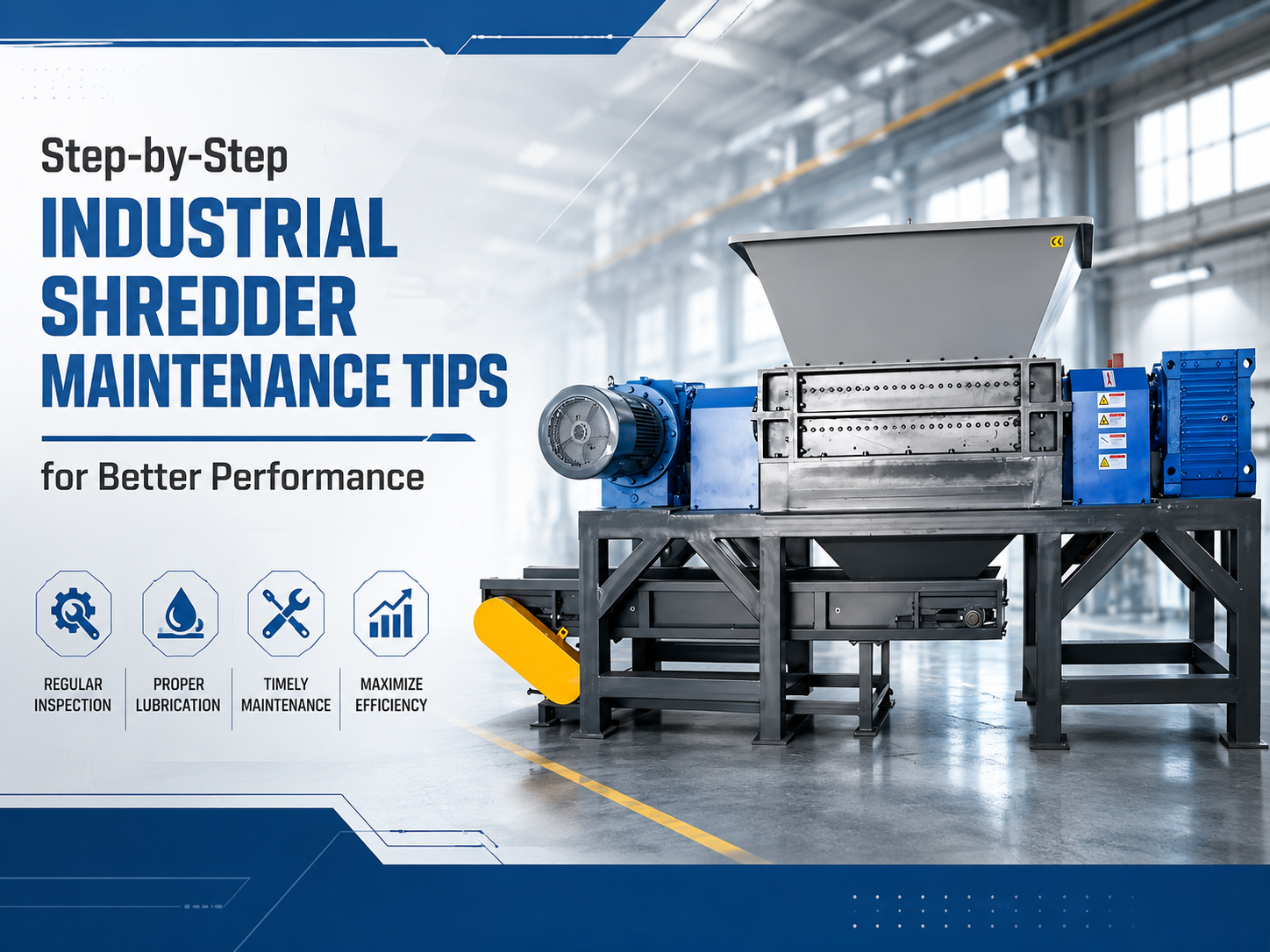
Step-by-Step Industrial Shredder Maintenance Tips for Better Performance

The Critical Role of Maintenance in Industrial Shredding Operations
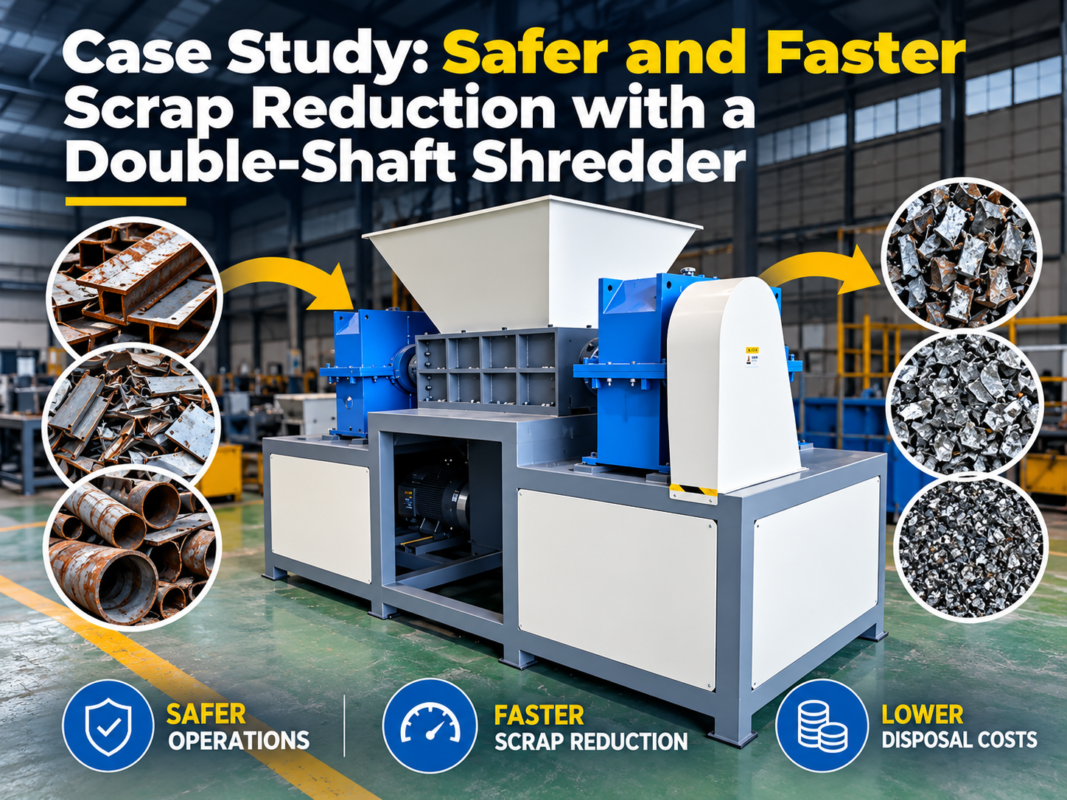
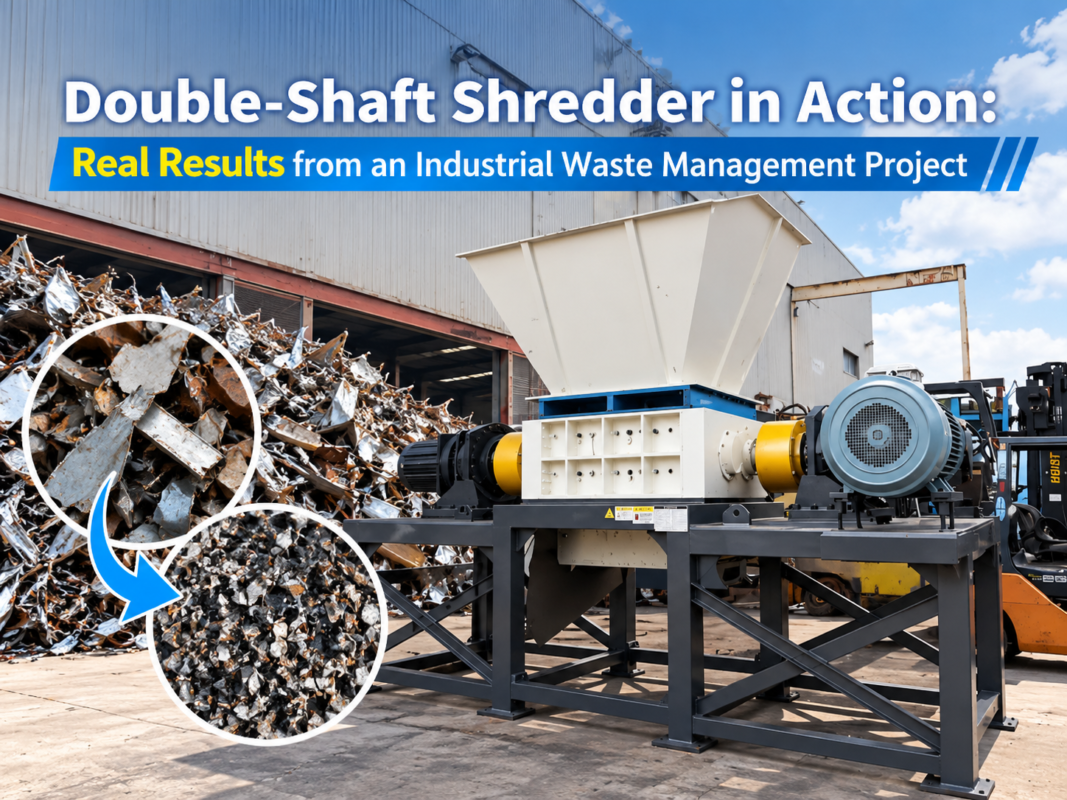
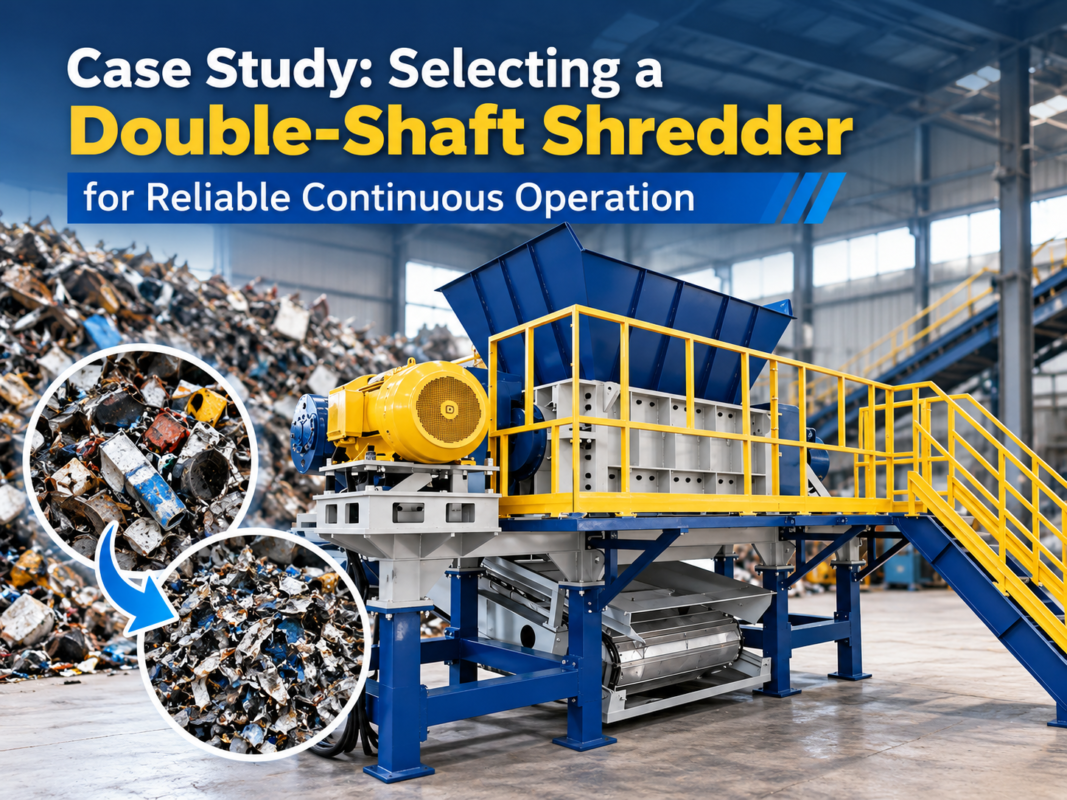
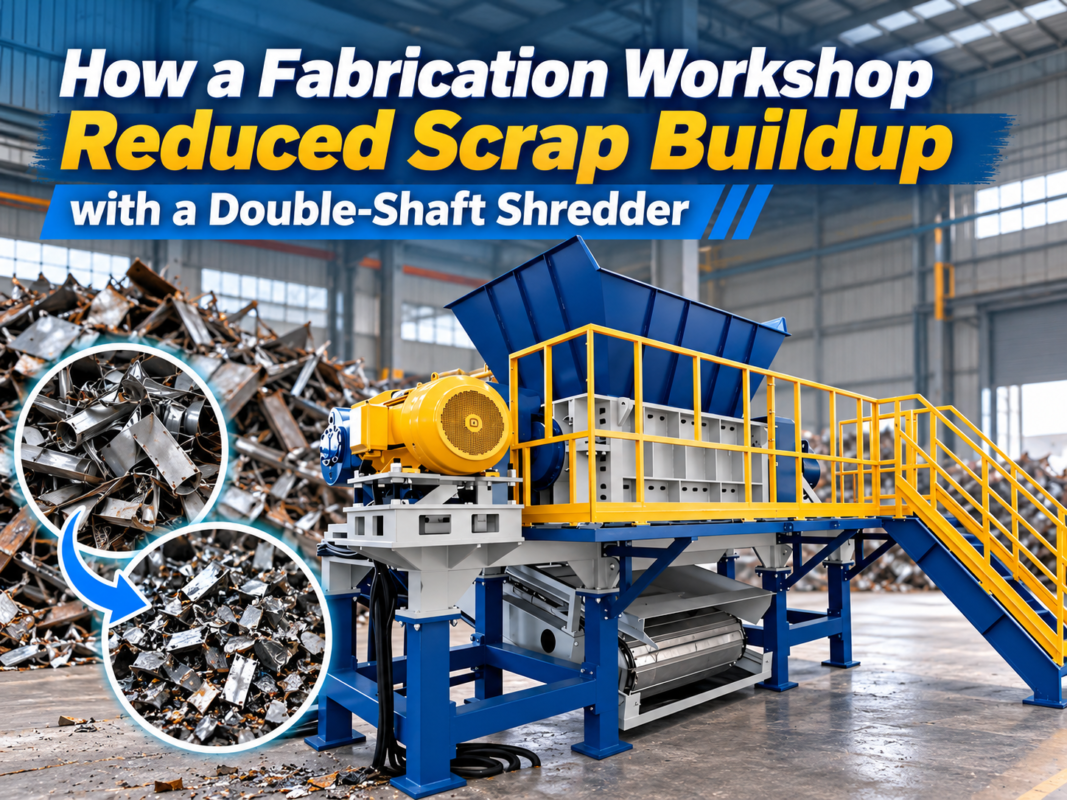
In the world of heavy-duty recycling and waste management, the industrial shredder stands as the workhorse of the facility. Whether you are processing scrap metal, plastics, or electronic waste, the efficiency of your operation depends entirely on the uptime and performance of this machine. Implementing Step-By-Step Industrial Shredder Maintenance Tips Better Performance is not merely a suggestion; it is a financial necessity. A well-maintained shredder operates at peak throughput, consumes less energy, and significantly reduces the risk of catastrophic failure that could halt production for weeks.
At HARSLE, we understand that industrial shredders are significant investments. These machines are designed to handle immense stress, high torque, and abrasive materials. However, the very nature of their work leads to inevitable wear and tear. Without a structured maintenance protocol, small issues like a loose bolt or a slightly dull blade can escalate into major mechanical breakdowns. By following a rigorous maintenance schedule, operators can extend the lifespan of their equipment by years, ensuring a much higher return on investment (ROI).
Furthermore, maintenance is a cornerstone of workplace safety. Industrial shredders are powerful machines capable of exerting massive forces. A component failure during operation—such as a blade shattering or a hydraulic hose bursting—poses a severe risk to personnel. Regular inspections and proactive part replacements create a safer working environment, reducing liability and ensuring compliance with industrial safety standards. In the following sections, we will break down the essential steps to keep your shredder in top-tier condition.
Daily Inspection: The First Line of Defense
The most effective way to prevent major breakdowns is through a disciplined daily inspection routine. Before the shift begins, operators should perform a comprehensive walk-around of the machine. This initial check allows for the identification of visible issues that may have developed during the previous shift. Look for signs of fluid leaks, loose fasteners, or structural cracks in the frame. Even a small puddle of hydraulic fluid can indicate a failing seal that, if ignored, could lead to a complete system shutdown.
During the daily inspection, it is crucial to clear any debris that has accumulated around the motor, gearbox, and cooling fans. Dust and material buildup can act as insulation, causing components to overheat. For shredders processing metallic or abrasive materials, check the hopper and the discharge area for any blockages. Ensuring a clear path for material flow prevents unnecessary strain on the cutting shafts and motors. This simple step is a core part of Step-By-Step Industrial Shredder Maintenance Tips Better Performance.
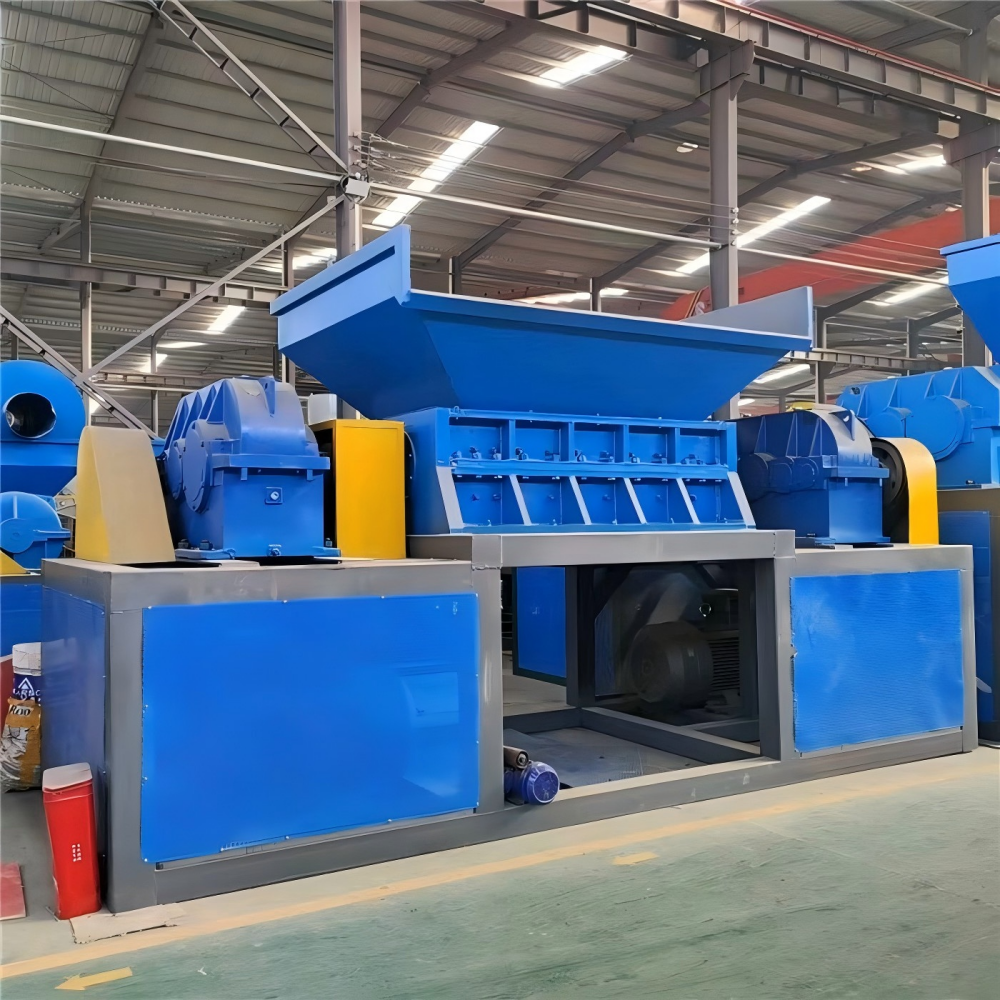
In addition to visual checks, operators should listen to the machine during startup. Unusual grinding, squealing, or heavy vibration are immediate red flags. These sounds often point to bearing failure or misalignment in the drive train. By catching these auditory signals early, maintenance teams can intervene before the damage becomes irreversible. Documenting these daily findings in a logbook helps track the machine’s health over time and provides valuable data for long-term maintenance planning.
Mechanical System Maintenance: Blades, Shafts, and Bearings
The heart of any industrial shredder is its cutting system. The blades (or knives) are the components that perform the actual work, and they are subject to the highest levels of wear. Maintaining blade sharpness is essential for performance. Dull blades do not cut efficiently; instead, they tear and crush material, which requires significantly more torque and energy. This extra strain is transferred back to the shafts, bearings, and motors, accelerating the wear of the entire machine.
Regularly inspect the cutting gap between the blades. Over time, the clearance between counter-knives and rotating blades can widen due to wear. If this gap becomes too large, material will bypass the cutting action, leading to poor output quality and potential jams. Depending on the material being processed, blades may need to be sharpened or rotated frequently. Many HARSLE shredders feature modular blade designs that allow for easy removal and replacement, minimizing downtime during these critical maintenance windows.
Bearings and shafts also require close attention. The shafts must remain perfectly aligned to ensure even distribution of force across the cutting chamber. Misalignment can lead to uneven blade wear and excessive vibration. Bearings should be checked for heat buildup; a bearing that feels excessively hot to the touch is likely failing or under-lubricated. Ensuring that the mechanical assembly is tight and aligned is a fundamental aspect of achieving Step-By-Step Industrial Shredder Maintenance Tips Better Performance.
Hydraulic and Electrical System Checks
Many high-torque industrial shredders rely on hydraulic drive systems to provide the necessary power for tough materials. The hydraulic system is the lifeblood of the machine, and its maintenance is paramount. Start by monitoring the hydraulic fluid levels and the condition of the oil. Contaminated oil is the leading cause of hydraulic pump and valve failure. Regularly replace hydraulic filters and perform oil analysis to check for microscopic metal particles or moisture that could indicate internal component wear.
Check all hydraulic hoses and fittings for signs of abrasion, bulging, or leaks. Because shredders operate in high-vibration environments, hoses can rub against the frame, leading to thin spots and eventual bursts. Ensure that the cooling system for the hydraulic fluid is functioning correctly. If the oil becomes too hot, it loses its viscosity, leading to poor lubrication and increased wear on the pump. Maintaining the thermal balance of the hydraulic system is key to consistent performance.
On the electrical side, the control panel and wiring must be kept clean and dry. Dust, especially metallic dust, can cause short circuits or intermittent sensor failures. Periodically tighten all electrical connections, as vibration can loosen terminals over time. Test the emergency stop buttons and safety interlocks daily to ensure they are fully operational. Modern shredders often use PLCs (Programmable Logic Controllers) to manage load sensing and auto-reverse functions; ensure the software is updated and that sensors are calibrated to prevent the motor from overloading during heavy feeding.
The Importance of a Comprehensive Lubrication Plan
Lubrication is perhaps the most critical yet often overlooked aspect of industrial machinery maintenance. Without proper lubrication, the friction generated by moving parts will quickly destroy bearings, gears, and shafts. A robust lubrication plan should specify the type of lubricant to be used, the frequency of application, and the specific points that require attention. Using the wrong type of grease can be just as damaging as using no grease at all, as different additives are required for high-pressure and high-temperature environments.
Automatic lubrication systems are a common feature on high-end HARSLE shredders. These systems deliver precise amounts of grease to critical points at set intervals. However, even with an automated system, manual inspection is required to ensure that the lines are not blocked and that the reservoir is full. For machines without automated systems, operators must follow a strict schedule, typically greasing main bearings every 8 to 40 hours of operation, depending on the intensity of the work.
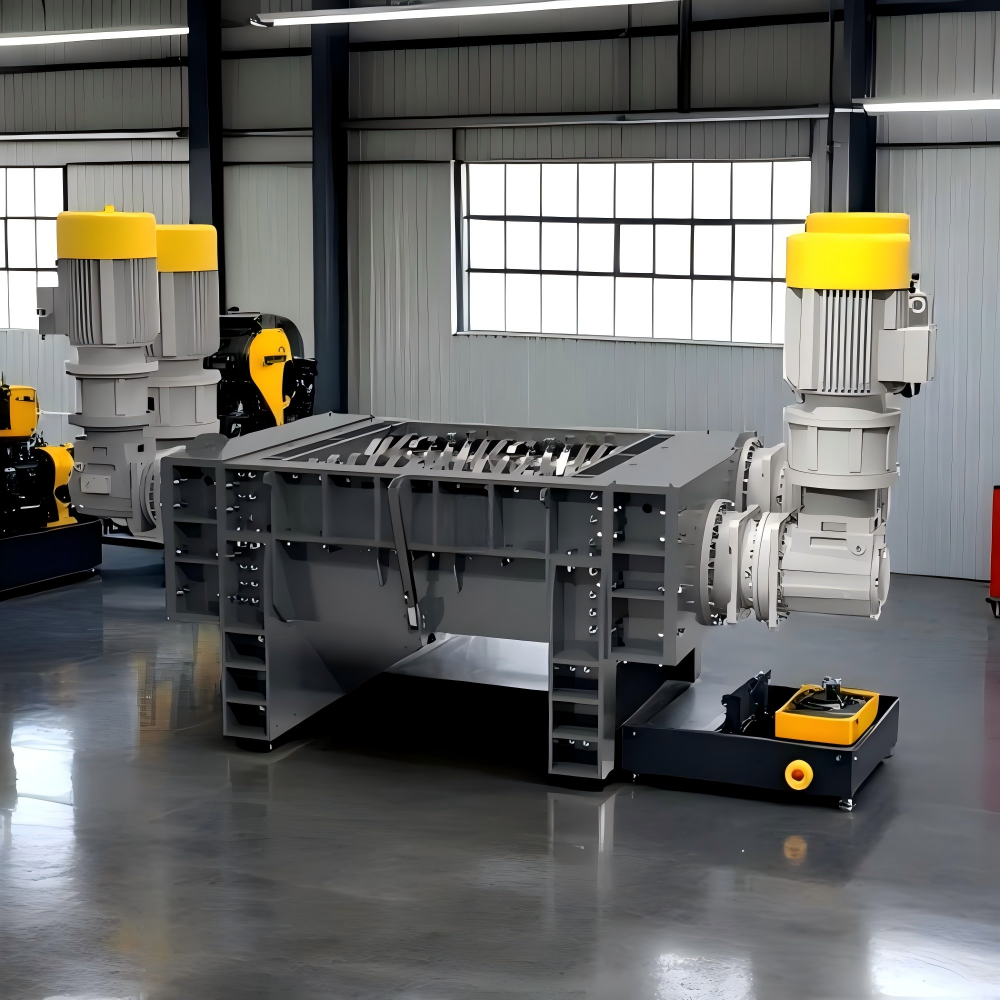
When applying lubricant, it is important to clean the grease nipples first to avoid pushing dirt and grit into the bearing. Over-lubrication can also be a problem, as it can cause seals to blow out or lead to internal churning and overheating. A balanced approach, following the manufacturer’s specifications, ensures that the Step-By-Step Industrial Shredder Maintenance Tips Better Performance are effectively implemented to protect the machine’s mechanical integrity.
Troubleshooting Signals: Identifying Problems Before They Occur
Experienced operators develop an intuition for their machinery, but everyone should be trained to recognize the common signals of impending trouble. One of the most obvious signs is a change in the output material. If the shredded pieces are suddenly larger, more ragged, or if the machine is struggling to process material it previously handled with ease, the blades are likely dull or the cutting gap has widened. This decrease in efficiency is a direct signal that maintenance is overdue.
Vibration is another key indicator. While all shredders vibrate to some extent, a sudden increase in intensity or a change in the vibration pattern suggests a mechanical imbalance. This could be caused by a broken blade, a bent shaft, or a failing bearing. Ignoring vibration will lead to secondary damage, such as cracked welds in the machine frame or loosened electrical components. Using vibration analysis tools can help maintenance teams pinpoint the exact source of the problem without disassembling the entire machine.
Temperature monitoring is also vital. Using an infrared thermometer to check the temperature of motors, gearboxes, and bearings can reveal “hot spots” that indicate excessive friction or electrical resistance. If a motor is running hotter than its rated temperature, it may be overloaded or the cooling vents may be clogged. By identifying these troubleshooting signals early, you can schedule maintenance during planned downtime rather than reacting to an emergency breakdown in the middle of a production run.
Comprehensive Maintenance Schedule Table
To ensure nothing is missed, use the following table as a template for your industrial shredder maintenance program. Adjust the frequencies based on your specific material type and daily operating hours.
| Frequency | Component | Action Required |
|---|---|---|
| Daily | Hopper & Discharge | Clear debris and check for blockages. |
| Daily | Hydraulic System | Check oil levels and look for leaks in hoses. |
| Daily | Safety Systems | Test E-stops and safety interlocks. |
| Weekly | Cutting Blades | Inspect for chips, dullness, and check bolt tightness. |
| Weekly | Drive Belts/Chains | Check tension and look for signs of wear or fraying. |
| Monthly | Bearings | Check for play/clearance and ensure proper lubrication. |
| Monthly | Electrical Cabinet | Vacuum dust and tighten terminal connections. |
| Quarterly | Hydraulic Oil | Perform oil analysis and replace filters. |
| Quarterly | Gearbox | Check oil level and inspect for metal shavings in oil. |
| Annually | Structural Frame | Inspect all welds for stress cracks or fatigue. |
| Annually | Full Calibration | Recalibrate PLC sensors and load-sensing parameters. |
Frequently Asked Questions (FAQ)
How often should I sharpen my industrial shredder blades?
The frequency of sharpening depends entirely on the material you are processing. For soft plastics, blades may last months, whereas for contaminated scrap metal or glass-filled polymers, they may need attention every few weeks. Monitor the output quality and motor load; if the load increases while throughput decreases, it is time to sharpen or rotate the blades.
What type of hydraulic oil is best for heavy-duty shredders?
Always refer to the manufacturer’s manual. Generally, high-quality anti-wear (AW) hydraulic oil with the correct viscosity grade (usually ISO VG 46 or 68) for your ambient operating temperature is recommended. Using the wrong viscosity can lead to poor lubrication in winter or overheating in summer.
Why does my shredder keep reversing automatically?
Most modern shredders have an auto-reverse feature triggered by a high-amp limit on the motor. This happens when the material is too tough or the hopper is overfed. However, if it happens frequently with normal loads, it may indicate dull blades, a failing sensor, or a mechanical obstruction in the cutting chamber.
Can I use any grease for the main bearings?
No. Industrial shredder bearings operate under high pressure and often high temperatures. You should use an Extreme Pressure (EP2) lithium-based grease or a synthetic equivalent as specified by HARSLE. Using general-purpose grease may result in the lubricant breaking down under the intense loads, leading to bearing failure.
How can I reduce the noise level of my shredder?
Excessive noise is often caused by vibration or dull blades. Ensure the machine is properly anchored to the floor, all bolts are tight, and the blades are sharp. Additionally, ensuring the drive belts are correctly tensioned and the gearbox is properly lubricated can significantly dampen operational noise.
Conclusion: Maximizing ROI through Proactive Care
Maintaining an industrial shredder requires a commitment to consistency and detail. By following these Step-By-Step Industrial Shredder Maintenance Tips Better Performance, you protect your equipment from the harsh realities of the recycling industry. A proactive approach—focusing on daily inspections, rigorous lubrication, and timely blade maintenance—will always be more cost-effective than a reactive approach that waits for a breakdown to occur.
At HARSLE, we are dedicated to providing not only the highest quality metal fabrication and recycling machinery but also the knowledge needed to keep that machinery running at peak efficiency. Remember that a well-maintained shredder is a productive shredder. Invest the time in maintenance today, and your machine will reward you with years of reliable, high-performance service.