How to Keep an Industrial Shredder Running Efficiently with Routine Servicing

Introduction to Industrial Shredder Efficiency
In the world of metal fabrication and waste management, the industrial shredder stands as a cornerstone of productivity. Whether you are processing scrap metal, plastics, or electronic waste, the ability to keep an industrial shredder running efficiently with routine servicing is the difference between a profitable operation and a logistical nightmare. These machines are designed to handle immense stress, high torque, and abrasive materials, but even the most robust HARSLE shredder requires a disciplined approach to maintenance to ensure its longevity.
Efficiency in shredding isn’t just about speed; it’s about consistency, energy consumption, and the quality of the output material. When a shredder is poorly maintained, the motor works harder, the blades dull, and the risk of catastrophic mechanical failure increases. This comprehensive guide will walk you through the essential steps to maintain your equipment, ensuring that your investment continues to deliver high performance year after year. By following a structured routine, you can minimize downtime and maximize the return on your industrial machinery.
The Critical Importance of Routine Maintenance
Why is maintenance so vital for an industrial shredder? Unlike many other industrial machines, shredders operate in inherently hostile environments. They are constantly subjected to impact forces, dust, heat, and varying material densities. Routine servicing acts as a preventative shield, identifying minor wear and tear before it evolves into a multi-thousand-dollar repair bill. Furthermore, a well-maintained machine is a safe machine. Loose bolts or failing hydraulic lines can pose significant risks to operators.
From an economic perspective, the cost of routine servicing is a fraction of the cost of emergency repairs. When a shredder goes offline unexpectedly, the entire production line often grinds to a halt. By implementing a proactive maintenance strategy, you can schedule downtime during off-peak hours, ensuring that your facility remains productive when it matters most. Additionally, keeping the cutting components sharp and the drive systems lubricated reduces energy consumption, directly impacting your bottom line through lower utility costs.
Daily Inspection: The First Line of Defense
The most effective way to keep an industrial shredder running efficiently with routine servicing starts with the daily inspection. This should be a non-negotiable part of the operator’s morning routine. Before the machine is even powered on, a visual sweep can reveal potential issues that might have developed during the previous shift. Operators should look for signs of fluid leaks, loose fasteners, or any foreign objects that may have fallen into the hopper.
During the daily check, it is crucial to inspect the cutting chamber. Ensure that no material is wedged in a way that could cause a jam upon startup. Check the tension of drive belts or chains and look for any signs of fraying or excessive slack. A quick check of the control panel for any warning lights or error codes can also prevent a minor electrical glitch from becoming a major headache. These five to ten minutes spent every morning are the most cost-effective insurance policy you can have for your equipment.
Hydraulic System Checks and Maintenance
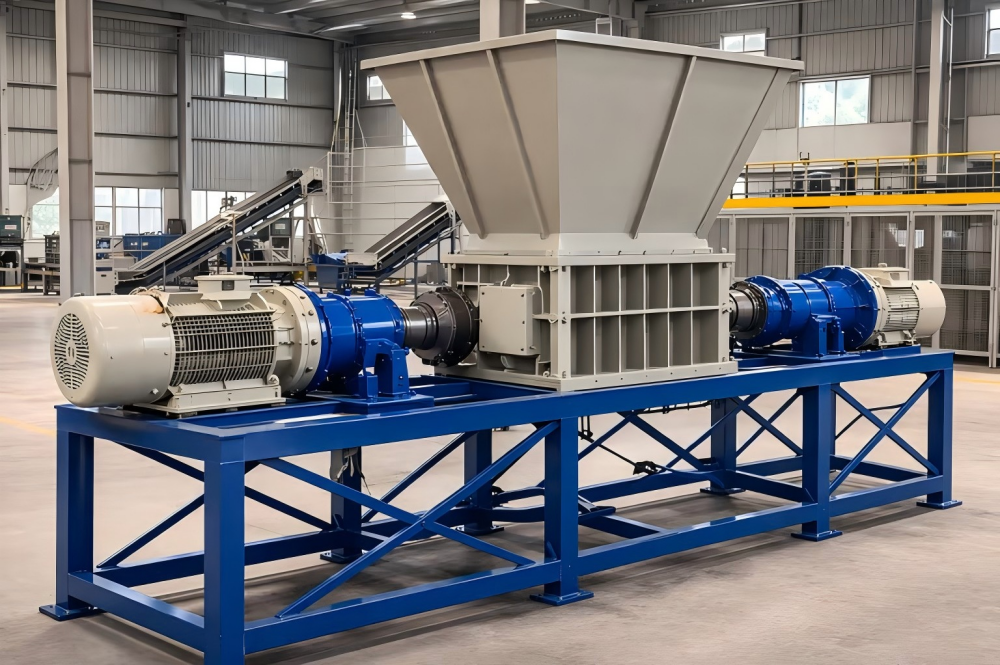
Many industrial shredders, especially heavy-duty models from HARSLE, rely on sophisticated hydraulic systems to drive the shafts or operate the ram feeders. The hydraulic system is the lifeblood of the machine, providing the necessary force to crush and shear through tough materials. Maintaining this system requires attention to three main factors: fluid levels, fluid cleanliness, and temperature management.
Hydraulic fluid should be checked daily to ensure it is at the correct level. Low fluid levels can lead to cavitation in the pump, which causes rapid wear and loss of power. However, simply having enough fluid isn’t enough; the fluid must be clean. Over time, hydraulic oil can become contaminated with microscopic metal particles or moisture. Regularly replacing filters and performing oil analysis can extend the life of your pumps and valves significantly. Furthermore, keep an eye on the hydraulic cooling system. If the oil gets too hot, it loses its viscosity, leading to increased friction and potential seal failure.
Electrical System and Control Logic
The electrical system of a modern industrial shredder is its brain. It manages the motor starts, the auto-reverse functions (to clear jams), and the safety interlocks. Routine servicing of the electrical components involves checking all wiring for signs of wear, heat damage, or rodent interference. Vibrations from the shredding process can sometimes loosen terminal connections, which can lead to intermittent faults or even electrical fires.
The control cabinet should be kept clean and free of dust. In many industrial environments, metallic dust can accumulate inside electrical enclosures, leading to short circuits. Ensure that cooling fans on the VFD (Variable Frequency Drive) or PLC (Programmable Logic Controller) are functioning correctly. It is also wise to periodically test the emergency stop buttons and safety sensors to ensure they are fully operational. A failure in the electrical safety system is not just a maintenance issue; it is a critical liability.
Mechanical Components: Blades, Shafts, and Gearboxes
The mechanical heart of the shredder—the cutting shafts and blades—requires the most intensive focus. To keep an industrial shredder running efficiently with routine servicing, you must monitor the condition of the cutters. Dull blades don’t just produce poor-quality output; they increase the load on the motor and gearbox, leading to premature failure. Depending on the material being shredded, blades may need to be rotated, sharpened, or replaced on a regular schedule.
The gearbox is another high-stress component. It converts the high-speed rotation of the motor into the high-torque rotation needed for shredding. Check the gearbox oil levels and look for any signs of metal shavings in the oil, which could indicate internal gear wear. Additionally, inspect the bearings that support the main shafts. Bearings should be checked for excessive heat or unusual noise, both of which are precursors to failure. Proper alignment of the shafts is also essential; even a slight misalignment can cause uneven wear on the cutters and put undue stress on the drive train.
Developing a Comprehensive Lubrication Plan
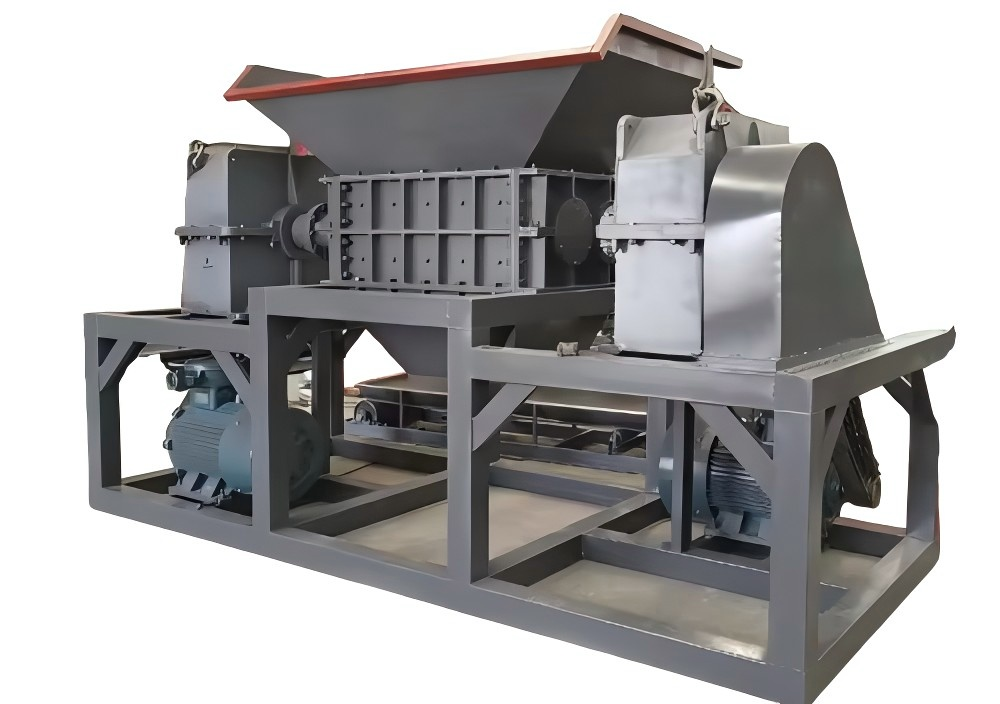
Lubrication is the simplest yet most frequently overlooked aspect of industrial shredder maintenance. Without proper lubrication, metal-on-metal contact will quickly destroy bearings, bushings, and gears. A comprehensive lubrication plan should specify the type of lubricant to be used, the location of all grease points, and the frequency of application. Not all greases are created equal; high-load, high-temperature environments require specialized lubricants that won’t break down under pressure.
Automated lubrication systems are common on high-end HARSLE shredders, but they still require monitoring. Ensure the reservoir is full and that the delivery lines are not blocked or broken. For manual systems, operators should follow a strict schedule. Over-lubrication can be just as damaging as under-lubrication, as it can lead to seal blowouts and the accumulation of debris. A clean, well-lubricated machine runs more quietly, stays cooler, and requires less energy to operate.
Recognizing Troubleshooting Signals
Even with the best maintenance routine, components will eventually wear out. The key is to recognize the signals of impending trouble before a breakdown occurs. Operators should be trained to use their senses—sight, sound, and smell—to monitor the machine’s health. For example, a change in the pitch of the machine’s operation often indicates a bearing issue or a loose belt. A burning smell could indicate an electrical problem or an overheating motor.
Vibration is another critical signal. While all shredders vibrate to some extent, an increase in vibration levels usually points to an unbalanced shaft, a broken tooth on a cutter, or a failing foundation mount. Monitoring the motor’s current draw is also a powerful troubleshooting tool. If the machine is drawing more amps than usual to process the same amount of material, it is a clear sign that the blades are dull or there is excessive friction in the drive system. Addressing these signals immediately can save thousands in repair costs.
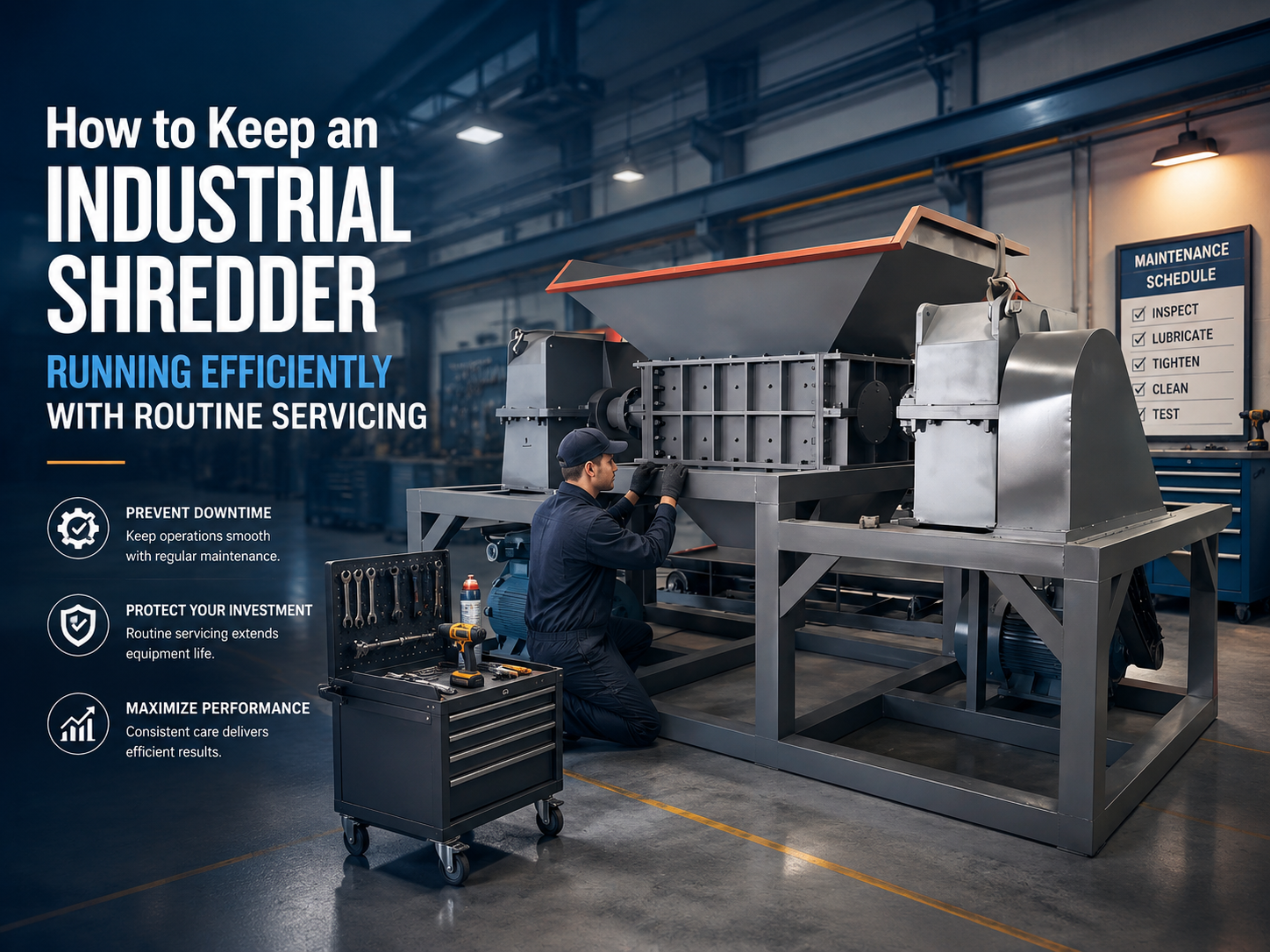
Industrial Shredder Maintenance Schedule Table
To help you stay organized, use the following table as a baseline for your maintenance department. Note that specific intervals may vary based on your material type and hourly usage.
| Frequency | Component | Action Required |
|---|---|---|
| Daily | Cutting Chamber | Clear debris and check for jams. |
| Daily | Hydraulic Fluid | Check levels and look for leaks. |
| Daily | Safety Systems | Test E-stops and interlocks. |
| Weekly | Drive Belts/Chains | Check tension and inspect for wear. |
| Weekly | Blades/Cutters | Inspect for chips, dullness, or loose bolts. |
| Monthly | Electrical Cabinet | Clean dust and tighten terminal connections. |
| Monthly | Gearbox Oil | Check level and inspect for contamination. |
| Quarterly | Bearings | Check for heat, noise, and proper lubrication. |
| Bi-Annually | Hydraulic Filters | Replace all filters and sample oil for analysis. |
| Annually | Full System Audit | Comprehensive inspection of structure and motor health. |
Frequently Asked Questions (FAQ)
How often should I sharpen my shredder blades?
The frequency of blade sharpening depends entirely on the material you are processing. For soft plastics, blades may last months. For abrasive materials like glass-filled polymers or contaminated scrap metal, you might need to rotate or sharpen blades every few weeks. Monitor your throughput; if the output size becomes inconsistent or the motor load increases, it’s time to service the blades.
What type of hydraulic oil is best for industrial shredders?
Most industrial shredders require a high-quality anti-wear (AW) hydraulic oil, typically ISO 46 or ISO 68, depending on the ambient temperature of your facility. Always refer to the HARSLE operator’s manual for the specific grade recommended for your model to ensure compatibility with seals and pumps.
Can I use any grease for the main bearings?
No. Shredder bearings operate under high pressure and often high temperatures. You should use a heavy-duty, extreme-pressure (EP) grease, usually with a lithium complex base. Using the wrong grease can lead to premature bearing failure due to the lubricant “bleeding” out or failing to provide an adequate film under load.
Why does my shredder keep reversing automatically?
The auto-reverse function is a safety feature triggered when the motor reaches a specific amperage limit, indicating a jam or material that is too tough to shear. If this happens frequently with normal material, it usually indicates dull blades, a failing motor, or an incorrectly set pressure relief valve in the hydraulic system.
How do I minimize dust accumulation in the electrical components?
The best way to minimize dust is to ensure the electrical cabinet doors are always sealed properly and that the cabinet’s positive pressure system (if equipped) is functioning. Regularly cleaning the area around the shredder and using a vacuum (not compressed air) to clean the cabinet during monthly maintenance will also help.
Is it necessary to perform oil analysis?
Yes, for large industrial shredders, oil analysis is highly recommended. It can detect microscopic wear particles that are invisible to the naked eye, allowing you to predict a gearbox or pump failure months before it happens. It is a vital part of a predictive maintenance strategy.
Conclusion: The Path to Long-Term Reliability
Learning how to keep an industrial shredder running efficiently with routine servicing is an investment in your company’s future. By treating your HARSLE shredder with the care it deserves, you ensure that it remains a reliable asset rather than a source of frustration. From the daily walk-around to the annual system audit, every step in the maintenance process contributes to a safer, more productive, and more profitable workspace.
Remember that maintenance is a team effort. Train your operators to be the first line of defense, empower your maintenance technicians with the right tools and lubricants, and never skip a scheduled service interval. With a disciplined approach, your industrial shredder will continue to chew through the toughest challenges for years to come, providing the consistent performance that HARSLE machinery is known for worldwide.