Industrial Shredder Bearing Failure: Symptoms, Causes, and Maintenance Fixes

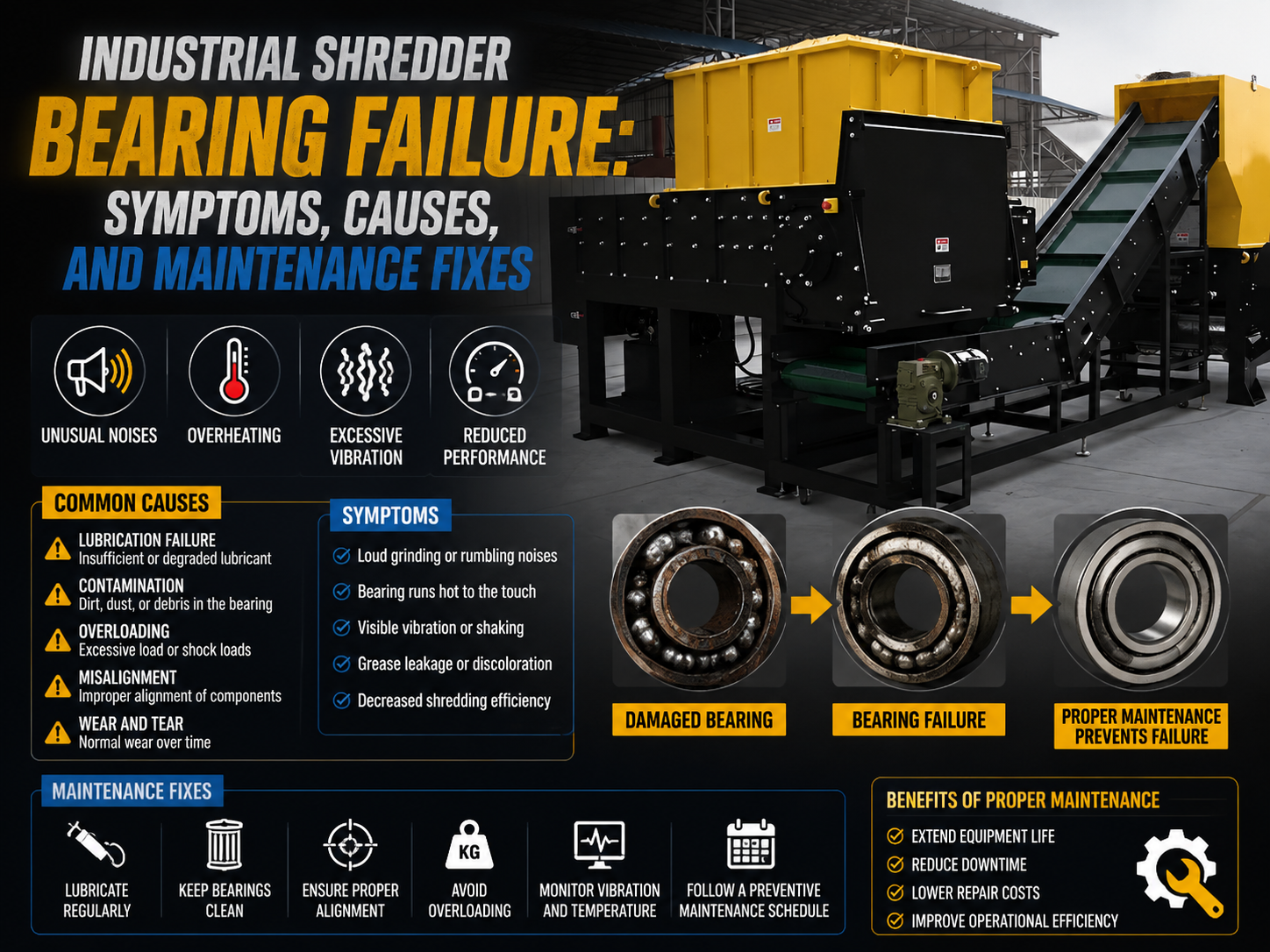
Industrial Shredder Bearing Failure: Symptoms, Causes, and Maintenance Fixes
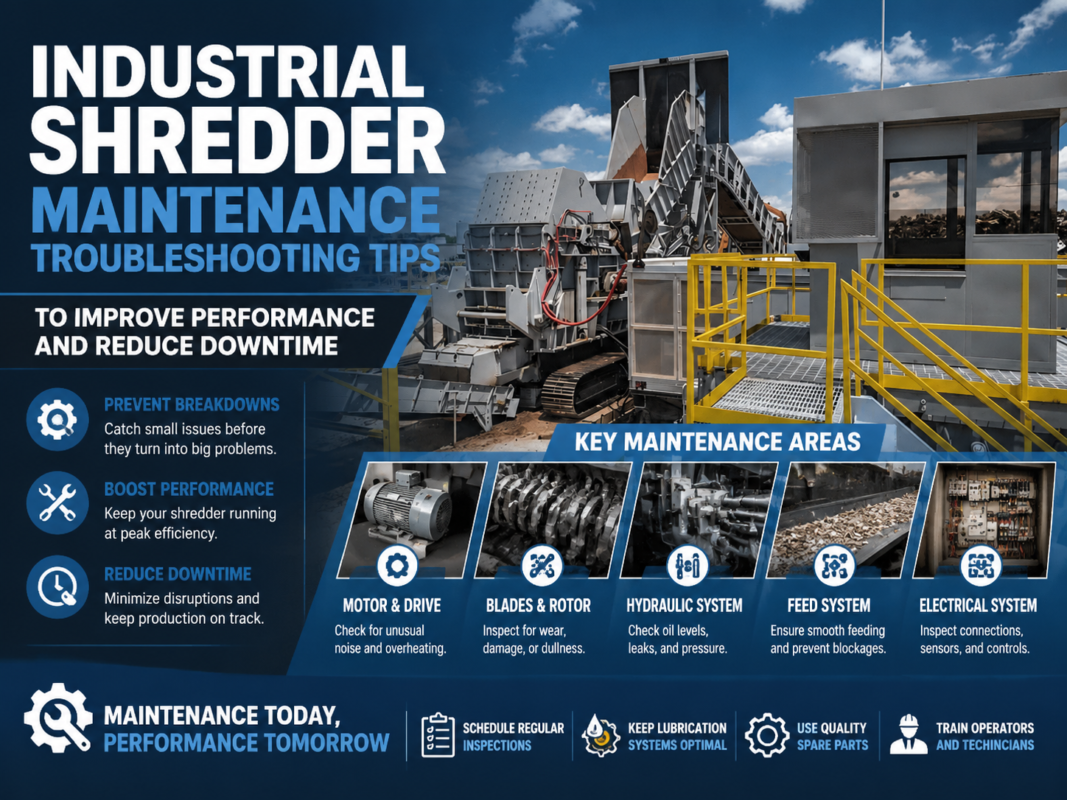
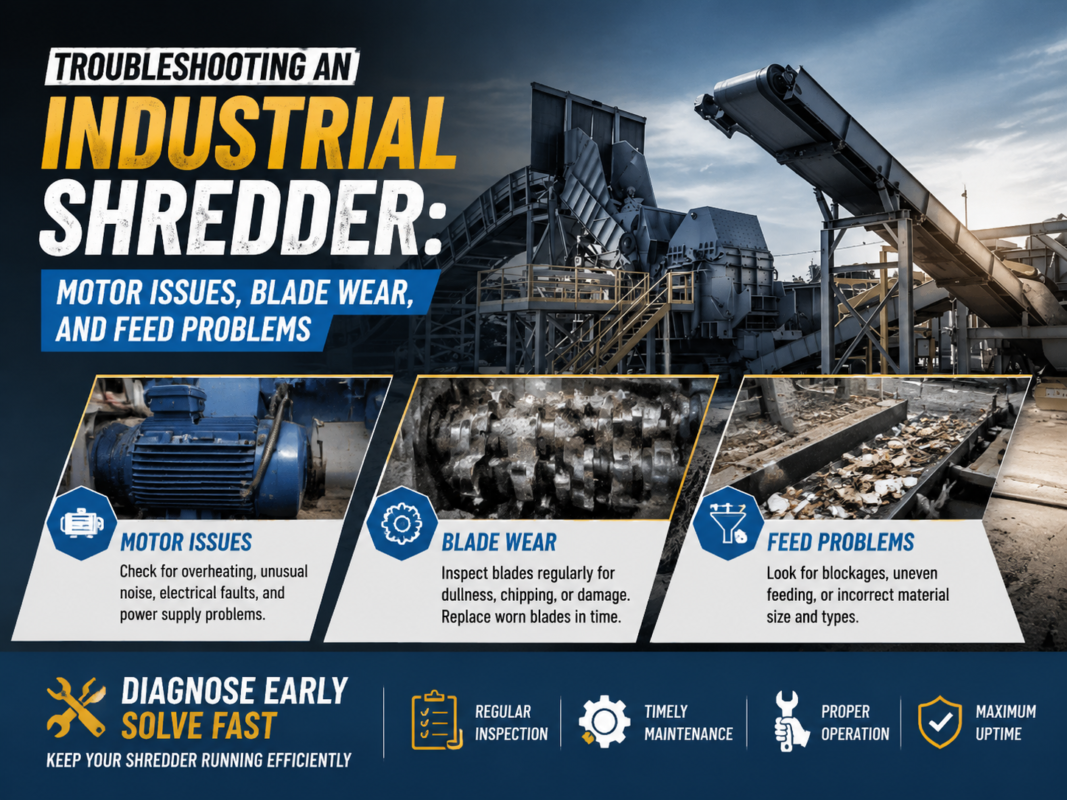
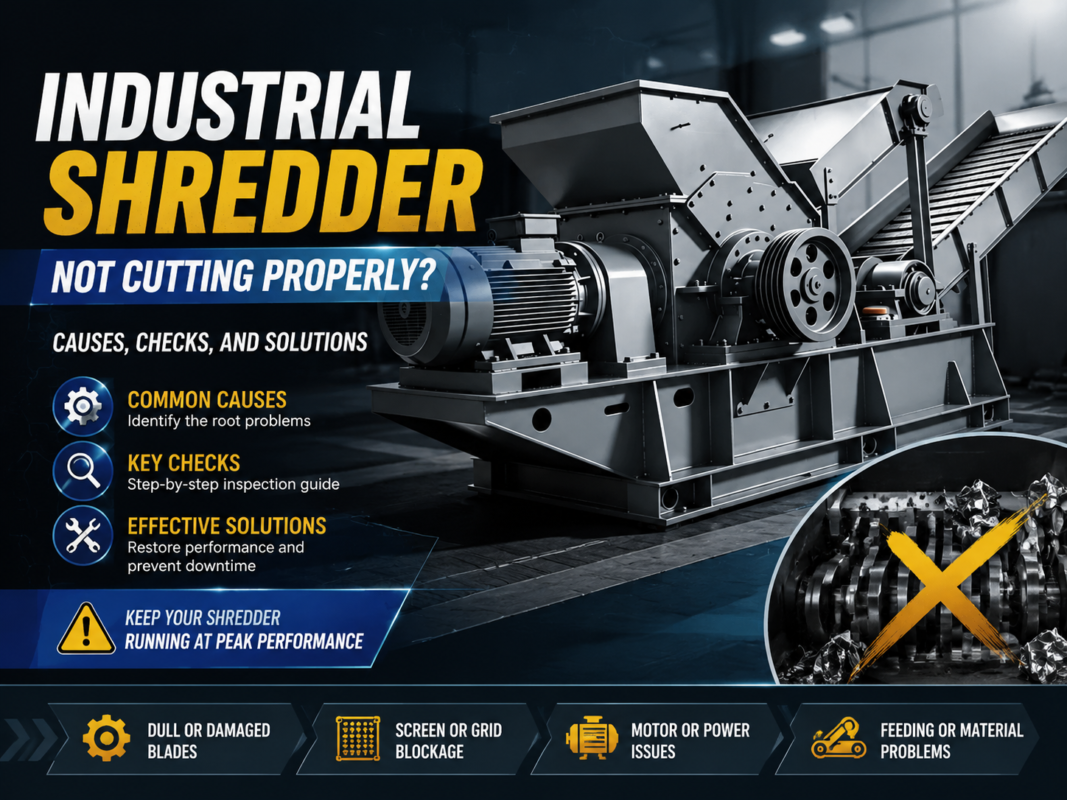
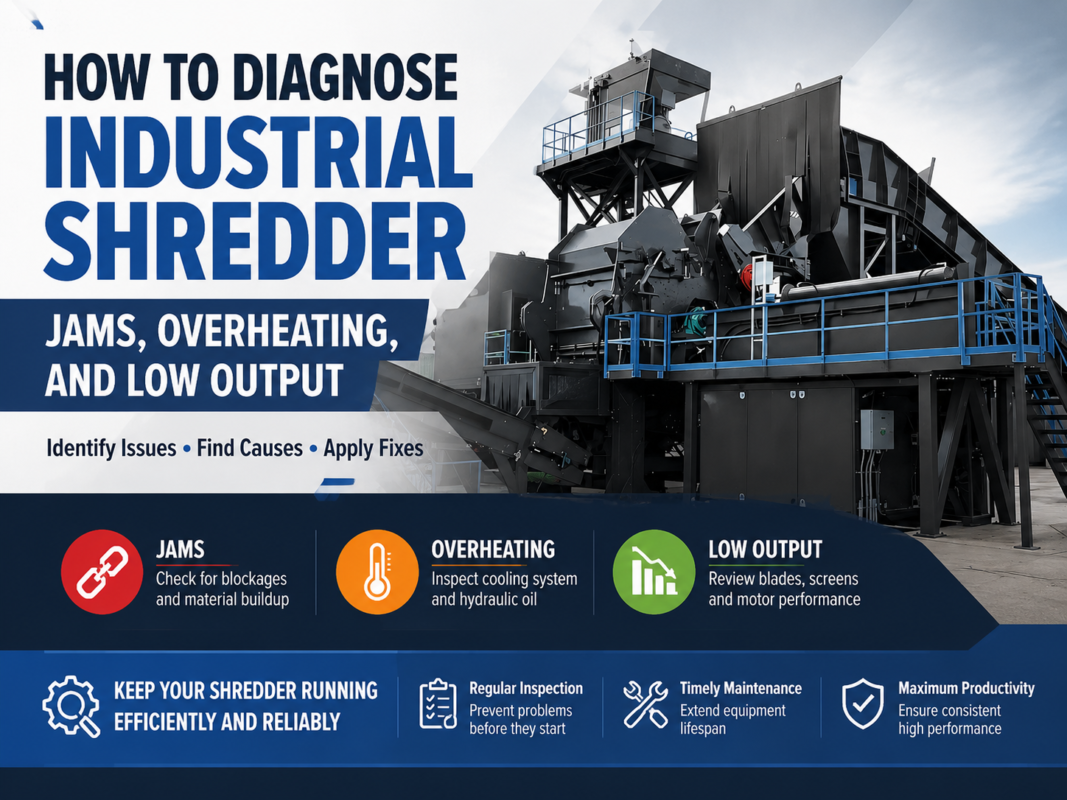
Industrial shredders are the backbone of modern recycling, waste management, and metal fabrication industries. These robust machines are designed to reduce large volumes of scrap metal, plastics, and industrial waste into manageable sizes. However, the extreme environments in which they operate—characterized by high torque, heavy shock loads, and constant exposure to dust and debris—place immense strain on their internal components. Among these components, the bearings are perhaps the most critical. They support the rotating shafts and ensure the smooth transmission of power from the motor to the cutting blades.
When an industrial shredder bearing fails, the consequences are often catastrophic. Beyond the immediate cessation of production, a failed bearing can lead to shaft misalignment, damage to the rotor, and even total motor failure. Understanding the nuances of Industrial Shredder Bearing Failure: Symptoms, Causes, Maintenance Fixes is essential for any facility manager or maintenance engineer looking to maximize equipment uptime and minimize repair costs. In this comprehensive guide, we will explore how to detect early signs of failure, the technical reasons behind these issues, and the best practices for maintaining these vital components.
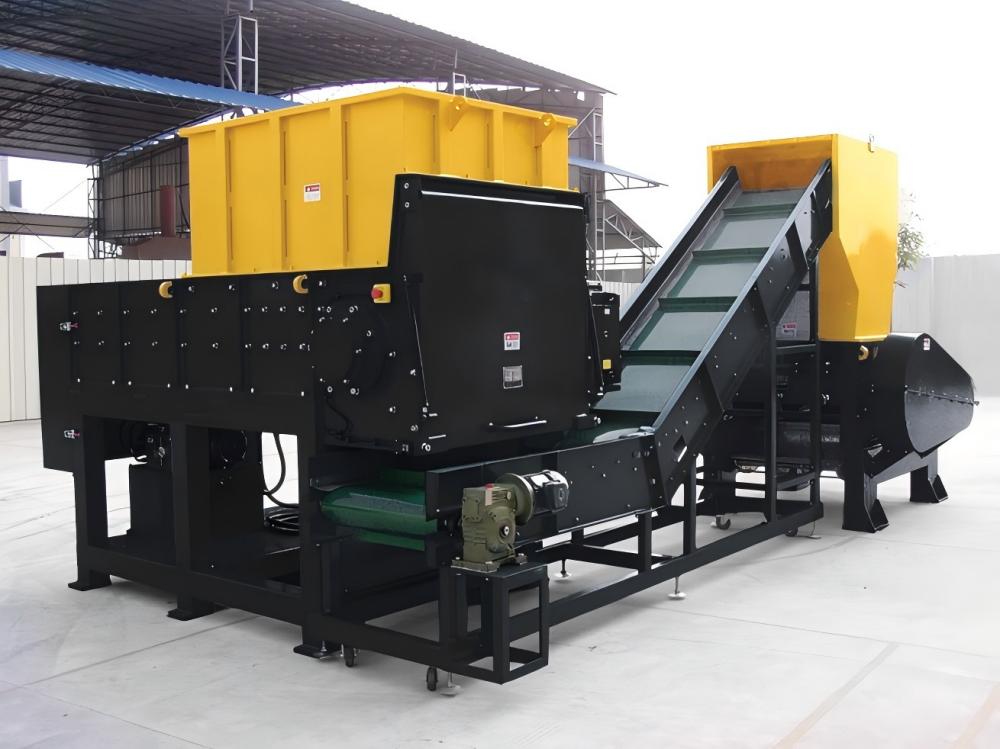
Key Considerations: Identifying the Warning Signs
Detecting bearing failure before it leads to a complete machine breakdown is a skill that combines sensory observation with technical monitoring. Because industrial shredders are inherently noisy and vibrate significantly during operation, distinguishing between “normal” operational stress and “abnormal” bearing distress requires a keen eye and the right tools.
1. Abnormal Acoustic Signatures
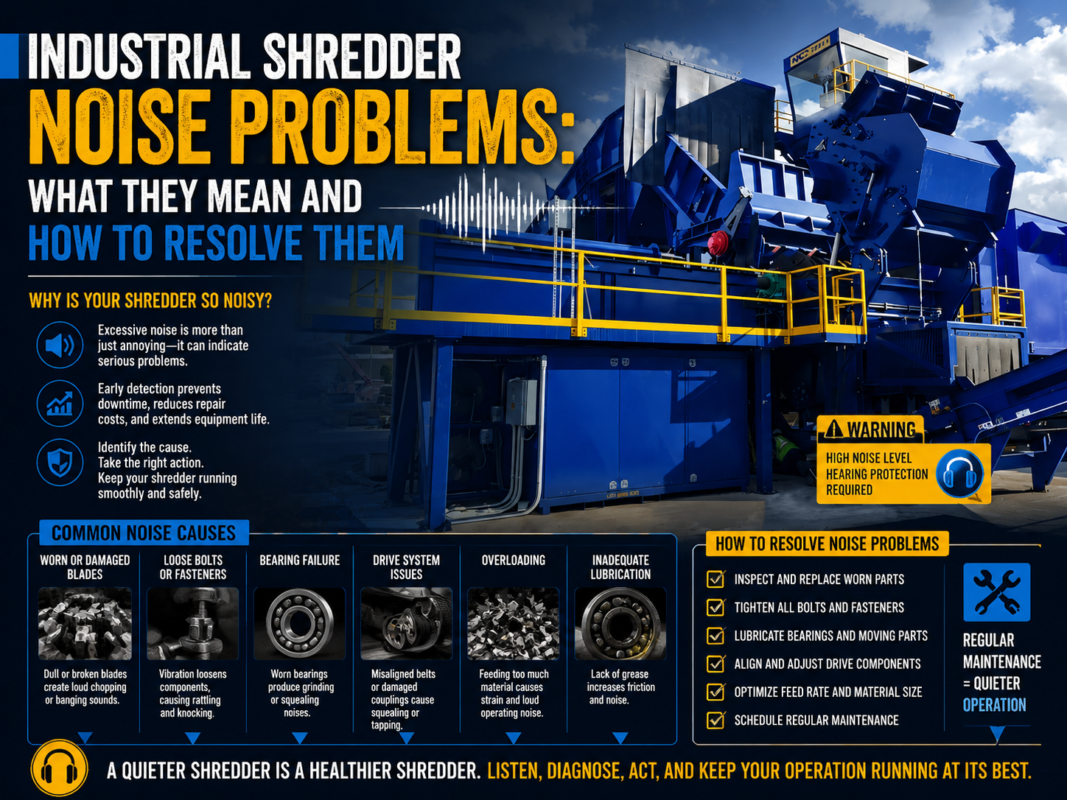
The first sign of bearing trouble is often a change in the machine’s sound profile. While a shredder is naturally loud, a failing bearing will produce distinct noises such as grinding, squealing, or a rhythmic clicking. A high-pitched metallic shriek usually indicates a lack of lubrication or metal-to-metal contact within the bearing races. Conversely, a low-frequency growl or rumbling sound often suggests that the rolling elements (balls or rollers) or the raceways have become pitted or deformed. Maintenance teams should use industrial stethoscopes or ultrasonic acoustic sensors to isolate these sounds from the general cacophony of the shredding chamber.
2. Excessive Heat Generation
Bearings generate heat due to friction, but this heat is typically dissipated by the lubricant and the bearing housing. When a bearing begins to fail, the friction increases exponentially, leading to a rapid rise in temperature. If the bearing housing is too hot to touch or if you notice the smell of burnt grease, the bearing is likely in a state of advanced failure. Using infrared thermography (thermal imaging cameras) is an excellent way to monitor bearing temperatures during operation without needing to shut down the machine. A temperature difference of more than 15-20°C between similar bearing housings on the same shaft is a major red flag.
3. Increased Vibration Levels
Vibration is inherent in metal shredding, especially when processing irregular scrap. However, a failing bearing introduces specific vibration frequencies that differ from the impact-related vibrations of the cutting process. As the internal surfaces of the bearing degrade, the shaft may begin to wobble or oscillate. This not only damages the bearing further but also puts undue stress on the seals and the gearbox. Implementing a vibration analysis program can help identify these frequencies early, allowing for scheduled maintenance rather than emergency repairs.
4. Reduced Throughput and Motor Strain
If you notice that the shredder is struggling to process materials that it previously handled with ease, or if the motor is drawing more current (Amps) than usual, the cause may be internal resistance from a seized or failing bearing. When bearings lose their efficiency, the motor must work harder to overcome the friction, leading to increased energy costs and potential electrical failures. Monitoring the motor’s load profile can provide indirect evidence of mechanical issues within the bearing assemblies.

Technical Details: Root Causes of Bearing Failure
To implement effective maintenance fixes, one must first understand why bearings fail in the harsh environment of an industrial shredder. Most failures are not the result of a single event but rather a combination of environmental factors and operational oversights.
1. Inadequate or Improper Lubrication
Lubrication is the lifeblood of a bearing. It creates a thin film that prevents metal-on-metal contact, dissipates heat, and flushes out contaminants. In industrial shredders, lubrication failure is the leading cause of bearing death. This can happen in several ways: using the wrong type of grease (e.g., a grease without Extreme Pressure (EP) additives), infrequent lubrication intervals, or over-greasing, which can cause the bearing to churn the lubricant and overheat. For heavy-duty shredders, a high-viscosity synthetic grease with solid additives like molybdenum disulfide is often required to withstand the high shock loads.
2. Contamination from Debris
The shredding process generates massive amounts of dust, metal fines, and moisture. If the bearing seals are compromised or if the lubrication process is performed in a dirty environment, these contaminants can enter the bearing housing. Once inside, metal particles act as an abrasive, grinding down the polished surfaces of the rollers and races. This process, known as abrasive wear, quickly leads to “spalling” (the flaking of metal surfaces) and eventual seizure. High-quality labyrinth seals or taconite seals are essential for protecting bearings in these environments.
3. Mechanical Overloading and Shock Loads
Industrial shredders are often subjected to “unshreddables”—items that are too hard or too thick for the machine’s design capacity. When the blades strike such an object, a massive shock load is transmitted through the shaft directly to the bearings. This can cause “Brinelling,” which is the permanent indentation of the raceways by the rolling elements. These indentations then become the focal point for future vibration and fatigue, leading to a rapid decline in bearing life. Ensuring that the shredder is fed consistently and that oversized items are pre-sorted is critical for bearing longevity.
4. Improper Installation and Alignment
Even the best bearing will fail prematurely if it is not installed correctly. Common installation errors include using excessive force (hammering) to seat the bearing, which can damage the internal components, or failing to align the shaft properly. Misalignment causes the load to be distributed unevenly across the bearing, leading to localized overheating and uneven wear. Precision alignment tools, such as laser alignment systems, should always be used during the assembly of the rotor and bearing housings.
Maintenance Fixes and Preventive Strategies
Addressing Industrial Shredder Bearing Failure: Symptoms, Causes, Maintenance Fixes requires a proactive approach. Reactive maintenance—waiting for the machine to break before fixing it—is the most expensive way to run a facility. Instead, implement the following strategies to extend bearing life.
1. Establishing a Rigorous Lubrication Schedule
Consistency is key. Develop a lubrication chart based on the manufacturer’s recommendations and the actual operating hours of the machine. For many HARSLE shredders, this might involve daily greasing of the main bearings. Consider installing an automated lubrication system (ALS). An ALS delivers small, precise amounts of grease at frequent intervals while the machine is running, ensuring that the bearing is always perfectly lubricated and that the seals are constantly purged of contaminants.
2. Implementing Condition Monitoring
Modern industrial shredders benefit greatly from IoT-enabled condition monitoring. By installing permanent vibration and temperature sensors on the bearing housings, operators can receive real-time alerts on their smartphones or control consoles if parameters exceed safe limits. This data allows for “predictive maintenance,” where bearings are replaced during a planned weekend shutdown rather than failing in the middle of a busy Tuesday morning shift.
3. Seal Maintenance and Upgrades
The seal is the bearing’s first line of defense. Inspect seals weekly for signs of wear, tearing, or leakage. If you find that your bearings are frequently failing due to contamination, consider upgrading to a more robust sealing solution. For example, switching from a standard lip seal to a multi-stage labyrinth seal can significantly reduce the ingress of fine metal dust. Additionally, ensuring that the area around the bearing housing is kept clean of debris buildup will prevent external pressure on the seals.
4. Proper Bearing Replacement Procedures
When a bearing must be replaced, do it right. Clean the shaft and housing thoroughly. Use induction heaters to expand the bearing for a slide-on fit rather than using a press or a hammer. Ensure that the replacement bearing matches the original specifications exactly, paying close attention to the internal clearance (e.g., C3 or C4 clearance), which allows for thermal expansion during high-temperature operation. Finally, always replace the seals whenever a bearing is replaced.
Selection Advice: Choosing the Right Bearings
Not all bearings are created equal. When purchasing a new industrial shredder or replacing components in an existing one, the choice of bearing can determine the machine’s success. For heavy-duty metal shredders, Spherical Roller Bearings are the industry standard. These bearings are designed to handle both high radial loads and moderate axial loads, and their self-aligning capability allows them to tolerate the slight shaft deflections that occur during heavy shredding.
When selecting bearings, consider the following checklist:
- Dynamic Load Rating: Ensure the bearing can handle the peak forces generated during the shredding of your toughest materials.
- Internal Clearance: In high-heat applications, a larger internal clearance (like C3) prevents the bearing from seizing as the metal expands.
- Brand Reliability: Stick to reputable manufacturers like SKF, FAG, or NSK, which provide documented metallurgical quality and precision.
- Housing Design: Split-block housings (plummer blocks) are preferred for shredders because they allow for easier inspection and replacement of the bearing without dismantling the entire rotor assembly.
Frequently Asked Questions (FAQ)
How often should I grease my industrial shredder bearings?
The frequency depends on the workload and environment. For a machine running 8-12 hours a day in a dusty environment, daily lubrication is often necessary. However, it is best to consult your HARSLE manual or use an automated system to ensure precision.
Can I use any high-temperature grease for my shredder?
No. You must use a grease specifically rated for “Extreme Pressure” (EP) and high loads. Look for greases with a high base oil viscosity and additives that protect against shock loading and water washout.
What is the average lifespan of a shredder bearing?
In a well-maintained environment, a high-quality bearing can last 5 to 10 years. However, in poorly maintained scrap yards, they may fail in as little as 6 to 12 months. Maintenance is the single biggest factor in determining lifespan.
Why does my bearing housing feel hot even after greasing?
Over-greasing can be just as bad as under-greasing. If the housing is packed too full, the rolling elements have to “plow” through the grease, creating internal friction and heat. Always follow the recommended grease volume for your specific bearing size.
Is vibration analysis worth the investment for a single shredder?
Yes. The cost of a single day of lost production and a ruined rotor shaft far exceeds the cost of a handheld vibration pen or a basic monitoring service. It is an insurance policy for your machine’s health.
Conclusion
Mastering the complexities of Industrial Shredder Bearing Failure: Symptoms, Causes, Maintenance Fixes is a fundamental requirement for operational excellence in the metal fabrication and recycling sectors. By staying vigilant for the early warning signs of noise, heat, and vibration, and by understanding the technical pitfalls of contamination and poor lubrication, you can significantly extend the life of your equipment. At HARSLE, we engineer our industrial shredders with the highest quality components and robust bearing protections to ensure our customers experience maximum reliability. Remember, a well-maintained bearing is not just a part of the machine; it is the key to a profitable and efficient shredding operation. Regular inspections, precision lubrication, and a proactive maintenance culture will ensure that your industrial shredder remains a productive asset for years to come.