How to Troubleshoot Conveyor and Feeding System Problems in Industrial Shredding Lines

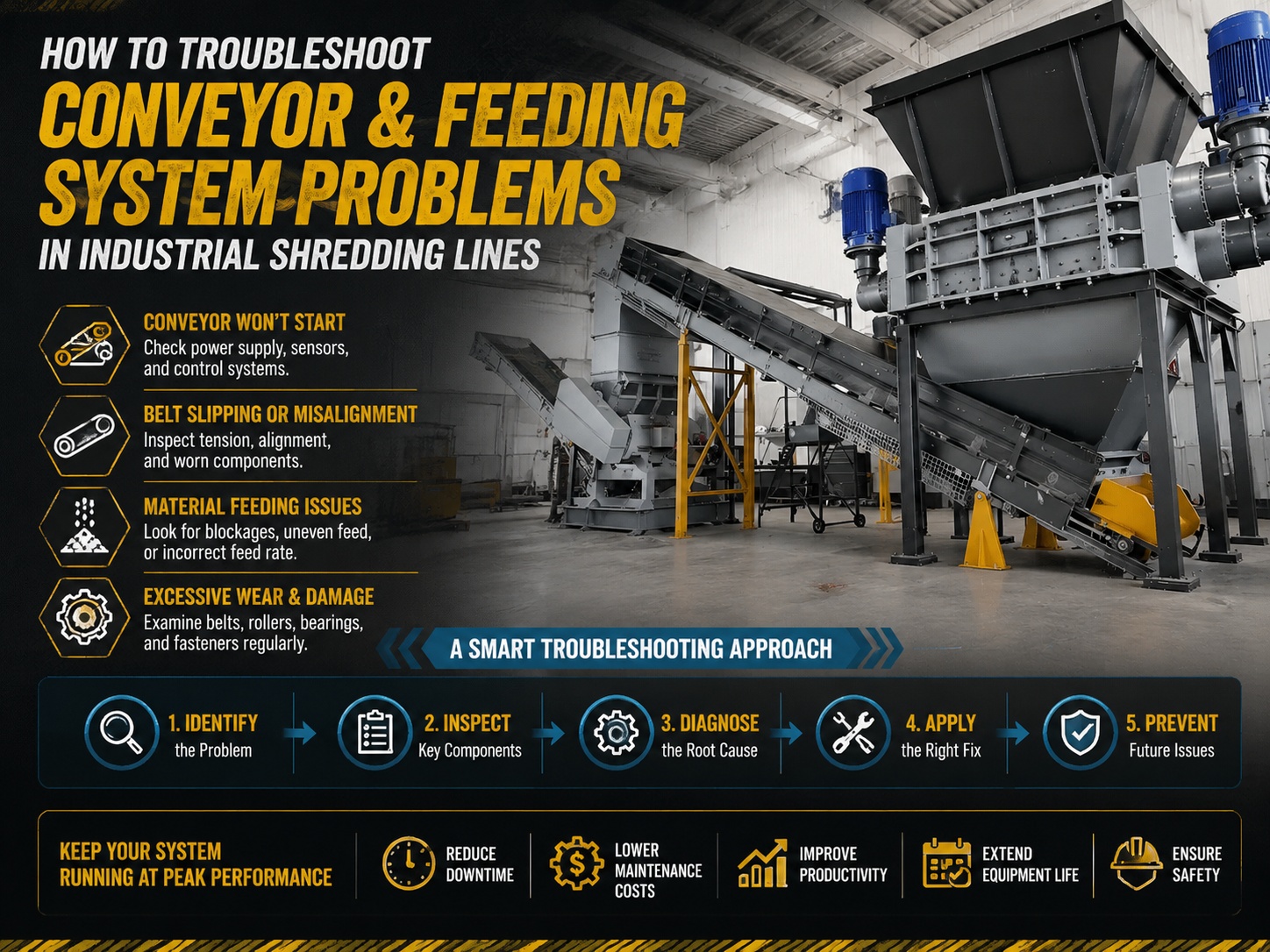
Introduction to Shredding Line Feeding Systems
In the world of heavy-duty recycling and material processing, the efficiency of an industrial shredder is only as good as the system that feeds it. The conveyor and feeding system act as the primary artery of any shredding line, ensuring a consistent and controlled flow of material into the cutting chamber. When these systems fail, the entire production line grinds to a halt, leading to costly downtime, potential equipment damage, and missed production targets. Understanding how to Troubleshoot Conveyor Feeding System Problems In Industrial Shredding Lines is a critical skill for maintenance teams and plant managers alike.
Industrial shredding lines, such as those manufactured by HARSLE, are designed to handle rigorous workloads, from scrap metal and plastics to electronic waste and tires. However, the harsh nature of these materials—often abrasive, heavy, or irregularly shaped—puts immense strain on the feeding mechanisms. A minor misalignment or a worn-out sensor can escalate into a major mechanical failure if not addressed promptly. This guide provides a deep dive into the technical nuances of conveyor systems, offering actionable troubleshooting steps to keep your shredding operations running at peak performance.
Effective troubleshooting begins with a holistic view of the system. It is not just about the belt or the motor; it is about the interaction between the material, the feeding speed, and the shredder’s current load. By adopting a proactive approach to maintenance and a systematic method for diagnosing issues, operators can significantly extend the lifespan of their equipment. In the following sections, we will explore the key considerations, technical failure points, and selection criteria necessary to master the art of feeding system management.
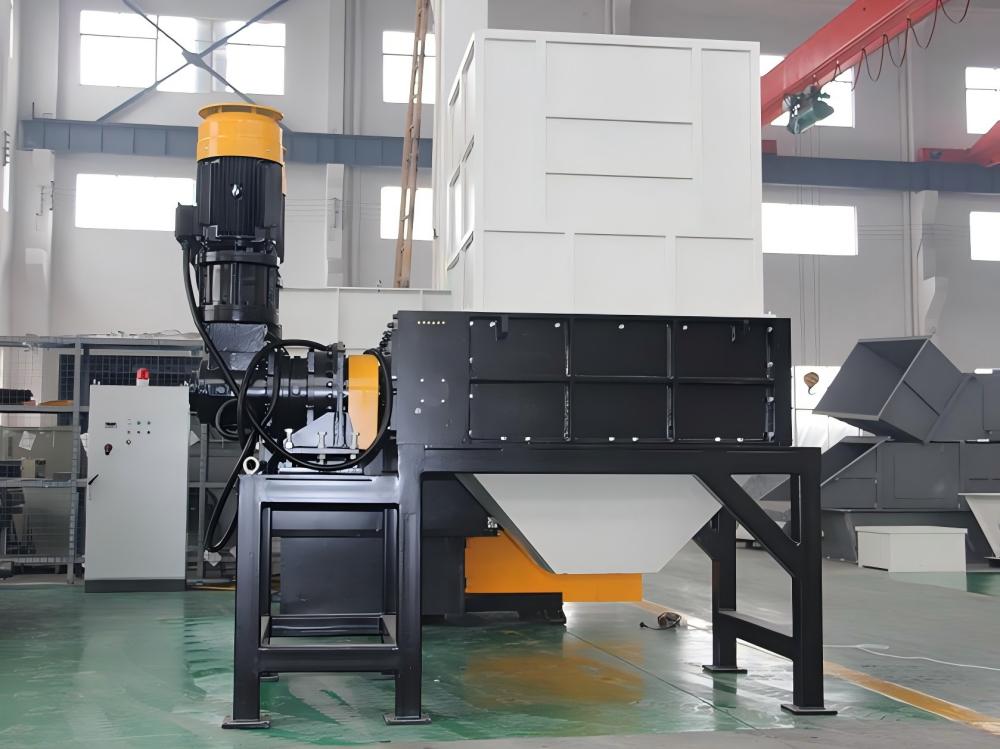
Key Considerations for Feeding Systems in Industrial Shredding
Before diving into specific troubleshooting steps, it is essential to understand the variables that influence feeding system performance. The first consideration is the material characteristics. Different materials require different feeding strategies. For instance, bulky scrap metal requires a heavy-duty steel slat conveyor, while light plastics might be better served by a high-speed rubber belt. If the feeding system is not matched to the material density and abrasiveness, premature wear is inevitable.
Another critical factor is the throughput synchronization. The feeding system must communicate effectively with the shredder’s PLC (Programmable Logic Controller). If the conveyor feeds material faster than the shredder can process it, the machine will frequently enter “reverse mode” to clear jams, which reduces overall efficiency. Conversely, under-feeding leads to “air shredding,” where the machine runs without processing material, wasting energy and increasing wear on the blades due to lack of material cushioning.
Safety and environmental factors also play a significant role. Dust, moisture, and temperature fluctuations can all affect conveyor performance. In metal recycling, for example, fine metal dust can infiltrate motor housings or interfere with optical sensors. Ensuring that the feeding system is properly shielded and that the environment is controlled as much as possible will prevent many common issues before they start. Finally, the physical layout of the line—including the incline angle of the conveyor—must be optimized to prevent material rollback or slippage.
Technical Details: Common Failure Points and Solutions
1. Belt Slippage and Tracking Issues
One of the most frequent problems encountered when you Troubleshoot Conveyor Feeding System Problems In Industrial Shredding Lines is belt misalignment or slippage. A belt that does not run true can rub against the frame, causing frayed edges and eventual structural failure. Slippage usually occurs at the drive pulley, often due to insufficient tension or the presence of moisture and oils on the underside of the belt.
To resolve tracking issues, start by checking the squareness of the conveyor frame. Even a slight twist in the frame can cause the belt to drift. Adjust the take-up screws incrementally; over-tightening can lead to bearing failure or belt stretching. If slippage persists, inspect the lagging on the drive pulley. Worn lagging reduces friction, making it difficult for the motor to move a fully loaded belt. Replacing or roughening the lagging can often restore proper grip.
2. Motor and Drive Train Failures
The motor and gearbox are the heart of the feeding system. In industrial shredding, these components are often subjected to high torque and frequent start-stop cycles. Overheating is a common symptom of an overloaded motor or a gearbox with low oil levels. If you notice unusual grinding noises or excessive vibration, it is likely that the internal gears or bearings are reaching the end of their service life.
Troubleshooting the drive train involves checking electrical draws. Use an ammeter to see if the motor is pulling more current than its rated capacity. If it is, the conveyor might be overloaded, or there may be mechanical resistance elsewhere in the system (like a seized roller). Regular lubrication of the gearbox and ensuring that the cooling fans are free of debris are simple yet effective ways to prevent these high-cost failures.
3. Material Jamming and Bridging
Material “bridging” occurs when bulky items wedge themselves across the width of the hopper or conveyor, preventing further material from reaching the shredder. This is particularly common with long, stringy materials like wire or large plastic sheets. Jamming can also occur at the transition point between the conveyor and the shredder inlet.
To combat bridging, consider the geometry of your feeding hopper. Many HARSLE systems utilize vibrating feeders or hydraulic pushers to break up bridges. If your system lacks these, you may need to adjust the loading pattern or install “kickers” on the conveyor belt to agitate the material. Ensuring a consistent, thin layer of material rather than large clumps is the best way to prevent jams that trigger shredder downtime.
4. Sensor and Control Logic Errors
Modern shredding lines rely heavily on sensors (ultrasonic, infrared, or load cells) to regulate feeding speeds. If a sensor is obscured by dust or misaligned, it may send false signals to the PLC, causing the conveyor to stop unexpectedly or run at the wrong speed. This is a common “ghost” problem that can be frustrating to diagnose.
When troubleshooting sensors, always start with the basics: cleaning. A simple wipe-down of the sensor lens often solves the problem. Next, check the wiring for any signs of fraying or loose connections, which are common in high-vibration environments. If the hardware is fine, the issue may lie in the PLC logic. Ensure that the “load-dependent feeding” parameters are correctly calibrated to the specific material being processed.
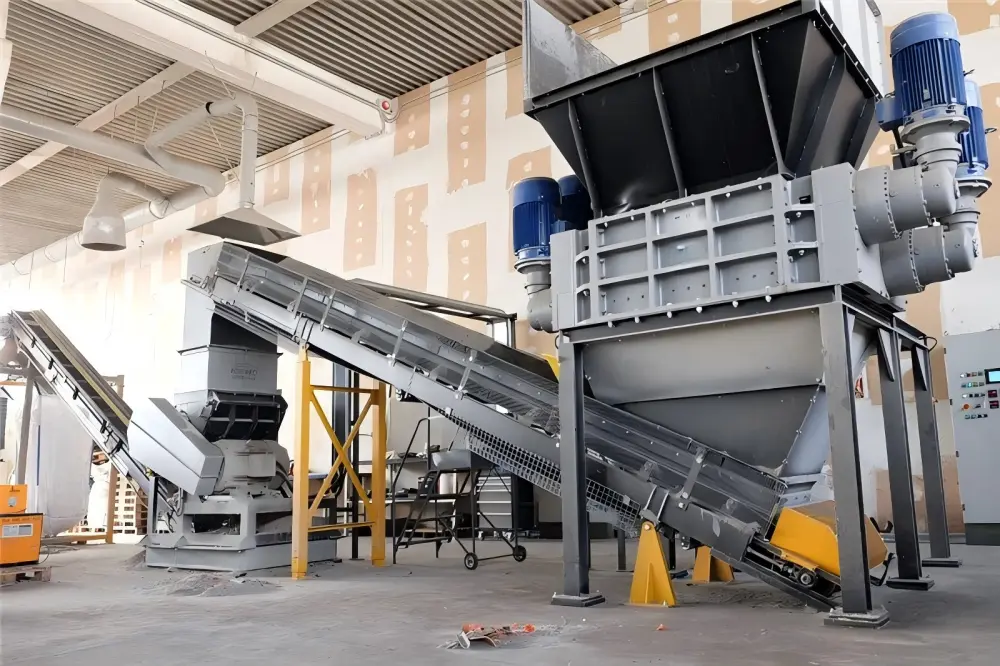
Step-by-Step Troubleshooting Guide
To effectively Troubleshoot Conveyor Feeding System Problems In Industrial Shredding Lines, follow this systematic approach whenever a fault occurs:
- Identify the Symptom: Is the belt stopped? Is it moving slowly? Is there a strange noise? Is the shredder tripping?
- Isolate the System: Determine if the problem is electrical (PLC, motor, sensors) or mechanical (belt, rollers, gearbox).
- Check for Obstructions: Inspect the entire length of the conveyor and the shredder throat for trapped debris or material jams.
- Verify Power and Controls: Ensure the E-stop is not engaged and that the control panel shows no error codes. Check the circuit breakers and fuses.
- Inspect Mechanical Integrity: Check belt tension, roller rotation, and lubrication levels. Look for signs of heat or wear on moving parts.
- Test Under Load: Once a potential fix is applied, run the system empty first, then gradually introduce material to ensure the problem is fully resolved.
| Problem | Possible Cause | Recommended Action |
|---|---|---|
| Belt Slippage | Low tension or worn pulley lagging | Adjust take-up screws or replace lagging |
| Motor Overheating | Overloading or poor ventilation | Reduce feed rate and clean motor cooling fins |
| Material Bridging | Improper hopper geometry or bulky feed | Install agitators or pre-sort large items |
| Erratic Speed | Faulty VFD or sensor interference | Check VFD parameters and clean sensors |
| Excessive Noise | Bearing failure or loose components | Lubricate or replace bearings; tighten bolts |
Selection Advice for New Shredding Lines
Choosing the right feeding system from the start can prevent 90% of future troubleshooting needs. When selecting a conveyor for your HARSLE shredder, consider the following:
- Conveyor Type: Steel slat conveyors are best for heavy scrap and sharp metals. Rubber belt conveyors are ideal for plastics, paper, and rubber. Vibratory feeders are excellent for small, dense materials that need to be spread evenly.
- Incline and Width: Ensure the conveyor is wide enough to handle your largest input piece without snagging. If an incline is necessary, use cleated belts to prevent material from sliding back.
- Integration Capabilities: Choose a system with a VFD (Variable Frequency Drive) that can be linked to the shredder’s motor load. This allows for automatic speed adjustment, preventing overloads.
- Ease of Maintenance: Look for designs with accessible grease points, easy-to-change belts, and modular components. A system that is hard to reach is a system that won’t be maintained.
- Magnetic Separation: If processing mixed waste, integrating a magnetic head pulley or an overband magnet can protect your shredder blades from tramp metal, reducing overall maintenance costs.
Maintenance Best Practices
Preventative maintenance is the most effective way to Troubleshoot Conveyor Feeding System Problems In Industrial Shredding Lines—by preventing them from happening in the first place. Establish a daily, weekly, and monthly checklist. Daily tasks should include visual inspections for belt tracking and cleaning sensors. Weekly tasks should involve checking oil levels in gearboxes and inspecting belt fasteners. Monthly, perform a deep dive into electrical connections and structural integrity.
Documentation is also vital. Keep a log of every adjustment and repair. If a particular bearing fails every three months, it indicates an underlying issue, such as a misaligned shaft or chronic overloading, that needs a permanent engineering solution rather than just another replacement. Training your operators to recognize the early signs of wear—such as a change in the sound of the motor—can save thousands of dollars in emergency repairs.
Frequently Asked Questions (FAQ)
How often should I tension my conveyor belt?
Belt tension should be checked weekly. However, new belts will stretch significantly during their first few days of operation and may require daily adjustments until they settle. Always follow the manufacturer’s specifications to avoid over-tensioning.
Why does my shredder keep reversing even when the conveyor seems fine?
This usually indicates that the “high-load” threshold in the PLC is being reached. Even if the conveyor looks fine, the material density might be too high, or the shredder blades might be dull, requiring more power to cut. Check the shredder’s amp draw and blade condition.
Can I use a standard belt for oily metal scrap?
No. Standard rubber belts will swell and degrade when exposed to oils and coolants. For oily applications, you must use an Oil-Resistant (OR) grade belt or a steel slat conveyor to ensure longevity.
What is the best way to clean sensors in a dusty environment?
Use compressed air to blow off loose dust, followed by a soft, dry cloth. Avoid using harsh chemicals on sensor lenses, as this can cloud the plastic and reduce sensitivity. For extreme dust, consider installing a small air-purge system to keep the lens clear constantly.
How do I know if my gearbox needs replacement?
Signs of failure include excessive heat (too hot to touch), metallic shavings in the oil, and a high-pitched whining or low-pitched growling sound. If you detect these, it is better to rebuild or replace the unit during scheduled downtime than to wait for a catastrophic failure.
Conclusion
Mastering the ability to Troubleshoot Conveyor Feeding System Problems In Industrial Shredding Lines is essential for any high-volume recycling operation. By understanding the mechanical and electrical intricacies of these systems, maintenance teams can ensure that the shredder remains the productive heart of the facility. From managing belt tracking to optimizing PLC logic, every small adjustment contributes to a more reliable and profitable production line.
HARSLE remains committed to providing not only world-class shredding machinery but also the knowledge and support needed to keep that machinery running at its best. By following the guidelines outlined in this article—prioritizing preventative maintenance, selecting the right equipment for the job, and diagnosing issues systematically—you can minimize downtime and maximize the ROI of your industrial shredding investments. Remember, a well-fed shredder is a productive shredder.