Why an Industrial Shredder Produces Oversized Output and How to Improve Cutting Quality

Introduction to Industrial Shredding Efficiency
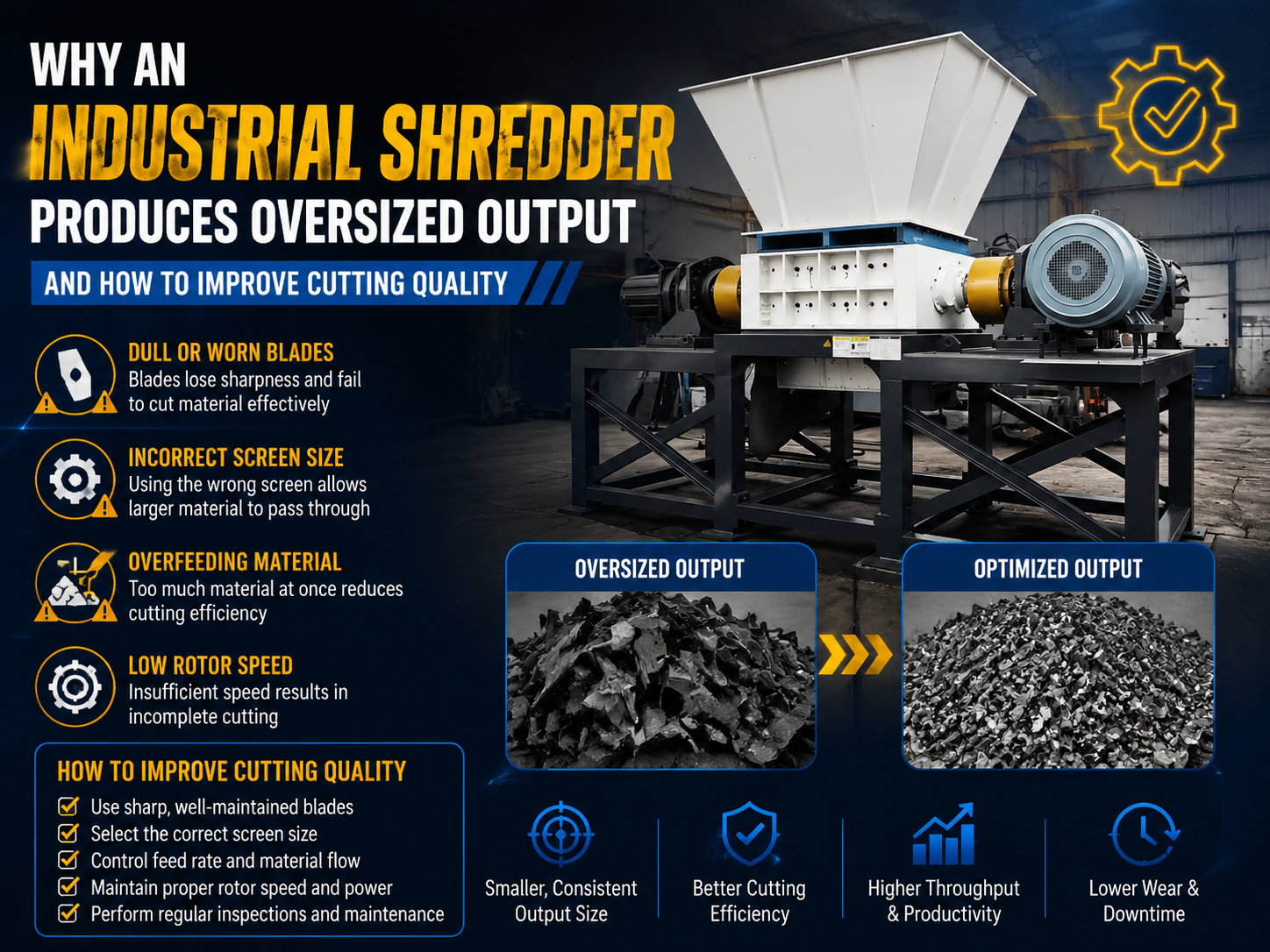
In the world of waste management and metal recycling, the efficiency of an industrial shredder is measured by its ability to produce consistent, high-quality output. However, a common challenge faced by operators is when an industrial shredder produces oversized output. This phenomenon not only compromises the quality of the recycled material but also creates significant bottlenecks in downstream processes, such as sorting, melting, or further granulation. Understanding the root causes of this issue is essential for any facility looking to optimize its production line and maintain the longevity of its machinery.
Industrial shredders are heavy-duty machines designed to break down a wide variety of materials, including scrap metal, plastics, rubber, and electronic waste. When these machines function correctly, they utilize high torque and sharp cutting edges to shear material into specific dimensions. When the output size begins to exceed the desired specifications, it is usually a symptom of mechanical wear, improper configuration, or material handling errors. Addressing these issues promptly is critical to avoid increased operational costs and potential damage to the shredder’s internal components.
HARSLE, a leader in metal fabrication and industrial machinery, emphasizes that cutting quality is not just about the sharpness of the blades; it involves a complex interplay between the machine’s drive system, the screen integrity, and the physical properties of the material being processed. In this comprehensive guide, we will explore the technical reasons why an industrial shredder produces oversized output and provide actionable strategies to improve cutting quality, ensuring your operations remain profitable and efficient.
Key Considerations: Why an Industrial Shredder Produces Oversized Output
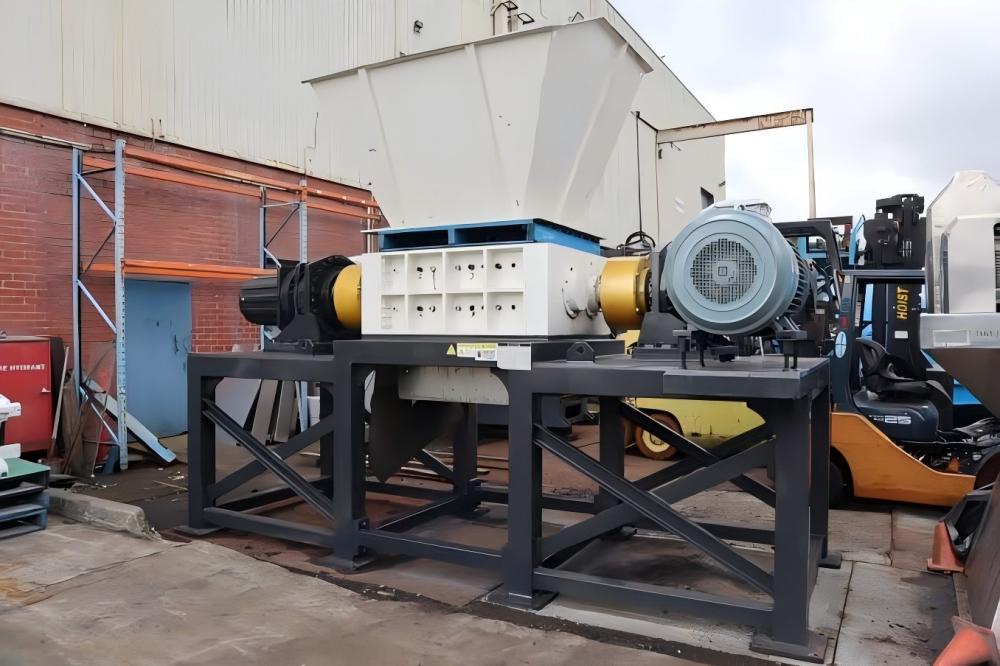
Identifying why an industrial shredder produces oversized output requires a systematic evaluation of the machine’s cutting chamber. One of the most frequent culprits is blade wear. Over time, the sharp edges of the shredder blades (or knives) become rounded due to the abrasive nature of materials like reinforced plastics or contaminated metals. When the edges lose their precision, they tend to tear or crush the material rather than shearing it cleanly. This tearing action often results in elongated or irregularly shaped pieces that exceed the target size.
Another critical factor is the clearance between the rotating blades and the counter-knives (or the spacing between shafts in a dual-shaft shredder). This gap, often referred to as the “cutting tolerance,” must be kept within strict manufacturer specifications. If the clearance becomes too wide—due to bearing wear, shaft deflection, or improper adjustment—the material can simply slip through the gap without being cut. This is particularly common with thin materials like sheet metal or plastic films, which require a tight shear to be processed effectively.
The integrity of the discharge screen is also a major consideration. In many shredder designs, a screen or grate is positioned beneath the cutting chamber to ensure that only material of a certain size can exit the machine. If this screen is damaged, worn thin, or has developed holes larger than its original design, oversized pieces will inevitably bypass the intended sizing mechanism. Furthermore, if the screen is not properly secured, material can leak around the edges of the screen frame, leading to inconsistent output quality.
Finally, the feeding method plays a significant role. Overloading the shredder or feeding it in large, dense clumps can force the machine to “slug” the material through. When the cutting chamber is over-saturated, the blades may not have the space to perform a full rotation and shear, causing the material to be pushed out prematurely or forced through the screen by the sheer weight of the material above it. Consistent, metered feeding is essential for maintaining the intended output size.
Technical Details: How to Improve Cutting Quality
To improve cutting quality and eliminate oversized output, technical adjustments must be made to the shredder’s core components. The first step is often the restoration of the blade geometry. Depending on the type of shredder, this may involve sharpening the existing blades or replacing them entirely. For high-volume operations, using blades made from premium alloys like D2 tool steel or tungsten carbide can significantly extend the interval between sharpenings. These materials maintain their edge longer under high-heat and high-friction conditions, ensuring a cleaner cut for a longer duration.
Optimizing Blade Clearance and Alignment
Precision alignment is the backbone of high-quality shredding. Operators should regularly use feeler gauges to check the clearance between the moving and stationary knives. If the shredder is a dual-shaft model, the interlocking of the disks must be perfectly synchronized. Even a fraction of a millimeter of deviation can lead to “folding” instead of “cutting.” Adjusting the shims or the bearing housings can help restore the correct alignment, thereby ensuring that every pass of the blade results in a clean shear.
Screen Maintenance and Mesh Selection
The screen is the final gatekeeper of output size. To improve cutting quality, the screen must be inspected weekly for signs of thinning or cracking. If the goal is to produce a smaller fraction, switching to a screen with a smaller mesh size may be necessary. However, it is important to balance mesh size with throughput; a smaller screen will produce finer output but may reduce the overall tons-per-hour capacity of the machine. Additionally, ensuring that the screen cleaning system (if equipped) is functional will prevent blinding, which can cause material to stay in the chamber too long and become over-processed or heat-damaged.
Drive System and Torque Management
The relationship between shaft speed and torque is vital. For heavy-duty metal shredding, a slower shaft speed with higher torque is often more effective at producing consistent sizes than a high-speed, low-torque setup. High torque allows the blades to bite into the material and complete the cut without stalling or slipping. Modern industrial shredders often feature PLC-controlled drive systems that can detect a “tough” piece of material and automatically reverse the shafts to reposition the load, ensuring that when the material is finally cut, it meets the size requirements.
Selection Advice: Choosing the Right Shredder for Quality Output
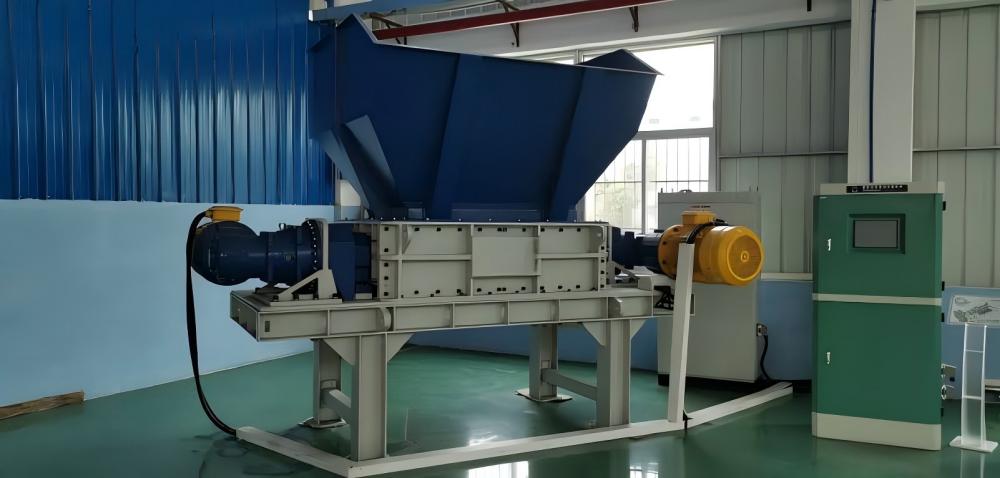
When selecting a machine to ensure you don’t encounter a situation where an industrial shredder produces oversized output, you must match the machine’s design to your specific material stream. Not all shredders are created equal. For example, a single-shaft shredder with a hydraulic pusher is excellent for bulky plastics and wood because it forces the material against a high-speed rotor, ensuring a very uniform particle size. Conversely, a dual-shaft shredder is better suited for heavy metals and tires where high torque and shearing force are required to break down dense structures.
Consider the “hook” design on the blades. Blades with more hooks or teeth will generally produce a smaller, more consistent output but may have a lower throughput. Blades with fewer, larger hooks are designed for primary shredding where the goal is volume reduction rather than precise sizing. If your process requires a very specific end-of-life particle size (e.g., for RDF production or high-grade metal smelting), look for shredders that offer modular screen systems and interchangeable blade sets.
Furthermore, evaluate the build quality of the frame and the shaft. A shredder with a heavy, vibration-dampened frame will maintain its tolerances much better than a lighter, cheaper alternative. HARSLE recommends looking for machines with easy-access maintenance doors. If it is difficult for your team to inspect the blades and screens, maintenance will likely be deferred, leading to a gradual decline in cutting quality and an increase in oversized output.
Detailed Maintenance Checklist for Shredder Operators
To prevent the issue of oversized output, a rigorous maintenance schedule is required. Below is a checklist that industrial facilities should implement to maintain peak cutting quality:
- Daily: Inspect the cutting chamber for foreign objects (like tramp metal) that could chip the blades. Check for any unusual vibrations or noises during operation.
- Weekly: Measure blade-to-blade and blade-to-screen clearances. Tighten any loose bolts on the blade holders.
- Monthly: Inspect the screen for wear or enlarged holes. Check the lubrication levels in the gearbox and bearings.
- Quarterly: Perform a deep clean of the cutting chamber to remove built-up residue that can interfere with blade movement. Sharpen or rotate blades if the edges show rounding.
- Annually: Conduct a full drive-train audit, checking for shaft straightness and bearing health.
| Problem | Probable Cause | Solution |
|---|---|---|
| Oversized Output | Worn Blade Edges | Sharpen or Replace Blades |
| Material Folding | Excessive Clearance | Adjust Shims/Align Shafts |
| Inconsistent Sizing | Damaged Screen | Replace Screen Mesh |
| Low Throughput | Blunt Blades/Blinded Screen | Clean Screen/Sharpen Blades |
FAQ: Troubleshooting Industrial Shredder Output
1. Why is my shredder suddenly producing long strips of metal instead of small chunks?
This is usually caused by a loss of the “scissor effect.” When the gap between the rotating blades and the stationary counter-knives becomes too wide, the metal is simply bent and pulled through the gap rather than being sheared. Check your blade clearances and look for worn bearings that might be allowing the shaft to shift under load.
2. Can I improve cutting quality by increasing the rotor speed?
Not necessarily. While increasing speed can increase throughput for some materials, it often reduces the torque available for each cut. For many materials, a slower, more deliberate cut is more effective at maintaining size consistency. If the speed is too high, the material may bounce around the chamber rather than being caught by the blades.
3. How often should I sharpen my shredder blades?
The frequency depends entirely on the material being processed. Shredding clean plastic may only require sharpening once every few months, while shredding abrasive materials like glass-filled polymers or contaminated scrap metal may require weekly attention. Monitoring the output size is the best way to determine when sharpening is needed.
4. Does the moisture content of the material affect output size?
Yes, moisture can significantly impact shredding. Wet materials tend to be more flexible and may “smear” or clog the screen, leading to poor cutting quality. In some cases, wet material can cause the shredder to produce larger clumps as the particles stick together after being cut.
5. What is the best blade material for metal shredding?
For most metal applications, high-chromium, high-carbon tool steels like D2 are preferred. They offer an excellent balance of hardness (to maintain the edge) and toughness (to prevent chipping when hitting hard inclusions). For extremely demanding applications, specialized shock-resistant steels may be used.
Conclusion: Maintaining Excellence in Shredding Operations
In conclusion, when an industrial shredder produces oversized output, it is a clear signal that the system requires maintenance or reconfiguration. By focusing on blade sharpness, precise clearances, and screen integrity, operators can significantly improve cutting quality and ensure that the end product meets the necessary industrial standards. Consistent output size is not just a matter of aesthetics; it is a critical factor in the economic viability of recycling and waste processing facilities.
Investing in high-quality machinery from reputable manufacturers like HARSLE ensures that you have the robust engineering required to handle tough materials while maintaining tight tolerances. Regular inspections, a proactive maintenance culture, and the correct selection of wear parts will keep your industrial shredder operating at peak efficiency for years to come. Remember, the goal of shredding is controlled reduction; by mastering the technical details of your machine, you turn waste into a valuable, precisely-sized resource.