Industrial Shredder Maintenance Troubleshooting Tips to Improve Performance and Reduce Downtime

Introduction to Industrial Shredder Maintenance and Performance
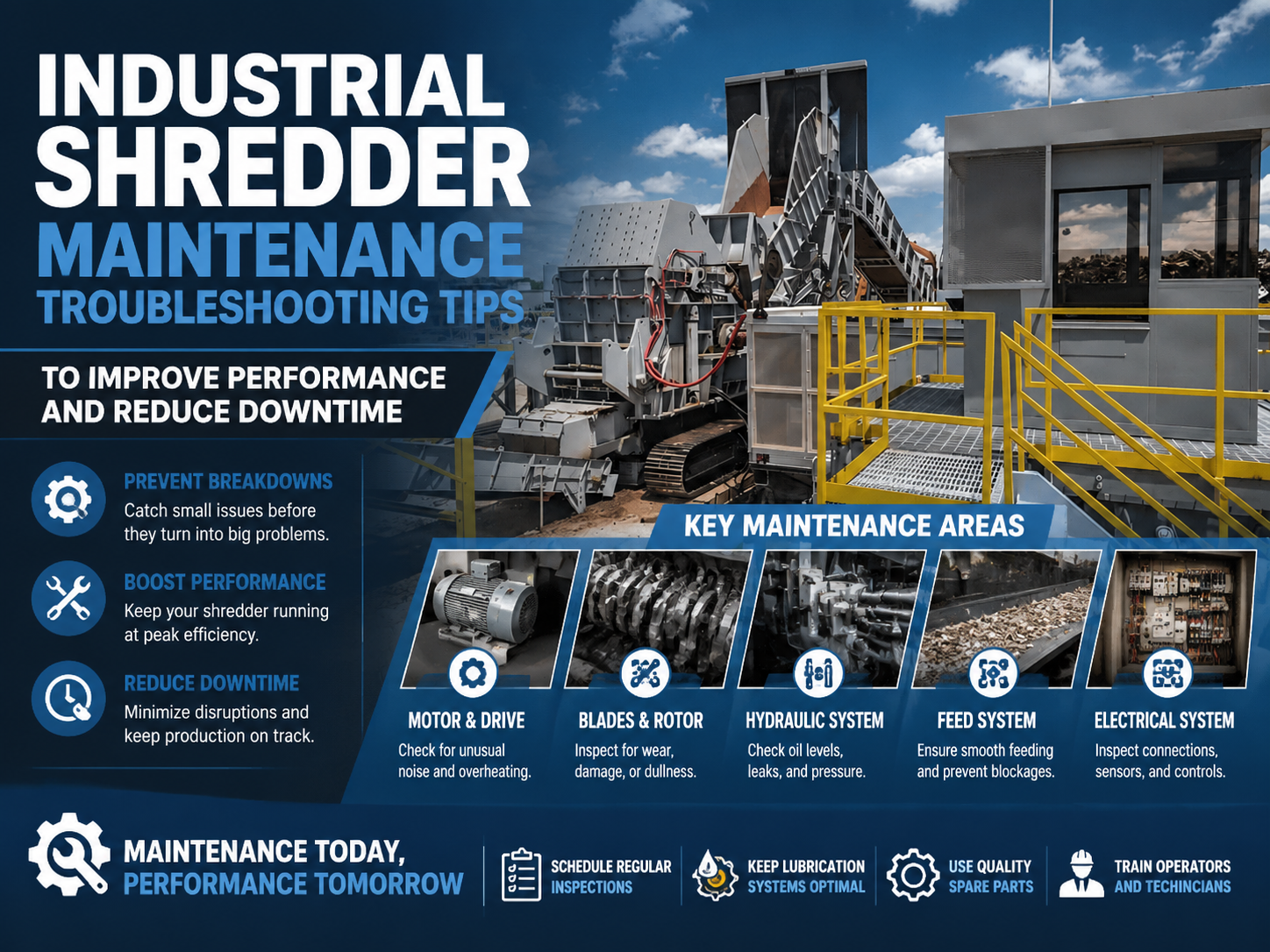
In the high-stakes world of waste management, metal recycling, and material processing, the industrial shredder stands as a cornerstone of productivity. Whether you are processing scrap metal, plastics, or electronic waste, the efficiency of your operation hinges on the reliability of this heavy-duty machinery. However, the very nature of shredding—subjecting components to extreme torque, impact, and abrasion—means that wear and tear are inevitable. Implementing effective Industrial Shredder Maintenance Troubleshooting Tips Improve Performance Reduce Downtime is not just a recommendation; it is a financial necessity for any facility looking to maximize ROI and ensure operational longevity.
HARSLE understands that downtime is the enemy of profitability. When a primary shredder goes offline, the entire production line often grinds to a halt, leading to missed deadlines and increased labor costs. Proactive maintenance goes beyond simple oil changes; it involves a holistic approach to machine health, including vibration analysis, thermal monitoring, and precision blade management. By understanding the mechanical and electrical intricacies of your equipment, you can transition from a reactive “fix-it-when-it-breaks” mindset to a predictive maintenance strategy that identifies potential failures before they manifest as catastrophic breakdowns.
This comprehensive guide is designed to provide plant managers, maintenance technicians, and business owners with the technical knowledge required to keep their shredding equipment in peak condition. We will explore the critical components that require regular attention, common troubleshooting scenarios, and the selection criteria that ensure you have the right machine for your specific application. By following these Industrial Shredder Maintenance Troubleshooting Tips Improve Performance Reduce Downtime, you can extend the service life of your equipment and maintain a competitive edge in the market.
Key Considerations for Effective Shredder Maintenance
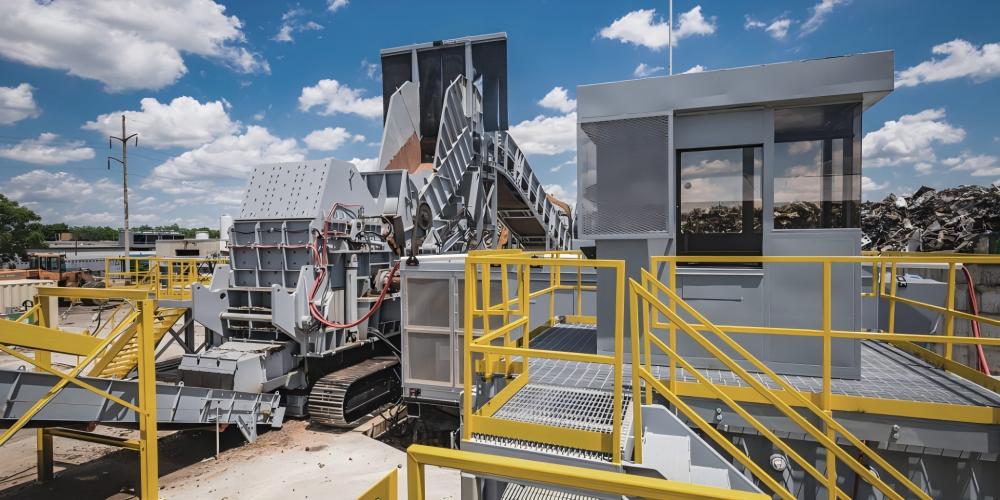
The foundation of any successful maintenance program is consistency. Industrial shredders operate under extreme stress, and even minor oversights can lead to significant damage. The first key consideration is the establishment of a rigorous daily inspection routine. Operators should be trained to look for signs of loose fasteners, hydraulic leaks, and unusual noises. A simple walk-around before the start of each shift can catch a loose bolt on a bearing housing before it causes a shaft misalignment, saving thousands of dollars in repairs.
Lubrication is the lifeblood of industrial machinery. For shredders, this means ensuring that bearings, drive chains, and gearboxes are lubricated with the correct grade of grease or oil. High-temperature environments or heavy dust conditions may require more frequent lubrication intervals than specified in the standard manual. It is also vital to use lubricants that offer high pressure (EP) additives to withstand the shock loads common in metal shredding. Over-lubrication can be just as damaging as under-lubrication, as it can lead to seal failure and the accumulation of abrasive dust around moving parts.
Blade and cutter management is perhaps the most critical aspect of shredder performance. Dull blades increase the load on the motor and drive system, leading to higher energy consumption and increased heat generation. Regularly scheduled inspections of the cutting gap (the clearance between the rotor blades and the counter-knives) are essential. As blades wear, this gap increases, causing the material to be torn rather than cut, which significantly reduces throughput and increases the risk of jams. Implementing a rotation or sharpening schedule based on processed tonnage rather than just elapsed time is a best practice for maintaining optimal cutting efficiency.
Safety protocols must never be bypassed during maintenance. Lockout/Tagout (LOTO) procedures are mandatory to ensure that the machine cannot be energized while technicians are working inside the cutting chamber. Furthermore, maintaining the structural integrity of the shredder housing and hopper is crucial. Over time, the impact of heavy materials can cause stress cracks in the frame. Regular non-destructive testing (NDT) or simple visual inspections of weld points can prevent structural failures that might otherwise lead to the total loss of the machine.
Technical Details: Understanding the Mechanics of Shredding
To effectively troubleshoot an industrial shredder, one must understand the technical interplay between its drive system and the cutting mechanism. Most modern shredders utilize either a direct electric drive or a hydraulic drive system. Electric drives are known for their efficiency and precision, often utilizing Variable Frequency Drives (VFDs) to manage torque and speed. Troubleshooting an electric drive involves monitoring current draws; a sudden spike in amperage often indicates a mechanical obstruction or dull blades. Conversely, hydraulic drives offer superior shock absorption and the ability to reverse quickly under load, making them ideal for heavy scrap. Maintenance for these systems focuses on fluid cleanliness, pressure settings, and heat exchanger efficiency.
The metallurgy of the cutting components is another technical area where performance can be optimized. Shredder blades are typically manufactured from high-alloy steels like D2, M2, or specialized chrome-moly alloys. The choice of material affects both the hardness (wear resistance) and the toughness (impact resistance) of the blade. In applications involving heavy metal, a tougher blade is required to prevent chipping, whereas, for plastics, a harder blade maintains a sharp edge longer. Understanding the Rockwell hardness (HRC) of your replacement parts is essential for matching the tool to the task.
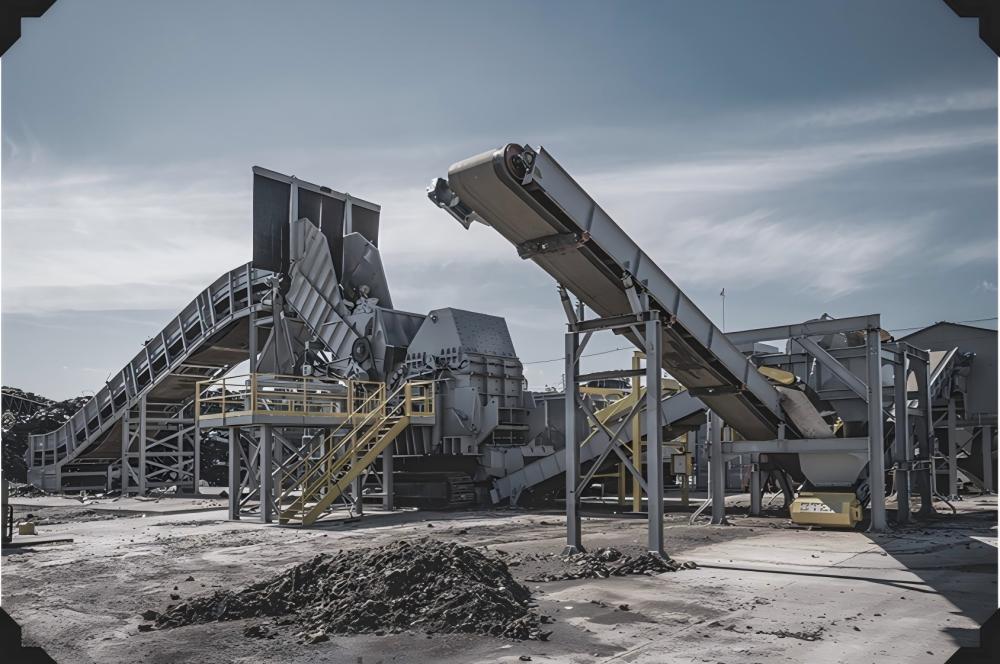
Modern industrial shredders are increasingly equipped with PLC (Programmable Logic Controller) systems that provide real-time data on machine performance. These systems can monitor bearing temperatures, motor load, and vibration levels. Technical troubleshooting often begins with analyzing the error logs generated by the PLC. For instance, a “high oil temperature” alarm might point to a failing cooling fan or a clogged hydraulic filter. By integrating these digital insights with physical inspections, maintenance teams can pinpoint issues with surgical precision, drastically reducing the time spent on diagnostics.
Common Troubleshooting Scenarios and Solutions
| Issue | Potential Cause | Recommended Action |
|---|---|---|
| Excessive Vibration | Unbalanced rotor, loose mounting bolts, or worn bearings. | Inspect rotor for material buildup or missing teeth; tighten all bolts; check bearing play. |
| Frequent Jamming | Dull blades, incorrect cutting gap, or overfeeding. | Sharpen or replace blades; adjust counter-knives; calibrate feed rate to motor capacity. |
| Overheating Motor/Hydraulics | Low fluid levels, clogged coolers, or continuous overloading. | Check and top up fluids; clean heat exchangers; ensure material size is within specs. |
| Unusual Grinding Noise | Metal-on-metal contact or foreign object in the chamber. | Stop immediately; inspect chamber for non-shreddable items; check blade alignment. |
| Reduced Throughput | Worn screen/grate or slipping drive belts. | Inspect and replace worn screens; tension or replace drive belts. |
Selection Advice: Choosing the Right Shredder for Longevity
Selecting the right industrial shredder is the first step in minimizing future maintenance headaches. The most common mistake is undersizing the machine for the intended application. If a shredder is constantly operating at 95% of its rated capacity, the wear on the motor, bearings, and blades will be exponential compared to a machine operating at 70% capacity. When evaluating options, consider the “peak load” rather than just the average throughput. For metal fabrication and recycling, a heavy-duty dual-shaft or hammer mill shredder is often preferred for its ability to handle unpredictable feedstocks.
Maintenance accessibility should be a primary factor in your purchasing decision. Some shredders are designed with “easy-access” chambers that allow for blade changes without dismantling the entire upper housing. Look for machines with modular components, where wear plates and screens can be replaced individually rather than as a single large assembly. Additionally, check the availability of spare parts. A shredder is only as good as the support network behind it; choosing a reputable manufacturer like HARSLE ensures that you have access to high-quality replacement parts and technical expertise when you need it most.
Consider the drive type based on your facility’s infrastructure and the material type. Electric drives are generally easier to maintain and more energy-efficient for consistent materials like plastics or paper. However, if you are dealing with heavy, bulky scrap that may contain unshreddable items, a hydraulic drive’s ability to provide high torque at low speeds and its inherent overload protection can prevent catastrophic shaft breakage. Furthermore, evaluate the control system. A shredder with an intelligent auto-reverse function can prevent jams and protect the drive train from shock loads, effectively automating a portion of the “troubleshooting” process.
Finally, don’t overlook the importance of the feed and discharge systems. An uneven feed can cause localized wear on the rotor, while a restricted discharge can lead to material “re-shredding,” which wastes energy and accelerates blade wear. Ensure that your conveyors and hoppers are designed to provide a steady, metered flow of material to the shredder. By taking a systems-level approach to selection, you ensure that the shredder operates within its design parameters, which is the single best way to Improve Performance and Reduce Downtime.
Frequently Asked Questions (FAQ)
How often should I sharpen my industrial shredder blades?
The frequency of sharpening depends entirely on the material being processed and the blade metallurgy. For abrasive materials like glass-filled plastics or contaminated metals, blades may need attention every 500-1,000 hours. For cleaner materials, they may last 2,000 hours or more. The best indicator is a drop in throughput or an increase in motor amperage. Regular measurement of the cutting gap will tell you exactly when it’s time for a refresh.
What is the most common cause of shredder shaft failure?
Shaft failure is usually caused by fatigue resulting from repeated shock loads or the introduction of an “unshreddable” object (like a large solid steel ingot) into the chamber. Ensuring that your shredder has a functioning overload protection system—either a shear pin, a hydraulic relief valve, or an electronic torque limiter—is critical to preventing this extremely expensive repair.
Can I use any hydraulic oil in my shredder?
No. You must use the oil viscosity and type recommended by the manufacturer. Industrial shredders often operate in extreme temperatures; using an oil with the wrong viscosity index can lead to poor lubrication at high temperatures or cavitation at startup in cold weather. Additionally, ensure the oil has the necessary anti-wear (AW) additives for high-pressure hydraulic systems.
Why is my shredder vibrating more than usual?
Vibration is typically caused by an imbalance in the rotor. This can happen if blades are worn unevenly, if a hammer has broken off (in a hammer mill), or if material has become wrapped around the shaft. It can also indicate that the main bearings are reaching the end of their service life. Vibration should be addressed immediately, as it can lead to structural cracking and failure of other components.
How can I reduce the noise level of my shredding operation?
Noise is often a byproduct of vibration and the impact of the material. Ensuring that the machine is properly anchored to a solid foundation can reduce structural noise. Keeping blades sharp reduces the force required to cut, which lowers the decibel level. Additionally, maintaining the integrity of the hopper and using sound-dampening enclosures can help meet workplace safety regulations.
Conclusion: The Path to Maximum Shredder Efficiency
Mastering Industrial Shredder Maintenance Troubleshooting Tips Improve Performance Reduce Downtime is an ongoing process of education, observation, and action. By treating your shredder as a precision instrument rather than just a “brute force” machine, you unlock higher levels of efficiency and reliability. The combination of a disciplined daily inspection routine, a deep understanding of the machine’s technical specifications, and a proactive approach to component replacement will ensure that your equipment remains a productive asset for years to come.
In the competitive landscape of metal fabrication and recycling, the difference between profit and loss often comes down to machine uptime. Investing time in training your staff and investing capital in high-quality replacement parts are the hallmarks of a world-class operation. HARSLE remains committed to providing the industry with robust machinery and the technical support necessary to keep those machines running at peak performance. Remember, the goal of maintenance is not just to fix what is broken, but to ensure that failure never occurs in the first place. By implementing the strategies outlined in this guide, you are well on your way to achieving a more efficient, safer, and more profitable shredding operation.