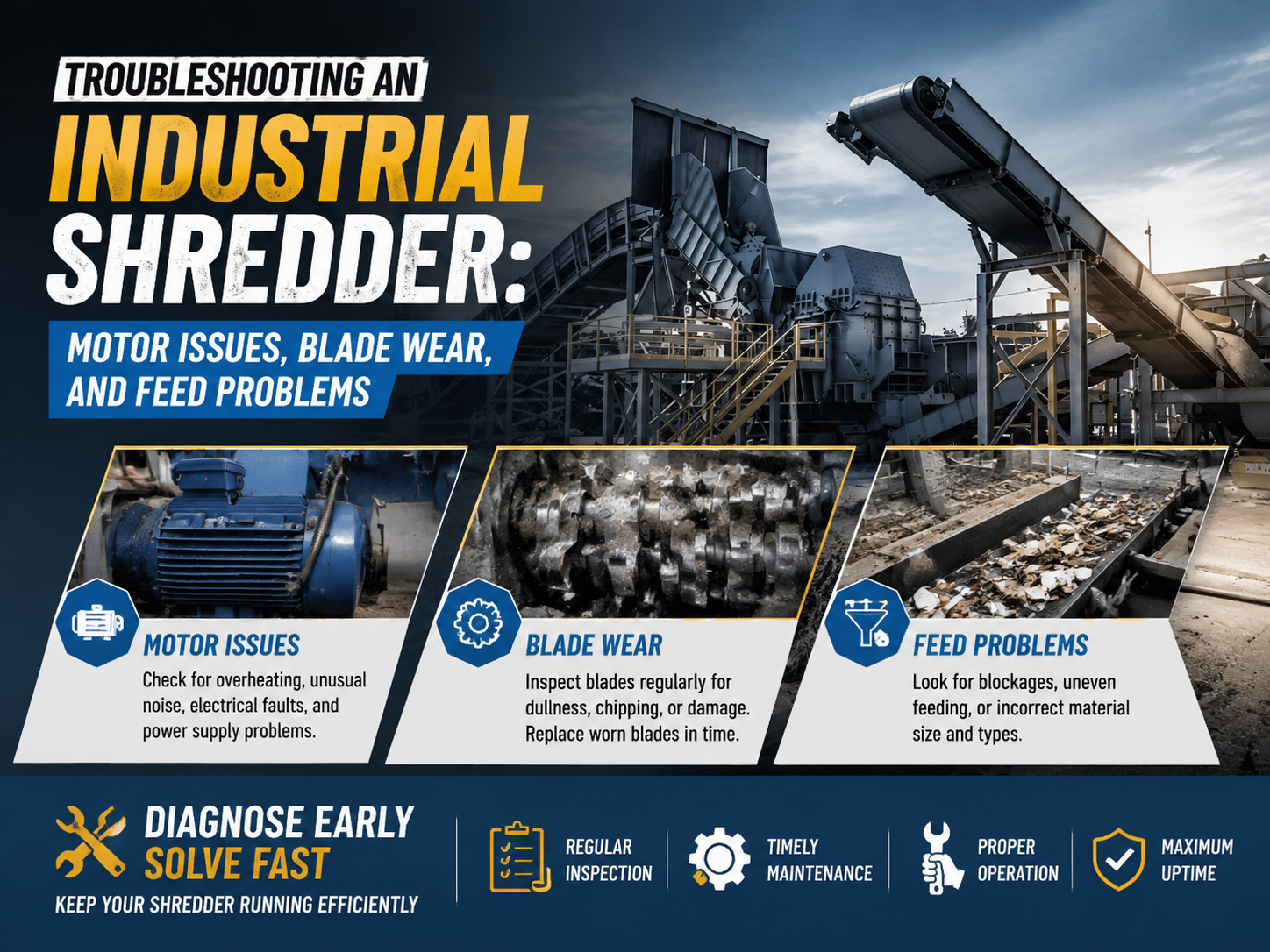
Troubleshooting an Industrial Shredder: Motor Issues, Blade Wear, and Feed Problems

Introduction to Industrial Shredder Maintenance
Industrial shredders are the workhorses of the recycling and waste management industries. Whether you are processing scrap metal, plastics, electronic waste, or industrial debris, these machines are designed to handle immense stress. However, the very nature of their work—reducing bulky materials into smaller, manageable pieces—means they are subject to significant wear and tear. Effective Troubleshooting An Industrial Shredder: Motor Issues, Blade Wear, Feed Problems is essential for any facility manager or operator looking to maintain high throughput and minimize costly downtime.
At HARSLE, we understand that a stalled shredder can halt an entire production line. Troubleshooting is not just about fixing a machine when it breaks; it is about understanding the mechanical and electrical nuances that lead to failure. By identifying early warning signs in the motor, monitoring the degradation of cutting surfaces, and optimizing the feed mechanism, operators can extend the lifespan of their equipment significantly. This guide provides a deep dive into the technical aspects of shredder maintenance and repair.
The complexity of modern industrial shredders, which often feature advanced PLC controls and high-torque hydraulic or electric drives, requires a systematic approach to diagnostics. A minor vibration today could indicate a bearing failure tomorrow, while a slight decrease in throughput might signal that the blades have reached their wear limit. In the following sections, we will explore the three most critical areas of concern: the drive system, the cutting chamber, and the material handling interface.
Key Considerations Before Troubleshooting
Before diving into specific mechanical issues, it is vital to establish a safety-first protocol. Industrial shredders possess immense crushing and shearing forces. Always ensure that the machine is fully powered down and that a Lockout/Tagout (LOTO) procedure is strictly followed. Never attempt to inspect the cutting chamber or the motor housing while the power source is active or if the capacitors in the Variable Frequency Drive (VFD) have not had time to discharge.
Another key consideration is the documentation of the machine’s performance history. Keeping a detailed log of operating hours, material types processed, and previous maintenance interventions can provide invaluable context during troubleshooting. For instance, if a motor begins to overheat, knowing that it recently processed a batch of high-tensile steel can help determine if the issue is a temporary overload or a developing mechanical fault in the gearbox.
Environmental factors also play a significant role. Industrial shredders often operate in dusty, high-temperature, or outdoor environments. Dust accumulation in the motor’s cooling fins or moisture in the electrical cabinets can lead to premature failure. Therefore, troubleshooting should always begin with a visual inspection of the machine’s surroundings and its external components. Cleanliness is often the first step in effective diagnostics.
Technical Details: Diagnosing Motor Issues
Motor Overheating and Thermal Tripping
Motor overheating is perhaps the most common electrical issue in industrial shredders. Most modern shredders utilize three-phase induction motors equipped with thermal sensors. If the motor exceeds its rated temperature, the control system will trip the circuit to prevent permanent damage to the windings. When Troubleshooting An Industrial Shredder: Motor Issues, Blade Wear, Feed Problems, the first step in motor diagnostics is checking for airflow obstructions. Dust, grease, and debris can clog the cooling fan and fins, causing heat to build up rapidly.
Beyond physical blockages, electrical imbalances can cause overheating. Using a multimeter or a power quality analyzer, technicians should check for voltage unbalance between the phases. A small percentage of voltage unbalance can lead to a significant increase in motor temperature. Additionally, check the current draw (amperage). If the motor is consistently pulling more current than its nameplate rating, the machine may be overfed, or there may be excessive friction in the drivetrain due to worn bearings or a lack of lubrication in the gearbox.
VFD Faults and Torque Limitations
Many high-end shredders use Variable Frequency Drives (VFDs) to control motor speed and torque. VFDs provide excellent protection but can also be a source of confusion during troubleshooting. Common VFD fault codes include ‘Overcurrent,’ ‘Overvoltage,’ and ‘Ground Fault.’ An overcurrent fault during the shredding cycle often indicates that the blades have encountered an unshreddable object, causing a sudden torque spike. If the VFD trips frequently without a clear cause, it may be necessary to tune the torque limit settings or check the integrity of the motor’s insulation using a megohmmeter.
Mechanical Drive Train Failures
The connection between the motor and the shredder shaft—whether via belts, chains, or direct-drive gearboxes—is a critical failure point. In belt-driven systems, slippage can cause a loss of power and generate heat, which may be mistaken for a motor issue. In gear-driven systems, unusual grinding noises or vibrations often point to chipped gear teeth or failing internal bearings. Regular oil analysis for gearbox lubricants can reveal metal shavings, providing an early warning of internal mechanical wear before a catastrophic failure occurs.
Technical Details: Addressing Blade Wear and Damage
Identifying Wear Patterns
The blades (or cutters) are the heart of the shredder. Over time, the sharp edges required for shearing material become rounded. This transition from shearing to crushing increases the load on the motor and reduces the quality of the output. When troubleshooting blade issues, look for specific wear patterns. Uniform rounding suggests normal abrasive wear, which can be managed through scheduled sharpening. However, localized chipping or cracking often indicates that the shredder is processing materials harder than the blades were designed for, or that there is tramp metal (unshreddable debris) entering the chamber.
Blade wear is not just about the edge; it is also about the “cutting gap” or clearance between the rotating blades and the stationary counter-blades. As blades wear down, this gap increases. A wide gap allows thin materials, like plastics or thin sheet metal, to pass through without being cut, leading to “wrapping” where material tangles around the shaft. This increases friction and can eventually stall the motor.
Material Selection and Hardness
When blades need replacement, selecting the right material is crucial. Most industrial blades are made from high-alloy tool steels like D2, SKD11, or specialized shock-resistant alloys. If you find that your blades are wearing out prematurely, it may be time to upgrade to a material with higher carbide content or a different heat treatment. However, there is always a trade-off: harder blades stay sharp longer but are more brittle and prone to cracking if they hit a hard object. Conversely, tougher, softer blades can withstand impacts but require more frequent sharpening.
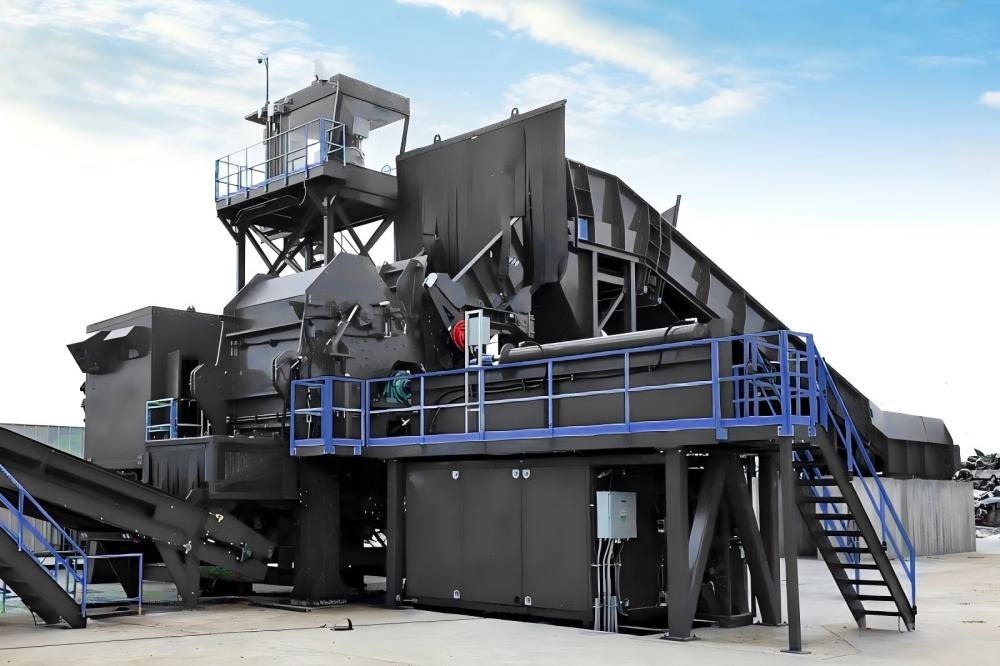
The Sharpening and Replacement Process
Troubleshooting blade wear often leads to the decision of whether to sharpen or replace. Many industrial shredder blades are designed to be reversible or have replaceable inserts. If the blade body is still structural, sharpening can be a cost-effective solution. However, it is critical to maintain the original geometry of the blade. Improper grinding can lead to overheating of the tool steel, drawing the temper and making the blade soft. Always use a coolant during the grinding process and ensure that the blades are balanced before reinstallation to prevent shaft vibration.
Technical Details: Solving Feed Problems
Bridging and Material Hang-ups
Feed problems often manifest as the shredder running empty while the hopper is full. This phenomenon, known as “bridging,” occurs when bulky materials wedge against each other above the cutting chamber, forming a structural arch that supports the rest of the load. Troubleshooting bridging involves looking at the hopper design and the material characteristics. Often, the solution involves installing a hydraulic ram or “pusher” system that actively forces material into the blades. If a pusher is already present, check the hydraulic pressure and the timing of the pusher cycles in the PLC settings.
Overfeeding and Stalling
On the opposite end of the spectrum is overfeeding. If too much material is dropped into the chamber at once, the blades can become overwhelmed, leading to a motor stall. Most modern shredders feature an “auto-reverse” function. When the PLC detects a current spike (indicating a jam), it reverses the shafts to clear the material before attempting to shred again. If your shredder is constantly reversing, it is a sign of overfeeding. This can be solved by regulating the conveyor speed or using a metering device to ensure a steady, consistent flow of material.
Material Wrapping and Shaft Entanglement
Certain materials, such as long strips of plastic film, wire, or textiles, have a tendency to wrap around the shredder shafts rather than being cut. This creates a “donut” of material that increases friction, generates heat, and can eventually damage the shaft seals or bearings. Troubleshooting wrapping issues usually requires adjusting the blade clearance or installing specialized “stripper plates” that clear material from the blades as they rotate. If wrapping is a persistent problem, it may indicate that the shredder’s RPM is too high for the specific material being processed.
Selection Advice: Choosing the Right Shredder to Avoid Problems
The best way to troubleshoot is to prevent issues through proper equipment selection. When purchasing an industrial shredder, consider the following technical specifications to ensure the machine is fit for purpose:
- Drive Type: Electric drives are generally more energy-efficient and easier to maintain for consistent loads. Hydraulic drives offer superior shock absorption and variable speed control, making them better for heavy-duty, unpredictable scrap metal processing.
- Torque vs. Speed: High-speed shredders (like hammer mills) are great for uniform granulation but are prone to high wear. Low-speed, high-torque shredders (dual-shaft) are better for bulky, tough materials and generally have lower maintenance requirements.
- Blade Metallurgy: Ensure the blade material matches your waste stream. Ask for the Rockwell hardness (HRC) specifications and the alloy composition.
- Control Systems: Look for machines with intelligent PLC controls that include data logging, remote diagnostics, and customizable auto-reverse parameters.
| Problem Area | Common Symptom | Primary Troubleshooting Step |
|---|---|---|
| Motor | Frequent Thermal Tripping | Check cooling fins for dust and verify phase voltage balance. |
| Blades | Increased Fines/Dust in Output | Inspect blade edges for rounding and check cutting gap clearance. |
| Feed System | Machine Running Empty (Bridging) | Adjust hopper angles or increase hydraulic pusher frequency. |
| Drivetrain | Excessive Vibration | Check gearbox oil for metal particles and inspect shaft alignment. |
Frequently Asked Questions (FAQ)
How often should I sharpen my industrial shredder blades?
The frequency of sharpening depends entirely on the material being processed. For abrasive materials like glass-filled plastics or sandy tires, sharpening may be required every few hundred hours. For cleaner materials, blades may last thousands of hours. The best indicator is a drop in throughput or an increase in motor amperage for the same material volume.
Why does my shredder motor smell like it’s burning?
A burning smell usually indicates overheating of the motor windings or the drive belts. Stop the machine immediately. Check for a stalled rotor, excessive dust accumulation on the motor, or a failing bearing that is creating friction. If the smell is electrical, it may be a sign of insulation breakdown.
Can I shred metal in a shredder designed for plastic?
Generally, no. Plastic shredders often have higher speeds and different blade geometries/metallurgy. Attempting to shred metal in a plastic shredder can result in shattered blades, a bent shaft, or a burnt-out motor due to the significantly higher torque requirements.
What is the benefit of an auto-reverse feature?
Auto-reverse protects the motor and drivetrain from catastrophic failure. When the machine hits an unshreddable object or a massive overload, the PLC detects the current spike and reverses the motor to reposition the material, often allowing the machine to clear the jam automatically without manual intervention.
Conclusion
Mastering Troubleshooting An Industrial Shredder: Motor Issues, Blade Wear, Feed Problems is a continuous process of observation and proactive maintenance. By treating the shredder as an integrated system—where the electrical performance of the motor is directly tied to the mechanical sharpness of the blades and the efficiency of the feed system—operators can achieve maximum productivity. Regular inspections, proper lubrication, and a deep understanding of the material being processed are the keys to longevity.
At HARSLE, we are dedicated to providing not only high-quality metal fabrication and recycling equipment but also the technical knowledge required to keep that equipment running at peak performance. Whether you are dealing with a stubborn motor fault or optimizing your blade replacement schedule, a systematic approach to troubleshooting will always yield the best results. Remember, a well-maintained shredder is a profitable shredder.