Four-Shaft Shredder Motor Trips Frequently: What to Inspect First


Introduction
In the demanding world of metal fabrication and waste management, the four-shaft shredder stands as a cornerstone of efficiency. Designed to process complex materials with high torque and precision, these machines are built for endurance. However, even the most robust industrial equipment can encounter operational hurdles. When a four-shaft shredder motor trips frequently, it is not merely an inconvenience; it is a signal that the system is struggling to overcome an internal or external resistance that exceeds its rated capacity.
Understanding why your four-shaft shredder motor trips frequently is the first step toward minimizing downtime and preventing long-term damage to the drivetrain. Whether you are processing scrap metal, electronic waste, or industrial byproducts, the motor is the heart of your operation. When the thermal overload protection or the circuit breaker triggers, it is a safety mechanism designed to protect the motor windings from catastrophic failure. Ignoring these trips can lead to expensive motor rewinds or total system replacement.
This guide serves as a comprehensive technical manual for maintenance teams and plant managers. We will explore the diagnostic hierarchy—what to inspect first, how to interpret electrical data, and when to look for mechanical binding. By following these systematic steps, you can identify the root cause of frequent motor trips and implement lasting solutions to keep your HARSLE equipment running at peak performance.
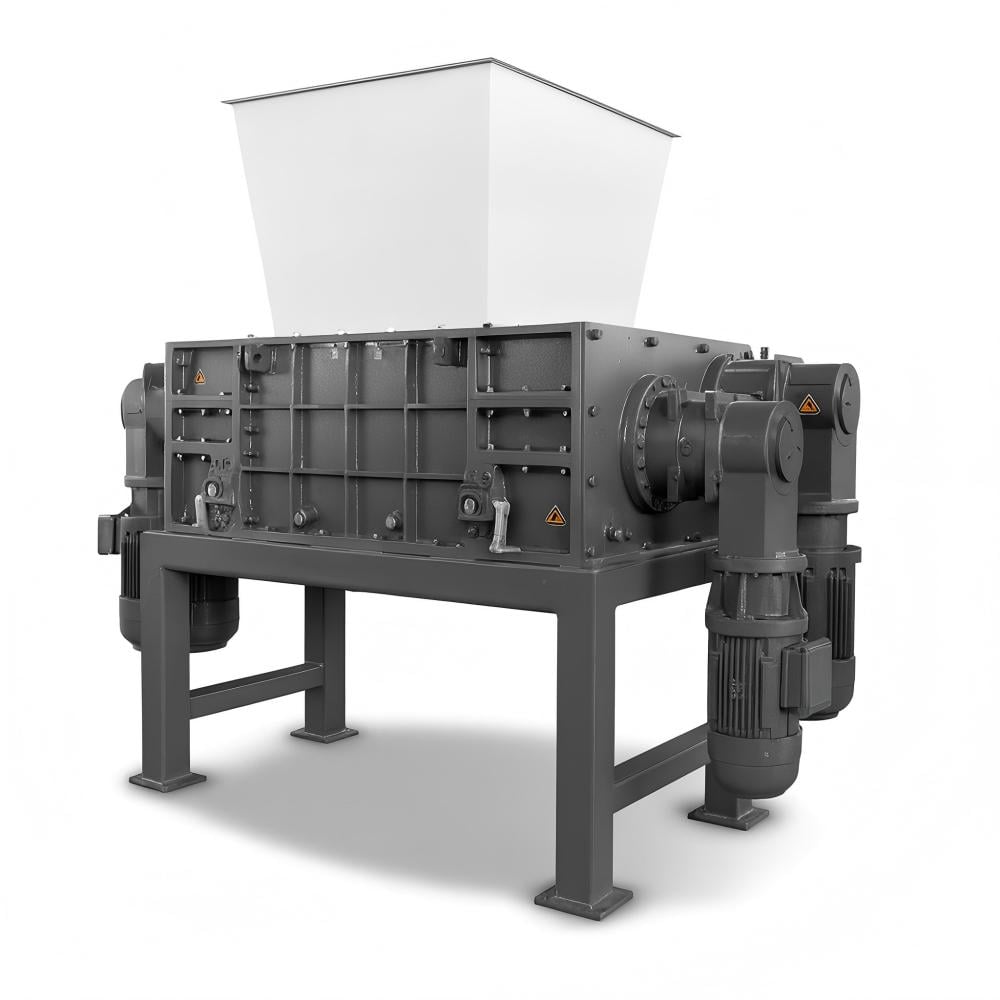
Key Considerations: Why the Motor Trips
When addressing the issue of a four-shaft shredder motor trips frequently, inspect first the relationship between the load and the power supply. A motor trip is rarely a random event; it is almost always a response to an abnormal condition. The primary categories for these trips include electrical supply instability, mechanical overload, and environmental factors that degrade motor performance over time.
Electrical supply issues are often the most overlooked culprits. If the voltage supplied to the shredder is inconsistent or drops during peak load, the motor will draw higher amperage to compensate for the lack of power. This increased current generates excessive heat, eventually triggering the thermal overload relay. Before tearing down the gearbox, always verify that your facility’s power supply is stable and that the phases are balanced.
Mechanical overload is the most common cause in shredding applications. If the material being fed into the chamber exceeds the shredder’s design specifications—such as feeding hardened steel into a machine calibrated for aluminum—the motor will struggle. Furthermore, if the shredder blades are dull, the force required to shear the material increases exponentially, putting unnecessary strain on the motor and causing it to trip under normal operating conditions.
Environmental factors, such as ambient temperature and dust accumulation, also play a significant role. Industrial shredders operate in harsh environments. If the motor cooling fins are clogged with dust or debris, the motor cannot dissipate heat effectively. This leads to a gradual rise in internal temperature, causing the motor to trip sooner than it would under clean, cool conditions. Regular cleaning schedules are essential for preventing these thermal-related trips.
Technical Details: The Diagnostic Checklist
To effectively troubleshoot a four-shaft shredder motor trips frequently, inspect first the electrical cabinet and the motor housing. A systematic approach ensures that you do not waste time on minor issues while ignoring a critical mechanical failure. Start by checking the thermal overload relay settings. If the relay has been tampered with or has drifted due to age, it may be tripping at a lower current threshold than required.
Next, perform a current draw analysis using a clamp meter. Measure the amperage on each of the three phases while the machine is running under no-load conditions. The readings should be relatively balanced. If one phase shows significantly higher amperage, you may have a winding issue or a phase imbalance in the supply line. If the readings are balanced but high, the issue is likely mechanical resistance within the shredder chamber or the gearbox.
Inspect the gearbox and the drive shafts for signs of binding. In a four-shaft shredder, the synchronization of the shafts is critical. If the timing gears are worn or if there is excessive backlash, the shafts may be fighting each other, creating a massive parasitic load on the motor. Check the lubrication levels in the gearbox; contaminated or low oil can lead to increased friction, which translates directly into higher motor torque requirements.
Finally, examine the shredder blades and spacers. Over time, the cutting edges become rounded. A dull blade requires significantly more force to penetrate the material. This increased force is transmitted back through the shafts to the motor. If you notice that the motor trips only when the shredder is full, it is a strong indicator that the blades need to be sharpened or replaced. Regular maintenance of the cutting assembly is the most effective way to reduce the load on your motor.
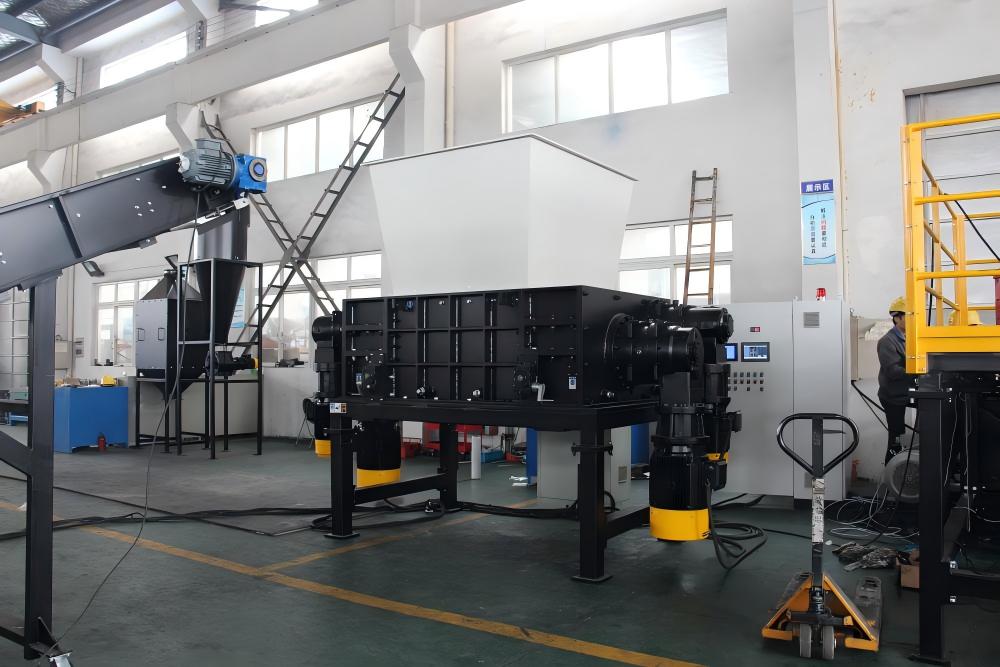
Selection Advice: Matching Motor to Application
Preventing frequent motor trips often starts long before the machine is installed. When selecting a four-shaft shredder, it is vital to match the motor power to the specific material density and throughput requirements of your facility. A common mistake is under-sizing the motor to save on initial capital expenditure, which leads to constant operational stress and frequent tripping.
Consider the starting torque requirements. Shredders often start under load, especially if the machine was stopped while full of material. Ensure that your motor and soft-starter or variable frequency drive (VFD) are rated for high-inertia starts. A VFD is highly recommended for modern four-shaft shredders because it allows for controlled acceleration, reducing the mechanical shock and electrical surge that often cause motor trips during startup.
Evaluate the duty cycle of your operation. If your shredder runs 24/7, you need a motor with a high service factor and robust insulation class (such as Class F or H). Motors designed for intermittent use will fail prematurely in continuous-duty applications. Always consult with HARSLE engineers to ensure that the motor specifications align with your production goals and the physical properties of the materials you intend to process.
Furthermore, consider the integration of smart monitoring systems. Modern industrial shredders can be equipped with sensors that monitor motor temperature and vibration in real-time. By integrating these sensors into your PLC (Programmable Logic Controller), you can receive alerts before the motor reaches the trip threshold. This proactive approach allows operators to adjust the feed rate or clear a jam before the machine shuts down completely.
FAQ: Frequently Asked Questions
- Q: Why does my shredder trip only when processing specific materials?
A: This usually indicates that the material is too hard or too dense for the current blade configuration. Check the shredder’s material compatibility chart and ensure the feed rate is controlled. - Q: Can a loose electrical connection cause a motor to trip?
A: Yes. Loose connections create high resistance, which leads to voltage drops and heat buildup at the terminal block, eventually triggering the overload protection. - Q: How often should I sharpen the blades to prevent motor strain?
A: Blade maintenance depends on usage. Inspect the blades every 500 operating hours. If you notice a decrease in throughput or an increase in motor noise, sharpen them immediately. - Q: Is it safe to increase the thermal overload relay setting?
A: Never increase the relay setting beyond the motor’s nameplate full-load amperage (FLA). Doing so risks burning out the motor windings and voiding your warranty. - Q: What role does the gearbox play in motor trips?
A: The gearbox converts motor speed into torque. If the gearbox is failing or the oil is degraded, it creates mechanical drag that forces the motor to work harder, leading to trips.
Conclusion
When your four-shaft shredder motor trips frequently, inspect first the electrical supply, then the mechanical load, and finally the condition of the cutting assembly. By following a structured diagnostic process, you can identify whether the issue is a simple maintenance oversight or a deeper mechanical failure. HARSLE shredders are engineered for reliability, but they require consistent care to maintain their high-performance standards.
Remember that the motor is protected by safety devices for a reason. Never bypass these protections to keep the machine running. Instead, use the information provided in this guide to address the root cause. Whether it is sharpening dull blades, cleaning cooling vents, or stabilizing your facility’s power, taking the time to perform these inspections will extend the lifespan of your equipment and ensure that your production line remains efficient and profitable. For further technical support or to discuss specific maintenance protocols for your HARSLE machinery, our engineering team is always available to assist you in optimizing your shredding operations.