
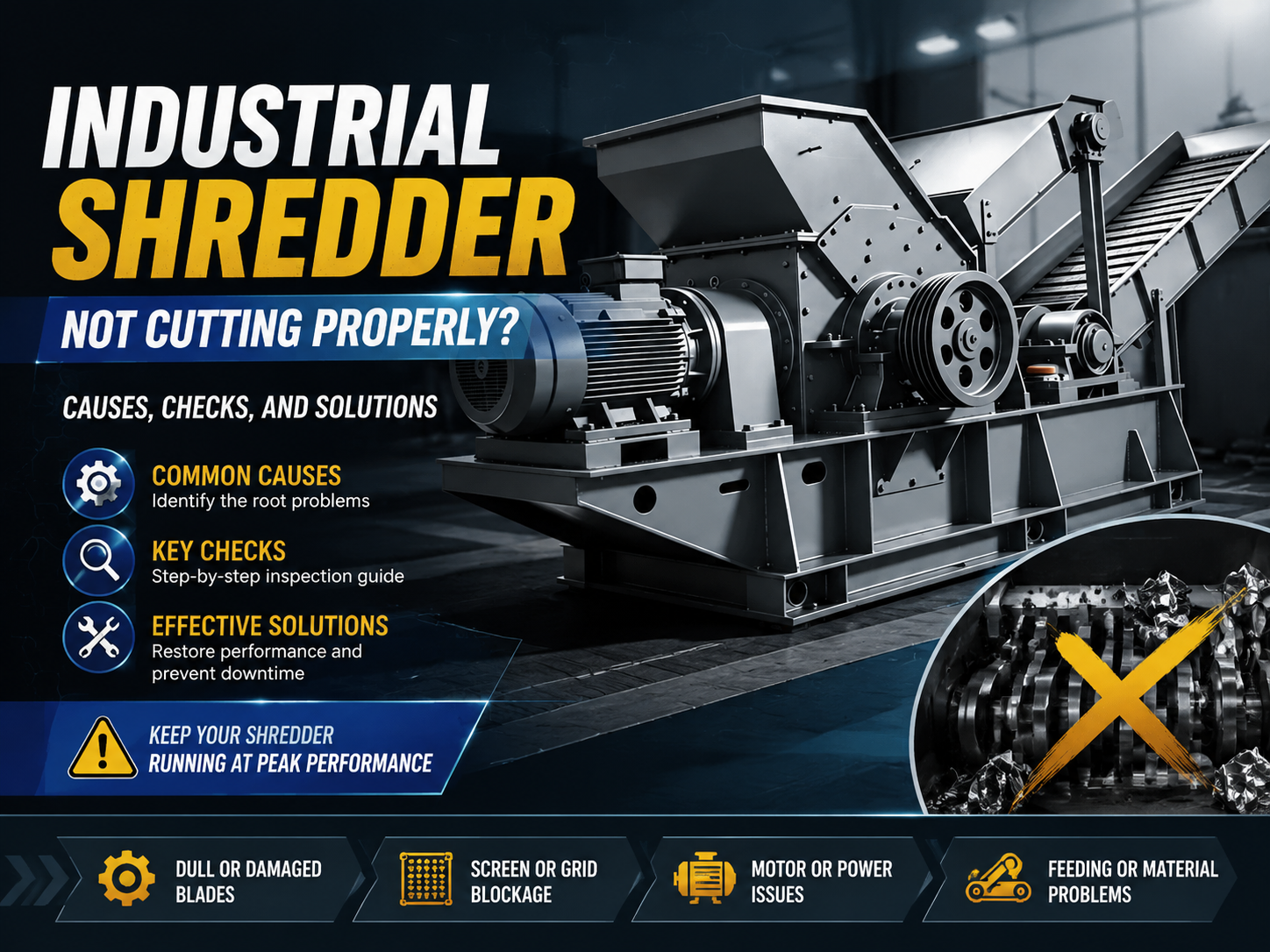
Industrial Shredder Not Cutting Properly? Causes, Checks, and Solutions

Introduction to Industrial Shredder Performance
In the world of high-volume manufacturing and waste management, the industrial shredder is a cornerstone of operational efficiency. Whether you are processing scrap metal, plastics, rubber, or electronic waste, the ability of your machine to deliver consistent, clean cuts is paramount. However, many operators eventually encounter a frustrating scenario: the industrial shredder not cutting properly. This issue can manifest as material wrapping around the shafts, inconsistent particle sizes, or a complete failure to penetrate the feedstock. When performance drops, it doesn’t just slow down production; it increases energy consumption, puts undue stress on the motor, and can lead to catastrophic mechanical failure if left unaddressed.
At HARSLE, we understand that downtime is the enemy of profitability. An industrial shredder is a complex piece of engineering that relies on the perfect harmony of torque, blade geometry, and structural integrity. When one of these elements is out of alignment, the entire system suffers. This comprehensive guide is designed to help maintenance managers and machine operators diagnose the root causes of poor cutting performance, perform the necessary technical checks, and implement long-term solutions to keep their equipment running at peak capacity.
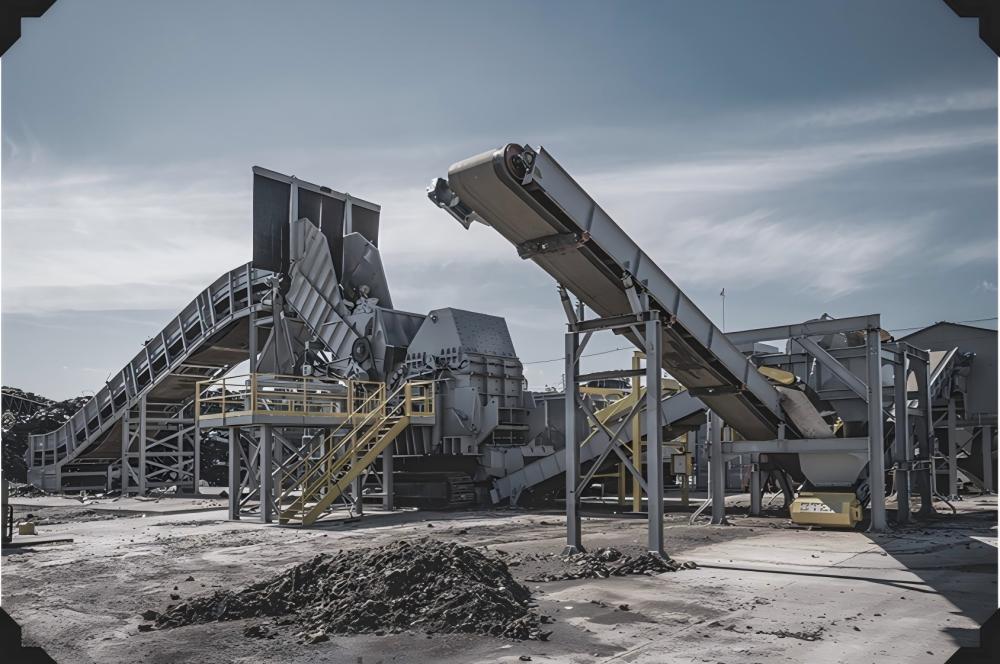
Understanding why an industrial shredder is not cutting properly requires a deep dive into both the mechanical and operational aspects of the machine. It is rarely a single factor but often a combination of wear and tear, improper settings, or a mismatch between the machine’s capabilities and the material being processed. By following a systematic approach to troubleshooting, you can identify whether the problem lies in the blades, the hydraulic system, the electrical drive, or the feeding mechanism.
Key Considerations: Why Your Shredder Might Be Failing
When diagnosing an industrial shredder not cutting properly, the first step is to categorize the symptoms. Is the machine stalling? Is the material coming out in large, jagged chunks instead of uniform pieces? Or is the material simply passing through the blades without being cut at all? These symptoms point toward different underlying issues. One of the most common considerations is the state of the cutting tools. Blades are the primary contact point, and their condition dictates the quality of the output. Over time, even the highest-quality alloy steel blades will lose their edge due to the abrasive nature of industrial waste.
Another critical consideration is the ‘clearance’ or ‘gap’ between the cutting blades. In twin-shaft or four-shaft shredders, the blades must pass each other with a specific tolerance. If this gap becomes too wide—often due to bearing wear or shaft deflection—the machine will begin to ‘tear’ or ‘fold’ the material rather than shearing it. This is particularly common when processing thin materials like sheet metal or plastic films, which require tight tolerances to be cut effectively. If the gap is too large, the material simply slips through the space between the blades, leading to a massive drop in efficiency.
Material contamination is also a frequent culprit. Industrial shredders are often designed for specific types of waste. If a machine designed for plastics is suddenly fed heavy-duty steel reinforcements or large rocks, the blades can chip or the drive system can become overloaded. This not only prevents proper cutting but can also cause the safety shear pins to break or the PLC to trigger an emergency stop. Operators must ensure that the feedstock matches the machine’s specifications and that any non-shreddable contaminants are removed before they reach the hopper.
Finally, consider the feeding rate. Overloading the hopper can lead to a ‘bridging’ effect where the material sits on top of the shafts without being pulled into the cutting chamber. Conversely, if the material is fed too slowly, the blades may spin without engaging the material, leading to inefficient cycles. Proper feeding logic, often controlled by an automated system, is essential for maintaining the constant pressure required for the blades to bite into the material and complete the cut.
Technical Details: The Mechanics of Shredding and Cutting Failure
To truly solve the problem of an industrial shredder not cutting properly, one must look at the technical specifications of the cutting assembly. The physics of shredding involves three primary forces: shearing, tearing, and crushing. For most industrial applications, shearing is the most efficient. This occurs when two sharp edges move past each other with minimal clearance. The technical health of this process depends on the ‘Nip Angle’—the angle at which the material is grabbed by the blades. If the blade profile is worn down, the nip angle changes, and the blades lose their ability to ‘grip’ the material, causing it to bounce on top of the shafts.
The metallurgy of the blades is another technical factor. HARSLE shredders utilize high-strength alloys like D2 or DC53, which are heat-treated to specific Rockwell hardness levels (HRC). However, if the blades have been sharpened incorrectly or subjected to extreme heat during operation, they can lose their temper. This makes the steel brittle or too soft, leading to rapid dulling. When checking your blades, look for ’rounding’ of the edges. Even a 1mm radius on a cutting edge can increase the required cutting force by 30-50%, putting immense strain on the motor and gearbox.
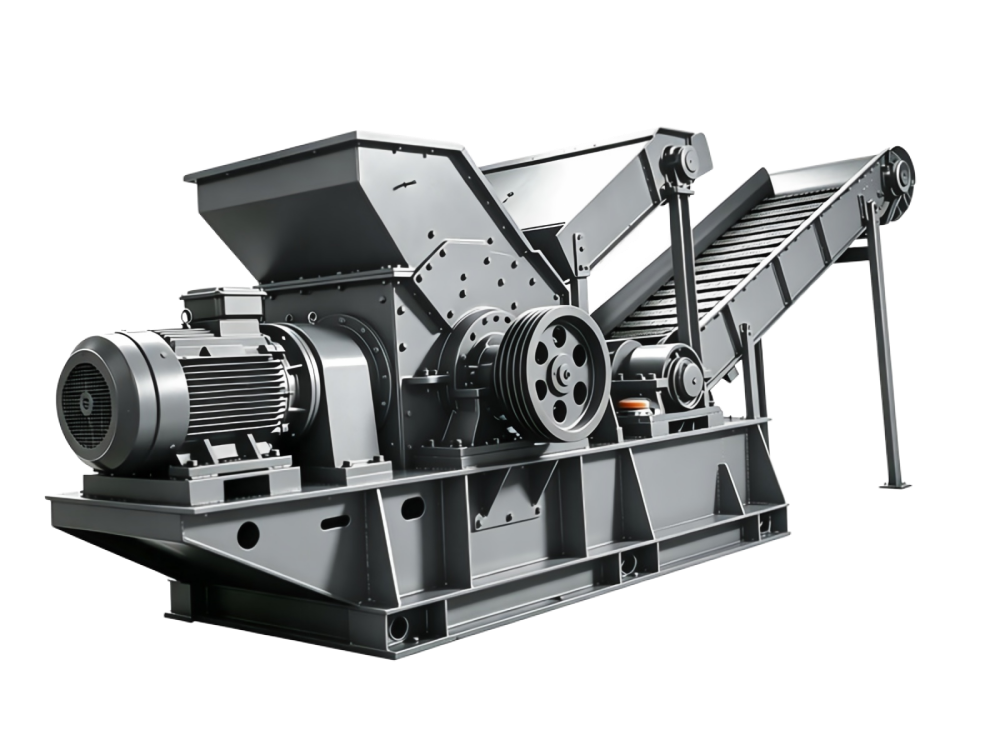
The drive system—whether hydraulic or electric—must also be scrutinized. In hydraulic shredders, a drop in system pressure can result in insufficient torque. This means that while the blades are sharp, they don’t have the power to push through the material. This could be caused by a failing pump, a clogged filter, or a leak in the hydraulic circuit. In electric-drive shredders, issues with the Variable Frequency Drive (VFD) or the motor windings can lead to a loss of torque at low speeds, which is exactly when the shredder needs the most power to initiate a cut.
Furthermore, the structural integrity of the shaft and bearings plays a vital role. If the bearings are worn, the shafts can experience ‘axial play’ or ‘radial runout.’ This means the shafts move slightly out of their intended path during the cutting stroke. Even a deviation of a few tenths of a millimeter can cause the blades to clash or create a gap wide enough to prevent cutting. Regular vibration analysis and bearing lubrication are technical necessities to prevent these subtle mechanical shifts from ruining your cutting performance.
Selection Advice: Choosing the Right Shredder for Your Application
Preventing the issue of an industrial shredder not cutting properly starts with the selection process. Not all shredders are created equal, and choosing a machine that is underpowered or incorrectly configured for your material will lead to perpetual maintenance headaches. When selecting a shredder, the first thing to evaluate is the ‘Torque-to-Speed Ratio.’ For heavy materials like metal or thick rubber, you need a high-torque, low-speed shredder. These machines use massive gear reduction to provide the force necessary to shear through tough substances without stalling.
Consider the blade configuration. Single-shaft shredders are excellent for achieving a precise, small particle size because they use a screen to retain material until it is small enough to pass through. However, they can struggle with high-elasticity materials that don’t shear easily. Double-shaft shredders are better for high-volume reduction and can handle a wider variety of bulky items, but the output size is less controlled. If your application requires both high volume and precise sizing, a four-shaft shredder might be the best choice, as it combines the aggressive feeding of a double-shaft with the sizing capabilities of integrated screens.
Another selection tip is to look at the ease of maintenance. Since blade wear is inevitable, you should choose a machine that allows for quick blade changes or on-site sharpening. HARSLE designs its shredders with accessible cutting chambers and modular blade segments. This means you can replace a single damaged tooth without dismantling the entire shaft, significantly reducing downtime. Additionally, check for ‘Auto-Reverse’ functionality in the PLC. A good shredder should automatically sense an overload, reverse the shafts to clear the jam, and then attempt to cut again. This feature prevents motor burnout and protects the blades from unnecessary damage.
Finally, always request a material test. Any reputable manufacturer, including HARSLE, should be willing to test your specific feedstock in their machines. This provides empirical evidence of how the machine handles your material, what the throughput will be, and what the resulting particle size looks like. It also allows engineers to recommend the specific blade alloy and tooth profile that will offer the longest lifespan for your particular application, ensuring you don’t face cutting issues shortly after installation.
Frequently Asked Questions (FAQ)
| Question | Answer |
|---|---|
| How often should I sharpen my shredder blades? | This depends on the material. For plastics, blades may last 500-1000 hours. For abrasive metals, they may need checking every 200 hours. Always monitor output quality as the primary indicator. |
| Why is my shredder vibrating excessively? | Excessive vibration is usually caused by unbalanced shafts, worn bearings, or a piece of non-shreddable material stuck in the chamber. Stop the machine immediately to prevent shaft damage. |
| Can I shred different materials in the same machine? | While possible, it is not ideal. A blade profile optimized for wood will not perform well on scrap aluminum. Mixing materials can lead to faster wear and poor cutting performance. |
| What is the ideal blade clearance? | For most industrial applications, a clearance of 0.1mm to 0.5mm is standard. However, this varies by machine size and material type. Refer to your HARSLE manual for specific tolerances. |
| Why does my shredder keep reversing? | Frequent reversing indicates that the motor is hitting its current limit. This is caused by overfeeding, dull blades, or material that is too tough for the machine’s torque rating. |
Conclusion: Maintaining Peak Shredding Efficiency
An industrial shredder not cutting properly is a signal that your production line is losing money. Whether the cause is as simple as dull blades or as complex as a hydraulic pressure drop, addressing the issue promptly is essential. By understanding the mechanical principles of shearing and maintaining a rigorous inspection schedule, you can extend the life of your equipment and ensure a consistent, high-quality output. Remember that the blades are the heart of the machine; keeping them sharp and properly gapped is the single most effective way to prevent performance issues.
At HARSLE, we are committed to providing not just high-performance machinery, but also the technical expertise needed to keep that machinery running perfectly. Our industrial shredders are engineered for durability, but they still require the care and attention detailed in this guide. Regular maintenance, proper operator training, and choosing the right machine for the job are the three pillars of successful industrial shredding. If you are experiencing persistent cutting issues or are looking to upgrade your current waste processing capabilities, our team of experts is ready to assist you with customized solutions tailored to your specific industrial needs.
In conclusion, don’t wait for a total breakdown. Monitor your shredder’s performance daily, listen for unusual sounds, and inspect the output regularly. A proactive approach to maintenance will not only solve the problem of an industrial shredder not cutting properly but will also significantly improve your bottom line by reducing energy costs and maximizing throughput. Trust in quality engineering, and keep your blades sharp for the best results in the industry.


