How to Fix Uneven Material Feed in an Industrial Shredder: A Comprehensive Technical Guide

Introduction to Material Feeding Challenges in Industrial Shredders
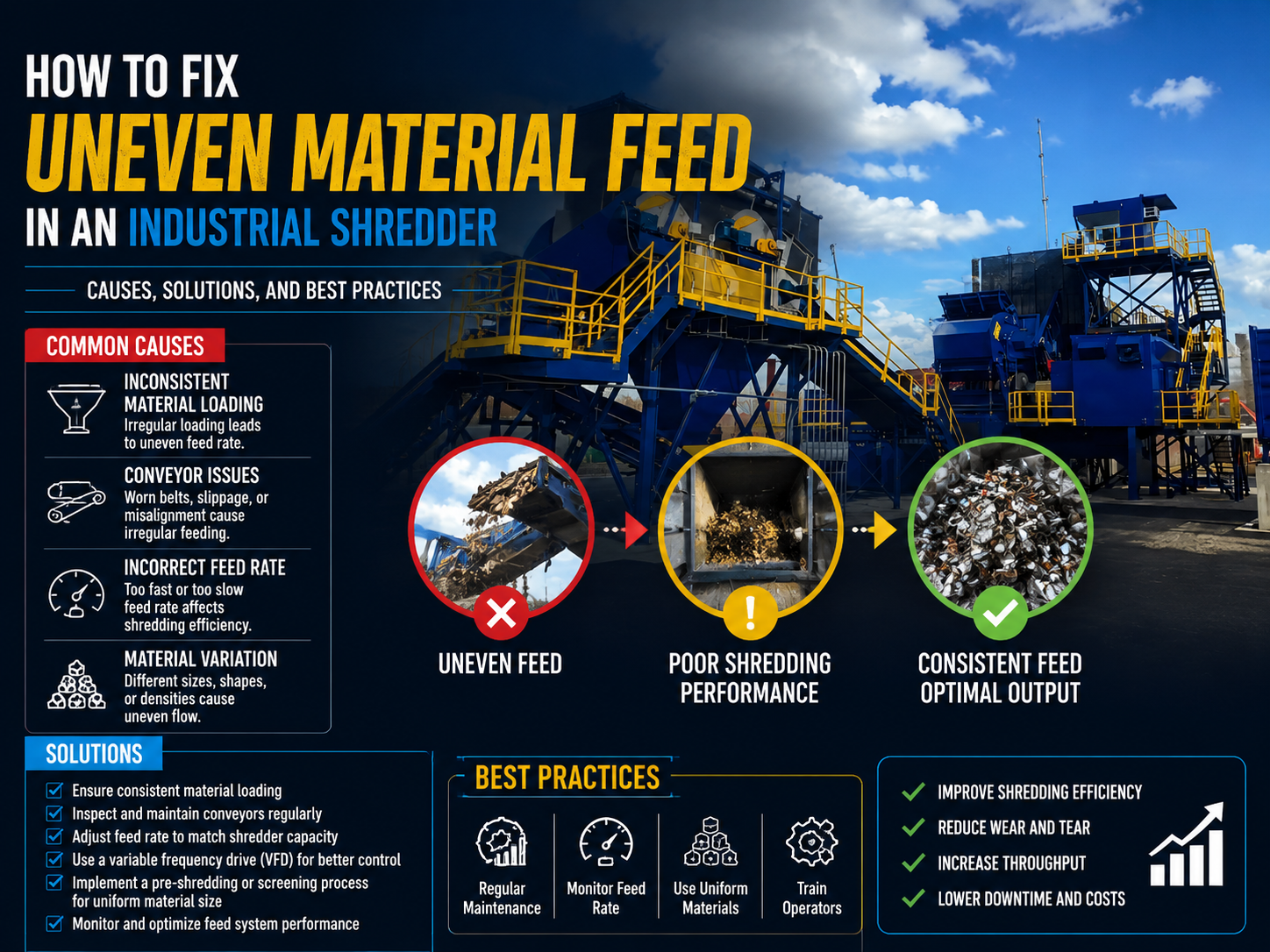
In the world of heavy-duty recycling and waste management, the industrial shredder stands as a cornerstone of efficiency. However, even the most robust machines, such as those manufactured by HARSLE, can face operational hurdles that diminish their output. One of the most common and frustrating issues is uneven material feed. When a shredder experiences inconsistent intake, it leads to a cascade of problems: reduced throughput, increased energy consumption, premature wear on cutting components, and frequent mechanical jams. Understanding how to fix uneven material feed in an industrial shredder is not just about immediate repairs; it is about optimizing the entire production line for long-term reliability.
Uneven feeding, often referred to as ‘slugging’ or ‘starving’ the machine, occurs when material enters the cutting chamber in unpredictable bursts or fails to enter at a steady rate. This inconsistency forces the motor to constantly adjust its torque, leading to electrical surges and thermal stress. For facility managers and operators, identifying the root cause of these fluctuations is the first step toward a solution. Whether you are processing scrap metal, plastics, or electronic waste, the physics of material flow remains a critical factor in your facility’s profitability.
This guide provides an in-depth look at the mechanical, electrical, and operational strategies required to stabilize material flow. We will explore the nuances of hopper design, the importance of conveyor synchronization, and the technical adjustments necessary to ensure your industrial shredder operates at peak performance. By the end of this article, you will have a comprehensive roadmap to diagnose and resolve feeding issues, ensuring your HARSLE equipment delivers the high-quality results it was designed for.
Key Considerations for Diagnosing Feeding Issues
Before diving into technical repairs, it is essential to conduct a thorough diagnostic assessment. Uneven material feed is rarely the result of a single factor; it is usually a combination of material characteristics and machine settings. The first consideration is the material itself. Different materials have different ‘flowability.’ For instance, bulky scrap metal behaves differently than shredded plastic film. If the material is prone to tangling or ‘bridging’ (forming an arch over the hopper opening), the feed will naturally become erratic.
Another key consideration is the interaction between the infeed system and the shredder’s cutting chamber. If the conveyor belt is moving too fast, it may overwhelm the blades, causing the machine to auto-reverse frequently. Conversely, if the conveyor is too slow, the shredder runs empty for periods, wasting energy. Monitoring the ‘amp draw’ of the motor is a reliable way to gauge feeding consistency. A steady amp reading indicates a balanced feed, while wild fluctuations suggest that the machine is struggling with uneven loads.
Environmental factors also play a role. Moisture content in the material can increase friction or cause particles to stick together, leading to clogs in the hopper. Similarly, the presence of ‘unshreddables’—materials that are too hard or thick for the specific machine—can cause temporary blockages that disrupt the flow of subsequent material. Operators must be trained to recognize these symptoms early to prevent long-term damage to the drive train and bearings.
Technical Details: Mechanical and Electrical Adjustments
Optimizing Hopper Geometry and Anti-Bridging Devices
The hopper is the first point of contact for the material, and its design is critical to preventing uneven feed. If the hopper walls are too shallow, material may sit idle rather than sliding into the cutters. To fix uneven material feed in an industrial shredder, engineers often look at the ‘angle of repose’ for the specific material being processed. Increasing the steepness of the hopper walls or applying low-friction liners (such as UHMW plastic) can significantly improve flow.
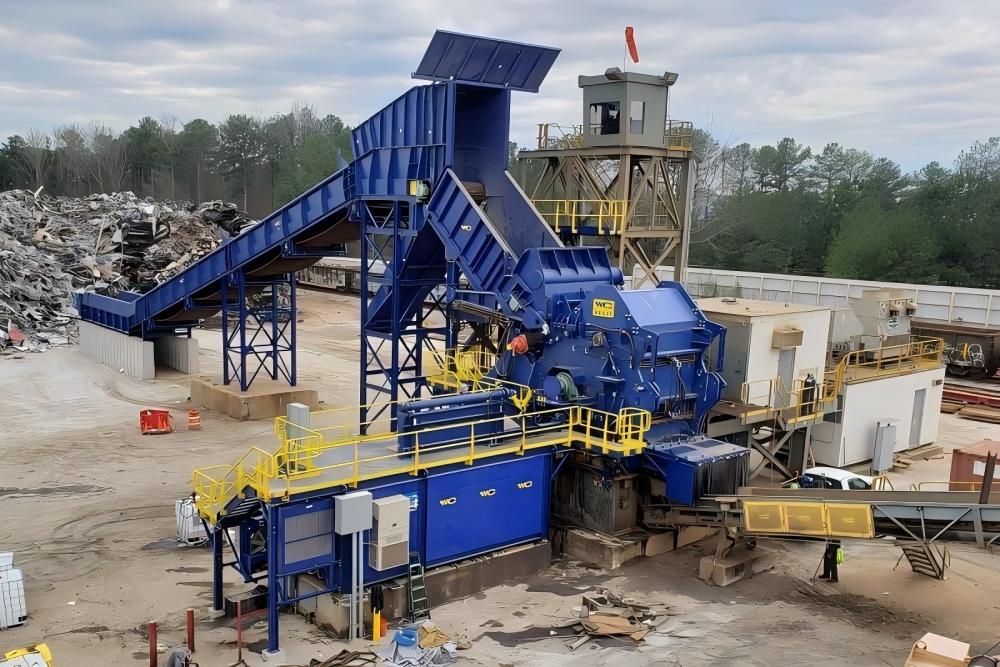
For materials that are particularly prone to bridging, such as long strips of metal or bulky plastic containers, mechanical agitators or ‘bridge breakers’ can be installed. These devices use vibration or rotating arms to break up material clusters before they reach the throat of the shredder. Additionally, hydraulic pushers or ‘ram feeders’ are often used in single-shaft shredders to force material against the rotor, ensuring a constant and controlled feed rate regardless of the material’s natural flow properties.
Synchronizing Infeed Conveyors with PLC Logic
Modern industrial shredders rely on sophisticated Programmable Logic Controllers (PLCs) to manage the relationship between the infeed system and the shredder motor. One of the most effective ways to stabilize feeding is to implement a ‘load-dependent’ conveyor control. In this setup, the PLC monitors the shredder motor’s current. If the current exceeds a certain threshold (indicating a heavy load), the PLC automatically slows down or stops the infeed conveyor. Once the shredder has processed the material and the current drops, the conveyor resumes its normal speed.
This synchronization prevents the ‘slugging’ effect where a large mass of material hits the blades all at once. Fine-tuning the PID (Proportional-Integral-Derivative) loops within the PLC allows for smoother transitions in conveyor speed, reducing the mechanical shock on the shredder’s gearbox and couplings. For facilities using Variable Frequency Drives (VFDs), these adjustments can be made with high precision, allowing the system to ‘hunt’ for the optimal feed rate in real-time.
Blade Condition and Rotor Clearance
The physical state of the cutting components directly impacts how the machine ‘grabs’ material. Dull blades or excessive clearance between the rotor and the counter-knives will cause material to bounce around in the chamber rather than being pulled through. This ‘bouncing’ creates a backup in the hopper, leading to an uneven feed. Regular sharpening and precise adjustment of the bed knives are essential maintenance tasks.
| Component | Impact on Feeding | Recommended Action |
|---|---|---|
| Cutting Blades | Dull blades fail to grab material, causing hopper backup. | Sharpen or rotate blades every 500-1000 hours. |
| Counter-Knives | Wide gaps allow material to bypass the cutting zone. | Adjust clearance to manufacturer specifications (typically 0.5mm – 1mm). |
| Drive Belts/Chains | Slippage causes inconsistent rotor speed. | Check tension and replace worn belts immediately. |
| Hydraulic Ram | Inconsistent pressure leads to ‘starving’ the rotor. | Calibrate hydraulic valves and check for seal leaks. |
Selection Advice: Choosing the Right Shredder for Your Material
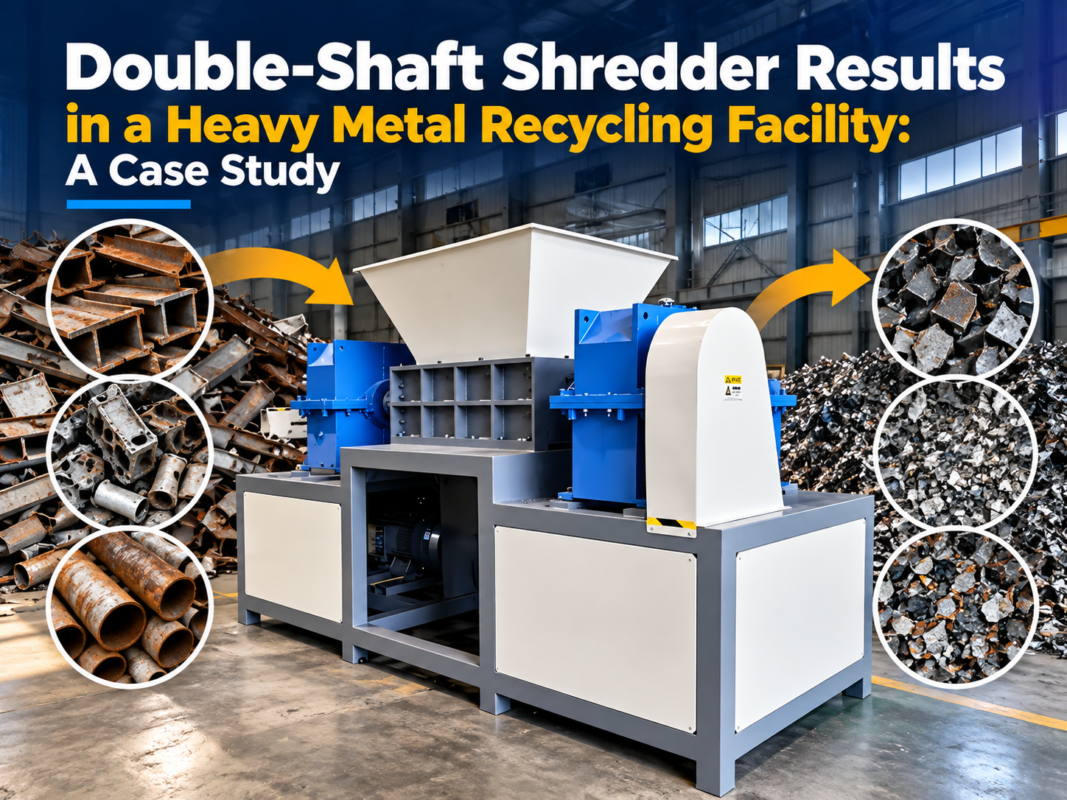
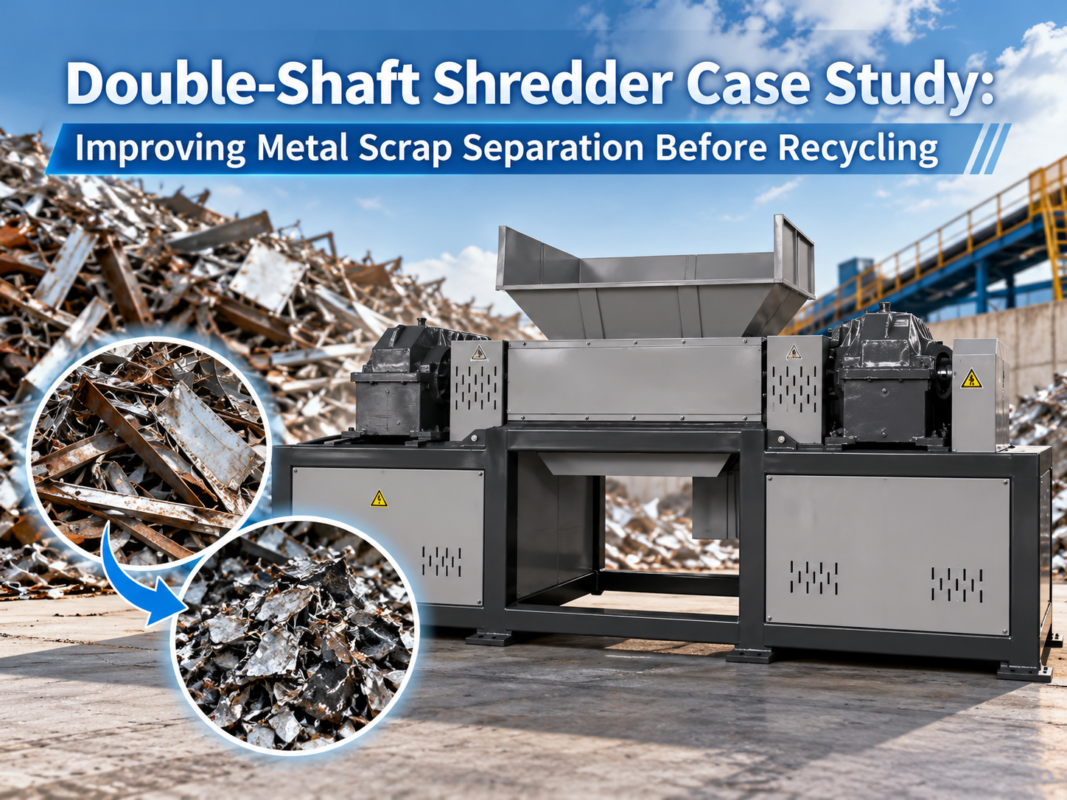
When purchasing a new machine, selecting the right configuration is the best way to avoid feeding issues from the start. HARSLE offers a variety of shredder types, each suited to specific material profiles. For example, a single-shaft shredder with a hydraulic ram is ideal for solid plastics and timber because the ram ensures the material is always in contact with the rotor. On the other hand, a double-shaft shredder is often better for bulky items like tires or metal drums because the counter-rotating shafts naturally ‘hook’ and pull the material down without the need for a pusher.
Consider the ‘throat’ size of the shredder relative to your largest piece of scrap. If the opening is too small, material will frequently bridge, requiring manual intervention. Conversely, an oversized hopper for small, dense material can lead to overfeeding and motor stalls. It is also vital to evaluate the drive system. High-torque, low-speed shredders are generally more forgiving of uneven feeds than high-speed granulators, which require a very consistent and metered input to prevent overheating.
Furthermore, look for machines that offer easy access to the cutting chamber. Maintenance is a significant part of keeping the feed even; if it is difficult to clear a minor jam or adjust a blade, operators are likely to neglect these tasks, leading to worse feeding problems over time. HARSLE’s designs prioritize both performance and serviceability, ensuring that your investment remains productive for years to come.
Step-by-Step Guide to Fixing Uneven Feed
- Inspect the Infeed System: Check for slipping belts or uneven loading on the conveyor. Ensure that material is spread across the width of the belt rather than piled in the center.
- Analyze the Material Mix: If you are processing a variety of materials, try to create a more homogenous mix. Mixing ‘easy’ materials with ‘difficult’ ones can help stabilize the feed.
- Adjust PLC Setpoints: Lower the ‘high-load’ threshold on your PLC to trigger conveyor slowdowns earlier. This prevents the machine from reaching a near-stall state.
- Check for Obstructions: Inspect the hopper for ‘dead zones’ where material accumulates. Install baffles or deflectors to guide material directly into the cutting path.
- Evaluate Blade Sharpness: If the machine is ‘spitting’ material back up into the hopper, the blades are likely dull or the angle of attack is incorrect.
- Monitor Hydraulic Pressure: For ram-fed shredders, ensure the hydraulic pressure is consistent. Air in the lines or a failing pump can cause the ram to move in a jerky motion, leading to uneven feeding.
Frequently Asked Questions (FAQ)
Why does my shredder keep reversing?
Frequent reversing is usually a sign of overfeeding or the presence of unshreddable material. The PLC triggers a reverse cycle to clear the blades when the motor torque exceeds a safe limit. To fix this, reduce the infeed conveyor speed or check for large metal chunks that the machine cannot process.
How often should I sharpen the blades to maintain a good feed?
This depends entirely on the material. For abrasive materials like glass-filled plastics or sandy tires, blades may need attention every week. For cleaner materials, they might last several months. A drop in throughput is the most common indicator that sharpening is required.
Can I use a vibratory feeder instead of a belt conveyor?
Yes, vibratory feeders are excellent for ensuring a metered, even flow of small to medium-sized materials. They are particularly effective at preventing the ‘clumping’ that often happens on standard belt conveyors.
What is ‘bridging’ and how do I stop it?
Bridging occurs when material wedges itself against the sides of the hopper, forming a stable arch that prevents further material from falling into the shredder. You can stop it by installing steeper hopper walls, using mechanical agitators, or applying specialized coatings to the hopper interior.
Conclusion: Achieving Peak Efficiency with HARSLE
Fixing uneven material feed in an industrial shredder is a multifaceted challenge that requires attention to mechanical design, electrical control, and operational discipline. By addressing the root causes—whether they lie in hopper geometry, blade maintenance, or PLC logic—you can transform a struggling production line into a high-efficiency operation. Consistency is the key to longevity in industrial machinery; a steady feed reduces the strain on every component, from the motor to the smallest bolt.
At HARSLE, we understand that your shredder is a vital asset. Our machines are engineered to handle the toughest materials with precision and reliability. However, even the best equipment benefits from a proactive maintenance strategy and a deep understanding of material dynamics. We encourage operators to regularly review their feeding processes and utilize the technical tools available to optimize performance. With the right approach, you can eliminate downtime, reduce energy costs, and maximize the return on your investment in metal fabrication and recycling technology.