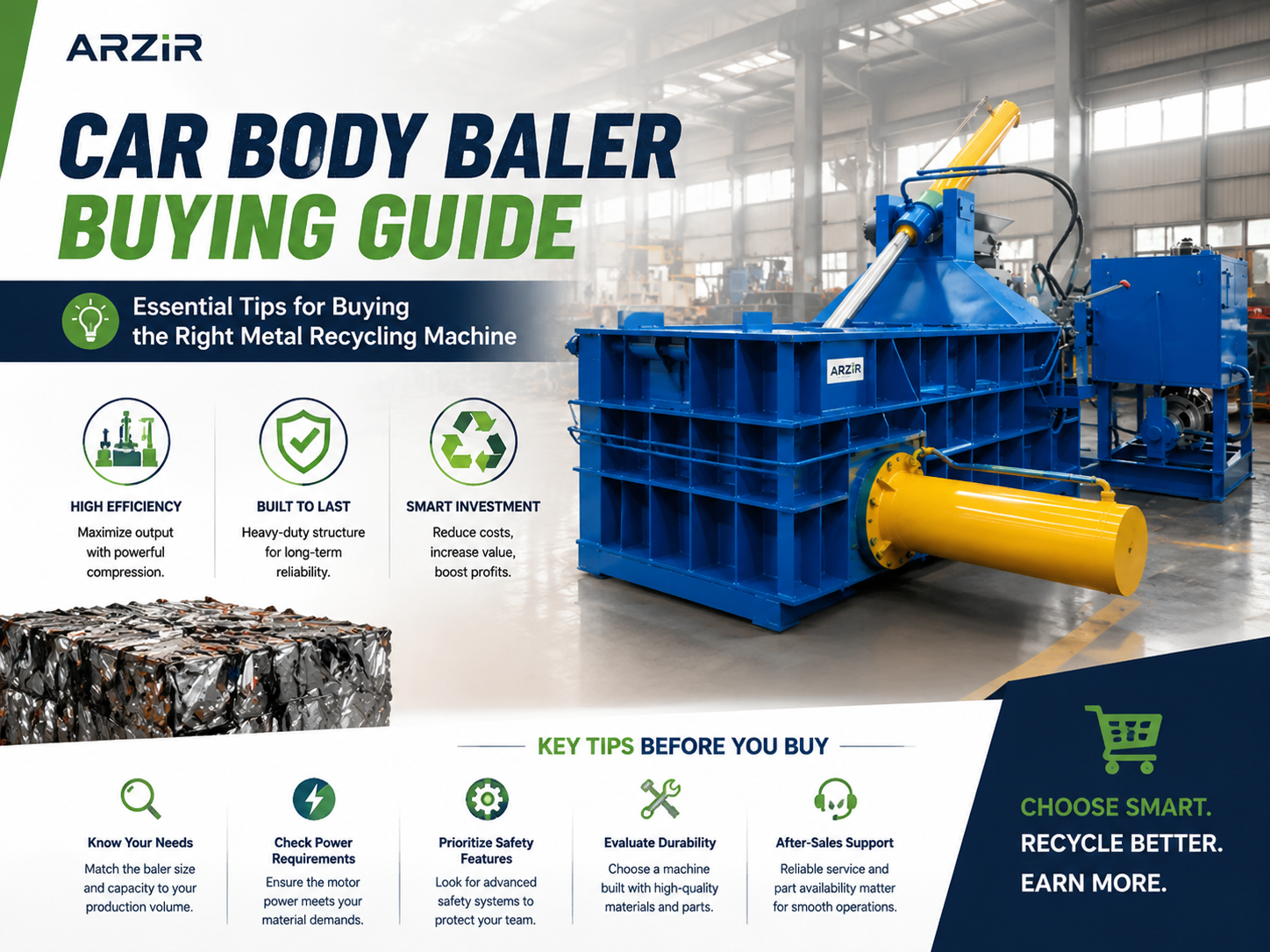
Car Body Baler Buying Guide: Essential Tips for Buying the Right Metal Recycling Machine

Introduction to Car Body Baler Procurement
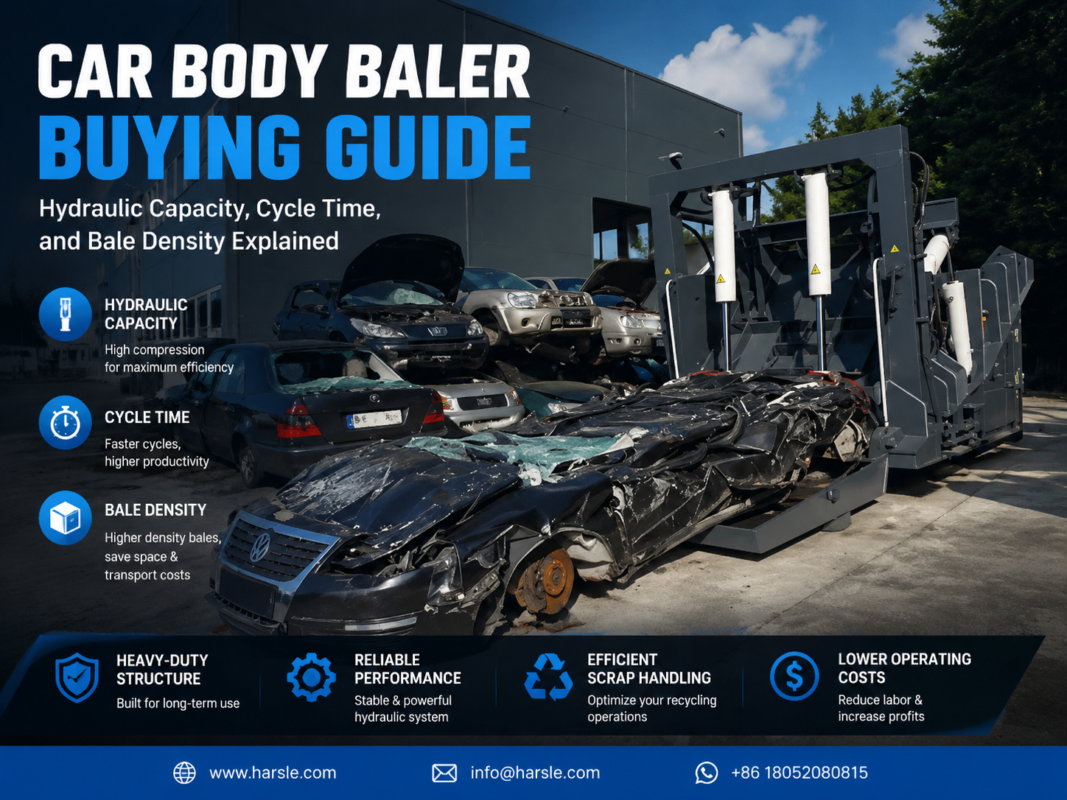
In the rapidly evolving world of metal recycling, the car body baler stands as a cornerstone of efficiency. For scrap yard owners and industrial recyclers, investing in a car body baler is not merely a purchase; it is a strategic move to optimize logistics, increase throughput, and maximize the value of end-of-life vehicles (ELVs). However, the market is flooded with various models, configurations, and price points, making the selection process daunting for many. This guide aims to provide a comprehensive roadmap for Car Body Baler Buying : Essential Tips Buying Metal Recycling Machine, ensuring you make an informed decision that aligns with your operational goals.
The primary function of a car body baler is to compress entire vehicle shells into dense, manageable cubes or ‘bales.’ This process significantly reduces the volume of the scrap, allowing for more efficient transportation to steel mills or secondary processors. Without a high-quality baler, a recycling facility faces high logistics costs and inefficient space utilization. As we delve into this guide, we will explore the technical nuances, financial considerations, and practical advice necessary to navigate the complex landscape of metal recycling machinery.
Price Range Overview: Understanding the Market Landscape
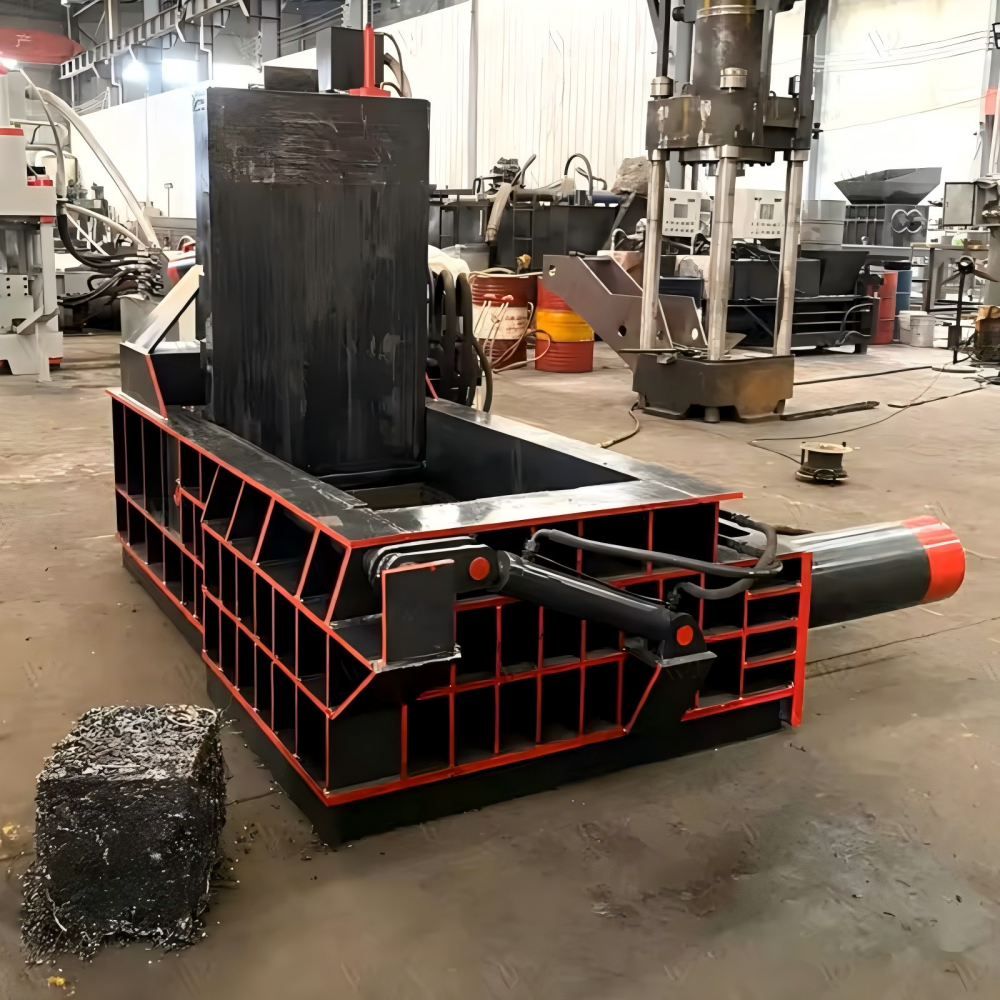
When embarking on the journey of Car Body Baler Buying : Essential Tips Buying Metal Recycling Machine, the first question most buyers ask is about the cost. The price of a car body baler can vary significantly based on capacity, automation, and brand reputation. Generally, the market can be divided into three main tiers: entry-level, mid-range, and heavy-duty industrial models.
Entry-level car body balers, often designed for smaller scrap yards or lower volume operations, typically range from $40,000 to $80,000. These machines are usually semi-automatic and may have smaller compression chambers. While they are cost-effective, they may lack the speed and density required for high-volume processing. Mid-range balers, priced between $80,000 and $150,000, offer a balance of performance and durability. These machines often feature better hydraulic systems, faster cycle times, and more robust construction, making them suitable for growing recycling businesses.
At the top end of the spectrum are heavy-duty industrial car body balers, which can cost anywhere from $150,000 to over $400,000. These machines are engineered for 24/7 operation and can process dozens of cars per hour. They feature advanced PLC controls, high-pressure hydraulic systems, and specialized wear-resistant liners. While the initial investment is high, the low cost per ton and high reliability often justify the price for large-scale operations. Understanding where your business fits within these tiers is the first step in narrowing down your options.
Main Cost Drivers in Metal Recycling Machinery
Several factors contribute to the final price tag of a car body baler. Understanding these cost drivers is essential for evaluating quotes and ensuring you are getting value for your money. The most significant driver is the hydraulic system. High-quality pumps and valves from reputable brands like Rexroth or Vickers increase the machine’s reliability and speed but also add to the cost. The power of the motor (measured in kW or HP) also plays a role; more powerful motors allow for faster cycle times and higher compression forces.
The quality of the steel and the construction of the compression chamber are also critical. Balers that use high-tensile steel and feature replaceable wear plates (such as Hardox) in the baling chamber will have a higher upfront cost but will last much longer under the abrasive conditions of scrap metal processing. Additionally, the complexity of the pressing mechanism—whether it is a single-ram, double-ram, or triple-compression system—greatly influences the price. Triple-compression balers produce the densest bales but require more complex engineering and more hydraulic cylinders.
Automation and control systems represent another significant cost driver. Modern balers equipped with Siemens PLC systems, touch-screen interfaces, and remote diagnostic capabilities offer superior ease of use and maintenance. These features reduce the need for highly skilled operators and minimize downtime, but they come at a premium. Finally, the physical size of the machine and its shipping weight affect the price, as larger machines require more raw materials and incur higher freight costs.
Configuration Impact: Tailoring the Machine to Your Needs
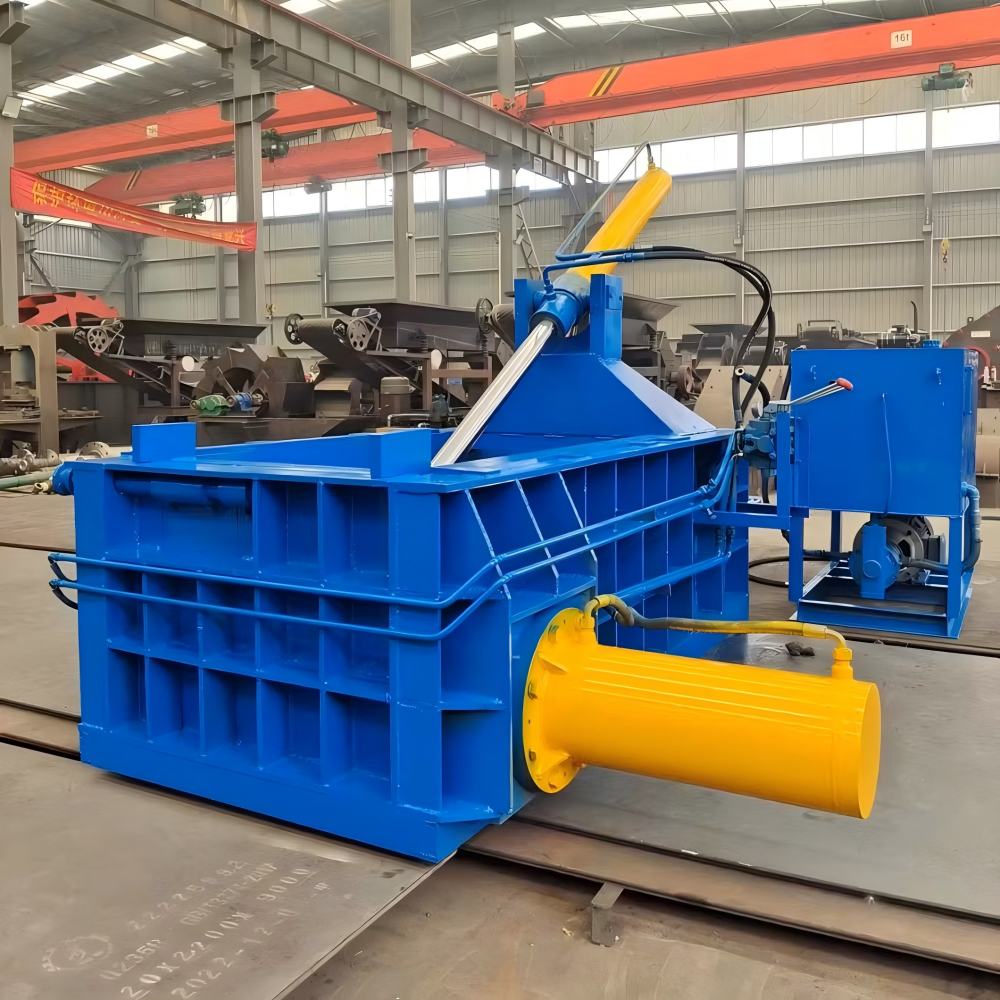
Choosing the right configuration is perhaps the most technical aspect of Car Body Baler Buying : Essential Tips Buying Metal Recycling Machine. The configuration of the baler determines its throughput, the size of the bales it produces, and the types of vehicles it can handle. One of the most important specifications is the box size. If you plan to process full-size SUVs or vans, you need a compression chamber large enough to accommodate them without extensive pre-processing or cutting.
Another key configuration choice is between stationary and mobile units. Stationary balers are ideal for fixed recycling centers with a steady flow of material. They are generally more robust and easier to maintain. Mobile balers, mounted on trailers or tracks, offer the flexibility to move between different scrap sites. This is particularly useful for contractors who provide baling services to multiple yards. However, mobile units often have stricter size limitations and may be more expensive due to the integrated transport system.
The cycle time—the time it takes to complete one full baling operation—is a critical metric for productivity. A machine with a 60-second cycle time can theoretically process 60 cars per hour, while a 120-second cycle time halves that capacity. When configuring your machine, consider the balance between cycle time and bale density. Higher density bales are more valuable and cheaper to transport, but achieving that density often requires more time and higher hydraulic pressure. You must decide which factor is more critical for your specific business model.
Hidden Costs: What to Look Out For
When budgeting for a car body baler, many buyers overlook the secondary costs that can significantly impact the total cost of ownership. One of the most immediate hidden costs is installation and site preparation. A heavy-duty stationary baler requires a reinforced concrete foundation to handle the immense vibrations and weight of the machine. This can cost several thousand dollars and requires careful engineering.
Shipping and logistics are also major considerations. These machines are oversized and heavy, often requiring specialized flat-rack containers or break-bulk shipping. Depending on the distance from the manufacturer (e.g., HARSLE in China) to your facility, freight costs can be substantial. Furthermore, you must account for the cost of hydraulic oil. A large baler can require 1,000 to 3,000 liters of high-grade hydraulic oil, which is a significant initial and recurring expense.
Maintenance and wear parts are ongoing costs that must be factored into your ROI. The liners inside the baling chamber are subject to extreme friction and will eventually need replacement. Similarly, hydraulic seals, filters, and hoses require regular attention. It is also wise to consider the cost of operator training. A poorly operated machine will have a shorter lifespan and higher repair costs. Investing in professional training for your staff can save money in the long run by ensuring the machine is used correctly and maintained proactively.
ROI Calculation: Is the Investment Worth It?
Calculating the Return on Investment (ROI) is crucial for any capital expenditure. For a car body baler, the ROI is primarily driven by three factors: logistics savings, labor reduction, and scrap value enhancement. To calculate your ROI, start by estimating your current transportation costs for loose scrap versus baled scrap. Baled scrap allows you to maximize the weight capacity of your trucks, often reducing the number of trips required by 50% or more.
Next, consider the labor costs. A high-capacity baler can replace several manual laborers who would otherwise be spent cutting or flattening cars with excavators. If the baler saves you $40,000 a year in labor and $60,000 a year in transportation, a $150,000 machine could pay for itself in just 18 months. Additionally, steel mills often pay a premium for dense, clean bales compared to loose, unprocessed scrap, further boosting your revenue.
Don’t forget to include the operational costs in your ROI calculation. This includes electricity or diesel consumption, maintenance, and the interest on any loans used to purchase the equipment. A detailed ROI analysis not only helps you justify the purchase to stakeholders or lenders but also helps you choose the right machine. Sometimes, a more expensive machine with a faster cycle time and higher density produces a much better ROI than a cheaper, slower model.
Buying Advice: Essential Tips for the Right Choice
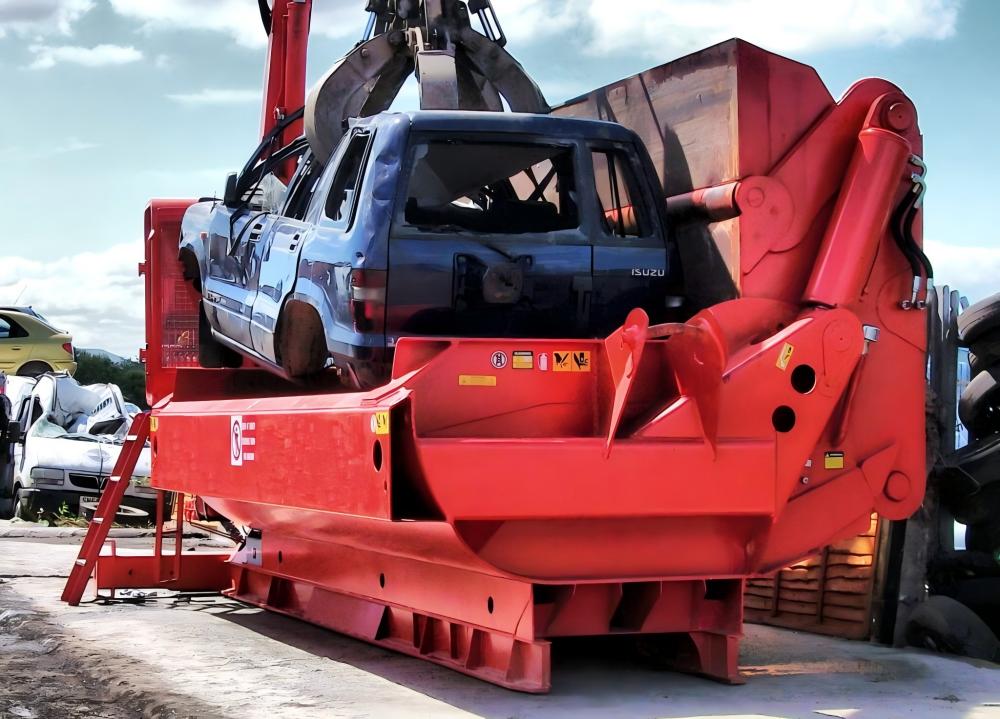
When you are ready to make a purchase, follow these essential tips to ensure you get the right metal recycling machine. First, always verify the manufacturer’s credentials. Companies like HARSLE have years of experience in metal fabrication machinery and can provide references and case studies. Ask for videos of the machine in operation or, if possible, visit a site where the machine is currently being used. Seeing the machine handle actual car bodies is the best way to judge its performance.
Second, pay close attention to the technical specifications, not just the marketing materials. Check the cylinder bore diameter, the system pressure (in Bar or PSI), and the total pressing force. Ensure the electrical components are compatible with your local power grid (voltage and frequency). It is also vital to inquire about the availability of spare parts. A machine that is down for weeks waiting for a specific valve from overseas is a major liability. Choose a supplier that maintains a robust inventory of wear parts and offers fast shipping.
Third, consider the after-sales support. Does the manufacturer offer remote troubleshooting? Is there a local service partner? A good warranty is important, but the ability to get technical help when you need it is even more valuable. Finally, don’t be afraid to negotiate. While the base price might be firm, you may be able to negotiate for extra wear parts, extended warranty coverage, or discounted shipping. Remember, the goal of Car Body Baler Buying : Essential Tips Buying Metal Recycling Machine is to find a partner, not just a vendor.
Frequently Asked Questions (FAQ)
1. How long does a typical car body baler last?
With proper maintenance, a high-quality car body baler can last 15 to 20 years. The lifespan depends heavily on the volume of material processed and the regularity of maintenance tasks like oil changes and liner replacements. Heavy-duty models from reputable manufacturers are designed for longevity in harsh environments.
2. Can a car body baler process other types of scrap?
Yes, most car body balers are versatile and can process various types of light to medium scrap metal, including white goods (appliances), sheet metal, and aluminum extrusions. However, they are not typically designed for heavy structural steel or thick plate, which may require a dedicated scrap shear.
3. What is the difference between a baler and a logger?
A baler compresses metal into a rectangular cube (bale) that is held together by the density of the material. A logger (or car flattener) simply crushes the car into a flat ‘log’ or pancake. Balers are generally preferred by steel mills because the resulting product is denser and easier to handle in a furnace.
4. Do I need a permit to operate a car body baler?
Permit requirements vary by region and country. Generally, you will need environmental permits related to noise, dust, and fluid management (to ensure oil from the cars doesn’t contaminate the ground). Always check with your local municipal or environmental agency before installing a new machine.
5. How much maintenance does a car body baler require?
Daily maintenance includes checking hydraulic fluid levels, inspecting hoses for leaks, and greasing moving parts. Weekly tasks involve cleaning the compression chamber and checking the tightness of bolts. Monthly and annual inspections should focus on the hydraulic pumps, electrical systems, and structural integrity of the frame.
6. Is it better to buy a new or used car body baler?
While used machines are cheaper, they come with significant risks. You may not know the full history of the machine or how well it was maintained. New machines come with warranties, modern safety features, and the latest efficiency technology. For most growing businesses, the reliability of a new machine from a trusted manufacturer like HARSLE outweighs the initial savings of a used one.
7. What safety features should I look for?
Safety is paramount in scrap yards. Look for machines with emergency stop buttons in multiple locations, safety interlocks on access doors, and protective guarding around moving parts. Automatic fire suppression systems in the engine or hydraulic compartment are also a valuable safety feature for diesel-powered or high-heat units.