
How to Select a Hammer Shredder for Your Scrap Yard: Essential Specifications and Buying Advice

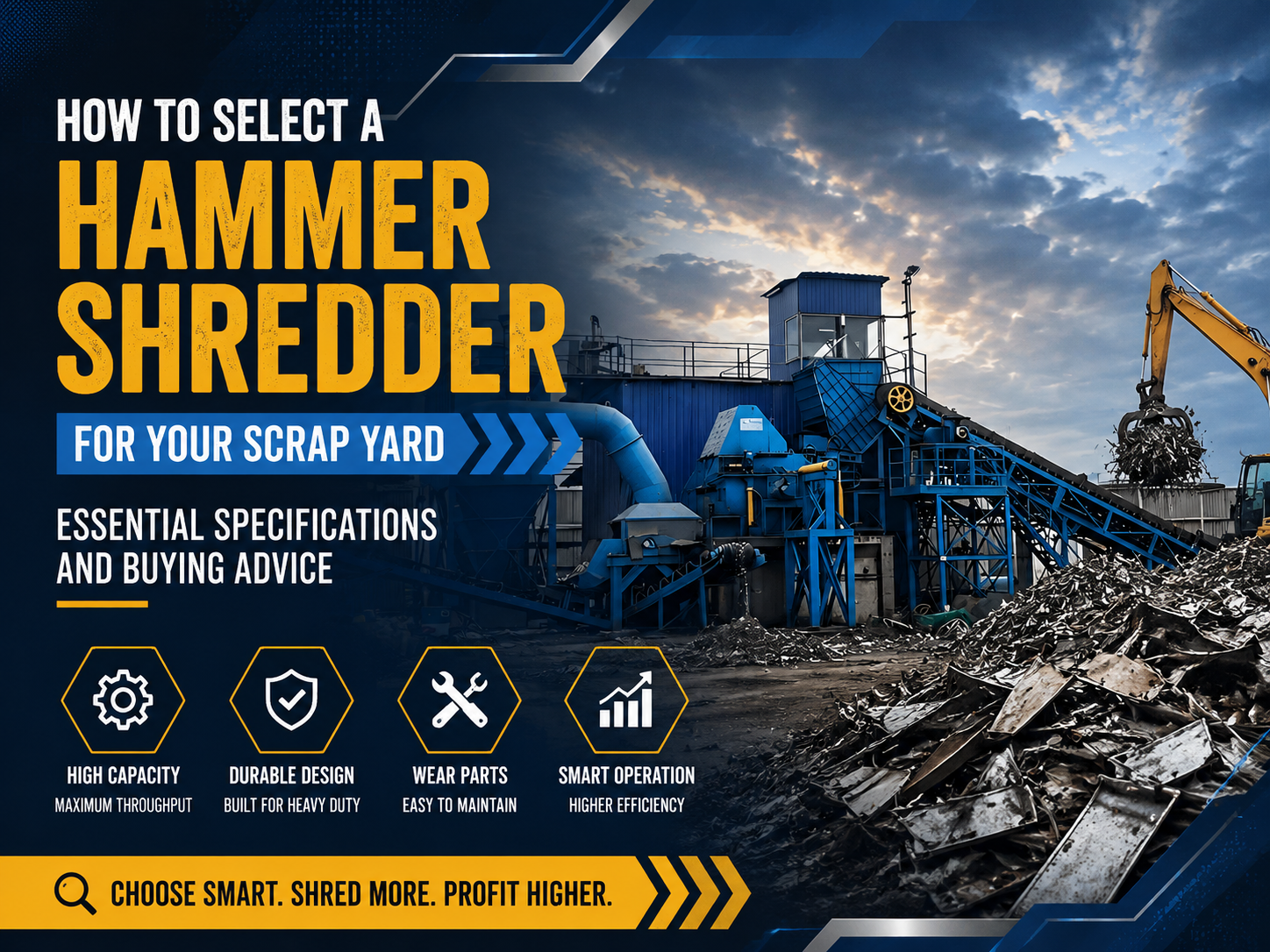
Introduction to Selecting a Hammer Shredder for Modern Scrap Yards
In the competitive landscape of metal recycling, the ability to process bulk scrap into high-density, clean, and marketable material is the difference between a struggling operation and a highly profitable enterprise. The hammer shredder, often referred to as a hammer mill, stands as the workhorse of the scrap yard. However, the process to Select A Hammer Shredder Scrap Yard: Essential Specifications Buying Advice is complex, involving a deep dive into mechanical engineering, metallurgy, and financial forecasting. Choosing the wrong machine can lead to excessive downtime, high operational costs, and a product that fails to meet smelter standards.
HARSLE understands that a hammer shredder is a significant capital investment. This guide is designed to walk you through every critical decision point, from understanding the nuances of rotor speed to calculating the long-term return on investment. Whether you are processing end-of-life vehicles (ELVs), aluminum extrusions, or mixed light scrap, the specifications you choose today will dictate your yard’s throughput for the next decade. We will explore the technical requirements that ensure durability and the strategic advice that ensures your business remains agile in a fluctuating commodities market.
Price Range Overview: What to Expect
The price of a hammer shredder is primarily dictated by its processing capacity, measured in tons per hour (TPH), and the robustness of its construction. For small-scale operations or specialized recycling (such as electronic scrap or aluminum cans), entry-level units may start in the range of $40,000 to $85,000. These machines are typically compact, featuring lower horsepower motors and smaller rotor diameters, making them ideal for yards that do not require 24/7 heavy-duty processing.
Mid-range hammer shredders, which are the standard for most regional scrap yards processing white goods and light structural steel, generally fall between $150,000 and $450,000. In this bracket, you begin to see advanced features such as hydraulic opening mechanisms for easy maintenance, reinforced housing, and sophisticated vibration dampening systems. These machines offer a balance between capital expenditure and high-volume output, often serving as the primary processing unit for a growing business.
At the high end of the spectrum, industrial-scale shredding plants designed for full car bodies and heavy HMS (Heavy Melting Scrap) can exceed $1,000,000. These systems are not just machines but integrated lines including conveyors, magnetic separators, air classification systems, and dust suppression units. When you Select A Hammer Shredder Scrap Yard: Essential Specifications Buying Advice, it is vital to look beyond the sticker price and consider the total system cost, including the infrastructure required to support such a massive power draw and physical footprint.
| Shredder Category | Capacity (TPH) | Estimated Price Range (USD) | Primary Application |
|---|---|---|---|
| Light Duty / Compact | 1 – 5 | $40,000 – $90,000 | E-waste, UBC, Thin Aluminum |
| Medium Duty | 5 – 15 | $150,000 – $400,000 | White goods, Light scrap, Sheet metal |
| Heavy Duty / Industrial | 20+ | $500,000 – $1.5M+ | ELVs, Heavy structural scrap, Mixed HMS |
Main Cost Drivers in Hammer Shredder Selection
The most significant cost driver in any hammer shredder is the motor and drive system. High-torque, high-horsepower motors are essential for overcoming the resistance of heavy metal sections. A machine equipped with a 500HP motor will naturally command a higher price than a 200HP unit, not just for the motor itself, but for the reinforced electrical cabinets, soft-starters, and heavy-duty transmissions required to manage that power. HARSLE recommends assessing your peak material thickness to determine the necessary horsepower; under-powering a shredder leads to frequent jams and motor burnout.
Another critical factor is the metallurgy of the wear parts. The hammers, liners, and grates are subjected to extreme impact and abrasion. Shredders that utilize high-manganese steel or specialized chromium alloys for these components will have a higher initial cost but significantly lower cost-per-ton over time. When you Select A Hammer Shredder Scrap Yard: Essential Specifications Buying Advice, inquire about the “wear life” of the hammers. A cheaper machine using inferior steel will require hammer rotations every few days, leading to lost production time that far outweighs the initial savings.
The complexity of the rotor design also influences the price. A disc-style rotor is generally more expensive to manufacture than a spider-style rotor but offers superior momentum and durability for heavy scrap. The precision of the rotor balance is also paramount; a poorly balanced rotor will destroy bearings and cause structural fatigue in the machine frame. Investing in a precision-engineered rotor from a reputable manufacturer like HARSLE ensures that the kinetic energy is directed into the scrap, not into the machine’s own foundation.
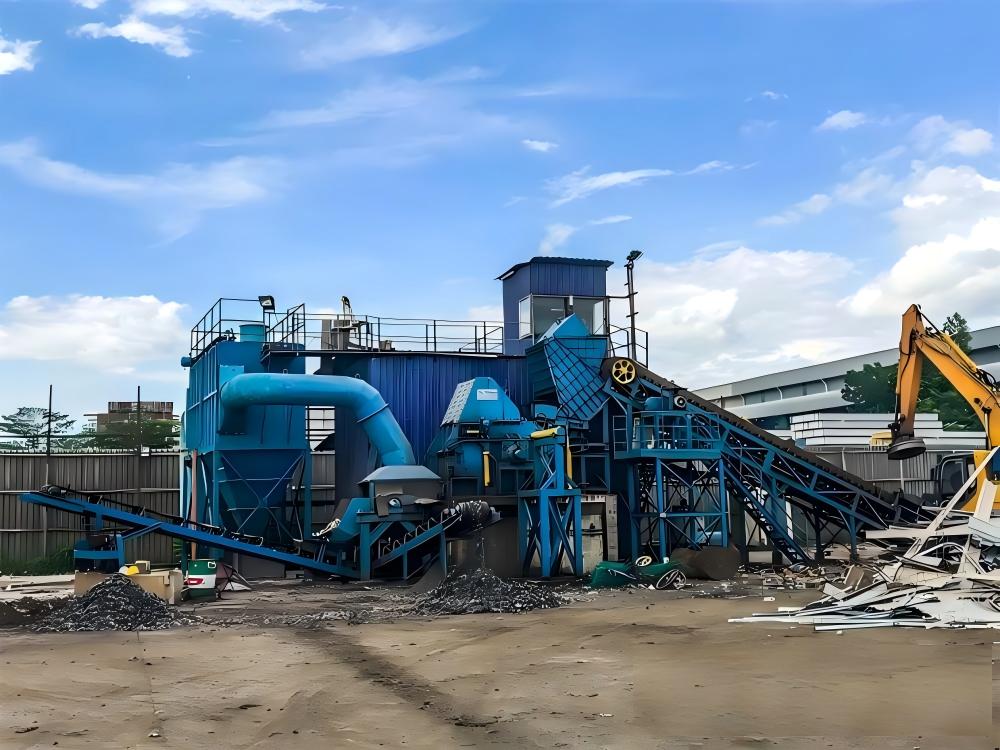
Configuration Impact: Tailoring the Machine to Your Material
The configuration of the shredder’s discharge grate is perhaps the most overlooked specification. The grate size determines the final density and size of the shredded output. If your goal is to sell to a foundry that requires “fist-sized” nuggets, your grate configuration must be precise. Smaller holes produce a cleaner, denser product but reduce the overall throughput of the machine. Conversely, larger grates allow for faster processing but may result in “stringy” scrap that is less desirable to buyers. A versatile shredder should allow for relatively easy grate changes to adapt to different market demands.
Feed systems also play a vital role in configuration. A horizontal feed shredder is excellent for long, uniform materials like extrusions or pipes, as it allows for a controlled, continuous feed. However, for bulky, irregular scrap like car bodies or appliances, a top-loading gravity feed or a forced-feed system with a hydraulic pusher is often necessary. The choice of feed system affects the height of your conveyors and the overall layout of your yard, making it a critical part of the Select A Hammer Shredder Scrap Yard: Essential Specifications Buying Advice process.
Furthermore, the integration of downstream separation technology is a configuration choice that impacts the shredder’s effectiveness. A hammer shredder alone only breaks the material; it does not sort it. To maximize value, the shredder should be configured to work seamlessly with over-band magnets for ferrous recovery, eddy current separators for non-ferrous metals, and air zig-zag classifiers for removing “fluff” (plastics, foam, and fabric). HARSLE provides integrated solutions where the shredder’s discharge speed is synchronized with the separation line’s capacity.
Hidden Costs of Ownership
When budgeting for a hammer shredder, the purchase price is only the beginning. One of the most significant hidden costs is the electrical infrastructure. A large hammer mill can place a massive load on the local power grid, often requiring a dedicated transformer or upgrades to the yard’s main switchgear. Additionally, the “demand charges” from utility companies can be substantial if the machine is not operated during off-peak hours or equipped with energy-efficient soft-start technology.
Maintenance labor and specialized tools are another factor. Changing a set of 50kg hammers requires overhead cranes, heavy-duty impact wrenches, and a trained maintenance crew. If your yard does not already have this equipment, it must be factored into the initial investment. Furthermore, environmental compliance costs, such as dust suppression systems (water sprays or baghouses) and sound attenuation barriers, are increasingly required by local regulations. Ignoring these can lead to heavy fines or operational shutdowns.
Finally, consider the cost of “residue” management. Not everything that goes into a shredder is metal. The non-metallic waste, known as ASR (Auto Shredder Residue), must be disposed of in landfills, often at a high cost per ton. Efficient shredding and separation can reduce the amount of metal lost in the ASR, but the cost of disposing of the remaining waste is a permanent fixture of your balance sheet. When you Select A Hammer Shredder Scrap Yard: Essential Specifications Buying Advice, always ask for an estimate of the ASR percentage based on your typical feed material.
ROI Calculation: Turning Scrap into Gold
The Return on Investment (ROI) for a hammer shredder is calculated by the “spread”—the difference between the price you pay for raw scrap and the price you receive for processed, clean, shredded metal. For example, raw mixed scrap might sell for $200 per ton, while clean, shredded ferrous scrap could command $350 per ton. If your shredder processes 10 tons per hour, that is a value-add of $1,500 per hour. Subtracting your operating costs (electricity, wear parts, labor, and ASR disposal), which might total $400 per hour, leaves a net profit of $1,100 per hour of operation.
To calculate the payback period, divide the total investment (machine + installation + infrastructure) by the monthly net profit. A well-chosen HARSLE shredder operating at high efficiency can often pay for itself within 18 to 24 months. However, this ROI is highly dependent on “uptime.” A machine that is down for repairs is not generating a spread. This is why reliability and the availability of spare parts are more important than the lowest initial price. A machine that costs 20% more but has 10% higher uptime will almost always yield a better ROI over a five-year period.
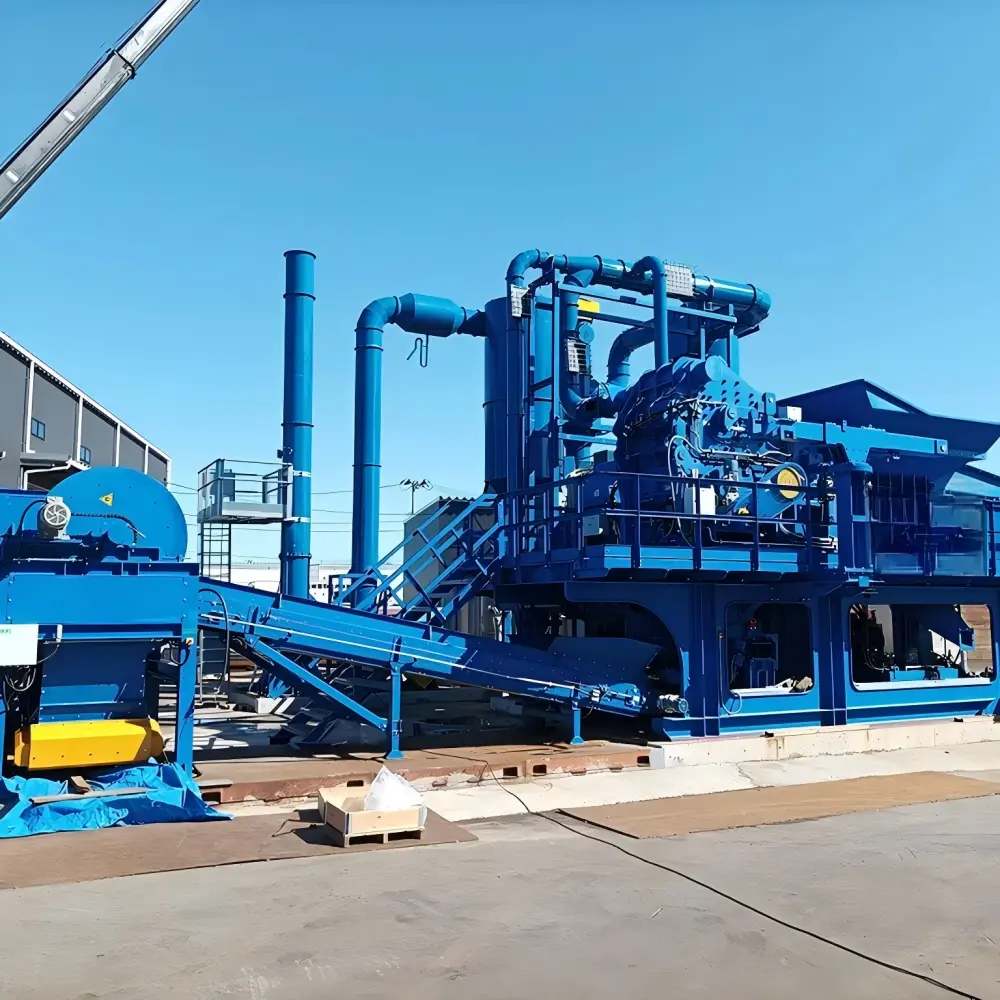
Buying Advice: A Step-by-Step Checklist
When you are ready to Select A Hammer Shredder Scrap Yard: Essential Specifications Buying Advice, follow this systematic approach to ensure you get the right machine for your specific needs:
- Analyze Your Feedstock: Document exactly what you will be shredding. Take photos and measurements of your most common scrap types. A shredder designed for aluminum cans will fail if fed heavy steel plate.
- Define Your Output Goals: Talk to your buyers (foundries, steel mills). What density and purity do they require? This dictates your grate size and separation needs.
- Verify Power Availability: Consult with an electrician to see what your current site can handle. If you need a 400kW motor but only have 100kW available, your project costs will spike.
- Evaluate the Rotor Construction: The rotor is the heart of the machine. Look for forged shafts, high-quality bearings with temperature monitoring, and a design that allows for easy hammer changes.
- Check Spare Parts Availability: A shredder is a wear-intensive machine. Ensure the manufacturer (like HARSLE) has a local or rapid-ship supply of hammers, pins, and liners.
- Request a Test Run: If possible, see the machine in action processing material similar to yours. Observe the vibration levels and the quality of the output.
- Consider Future Expansion: Buy a machine with a slightly higher capacity than you currently need. It is much cheaper to run a large machine at 70% capacity than to replace a small machine that is at 100% capacity and still can’t keep up with your growth.
Maintenance Strategies for Longevity
Maintenance is not just about fixing what is broken; it is about preventing the catastrophic failure of the rotor or motor. A daily inspection routine is mandatory for any hammer shredder operation. This includes checking for loose bolts (vibration is the enemy), inspecting the hammers for excessive rounding, and ensuring the lubrication system is functioning perfectly. HARSLE machines often include automated lubrication points, but manual verification is still a best practice.
Hammer rotation is a critical maintenance task. Hammers typically wear on one leading edge; by rotating them, you can double their life before they need to be replaced or hard-faced with welding. Hard-facing is a cost-effective way to extend the life of expensive alloy hammers, but it must be done correctly to avoid unbalancing the rotor. Always keep a full spare set of hammers and pins on-site to minimize downtime during a change-out. Remember, a shredder with dull hammers consumes more electricity and produces a lower-quality product.
Conclusion: Making the Right Choice with HARSLE
Selecting the right hammer shredder is a pivotal moment for any scrap yard. It requires a balance of technical understanding, financial foresight, and a clear vision of your market niche. By focusing on the essential specifications—motor power, rotor design, and wear part quality—and following the buying advice outlined in this guide, you can invest with confidence. HARSLE is committed to providing robust, high-performance shredding solutions that empower recyclers to maximize their efficiency and profitability.
The journey to Select A Hammer Shredder Scrap Yard: Essential Specifications Buying Advice ends with a partnership. Choosing a manufacturer that offers not just a machine, but ongoing technical support and a reliable supply chain for wear parts, is the final piece of the puzzle. With the right equipment, your scrap yard will be well-positioned to thrive in the circular economy, turning the world’s waste into valuable industrial raw materials.
FAQ: Common Questions About Hammer Shredders
1. How long do the hammers typically last?
Hammer life varies wildly based on the material being processed. When shredding clean aluminum, hammers may last for weeks. When processing sandy or contaminated heavy steel, they may need rotation every 20-40 hours of operation. Using high-manganese steel significantly extends this interval.
2. Can a hammer shredder handle stainless steel?
While it can shred stainless steel, it is much harder on the machine than carbon steel. Stainless steel work-hardens under impact, which increases wear on the hammers and liners. If you process large volumes of stainless, you may need a specialized rotor and higher horsepower.
3. What is the difference between a hammer mill and a shear shredder?
A shear shredder (twin-shaft) uses high torque and low speed to cut material, which is better for bulky items and reducing volume. A hammer shredder uses high speed and kinetic energy to shatter and densify material, which is better for creating a clean, high-value end product for smelting.
4. How do I control the dust generated by the shredder?
Most modern scrap yards use a combination of water misting systems at the feed and discharge points and a high-volume air filtration system (cyclone or baghouse) to capture fine particulates generated during the shredding process.
5. Is it better to buy a new or used hammer shredder?
While used machines have a lower entry price, the cost of refurbishing a worn rotor and replacing liners can be astronomical. A new HARSLE shredder comes with a warranty, modern safety features, and the latest energy-efficient motor technology, which usually results in a lower total cost of ownership.
6. What size motor do I need for shredding cars?
To process full ELVs (End-of-Life Vehicles) efficiently, you generally need a minimum of 500HP to 1000HP, depending on whether the engines and transmissions have been removed. Smaller motors will struggle with the heavy structural components of a vehicle frame.


