
Hammer Shredder Buyer’s Guide for Recycling Operations: Features That Improve Productivity

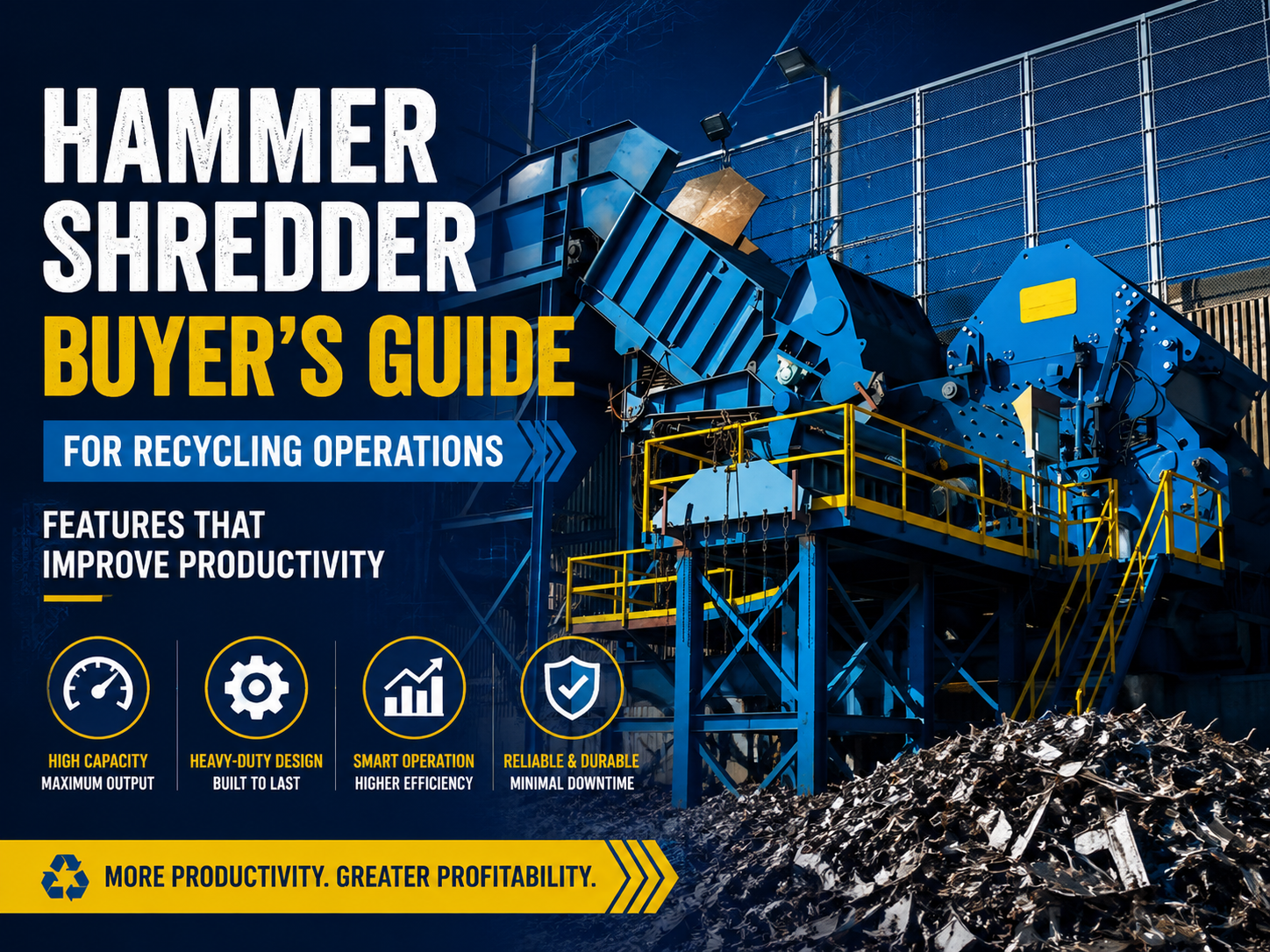
Introduction to Hammer Shredder Buyer’s Recycling Operations: Features That Improve Productivity
In the modern recycling landscape, the efficiency of material processing determines the thin margin between profit and loss. For facilities handling scrap metal, electronic waste, or industrial debris, the hammer shredder stands as the workhorse of the operation. This Hammer Shredder Buyer’s Guide for Recycling Operations: Features That Improve Productivity is designed to help facility managers and business owners navigate the complex technical landscape of industrial shredding. Choosing the right machine is not merely about the initial purchase price; it is about understanding how specific engineering features translate into long-term throughput and reduced operational costs.
A hammer shredder operates on the principle of high-velocity impact. Large, heavy-duty hammers attached to a rotating shaft strike the incoming material, shattering it against breaker plates and forcing it through a discharge grate. While the concept is simple, the execution varies significantly between manufacturers. HARSLE, a leader in metal fabrication and industrial machinery, emphasizes that productivity is a result of the synergy between motor power, rotor design, and material durability. As recycling streams become more diverse and contaminated, the need for a robust, adaptable shredding solution has never been higher.
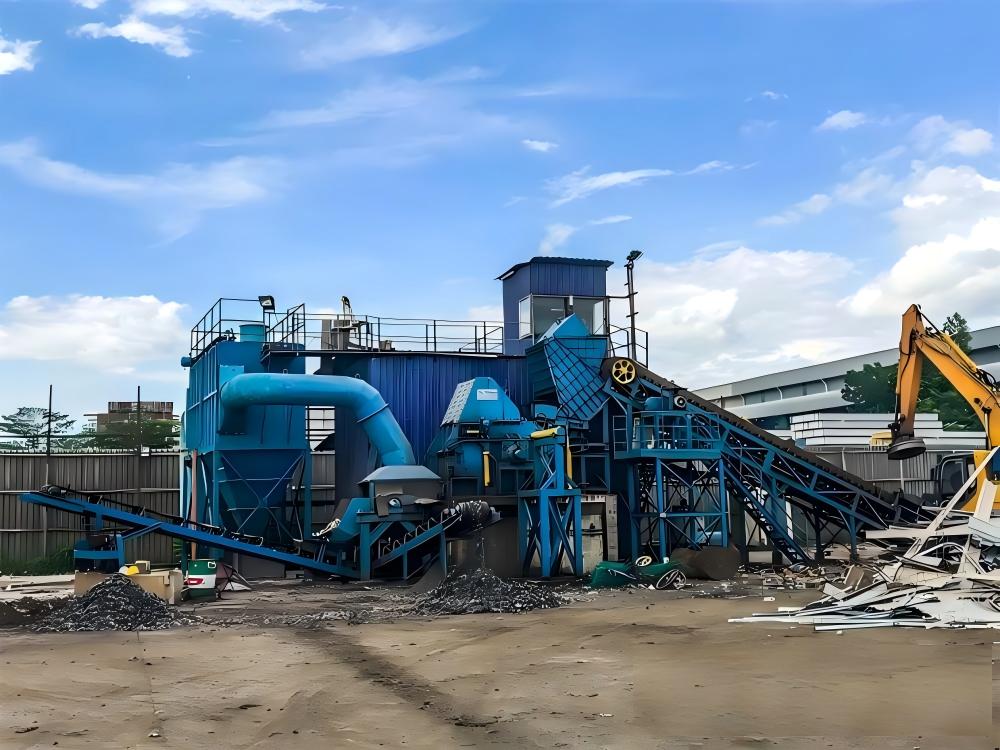
This guide will break down the essential components of a hammer shredder, providing a roadmap for procurement. We will explore the financial aspects, from initial investment tiers to the hidden costs of maintenance, and provide a framework for calculating your Return on Investment (ROI). By the end of this article, you will have a comprehensive understanding of the Hammer Shredder Buyer’s Recycling Operations: Features That Improve Productivity, enabling you to make an informed decision that aligns with your facility’s specific goals.
Price Range Overview: Understanding the Investment Tiers
When entering the market for a hammer shredder, the price range can be vast, often spanning from $30,000 for entry-level units to well over $500,000 for massive, integrated systems. Understanding where your operation fits within these tiers is the first step in the procurement process. Small-scale operations or those focusing on lighter materials like aluminum cans or thin-gauge e-waste may find success with compact, mobile units. These machines typically offer lower throughput but provide the flexibility of being moved around a site or transported between different facilities.
Mid-range hammer shredders, priced between $80,000 and $180,000, are the standard for most regional recycling centers. These machines are designed for continuous operation and can handle heavier scrap, including light iron, white goods (appliances), and automotive components. At this level, you begin to see features like hydraulic opening mechanisms for easier maintenance and more sophisticated control systems that optimize motor load. The investment here is balanced between high throughput and manageable overhead costs.
At the top end of the spectrum are the heavy-duty industrial shredders. These are massive installations designed for car crushing and heavy structural steel recycling. These systems often include integrated conveyor belts, magnetic separators, and advanced dust suppression systems. While the capital expenditure is significant, the cost per ton of processed material is often the lowest in this category due to the sheer volume of output. For large-scale recycling operations, these machines are essential for maintaining a competitive edge in the global scrap market.
Main Cost Drivers in Hammer Shredder Procurement
The primary driver of cost in a hammer shredder is the motor and drive system. High-horsepower motors (ranging from 100HP to over 1000HP) require specialized electrical infrastructure and heavy-duty gearboxes or belt drive systems. The more power the machine has, the faster it can process dense materials, but this comes with a higher price tag for both the component itself and the energy required to run it. HARSLE recommends evaluating your peak material density to ensure you are not over-speccing the motor, which can lead to unnecessary energy waste.
Another significant cost driver is the quality of the wear parts, specifically the hammers and the internal liners. High-manganese steel (such as Mn13 or Mn18) is the industry standard for these components because of its work-hardening properties. As the hammers strike the scrap, the surface of the steel becomes harder, extending its lifespan. However, the higher the manganese content and the more complex the alloy (often including chrome or molybdenum), the higher the cost. Investing in premium wear parts upfront can significantly reduce the frequency of replacements, which is a key aspect of the Hammer Shredder Buyer’s Recycling Operations: Features That Improve Productivity.
The structural integrity of the shredder housing also plays a role in the price. A machine built with thicker, reinforced steel plates will withstand the immense vibrations and impacts of the shredding process for decades. Cheaper models may use thinner frames that are prone to stress fractures over time. Furthermore, the inclusion of advanced automation and PLC (Programmable Logic Controller) systems adds to the cost. These systems monitor the load on the motor and automatically adjust the feed rate to prevent jams, which is a critical feature for maximizing productivity without human intervention.
Configuration Impact: Tailoring the Machine to Your Material
The configuration of the rotor and the hammers is perhaps the most critical technical decision a buyer will make. There are two main types of hammer configurations: fixed and swing. Swing hammers are pinned to the rotor and can retract if they hit an un-shreddable object, protecting the machine from catastrophic damage. Fixed hammers, on the other hand, provide a more consistent strike and are often used for finer grinding applications. For most recycling operations, swing hammers are preferred due to the unpredictable nature of scrap metal streams.
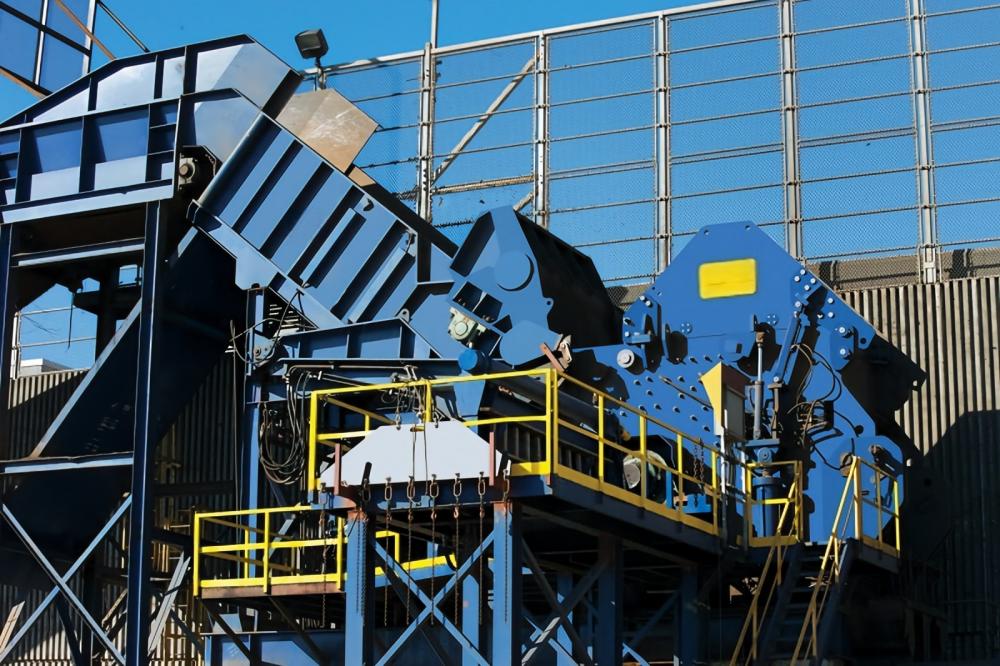
The discharge grate size is another configuration factor that directly impacts productivity. The grate determines the final size of the output material. A smaller grate produces a finer, more uniform product which may command a higher resale price, but it also slows down the throughput of the machine. Conversely, a larger grate allows material to exit faster, increasing tons-per-hour but potentially leaving the material less processed. Finding the “sweet spot” for your specific market is essential. Many modern HARSLE shredders feature interchangeable grates, allowing operators to switch configurations based on the current contract requirements.
Feeding systems also vary significantly. Gravity-fed shredders are simpler and cheaper but can lead to “bridging,” where material gets stuck in the hopper. Forced-feed systems, utilizing hydraulic pushers or vibrating feeders, ensure a steady flow of material into the rotor chamber. This consistency is vital for maintaining the motor’s optimal RPM and preventing the surges in power consumption that occur when a large batch of material hits the rotor all at once. A well-configured feeding system is a hallmark of a high-productivity recycling operation.
Hidden Costs: Beyond the Initial Purchase
When calculating the total cost of ownership, one must look beyond the invoice price. The most significant hidden cost in hammer shredder operations is downtime for maintenance. Hammers are consumable items; depending on the material being processed, they may need to be rotated or replaced every few days or weeks. The labor cost and the lost production time during these intervals can be substantial. Machines designed with “easy-access” features, such as hydraulic hoods that open the entire crushing chamber, can reduce maintenance time from hours to minutes.
Energy consumption is another ongoing expense that is often underestimated. A hammer shredder is one of the most energy-intensive pieces of equipment in a recycling yard. Factors such as motor efficiency (IE3 or IE4 ratings) and the use of Variable Frequency Drives (VFDs) can significantly impact the monthly utility bill. Furthermore, the cost of disposing of “fluff”—the non-metallic residue left over after shredding—must be factored in. Efficient shredding and separation can reduce the volume of fluff, but it remains a persistent operational cost in the recycling industry.
Installation and infrastructure requirements can also provide a financial surprise. A heavy-duty hammer shredder requires a reinforced concrete foundation to absorb the massive vibrations generated during operation. Additionally, the electrical pull of starting a large motor may require upgrades to the local power grid or the installation of soft-start systems. Buyers must also consider the cost of peripheral equipment, such as dust extraction systems and noise dampening enclosures, which may be required by local environmental and safety regulations.
ROI Calculation: Measuring Success in Tons Per Hour
To calculate the Return on Investment (ROI) for a hammer shredder, you must look at the “Cost per Ton” processed. This formula includes the amortized cost of the machine, labor, energy, wear parts, and disposal fees, weighed against the revenue generated from the processed scrap. A high-productivity machine might have a higher monthly payment, but if it processes 20% more material with 10% less downtime, the ROI will be achieved much faster than with a cheaper, less efficient model.
Consider the following example: A standard shredder processes 10 tons per hour with a 5% downtime rate. A high-productivity HARSLE model processes 12 tons per hour with a 2% downtime rate due to better hammer design and automated feeding. Over a single shift (8 hours), the high-productivity model processes nearly 20 tons more material. At a scrap value of $200 per ton, that is an additional $4,000 in daily revenue. Over a year of operation, this difference can easily cover the price gap between a basic machine and a premium one.
Furthermore, the purity of the output affects the ROI. Hammer shredders that effectively liberate metals from plastics and foams allow for better downstream separation. If your shredder produces a cleaner “fragmentized” scrap, steel mills and smelters will often pay a premium price. Therefore, the Hammer Shredder Buyer’s Recycling Operations: Features That Improve Productivity should also focus on the quality of the output, as this directly impacts the top-line revenue of the recycling business.
Buying Advice: A Checklist for Recycling Professionals
Before finalizing a purchase, it is essential to conduct a thorough audit of your operational needs. Start by analyzing your feed material. Is it consistent, or does it vary from light e-waste to heavy structural steel? This will dictate the rotor weight and motor power required. Secondly, evaluate your space and power constraints. Ensure your facility can handle the physical footprint and the electrical load of the machine. HARSLE experts often recommend visiting an existing installation to see the machine in a real-world environment before committing.
- Verify Material Compatibility: Ensure the hammer alloy is suited for your specific scrap type (e.g., higher chrome for abrasive materials).
- Check Maintenance Accessibility: Look for hydraulic opening systems and easy-bolt hammer pins.
- Evaluate the Control System: Does it include remote monitoring and auto-reverse functions to prevent jams?
- Assess After-Sales Support: Does the manufacturer have a local inventory of wear parts like hammers, liners, and grates?
- Consider Future Scalability: Can the machine be upgraded with a larger motor or integrated into a larger automated line later?
Finally, do not overlook the importance of operator training. Even the most advanced hammer shredder will underperform if the operator does not understand how to optimize the feed rate or when to rotate the hammers. Choose a supplier like HARSLE that provides comprehensive training and technical documentation. Investing in your staff’s knowledge is just as important as investing in the hardware itself when it comes to long-term productivity.
Frequently Asked Questions (FAQ)
1. How often do the hammers need to be replaced?
The lifespan of hammers depends entirely on the material being processed and the alloy of the hammer. For soft metals like aluminum, hammers may last several weeks. For heavy steel scrap, they may need to be rotated every 24-48 hours of operation and replaced once all four corners are worn down. Using high-manganese steel significantly extends this interval.
2. What is the difference between a hammer mill and a hammer shredder?
While the terms are often used interchangeably, a hammer mill usually refers to a machine used for finer grinding of softer materials (like grain or light plastics), whereas a hammer shredder is a heavy-duty industrial machine designed to shatter metals and dense materials through high-impact force.
3. Can a hammer shredder handle “un-shreddables” like engine blocks?
Standard hammer shredders can handle small engine blocks if they are rated for that weight. However, “un-shreddables” like large solid steel shafts or heavy counterweights can cause severe damage. Most high-quality shredders feature a “reject door” or swing hammers that allow the machine to eject or bypass items that cannot be broken, protecting the rotor.
4. How does moisture in the material affect productivity?
Moisture can cause fine particles to stick to the discharge grates, leading to clogging and reduced throughput. If you are processing wet material, you may need larger grate openings or a specialized dust suppression system that manages moisture levels without creating sludge.
5. Is a vertical or horizontal shredder better for recycling?
Horizontal shredders are the industry standard for scrap metal because they allow for a more controlled feed and are generally easier to maintain. Vertical shredders are often used for specialized applications like e-waste or when a very specific densification of the material is required.
6. What safety features should I look for?
Essential safety features include emergency stop buttons at multiple stations, vibration sensors that shut down the motor if an imbalance is detected, and heavy-duty shielding to prevent “fly-out” (material being ejected from the hopper). HARSLE machines are built with these safety protocols as a standard to protect operators and the facility.


