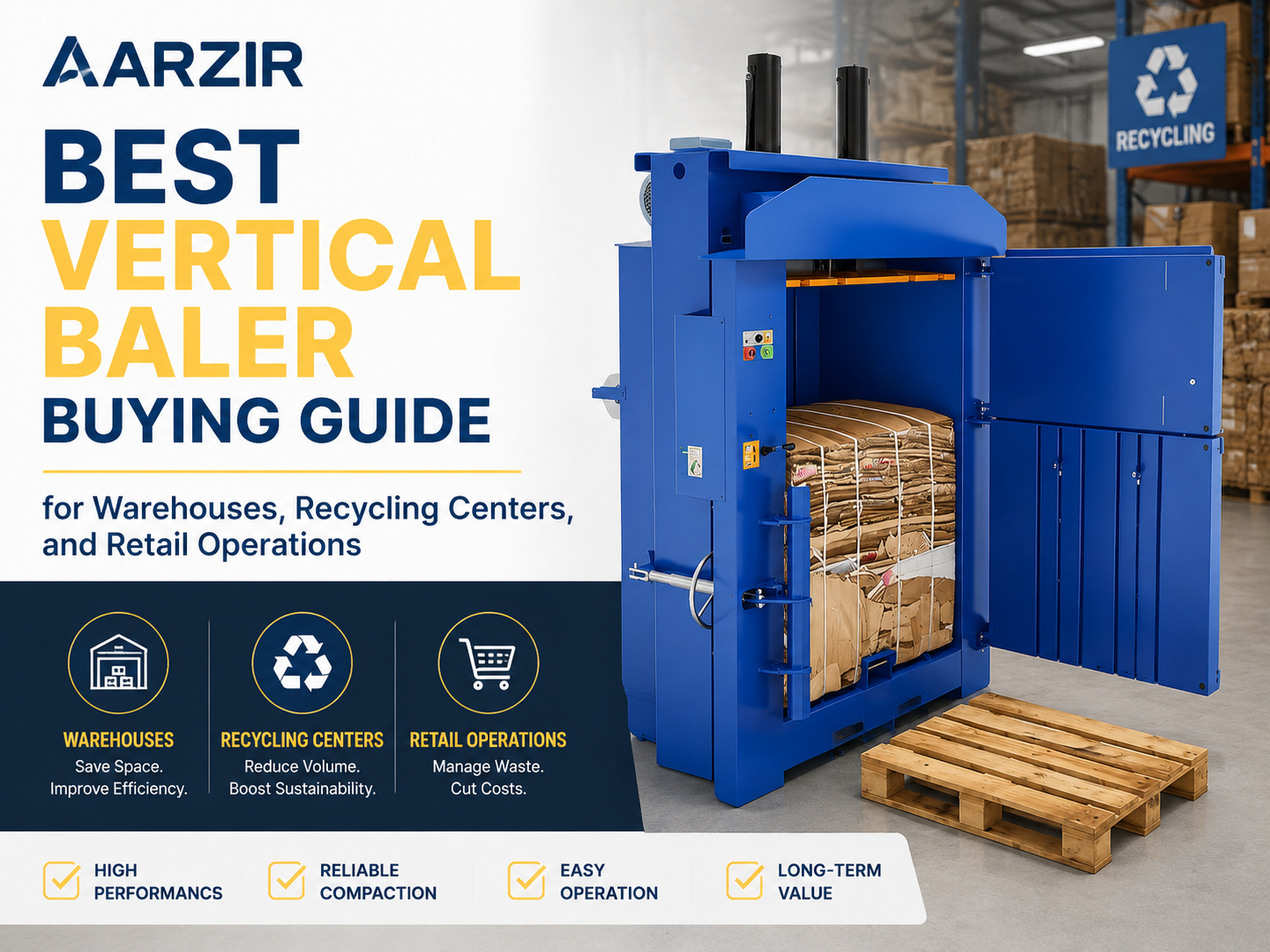
Best Vertical Baler Buying Guide for Warehouses, Recycling Centers, and Retail Operations

Introduction to Vertical Balers in Modern Industry
In the fast-paced environments of modern warehouses, bustling recycling centers, and high-volume retail operations, waste management is no longer just a utility—it is a critical component of operational efficiency and profitability. The Best Vertical Baler Buying Warehouses, Recycling Centers, Retail Operations guide is designed to help facility managers navigate the complex landscape of waste compaction technology. A vertical baler is a powerful hydraulic machine designed to compress recyclable materials like cardboard, plastic, and textiles into dense, manageable blocks known as bales. By reducing the volume of waste, businesses can significantly lower disposal costs, reclaim valuable floor space, and even generate revenue by selling high-density bales to recycling mills.
Choosing the right machine requires a deep understanding of your specific waste stream, volume requirements, and spatial constraints. Whether you are dealing with a mountain of shipping boxes in a distribution center or plastic film in a grocery store, the right vertical baler can transform a logistical headache into a streamlined revenue stream. This guide explores everything from initial pricing to long-term return on investment, ensuring you make an informed decision for your facility’s future.
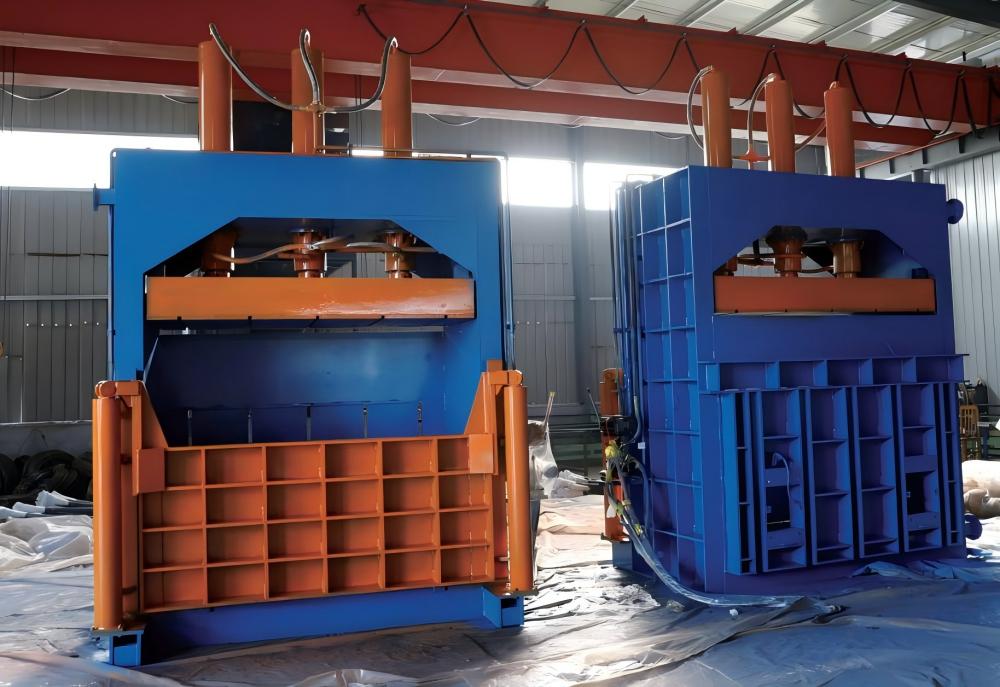
Price Range Overview: What to Expect
The cost of a vertical baler can vary significantly based on its size, pressing force, and automation features. Generally, the market is divided into three primary tiers: entry-level, mid-range, and heavy-duty industrial models. Understanding these price brackets is the first step in budgeting for your waste management upgrade.
Entry-Level Balers ($3,000 – $7,000)
Entry-level models are typically designed for small retail outlets or low-volume warehouses. These machines often produce smaller bales (30 to 48 inches) and operate on single-phase power. While they lack the speed of larger units, they are perfect for businesses that generate a few bales per week. They are compact, easy to install, and require minimal maintenance, making them an excellent starting point for small businesses looking to move away from loose bin collection.
Mid-Range Warehouse Balers ($8,000 – $15,000)
This is the most popular category for medium-sized warehouses and large retail stores. These machines are usually 60-inch balers, which is the industry standard for producing “mill-size” bales. Mill-size bales are preferred by recyclers because they maximize shipping container density. These balers offer higher pressing forces (typically 40,000 to 60,000 lbs) and faster cycle times, allowing for more efficient processing of cardboard and plastic throughout a standard work shift.
Heavy-Duty and Specialized Balers ($16,000 – $35,000+)
For recycling centers and massive distribution hubs, heavy-duty vertical balers are essential. These machines are built with reinforced steel frames, high-horsepower motors, and advanced hydraulic systems capable of 80,000 lbs of pressure or more. They are designed for 24/7 operation and can handle tougher materials like aluminum cans, heavy plastics, and even light non-ferrous metals. At this price point, you often see features like automatic bale ejection, touch-screen PLC controls, and enhanced safety enclosures.
Main Cost Drivers in Vertical Baler Procurement
When evaluating the Best Vertical Baler Buying Warehouses, Recycling Centers, Retail Operations, it is important to look beyond the sticker price. Several technical factors drive the manufacturing cost and, consequently, the performance of the machine.
- Hydraulic System Sophistication: The heart of the baler is its hydraulic pump and cylinder. High-quality pumps from reputable brands increase the machine’s longevity and reduce noise levels. Dual-cylinder designs provide more even pressure across the platen, which is crucial for creating stable, dense bales.
- Steel Quality and Frame Construction: A baler is subjected to immense internal stress. Machines built with thicker structural steel and reinforced stress points will last 15-20 years, whereas cheaper models may experience frame warping or weld failure within 5 years.
- Motor Horsepower: The motor determines the cycle time—the time it takes for the ram to move down and return. A 10HP motor will process material significantly faster than a 2HP motor, which is vital for high-volume environments where labor time is a major cost factor.
- Control Systems: Manual lever-operated balers are cheaper but prone to operator error. Modern PLC (Programmable Logic Controller) systems automate the compaction cycle, monitor safety sensors, and provide diagnostic codes, which reduces downtime and improves safety.
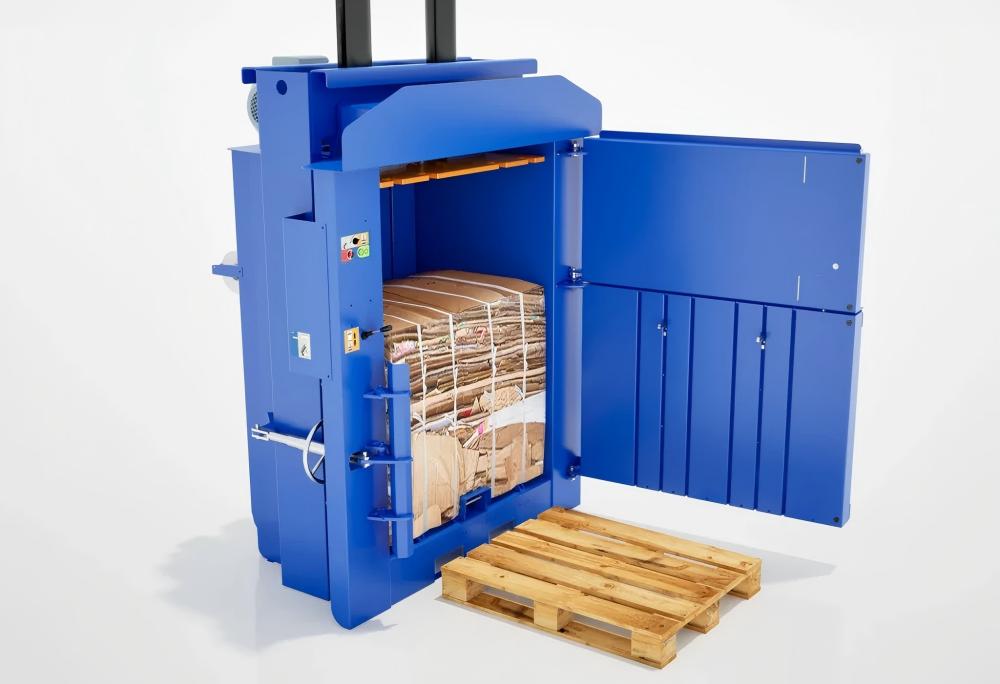
Configuration Impact: Tailoring the Machine to Your Needs
The configuration of your vertical baler should be dictated by the type of material you process and the physical layout of your facility. A mismatch in configuration can lead to bottlenecks and safety hazards.
Bale Size and Weight
The most critical configuration choice is the bale size. As mentioned, the 60-inch baler is the industry standard. It produces a bale weighing between 800 and 1,200 lbs (depending on the material). If your goal is to sell your recyclables for the highest possible price, you must produce mill-size bales. However, if space is extremely limited, a 30-inch or 48-inch baler may be the only viable option, even if the resulting bales are less valuable to recyclers.
Loading Height and Door Style
In retail operations, employees often need to load the baler quickly. A low feed height reduces physical strain and the risk of injury. Door styles also matter; vertical lift doors save floor space compared to swing-out doors, which require a wide clearance area. For high-volume warehouses, a larger feed opening allows for entire boxes to be thrown in without the need for manual breaking or folding, saving significant labor hours.
Power Requirements
Before purchasing, verify your facility’s electrical capacity. Most industrial balers require three-phase power (208V, 230V, or 460V). If your building only has single-phase power, you will either need a smaller baler, a phase converter, or a costly electrical upgrade. This is a common oversight that can delay installation by weeks.
Hidden Costs of Owning a Vertical Baler
The purchase price is just the beginning. To accurately calculate the total cost of ownership, you must account for several often-overlooked expenses.
| Cost Category | Description | Estimated Annual Cost |
|---|
Maintenance is perhaps the most critical hidden cost. A neglected baler is a dangerous baler. Regular inspections of the hydraulic hoses, safety interlocks, and structural welds are mandatory. Furthermore, using the wrong type of baling wire can lead to snapped ties, which creates a safety hazard and requires the bale to be re-processed, wasting time and resources.
ROI Calculation: Turning Waste into Profit
The primary reason businesses invest in the Best Vertical Baler Buying Warehouses, Recycling Centers, Retail Operations is the Return on Investment (ROI). A well-chosen baler typically pays for itself within 12 to 24 months through three primary channels:
- Reduced Disposal Fees: Waste management companies charge by the “pull” (each time they empty a dumpster). By baling cardboard and plastic, you can reduce the number of trash pickups by 50% to 90%. If a pickup costs $150 and you reduce pickups from four times a month to once a month, you save $5,400 annually.
- Labor Efficiency: Without a baler, employees spend hours breaking down boxes and walking back and forth to outdoor dumpsters. A baler located near the source of waste allows for immediate disposal, potentially saving 5-10 labor hours per week.
- Recycling Revenue: While prices for cardboard (OCC) and plastic (LDPE) fluctuate, high-density bales are a commodity. Instead of paying someone to take your waste away, recyclers will often pay you for it, provided the bales meet their weight and purity standards.
Example ROI Formula:
(Annual Trash Savings + Annual Labor Savings + Annual Recycling Revenue) / Total Machine Cost = Payback Period.
Buying Advice: A Checklist for Success
Before signing a purchase order, go through this checklist to ensure the machine meets your long-term needs:
- Material Audit: What exactly are you baling? Cardboard requires different pressure settings than plastic wrap or aluminum. Ensure the baler is rated for your specific material.
- Space Constraints: Measure your ceiling height. Vertical balers extend upward during the stroke; ensure you have at least 12-14 feet of clearance for a standard 60-inch model.
- Safety Compliance: Ensure the machine meets ANSI Z245.5 standards and OSHA requirements. Look for features like dual-hand controls and safety interlocks on all doors.
- Dealer Support: Buy from a manufacturer like HARSLE that offers robust technical support, readily available spare parts, and a clear warranty policy. A machine is only as good as the support behind it.
- Future Proofing: If you expect your business to grow by 20% in the next two years, buy a baler that can handle that increased volume now. It is much cheaper to buy a slightly larger machine today than to replace an undersized one in 18 months.
Frequently Asked Questions (FAQ)
How long does a vertical baler typically last?
With proper maintenance, a high-quality industrial vertical baler can last between 15 and 25 years. Key components like the hydraulic cylinder and motor may need refurbishing after 10 years, but the structural frame is built for extreme longevity.
Can I bale different materials in the same machine?
Yes, most vertical balers are versatile. However, you should never mix materials in a single bale. You can bale cardboard in the morning and plastic in the afternoon, but the bales must be kept separate to maintain their recycling value. Some materials, like tires or heavy metals, require specialized balers with reinforced platens.
What is the difference between a vertical and horizontal baler?
Vertical balers are loaded from the front and compress downward; they are compact and ideal for low-to-medium volumes. Horizontal balers are much larger, often fed by conveyor belts, and compress sideways. Horizontal balers are used in high-volume recycling centers where they need to process several tons of material per hour.
Is operator training required by law?
In the United States, OSHA requires that only trained and authorized employees over the age of 18 operate a waste baler. Employers must provide documented training on the specific machine being used to ensure safety and compliance.
How do I know if I need a 60-inch baler?
If you generate more than 5 tons of cardboard per month, a 60-inch baler is almost always the best choice. It allows you to produce mill-size bales that fetch the highest market price and minimizes the frequency of bale ties and removals.
Conclusion
Investing in the Best Vertical Baler Buying Warehouses, Recycling Centers, Retail Operations is a strategic move that enhances sustainability and boosts the bottom line. By understanding the price drivers, configuration options, and the true cost of ownership, you can select a machine that will serve your facility for decades. Whether you choose a compact unit for a retail backroom or a heavy-duty powerhouse for a distribution center, the transition from loose waste to dense bales is a hallmark of a modern, efficient operation. Trust in quality engineering and comprehensive planning to turn your waste management challenges into a streamlined, profitable success.