Comprehensive Guide: How to Diagnose Pressure Loss in an Aluminium Extrusion Press


The Critical Role of Pressure in Aluminium Extrusion
In the world of metal fabrication, the aluminium extrusion press stands as a titan of productivity. It transforms raw aluminium billets into complex profiles used in everything from aerospace components to window frames. However, the efficiency of this process relies entirely on one factor: consistent hydraulic pressure. When you need to diagnose pressure loss in an aluminium extrusion press, you are essentially performing a diagnostic on the heart of your production line. Without the required tonnage, the metal will not flow through the die correctly, leading to dimensional inaccuracies, poor surface finish, and significant material waste.
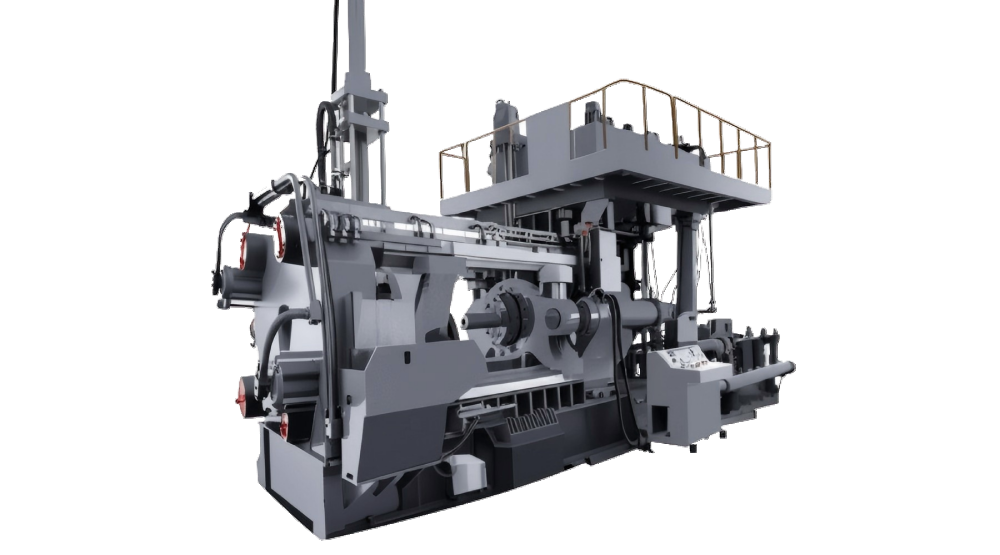
Pressure loss is rarely a sudden, catastrophic event; it often begins as a subtle decline in performance. Operators might notice that the ram speed is slower than usual or that the press fails to reach its maximum set point during the final stages of the extrusion stroke. Understanding the importance of maintenance is the first step in preventing these issues. A well-maintained HARSLE extrusion press is designed to provide decades of service, but only if the hydraulic and mechanical systems are kept in peak condition. Neglecting minor pressure drops can lead to pump cavitation, valve erosion, and eventually, a total system shutdown.
Effective diagnosis requires a systematic approach. It involves moving from the most obvious external signs to the more complex internal components of the hydraulic circuit. By following a structured troubleshooting protocol, maintenance teams can minimize downtime and avoid the high costs associated with emergency repairs. This guide provides a comprehensive roadmap for identifying, diagnosing, and rectifying pressure issues in industrial aluminium extrusion machinery.
Furthermore, the economic impact of pressure loss cannot be overstated. In high-volume manufacturing, even a 5% drop in pressure efficiency can result in thousands of dollars in lost revenue per day. This is due to increased cycle times and a higher rate of rejected parts. Therefore, mastering the ability to diagnose pressure loss in an aluminium extrusion press is not just a technical skill—it is a vital business necessity for any modern fabrication facility.
The Importance of Proactive Maintenance
Maintenance is often viewed as a cost center, but in the context of heavy industrial machinery, it is the ultimate profit protector. For an aluminium extrusion press, proactive maintenance ensures that the hydraulic fluid remains clean, the seals remain tight, and the mechanical alignments stay true. When pressure loss occurs, it is frequently a symptom of a maintenance task that was overlooked. For instance, a clogged suction filter can starve the main pump of oil, leading to a drop in output pressure and eventual pump failure.
A proactive maintenance strategy involves more than just fixing things when they break. It includes regular oil analysis to check for metallic particles or moisture, both of which can degrade the performance of high-pressure valves. It also involves the scheduled replacement of wear items like ram seals and O-rings before they fail. By maintaining a rigorous schedule, you create a baseline of “normal” operation, making it much easier to diagnose pressure loss in an aluminium extrusion press when the numbers start to deviate from the norm.
Moreover, modern extrusion presses like those from HARSLE are equipped with sophisticated monitoring systems. These systems provide real-time data on pressure, temperature, and flow rates. Proactive maintenance includes the calibration of these sensors. If a sensor is providing inaccurate data, the entire diagnostic process will be flawed. Ensuring that the “eyes and ears” of the machine are accurate is a fundamental part of industrial upkeep.
Finally, documentation plays a key role. Keeping a detailed log of every maintenance intervention allows technicians to spot patterns. If pressure loss consistently occurs after a certain number of cycles, it may point to a specific component’s fatigue life. This data-driven approach transforms maintenance from a reactive struggle into a controlled, predictable process that guarantees machine uptime.
Daily Inspection: The First Line of Defense
The daily inspection is the most effective way to catch pressure loss issues in their infancy. Before the shift begins, operators should perform a visual sweep of the entire machine. Look for signs of hydraulic fluid on the floor or weeping from hose connections. Even a small leak can lead to a significant drop in system pressure over time, and more importantly, it introduces air into the hydraulic circuit, which causes sponginess and erratic pressure readings.
During operation, the operator should be trained to listen to the machine. A healthy aluminium extrusion press has a consistent, rhythmic sound. High-pitched whining or growling often indicates pump cavitation, which occurs when the pump cannot draw enough oil. This is a primary cause of pressure loss. Additionally, banging or “water hammer” sounds in the pipes suggest that air is trapped in the system or that a check valve is failing to seat properly.
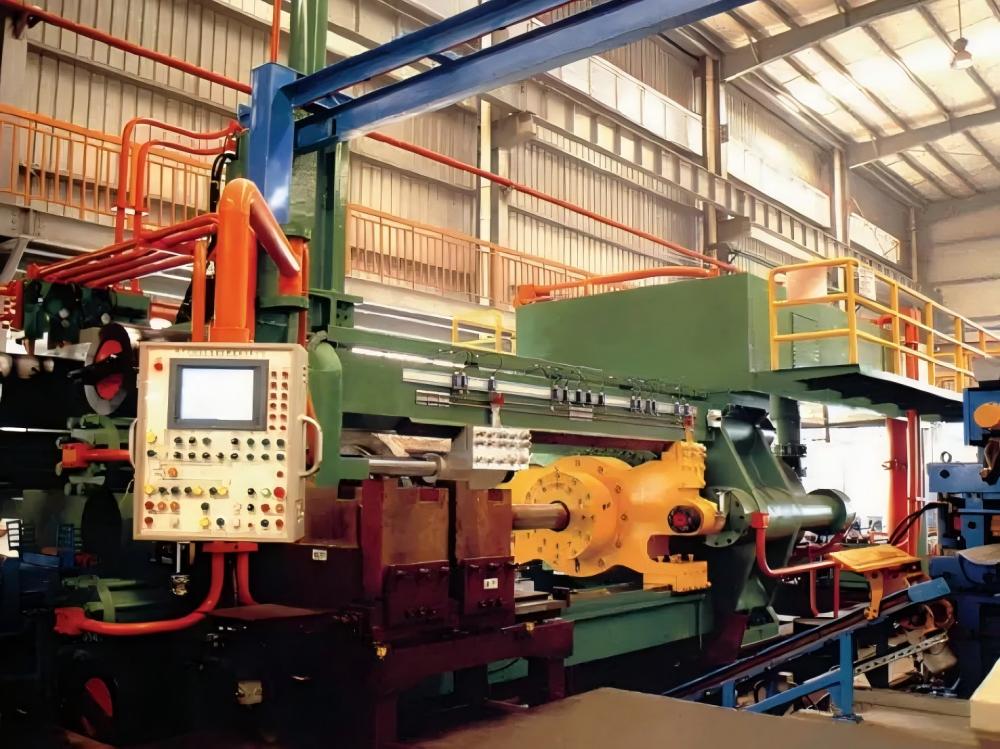
Monitoring the HMI (Human Machine Interface) is another critical daily task. Operators should compare the actual pressure readings against the programmed set points for each stage of the extrusion cycle. If the press is struggling to reach the “breakthrough pressure” required to start the extrusion, it is a clear signal that something is wrong. Checking the hydraulic oil temperature is also vital; oil that is too hot loses its viscosity, making it harder for the pumps to maintain high pressure.
Lastly, the daily inspection should include a check of the nitrogen pre-charge in the accumulators. Accumulators are used to store energy and smooth out pressure fluctuations. If the nitrogen bladder has leaked or lost pressure, the system will experience rapid pressure drops during high-demand phases of the cycle. A simple gauge check can confirm if the accumulators are functioning as intended.
Hydraulic System Checks: Deep Dive into the Circuit
When you need to diagnose pressure loss in an aluminium extrusion press, the hydraulic circuit is the most likely culprit. The circuit is a complex web of pumps, valves, and cylinders. The first step is to isolate the main pump. By using a flow meter and a pressure gauge, technicians can determine if the pump is delivering its rated output. If the pump is worn internally, oil will bypass the pistons and return to the tank, resulting in a loss of effective pressure.
Next, focus on the relief valves and control valves. A relief valve that is stuck partially open will “dump” pressure back to the reservoir, preventing the system from reaching its maximum tonnage. Similarly, directional control valves can develop internal leaks. If the spool inside the valve is worn, high-pressure oil can leak into the low-pressure return line. This is often difficult to detect because there is no external leak, but the loss of pressure is real and measurable.
The main cylinder seals are another common point of failure. In an aluminium extrusion press, the main ram is subjected to immense forces. Over time, the V-packing or U-cup seals can wear down. When this happens, oil bypasses the piston head inside the cylinder. This internal bypass means that even if the pump is working perfectly, the ram cannot exert the full force required for extrusion. Technicians can diagnose this by blocking the cylinder and monitoring the pressure drop over a set period.
Finally, consider the hydraulic fluid itself. If the oil is contaminated with water or air, it becomes compressible. Hydraulic systems rely on the fact that liquids are virtually incompressible. If the fluid becomes “soft,” the press will fail to build pressure quickly or maintain it steadily. Regular filtration and the use of high-quality hydraulic oil are essential for preventing these issues.
Electrical and Control System Diagnostics
In modern HARSLE machinery, the hydraulic system is governed by an electrical control layer. Sometimes, what appears to be a mechanical pressure loss is actually an electrical fault. The pressure transducer is the primary sensor responsible for telling the PLC (Programmable Logic Controller) how much pressure is in the system. If this sensor is out of calibration or failing, it may send a signal that the pressure is lower than it actually is, or it may cause the PLC to prematurely open a bypass valve.
The PLC logic itself should be examined. In some cases, software limits or safety interlocks might be preventing the pumps from reaching full displacement. For example, if a temperature sensor detects that the oil is too hot, the PLC might limit the system pressure to protect the components. Diagnosing this requires a technician to go online with the PLC and monitor the rungs of logic in real-time to see if any software-based inhibits are active.
Solenoid valves are the bridge between the electrical and hydraulic systems. A weak solenoid coil might not have enough strength to fully shift a valve spool against high-pressure oil. This can lead to restricted flow and a subsequent drop in pressure. Testing the resistance of the coils and ensuring they are receiving the correct voltage is a standard part of the diagnostic process. Intermittent electrical connections due to vibration can also cause sporadic pressure drops that are notoriously difficult to track down.
Lastly, the Proportional-Integral-Derivative (PID) tuning of the pressure control loop should be checked. If the PID gains are set incorrectly, the system may undershoot its pressure target or oscillate wildly. This is often seen after a major component replacement or a software update. Fine-tuning these parameters ensures that the press reaches its target pressure quickly and holds it with minimal deviation.
Mechanical Checks: Alignment and Structural Integrity
While hydraulics provide the force, the mechanical structure of the press directs it. Mechanical issues can often mimic pressure loss. For instance, if the main ram is misaligned with the container, the friction generated can be so high that it consumes a significant portion of the hydraulic force. This results in less pressure being available to actually extrude the aluminium. Checking the parallelism of the platens and the alignment of the container is a critical diagnostic step.
The container itself is a high-wear component. It houses the heated aluminium billet during the extrusion process. If the container liner is worn or if the container heating elements are failing, the aluminium may not be at the optimal temperature. Cold aluminium is much harder to extrude, requiring higher pressures. If the press hits its pressure limit without moving the metal, the problem isn’t the pressure—it’s the mechanical/thermal state of the billet and container.
The die assembly and the die slide must also be inspected. If the die is not seated perfectly against the container, a “flash” of aluminium can escape. This loss of material is often accompanied by a sudden drop in pressure as the resistance against the ram decreases. Ensuring that the locking mechanism for the die slide is exerting enough force to maintain a tight seal is essential for pressure retention.
Finally, check for structural deflection. In very old or overloaded presses, the tie rods (the massive bolts that hold the press together) can stretch or even crack. If the frame of the press is flexing excessively under load, the effective stroke and pressure of the ram are compromised. Using strain gauges on the tie rods can help determine if the mechanical frame is still capable of supporting the full tonnage of the hydraulic system.
The Lubrication Plan: Reducing Internal Resistance
Lubrication is often the most overlooked aspect of pressure management. In an aluminium extrusion press, numerous moving parts are subject to extreme heat and pressure. Without proper lubrication, friction increases, and friction is the enemy of pressure. The main ram, the container slides, and the die slide all require consistent lubrication with high-temperature, extreme-pressure (EP) grease.
A proper lubrication plan should be automated whenever possible. Centralized lubrication systems ensure that every grease point receives the exact amount of lubricant at the correct intervals. If a grease line becomes blocked, the resulting friction can cause the press to “stutter” or require more hydraulic pressure to achieve the same movement. When you diagnose pressure loss in an aluminium extrusion press, always check the condition of the sliding surfaces for signs of scoring or dryness.
The type of lubricant used is also critical. Aluminium extrusion environments are notoriously hot. Standard greases will break down, melt, and run off the surfaces they are meant to protect. Using synthetic, high-temp lubricants specifically designed for extrusion presses is mandatory. These lubricants maintain their film strength even under the intense radiant heat from the billets and the container.
Furthermore, lubrication extends to the hydraulic pumps themselves. While they are lubricated by the hydraulic oil, certain external bearings or drive couplings may require separate greasing. A failure in a drive coupling can lead to vibration, which eventually damages the pump seals and leads to pressure loss. A comprehensive lubrication chart should be posted near the machine, and completion of the tasks should be verified by a supervisor.
Troubleshooting Signals: Interpreting the Data
To effectively diagnose pressure loss in an aluminium extrusion press, one must become a “machine whisperer,” interpreting the various signals the equipment provides. The most obvious signal is the pressure gauge. However, don’t just look at the peak pressure. Look at the rate of pressure rise. A slow climb to peak pressure usually indicates a pump volume issue or a large internal leak. A rapid climb followed by a sudden drop suggests a valve shifting prematurely or an accumulator failure.
Heat is another powerful diagnostic signal. Use an infrared thermographic camera to scan the hydraulic manifold. A valve that is leaking internally will generate significant heat due to the friction of the oil being forced through a small orifice. If one section of the manifold is significantly hotter than the rest, you have found your leak. Similarly, a hot pump casing indicates internal wear and excessive “slippage” of the oil.
Oil color and clarity provide immediate feedback. If the oil appears milky, it is contaminated with water. If it is dark and smells burnt, it has undergone thermal degradation. Both conditions reduce the oil’s ability to maintain pressure. Taking regular oil samples for laboratory analysis is the only way to truly know what is happening inside the closed loop of the hydraulic system.
Finally, pay attention to the cycle time. If the “dead cycle” time (the time when the press is not actually extruding) is increasing, it often points to issues with the auxiliary pumps or the logic control. While this might not be a loss of maximum pressure, it is a loss of system efficiency that often precedes more serious pressure-related failures. Monitoring these signals allows for “predictive maintenance,” where repairs are made based on the actual condition of the machine rather than a simple calendar schedule.
Maintenance Schedule Table
A structured maintenance schedule is the backbone of machine reliability. Below is a recommended schedule for a HARSLE aluminium extrusion press to prevent and diagnose pressure loss.
| Frequency | Component | Action Required |
|---|---|---|
| Daily | Hydraulic Hoses & Fittings | Visual inspection for leaks and abrasions. |
| Daily | Oil Level & Temperature | Check reservoir levels and monitor HMI for temp spikes. |
| Weekly | Filters (Suction & Return) | Check differential pressure indicators; replace if needed. |
| Weekly | Main Ram Lubrication | Verify grease coverage and operation of auto-lube system. |
| Monthly | Accumulator Pre-charge | Check nitrogen levels and adjust to OEM specifications. |
| Monthly | Oil Analysis | Send sample to lab for particle count and moisture test. |
| Quarterly | Valve Manifold | Thermal scan for internal leaks; check solenoid connections. |
| Quarterly | Mechanical Alignment | Check container and die slide parallelism. |
| Annually | Main Pump Overhaul | Inspect internal pistons/vanes; replace wear plates. |
| Annually | System Calibration | Recalibrate all pressure transducers and flow meters. |
Frequently Asked Questions (FAQ)
1. Why does my extrusion press lose pressure only when it gets hot?
This is usually due to a drop in hydraulic oil viscosity. As oil heats up, it becomes thinner. If your pumps or valves have internal wear, the thinner oil can leak past the seals more easily. This is a classic sign that your cooling system is failing or that your components are reaching the end of their service life.
2. Can air in the hydraulic lines cause pressure loss?
Yes, absolutely. Air is compressible, whereas hydraulic oil is not. If air is trapped in the system, the energy from the pump goes into compressing the air bubbles rather than moving the ram. This results in “spongy” operation and an inability to reach or maintain maximum pressure.
3. How do I know if the pressure loss is electrical or hydraulic?
The best way is to use a manual “master” pressure gauge. Compare the reading on the manual gauge to the reading on the HMI. If the manual gauge shows full pressure but the HMI shows a loss, the problem is electrical (sensor or wiring). If both show a loss, the problem is hydraulic or mechanical.
4. What is the most common cause of sudden pressure loss?
A sudden, total loss of pressure is often caused by a blown seal, a snapped hydraulic line, or a relief valve that has become stuck wide open by a piece of debris. It can also be caused by a total electrical failure to the pump motor or the main control solenoid.
5. How often should I change the hydraulic oil?
Instead of a fixed schedule, use oil analysis. In a clean environment with good filtration, oil can last for years. However, if the analysis shows high oxidation, water content, or metallic particles, it should be changed immediately regardless of how long it has been in the machine.
6. Can a worn extrusion die cause pressure loss?
A worn die usually causes the pressure to *drop* because the opening is larger, offering less resistance to the flow of aluminium. While this isn’t a failure of the press’s hydraulic system, it results in a loss of the necessary “back pressure” required to produce a quality profile.
7. Why is my pump making a loud whining noise?
Whining is a classic symptom of cavitation. This happens when the pump is “starved” of oil, usually due to a clogged suction strainer or a restricted intake line. Cavitation will rapidly destroy a pump and cause immediate pressure fluctuations.