
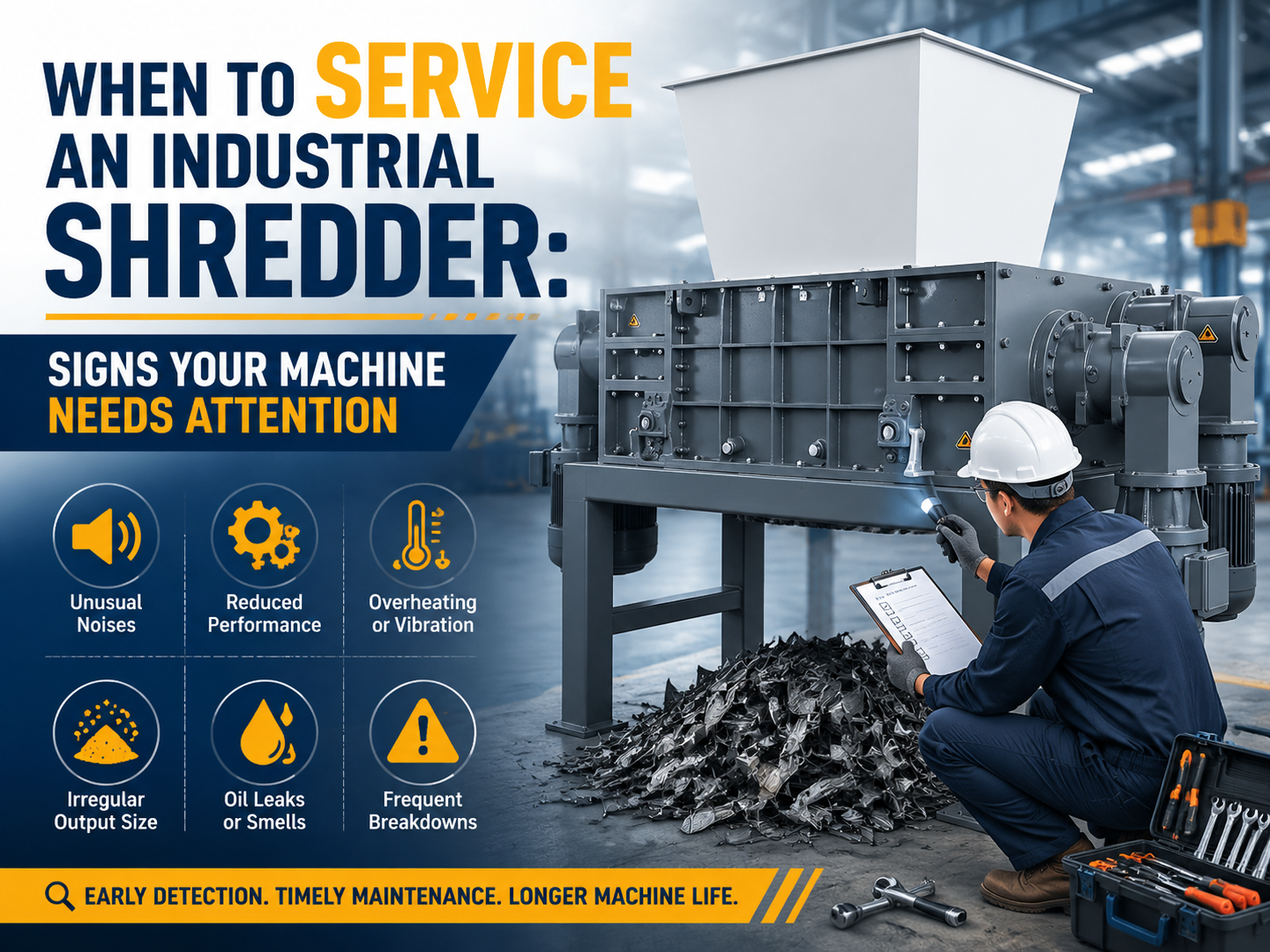
When to Service an Industrial Shredder: Signs Your Machine Needs Attention

The Critical Importance of Industrial Shredder Maintenance
In the high-stakes world of waste management and material recycling, the industrial shredder stands as the backbone of the operation. Whether you are processing scrap metal, plastics, or electronic waste, the efficiency of your facility depends entirely on the uptime of this machine. Understanding When Service An Industrial Shredder: Signs Machine Needs Attention is not merely a matter of following a manual; it is about protecting a significant capital investment and ensuring the safety of your workforce. A well-maintained shredder operates with higher throughput, lower energy consumption, and a significantly reduced risk of catastrophic failure.
Neglecting maintenance leads to a domino effect of operational inefficiencies. When blades become dull or shafts fall out of alignment, the motor must work harder to achieve the same results, leading to increased electricity costs and premature wear on electrical components. Furthermore, an unserviced machine is a safety hazard. Loose bolts, frayed wires, or leaking hydraulic fluid can lead to fires, structural collapses, or projectile debris. By prioritizing a proactive service culture, HARSLE customers can ensure their machinery remains a reliable asset for decades rather than a liability.
The economic impact of downtime cannot be overstated. In many industrial settings, a shredder failure can halt the entire production line, leading to missed deadlines and lost revenue. Proactive servicing allows for planned downtime, which is always more cost-effective than emergency repairs. By identifying the signs that your machine needs attention early, you can order parts in advance and schedule technicians during off-peak hours, maintaining the flow of your business operations without interruption.
Finally, regular servicing preserves the resale value of the equipment. Industrial shredders from HARSLE are built to last, but their value on the secondary market is heavily dependent on their service history. Detailed maintenance logs and a machine that shows signs of consistent care will always command a higher price. In this guide, we will explore the specific indicators that suggest your shredder is due for professional attention and provide a roadmap for keeping your equipment in peak condition.
Daily Inspection: The First Line of Defense
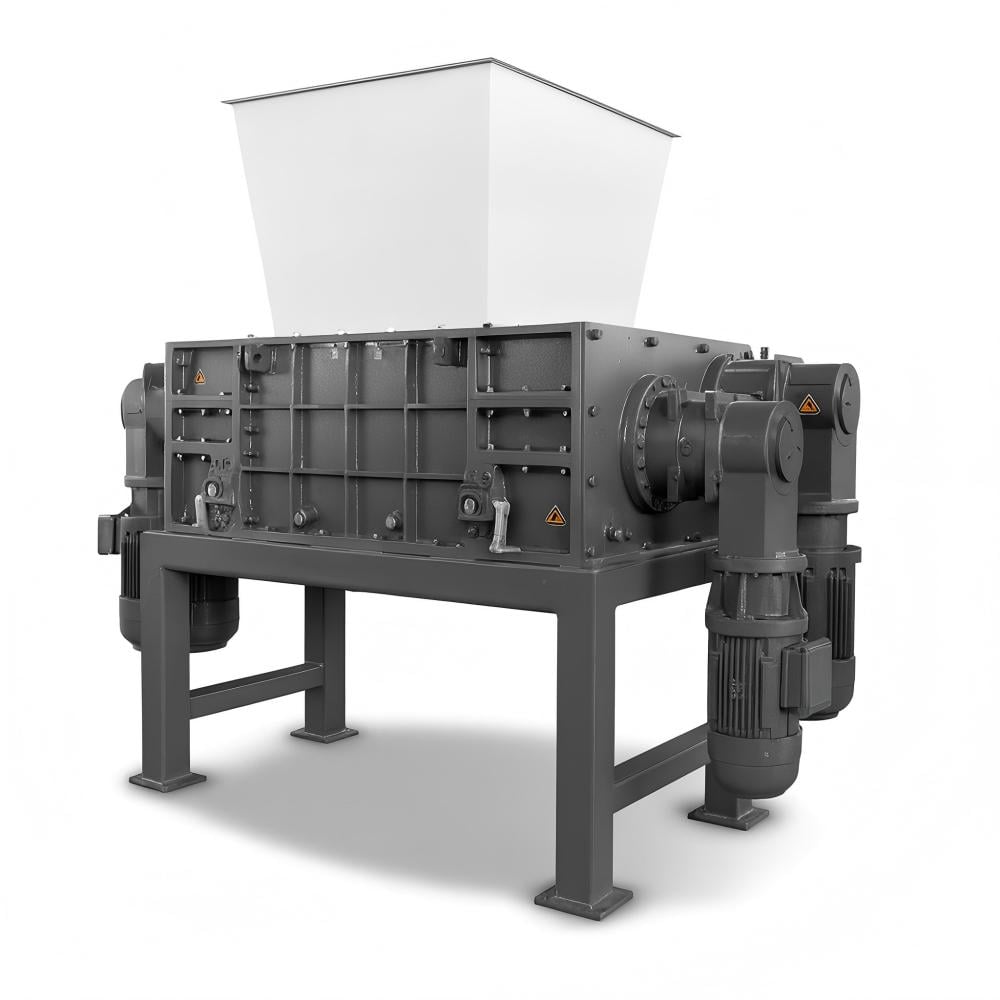
The most effective way to determine When Service An Industrial Shredder: Signs Machine Needs Attention is through a rigorous daily inspection routine. This “walk-around” should be performed by the operator at the start of every shift. The goal is to identify obvious physical changes or anomalies before the machine is even powered on. Start by inspecting the hopper and the cutting chamber for any foreign objects or non-shreddable materials that may have been left behind. Even a small piece of hardened steel in a machine designed for plastics can cause immediate blade damage.
Visual checks should extend to the exterior of the machine. Look for signs of fluid leaks on the floor, which could indicate a breach in the hydraulic system or a failing seal in the gearbox. Check the tension of drive belts and the integrity of safety guards. If a guard is loose or missing, the machine should not be operated. These daily checks also include looking for loose fasteners. The intense vibrations inherent in shredding operations can cause even the most secure bolts to back out over time. A quick check of the mounting bolts for the motor and gearbox can prevent a major mechanical misalignment.
Once the machine is started, the operator must use their senses to monitor performance. Listen for unusual sounds such as high-pitched squealing, which may indicate a bearing failure, or heavy thumping, which could suggest a loose blade or a damaged shaft. Observe the vibration levels; while all shredders vibrate, an increase in the intensity or a change in the frequency of vibration is a clear signal that the internal balance has been disrupted. If the machine feels “different” to an experienced operator, it usually means it is time for a deeper inspection.
Finally, the daily inspection should include a review of the control panel for any warning lights or error codes. Modern HARSLE shredders are equipped with sophisticated sensors that monitor everything from motor temperature to hydraulic pressure. Ignoring these digital warnings is a recipe for disaster. By documenting these daily findings in a logbook, you create a historical record that can help technicians diagnose recurring issues and predict when components are likely to fail, moving your operation from reactive to predictive maintenance.
Deep Dive: Hydraulic, Electrical, and Mechanical Checks
Hydraulic System Integrity
The hydraulic system is the lifeblood of many industrial shredders, providing the massive torque required to crush and shear tough materials. To know When Service An Industrial Shredder: Signs Machine Needs Attention, you must monitor the hydraulic oil quality and temperature. If the oil appears cloudy or milky, it is contaminated with water; if it smells burnt or looks dark, it has been overheated. Both conditions require an immediate oil and filter change to prevent damage to the expensive hydraulic pumps and motors.
Pressure fluctuations are another critical sign. If the system cannot maintain steady pressure during a heavy load, it may indicate a failing pump or a leak in the internal valves. Check the hoses for any signs of bulging, cracking, or “sweating.” Hydraulic hoses have a finite lifespan and should be replaced proactively before they burst under pressure, which can cause severe injury and environmental contamination. Ensure the cooling system (heat exchanger) is free of dust and debris, as an overheated hydraulic system will lose efficiency and rapidly degrade the oil.
Electrical and Control Systems
The electrical components of a shredder are often overlooked until a failure occurs. However, the electrical cabinet is a vital area for inspection. Look for signs of heat discoloration on wires and terminals, which indicates poor connections or overloading. Dust is a major enemy of electrical systems; it can act as an insulator, causing components to overheat, or it can become conductive in humid conditions, leading to short circuits. Regularly cleaning the cabinet with compressed air (while the power is off) is a simple but effective maintenance task.
Monitor the performance of the Variable Frequency Drive (VFD) and the Programmable Logic Controller (PLC). If the machine is frequently tripping breakers or the motor is drawing more current than usual for a standard load, the electrical system is signaling for help. This could be due to mechanical resistance in the cutting chamber or an internal fault in the motor windings. Using a thermal imaging camera to check for “hot spots” in the electrical panel is a professional-grade technique to identify failing components before they cause a shutdown.
Mechanical Components and Blade Geometry
The mechanical heart of the shredder—the shafts, blades, and gearbox—requires the most scrutiny. The gap between the cutting blades (the clearance) is critical for efficient shearing. As blades wear down, this gap increases, leading to “material bypass” where the shredder fails to cut the material and instead simply mashes it. This increases the load on the motor and reduces the quality of the output. If you notice the shredded material is coming out with ragged edges or in larger chunks than usual, it is a definitive sign that the blades need sharpening or replacement.
Inspect the shafts for any signs of bowing or cracking. In heavy-duty applications, the shafts are subjected to immense torsional stress. Any misalignment between the gearbox and the shafts will lead to rapid bearing wear and potential gearbox failure. Check the gearbox oil level and look for metal shavings in the oil, which would indicate internal gear wear. The mechanical integrity of the shredder is what defines its lifespan; catching a bearing failure early can save the entire shaft assembly from being destroyed.
Developing a Robust Lubrication Plan
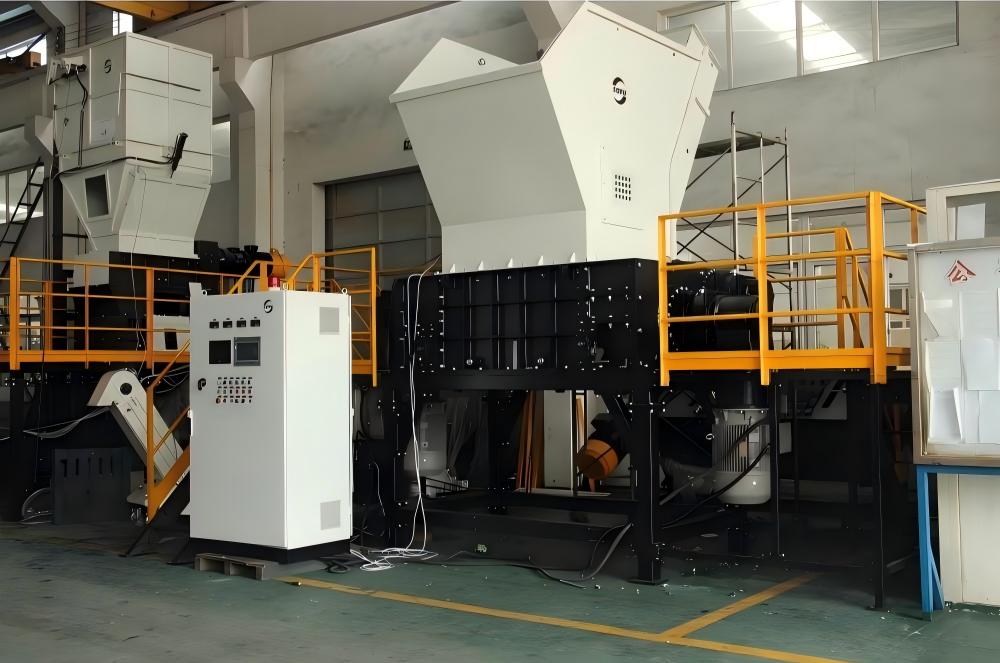
Lubrication is the single most important factor in extending the life of moving parts. Without proper lubrication, the friction generated by the high-torque operations of a shredder will quickly lead to heat buildup and metal-on-metal contact. To determine When Service An Industrial Shredder: Signs Machine Needs Attention, look at your lubrication consumption. If the machine is using more grease than usual, or if grease is leaking out of the bearing housings, the seals may be compromised.
A robust lubrication plan specifies the type of lubricant to be used for each component. Not all greases are created equal; high-pressure, high-temperature environments require specific additives to maintain a protective film. For the main shaft bearings, a lithium-based grease with EP (Extreme Pressure) additives is often recommended. The gearbox requires a high-quality gear oil with the correct viscosity for the operating environment. Using the wrong lubricant can be just as damaging as using no lubricant at all, as it may not provide the necessary protection or could even react negatively with existing fluids.
Frequency is the next pillar of the plan. Some components may require daily greasing, while others, like the gearbox oil, may only need changing every 2,000 operating hours. Automated lubrication systems are an excellent investment for HARSLE shredders, as they deliver precise amounts of grease at set intervals, eliminating human error. However, even automated systems need to be checked to ensure the reservoirs are full and the delivery lines are not blocked. If you notice a bearing running hot to the touch, it is an immediate sign that the lubrication plan has failed or the bearing is reaching the end of its life.
Finally, cleanliness during the lubrication process is paramount. Wiping down grease nipples before attaching the grease gun prevents dirt and grit from being pumped directly into the bearing. Contaminated lubricant acts like a grinding paste, accelerating wear rather than preventing it. A clean, well-documented lubrication schedule is the hallmark of a professional operation and the best insurance policy against premature mechanical failure.
Troubleshooting Signals: Recognizing the Red Flags
Recognizing the red flags of a failing machine is essential for knowing When Service An Industrial Shredder: Signs Machine Needs Attention. One of the most common signals is a significant drop in throughput. If the machine is taking longer to process the same volume of material, it is likely due to dull blades or a slipping drive system. This inefficiency not only slows down production but also increases the cost per ton of processed material. Monitoring the “amps” or load on the motor via the control panel can provide a quantitative measure of this decline.
Unusual vibrations are another major red flag. While shredders are naturally noisy, a change in the vibration pattern often points to an unbalanced shaft or a loose component. If the vibration is accompanied by a rhythmic knocking sound, it could indicate that a blade has chipped or a foreign object is lodged in the cutting chamber. Ignoring these vibrations can lead to structural cracks in the shredder frame or the hopper. It is advisable to use vibration analysis tools if the source of the vibration is not immediately apparent through visual inspection.
Temperature spikes are a clear indicator of trouble. This applies to the motor, the bearings, and the hydraulic oil. An infrared thermometer is an invaluable tool for maintenance personnel. By establishing a baseline temperature for these components during normal operation, you can easily identify when they are running hot. For example, a bearing that is 20 degrees hotter than its counterpart on the opposite side of the shaft is a sure sign of impending failure. Similarly, if the motor housing is too hot to touch, it may be struggling with an internal electrical fault or an excessive mechanical load.
Lastly, pay attention to the “auto-reverse” frequency. Most modern shredders, including those from HARSLE, feature an auto-reverse function to clear jams. If the machine is reversing more frequently than usual on the same type of material, it indicates that the cutting efficiency has dropped. This could be due to blade wear, incorrect blade spacing, or a loss of hydraulic pressure. Frequent reversing puts immense strain on the motor and drive train, so the underlying cause should be addressed immediately rather than simply allowing the machine to continue in this inefficient state.
Comprehensive Maintenance Schedule Table
To ensure your equipment remains in top condition, follow this structured maintenance schedule. This table serves as a general guide for HARSLE industrial shredders, though you should always consult your specific model’s manual for tailored requirements.
| Frequency | Component | Action Required | Sign of Neglect |
|---|---|---|---|
| Daily | Cutting Chamber | Clear debris and check for foreign objects. | Blade damage, jams. |
| Daily | Hydraulic System | Check oil levels and look for leaks. | Pump cavitation, slow response. |
| Daily | Safety Systems | Test emergency stops and check guards. | Safety violations, injury risk. |
| Weekly | Main Bearings | Apply grease according to manufacturer specs. | Overheating, grinding noise. |
| Weekly | Fasteners | Inspect and tighten all structural bolts. | Excessive vibration, frame cracks. |
| Monthly | Blades/Knives | Check for wear, chips, and proper clearance. | Poor output quality, high amp draw. |
| Monthly | Electrical Cabinet | Clean dust and check for loose connections. | Short circuits, VFD errors. |
| Quarterly | Drive Belts/Chains | Check tension and look for wear/fraying. | Slippage, loss of torque. |
| Bi-Annually | Hydraulic Oil | Perform oil analysis and replace filters. | System sluggishness, valve wear. |
| Yearly | Gearbox | Change gear oil and inspect internal gears. | Metal shavings in oil, loud whining. |
Frequently Asked Questions (FAQ)
How often should I sharpen the blades on my industrial shredder?
The frequency of blade sharpening depends entirely on the material being processed. For abrasive materials like glass-filled plastics or contaminated scrap metal, blades may need attention every few hundred hours. For softer materials, they may last thousands of hours. The best indicator is the quality of the output and the motor load; when the output becomes irregular or the motor draws more current, it is time to sharpen or rotate the blades.
What is the most common cause of industrial shredder failure?
The most common cause of failure is the introduction of “non-shreddables” into the chamber, followed closely by poor lubrication. Foreign objects like heavy steel plates in a light-duty shredder can cause immediate catastrophic damage. However, the slow death of a shredder is usually caused by neglecting bearing lubrication and gearbox oil changes, leading to overheating and eventual seizure.
Can I perform maintenance myself, or do I need a HARSLE technician?
Daily and weekly maintenance, such as greasing and visual inspections, should be performed by trained on-site operators. However, complex tasks like shaft alignment, gearbox overhauls, or PLC programming should be handled by qualified technicians. HARSLE provides comprehensive support and training to ensure your team can handle routine tasks safely and effectively.
Why is my shredder vibrating more than usual?
Increased vibration is usually caused by an imbalance in the cutting shafts. This can happen if blades are worn unevenly, if a blade has broken off, or if material is wrapped tightly around the shaft (common with films and wires). It can also be a sign of failing main bearings or loose mounting bolts. You should stop the machine and perform a full mechanical inspection to identify the source before the vibration causes structural damage.
How do I know if my hydraulic oil needs changing?
Beyond the scheduled intervals, you should change the oil if it changes color (milky or dark), if it has a burnt odor, or if an oil analysis report shows high levels of metallic particles or moisture. High operating temperatures (above 60-70°C) will also accelerate the breakdown of the oil’s chemical properties, necessitating more frequent changes.
What are the benefits of an automated lubrication system?
An automated system ensures that critical components receive the exact amount of lubricant they need at the optimal time, even while the machine is running. This reduces grease waste, prevents over-greasing (which can damage seals), and ensures that hard-to-reach bearings are never neglected. It significantly reduces the labor required for maintenance and extends the life of the bearings.


