
Comprehensive Aluminium Extrusion Press Maintenance Checklist for Longer Machine Life

The Critical Role of Maintenance in Aluminium Extrusion
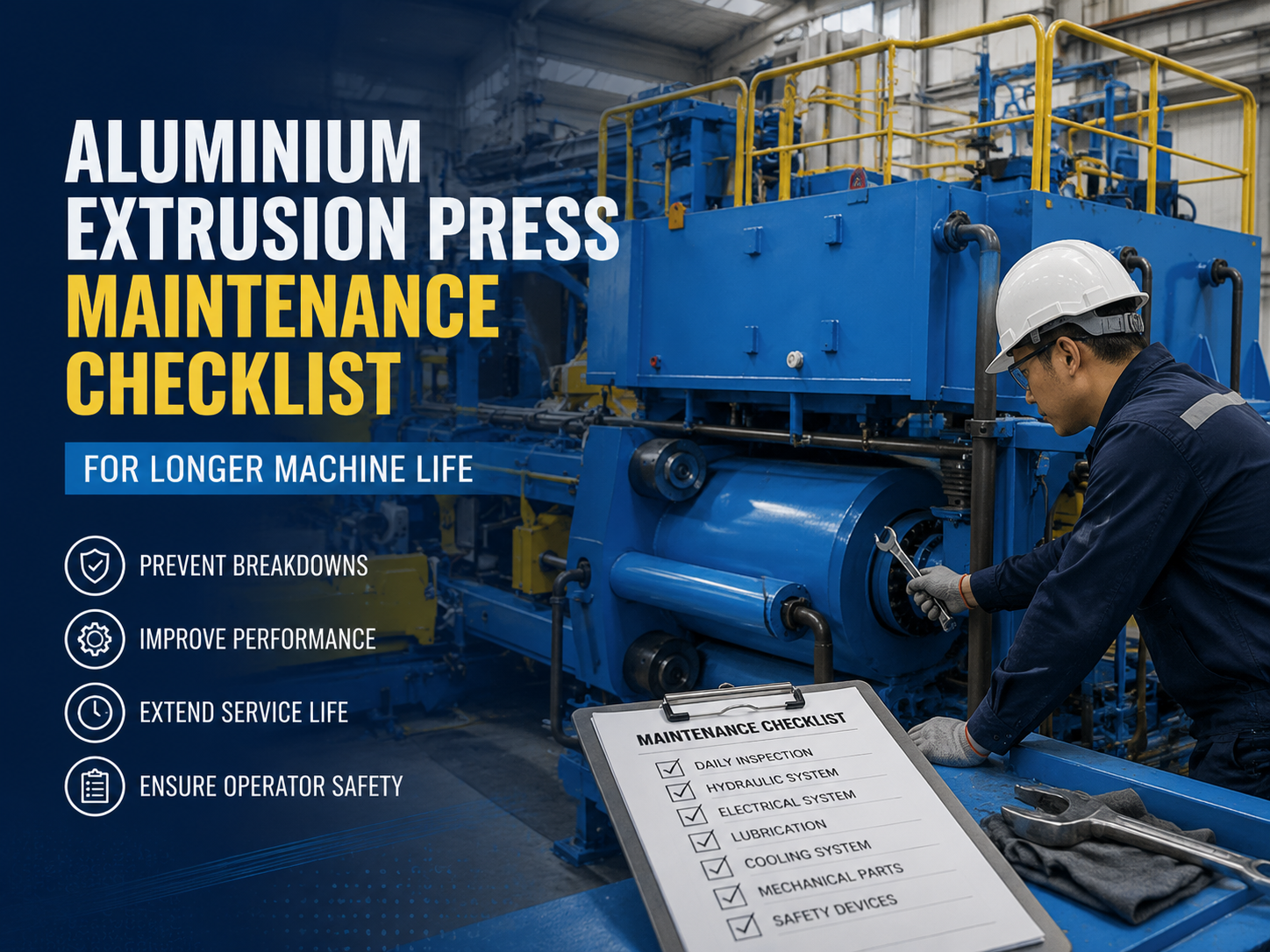
In the high-stakes world of metal fabrication, the aluminium extrusion press stands as a cornerstone of production. These massive machines, capable of exerting thousands of tons of pressure, are engineered for durability, but they are not invincible. Implementing a rigorous Aluminium Extrusion Press Maintenance Checklist for Longer Machine Life is not merely a recommendation; it is a fundamental requirement for any facility aiming to maintain high throughput, ensure operator safety, and protect a significant capital investment. Without a structured maintenance plan, even the most robust HARSLE extrusion press can succumb to the cumulative effects of heat, friction, and high-pressure cycles.
The primary goal of a maintenance strategy is to transition from reactive repairs to proactive prevention. Reactive maintenance—fixing things only when they break—leads to unplanned downtime, which is exponentially more expensive than scheduled servicing. When an extrusion press fails unexpectedly, the entire production line halts, leading to missed deadlines, wasted raw materials (billets), and potential damage to downstream equipment like cooling tables and pullers. By following a comprehensive checklist, manufacturers can identify minor wear and tear before it escalates into a catastrophic failure.
Furthermore, consistent maintenance directly impacts the quality of the final product. An extrusion press that is out of alignment or suffering from hydraulic fluctuations will produce profiles with inconsistent wall thicknesses, surface defects, or structural weaknesses. For industries such as aerospace, automotive, and construction, where tolerances are tight, these defects can result in entire batches being scrapped. Therefore, maintaining the machine is synonymous with maintaining the brand’s reputation for quality.
Finally, the longevity of the machine is at stake. An aluminium extrusion press is designed to last for decades if cared for properly. Neglect leads to the degradation of critical components like the main cylinder, tie rods, and the container. Replacing these parts is not only costly but also requires extensive downtime. A well-executed maintenance plan ensures that every component operates within its designed parameters, significantly extending the operational lifespan of the equipment and maximizing the Return on Investment (ROI).
Daily Inspection: The First Line of Defense
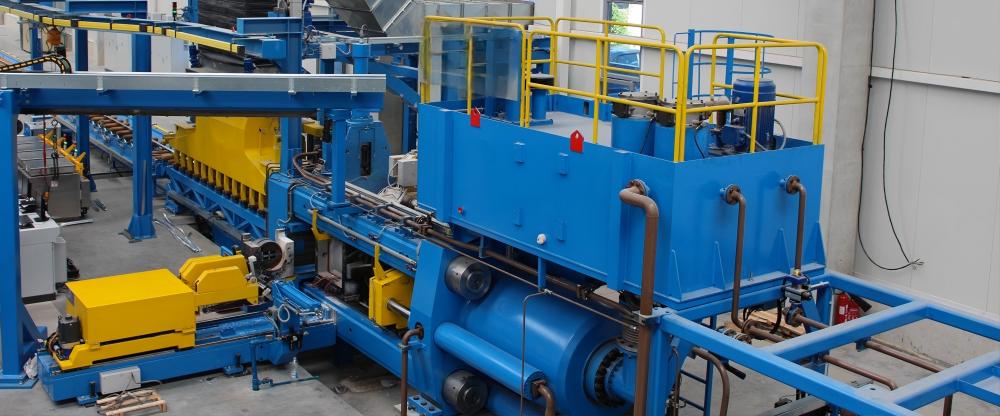
The daily inspection is the most frequent and perhaps the most important part of the Aluminium Extrusion Press Maintenance Checklist for Longer Machine Life. These checks should be performed at the start of every shift and monitored throughout the day. The focus here is on visual and auditory cues that indicate the machine’s current health. Operators should be trained to recognize the “normal” sounds and sights of the press so they can immediately spot anomalies.
One of the first daily tasks is checking for hydraulic leaks. Given the high pressures involved, even a pinhole leak can lead to significant fluid loss and fire hazards. Operators should inspect all hoses, fittings, and valve blocks. Any sign of oil on the floor or misting in the air must be addressed immediately. Simultaneously, the hydraulic oil level in the main reservoir should be verified. Running a pump with low oil can lead to cavitation, which destroys the pump’s internal components in a matter of hours.
Monitoring temperatures is another critical daily task. This includes the temperature of the hydraulic oil, the container, and the billet. If the hydraulic oil exceeds its recommended operating temperature (usually around 50-55°C), its viscosity drops, leading to poor lubrication and increased wear on pumps and seals. Most modern HARSLE presses include digital sensors for this, but manual verification of the cooling system’s performance (checking heat exchangers and water flow) is essential.
Lastly, the cleanliness of the die area and the dummy block must be maintained. Aluminium scrap, known as “fines” or “flash,” can accumulate around the die slide and the container seal. If not cleaned daily, this debris can get trapped between mating surfaces, causing scoring on the container liner or preventing a tight seal, which leads to metal leakage during the extrusion cycle. A simple wipe-down and visual check of the dummy block’s condition can prevent major mechanical issues later in the week.
Hydraulic System Maintenance: The Heart of the Press
The hydraulic system is the lifeblood of the aluminium extrusion press. It provides the force necessary to push a solid billet through a die. Because it operates under extreme pressure, the hydraulic system requires specialized attention. The most critical factor in hydraulic health is oil cleanliness. Contaminants such as dust, metal particles, and moisture act as abrasives, wearing down valves and pump vanes. Regular oil analysis should be part of the Aluminium Extrusion Press Maintenance Checklist for Longer Machine Life, ensuring the fluid meets ISO or NAS cleanliness standards.
Filters are the primary defense against contamination. High-pressure filters and return-line filters must be checked and replaced according to the manufacturer’s schedule or when the differential pressure indicators signal a clog. It is a common mistake to bypass a clogged filter to keep production running; this allows dirty oil to circulate through sensitive proportional valves, often leading to expensive repairs and erratic machine behavior.
The main pumps and auxiliary pumps should be inspected for unusual noise or vibration. A high-pitched whining sound often indicates cavitation or air entering the system, while a rhythmic knocking might suggest mechanical failure within the pump. Additionally, the accumulator system—which stores hydraulic energy for rapid movements—must be checked for proper nitrogen pre-charge levels. If the pre-charge is too low, the press will lose speed and the pumps will be subjected to unnecessary stress cycles.
Finally, the hydraulic cylinders, especially the main ram and the container shift cylinders, should be inspected for seal integrity. Look for “weeping” around the rod seals. While a tiny amount of oil film is necessary for lubrication, actual dripping indicates that the seals are reaching the end of their life. Replacing seals during a scheduled weekend shutdown is far better than dealing with a blown seal during a peak production run.
Electrical and Control System Checks
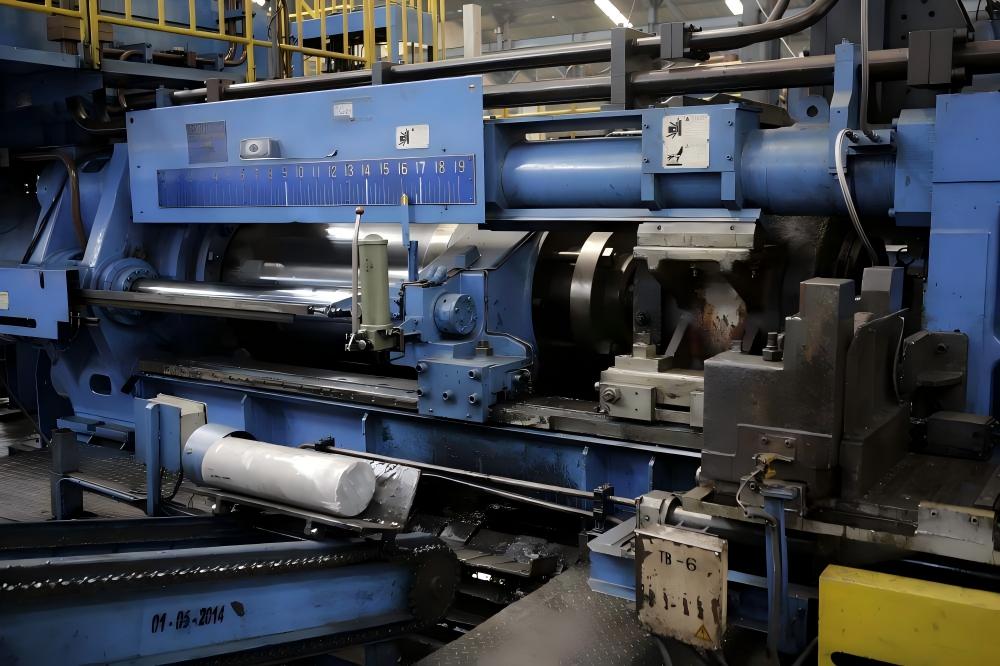
Modern aluminium extrusion presses rely heavily on sophisticated electrical systems and PLC (Programmable Logic Controller) software to manage the complex sequence of movements. Electrical maintenance is often overlooked until a sensor fails, but a proactive approach can prevent significant logic errors and safety risks. The first step is a visual inspection of all wiring and conduits. In the heat and vibration of an extrusion plant, wires can become brittle or rub against sharp edges, leading to short circuits.
The control cabinet should be kept clean and cool. Dust accumulation on electrical components can cause overheating and premature failure of relays and contactors. Ensure that the cabinet’s cooling fans or air conditioning units are functioning correctly and that filters are cleaned regularly. Inside the cabinet, check for loose terminal connections; vibration over time can loosen screws, leading to intermittent signals that are notoriously difficult to troubleshoot.
Sensors and limit switches are the “eyes” of the press. They tell the PLC where the ram, the container, and the die slide are located. These sensors must be checked for alignment and cleanliness. An accumulation of grease or aluminium dust on a proximity sensor can cause it to fail, leading to a “crash” where the machine attempts to move a component into a space that is already occupied. Regular calibration of pressure transducers and linear transducers is also necessary to ensure the press is exerting the correct force and moving to the precise positions required for the extrusion recipe.
Lastly, the heating elements for the container and the die must be monitored. Inconsistent heating leads to “cold spots” in the billet during extrusion, which increases the pressure required and can damage the die. Check the amperage draw of the heating elements to identify any that are burnt out. The thermocouples that provide temperature feedback must also be accurate; a drifting thermocouple can lead to overheating the container, which softens the steel and reduces its structural integrity.
Mechanical Integrity and Alignment
The mechanical structure of an aluminium extrusion press must withstand immense stresses while maintaining precise alignment. The Aluminium Extrusion Press Maintenance Checklist for Longer Machine Life must prioritize the inspection of the tie rods and nuts. These components hold the entire press together against the extrusion force. Check for any signs of cracking or loosening of the large nuts. Ultrasonic testing of tie rods is recommended annually to detect internal fatigue cracks that are not visible to the naked eye.
Alignment is perhaps the most critical mechanical factor. The centerlines of the main ram, the container, and the die must be perfectly coincident. If the press is out of alignment, the dummy block will enter the container at an angle, causing excessive wear on the liner and potentially damaging the main ram’s bearings. Alignment should be checked using laser tools or precision mandrels at least twice a year, or whenever the press has been moved or undergone major repairs.
The container housing and the die slide move on “ways” or wear plates. These surfaces must be inspected for scoring and adequate lubrication. If the wear plates become excessively worn, the container will sag, leading to alignment issues. These plates are designed to be replaceable; it is much cheaper to replace a wear plate than to repair the main casting of the press. Additionally, check the “butt shear” mechanism. The blade must be sharp and properly adjusted to ensure a clean cut of the extrusion discard. A dull shear blade puts extra strain on the hydraulic system and can deform the end of the next billet.
Lubrication Plan: Reducing Friction and Wear
Lubrication is the simplest yet most frequently neglected aspect of machinery maintenance. In an aluminium extrusion press, lubrication serves two purposes: reducing friction between moving parts and acting as a release agent for the hot aluminium. A detailed lubrication plan should specify the type of lubricant, the quantity, and the frequency for every pivot point, slide, and bearing on the machine.
For the mechanical slides and guide ways, a high-temperature, extreme-pressure grease is typically required. These areas are exposed to the heat radiating from the 450°C-500°C billets, so the grease must not melt and run off. Automatic lubrication systems are common on HARSLE presses, but they must be monitored to ensure that all lines are clear and that grease is actually reaching the destination. A blocked line can lead to a dry bearing and a subsequent seizure in a matter of days.
The lubrication of the die and the dummy block is different. Here, specialized lubricants, often graphite-based or boron nitride-based, are used to prevent the hot aluminium from sticking to the steel tools. This is usually applied via a spray system. Maintenance of this spray system is vital; if the nozzles are clogged, the lubricant will be applied unevenly, leading to “pick-up” defects on the surface of the extruded profiles and potential damage to the die face.
Troubleshooting Signals: What to Watch For
Even with a perfect Aluminium Extrusion Press Maintenance Checklist for Longer Machine Life, components will eventually wear out. The key is to catch the signals before they lead to failure. One of the most common signals is unusual noise. A “screaming” pump usually indicates air in the oil or suction line restriction. A “clunking” sound during the ram’s forward stroke could indicate a loose mechanical connection or a failing guide bearing. Operators should be encouraged to report any new or changing sounds immediately.
Vibration is another red flag. While some vibration is normal during the high-pressure phase of extrusion, excessive vibration in the hydraulic lines or the main frame suggests a problem. It could be caused by a failing pump, a loose mounting bolt, or an imbalance in the motor. Using a handheld vibration meter can help maintenance teams track these levels over time and identify trends that point toward a future failure.
Changes in cycle time or pressure requirements are also significant. If the press suddenly requires more pressure to extrude the same profile from the same alloy, it could indicate that the container heaters are failing, the die is worn, or there is internal leakage in the hydraulic cylinders. Similarly, if the “dead cycle” time (the time between extrusions) starts to increase, it suggests that the control system or the high-speed valves are not performing efficiently. Monitoring these KPIs (Key Performance Indicators) is an essential part of a modern maintenance strategy.
Comprehensive Maintenance Schedule Table
To simplify the implementation of these tasks, use the following table as a template for your facility’s maintenance log.
| Frequency | System | Task Description |
|---|---|---|
| Daily | Hydraulic | Check oil levels, monitor temperature, and inspect for leaks. |
| Daily | Mechanical | Clean die area, inspect dummy block, and check shear blade. |
| Weekly | Hydraulic | Inspect filter indicators and clean air breathers on the reservoir. |
| Weekly | Electrical | Check sensor alignment and clean control cabinet filters. |
| Monthly | Lubrication | Verify auto-lube system operation and manually grease auxiliary pivots. |
| Monthly | Hydraulic | Take oil sample for laboratory analysis (cleanliness and viscosity). |
| Quarterly | Mechanical | Inspect wear plates and guide ways for scoring; adjust if necessary. |
| Quarterly | Electrical | Tighten electrical terminals and test all emergency stop circuits. |
| Annually | Structural | Perform ultrasonic testing on tie rods and check press alignment. |
| Annually | Hydraulic | Drain and clean the hydraulic reservoir; replace all major seals. |
Frequently Asked Questions (FAQ)
1. How often should I change the hydraulic oil in my extrusion press?
Rather than changing oil on a fixed schedule, it is better to rely on oil analysis. Depending on the environment and usage, oil can last 2-5 years. However, if the analysis shows high oxidation, water content, or particulate matter that cannot be filtered out, it must be changed immediately to protect the pumps.
2. Why is my extrusion press losing pressure during the stroke?
This is often caused by internal leakage. It could be a worn piston seal in the main cylinder, a leaking bypass valve, or a failing pump. Check the temperature of the hydraulic components; a component that is significantly hotter than the rest of the system often indicates where the internal leak is occurring.
3. What is the most common cause of tie rod failure?
The most common cause is uneven loading due to misalignment or improper tensioning of the tie rod nuts. If one rod is carrying more load than the others, it will develop fatigue cracks. Regular alignment checks and ultrasonic testing are the best ways to prevent this.
4. Can I use standard grease for the container slides?
No. Standard grease will break down and carbonize at the high temperatures found near the container. You must use a specialized high-temperature grease, usually containing molybdenum disulfide or graphite, designed for industrial extrusion environments.
5. How does maintenance affect energy consumption?
A well-maintained press is much more energy-efficient. Clogged filters, worn pumps, and internal leaks force the motors to work harder to maintain pressure, significantly increasing electricity costs. Proper lubrication also reduces the mechanical drag the system must overcome.
By adhering to this Aluminium Extrusion Press Maintenance Checklist for Longer Machine Life, operators and maintenance managers can ensure their HARSLE equipment remains a productive and profitable asset for years to come. Consistency is the key to industrial success.


