Industrial Shredder Lubrication Guide: What to Check and When for Peak Performance


The Critical Role of Lubrication in Industrial Shredder Longevity
In the world of heavy-duty waste management and metal recycling, the industrial shredder stands as a workhorse of unparalleled importance. However, the sheer force required to tear through scrap metal, plastics, and industrial waste generates immense friction and heat. Without a rigorous Industrial Shredder Lubrication : Check When protocol, these machines are prone to catastrophic failure, leading to expensive downtime and even more costly repairs. Lubrication is not merely a maintenance task; it is the lifeblood of the machine, ensuring that moving parts glide rather than grind.
Effective lubrication serves multiple purposes beyond just reducing friction. It acts as a cooling agent, carrying heat away from critical contact points like bearings and gears. It also serves as a seal, preventing abrasive dust, metal fines, and moisture from entering sensitive internal components. In the harsh environment of a scrap yard or recycling facility, the presence of contaminants is a constant threat. A well-lubricated system creates a pressurized barrier that keeps these contaminants at bay, preserving the integrity of the steel components.
For operators using HARSLE industrial shredders, understanding the nuances of lubrication is key to maximizing ROI. A shredder that is neglected will see a rapid decline in efficiency, requiring more energy to process the same amount of material. Over time, the lack of grease leads to the thinning of metal surfaces, eventually resulting in structural cracks or seized shafts. By following a structured lubrication plan, you are not just maintaining a machine; you are protecting a significant capital investment.
This guide provides a deep dive into the technical requirements of shredder maintenance. We will explore the specific components that require attention, the types of lubricants best suited for high-torque applications, and a definitive schedule to answer the question: for Industrial Shredder Lubrication : Check When is the optimal time? Whether you are operating a single-shaft, double-shaft, or four-shaft shredder, the principles of friction management remain the cornerstone of operational excellence.
The Importance of Maintenance in High-Torque Environments
Industrial shredders operate under extreme mechanical stress. Unlike high-speed precision lathes, shredders rely on massive torque and low-to-medium speeds to crush and shear materials. This type of motion places unique demands on lubricants. Standard oils often fail under the extreme pressure (EP) found in shredder gearboxes and bearing housings. Therefore, selecting the right lubricant and checking it frequently is non-negotiable.
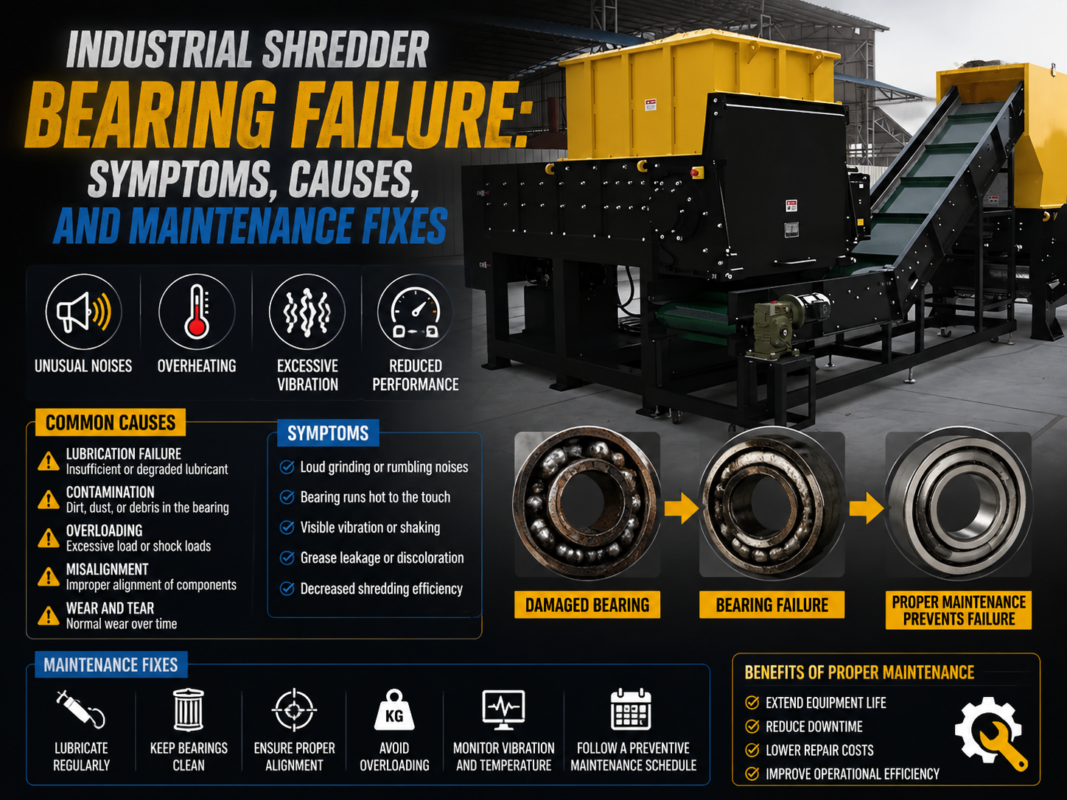
The cost of neglecting lubrication is often hidden until it is too late. For instance, a bearing that runs dry will begin to pit and gall. This creates micro-vibrations that resonate through the entire drive train, potentially damaging the motor couplings and the gearbox internal teeth. By the time an operator hears a squeal or feels a vibration, the damage is often irreversible. Regular lubrication checks allow for the early detection of wear particles in the grease, which can serve as an early warning system for component fatigue.
Furthermore, environmental factors play a massive role in how often you should check your lubrication levels. Shredders operating in outdoor environments are subject to temperature fluctuations that can change the viscosity of the oil. In winter, oil may become too thick to flow properly, while in summer, it may become too thin to provide an adequate protective film. A robust maintenance plan accounts for these seasonal variations, ensuring the machine is always protected regardless of the ambient conditions.
Finally, safety is a major factor. A seized bearing can lead to overheating, which in some environments—especially those processing plastics or oily metal scrap—can pose a fire risk. Proper lubrication ensures that the machine operates within its designed thermal limits, protecting not only the equipment but also the personnel working in the vicinity. At HARSLE, we emphasize that a clean, well-lubricated machine is a safe machine.
Daily Inspection: The First Line of Defense
The daily inspection is the most critical part of any Industrial Shredder Lubrication : Check When strategy. Before the shift begins, the operator should perform a visual walk-around. This isn’t just about looking for broken parts; it’s about looking for signs of fluid movement. Check for fresh grease purged from bearing seals, which indicates that the automatic greasing system (if equipped) is functioning. Conversely, look for dry, crusty areas where grease should be present.
During the daily check, pay close attention to the hydraulic hoses and fittings. Even a pinhole leak in a hydraulic line can lead to a rapid loss of pressure and potential contamination of the surrounding area. Check the oil level in the hydraulic reservoir using the sight glass. If the oil appears milky, it indicates water contamination; if it appears dark and smells burnt, it has been overheated and has lost its lubricating properties.
Listen to the machine during start-up. A well-lubricated shredder has a consistent, rhythmic hum. Any high-pitched whining, grinding, or clunking sounds are immediate red flags. These sounds often indicate that a bearing is running dry or that the gearbox oil level is dangerously low. Operators should be trained to recognize these auditory cues as part of their daily routine. Early intervention can save tens of thousands of dollars in replacement parts.
Lastly, check the temperature of the bearing housings after an hour of operation. While they will naturally be warm, they should never be too hot to touch. Excessive heat is the primary symptom of friction. If one bearing is significantly hotter than the others, it is likely not receiving enough lubricant or is reaching the end of its service life. Documenting these daily findings helps in identifying patterns that lead to more effective long-term maintenance.
Hydraulic, Electrical, and Mechanical Checks
Hydraulic System Integrity
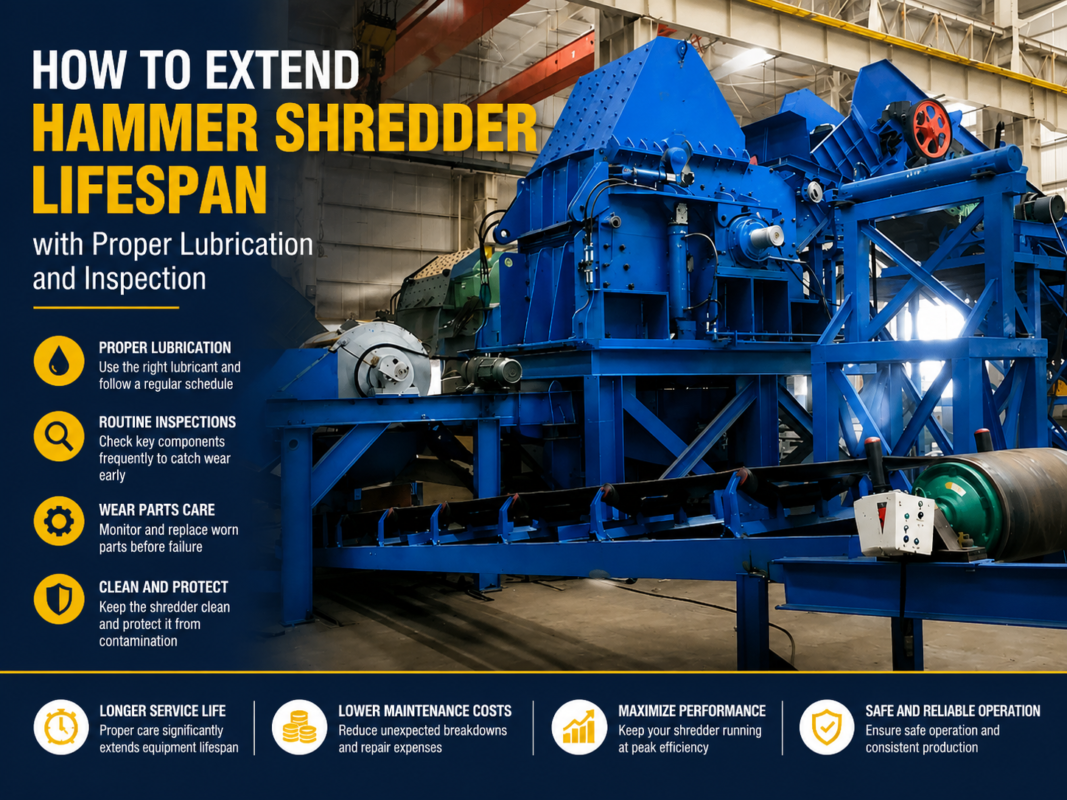
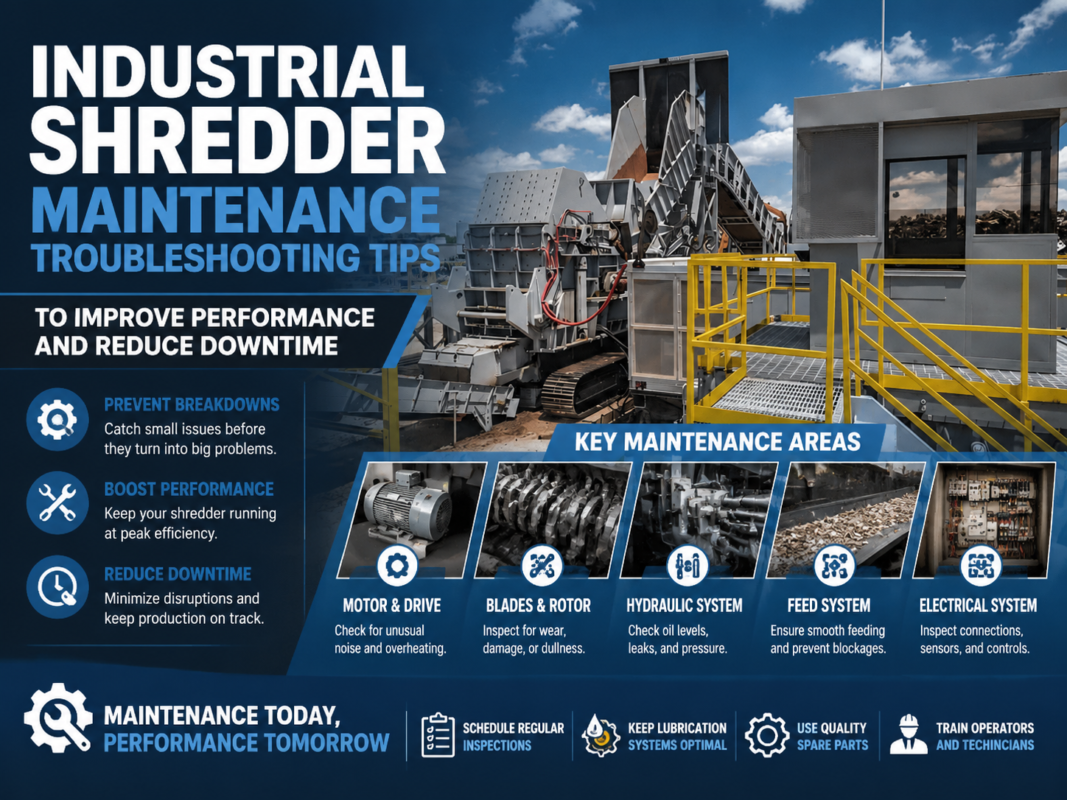
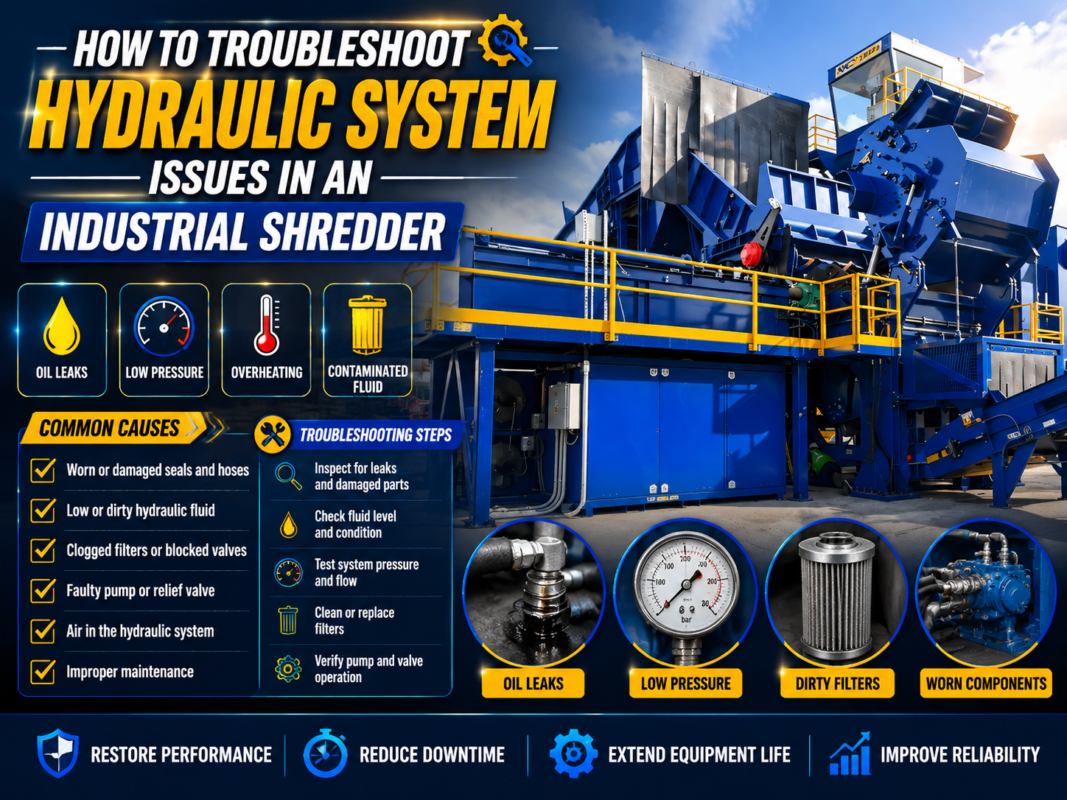
The hydraulic system in an industrial shredder powers the drive motors or the ram feeders. This system requires high-quality anti-wear hydraulic oil. During your Industrial Shredder Lubrication : Check When routine, verify that the hydraulic filters are clean. Clogged filters cause the pump to work harder, increasing the oil temperature and breaking down the lubricant’s molecular structure. Check the heat exchanger or cooling fan to ensure it is free of debris, as overheating is the number one killer of hydraulic components.
Electrical Motor and Drive Maintenance
While we often focus on the shredding chamber, the electric motors also require lubrication. Most large motors have greaseable bearings. Over-greasing is just as dangerous as under-greasing here, as excess grease can be pushed into the motor windings, causing insulation failure. Follow the manufacturer’s specifications for the exact number of “pumps” from a grease gun and the specific interval, usually based on operating hours. Ensure that the electrical cabinet is clean and that the cooling fans are operational to prevent heat-related oil thinning in nearby mechanical components.
Mechanical Drive Train and Bearings
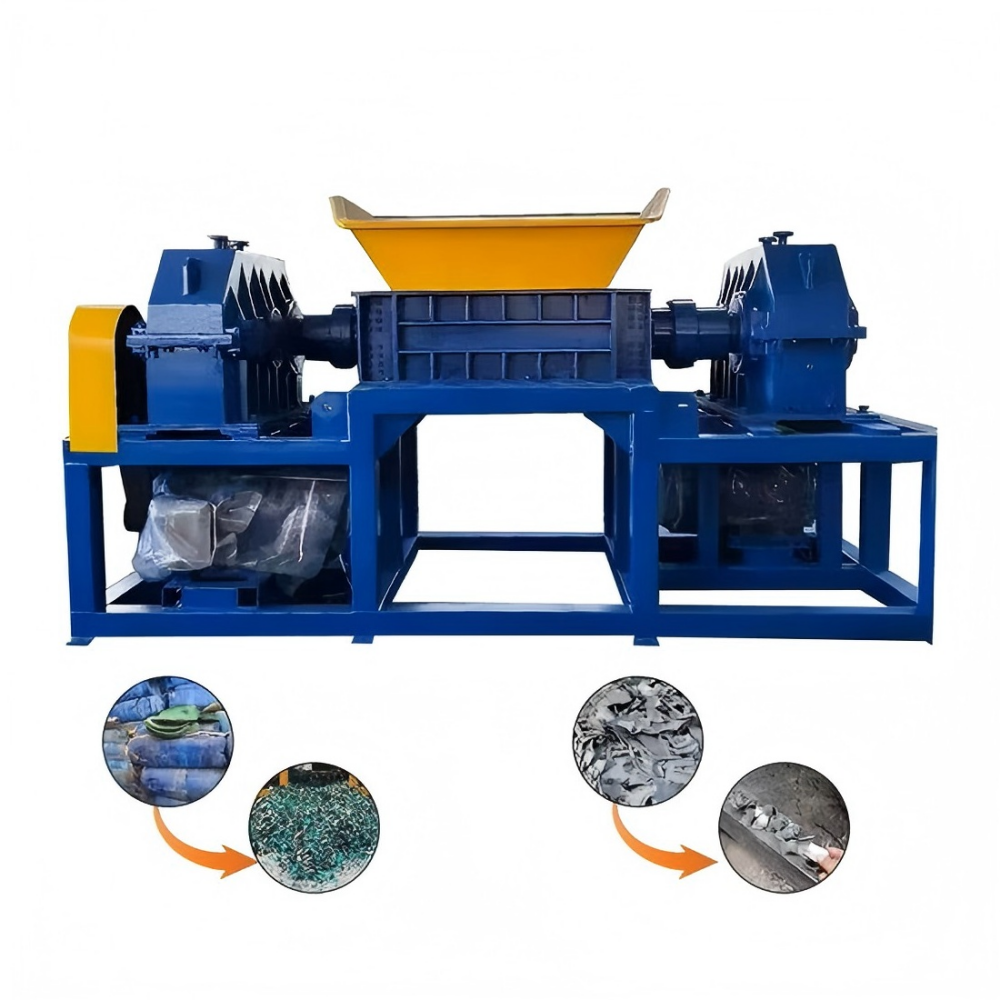
The main shaft bearings are the most heavily loaded parts of the shredder. These require heavy-duty lithium-complex grease with EP additives. Check the seals for integrity; if a seal is torn, it will allow lubricant to leak out and contaminants to enter. The gearbox is another critical mechanical area. Check the oil level and look for metal shavings on the magnetic drain plug. The presence of fine silver dust is normal wear, but large flakes indicate a failing gear or bearing within the box.
Couplings and Pivot Points
Don’t forget the smaller moving parts. Universal joints, couplings, and the pivot points on hydraulic ram feeders all require regular lubrication. These parts often experience oscillating motion, which can squeeze out lubricant more easily than continuous rotation. Ensure these points are included in your weekly lubrication circuit to prevent seizing and jerky movement of the feeder systems.
Developing a Comprehensive Lubrication Plan
A successful lubrication plan is built on consistency and the right materials. For Industrial Shredder Lubrication : Check When to be effective, you must first identify every lubrication point on the machine. Create a map or a checklist that identifies each grease nipple, oil fill port, and sight glass. This ensures that no point is missed, even when different maintenance personnel are on shift.
Selection of the lubricant is the next step. For gearboxes, an ISO VG 220 or 320 gear oil is common, but you must check your HARSLE manual for specific requirements. For bearings, a Grade 2 grease is standard. However, if you are operating in extreme heat, a synthetic grease may be necessary to maintain viscosity. Using the wrong type of grease—for example, mixing a clay-based grease with a lithium-based grease—can cause the lubricant to harden and clog the lines, leading to total bearing failure.
Consider the benefits of an automated lubrication system. These systems deliver small, precise amounts of grease to the bearings at frequent intervals while the machine is running. This is often more effective than manual greasing, as it maintains a constant pressure of grease within the bearing, effectively flushing out contaminants continuously. If your shredder is equipped with such a system, your “check” involves ensuring the reservoir is full and the pump is cycling correctly.
Finally, documentation is essential. Keep a logbook (either physical or digital) of every lubrication activity. Note the date, the amount of lubricant added, and any observations made. This log becomes an invaluable tool for troubleshooting. If you notice that a particular bearing is “consuming” more grease than usual, it may indicate a failing seal that needs to be replaced during the next scheduled shutdown.
Troubleshooting Signals: When Lubrication Fails
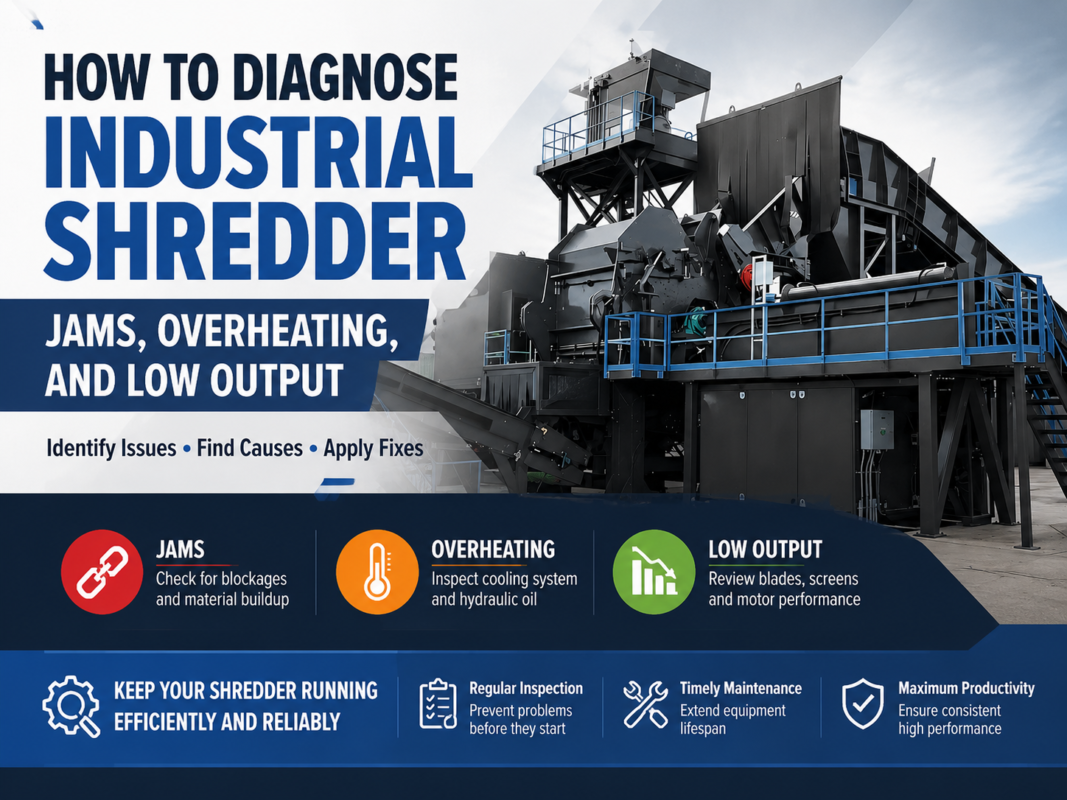
Even with a plan, things can go wrong. Recognizing the signals of lubrication failure early can save the machine. The most common signal is increased operating temperature. If the gearbox or bearing housing temperature rises 20°C above its normal operating range, stop the machine. This is a clear sign that the lubricant is either depleted, contaminated, or the component is failing mechanically.
Vibration is another key indicator. Use a simple handheld vibration pen to take baseline readings when the machine is new or newly serviced. If subsequent readings show an increase in velocity or acceleration, it often points to a lack of lubrication in the bearings. Vibration causes the lubricant film to break down, leading to metal-on-metal contact, which further increases vibration in a destructive cycle.
Discolored Lubricant tells a story. When checking oil levels, look at the color. Black oil in a gearbox usually indicates oxidation due to high heat. A milky or cloudy appearance indicates water ingress. If you see “glitter” in the oil, those are metal particles. In such cases, simply adding more oil is not enough; the system must be flushed, the source of contamination found, and the oil replaced entirely.
Lastly, unusual noises such as rhythmic clicking or high-pitched squealing should never be ignored. A clicking sound in the gearbox could mean a chipped tooth, which is often caused by poor lubrication failing to cushion the gear mesh. A squeal usually indicates a bearing that has lost its grease pack. In the context of Industrial Shredder Lubrication : Check When, these sounds mean “Check Immediately.”
Maintenance Schedule Table
To simplify your operations, follow this standardized maintenance schedule for industrial shredder lubrication and inspection.
| Frequency | Component | Action Required |
|---|---|---|
| Daily | Main Bearings | Visual check for grease purge; listen for noise. |
| Daily | Hydraulic Reservoir | Check oil level and temperature via sight glass. |
| Weekly | Gearbox | Check oil level; inspect for leaks at the seals. |
| Weekly | Drive Chains/Couplings | Apply lubricant; check tension and alignment. |
| Monthly | Electric Motors | Grease bearings (if applicable) per motor specs. |
| Quarterly | Hydraulic Filters | Replace filter elements; check for debris. |
| Annually | Full System Flush | Drain and replace gearbox and hydraulic oil. |
Frequently Asked Questions (FAQ)
1. What type of grease is best for industrial shredders?
Most industrial shredders require a Lithium Complex grease with Extreme Pressure (EP2) additives. This type of grease maintains its consistency under high heat and heavy loads. For environments with high moisture, a grease with water-resistance properties is recommended. Always consult your HARSLE manual for the specific NLGI grade required.
2. Can I mix different brands of oil in my shredder’s gearbox?
It is generally not recommended to mix different brands or types of oil. Different manufacturers use different additive packages which may react poorly when mixed, leading to foaming, sludge formation, or reduced lubricating effectiveness. If you must switch brands, it is best to perform a full drain and flush of the system.
3. How do I know if I am over-greasing the bearings?
Over-greasing can be identified by excessive heat in the bearing housing (as the rollers have to “plow” through too much grease) and by grease leaking out of the seals. In electric motors, over-greasing can lead to internal failure. Always use the measured amount recommended by the manufacturer, typically calculated in grams or “strokes” of a standard grease gun.
4. Why does my hydraulic oil look milky?
Milky hydraulic oil is a classic sign of water contamination. This can happen due to condensation in the tank or a leak in the oil cooler if it uses water. Water reduces the oil’s ability to lubricate and can cause rust and cavitation in the hydraulic pump. The oil should be changed immediately, and the source of the water ingress must be sealed.
5. How often should I perform an oil analysis?
For large industrial shredders, an oil analysis is recommended every 500 to 1,000 operating hours. An oil analysis can detect microscopic wear particles, coolant leaks, and the remaining useful life of the oil additives. This proactive approach allows you to change the oil based on its actual condition rather than just a set time interval, potentially saving money and preventing failure.
Conclusion: The HARSLE Commitment to Quality
Maintaining an industrial shredder is a demanding task, but it is the only way to ensure the machine performs at its peak for years to come. By following the Industrial Shredder Lubrication : Check When guidelines outlined in this guide, you can significantly reduce the risk of mechanical failure and optimize your processing efficiency. Remember that lubrication is a small investment of time and money that prevents the massive expense of unplanned downtime.
At HARSLE, we design our machinery with maintenance in mind, providing easy access to lubrication points and utilizing high-quality components that stand up to the rigors of the industry. However, the longevity of the machine ultimately rests in the hands of the operator. Stay diligent, follow the schedule, and listen to what your machine is telling you. A well-maintained shredder is a powerful asset in any recycling or fabrication operation.