Industrial Shredder Preventive Maintenance Guide for Workshops and Plants


The Critical Role of Preventive Maintenance in Industrial Shredding
In the high-stakes environment of modern metal fabrication and recycling, the industrial shredder stands as a cornerstone of efficiency. For workshops and plants, these machines are not merely tools but significant capital investments that dictate the pace of production. Implementing a robust Industrial Shredder Preventive Maintenance Workshops Plants strategy is the difference between a profitable, streamlined operation and one plagued by costly downtime and safety hazards. At HARSLE, we understand that a shredder is only as good as the care it receives. Preventive maintenance is a proactive approach designed to identify potential issues before they escalate into catastrophic failures, ensuring that your equipment operates at peak performance throughout its intended lifecycle.
The economic impact of neglecting maintenance cannot be overstated. When an industrial shredder fails unexpectedly, the ripple effect is felt across the entire plant. Production lines halt, labor costs accrue without output, and the cost of emergency repairs often triples that of scheduled maintenance. Furthermore, a poorly maintained shredder consumes more energy and places undue stress on its motors and drive systems. By adhering to a strict maintenance regimen, workshops can extend the lifespan of their machinery by years, significantly improving the return on investment (ROI). This guide provides a comprehensive roadmap for plant managers and technicians to maintain their industrial shredders with precision.
Safety is another paramount concern that underscores the importance of maintenance. Industrial shredders exert immense force to process metals, plastics, and wood. Any mechanical instability, such as a loose bolt or a dull blade, can lead to dangerous debris ejection or structural failure. A well-maintained machine is a safe machine. By prioritizing Industrial Shredder Preventive Maintenance Workshops Plants, facilities protect their most valuable asset: their workforce. This guide will delve into the technical nuances of daily inspections, system checks, and lubrication protocols essential for any professional workshop.
Daily Inspection: The First Line of Defense
The daily inspection is the most fundamental aspect of any maintenance program. It requires no specialized tools, only a keen eye and a disciplined routine. Before the start of every shift, operators should conduct a comprehensive walk-around of the shredder. This begins with a visual check of the hopper and the cutting chamber. Ensure that no foreign objects or non-shreddable materials are lodged in the blades. Even a small piece of hardened steel in a machine designed for aluminum can cause significant nicks in the cutting edges, leading to reduced throughput and increased vibration.
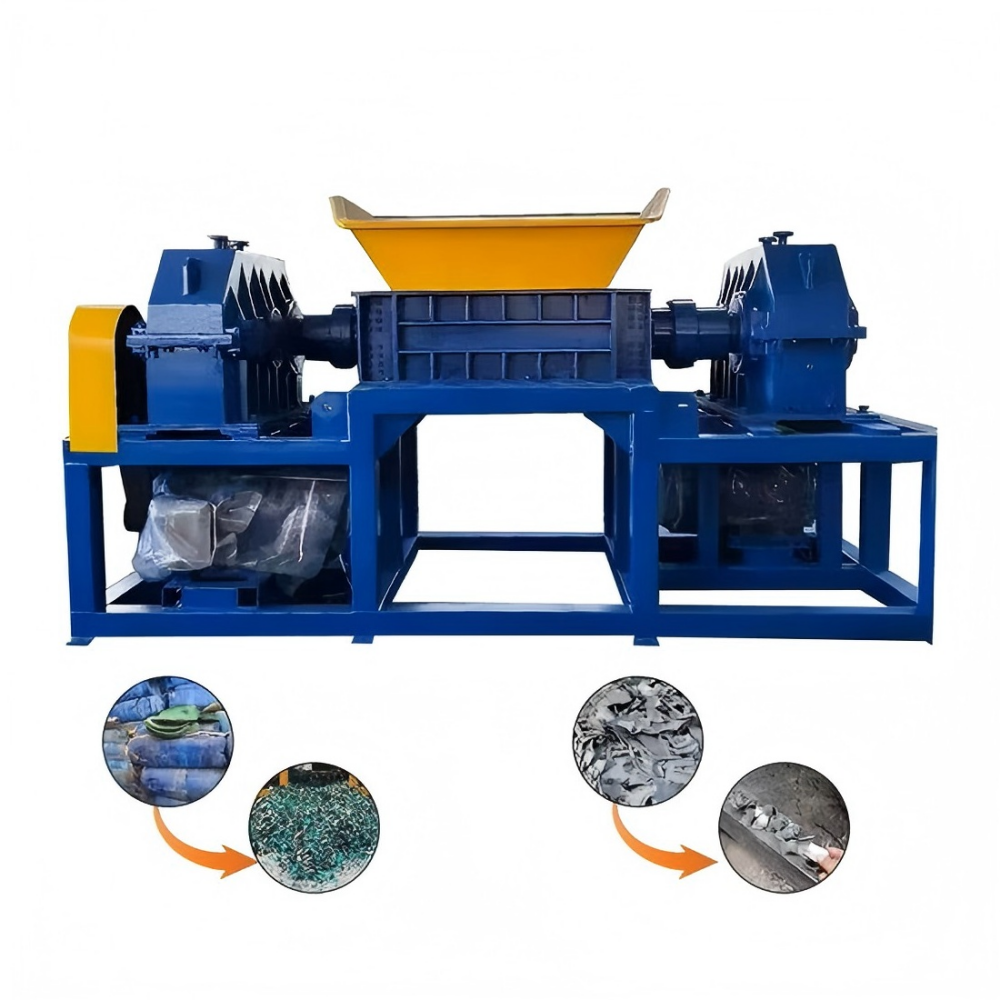
Monitoring the sound and vibration of the machine during startup is equally critical. Experienced operators can often “hear” a problem before it becomes visible. Unusual grinding, squealing, or excessive rattling often points to bearing wear or loose drive components. If the machine vibrates excessively, it may indicate that the shafts are out of alignment or that the blades are unevenly worn. These signs should never be ignored; they are the machine’s way of signaling that a minor adjustment is needed now to prevent a major repair later. Documentation is key here; keeping a daily log helps identify trends in machine behavior over time.
Fasteners and structural integrity must also be verified daily. The intense vibrations inherent in shredding operations can loosen bolts on the motor mounts, bearing housings, and the frame itself. A quick check with a wrench on critical points can prevent a motor from shifting or a bearing from seizing. Additionally, check the discharge area. Ensure that the conveyor or collection bin is clear and that shredded material is flowing freely. Blockages at the discharge point can cause material to back up into the cutting chamber, leading to “slugging” and potential motor burnout.
Hydraulic, Electrical, and Mechanical System Checks
Hydraulic System Integrity
Many industrial shredders utilize hydraulic drives or auxiliary hydraulic systems for ram feeders and screen changers. The health of the hydraulic system is vital for consistent power delivery. Start by checking the oil level in the reservoir; low levels can lead to aeration and overheating. Inspect all hoses and fittings for signs of weeping or leaks. In a high-pressure environment, a pinhole leak can quickly become a dangerous spray and a fire hazard. Furthermore, monitor the hydraulic oil temperature during operation. If the oil is running too hot, it may indicate a failing pump or a clogged heat exchanger, both of which require immediate attention to prevent total system failure.
Electrical and Control Systems
The electrical system is the brain of the industrial shredder. Preventive maintenance for electrical components involves ensuring that all connections are tight and free from corrosion. Dust and debris are the enemies of electrical panels; use compressed air or a vacuum to keep the control cabinet clean. Check the functionality of all sensors, including limit switches and proximity sensors that control the auto-reverse function. The auto-reverse feature is a critical safety and performance mechanism that prevents the motor from stalling when the shredder encounters an over-tough load. If this system fails, the risk of motor damage increases exponentially. Always test the emergency stop buttons at the start of each shift to ensure they are fully operational.
Mechanical Components and Blade Maintenance
The mechanical heart of the shredder consists of the shafts, blades (cutters), and bearings. Mechanical checks should focus on the gap between the blades and the counter-knives. As blades wear down, this gap increases, leading to inefficient cutting and “tearing” rather than shearing. This not only produces a lower quality output but also increases the load on the motor. Depending on the material being processed, blades may need to be rotated or sharpened every few hundred hours of operation. HARSLE shredders are designed for easy access to the cutting chamber, but safety protocols must be strictly followed during these checks.

Bearings are another high-wear mechanical component. They should be checked for heat buildup and excessive play. A bearing that runs hot is often a sign of over-lubrication or the beginning of internal failure. Use an infrared thermometer to track bearing temperatures during a full production cycle. If one bearing is significantly hotter than the others, it is a clear candidate for replacement during the next scheduled maintenance window. Finally, inspect the drive belts or chains for proper tension. Loose belts slip and waste energy, while overly tight belts can damage motor and shaft bearings.
Comprehensive Lubrication Plan
Lubrication is the lifeblood of Industrial Shredder Preventive Maintenance Workshops Plants. Without proper lubrication, the friction generated by heavy-duty shredding will quickly destroy even the most robust components. A successful lubrication plan specifies the type of lubricant, the quantity, and the frequency of application for every moving part. For industrial shredders, this typically involves high-pressure grease for bearings and specialized gear oil for the gearbox. It is essential to use the lubricants recommended by HARSLE, as using the wrong grade can lead to chemical breakdown under high temperatures.
Consistency is more important than quantity. Over-greasing can be just as damaging as under-greasing, as it can blow out seals and allow contaminants to enter the bearing housing. Many modern plants are moving toward automated lubrication systems, which deliver precise amounts of grease at set intervals. If your workshop uses manual lubrication, ensure that the grease nipples are cleaned before application to prevent pumping dirt into the bearing. The gearbox oil should be sampled periodically for metal shavings or water contamination, which can provide an early warning of internal gear wear or seal failure.
Troubleshooting Signals: Identifying Problems Early
Even with the best maintenance, components will eventually wear out. The key to effective Industrial Shredder Preventive Maintenance Workshops Plants is recognizing the early warning signs of failure. One of the most common signals is a change in the throughput rate. If the shredder is taking longer to process the same amount of material, it usually points to dull blades or a slipping drive system. Another signal is the “amperage draw” of the motor. If the motor is consistently drawing more current than usual for a standard load, it indicates that the machine is working harder to overcome internal friction or mechanical resistance.
Vibration analysis is a more advanced troubleshooting technique used in many large plants. By using vibration sensors, technicians can identify specific frequencies associated with bearing defects, shaft misalignment, or unbalance. This allows for “predictive” maintenance, where parts are replaced exactly when they are needed, rather than on a fixed schedule. Additionally, keep an eye on the waste material itself. If the shredded output contains large, unshredded pieces or shows signs of melting (in the case of plastics), it suggests that the blade tolerances are off or that the machine is running too hot.
Industrial Shredder Maintenance Schedule Table
To maintain a high-performing workshop, use the following schedule as a baseline for your maintenance activities. Adjust the frequency based on your specific material throughput and operating environment.
| Frequency | Component | Action Required |
|---|---|---|
| Daily | Cutting Chamber | Clear debris, check for foreign objects. |
| Daily | Safety Systems | Test Emergency Stops and interlocks. |
| Daily | Visual/Audio | Check for leaks, unusual noises, or vibrations. |
| Weekly | Fasteners | Tighten motor mounts and bearing housing bolts. |
| Weekly | Hydraulic System | Check oil levels and filter indicators. |
| Monthly | Blades/Cutters | Inspect for wear, nicks, and proper gap tolerance. |
| Monthly | Drive Belts/Chains | Check tension and signs of wear or cracking. |
| Quarterly | Electrical Panel | Clean dust, tighten terminals, inspect contactors. |
| Quarterly | Lubrication | Deep grease service for all main bearings. |
| Annually | Gearbox | Drain and replace gear oil; inspect internal gears. |
| Annually | Structural | Inspect frame for stress cracks or weld fatigue. |
Frequently Asked Questions (FAQ)
How often should I sharpen my industrial shredder blades?
The frequency of blade sharpening depends entirely on the material being processed. For soft materials like plastics or wood, blades may last 500-1,000 hours. For abrasive materials or metals, they may need attention every 100-200 hours. Always monitor the output quality; if the material is being torn rather than cut, it is time to sharpen or rotate the blades.
What is the most common cause of shredder motor failure?
The most common cause is overheating due to overloading or poor ventilation. This is often exacerbated by dull blades, which force the motor to work harder, or by a buildup of dust and debris around the motor housing that prevents proper cooling. Regular cleaning and blade maintenance are the best ways to protect your motor.
Can I use any high-quality grease for my shredder bearings?
No. Industrial shredders operate under extreme pressure and varying temperatures. You must use a grease with the correct NLGI grade and EP (Extreme Pressure) additives as specified in your HARSLE manual. Using an incompatible grease can lead to rapid bearing failure due to oil separation or inadequate film strength.
Why is my shredder’s auto-reverse function triggering frequently?
Frequent auto-reversing usually indicates that the machine is being overfed or that the material is too tough for the current blade configuration. It can also be a sign of dull blades or a malfunctioning pressure sensor in the hydraulic system. Check your feed rate and blade condition first.
How do I know if my hydraulic oil needs changing?
Beyond the annual change, you should change the oil if it appears cloudy (indicating water contamination), smells burnt (indicating overheating), or if a laboratory oil analysis shows a high count of metal particles. Keeping the oil clean is essential for the longevity of the hydraulic pump and valves.
Conclusion: Investing in Longevity
Mastering Industrial Shredder Preventive Maintenance Workshops Plants is an ongoing commitment that pays dividends in reliability, safety, and profit. By following the structured approach outlined in this guide—from daily visual checks to annual gearbox overhauls—workshops can ensure their HARSLE machinery remains a powerhouse of production. Remember that maintenance is not a cost; it is an investment in the future of your facility. A well-maintained shredder not only performs better but also retains a higher resale value and provides a safer environment for everyone on the plant floor. Stay proactive, keep detailed records, and never overlook the small signals your machine gives you.