
Signs Your Industrial Shredder Needs Immediate Maintenance: A Comprehensive Guide

The Critical Importance of Industrial Shredder Maintenance
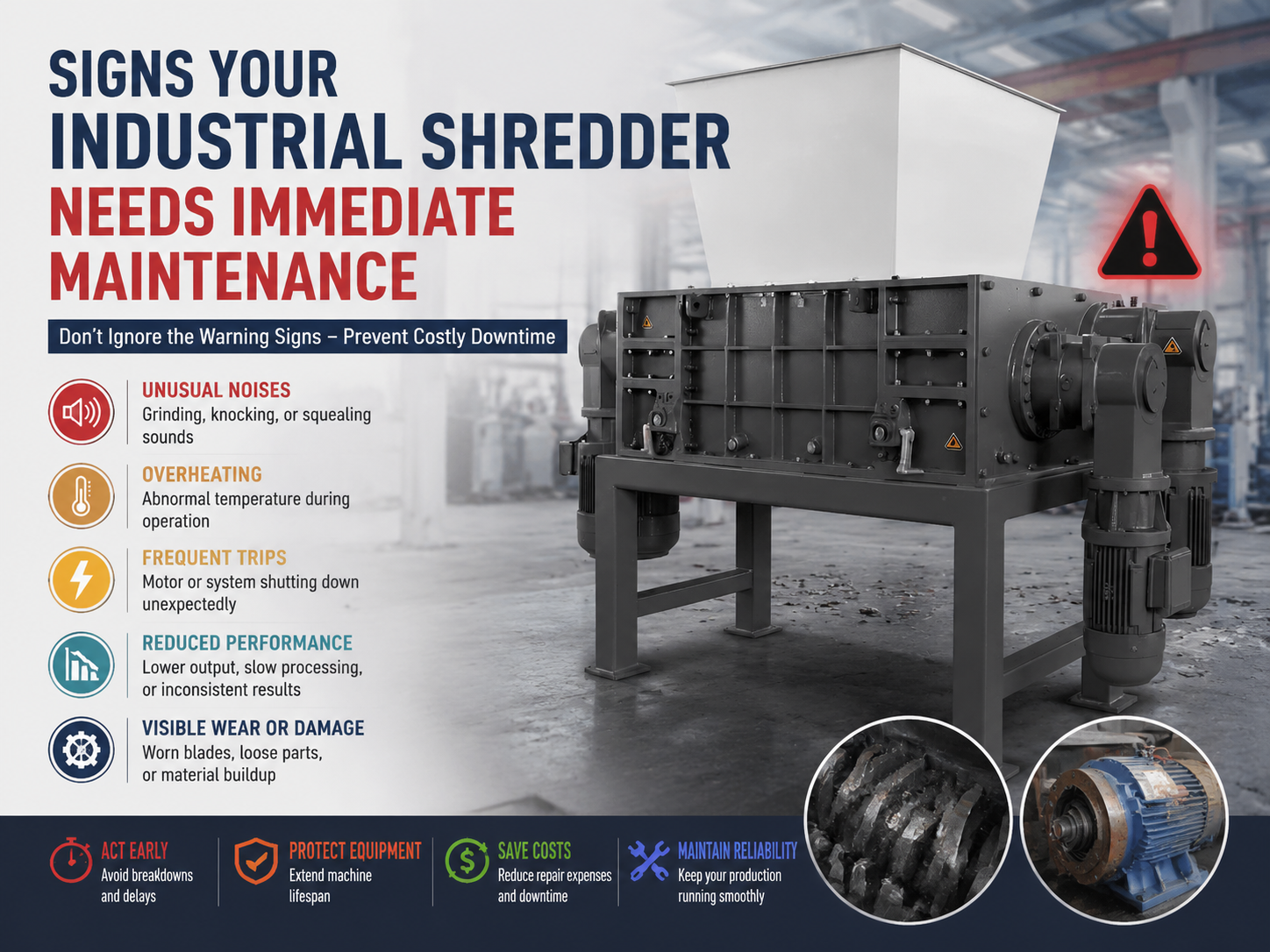
In the world of heavy-duty recycling and metal fabrication, the industrial shredder stands as a cornerstone of efficiency. Whether you are processing scrap metal, plastics, or electronic waste, these machines are designed to handle immense stress. However, the very nature of their work—tearing apart high-density materials—means they are subject to significant wear and tear. Recognizing the signs your industrial shredder needs immediate maintenance is not just a matter of operational preference; it is a necessity for protecting your capital investment and ensuring the safety of your workforce.
Neglecting maintenance leads to a domino effect of failures. What starts as a minor vibration can escalate into a catastrophic shaft failure or a motor burnout, resulting in thousands of dollars in repair costs and weeks of unplanned downtime. For companies utilizing HARSLE equipment, maintaining the precision engineering of the machine is vital to achieving the throughput rates promised by the manufacturer. A proactive maintenance strategy ensures that the shredder operates within its designed parameters, reducing energy consumption and maximizing the lifespan of consumable parts like blades and liners.
Beyond the financial implications, maintenance is a primary safety concern. Industrial shredders operate with massive torque and sharp components. A mechanical failure during operation can lead to flying debris or structural collapses that put operators at risk. By adhering to a strict maintenance schedule and keeping a watchful eye for early warning signals, facility managers can foster a culture of safety and reliability. This guide explores the technical indicators that suggest your machine is crying out for professional attention.
Finally, the quality of the output material is directly tied to the machine’s health. When a shredder is poorly maintained, the particle size becomes inconsistent, and the separation of materials becomes less efficient. This can lower the market value of your recycled output. Therefore, understanding the signs your industrial shredder needs immediate maintenance is essential for maintaining your competitive edge in the recycling industry.
Daily Inspection: The First Line of Defense
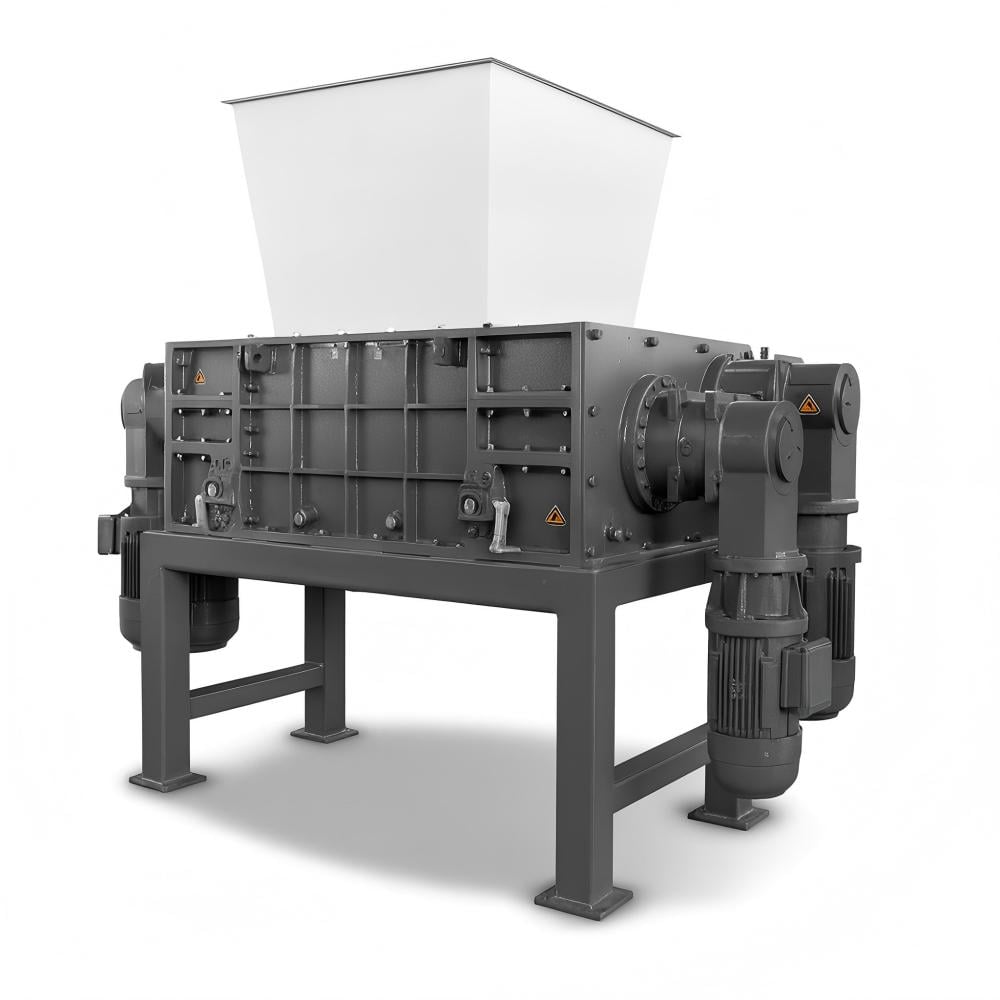
The most effective way to catch issues before they become disasters is through a rigorous daily inspection routine. Before the shift begins, operators should perform a visual walk-around of the machine. This includes checking for any loose bolts, particularly around the hopper and the base frame. The intense vibrations inherent in shredding can cause even the most secure fasteners to back out over time. If you notice a bolt that is missing or loose, it is a clear sign your industrial shredder needs immediate maintenance to prevent structural misalignment.
During the daily check, pay close attention to the area surrounding the machine for any signs of fluid leaks. Puddles of hydraulic oil or gearbox lubricant are red flags. Not only do leaks indicate a seal failure or a cracked hose, but they also pose a significant fire hazard and slip risk. Furthermore, low fluid levels can lead to overheating and friction-related damage within the internal components. Checking the fluid levels on the dipsticks or sight glasses should be a non-negotiable part of the morning startup procedure.
Another critical aspect of the daily inspection is the removal of “tramp” material. This refers to non-shreddable items that may have become wedged in the cutting chamber or wrapped around the shafts. For example, long wires or heavy steel plates that exceed the machine’s capacity can cause unnecessary strain on the motor. Clearing the chamber ensures that the blades can engage the material correctly from the moment the machine is powered on. If the chamber is consistently clogged, it may indicate that the feed rate is too high or that the blades are too dull to pull material through efficiently.
Lastly, listen to the machine during startup. An industrial shredder should have a consistent, rhythmic sound. Any high-pitched squealing, grinding, or irregular thumping should be investigated immediately. These sounds often point to bearing failure or gear teeth misalignment. Catching these auditory cues early can save the gearbox from total destruction. Daily logs should be kept to track these observations, allowing maintenance teams to spot trends over time.
Hydraulic, Electrical, and Mechanical Checks
Hydraulic System Integrity
The hydraulic system is the muscles of the shredder, providing the force necessary to crush and shear tough materials. One of the primary signs your industrial shredder needs immediate maintenance in the hydraulic department is a noticeable drop in pressure. If the machine struggles to process loads that it previously handled with ease, the hydraulic pump may be wearing out, or there may be internal bypass leakage in the valves. Monitoring the pressure gauges during peak operation is essential for diagnosing these issues.
Temperature is another critical factor. Hydraulic oil should operate within a specific temperature range, usually between 40°C and 60°C. If the oil is running hot, it loses its viscosity, leading to poor lubrication and accelerated wear on the pump and cylinders. Overheating is often caused by clogged oil coolers or contaminated filters. If the oil appears cloudy or dark, it has likely oxidized or become contaminated with water or particulates, requiring an immediate flush and filter replacement.
Electrical System and Controls
Modern shredders rely on sophisticated PLC (Programmable Logic Controller) systems to manage torque and prevent motor overloads. An obvious sign of electrical trouble is frequent tripping of the circuit breakers or the activation of overload sensors. While these are safety features designed to protect the motor, frequent occurrences suggest that the machine is either being overworked or that there is an electrical fault, such as a loose connection or a failing motor winding. Amperage spikes should be monitored; if the motor is drawing more current than usual for a standard load, it indicates mechanical resistance or electrical inefficiency.
Inspect the control panel for any burnt smells or discolored wiring, which are signs of overheating. Additionally, ensure that all emergency stop buttons and safety interlocks are functioning perfectly. A malfunctioning safety sensor is a critical failure that requires the machine to be locked out until repaired. In environments with high dust levels, electrical cabinets must be kept clean and sealed to prevent short circuits caused by conductive dust accumulation.
Mechanical Components and Shaft Alignment
The mechanical heart of the shredder consists of the shafts, bearings, and gears. Shaft misalignment is a subtle but deadly issue. It can be caused by uneven wear or a heavy impact from an unshreddable object. Signs of misalignment include uneven blade wear and excessive heat generation at the bearing housings. If one side of the cutting chamber is processing material differently than the other, the shafts may no longer be parallel, necessitating a professional alignment service.
Bearings are the most common point of mechanical failure. They should be checked for “play” or movement. If you can physically move the shaft within the bearing housing, the bearing is shot. Furthermore, the gearbox should be inspected for metal shavings in the oil. Using a magnetic plug in the gearbox drain can help identify internal gear wear early. If you find significant metal debris, the gearbox requires an immediate teardown to prevent a catastrophic lock-up.
The Lubrication Plan: Preventing Friction Damage
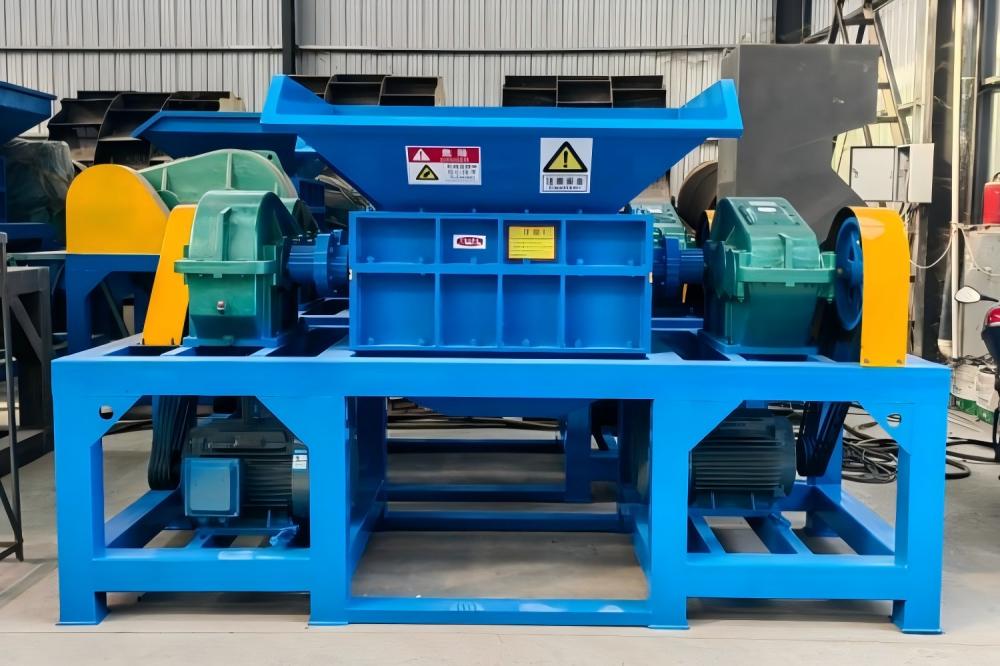
Lubrication is the lifeblood of any industrial machine. Without a proper lubrication plan, the metal-on-metal contact within the shredder will lead to rapid degradation. The first step in a lubrication plan is identifying all grease points, which typically include the main shaft bearings, conveyor bearings, and motor pivots. Using the wrong type of grease is a common mistake; industrial shredders require high-pressure (EP) grease that can withstand the heat and shock loads of the shredding process.
The frequency of lubrication depends on the operating environment. In high-dust or high-temperature settings, grease can become contaminated or dry out quickly. A sign your industrial shredder needs immediate maintenance is “purging” of old, black grease from the seals, which indicates that the lubricant has broken down and is no longer protecting the bearing. New grease should be applied until clean grease is seen exiting the seal, ensuring that all contaminants are pushed out.
Automatic lubrication systems are highly recommended for HARSLE shredders. These systems deliver small, precise amounts of grease at regular intervals, ensuring constant protection. However, these systems also need maintenance. Operators must regularly check the reservoir levels and inspect the delivery lines for blocks or breaks. A broken line can lead to a bearing being starved of oil, leading to failure within hours. If the automatic system’s warning light is active, it is a sign that immediate intervention is required.
Troubleshooting Signals: What Your Shredder is Telling You
Learning to interpret the “language” of your machinery is a skill that saves time and money. One of the most common troubleshooting signals is unusual vibration. While all shredders vibrate, a change in the frequency or intensity is a warning. This could be caused by a broken blade, an unbalanced shaft, or a failing foundation. If the vibration is localized to the motor, it might indicate a coupling issue. Ignoring vibration will eventually lead to cracked welds in the machine frame.
Inconsistent output size is another major signal. If the shredded material is coming out in larger chunks than the screen size should allow, there is likely a hole in the screen or the gap between the blades (the “clearance”) has become too wide. As blades wear down, the shearing action is replaced by a tearing action, which requires more power and produces inferior results. If you notice the motor laboring more than usual, check the blade sharpness immediately.
Smoke or burning odors are emergency signals. Smoke from the cutting chamber usually indicates that material is being friction-heated rather than cut, often due to dull blades or a jammed shaft. Smoke from the motor or electrical cabinet indicates an electrical fire or a severe overload. In either case, the machine should be stopped immediately using the emergency stop. Finally, if the machine reverses frequently, the auto-reverse logic is detecting an overload. While this protects the machine, constant reversing significantly lowers throughput and suggests that the material being fed is too tough or the blades are too dull to grab the material.
Maintenance Schedule Table
To keep your HARSLE industrial shredder in top condition, follow this structured maintenance schedule. This table serves as a baseline for most heavy-duty shredding operations.
| Frequency | Component | Action Required |
|---|---|---|
| Daily | Cutting Chamber | Clear tramp metal and debris; check for loose blades. |
| Daily | Hydraulic System | Check oil levels and inspect hoses for leaks. |
| Weekly | Bearings | Apply grease to all manual points; check for heat/noise. |
| Weekly | Fasteners | Torque check on motor mounts and hopper bolts. |
| Monthly | Drive Belts/Chains | Check tension and look for signs of fraying or wear. |
| Monthly | Electrical Cabinet | Vacuum dust; check for loose terminal connections. |
| Quarterly | Hydraulic Oil | Perform oil analysis; replace filters. |
| Annually | Gearbox | Drain and replace gear oil; inspect internal gears. |
| Annually | Structural Frame | Inspect for stress cracks or weld fatigue. |
Frequently Asked Questions (FAQ)
1. How do I know when my shredder blades need sharpening?
The most obvious sign is a decrease in throughput and an increase in power consumption. If the material is being “chewed” rather than cleanly cut, or if the machine is reversing more frequently than usual, it is time to inspect the blade edges. Rounded edges on the cutters are a clear indicator that sharpening or replacement is necessary.
2. Why is my industrial shredder overheating?
Overheating can occur in the motor or the hydraulic system. Motor overheating is often caused by overfeeding the machine or a buildup of dust preventing proper cooling. Hydraulic overheating is usually due to a clogged oil cooler, low oil levels, or a pump that is working too hard due to internal wear.
3. Can I use any hydraulic oil in my HARSLE shredder?
No. You should always follow the manufacturer’s specifications regarding oil viscosity and additives. Using the wrong oil can lead to poor lubrication at high temperatures and may void your warranty. Most industrial shredders require an anti-wear (AW) hydraulic oil of a specific ISO grade.
4. What should I do if I hear a loud metal-on-metal clunking sound?
Stop the machine immediately. This sound usually indicates that a piece of unshreddable tramp metal has entered the chamber or that a blade has broken off and is tumbling in the cutters. Continuing to operate the machine can lead to a cracked shaft or destroyed gearbox.
5. How often should I check the gearbox oil?
You should check the oil level weekly. However, a full oil change and internal inspection should be performed at least once a year, or more frequently if the machine is used in a 24/7 production environment. Always look for metal particulates during the check, as this is an early sign of gear failure.
6. Is vibration always a bad sign?
Some vibration is normal for a machine that is tearing apart solid objects. However, “rhythmic” or “increasing” vibration is a concern. If the vibration causes the machine to move on its foundation or if it can be felt in the surrounding floor, you need to check the shaft balance and the integrity of the mounting bolts.


