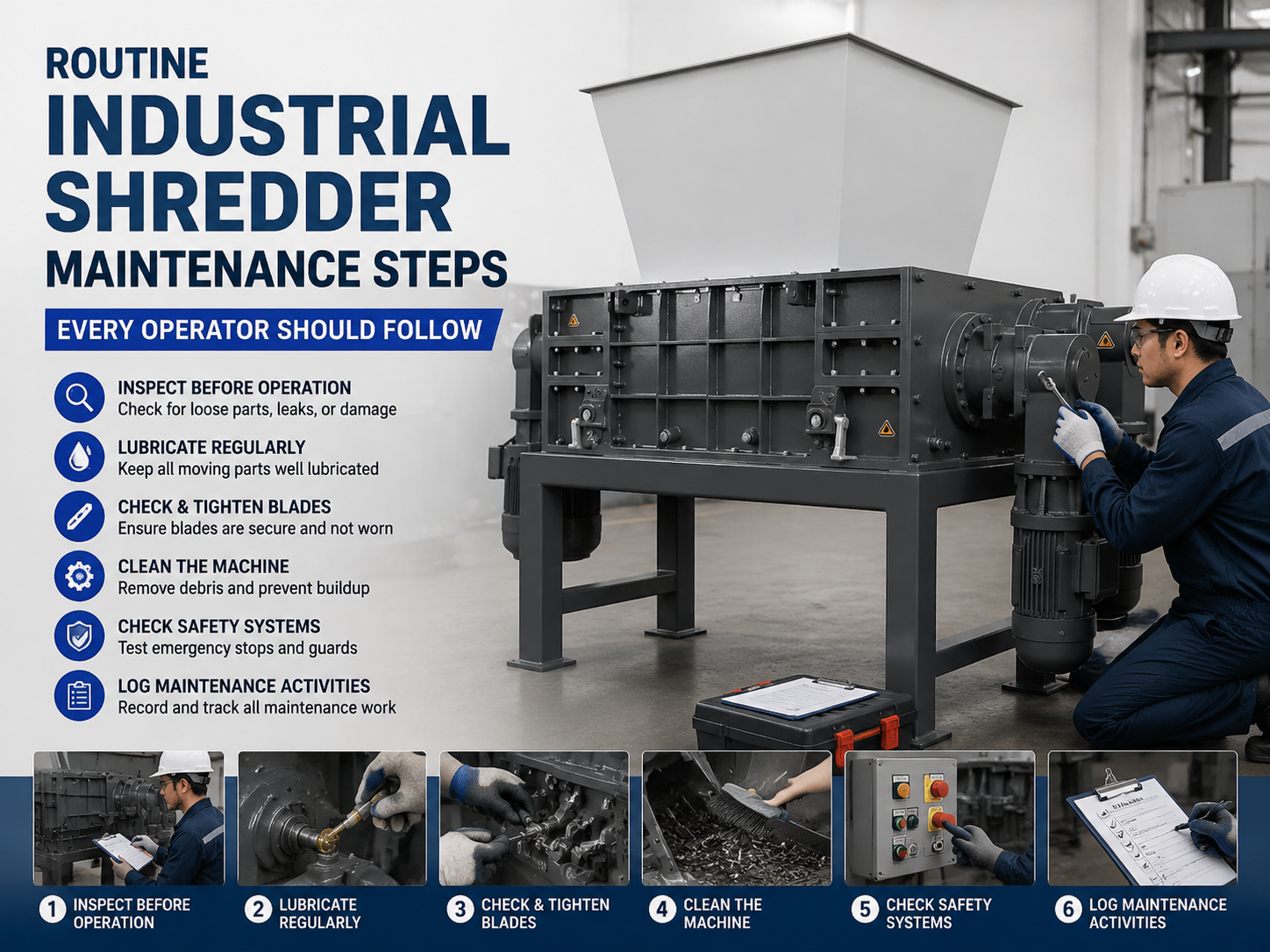
Routine Industrial Shredder Maintenance Steps Every Operator Should Follow

The Critical Importance of Industrial Shredder Maintenance
In the high-stakes world of metal fabrication and waste management, the industrial shredder stands as a cornerstone of efficiency. However, the sheer force and abrasive nature of shredding operations mean that these machines are subject to extreme wear and tear. Implementing routine industrial shredder maintenance steps every operator should follow is not merely a suggestion; it is a fundamental requirement for operational success. Without a structured maintenance program, even the most robust HARSLE shredder can succumb to premature component failure, leading to costly downtime and safety hazards.
Maintenance serves three primary purposes: ensuring safety, maximizing machine longevity, and optimizing performance. From a safety perspective, a well-maintained shredder reduces the risk of catastrophic mechanical failure that could injure personnel. Economically, regular upkeep prevents small issues—like a loose bolt or a minor hydraulic leak—from escalating into major repairs that require expensive replacement parts and days of lost production. Furthermore, a shredder that is kept in peak condition operates more efficiently, consuming less energy and producing a more consistent output size.
Operators are the first line of defense in this process. Because they interact with the machinery daily, they are best positioned to notice subtle changes in sound, vibration, or performance. By empowering operators with a clear understanding of routine industrial shredder maintenance steps every operator should follow, companies can foster a culture of proactive care rather than reactive repair. This guide provides a comprehensive roadmap for maintaining industrial shredders, focusing on the technical nuances that ensure these powerful machines continue to deliver value for years to come.
Daily Inspection: The Operator’s First Line of Defense
The daily inspection is perhaps the most vital component of any maintenance strategy. It should be performed at the start of every shift before the machine is powered on. This visual and physical walkthrough allows the operator to identify potential problems before they cause a breakdown. The first step is a general cleaning of the machine’s exterior. Dust, metal shavings, and debris can accumulate around motors and cooling vents, leading to overheating. Ensuring that the cooling systems are clear is essential for maintaining the thermal stability of the electrical components.
Next, the operator must inspect the cutting chamber. While the machine is locked out and tagged out (LOTO), the operator should check for any foreign objects that might have been left in the hopper from the previous shift. They should also look for signs of blade damage, such as chipping or excessive rounding of the edges. Even a single damaged blade in a four-shaft shredder can disrupt the balance of the entire cutting system, leading to increased vibration and wear on the bearings. Checking the tightness of the fasteners on the access doors and the hopper is also critical, as the intense vibrations of shredding can loosen even the most secure bolts over time.
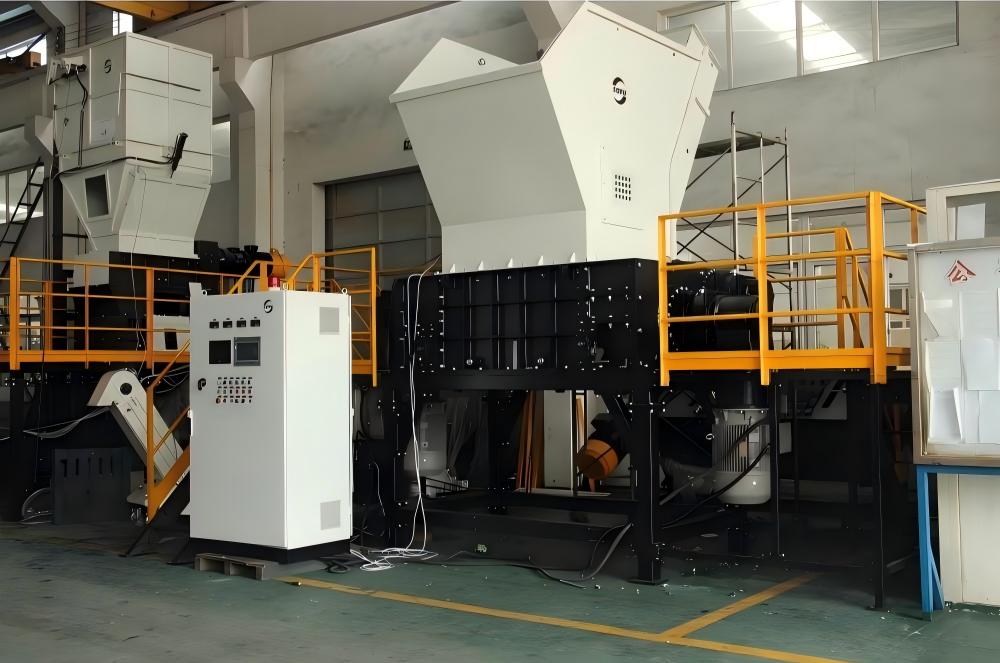
Finally, the daily check must include an assessment of the discharge area. If the shredded material is not clearing the machine efficiently, it can back up into the cutting chamber, causing a “bridge” or a jam. Operators should ensure that conveyors or collection bins are properly aligned and functioning. By spending just 15 to 20 minutes each morning on these routine industrial shredder maintenance steps every operator should follow, a facility can avoid hours of unplanned downtime later in the day.
Hydraulic, Electrical, and Mechanical System Checks
Hydraulic System Integrity
Many industrial shredders rely on hydraulic drive systems to provide the high torque necessary for processing tough materials. Maintaining the hydraulic system involves more than just checking the oil level. Operators should inspect all hoses and fittings for signs of weeping or leaks. A small leak is often a precursor to a high-pressure hose failure, which can be dangerous and messy. Additionally, the hydraulic oil temperature should be monitored during operation; if the oil becomes too hot, it loses its lubricating properties and can damage the pump and valves.
The quality of the hydraulic fluid is equally important. Over time, hydraulic oil can become contaminated with moisture or fine metal particles. Operators should check the fluid’s color and clarity through the sight glass. If the oil appears milky, it indicates water contamination, while a dark, burnt smell suggests overheating. Regular filter changes, as specified by the manufacturer, are essential to keep the system clean and prevent internal component erosion.
Electrical and Control Systems
The electrical system is the brain of the shredder. Routine maintenance here involves checking the integrity of all wiring and connections. Vibration can cause electrical terminals to loosen, leading to intermittent faults or even electrical fires. Operators should ensure that the control cabinet is kept closed and that the seals are intact to prevent dust and moisture from entering. The emergency stop buttons must be tested daily to ensure they are fully functional and can cut power to the machine instantly in an emergency.
Modern shredders often feature PLC (Programmable Logic Controller) systems that provide diagnostic data. Operators should be trained to read these displays and understand any warning codes that appear. Monitoring the motor’s current draw is also a useful maintenance step; a sudden increase in amperage during normal operation may indicate that the blades are dull or that there is a mechanical obstruction causing the motor to work harder than necessary.
Mechanical Components and Drive Train
The mechanical heart of the shredder consists of the shafts, bearings, and gearbox. These components are under constant stress. Operators should listen for unusual noises, such as grinding or high-pitched squealing, which can indicate bearing failure. The alignment of the drive shafts should be checked periodically, as misalignment can lead to uneven wear on the couplings and increased vibration. In four-shaft shredders, the synchronization of the shafts is critical for the self-feeding mechanism to work correctly.
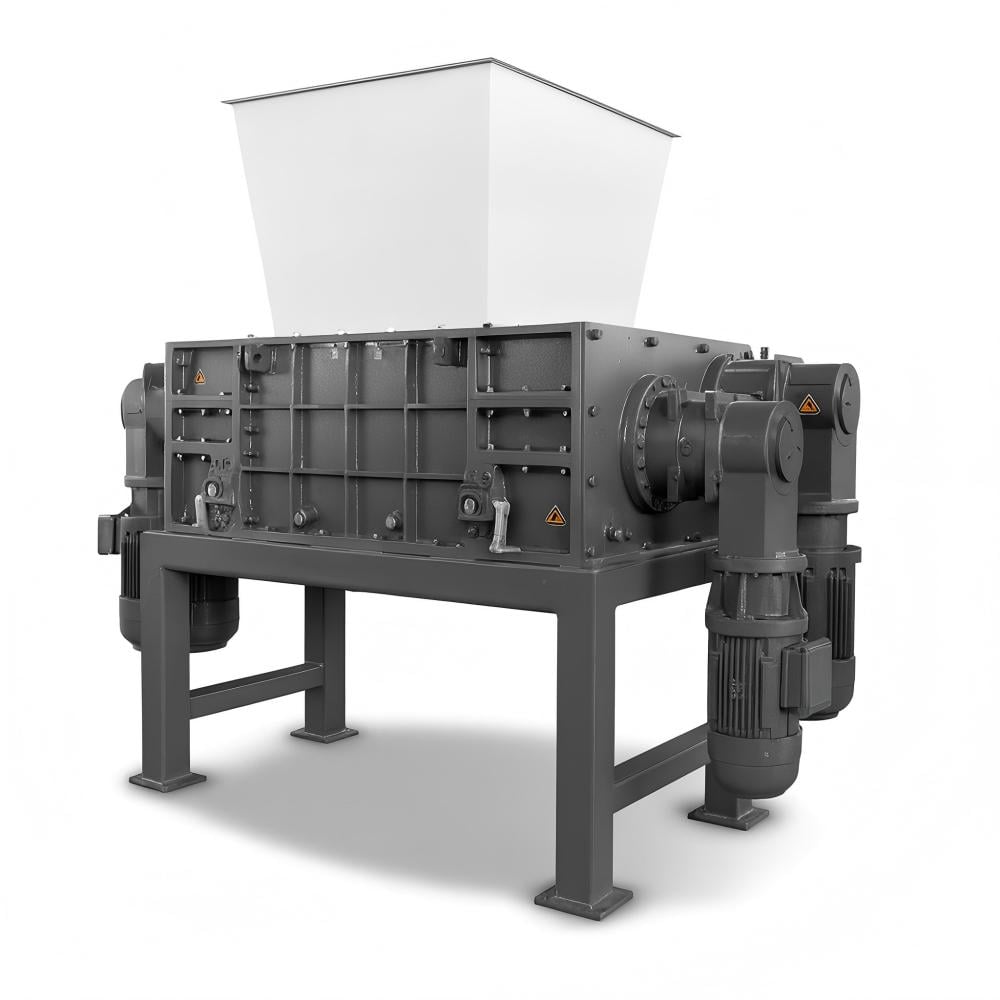
Fasteners throughout the drive train must be checked for tightness. The torque requirements for these bolts are often very high, and using a calibrated torque wrench is necessary to ensure they are properly secured. Furthermore, the gearbox oil level should be checked regularly, and the oil should be replaced according to the manufacturer’s schedule to ensure the gears remain properly lubricated and cooled during heavy-duty cycles.
The Lubrication Plan: Ensuring Smooth Operation
Lubrication is the lifeblood of industrial machinery. A well-executed lubrication plan is one of the most effective routine industrial shredder maintenance steps every operator should follow to prevent friction-related failures. Bearings, in particular, require consistent lubrication to dissipate heat and prevent metal-on-metal contact. Most industrial shredders utilize high-pressure grease, but the specific type of grease is critical. Operators must use the lubricant recommended by HARSLE or the component manufacturer, as mixing different types of grease can lead to chemical reactions that harden the lubricant and block the grease channels.
The frequency of lubrication depends on the machine’s duty cycle. For shredders operating in multi-shift environments, daily greasing of the main shaft bearings may be required. Many modern machines are equipped with automatic lubrication systems. While these systems reduce the manual labor involved, they still require maintenance. Operators must regularly check the grease reservoir levels and inspect the distribution lines to ensure that grease is actually reaching the lubrication points. A blocked line in an automatic system can lead to a bearing failure that goes unnoticed until it is too late.
Over-lubrication is a common mistake that can be just as damaging as under-lubrication. Excessive grease can cause seals to fail and can actually trap heat within the bearing housing, leading to premature failure. Operators should be trained on the correct amount of grease to apply—often measured in “pumps” of a grease gun or by observing when a small amount of fresh grease begins to purge from the seals. Keeping a detailed lubrication log helps ensure that no points are missed and provides a history of the machine’s care.
Troubleshooting Signals: What the Machine is Telling You
An experienced operator develops an intuition for their machine, but there are specific troubleshooting signals that everyone should be trained to recognize. One of the most common signals is a change in the sound of the shredder. A rhythmic thumping often indicates that a blade is loose or that a large piece of material is stuck in the cutters. A high-pitched whine might suggest a failing hydraulic pump or a bearing that has run dry. Ignoring these sounds is a recipe for disaster.
Vibration is another key indicator. While all shredders vibrate to some extent, an increase in the amplitude or frequency of vibration is a red flag. This can be caused by unbalanced shafts, worn-out shock absorbers, or an unstable foundation. If the vibration becomes excessive, the machine should be stopped immediately for a thorough inspection. Additionally, monitoring the output material can provide clues about the machine’s health. If the shredded pieces are becoming larger or more irregular, it is a clear sign that the blades are dull or that the gap between the blades and the counter-knives needs adjustment.
Temperature monitoring is also essential. Operators should use infrared thermometers to check the temperature of motors, bearings, and hydraulic components. A “hot spot” is a definitive sign of trouble. For example, if one bearing is significantly hotter than the others, it is likely failing or lacks lubrication. By responding to these troubleshooting signals early, operators can perform minor adjustments that prevent the need for major overhauls.
Comprehensive Maintenance Schedule Table
To simplify the management of these tasks, the following table outlines the routine industrial shredder maintenance steps every operator should follow, categorized by frequency.
| Frequency | Component | Maintenance Task |
|---|---|---|
| Daily | Hopper & Chamber | Visual check for debris and blade damage; clear obstructions. |
| Daily | Safety Systems | Test emergency stops and interlocks; ensure guards are in place. |
| Daily | Hydraulics | Check oil levels and look for leaks in hoses/fittings. |
| Weekly | Lubrication | Grease main bearings and pivot points (if not automated). |
| Weekly | Fasteners | Inspect and tighten bolts on the cutting chamber and drive train. |
| Weekly | Electrical | Clean cooling fans and inspect control cabinet seals. |
| Monthly | Blades/Cutters | Measure blade wear and check for proper clearance/gap. |
| Monthly | Drive Belts/Chains | Check tension and inspect for signs of fraying or wear. |
| Quarterly | Hydraulic Fluid | Perform oil analysis and replace filters. |
| Quarterly | Gearbox | Check oil level and inspect for metal shavings in the oil. |
| Yearly | Full System Audit | Comprehensive inspection of structural integrity and motor health. |
| Yearly | Oil Change | Complete replacement of hydraulic and gearbox oils. |
Frequently Asked Questions (FAQ)
How often should shredder blades be sharpened?
The frequency of blade sharpening depends entirely on the material being processed. Shredding abrasive materials like glass-filled plastics or contaminated metals will dull blades much faster than clean aluminum or wood. Generally, blades should be inspected monthly. If you notice a significant drop in throughput or an increase in the size of the shredded material, it is time to sharpen or rotate the blades. Many HARSLE shredders feature reversible blades, allowing you to use a fresh edge before needing a full regrind.
What is the most common cause of industrial shredder failure?
The most common cause of failure is a lack of proper lubrication and the failure to remove non-shreddable items from the feed stream. Bearings that run dry will seize, and “unshreddables” like heavy steel plates or large rocks can cause catastrophic shaft breakage or gearbox failure. Implementing a strict pre-sorting process and following the routine industrial shredder maintenance steps every operator should follow regarding lubrication can eliminate the majority of these failures.
Can I use any hydraulic oil in my shredder?
No. You must use the specific grade and type of hydraulic oil recommended in your machine’s manual. Industrial shredders operate under high pressure and varying temperatures; using the wrong oil can lead to poor performance, increased wear on the pump, and the breakdown of seals. Always check the ISO viscosity grade and ensure the oil has the necessary anti-wear (AW) additives.
Why is my shredder vibrating more than usual?
Excessive vibration is usually caused by one of three things: dull or broken blades creating an unbalanced load, loose mounting bolts on the motor or gearbox, or worn-out bearings. Start by checking the cutting chamber for any jammed material. If the chamber is clear, inspect the mechanical fasteners and the condition of the bearings. Do not continue to operate a shredder that is vibrating excessively, as this can lead to structural cracks in the machine frame.
How do I know if my automatic lubrication system is working?
The best way to verify an automatic system is to check the grease points manually. You should see a small amount of fresh grease around the seals of the bearings. Additionally, monitor the grease level in the reservoir; if the level doesn’t drop over several days of operation, the system is likely blocked or the pump has failed. Most systems also have a pressure gauge; a sudden spike in pressure indicates a blockage, while a drop in pressure indicates a leak in the distribution lines.
Is it necessary to clean the shredder daily?
Yes. While it might seem tedious, daily cleaning prevents the buildup of flammable dust and ensures that cooling systems can function. It also makes it much easier to spot leaks or cracks that would otherwise be hidden under a layer of grime. A clean machine is a safer machine and a more reliable one.