Comprehensive Industrial Shredder Maintenance Checklist for Longer Machine Life

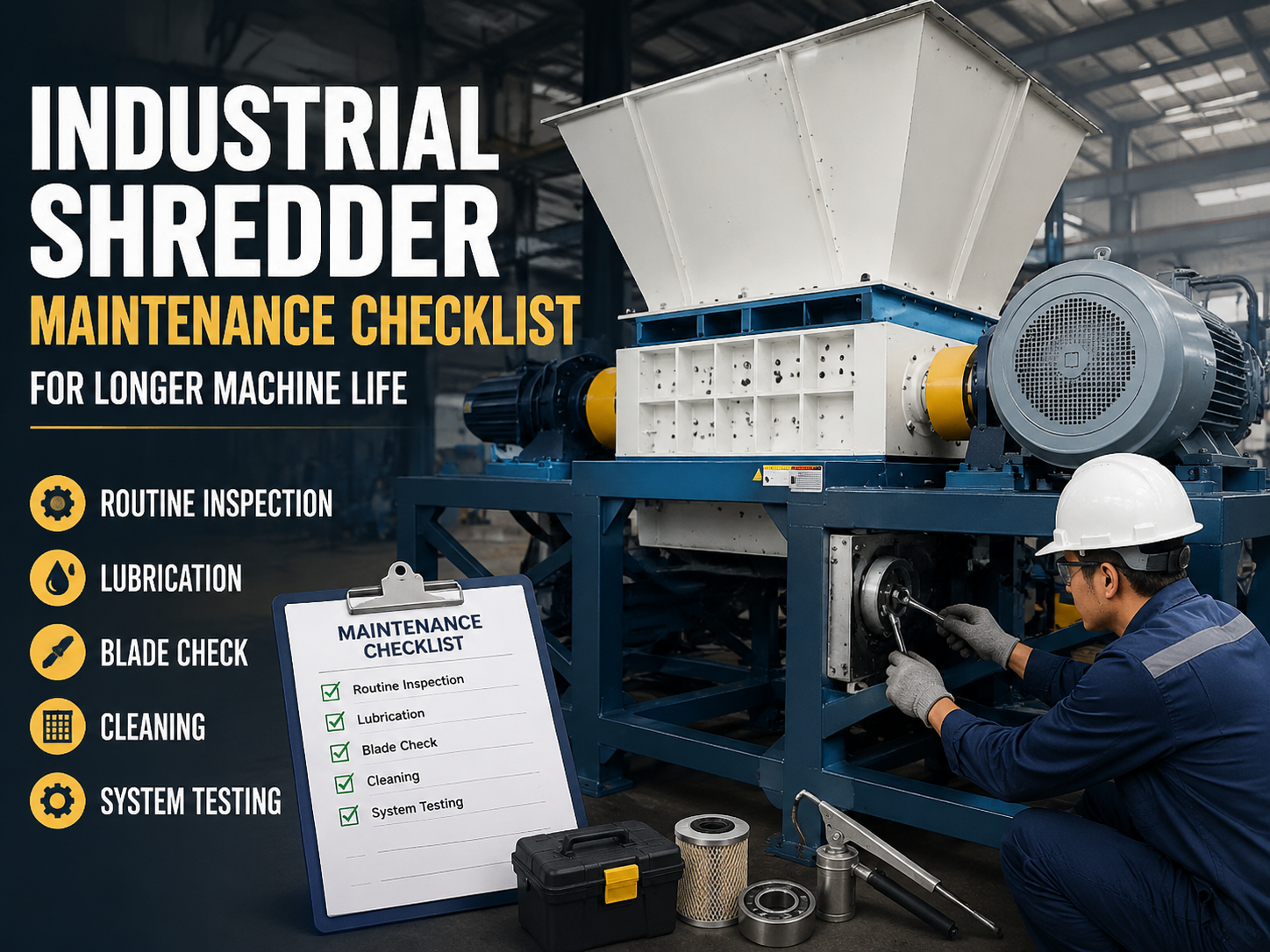
The Critical Importance of an Industrial Shredder Maintenance Checklist for Longer Machine Life
In the high-demand world of metal fabrication and waste management, the industrial shredder stands as a cornerstone of efficiency. Whether you are processing scrap metal, plastics, or electronic waste, these machines are subjected to immense mechanical stress, high torque, and abrasive environments. Implementing a rigorous Industrial Shredder Maintenance Checklist Longer Machine Life is not merely a recommendation; it is a financial necessity. Without a structured maintenance program, the cost of unplanned downtime, emergency repairs, and premature component failure can quickly erode the profitability of any recycling operation.
The primary goal of a maintenance checklist is to transition from a reactive mindset—fixing things when they break—to a proactive or predictive strategy. By identifying wear and tear before it leads to a catastrophic failure, operators can schedule repairs during planned downtime, ensuring that production targets remain unaffected. Furthermore, a well-maintained shredder operates at peak efficiency, consuming less energy and producing a more consistent output size, which is critical for downstream processing. HARSLE emphasizes that the longevity of your equipment is directly proportional to the consistency of your maintenance efforts.
Safety is another paramount reason for adhering to a strict maintenance schedule. Industrial shredders are powerful machines capable of exerting hundreds of thousands of pounds of force. A loose bolt, a frayed hydraulic hose, or a malfunctioning emergency stop can lead to severe workplace accidents. A comprehensive checklist ensures that all safety protocols and mechanical safeguards are functioning correctly, protecting both the machine and the personnel operating it. In the following sections, we will break down the essential components of a maintenance strategy designed to maximize the lifespan of your industrial shredder.
Finally, maintaining detailed records of all maintenance activities is essential for warranty compliance and resale value. Should you decide to upgrade your facility, a machine with a documented history of professional care will command a significantly higher price on the secondary market. This guide provides the technical depth required to build a world-class maintenance culture within your facility, focusing on the specific needs of heavy-duty shredding equipment.
Daily Inspection: The First Line of Defense
The daily inspection is the most critical part of the Industrial Shredder Maintenance Checklist Longer Machine Life. It should be performed at the start of every shift and takes approximately 15 to 30 minutes. This routine check is designed to catch obvious issues that could escalate into major problems during the day’s operation. Operators should begin with a visual sweep of the entire machine, looking for any signs of fluid leaks, loose fasteners, or structural cracks in the frame or hopper.
One of the most important daily tasks is clearing the cutting chamber of any residual material from the previous shift. Accumulated debris can harden or become wedged, creating unnecessary resistance when the machine starts up. This extra load puts undue stress on the motor and drive system. Operators should also inspect the cutting blades or hammers for visible damage. While a full sharpening isn’t required daily, checking for large chips or missing teeth can prevent an unbalanced rotor, which leads to destructive vibrations.
Fasteners and bolts are prone to loosening due to the constant vibration inherent in shredding operations. Pay particular attention to the bolts securing the blades, the motor mounts, and the bearing housings. A single loose bolt in the cutting chamber can be dislodged and processed through the machine, causing catastrophic damage to the rotors. Using a torque wrench to verify critical fasteners is a best practice that pays dividends in machine longevity.
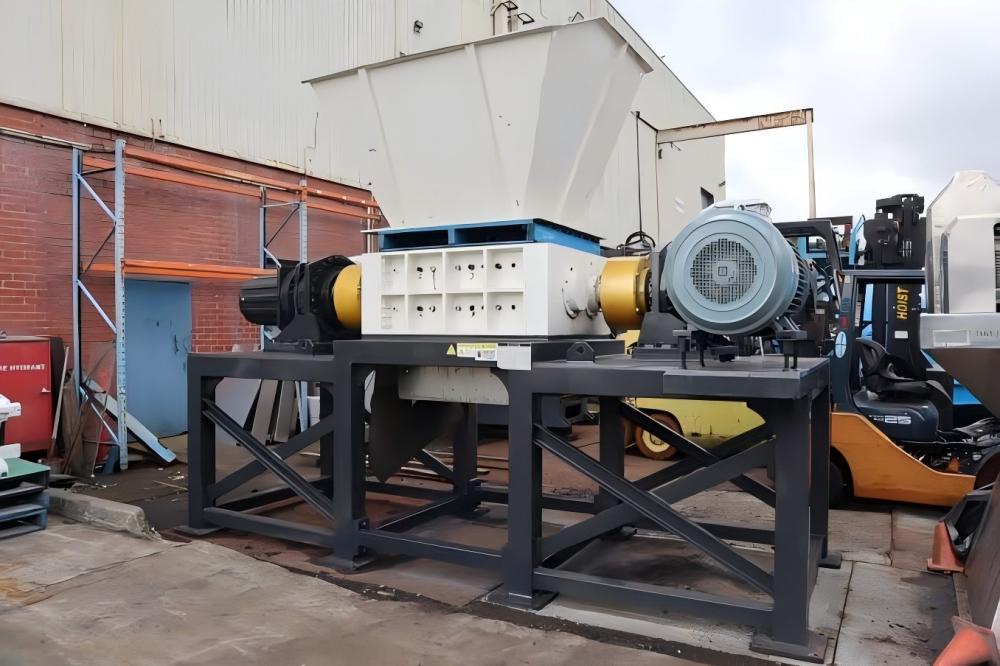
Finally, the daily check must include a test of all safety systems. This includes emergency stop buttons, interlock switches on access doors, and any light curtains or pressure mats. If a safety device fails to stop the machine instantly, the shredder must be locked out and tagged out until the issue is resolved. Never bypass safety sensors to maintain production, as this is the leading cause of both machine damage and operator injury.
Hydraulic, Electrical, and Mechanical System Checks
Hydraulic System Integrity
For shredders that utilize hydraulic drive systems or hydraulic rams for material feeding, the hydraulic system is the lifeblood of the machine. Maintenance begins with monitoring fluid levels and quality. Hydraulic oil should be clear; if it appears milky, it indicates water contamination, while a dark, burnt smell suggests overheating. Both conditions require immediate oil and filter changes to prevent damage to expensive pumps and valves.
Check all hoses for signs of abrasion, bulging, or weeping at the fittings. High-pressure hydraulic leaks are not only a fire hazard but can also cause “fluid injection” injuries to personnel. Ensure that the hydraulic cooling system—whether air-cooled or water-cooled—is free of dust and debris. If the oil temperature exceeds the manufacturer’s recommended range (typically 50-60°C), the viscosity drops, leading to increased wear on internal pump components and reduced shredding power.
Electrical System and PLC Monitoring
The electrical cabinet is the brain of the industrial shredder. Over time, vibrations can loosen wire terminations, leading to arcing or intermittent faults. Monthly, a qualified electrician should inspect the control panel, tightening terminals and checking for signs of heat damage on contactors and relays. Dust is a major enemy of electrical components; ensure that cabinet filters are cleaned or replaced regularly to maintain proper airflow and cooling for the PLC and Variable Frequency Drives (VFDs).
Modern shredders often feature PLC-based diagnostic systems. Operators should regularly check the fault logs for any recurring warnings, even if they don’t stop the machine. These warnings are often early indicators of motor overloads or sensor misalignments. Additionally, check the insulation resistance of the main drive motors annually to detect potential winding failures before they occur.
Mechanical Drive Train and Rotor Alignment
The mechanical drive train, consisting of the motor, gearbox, couplings, and rotors, bears the brunt of the shredding force. Gearbox oil levels must be checked weekly, and the oil should be sampled for metal shavings, which indicate gear wear. Ensure that the couplings between the motor and gearbox are properly aligned; even a slight misalignment can cause premature bearing failure and excessive vibration.
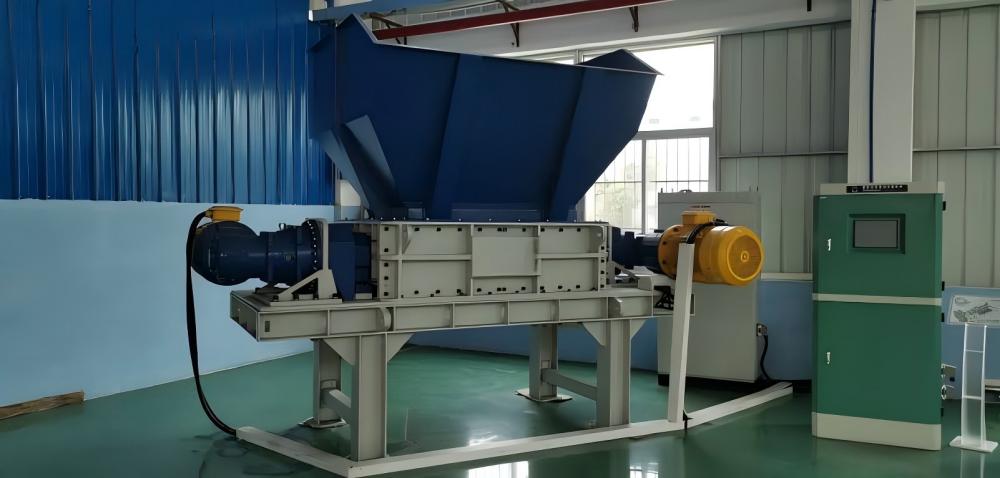
The rotor bearings are among the most stressed components. Listen for unusual noises such as grinding or squealing, which suggest a lack of lubrication or internal damage. Using an infrared thermometer to check bearing housing temperatures is an excellent way to identify problems; a bearing that is significantly hotter than its counterpart is likely failing. Proper rotor alignment ensures that the cutting gap remains consistent, which is vital for efficient shredding and preventing the blades from striking each other.
The Comprehensive Lubrication Plan
Lubrication is the single most effective way to extend the life of moving parts. However, more is not always better; over-greasing can be just as damaging as under-greasing, as it can blow out seals and attract abrasive dust. A professional Industrial Shredder Maintenance Checklist Longer Machine Life must specify the type of lubricant, the location of the grease points, and the exact interval for application.
Main rotor bearings typically require high-pressure, extreme-pressure (EP) grease that can withstand the shock loads of shredding. If your machine is equipped with an automatic lubrication system, your daily task is simply to ensure the reservoir is full and the pump is functioning. For manual systems, follow the manufacturer’s stroke count for each grease nipple. It is vital to clean the grease fitting before attaching the gun to avoid pumping dirt directly into the bearing.
Beyond the bearings, other components such as drive chains, slide ways for hydraulic pushers, and pivot points on hoppers require regular lubrication. For chains, use a dedicated chain lube that penetrates the links rather than just sitting on the surface. In dusty environments, consider using a dry-film lubricant that won’t attract grit, which can act as a grinding paste and accelerate wear.
Troubleshooting Signals: Listening to Your Machine
Experienced operators develop an intuition for their equipment, often “sensing” a problem before it shows up on a gauge. One of the most common signals of trouble is a change in the acoustic profile of the machine. A rhythmic thumping might indicate a loose blade, while a high-pitched whine could signal a failing hydraulic pump or a slipping drive belt. If the machine suddenly sounds different, it should be stopped and inspected immediately.
Vibration is another key indicator. While all shredders vibrate, an increase in amplitude or a change in the vibration pattern usually points to an unbalanced rotor, worn bearings, or structural issues with the machine’s foundation. Using a handheld vibration meter can provide objective data to track over time, allowing for predictive maintenance before a failure occurs.
Performance degradation is the final major signal. If the shredder’s throughput drops or the motor starts drawing more current to process the same amount of material, the blades are likely dull. Operating with dull blades increases the heat generated in the cutting chamber and puts excessive torque on the drive shafts. Regularly monitoring the motor’s amperage during operation can provide a clear picture of the cutting efficiency and help determine the optimal time for blade sharpening or replacement.
Industrial Shredder Maintenance Schedule Table
| Frequency | Task Description | Component Focus |
|---|---|---|
| Daily | Visual inspection for leaks, loose bolts, and debris. | General Machine |
| Daily | Test emergency stops and safety interlocks. | Safety Systems |
| Weekly | Check gearbox oil levels and hydraulic fluid clarity. | Drive System |
| Weekly | Inspect blade sharpness and tighten rotor bolts. | Cutting Chamber |
| Monthly | Clean electrical cabinet filters and check terminations. | Electrical/PLC |
| Monthly | Grease all manual lubrication points (bearings, pivots). | Mechanical |
| Quarterly | Analyze hydraulic oil and replace filters if necessary. | Hydraulic System |
| Quarterly | Check drive belt tension and coupling alignment. | Transmission |
| Annually | Full system calibration and structural integrity weld check. | Frame/Structure |
| Annually | Motor insulation resistance (Megger) testing. | Electrical Motor |
Frequently Asked Questions (FAQ)
How often should I sharpen my industrial shredder blades?
The frequency of blade sharpening depends entirely on the material being processed. Shredding abrasive materials like glass-filled plastics or contaminated scrap metal will require more frequent sharpening (perhaps every 200-400 hours) compared to cleaner materials. A good rule of thumb is to monitor the throughput and motor amperage; a 15-20% drop in efficiency usually indicates that it is time to sharpen the blades.
What type of hydraulic oil is best for heavy-duty shredders?
Most industrial shredders require an ISO VG 46 or VG 68 anti-wear hydraulic oil. However, you should always consult your HARSLE manual, as the specific grade may vary based on your local climate and the machine’s operating temperature. In extremely cold environments, a high-viscosity index (HVI) oil may be necessary to ensure proper flow during startup.
Why is my shredder vibrating excessively?
Excessive vibration is usually caused by an unbalanced rotor (due to uneven blade wear or a missing tooth), worn-out main bearings, or loose mounting bolts. It can also be caused by the machine not being properly leveled on its foundation. Continuous operation under high vibration will lead to structural cracks and should be addressed immediately.
Can I use any grease for the rotor bearings?
No. Rotor bearings require a specific Extreme Pressure (EP) grease, usually Lithium-complex based, designed to handle high loads and shock. Using a general-purpose grease will result in the lubricant being squeezed out of the contact zone, leading to metal-on-metal contact and rapid bearing failure.
How do I know if my gearbox is failing?
Early signs of gearbox failure include increased operating temperature, unusual whining or grinding noises, and the presence of fine metal particles in the oil. Regular oil analysis is the best way to detect internal gear or bearing wear before the gearbox seizes completely.
What is the average lifespan of an industrial shredder?
With a strict Industrial Shredder Maintenance Checklist Longer Machine Life, a high-quality shredder from a manufacturer like HARSLE can last 15 to 20 years or more. Without proper maintenance, the same machine might require a total overhaul or replacement in as little as 5 to 7 years. The difference lies entirely in the consistency of care and the quality of replacement parts used.