
Aluminium Extrusion Press Uses for Window and Door Frame Manufacturing: A Comprehensive Guide

Introduction to Aluminium Extrusion in the Construction Industry
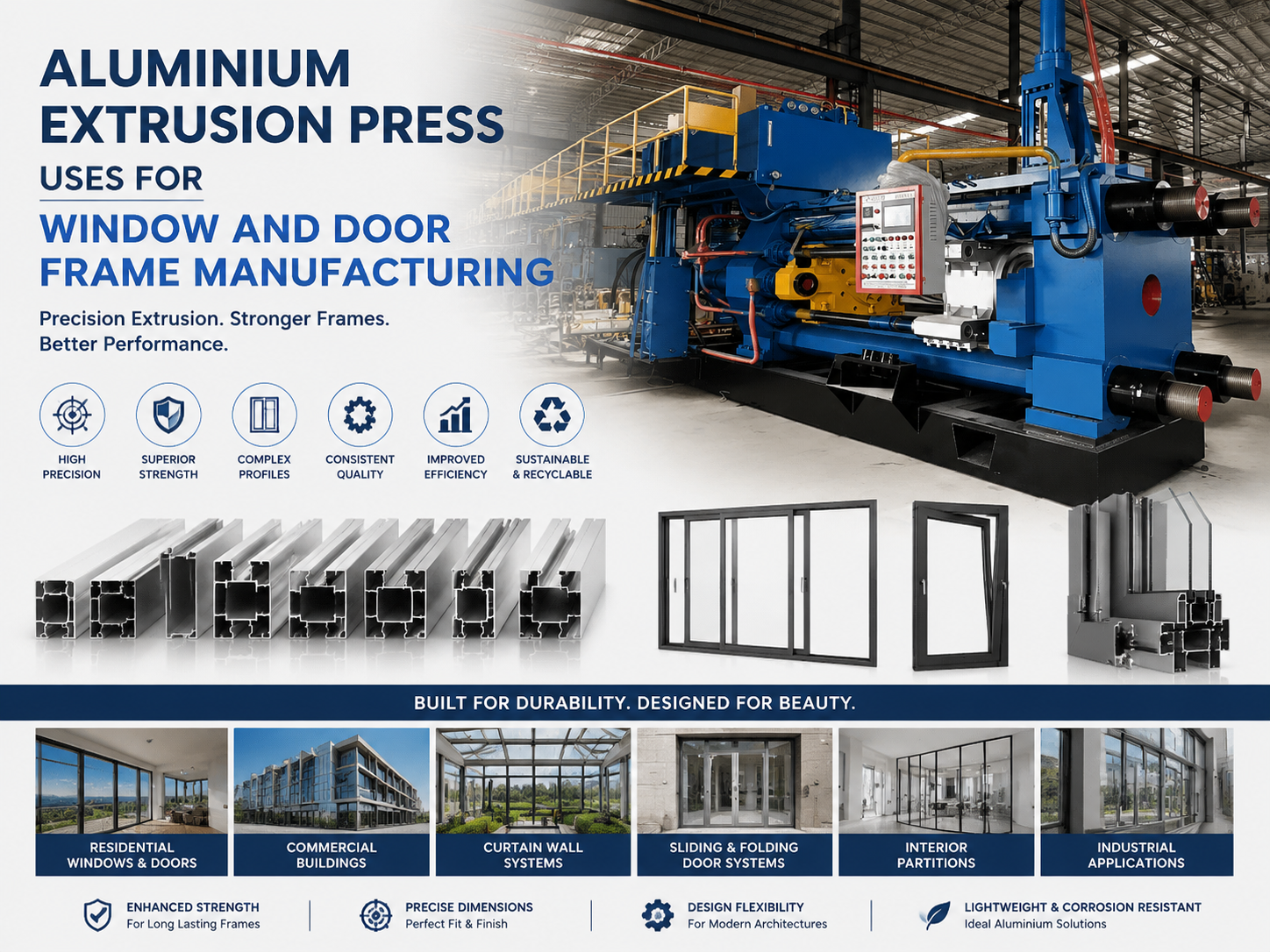
The modern architectural landscape is dominated by the sleek, durable, and versatile nature of aluminium. Among its many applications, the production of window and door frames stands out as a primary driver for the aluminium extrusion industry. The Aluminium Extrusion Press Uses Window Door Frame Manufacturing process is a sophisticated engineering feat that transforms raw aluminium billets into complex, high-precision profiles. These profiles form the backbone of residential, commercial, and industrial building envelopes.
As global demand for energy-efficient and aesthetically pleasing building materials grows, the role of the aluminium extrusion press becomes even more critical. Manufacturers are no longer just producing simple shapes; they are creating intricate thermal-break systems, soundproof frames, and high-security entryways. This guide explores how HARSLE machinery facilitates these advancements, ensuring that manufacturers can meet the rigorous standards of the modern construction sector while maintaining high productivity and cost-effectiveness.
Application Scenario: The Versatility of Extruded Profiles
The application of aluminium extrusion in window and door manufacturing is incredibly broad. In residential settings, extruded profiles are used to create casement windows, sliding doors, and bi-fold systems. These products require a high degree of surface finish and dimensional accuracy to ensure smooth operation and weather sealing. The extrusion process allows for the integration of tracks, screw ports, and weather-strip grooves directly into the profile, reducing the need for secondary machining.
In commercial architecture, the Aluminium Extrusion Press Uses Window Door Frame Manufacturing capabilities extend to curtain walls and storefront systems. These structures must withstand significant wind loads and support large glass panes. Extrusion presses allow for the creation of heavy-duty, reinforced profiles that provide structural integrity without the excessive weight of steel. Furthermore, the ability to extrude long lengths (often up to 12 meters or more) minimizes joints, enhancing both the visual appeal and the structural performance of the building facade.
Specialized applications also include fire-rated frames and high-security doors. By adjusting the alloy composition and the internal geometry of the extrusion, manufacturers can produce frames that offer enhanced resistance to heat and physical impact. The flexibility of the extrusion die design means that custom profiles can be developed for unique architectural projects, allowing designers to push the boundaries of what is possible with glass and metal.
Material and Process Requirements
Alloy Selection for Window and Door Frames
The choice of aluminium alloy is paramount in determining the quality of the final frame. For window and door applications, the 6000 series alloys—specifically 6063 and 6061—are the industry standards. 6063 is often referred to as the ‘architectural alloy’ because it offers an excellent balance of strength, extrudability, and surface finish. It responds exceptionally well to anodizing and powder coating, which are essential for the aesthetic and protective requirements of exterior frames.
6061 alloy is used when higher structural strength is required, such as in heavy-duty commercial doors or high-rise curtain walls. While slightly more difficult to extrude than 6063, it provides superior mechanical properties. The extrusion press must be capable of handling the specific flow stresses of these alloys at elevated temperatures to ensure a consistent output.
Temperature Control and Billet Preparation
The extrusion process begins with the heating of the aluminium billet. For 6000 series alloys, the billet is typically heated to between 400°C and 500°C. Precise temperature control is vital; if the billet is too cold, the pressure required to extrude it may exceed the machine’s capacity or damage the die. If it is too hot, the metal may become too fluid, leading to surface defects or ‘tearing’ of the profile. Modern extrusion lines utilize induction or gas-fired furnaces with sophisticated sensors to ensure uniform heating throughout the billet.
Die Design and Maintenance
The die is the heart of the extrusion process. For window and door frames, which often feature hollow chambers for insulation or structural reinforcement, ‘porthole’ or ‘bridge’ dies are used. These dies split the metal flow and then weld it back together around a mandrel to create the hollow sections. The precision of the die determines the wall thickness and the internal tolerances of the profile. Regular maintenance and nitriding of the dies are necessary to prevent wear and ensure that the surface of the extruded aluminium remains smooth and free of streaks.
Recommended Machine Configuration
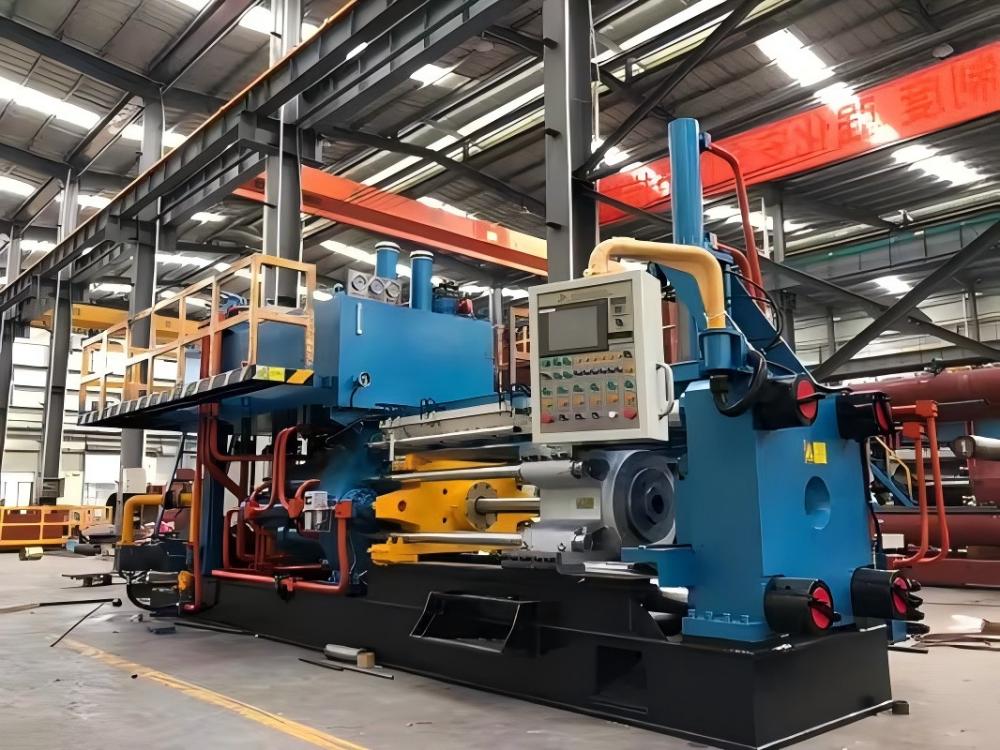
Choosing the right Aluminium Extrusion Press Uses Window Door Frame Manufacturing configuration depends on the scale of production and the complexity of the profiles. For standard residential window frames, a press with a capacity of 600 to 1100 tons is usually sufficient. However, for larger commercial profiles or multi-cavity dies, presses ranging from 1450 to 2500 tons are recommended.
Key Components of a HARSLE Extrusion Line
- Main Hydraulic System: High-pressure pumps and precision valves ensure a steady and controllable extrusion speed, which is critical for maintaining profile consistency.
- PLC Control System: A centralized interface allows operators to monitor and adjust parameters such as ram speed, pressure, and temperature in real-time.
- Billet Loader and Heater: Automated systems for transferring and heating billets reduce cycle times and improve safety.
- Quenching System: For 6000 series alloys, rapid cooling (quenching) after the metal exits the die is essential to achieve the desired hardness. This can be done using air, water spray, or a water bath.
- Puller and Handling System: An automated puller guides the profile as it exits the press, preventing twisting and ensuring straightness. The cooling table and stretcher then stabilize the profile before it is cut to length.
| Feature | Standard Configuration | High-Performance Configuration |
|---|---|---|
| Press Tonnage | 600T – 1000T | 1450T – 2500T+ |
| Control System | Standard PLC | Advanced CNC with Remote Monitoring |
| Cooling Method | Air Cooling | Dual Air and Water Quench |
| Billet Heating | Single-Log Furnace | Multi-Billet Induction Heater |
| Automation Level | Semi-Automatic | Fully Automated Handling Line |
Workflow: From Billet to Finished Profile
The workflow of an aluminium extrusion press is a continuous cycle designed for maximum efficiency. It begins with Billet Loading, where raw aluminium logs are cut to size and fed into the heating furnace. Once the billet reaches the optimal extrusion temperature, it is transferred to the Container of the press.
The Extrusion Phase follows, where a hydraulic ram pushes the softened aluminium through the die. As the metal emerges, it takes the shape of the window or door frame profile. The Puller catches the leading edge of the profile and maintains a constant tension, ensuring the metal flows evenly. Immediately after exiting the die, the profile undergoes Quenching to ‘lock in’ its metallurgical properties.
Once the profile reaches the end of the Cooling Table, it is moved to the Stretcher. Stretching is a critical step that straightens the profile and relieves internal stresses caused by the extrusion and cooling processes. After stretching, the long profiles are moved to the Finish Saw, where they are cut into the specific lengths required by the customer. Finally, the profiles are placed in an Aging Oven, where they are held at a specific temperature for several hours to achieve their final T5 or T6 hardness temper.
Productivity Benefits of Modern Extrusion Presses
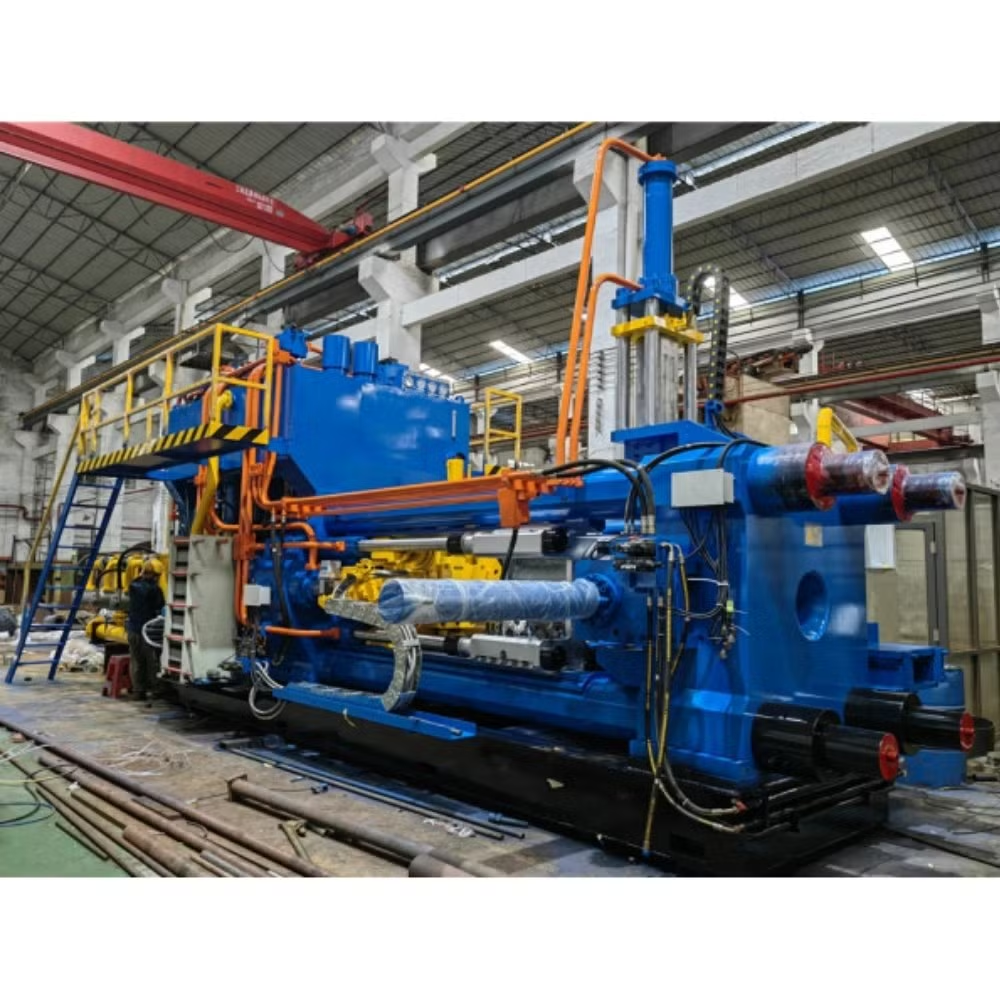
Investing in a high-quality Aluminium Extrusion Press Uses Window Door Frame Manufacturing setup offers numerous productivity benefits. Firstly, the high level of automation in modern HARSLE machines reduces the reliance on manual labor, lowering operational costs and minimizing the risk of human error. Automated pullers and handling systems ensure that profiles are handled gently, reducing scrap rates caused by surface damage.
Secondly, the precision of modern hydraulic systems allows for ‘thin-wall’ extrusion. This means manufacturers can produce profiles that are lighter and use less raw material while still meeting structural requirements. In an industry where material costs represent a significant portion of the total product cost, this efficiency directly translates to higher profit margins. Furthermore, the ability to run multi-cavity dies (extruding two or more profiles simultaneously) significantly increases the output per hour.
Energy efficiency is another major benefit. Modern presses utilize variable speed drives and regenerative hydraulic circuits that consume significantly less power during the idle phases of the cycle. When combined with efficient billet heating technology, the overall carbon footprint of the manufacturing process is reduced, which is increasingly important for compliance with environmental regulations and ‘green building’ certifications.
Case Example: Upgrading a Window Profile Factory
A mid-sized manufacturer of residential window frames recently upgraded their production line with a HARSLE 1100T extrusion press. Previously, they were using an older, semi-manual press that struggled with consistent wall thickness and had a high scrap rate of nearly 15%. The old system also lacked an effective quenching setup, meaning they had to outsource the heat treatment process, adding time and cost to their production cycle.
After installing the new HARSLE line, which included an automated billet heater, a dual-air quenching system, and a precision puller, the factory saw immediate improvements. The scrap rate dropped to under 4%, and the consistency of the profiles allowed for faster assembly in their window fabrication department. By bringing the quenching and aging processes in-house, they reduced their lead times from two weeks to just four days. This upgrade not only improved their product quality but also allowed them to take on larger commercial contracts that required stricter tolerances and faster delivery schedules.
Frequently Asked Questions (FAQ)
1. What is the best alloy for residential window frames?
Alloy 6063 is generally considered the best choice for residential window frames. It offers a smooth surface finish, excellent corrosion resistance, and is easy to extrude into the complex shapes required for modern window designs. It also takes powder coating and anodizing very well.
2. How long does an aluminium extrusion press last?
With proper maintenance, a high-quality aluminium extrusion press from HARSLE can last for 20 to 30 years or more. Regular hydraulic oil changes, seal replacements, and die maintenance are key to ensuring the longevity of the machine.
3. Can one press produce different types of profiles?
Yes, the versatility of the extrusion press lies in the die. By simply changing the die and adjusting the process parameters (like speed and temperature), the same press can produce window frames, door sills, curtain wall mullions, or even industrial components.
4. What is the difference between T5 and T6 temper?
T5 temper is achieved by cooling the profile directly from the extrusion temperature and then artificially aging it. T6 temper involves a more intensive solution heat treatment followed by aging, resulting in higher strength. Most window frames use T5, while structural components may require T6.
5. How does a thermal break work in an aluminium frame?
A thermal break is a non-conductive material (usually a polyamide strip) placed between the interior and exterior sections of an aluminium profile. This prevents the transfer of heat through the metal, significantly improving the energy efficiency of the window or door.
Conclusion: Partnering with HARSLE for Success
The Aluminium Extrusion Press Uses Window Door Frame Manufacturing industry is a cornerstone of modern construction, providing the essential components for the buildings we live and work in. To stay competitive, manufacturers must leverage the latest technology in extrusion machinery. HARSLE provides the robust, high-precision equipment needed to produce top-tier aluminium profiles efficiently and sustainably.
Whether you are looking to start a new production line or upgrade an existing facility, HARSLE offers the expertise and machinery to help you achieve your goals. Our commitment to innovation and quality ensures that your investment will deliver long-term value and help you meet the evolving demands of the architectural market. Contact us today to learn more about our aluminium extrusion solutions and how we can support your manufacturing journey.


