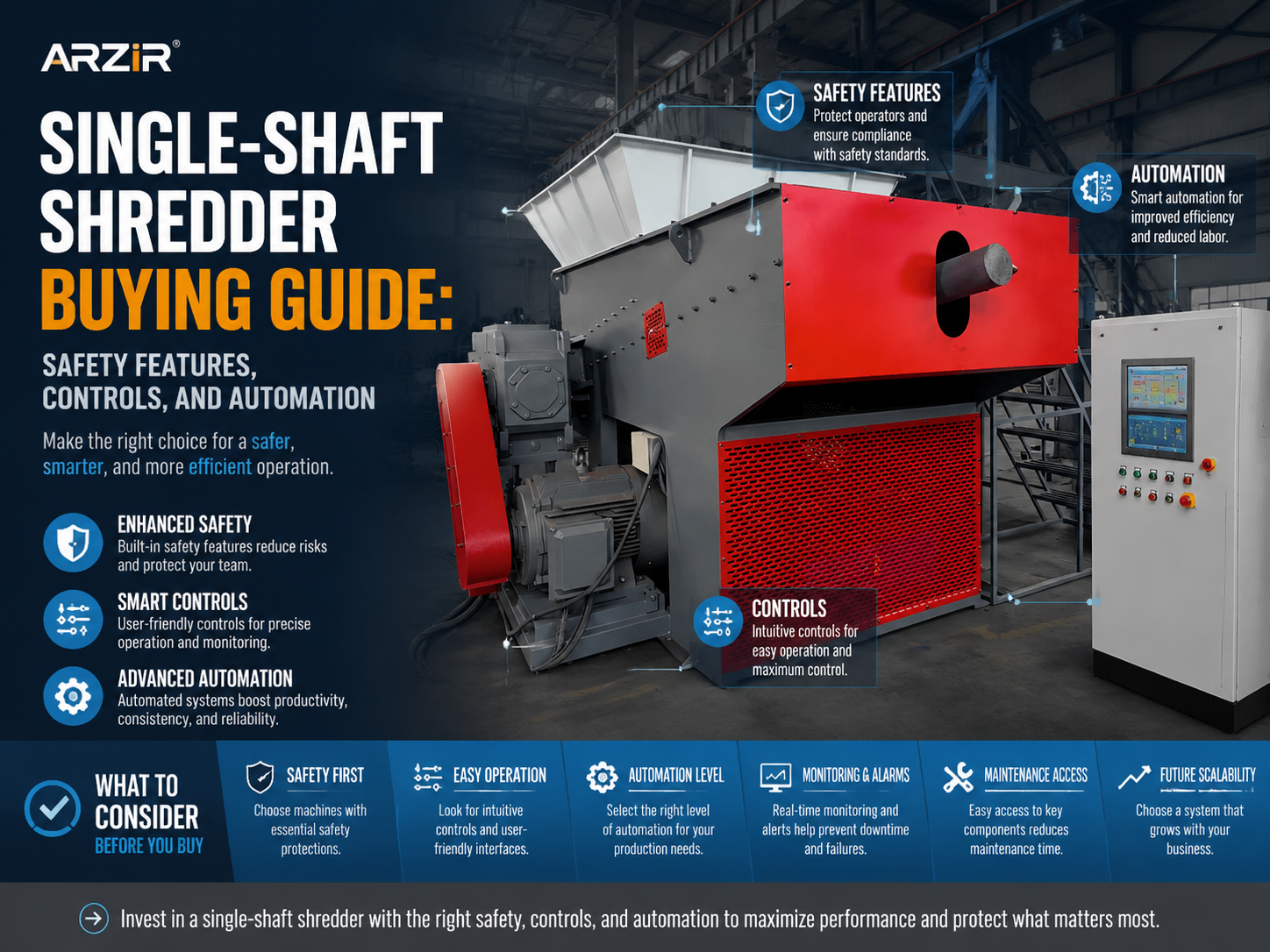
Single-Shaft Shredder Buying Guide: Safety Features, Controls, and Automation

Introduction to Single-Shaft Shredder Procurement
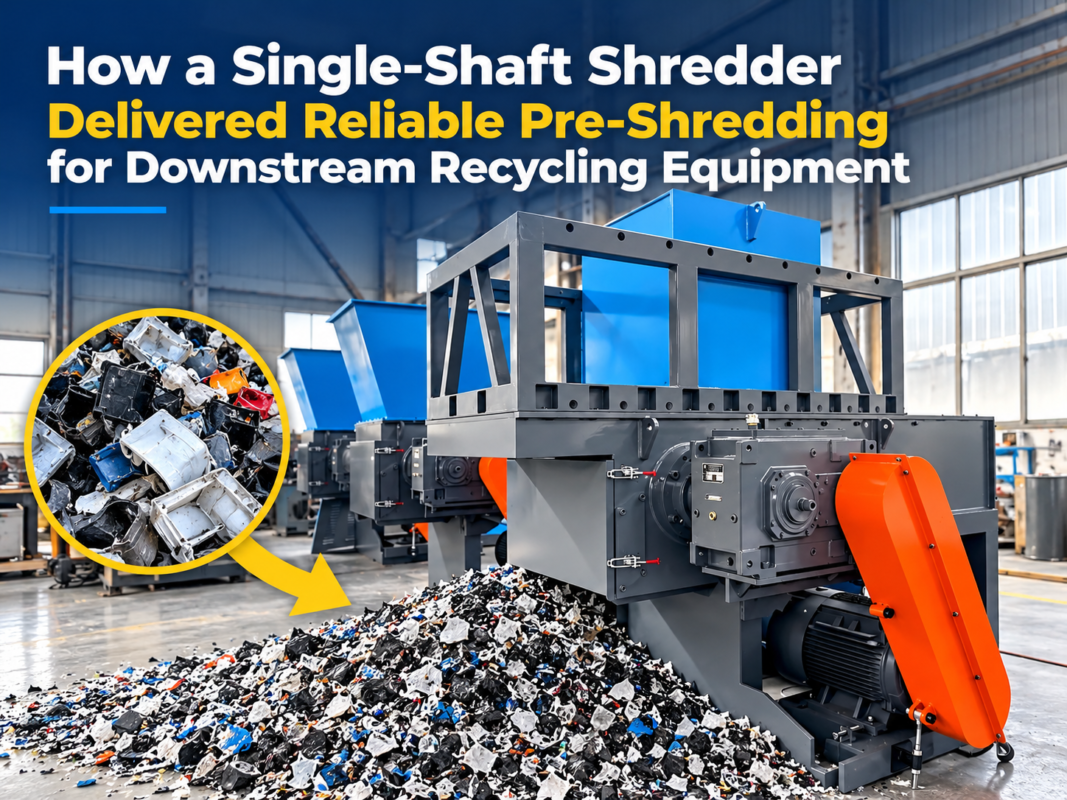
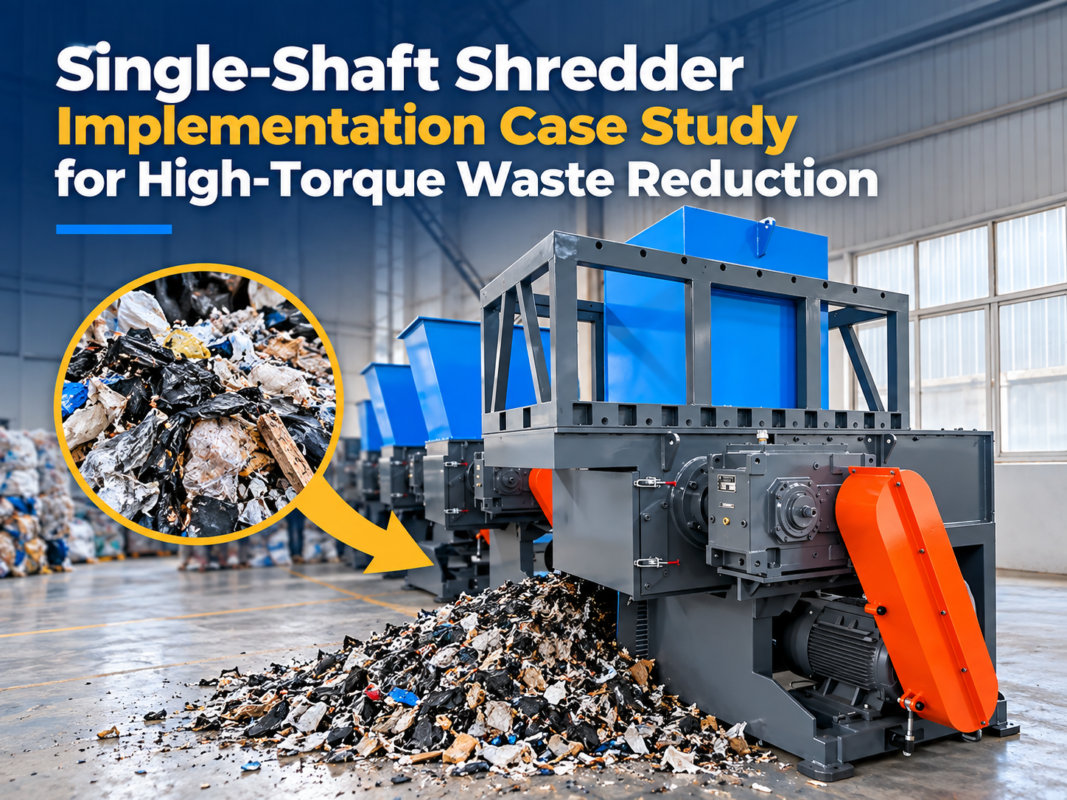
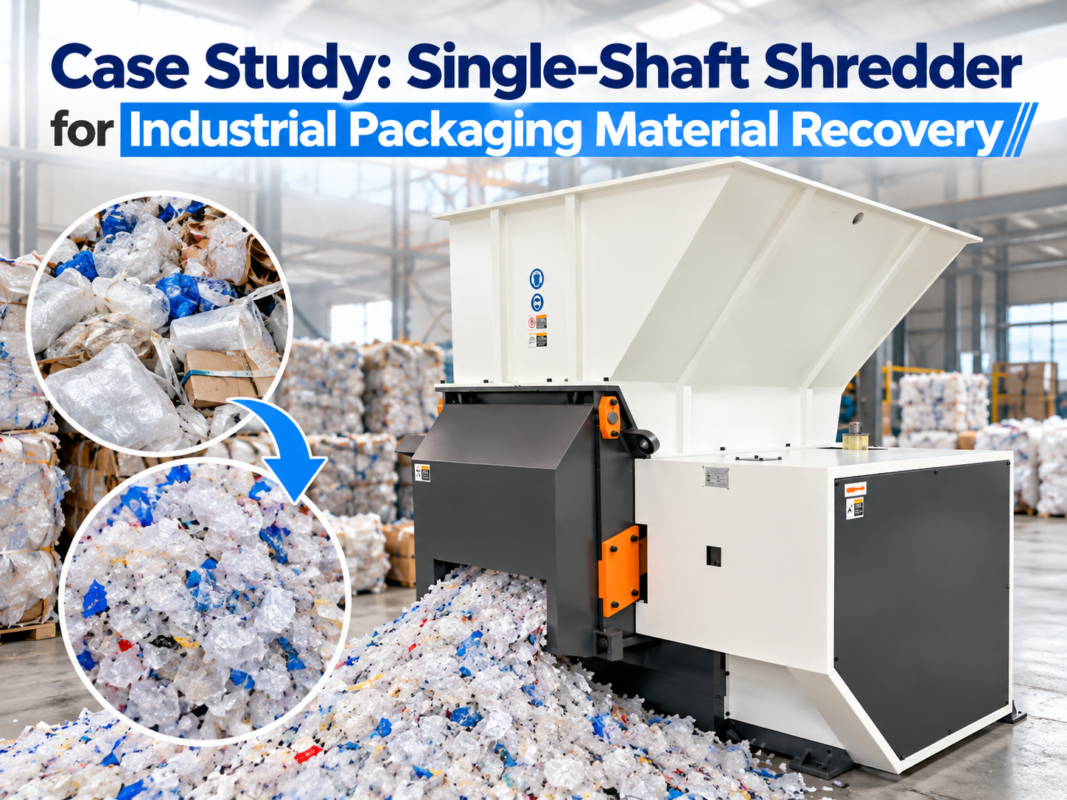
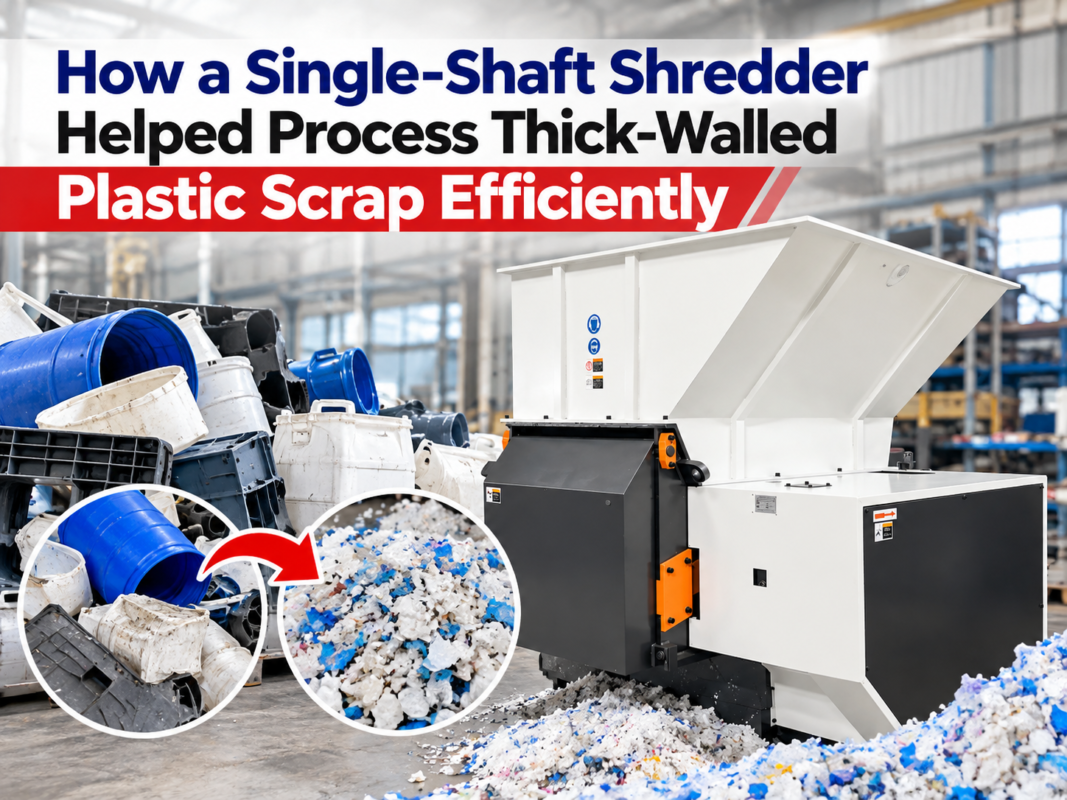
In the modern industrial landscape, the single-shaft shredder has become an indispensable asset for waste management, recycling, and material size reduction. Whether you are processing plastics, wood, paper, or light metal scrap, selecting the right machine involves more than just looking at horsepower and throughput. As technology evolves, the focus has shifted toward the integration of advanced safety features, sophisticated control systems, and high levels of automation. These elements not only protect the workforce but also significantly enhance operational efficiency and the longevity of the equipment.
For manufacturers like HARSLE, providing a machine that balances raw power with intelligent software is the key to meeting global industrial standards. This guide aims to provide a deep dive into the critical aspects of purchasing a single-shaft shredder, focusing specifically on how safety, controls, and automation impact your bottom line and operational success. By the end of this article, you will have a comprehensive understanding of what to look for in a high-quality shredding system and how to justify the investment through long-term ROI analysis.
Price Range Overview: Understanding the Market Tiers
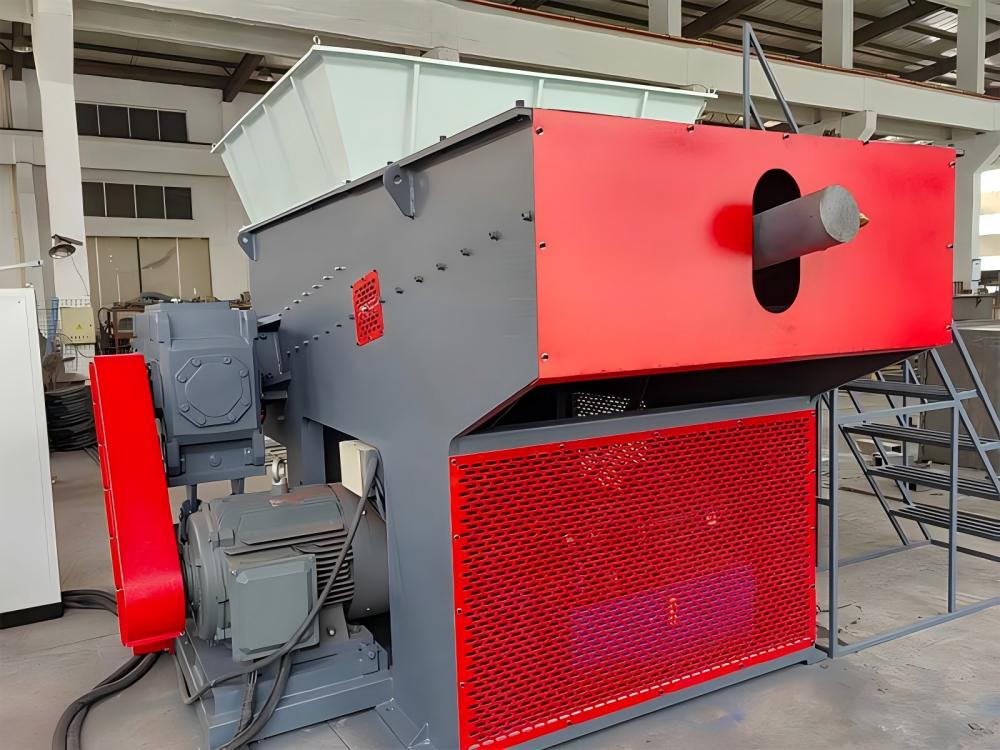
The market for single-shaft shredders is diverse, with pricing reflecting the machine’s capacity, build quality, and technological sophistication. Generally, buyers will encounter three primary price tiers. Entry-level machines, often used for light plastics or small-scale wood recycling, typically range from $15,000 to $35,000. These units usually feature basic manual controls and standard safety guards but may lack advanced PLC integration or high-torque hydraulic pushers.
Mid-range shredders, which are the workhorses of the recycling industry, fall between $40,000 and $90,000. At this level, you can expect robust construction, Siemens or Schneider PLC systems, and more durable blade materials like D2 or DC53 steel. These machines are designed for 8-12 hours of daily operation and include essential automation features like auto-reverse to prevent jams. They are ideal for medium-sized fabrication shops and dedicated recycling facilities.
High-end industrial shredders can exceed $120,000, reaching upwards of $250,000 for custom-engineered systems. These machines are characterized by massive throughput capabilities, fully automated feeding systems, and remote monitoring capabilities. They often feature specialized rotor designs, such as V-rotors for film or heavy-duty staggered blades for thick-walled pipes. In this tier, the investment is heavily weighted toward automation and safety systems that allow for 24/7 unmanned operation.
Main Cost Drivers in Single-Shaft Shredder Manufacturing
Several technical factors dictate the final price of a single-shaft shredder. The most significant is the motor and drive system. High-torque motors paired with heavy-duty gearboxes are expensive but necessary for processing tough materials. A machine equipped with a fluid coupling or a frequency drive (VFD) will cost more upfront but offers better protection against shock loads, reducing long-term maintenance costs.
The rotor and blade configuration is another major cost driver. A solid steel rotor, precision-machined from a single piece of alloy, is far more durable than a hollow or welded rotor. Furthermore, the number of blades and their metallurgical composition (such as tungsten carbide tipping) can add thousands to the price. However, these high-quality components extend the intervals between blade rotations and replacements, which is crucial for maintaining high uptime.
Lastly, the hydraulic system—specifically the ram or pusher—plays a vital role in cost. An internal hydraulic pusher saves floor space and is protected from dust, but it is more complex to manufacture than an external horizontal ram. The precision of the hydraulic valves and the speed of the ram’s cycle time directly influence the machine’s efficiency, making it a key area where quality justifies a higher price tag.
Configuration Impact: Safety Features, Controls, and Automation
Advanced Safety Features
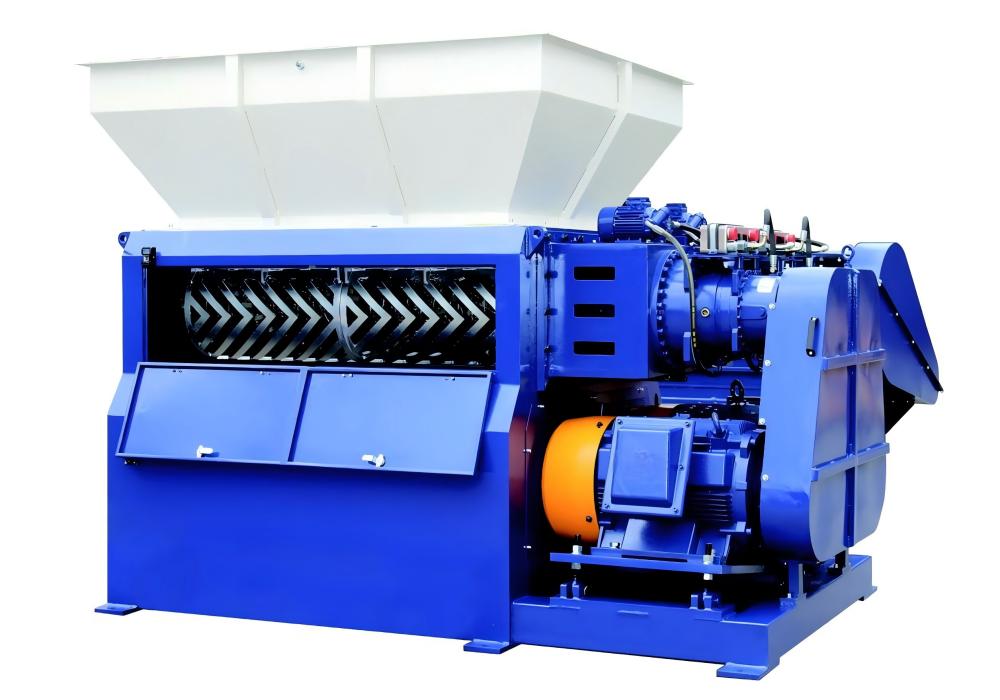
Safety is paramount in any industrial environment involving high-torque rotating machinery. Modern single-shaft shredders must comply with international standards such as CE or OSHA. Key safety features include emergency stop buttons located at multiple points around the machine, safety interlock switches on all access doors, and hopper sensors that prevent the machine from starting if the hopper is open or if a person is detected in the danger zone.
Furthermore, overload protection is a critical safety and maintenance feature. If the rotor encounters an unbreakable object, the control system must immediately stop the motor and reverse the rotor to prevent catastrophic mechanical failure. Some advanced models also include fire suppression systems, particularly when shredding flammable materials like certain plastics or wood dust, ensuring that a spark doesn’t lead to a facility-wide emergency.
The Role of PLC Controls and HMI
The “brain” of the shredder is its Programmable Logic Controller (PLC). High-quality shredders utilize reputable brands like Siemens, Mitsubishi, or Schneider. A well-programmed PLC manages the interaction between the rotor speed, the hydraulic pusher pressure, and the motor load. Through a Human-Machine Interface (HMI) touchscreen, operators can adjust parameters for different materials, monitor real-time performance, and diagnose errors through clear on-screen prompts.
Sophisticated controls allow for “intelligent shredding.” For example, if the PLC detects a rise in motor amperage, it can automatically slow down or retract the hydraulic pusher to reduce the load, then resume once the amperage stabilizes. This level of control prevents motor burnout and ensures the machine operates at its peak efficiency without constant manual intervention.
Automation and Industry 4.0 Integration
Automation in single-shaft shredders extends beyond simple operation. Modern machines are increasingly being integrated into broader factory automation systems. This includes automated conveyor feeding, where the shredder communicates with the conveyor to start or stop based on the hopper level. This prevents overfilling and ensures a steady stream of material, which is essential for downstream processes like granulating or pelletizing.
Industry 4.0 features, such as remote monitoring and data logging, are becoming standard in high-end models. Facility managers can monitor the shredder’s performance from a smartphone or office computer, tracking metrics like energy consumption, throughput, and maintenance schedules. This data-driven approach allows for predictive maintenance, where parts are replaced based on actual wear data rather than arbitrary time intervals, significantly reducing unplanned downtime.
Hidden Costs to Consider Before Purchase
When budgeting for a single-shaft shredder, the purchase price is only the beginning. One of the most overlooked hidden costs is electrical infrastructure. Industrial shredders require significant power, and you may need to upgrade your facility’s transformers or wiring to handle the high starting currents. Installing a Variable Frequency Drive (VFD) can help mitigate these spikes, but the VFD itself is an additional cost.
Consumables represent a recurring expense that must be factored into the total cost of ownership. Blades (knives), counter-knives, and screen plates will wear out over time. The cost of a full set of blades can range from a few hundred to several thousand dollars. Additionally, the labor required to rotate or change these blades can lead to downtime. Choosing a machine with easy-access rotors and standardized blade sizes can help minimize these ongoing costs.
Maintenance and lubrication are also vital. Hydraulic oil, filters, and gearbox lubricants need regular replacement. Some machines offer automated lubrication systems, which increase the initial price but ensure that critical bearings are always greased, preventing expensive bearing failures. Finally, consider the cost of shipping and installation, especially for large-scale machines that may require specialized rigging and on-site assembly by the manufacturer’s technicians.
ROI Calculation: Is the Investment Worth It?
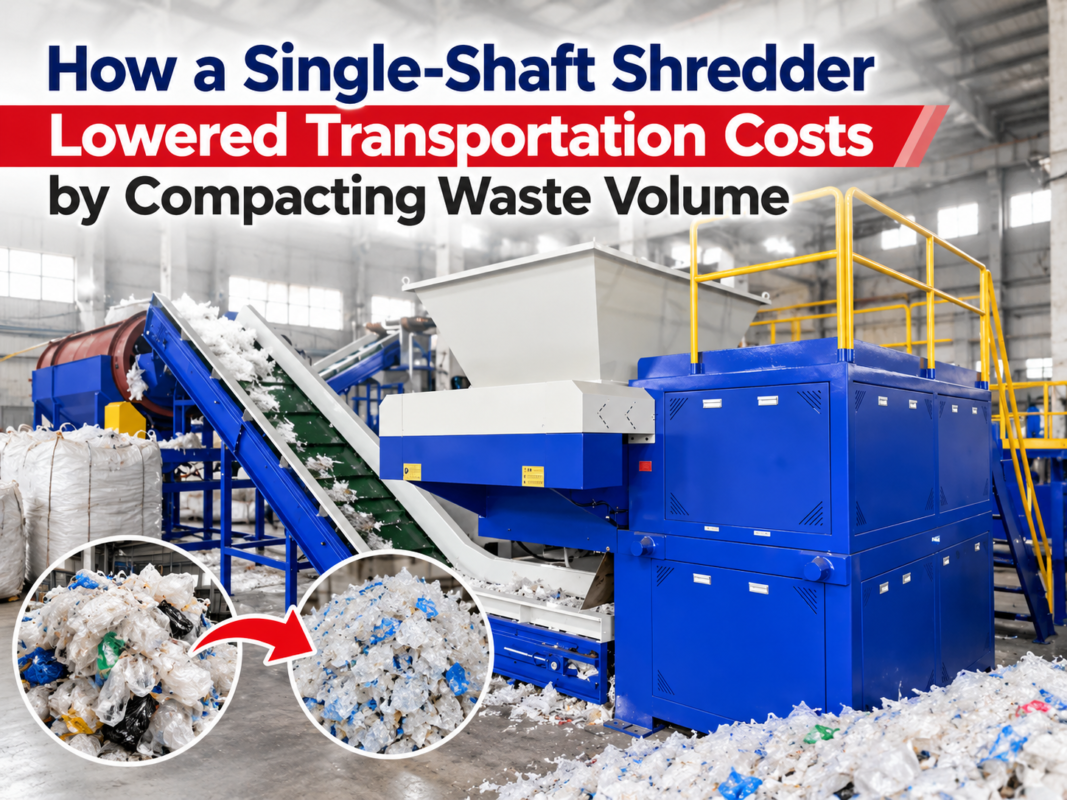
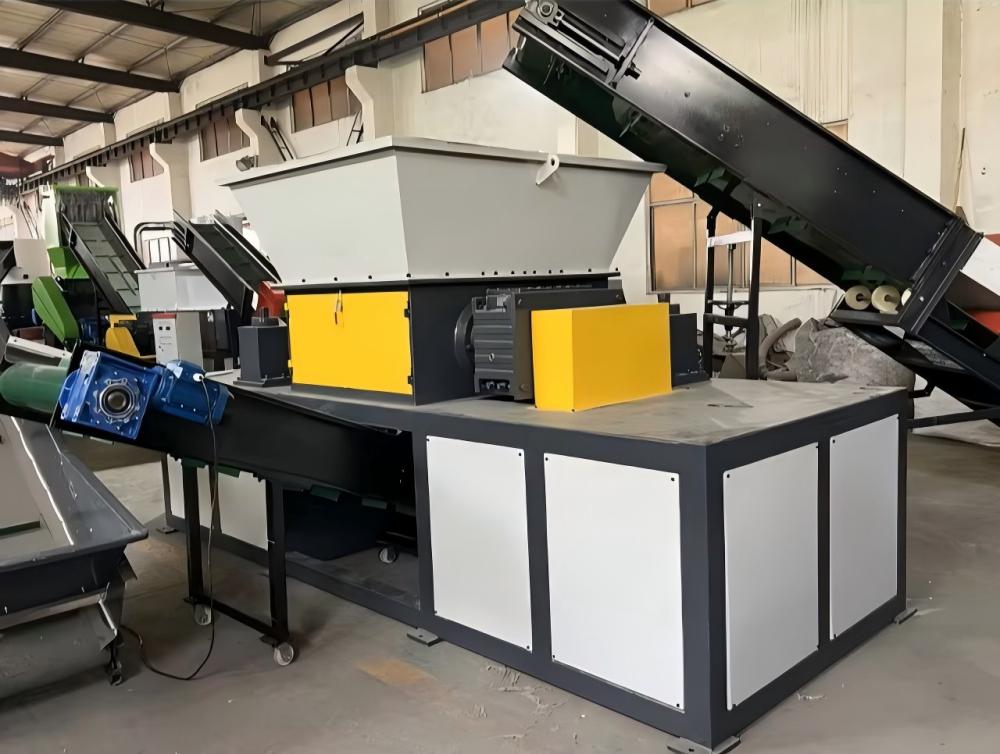
Calculating the Return on Investment (ROI) for a single-shaft shredder involves analyzing both direct savings and indirect value additions. The most immediate ROI comes from waste volume reduction. By shredding bulky waste, companies can reduce the frequency of waste pickups, often cutting disposal costs by 50% or more. In many cases, the shredded material can be sold back to recyclers, turning a waste expense into a revenue stream.
Labor savings are another major factor. An automated shredder with a large hopper and intelligent feeding requires far less operator time than manual processing. If a machine saves 20 hours of labor per week, that equates to thousands of dollars in annual savings. Furthermore, the consistency of the output material (the “regrind”) can improve the efficiency of downstream equipment, such as extruders or injection molding machines, reducing scrap rates in production.
To calculate the payback period, use the following formula: Payback Period = Total Investment / (Monthly Waste Savings + Monthly Revenue from Recyclables + Monthly Labor Savings). Most industrial users find that a well-chosen single-shaft shredder pays for itself within 12 to 24 months, depending on the volume of material processed and local market rates for scrap.
Buying Advice: Selecting the Right Shredder for Your Needs
When you are ready to purchase, start by conducting a thorough material analysis. Not all shredders are created equal; a machine designed for wood may struggle with high-density polyethylene (HDPE) or copper wiring. Request a trial or a video demonstration of the machine processing your specific material. Pay close attention to the size and consistency of the output, as this will determine the material’s value or its suitability for the next stage of production.
Evaluate the manufacturer’s reputation and after-sales support. A shredder is a heavy-duty machine that will eventually need parts and service. Choosing a manufacturer like HARSLE ensures that you have access to technical expertise and a reliable supply chain for spare parts. Ask about the warranty terms and whether the manufacturer offers remote diagnostic support, which can save days of downtime by resolving software or control issues over the internet.
Finally, don’t skimp on the control system. While a manual machine might seem cheaper, the benefits of a PLC-controlled system with automation features far outweigh the initial cost. The ability to prevent jams, protect the motor, and integrate with other equipment makes the machine more versatile and easier to operate, ensuring that your investment remains productive for many years to come.
Frequently Asked Questions (FAQ)
1. What is the difference between a single-shaft and a double-shaft shredder?
A single-shaft shredder uses a high-speed rotor with blades that cut against a fixed counter-knife, making it ideal for producing a consistent, small particle size. A double-shaft shredder (or shear shredder) uses two counter-rotating shafts with interlocking discs to tear material. Double-shaft shredders are better for high-volume primary shredding of bulky items, while single-shaft shredders are preferred for secondary processing and precise size control.
2. How often do the blades need to be sharpened or replaced?
Blade life depends entirely on the material being processed. When shredding clean plastic, blades may last for hundreds of hours before needing to be rotated (most blades have four usable edges). However, if the material contains abrasives like sand, glass, or metal contaminants, the blades will wear much faster. Regular inspection is key to maintaining throughput and preventing unnecessary strain on the motor.
3. Can a single-shaft shredder handle metal?
Standard single-shaft shredders are designed for plastics, wood, and paper. While they can handle light non-ferrous metals like aluminum cans or thin extrusions, they are not intended for heavy steel scrap. Processing heavy metal in a standard shredder will cause rapid blade wear and potential rotor damage. Always consult with the manufacturer if you plan to process any type of metal.
4. What is the purpose of the screen in a single-shaft shredder?
The screen is located underneath the rotor and determines the final size of the shredded material. Material stays in the shredding chamber until it is small enough to pass through the screen holes. Screens are interchangeable, allowing operators to switch between different output sizes (e.g., 20mm, 40mm, or 60mm) depending on the requirements of the end-user or the next process.
5. Why is the hydraulic pusher important?
The hydraulic pusher (or ram) forces the material against the rotating rotor. Without it, light or bulky materials would simply bounce on top of the rotor without being grabbed by the blades. A PLC-controlled pusher is essential because it regulates the pressure based on the motor load, ensuring the shredder operates at maximum capacity without overloading the drive system.
6. Is it difficult to integrate a shredder into an existing production line?
With modern PLC controls, integration is relatively straightforward. Most shredders come with I/O ports that allow them to communicate with conveyors, granulators, or central control rooms. When purchasing, specify that you need integration capabilities so the manufacturer can provide the necessary software logic and hardware connections.
7. What safety certifications should I look for?
In Europe, the CE mark is mandatory, indicating compliance with health, safety, and environmental protection standards. In the United States, look for OSHA-compliant designs and UL-listed electrical components. These certifications ensure the machine has been designed with proper guarding, emergency stops, and electrical safety protocols to protect your operators and your facility.