Best Double-Shaft Shredder Buying Tips for Scrap Metal, Plastic, and Industrial Waste

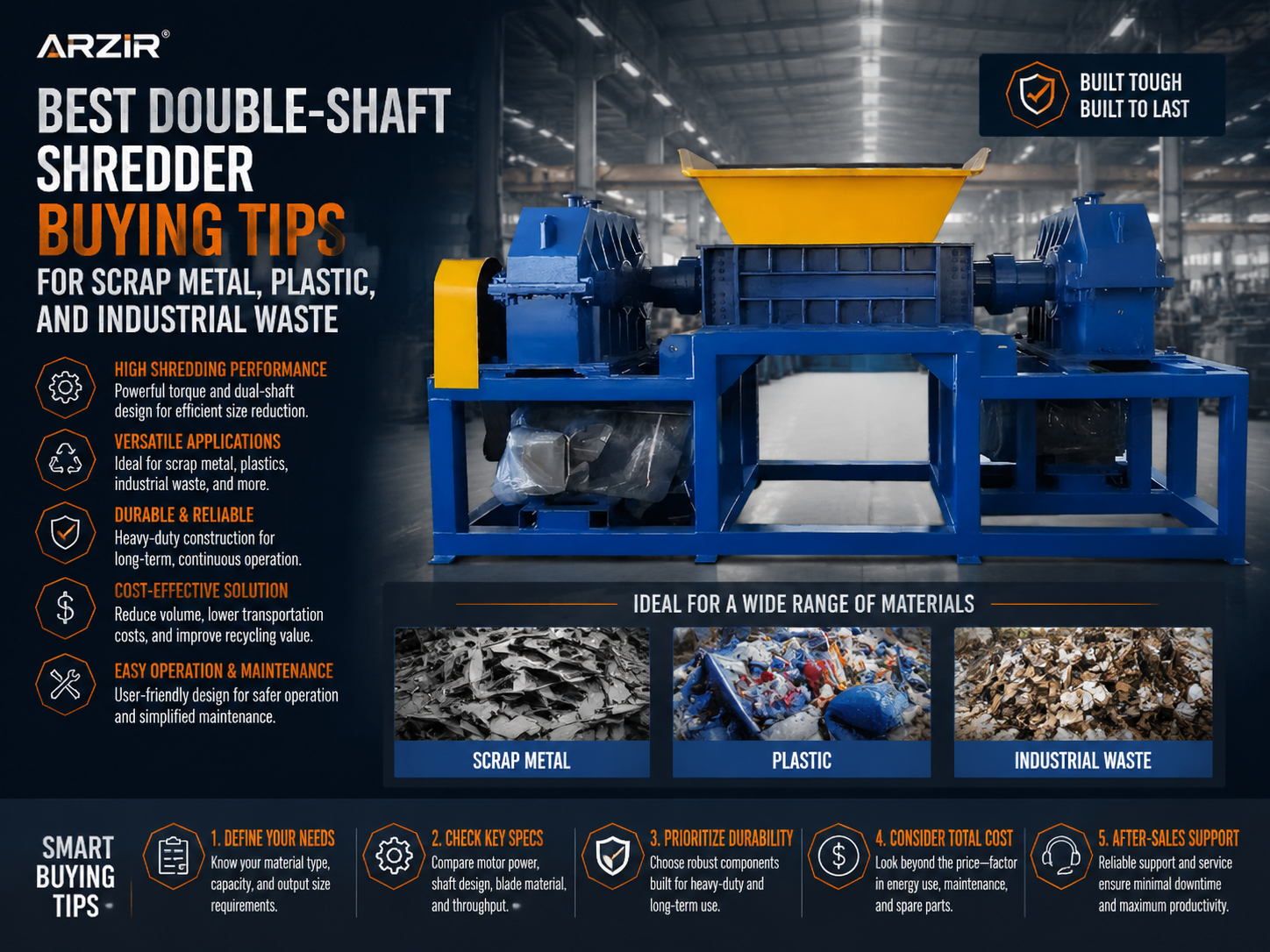
Introduction to Industrial Double-Shaft Shredders
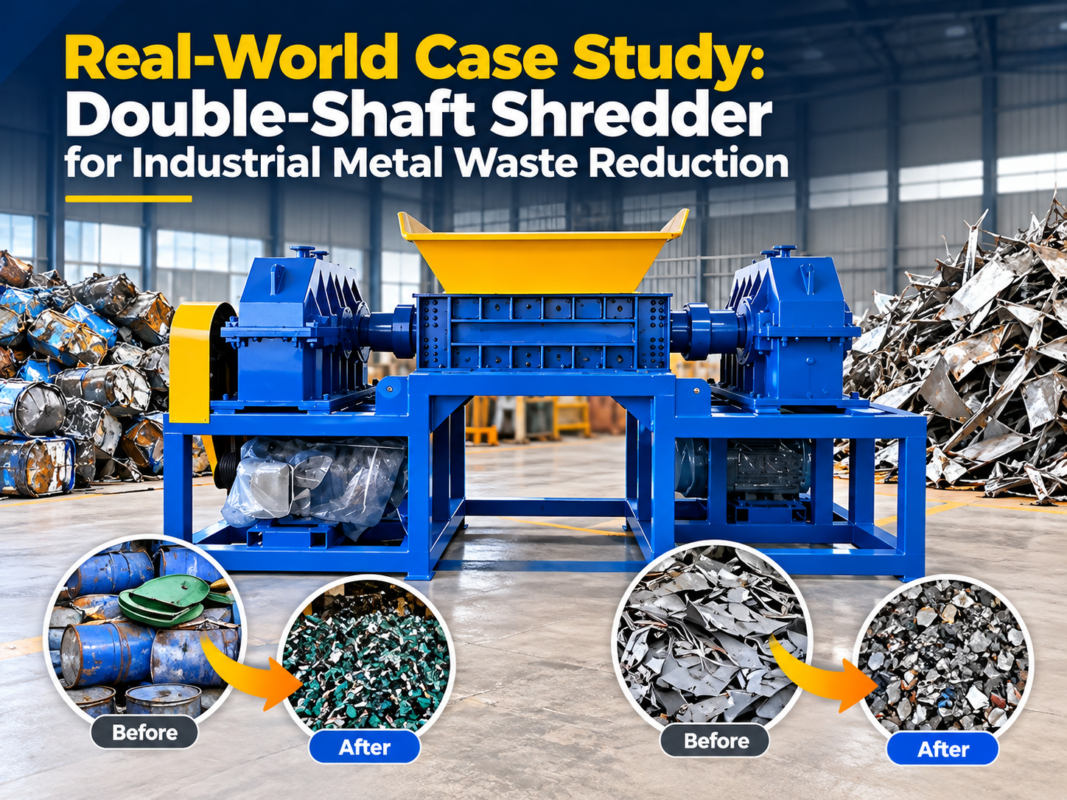
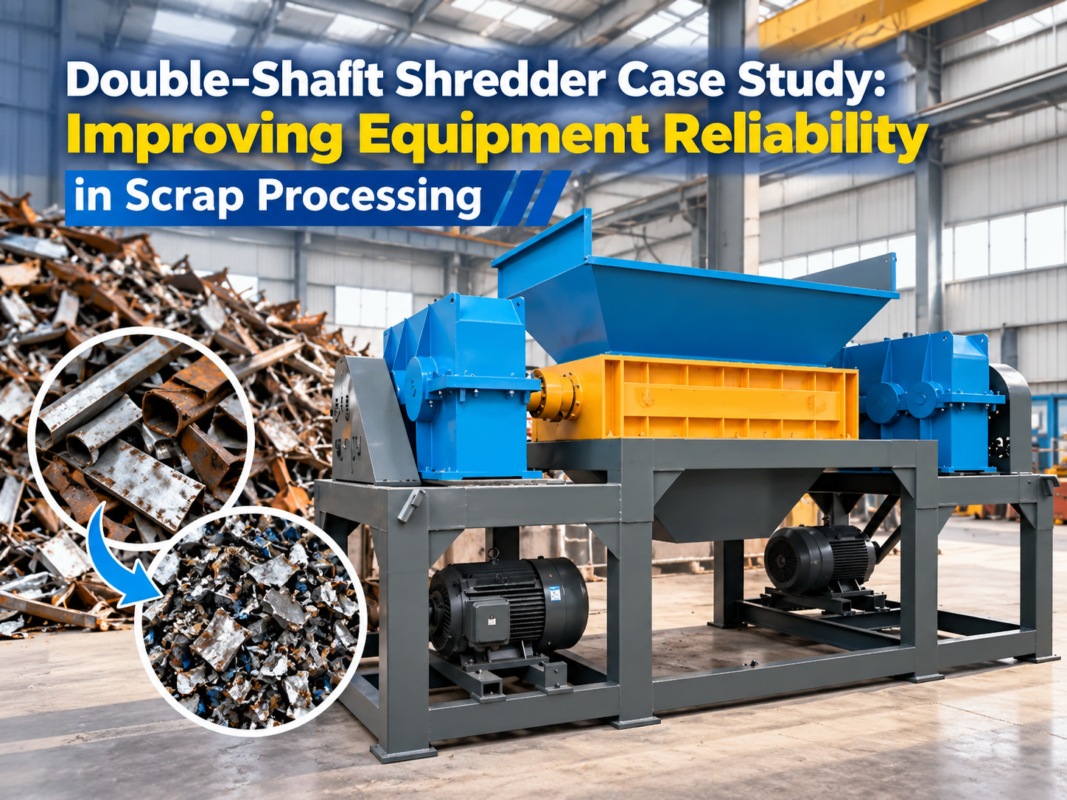
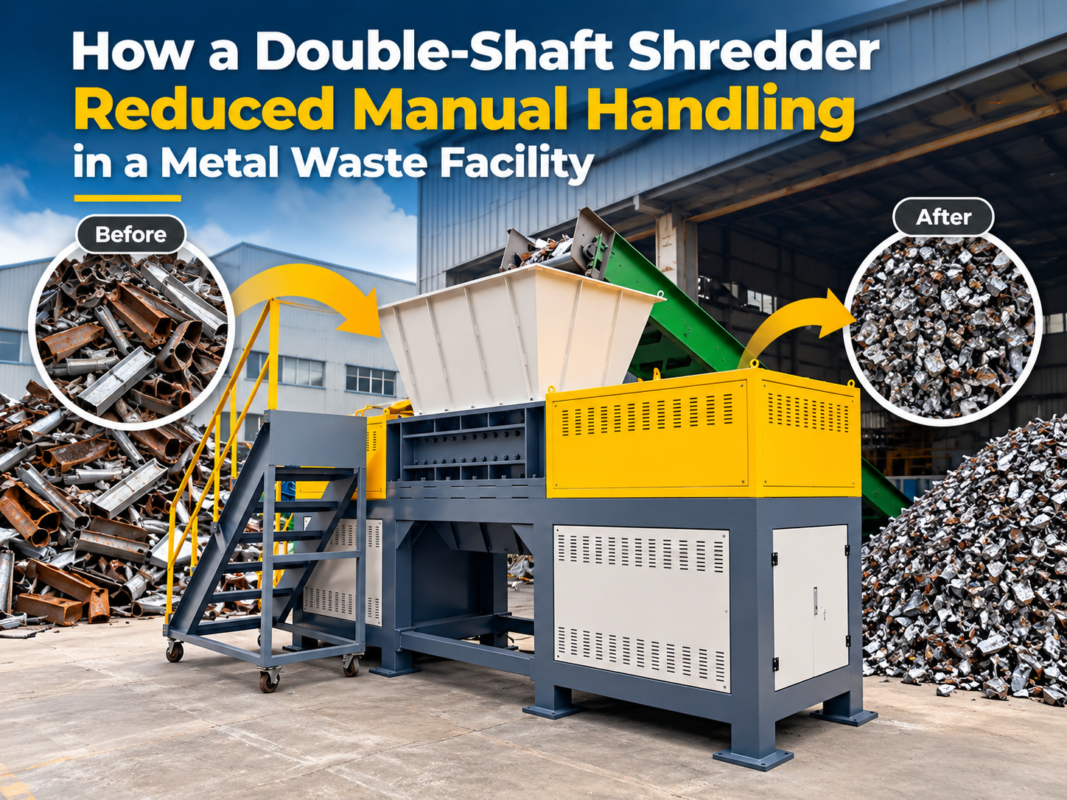
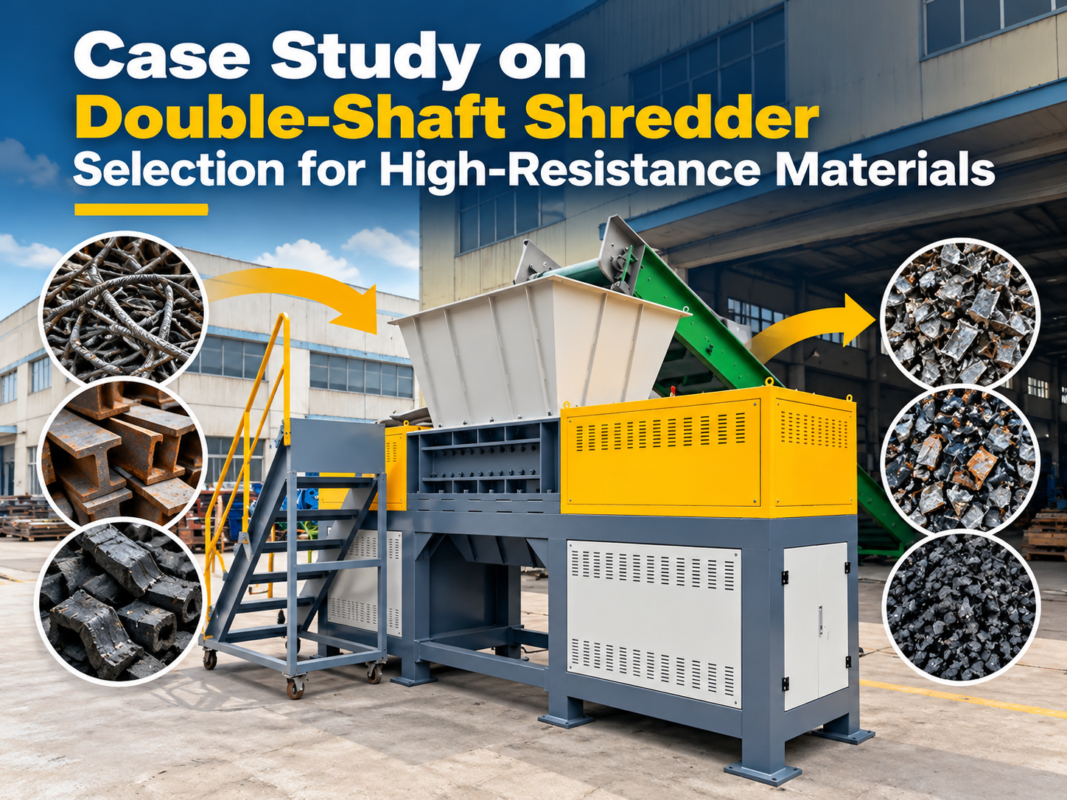
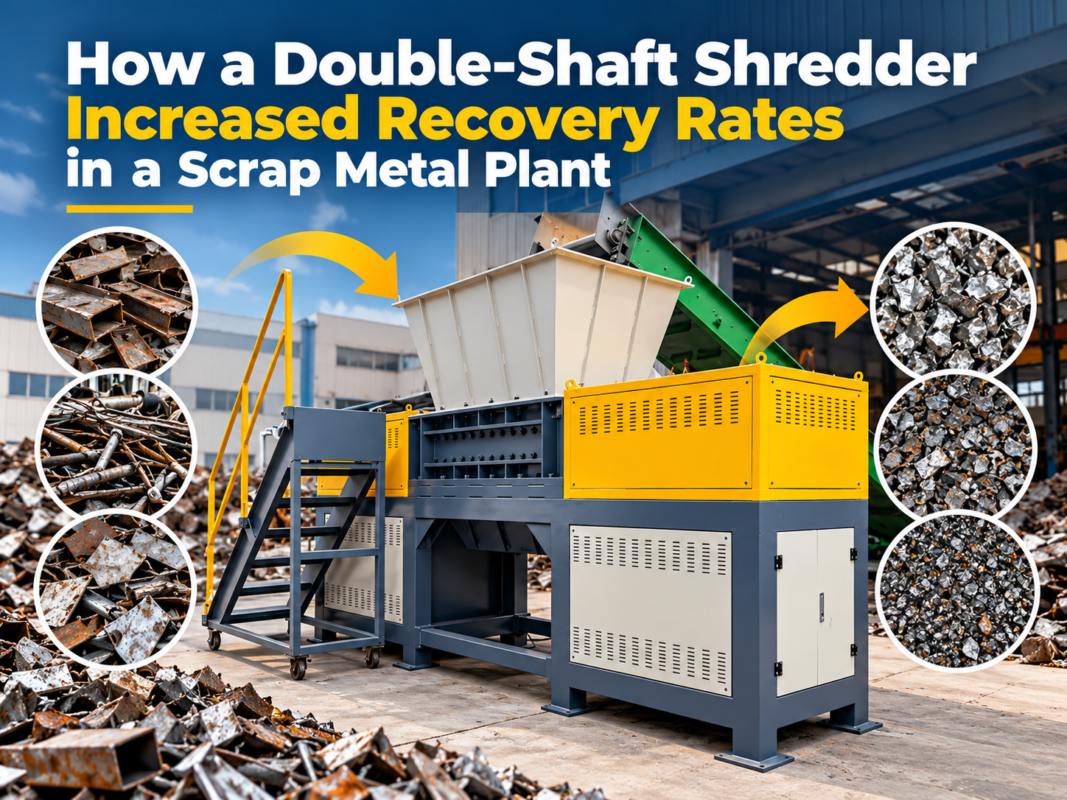
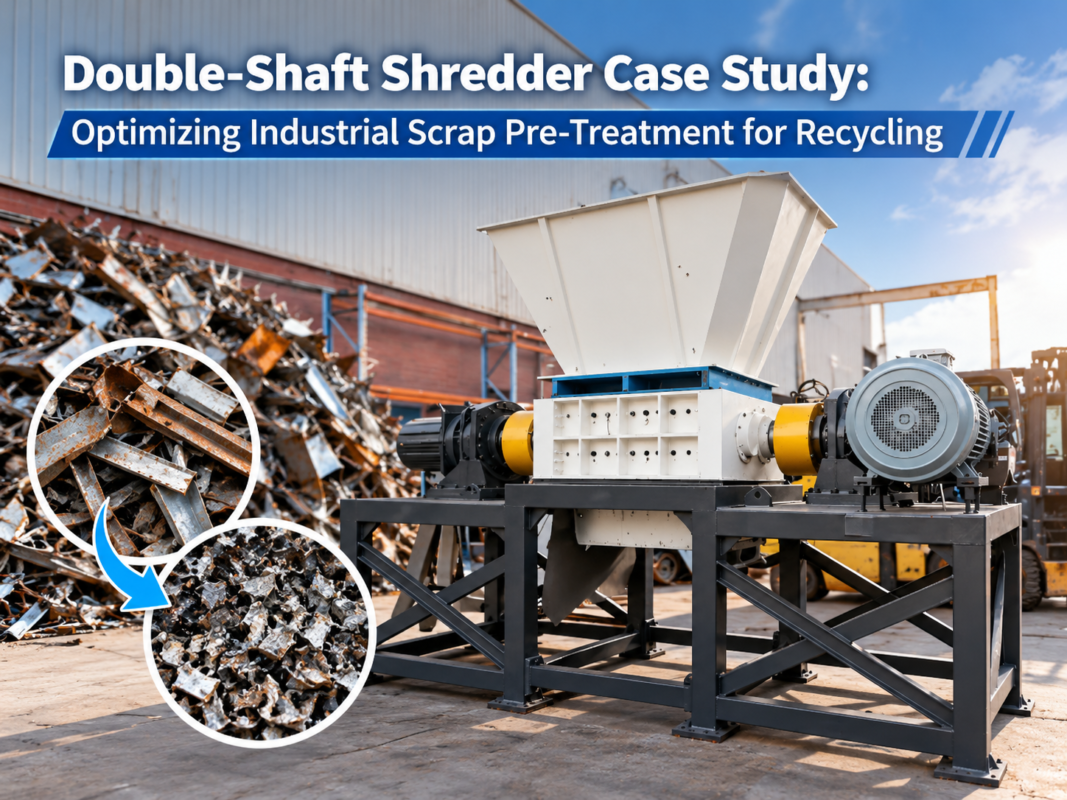
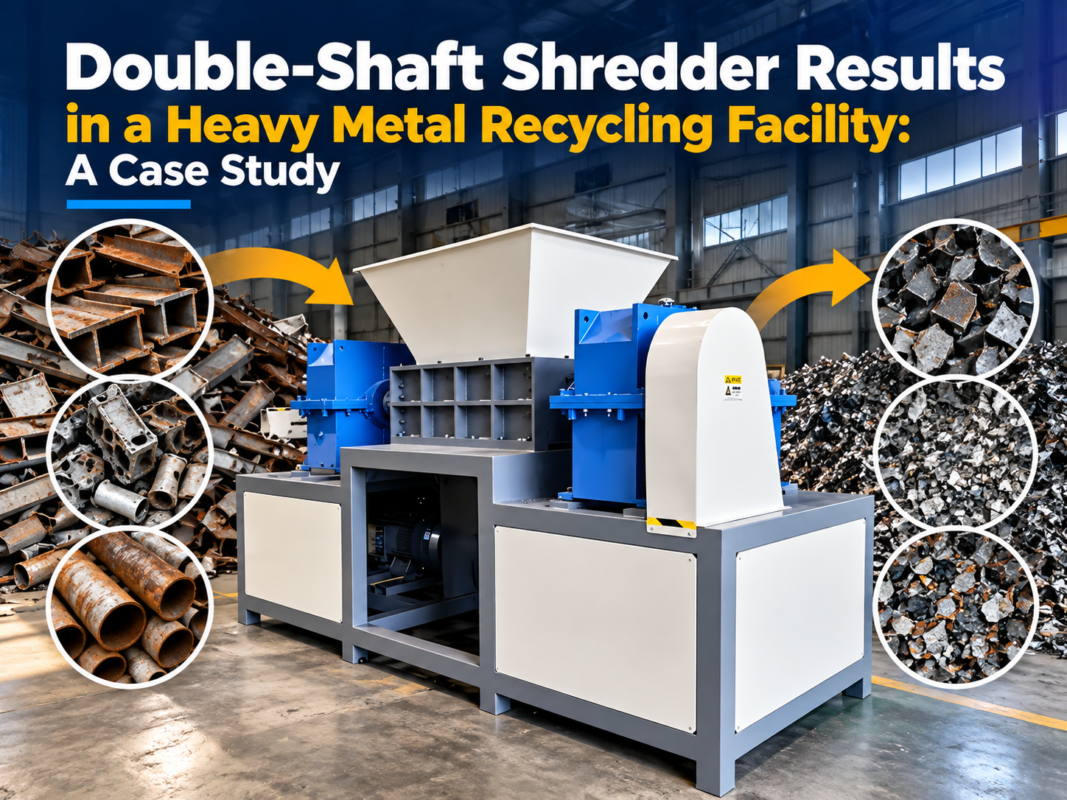
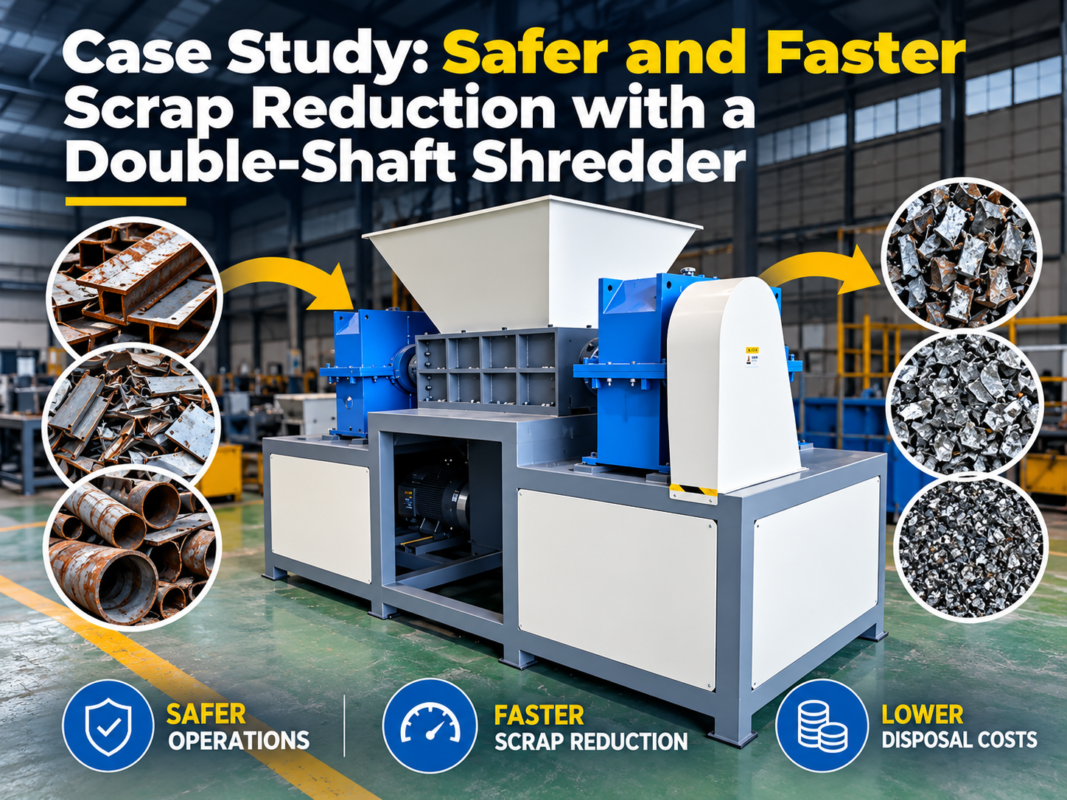
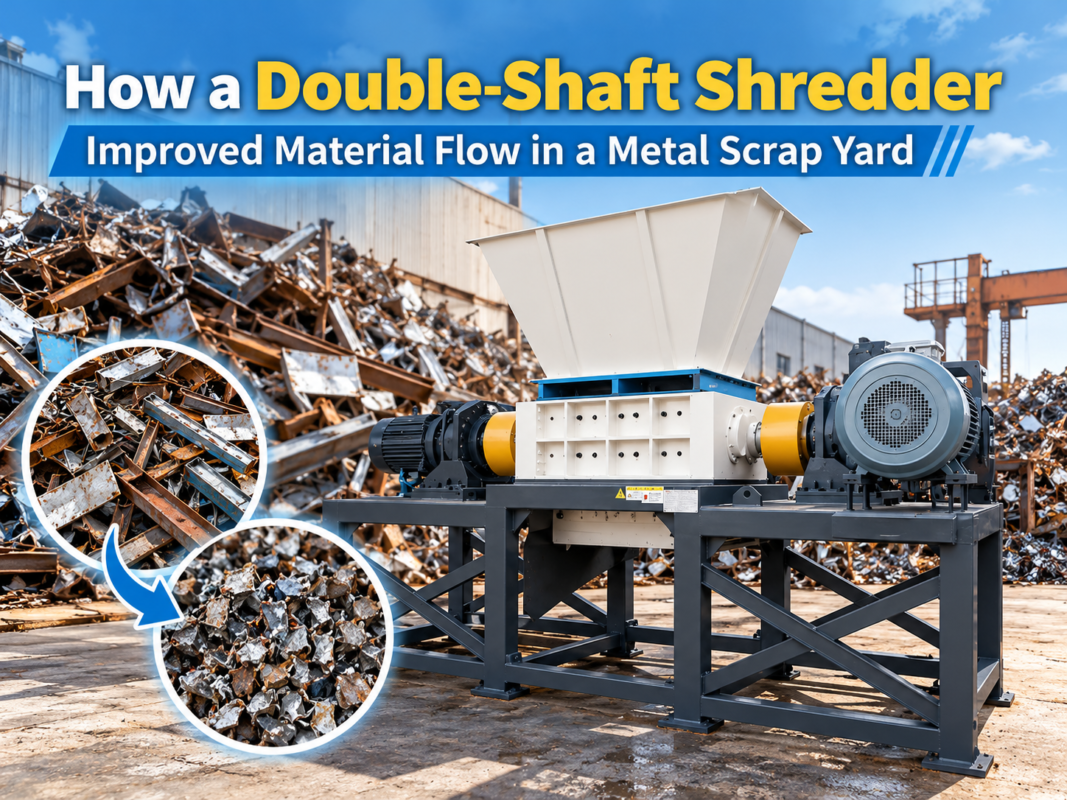
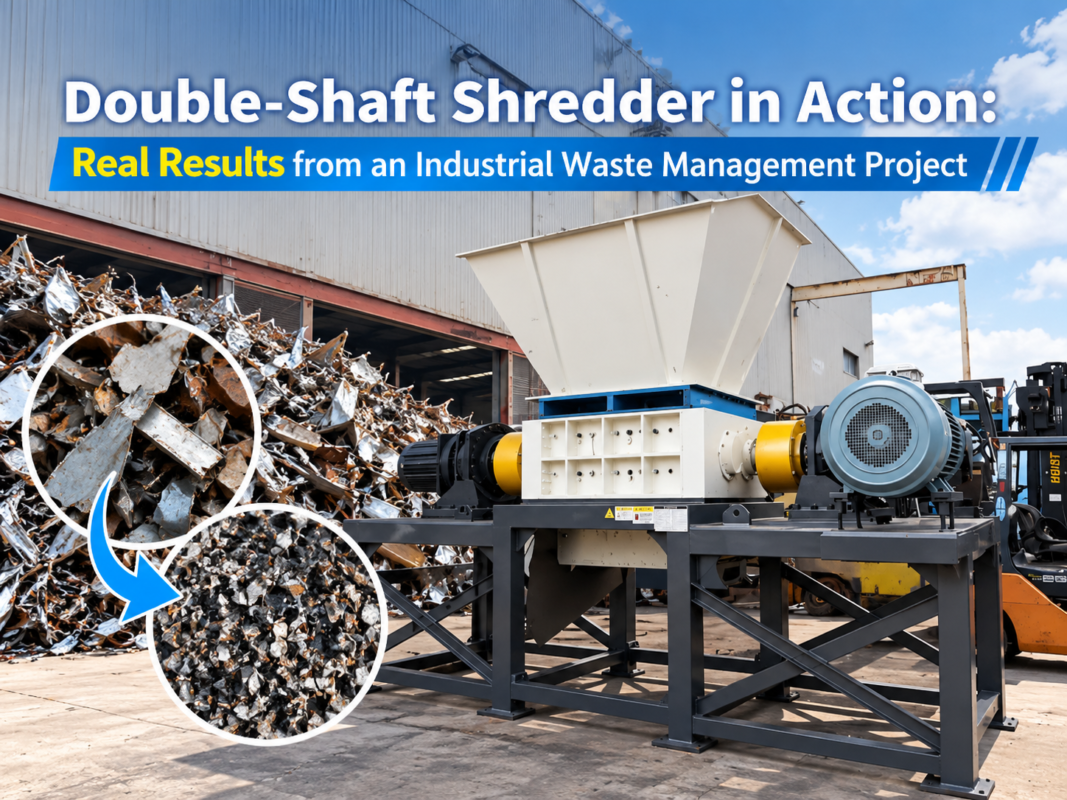
In the modern era of waste management and resource recovery, the double-shaft shredder has emerged as the backbone of industrial recycling. Whether you are dealing with voluminous plastic waste, resilient scrap metal, or mixed industrial debris, selecting the right equipment is a high-stakes decision. A double-shaft shredder, often referred to as a shear-type shredder, operates using two counter-rotating shafts equipped with hooked blades. This design allows the machine to grab, tear, and cut materials into smaller, manageable pieces, significantly reducing volume and preparing materials for further processing or disposal.
HARSLE, a leader in metal fabrication and recycling machinery, understands that a shredder is more than just a machine; it is a critical component of your production line’s ROI. The complexity of these machines means that a simple price-tag comparison is insufficient. To find the best double-shaft shredder, one must evaluate blade metallurgy, torque ratios, gearbox durability, and the specific physical properties of the waste stream. This guide provides a comprehensive breakdown of the best double-shaft shredder buying tips for scrap metal, plastic, and industrial waste to ensure your investment yields long-term profitability.
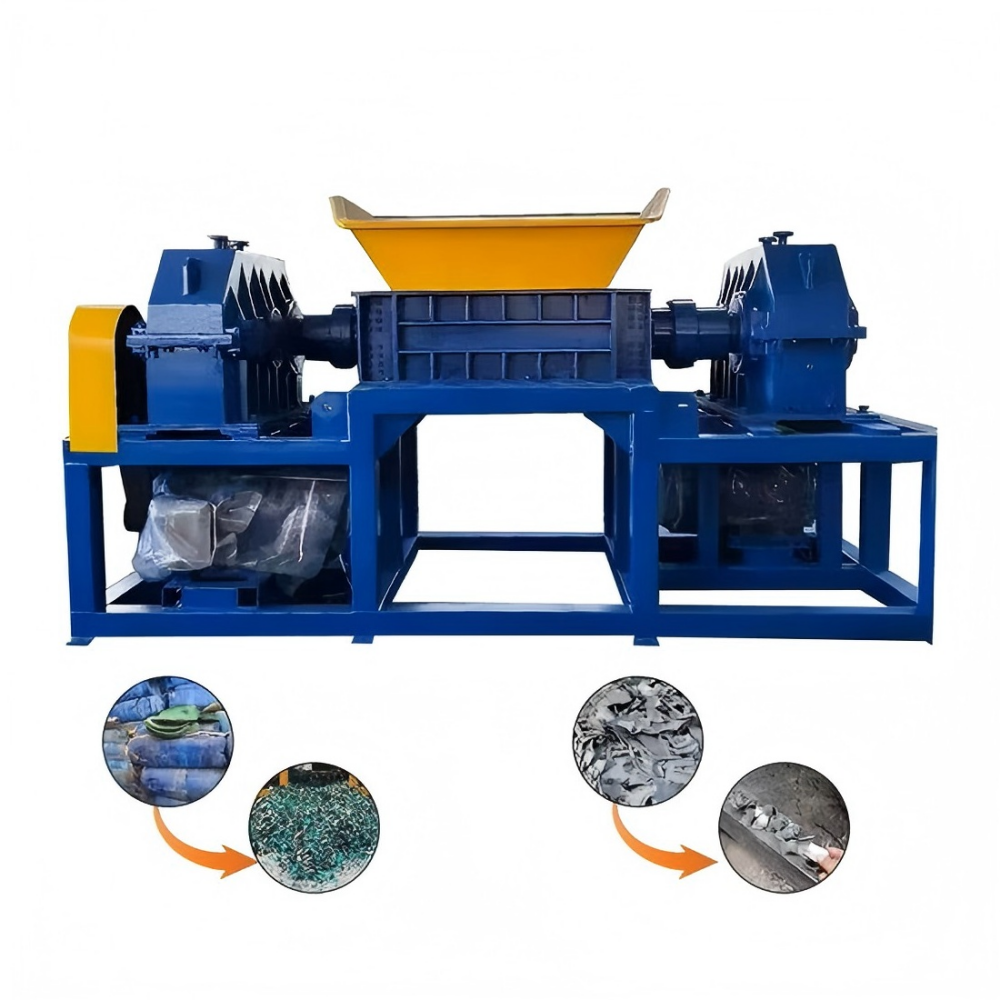
Price Range Overview: What to Expect
The market for double-shaft shredders is vast, with prices ranging from entry-level units to massive, custom-engineered systems. Understanding these price brackets is the first step in budgeting for your facility. Generally, the cost is dictated by the throughput capacity (tons per hour) and the toughness of the material it is designed to handle.
- Entry-Level/Small Scale ($15,000 – $35,000): These machines are typically designed for light plastics, electronic waste (E-waste), and thin-walled aluminum. They usually feature motors between 15kW and 30kW. While affordable, they lack the torque required for heavy steel or thick industrial rubber.
- Mid-Range Industrial ($40,000 – $90,000): This is the most common category for professional recycling centers. These shredders handle heavy plastics, car bumpers, wood pallets, and light scrap metal. They feature reinforced frames, better blade alloys like D2 or SKD-11, and advanced PLC controls.
- Heavy-Duty/High-Capacity ($100,000 – $300,000+): Designed for 24/7 operation, these machines process car shells, thick metal drums, and municipal solid waste (MSW). They utilize high-torque planetary gearboxes and massive motors (often dual 75kW or higher) to crush through the most stubborn materials.
When reviewing prices, it is vital to remember that the “cheapest” machine often carries the highest total cost of ownership due to frequent blade failures and downtime. HARSLE recommends focusing on the cost-per-ton of processed material rather than the initial purchase price.
Main Cost Drivers in Shredder Manufacturing
Why do two machines that look identical have a $20,000 price difference? The answer lies beneath the housing. The primary cost drivers in a double-shaft shredder are the components that endure the most stress.
1. Blade Material and Heat Treatment
The blades (or cutters) are the most expensive wear part. Standard shredders might use Cr12MoV, which is adequate for soft plastics. However, for scrap metal and industrial waste, you need high-alloy steels like D2 (AISI) or DC53. These materials undergo vacuum heat treatment to achieve a hardness of HRC 58-62, ensuring they can cut through metal without chipping. The manufacturing process of these blades—precision grinding and wire-cutting—adds significantly to the cost.
2. The Gearbox and Drive System
The gearbox is the heart of the shredder’s torque. High-end shredders use planetary gearboxes (such as those from Bonfiglioli or high-quality domestic equivalents) because they can handle the massive shock loads generated when the blades hit a non-shreddable object. A cheap gearbox will fail under the vibration and stress of metal recycling, leading to catastrophic machine failure.
3. Motor Quality and Power
Copper-core motors with high IP ratings (like Siemens or WEG) are standard in premium machines. These motors provide consistent torque and are more energy-efficient. In a double-shaft system, having dual motors (one for each shaft) allows for independent control and better distribution of power, though it increases the initial cost.
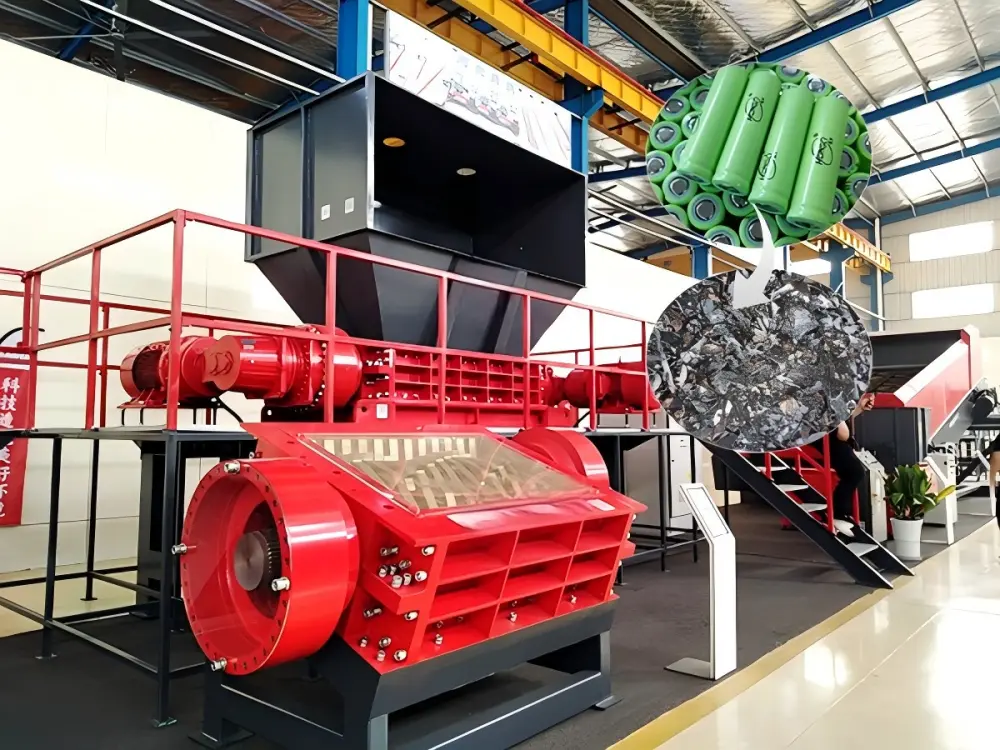
Configuration Impact: Matching the Machine to the Material
One of the best double-shaft shredder buying tips is to customize the configuration based on your specific waste stream. A “one size fits all” approach rarely works in industrial shredding.
Blade Profile and Tooth Count
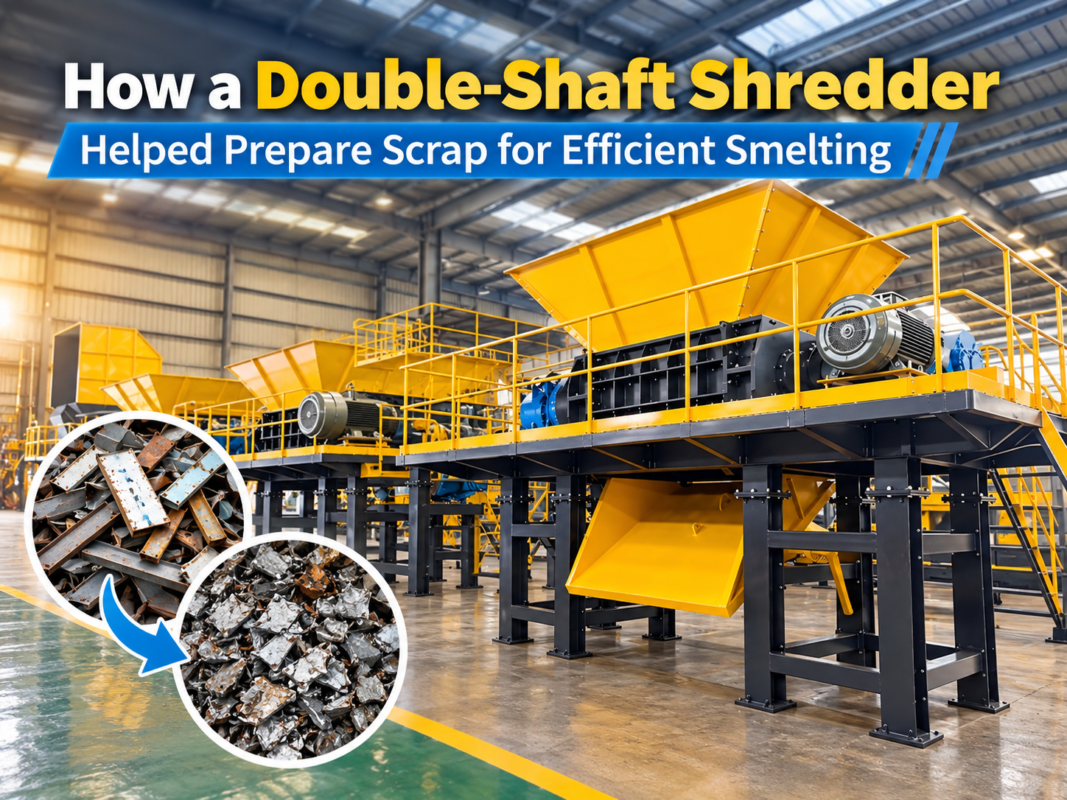
The number of “teeth” on each blade determines the size of the output. For example, a single-hook blade is excellent for grabbing large, hollow objects like plastic drums or car tires. Multi-hook blades (3-hook or 5-hook) produce a smaller, more uniform output but may struggle with very thick metal. If you are shredding scrap metal for smelting, you need a configuration that maximizes density.
Shaft Design: Hexagonal vs. Square
High-quality shredders like those from HARSLE utilize hexagonal shafts. This design provides more contact points for the blades, ensuring that the torque is distributed evenly. This prevents the blades from slipping or stripping the shaft under heavy loads, a common issue in lower-quality square-shaft designs.
PLC and Automation Features
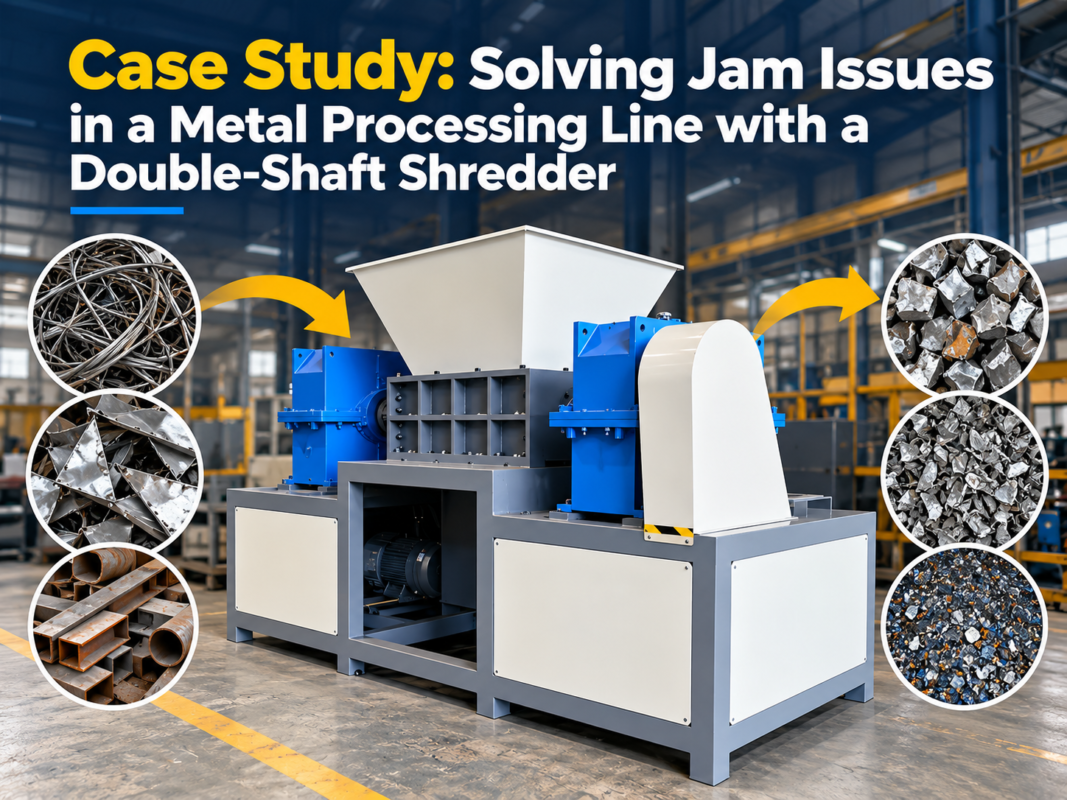
Modern industrial waste processing requires smart technology. A high-quality PLC (Programmable Logic Controller) should include an “Auto-Reverse” function. When the machine detects an overload (e.g., a piece of steel that is too thick), the PLC automatically reverses the shafts to clear the jam and then tries again. This prevents motor burnout and reduces the need for manual intervention.
Hidden Costs of Owning a Double-Shaft Shredder
The purchase price is only the beginning. To truly understand the investment, buyers must account for the hidden costs associated with heavy machinery.
- Electricity Consumption: Shredders are power-hungry. A 110kW machine running 8 hours a day can result in significant monthly utility bills. Look for machines with high-efficiency motors and VFDs (Variable Frequency Drives) to manage power spikes.
- Blade Maintenance and Sharpening: Blades are not permanent. Depending on the material (metal is more abrasive than plastic), blades may need sharpening every 500-1,000 hours. The cost of removing, sharpening, and re-installing blades, or replacing them entirely, must be factored into your operational budget.
- Wear Parts Inventory: You should always keep spare spacers, cleaning fingers, and a set of blades in stock. Downtime in a recycling facility can cost thousands of dollars per hour in lost productivity.
- Foundation and Installation: Heavy-duty shredders require a reinforced concrete pad to handle the vibration. Additionally, you may need specialized electrical work to bring high-voltage power to the machine’s location.
ROI Calculation: Is the Investment Worth It?
Calculating the Return on Investment (ROI) for a double-shaft shredder involves more than just looking at the resale value of the shredded material. You must consider the “Volume Reduction Factor.” For industrial waste, shredding can reduce volume by up to 80%. This leads to massive savings in transportation costs, as you can fit significantly more weight into a single truckload.
The ROI Formula:
(Value of Processed Material – Cost of Raw Waste – Operational Costs) / Total Investment = ROI
For example, if you are processing scrap aluminum, the shredded “chips” often fetch a higher price at the foundry than raw, bulky extrusions because they are easier to melt and have fewer contaminants. If the shredder allows you to process 5 tons per day with a profit margin of $200 per ton, the machine pays for itself in less than a year, assuming a $50,000 initial investment.
Buying Advice: A Step-by-Step Checklist
To ensure you get the best double-shaft shredder for scrap metal, plastic, and industrial waste, follow this professional checklist before signing a contract:
- Material Testing: Never buy a shredder without seeing it process your specific material. Send samples to the manufacturer (HARSLE offers material testing) and request a video of the test or attend in person.
- Check the Frame Thickness: The frame must be heavy and rigid. A thin frame will flex under torque, leading to shaft misalignment and bearing failure. Look for thick, welded steel plates.
- Verify Component Brands: Ensure the bearings, motors, and electronics are from reputable global brands. This ensures that you can find replacement parts locally in the future.
- Inquire About Blade Access: How easy is it to change the blades? Some designs require a total teardown of the machine, while others feature “easy-access” chambers that save days of maintenance time.
- Safety Standards: Ensure the machine is CE compliant and includes emergency stop buttons, safety interlocks on access doors, and hopper extensions to prevent operator injury.
Frequently Asked Questions (FAQ)
What is the difference between a single-shaft and a double-shaft shredder?
A single-shaft shredder uses a high-speed rotor and a hydraulic pusher to press material against a screen, making it ideal for uniform plastic granulating. A double-shaft shredder is a low-speed, high-torque machine designed for “primary” shredding of bulky, tough materials like metal, tires, and large waste. It does not typically use a screen, resulting in a more varied output size.
Can a double-shaft shredder handle stainless steel?
Yes, but it requires specialized blades. Stainless steel is much harder than mild steel or aluminum. If you plan to shred stainless steel regularly, you must specify this to the manufacturer so they can provide blades with higher toughness and a specific hook geometry to prevent shattering.
How often do the blades need to be replaced?
For plastic and wood, blades can last 2,000-4,000 hours before needing a major overhaul. For scrap metal, this drops to 1,000-1,500 hours. Regular sharpening can extend the life of the blades significantly before a full replacement is necessary.
What happens if a non-shreddable object (like a large engine block) enters the machine?
A high-quality shredder will have an electronic monitoring system. When the torque exceeds a safe limit, the machine will stop and reverse. If the object still cannot be processed after 3 attempts, the machine will shut down and trigger an alarm for manual removal, protecting the shafts and gearbox from damage.
Is it better to have an electric or hydraulic drive?
Electric drives are more common, easier to maintain, and more energy-efficient for most applications. Hydraulic drives are typically reserved for extremely heavy-duty applications where variable speeds and maximum shock absorption are required, though they are more expensive and prone to leaks.
How do I choose the right motor power?
This depends on your required throughput. As a rule of thumb, processing 1 ton of mixed plastic per hour requires roughly 30-45kW. Scrap metal requires significantly more power to achieve the same throughput. Always consult with HARSLE engineers to match the kW rating to your production goals.
Does the shredder produce a lot of dust?
Double-shaft shredders operate at low speeds (typically 15-30 RPM), which generates significantly less dust than high-speed granulators. However, for certain industrial wastes, a dust collection system or water misting system may still be recommended to meet environmental regulations.
Can I change the output size later?
The output size is primarily determined by the width of the blades and the number of hooks. To change the output size significantly, you would need to replace the entire set of blades and spacers. It is best to decide on your required output size during the configuration phase.
Conclusion
Investing in a double-shaft shredder is a transformative step for any recycling or industrial waste facility. By focusing on high-quality metallurgy, robust gearboxes, and smart PLC features, you can ensure that your machine handles the rigors of scrap metal and plastic processing for years to come. Remember that the best double-shaft shredder buying tips always emphasize long-term durability over short-term savings. HARSLE remains committed to providing high-performance shredding solutions that empower businesses to turn waste into wealth efficiently and sustainably.