Double-Shaft Shredder Selection Guide: Comparing Power, Torque, and Cutting Performance

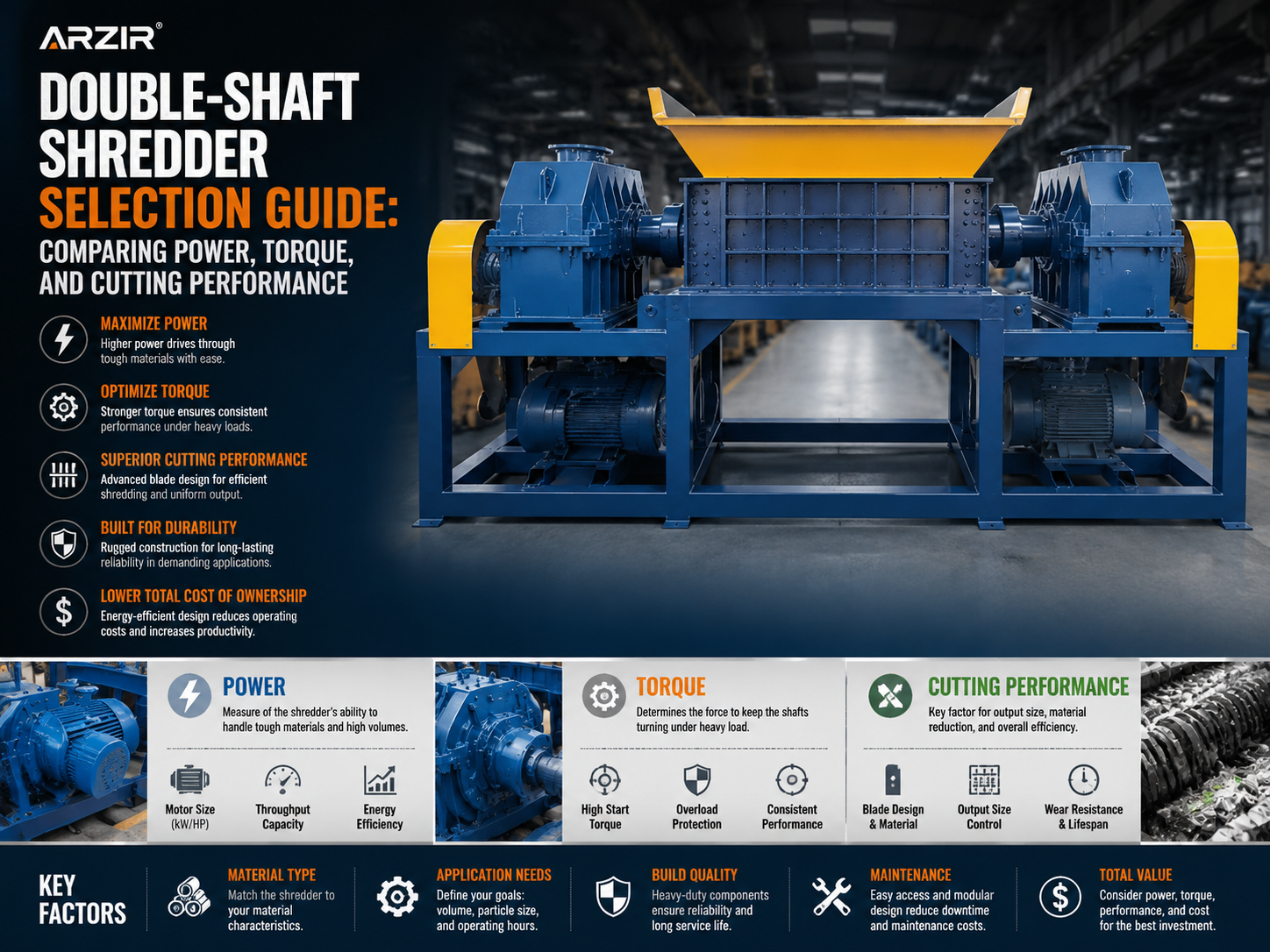
Introduction to Industrial Double-Shaft Shredders
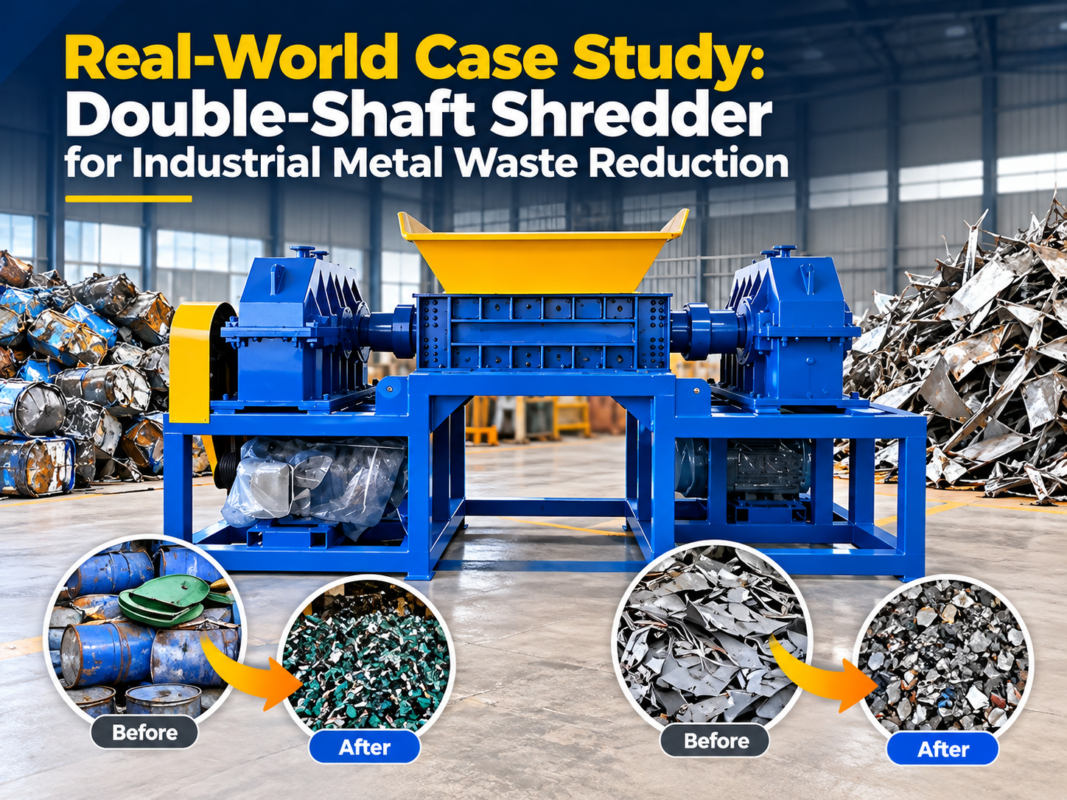
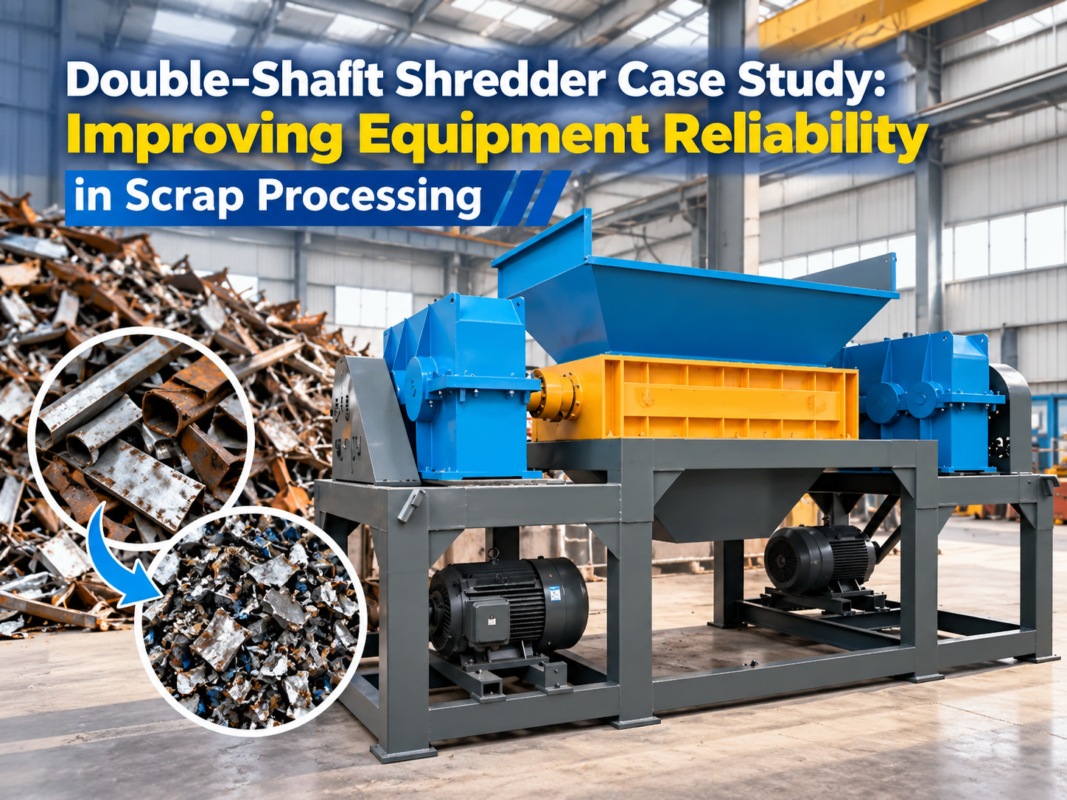
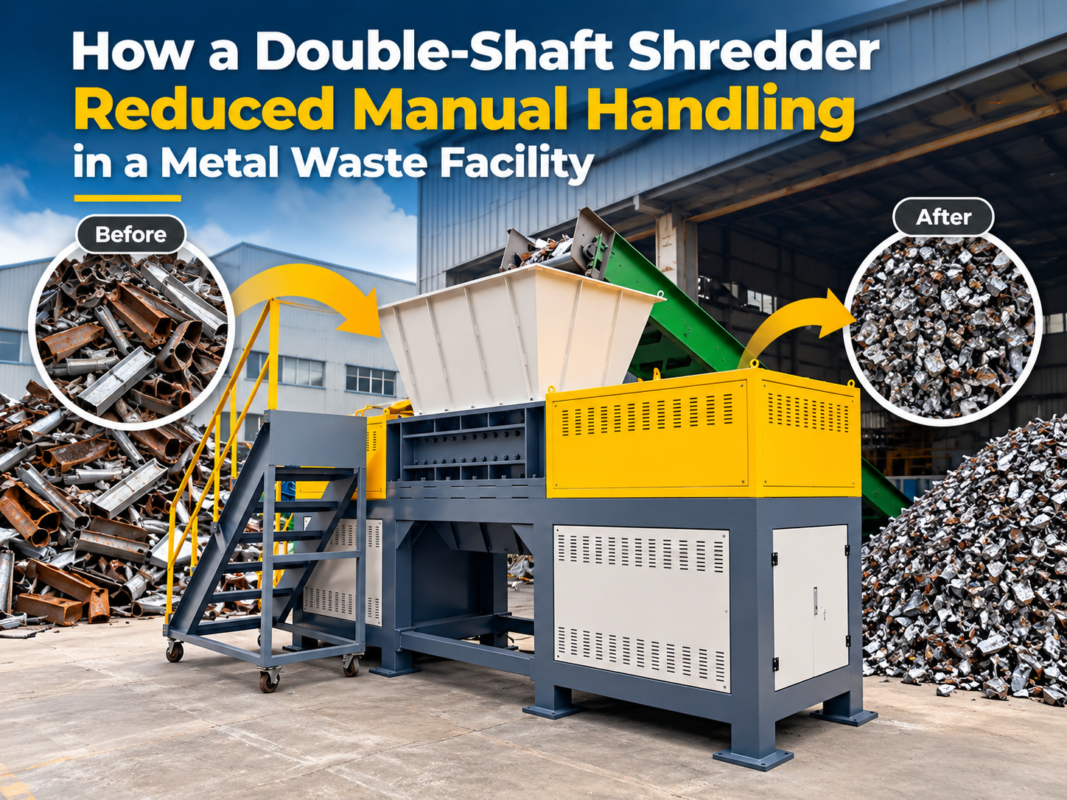
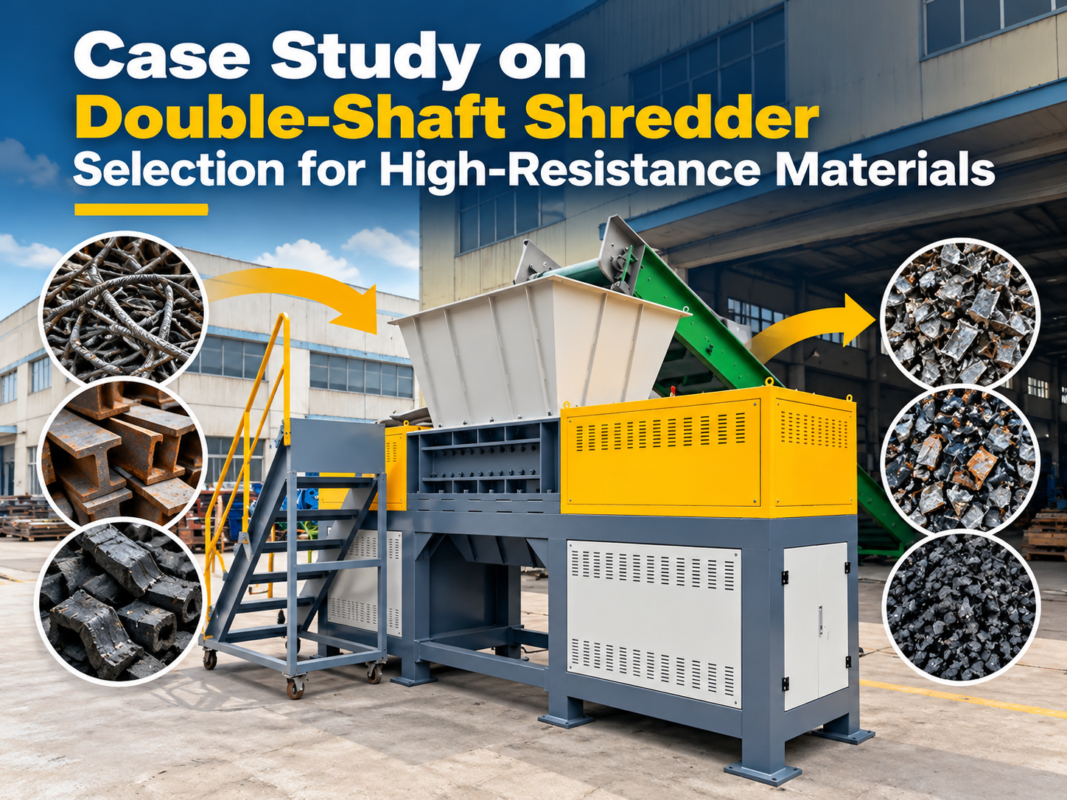
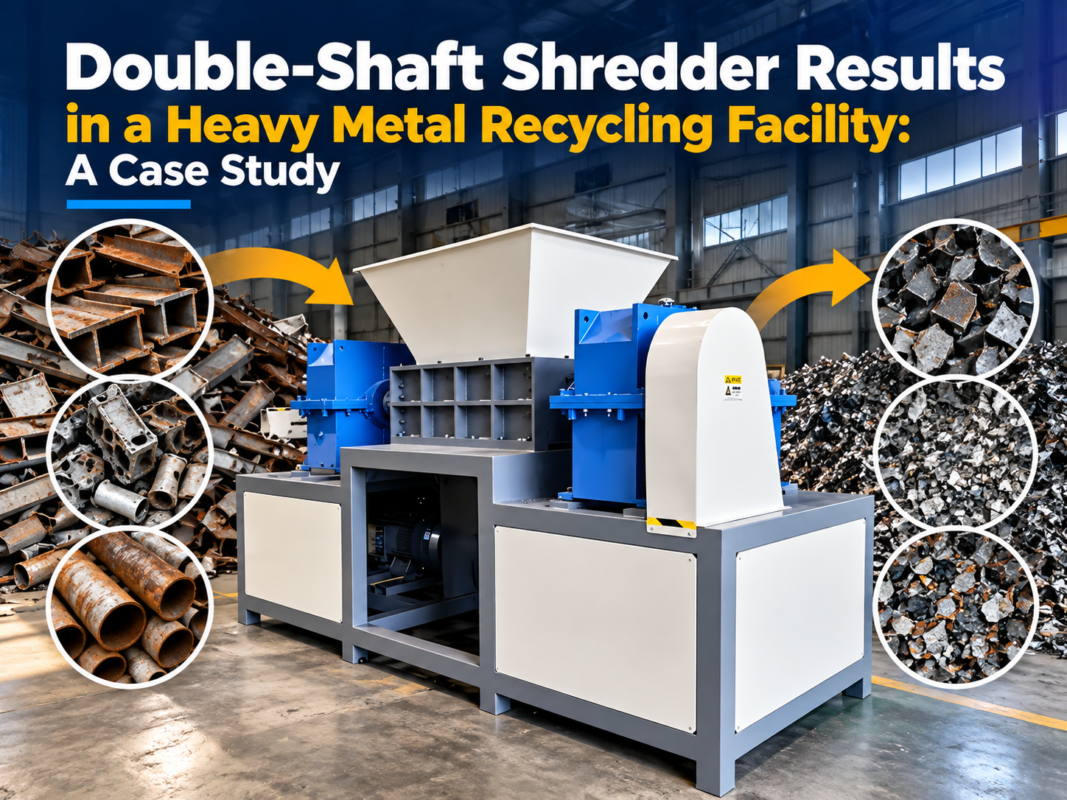
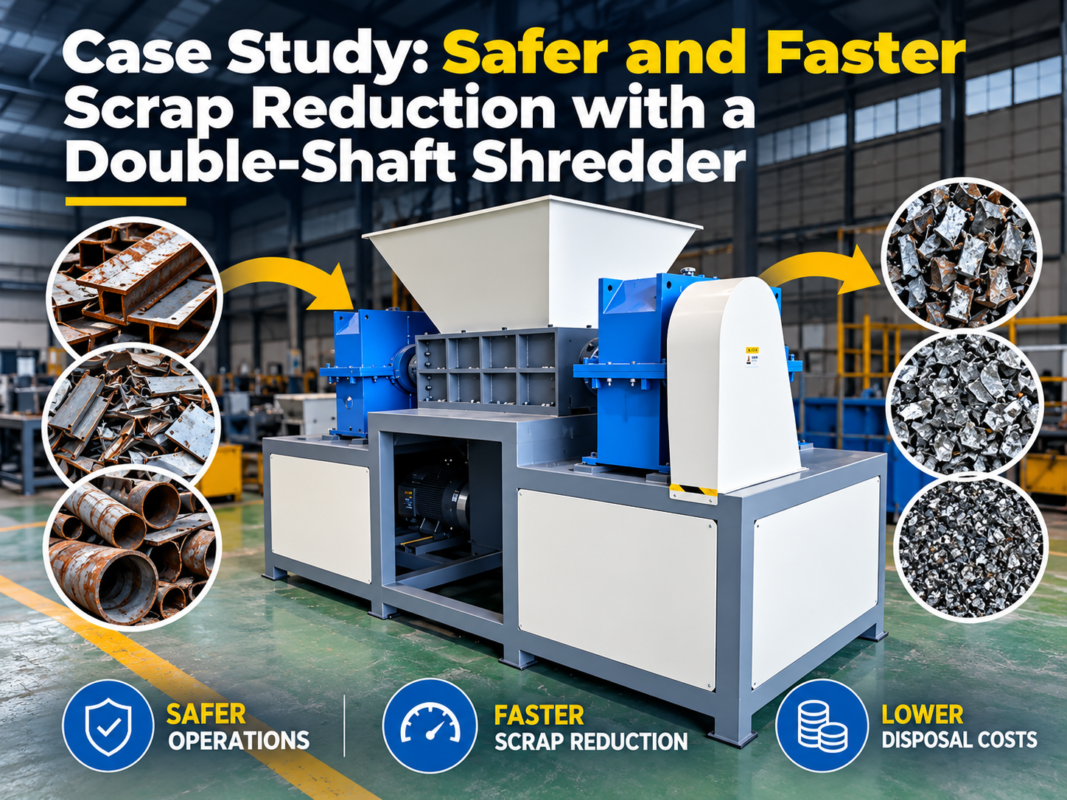
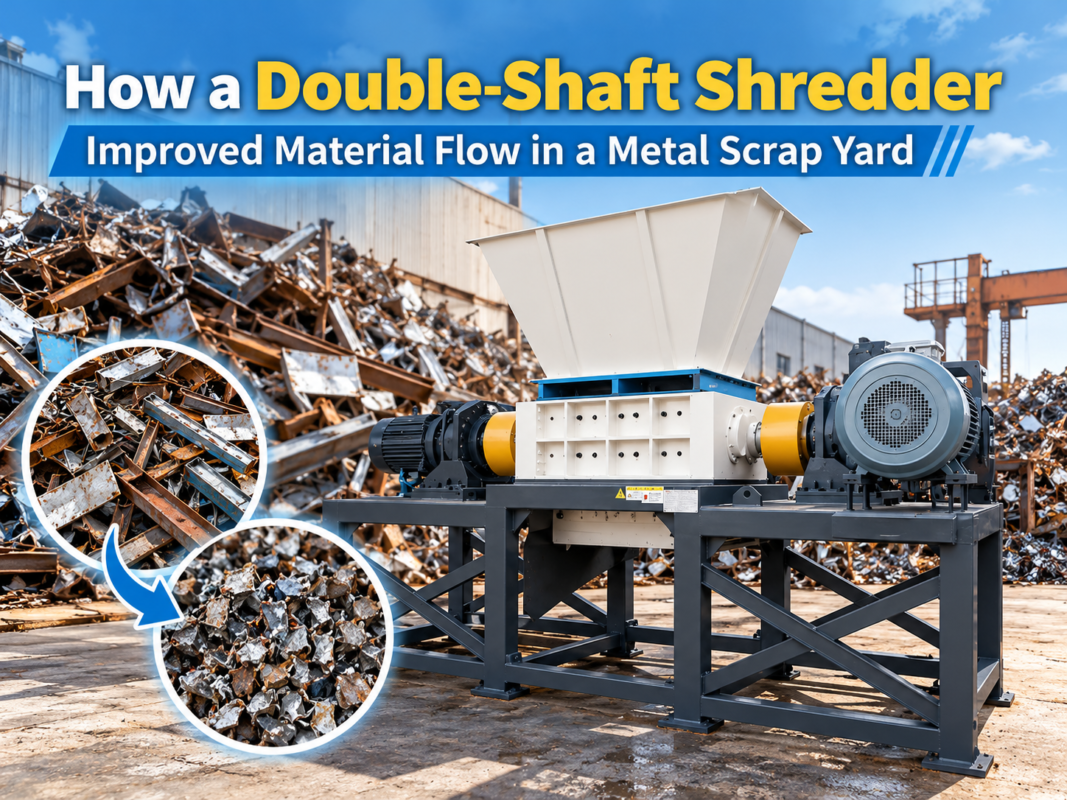
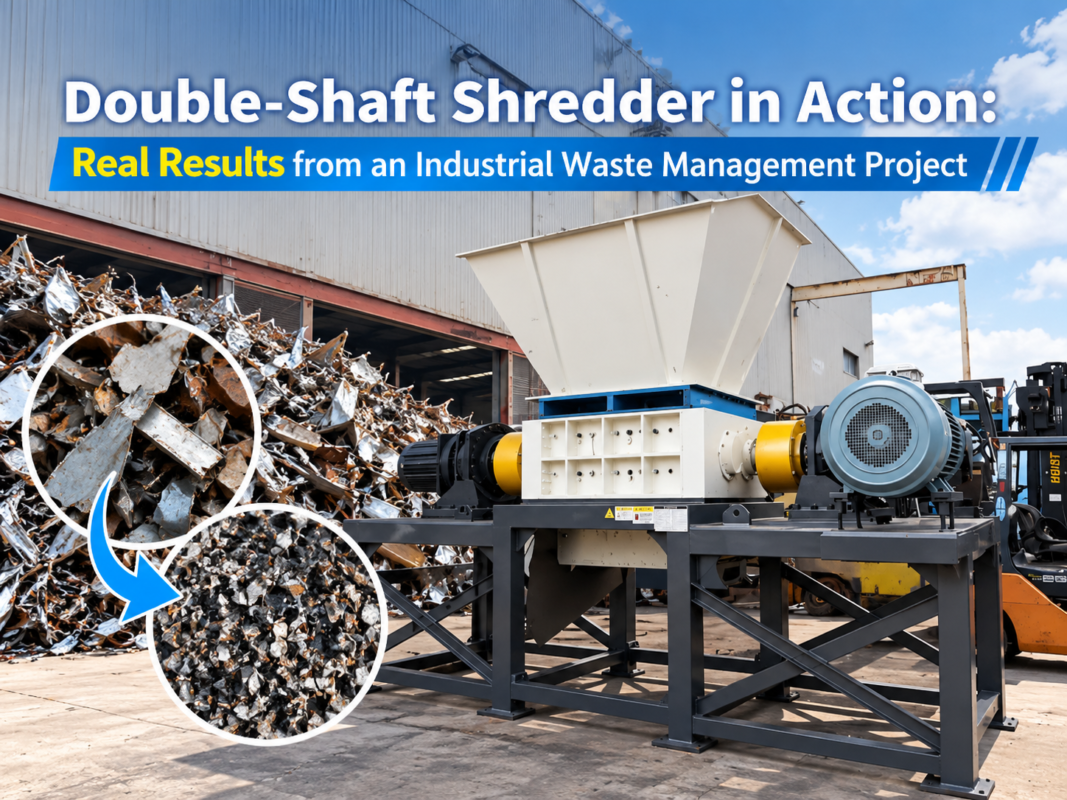
In the modern industrial landscape, the double-shaft shredder has emerged as a cornerstone of waste management, recycling, and material preparation. Unlike single-shaft shredders that rely on high speeds and screens to determine output size, the double-shaft shredder operates on a low-speed, high-torque principle. This design allows it to tackle the most challenging materials—from scrap metal and car tires to electronic waste and bulky plastics—with remarkable efficiency. For businesses looking to invest in this technology, understanding the nuances of Double-Shaft Shredder Selection : Comparing Power, Torque, Cutting Performance is critical to ensuring long-term operational success and a high return on investment.
HARSLE, a leader in metal fabrication and industrial machinery, understands that a shredder is more than just a machine; it is a vital link in the production chain. Choosing the wrong configuration can lead to frequent jams, excessive blade wear, or insufficient throughput, all of which eat into profit margins. This guide provides a deep dive into the technical specifications and economic factors that define the best shredding solutions in the market today.
Price Range Overview: Navigating the Market
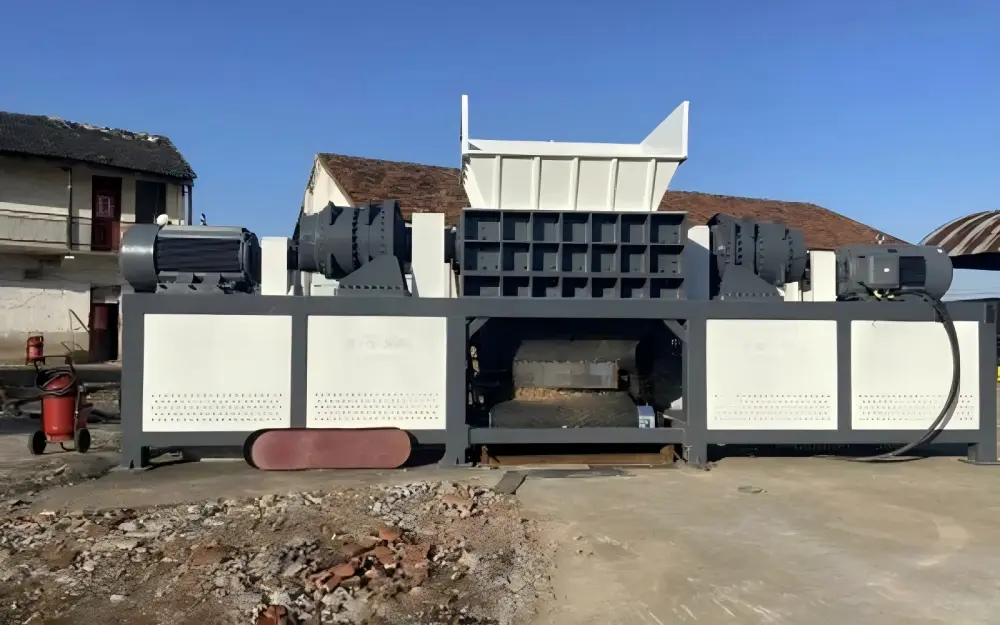
The price of a double-shaft shredder can vary significantly based on its capacity, build quality, and intended application. Generally, the market is divided into three primary tiers: entry-level/small-scale, mid-range industrial, and heavy-duty custom systems. Understanding where your needs fall within these ranges is the first step in the selection process.
- Entry-Level/Small-Scale ($10,000 – $30,000): These machines are typically designed for lighter materials like thin plastics, cardboard, or light electronic scrap. They feature lower motor power (often between 7.5kW to 15kW) and smaller cutting chambers. While affordable, they lack the structural reinforcement required for continuous heavy-duty metal shredding.
- Mid-Range Industrial ($30,000 – $85,000): This is the most common category for professional recycling facilities. These shredders feature robust frames, motors ranging from 22kW to 75kW, and high-quality alloy steel blades. They are capable of handling mixed waste, aluminum extrusions, and light scrap metal.
- Heavy-Duty/Custom Systems ($100,000 – $300,000+): These are massive machines designed for the most demanding environments, such as car dismantling plants or large-scale municipal waste facilities. They often feature dual motors (up to 200kW+), advanced PLC control systems, and specialized blade configurations for specific materials like steel-belted tires or thick-walled metal drums.
When evaluating price, it is essential to look beyond the initial sticker cost. A cheaper machine with lower-quality components will often result in higher maintenance costs and more frequent downtime, eventually costing more than a premium machine over its lifecycle. HARSLE emphasizes the importance of matching the machine’s structural integrity to the toughest material it will encounter, not just the average material.
Main Cost Drivers: What Determines the Price?
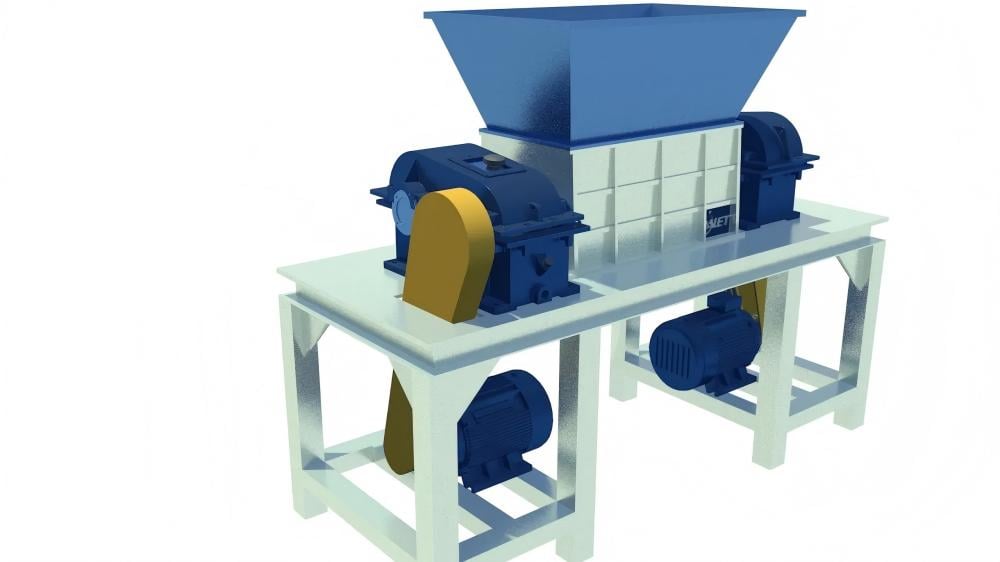
Several key components drive the cost of a double-shaft shredder. Understanding these helps buyers identify where to invest for performance and where they might be able to save. The primary cost drivers include the motor and gearbox assembly, the blade metallurgy, and the structural frame.
1. The Power Plant: Motors and Gearboxes
The motor and gearbox are the heart of the shredder. High-quality brands like Siemens or ABB for motors, and Bonfiglioli or SEW for gearboxes, command a premium but offer superior reliability and efficiency. In a double-shaft system, the gearbox must handle immense shock loads when the blades encounter non-shreddable items. A planetary gearbox is often preferred for high-torque applications because it distributes the load across multiple gears, increasing durability compared to standard spur gearboxes.
2. Blade Material and Manufacturing
The blades (or cutters) are the primary wear part. The choice of material—such as SKD-11, D2, or DC53—significantly impacts the price. High-chromium, high-carbon tool steels are expensive but offer the hardness required to maintain a sharp edge and the toughness to resist chipping. Furthermore, the manufacturing process (vacuum heat treatment vs. standard tempering) affects the blade’s lifespan. A shredder with 40 high-quality blades can easily cost $5,000 more than one with standard steel blades, but it will last three to four times longer.
3. Frame and Shaft Construction
A double-shaft shredder generates massive internal forces. The frame must be constructed from heavy-gauge, welded steel plates that have been stress-relieved to prevent warping over time. Similarly, the shafts must be made from high-strength alloy steel (like 42CrMo) and precision-machined to ensure perfect blade alignment. Any flex in the shafts or frame will lead to premature bearing failure and uneven blade wear.
Configuration Impact: Power, Torque, and Cutting Performance
The relationship between power, torque, and cutting performance is the most technical aspect of Double-Shaft Shredder Selection : Comparing Power, Torque, Cutting Performance. To choose the right machine, one must understand how these three factors interact to process specific materials.
The Physics of Shredding: Power vs. Torque
Power (measured in kilowatts or horsepower) is the rate at which work is done. Torque (measured in Newton-meters) is the rotational force applied by the shafts. In shredding, torque is the most critical factor for “breaking” the material, while power determines how fast the machine can process it. For example, shredding a thick steel pipe requires immense torque to initiate the cut. If the shredder has high power but low torque (due to high shaft speed), it will likely stall. Conversely, a high-torque, low-power machine will successfully cut the pipe but will do so slowly.
Shaft Speed and Throughput
Double-shaft shredders typically operate at low speeds (10-25 RPM). This low speed is intentional; it maximizes torque and minimizes dust, noise, and heat generation. However, the exact RPM must be balanced with the blade profile. More hooks on a blade will increase the “grab” and throughput for soft materials like plastics but may increase the risk of jamming on hard metals. Finding the “sweet spot” for your specific material mix is essential for optimizing cutting performance.
Blade Thickness and Hook Geometry
The configuration of the blades—their thickness and the number of hooks—directly affects the output size and the machine’s ability to pull material in. Thinner blades produce a smaller output but are more susceptible to damage from heavy contaminants. Multi-hook blades are excellent for tearing apart bulky items like furniture or tires, while single-hook or no-hook blades are better for shearing thick metal plates. When selecting a configuration, HARSLE recommends a thorough analysis of the input material’s physical properties.
Hidden Costs: Beyond the Purchase Price
The total cost of ownership (TCO) of a double-shaft shredder includes several factors that are often overlooked during the initial purchase. Being aware of these hidden costs is vital for accurate budgeting and ROI projections.
- Blade Maintenance and Sharpening: Blades will eventually dull. Depending on the material being shredded (e.g., abrasive glass-filled plastics vs. clean aluminum), blades may need sharpening every 500 to 2,000 hours. The cost of removing, sharpening, and reinstalling dozens of heavy blades can be significant.
- Electricity Consumption: Industrial shredders are high-energy consumers. A machine that is poorly matched to its task will run longer and consume more power to process the same amount of material. Investing in high-efficiency motors and VFD (Variable Frequency Drive) systems can save thousands in annual energy costs.
- Wear Parts Replacement: Beyond blades, other parts like spacers, cleaning combs, and bearings will eventually need replacement. Availability and cost of these proprietary parts should be a major consideration when choosing a manufacturer.
- Downtime Costs: If a shredder breaks down, the entire recycling line often stops. The cost of lost production can far outweigh the cost of a spare parts kit or a more reliable machine.
ROI Calculation: Is the Investment Worth It?
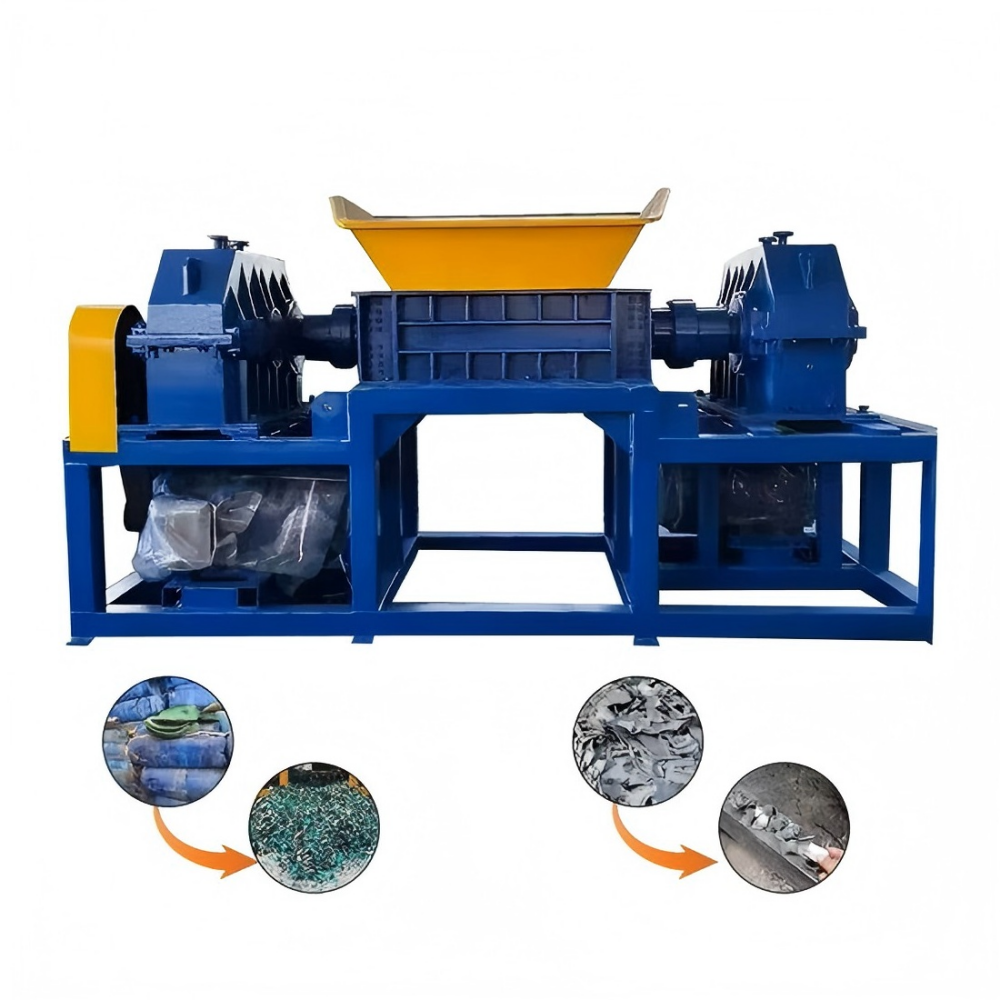
Calculating the Return on Investment (ROI) for a double-shaft shredder involves comparing the total cost of ownership against the value generated by the machine. Value is typically generated in three ways: volume reduction, material recovery, and downstream protection.
1. Volume Reduction
For many businesses, the primary goal is reducing the volume of waste to lower transportation and landfill costs. For example, shredding bulky plastic drums can reduce their volume by a ratio of 4:1. If a company spends $10,000 a month on waste hauling, a 75% reduction in volume could save $7,500 monthly, paying off a $60,000 shredder in less than a year.
2. Material Recovery and Resale
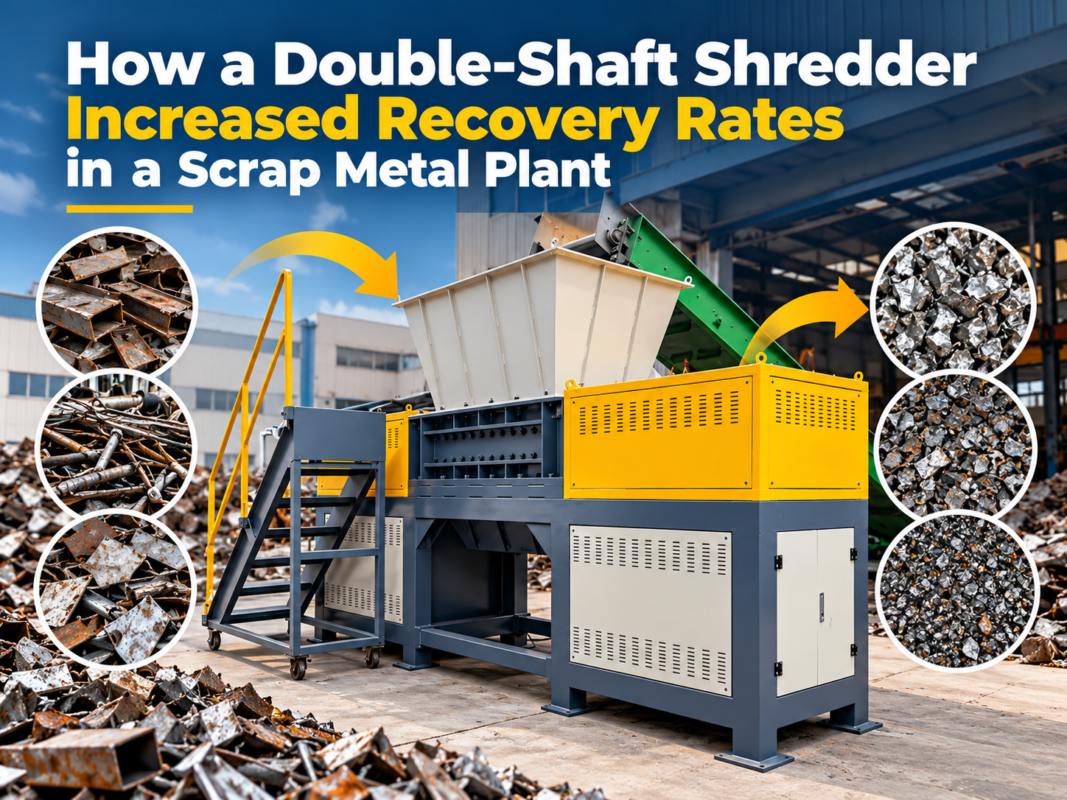
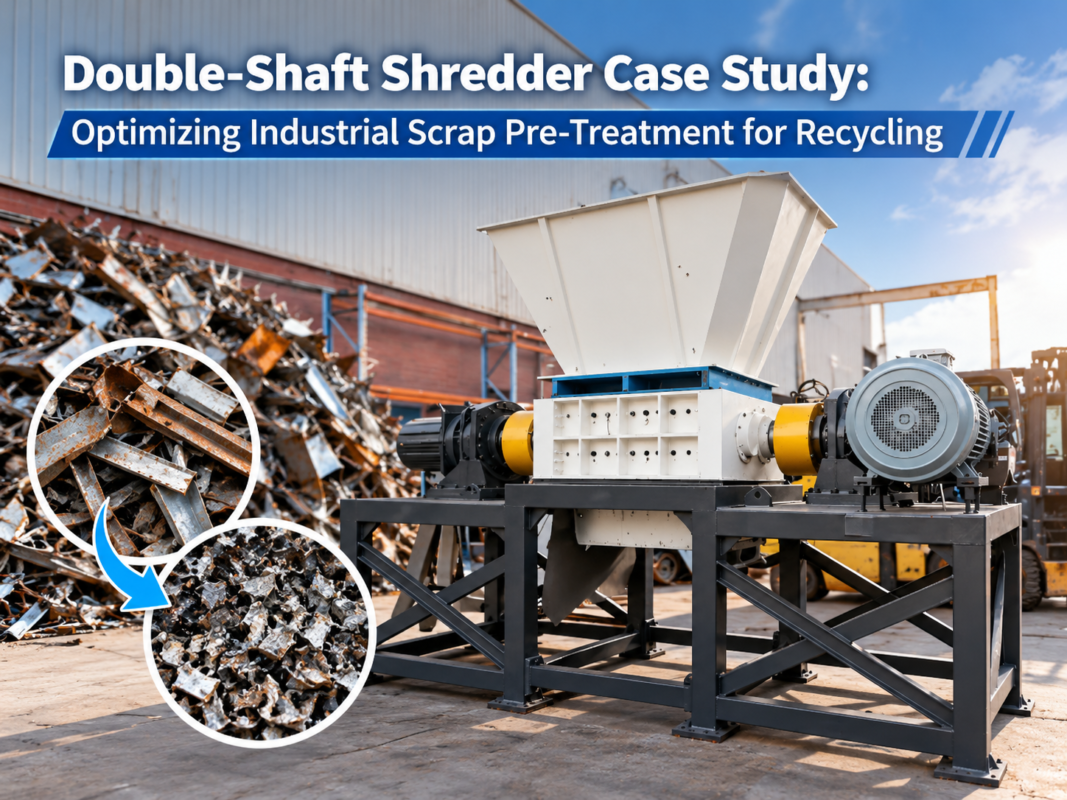
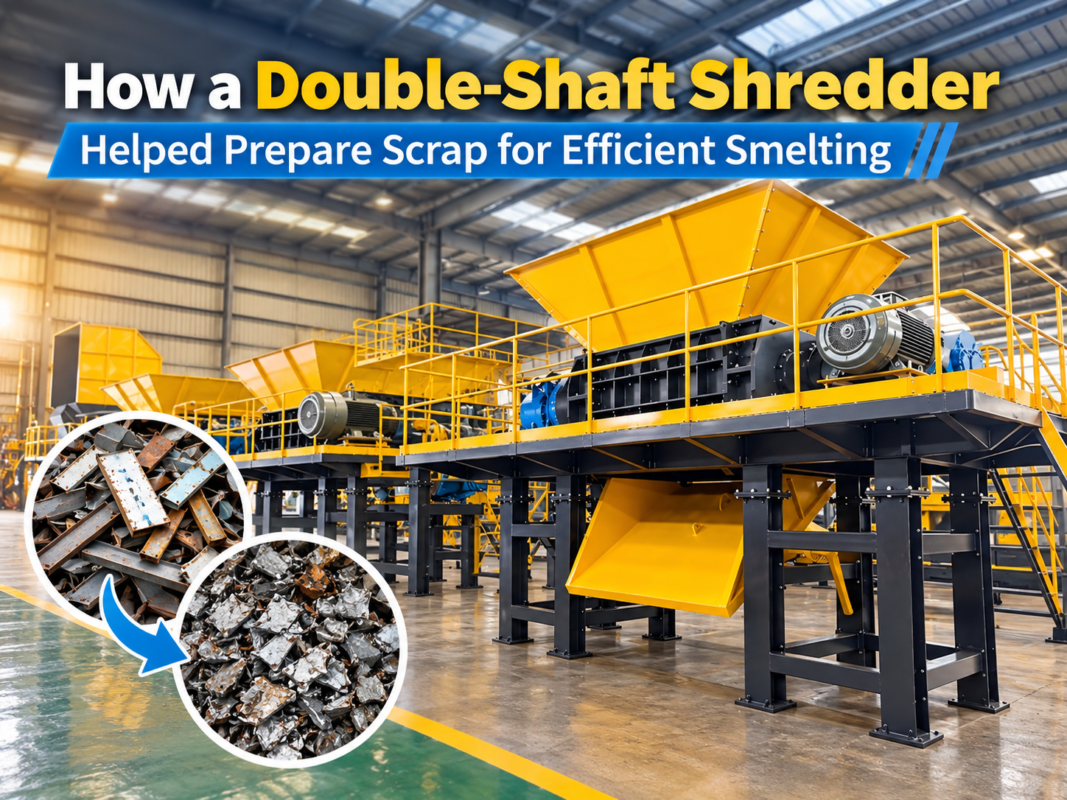
Shredding is often the first step in separating valuable materials from waste streams. Shredded scrap metal fetches a higher price than bulky scrap because it is easier for smelters to handle and has a higher bulk density. By processing waste into a high-quality raw material, companies can turn a disposal cost into a revenue stream.
3. Protecting Downstream Equipment
In many recycling lines, a double-shaft shredder acts as a primary crusher, protecting more sensitive equipment like granulators or optical sorters from large, heavy objects. By preventing damage to these expensive machines, the shredder provides an indirect but substantial ROI through reduced repair costs and increased system uptime.
Buying Advice: How to Choose the Right Shredder
When you are ready to make a purchase, follow this checklist to ensure you select the best machine for your needs. HARSLE suggests that buyers should never skip the material testing phase.
- Define Your Material: What is the toughest material you will shred? What is the average material? Provide samples to the manufacturer for testing.
- Determine Required Throughput: How many tons per hour (TPH) do you need to process? Be realistic; over-specifying a machine leads to wasted energy, while under-specifying leads to premature wear.
- Check the Blade Metallurgy: Ask for the specific grade of steel used for the blades and the hardness rating (HRC). Ensure the blades can be sharpened multiple times.
- Evaluate the Drive System: Does the machine use a single motor or dual motors? Does it have a robust gearbox? Is there a VFD for speed control and torque management?
- Assess Ease of Maintenance: Look for features like split-bearing housings or easy-access chambers that make blade changes and cleaning faster.
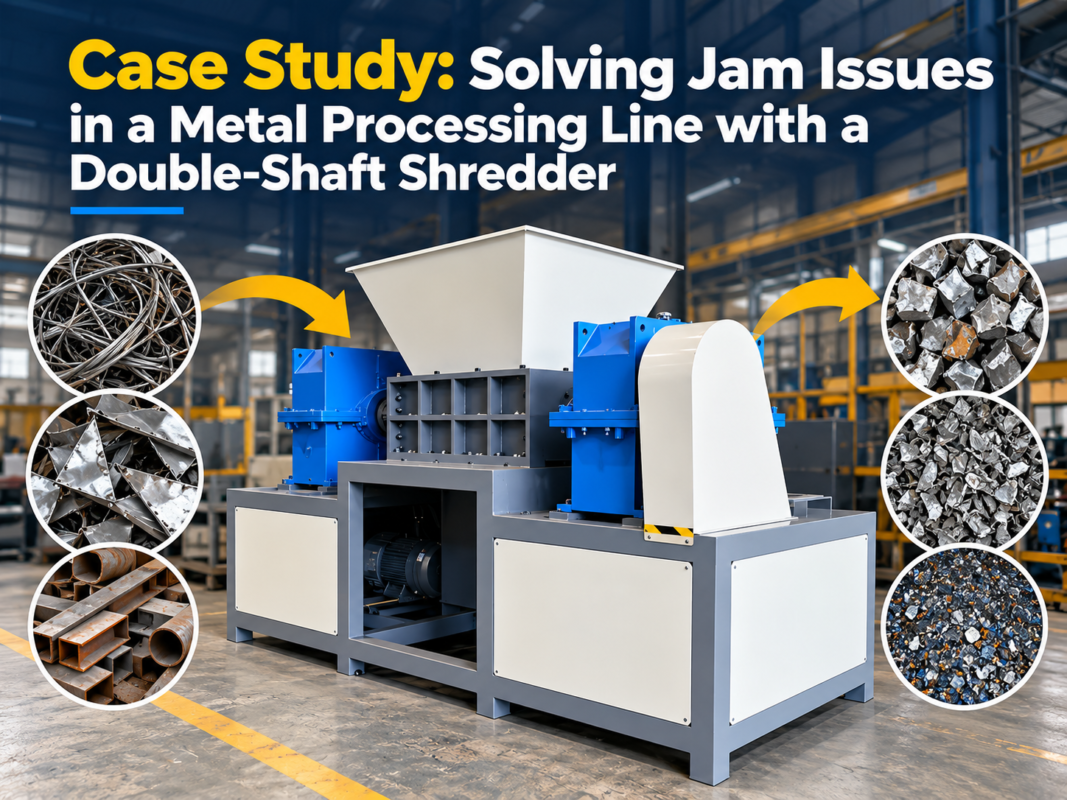
- Verify Safety and Control Features: Ensure the machine has an auto-reverse function. This feature detects a torque spike (indicating a jam) and automatically reverses the shafts to clear the obstruction, preventing motor burnout or shaft breakage.
| Feature | Standard Shredder | HARSLE High-Performance Series |
|---|---|---|
| Blade Material | Cr12MoV | SKD-11 / D2 Tool Steel |
| Gearbox Type | Standard Spur Gear | Heavy-Duty Planetary Gearbox |
| Control System | Basic Relay Logic | Siemens PLC with Touchscreen & Auto-Reverse |
| Shaft Material | 45# Carbon Steel | 42CrMo High-Strength Alloy |
| Frame Construction | Standard Welded Plate | Stress-Relieved, Heavy-Gauge Steel |
Frequently Asked Questions (FAQ)
1. Can a double-shaft shredder handle all types of metal?
While double-shaft shredders are incredibly powerful, they have limits. They are excellent for aluminum, copper, light steel (up to 6-8mm thickness), and electronic scrap. However, they are not intended for heavy structural steel beams, large engine blocks, or hardened tool steel. For those materials, specialized heavy-duty shears or hammer mills are required.
2. How often do the blades need to be replaced?
Blade life depends entirely on the material being processed. For clean plastics, blades can last 3,000+ hours. For contaminated waste or metals, they may need attention every 800-1,200 hours. Regular sharpening can extend the total life of a blade set significantly before a full replacement is necessary.
3. What is the advantage of a dual-motor design?
A dual-motor design provides independent power to each shaft. This allows for more sophisticated torque management and ensures that if one shaft encounters a tough spot, the other can continue to pull material through. It also provides a level of redundancy and generally allows for higher total torque output compared to a single motor of the same total power driving both shafts through a splitter gearbox.
4. Why is torque more important than speed in a shredder?
In shredding, the goal is to shear or tear material apart. This requires force (torque). High speed actually works against the shredding process for bulky items because the blades may just “bounce” off the material rather than grabbing and cutting it. Low speed and high torque ensure the blades bite into the material and force it through the cutting zone.
5. How do I know if I need a single-shaft or double-shaft shredder?
Single-shaft shredders are best for producing a consistent, small output size (using a screen) and are typically used for plastics, wood, and paper. Double-shaft shredders are better for heavy-duty applications, bulky items, and materials that might wrap around a single shaft. If your primary goal is volume reduction of tough materials, a double-shaft shredder is usually the better choice.
6. Does HARSLE provide custom blade configurations?
Yes, HARSLE specializes in tailoring the blade thickness, hook count, and metallurgy to the specific waste stream of the customer. This customization ensures maximum cutting performance and longevity for your specific application.
Conclusion
Selecting the right double-shaft shredder is a complex process that requires a deep understanding of the relationship between power, torque, and material science. By focusing on high-quality components, realistic ROI calculations, and the specific needs of your material stream, you can invest in a machine that will serve your business for decades. HARSLE remains committed to providing the technical expertise and robust machinery needed to solve the toughest industrial shredding challenges. Whether you are processing scrap metal, tires, or electronic waste, the right Double-Shaft Shredder Selection : Comparing Power, Torque, Cutting Performance will be the foundation of your operational efficiency.