Gantry Shear Purchase Guide: Matching Machine Capacity to Your Production Needs

Introduction to Gantry Shear Selection
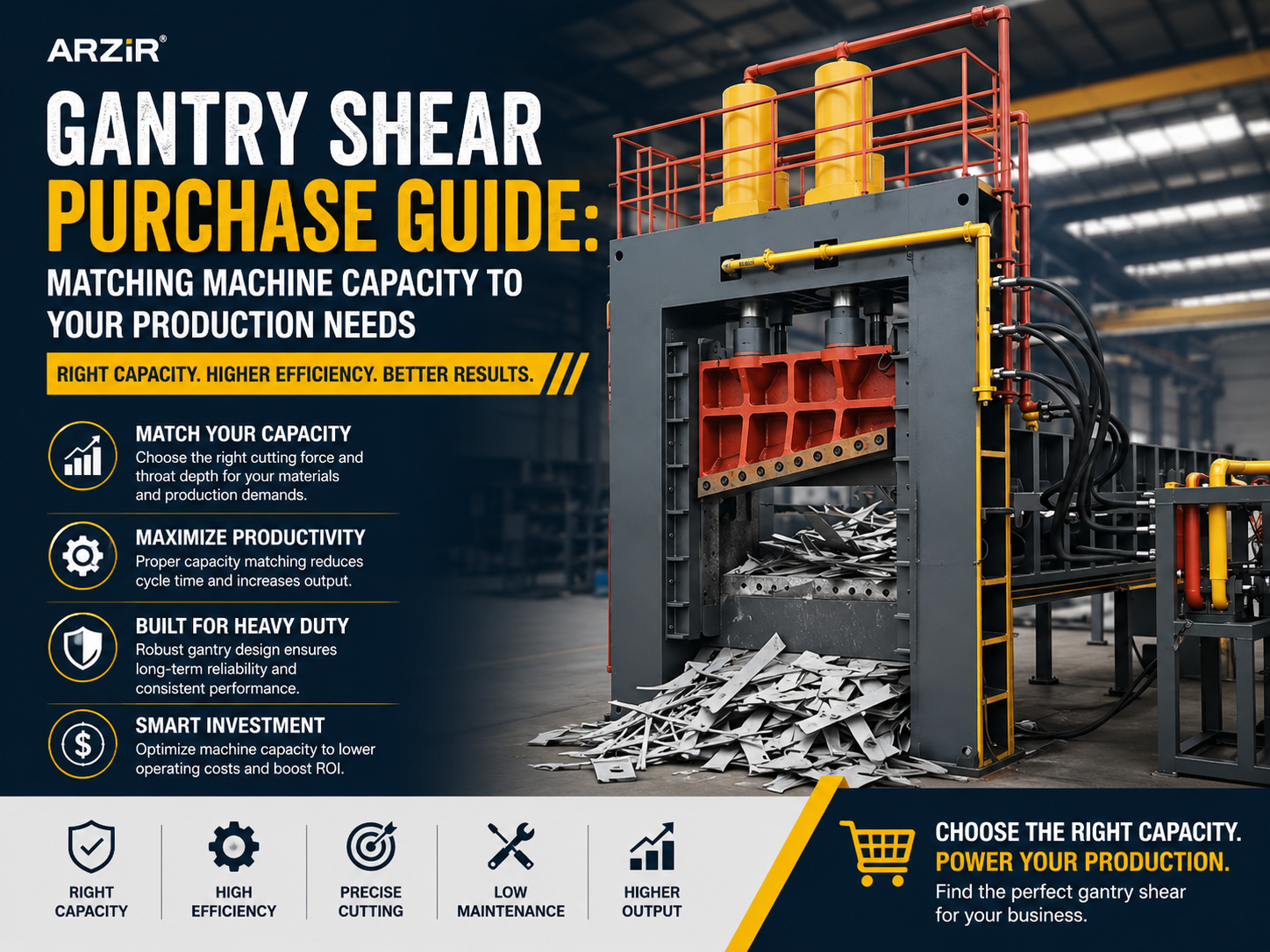
In the heavy-duty world of scrap metal recycling and metal fabrication, the gantry shear stands as a titan of efficiency. Choosing the right machine is not merely about buying the largest unit available; it is about a strategic Gantry Shear Purchase: Matching Machine Capacity Production Needs. A mismatch in capacity can lead to either a bottleneck in production or an unnecessary drain on capital and operational resources. This guide is designed to navigate the complexities of selecting a gantry shear that aligns perfectly with your facility’s throughput, material types, and long-term financial goals.
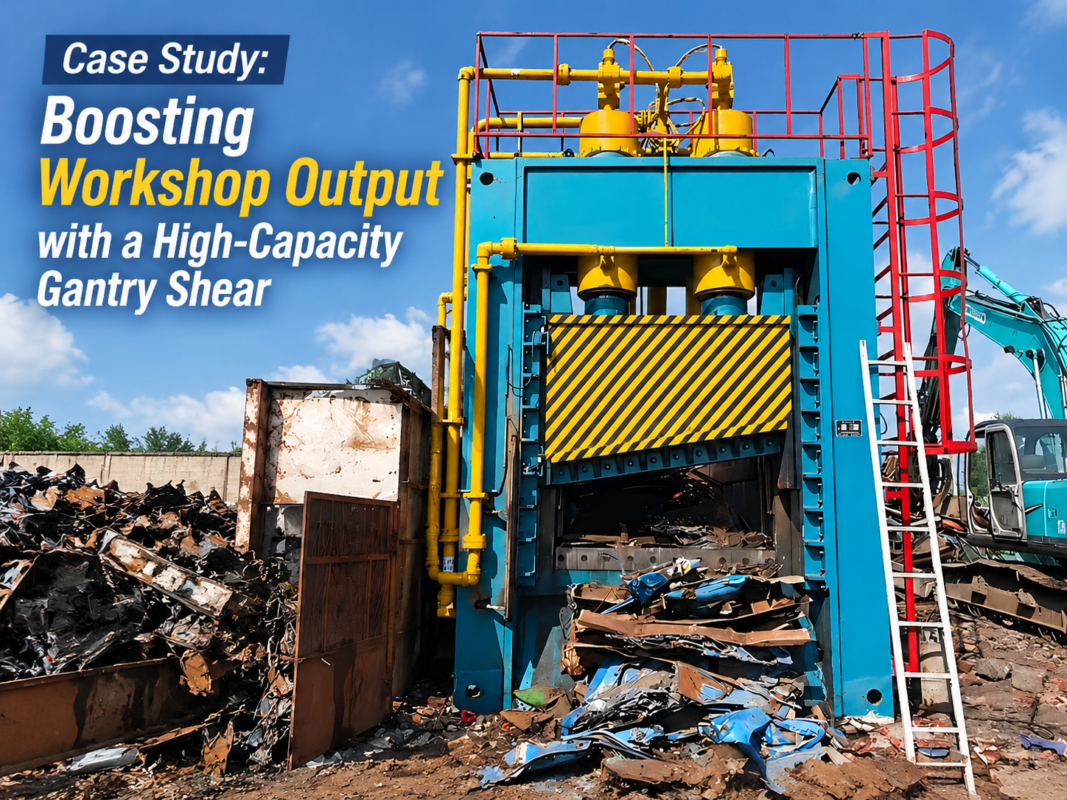
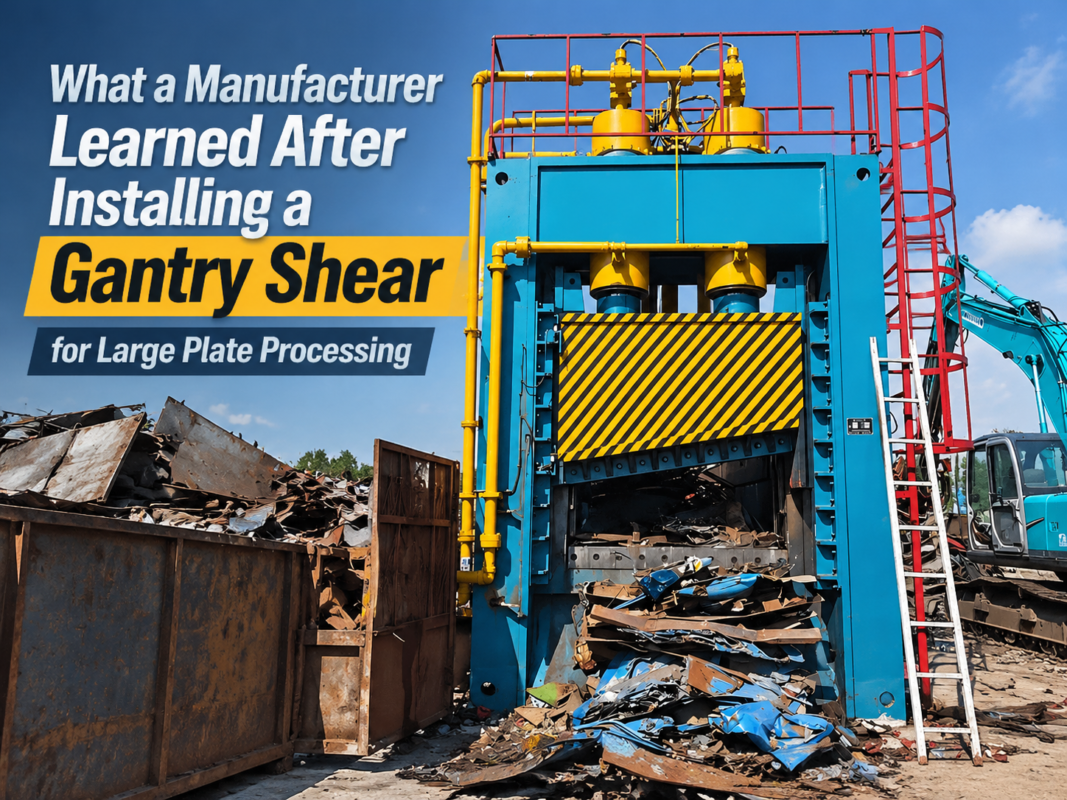
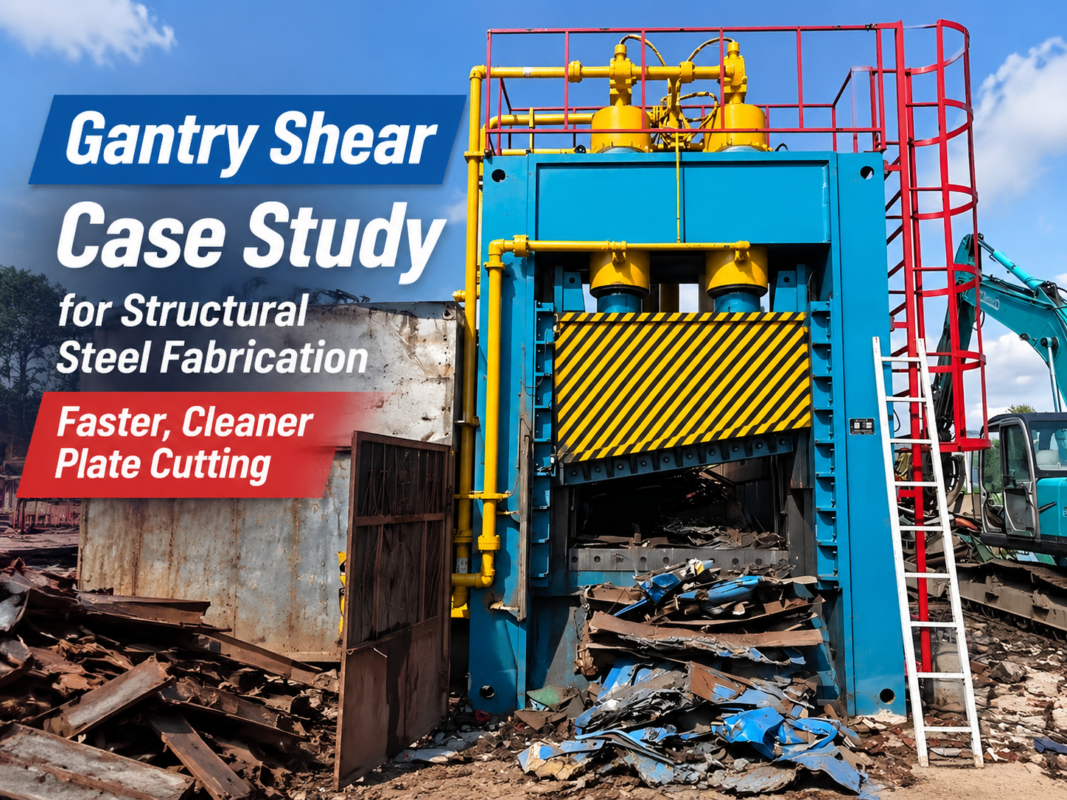
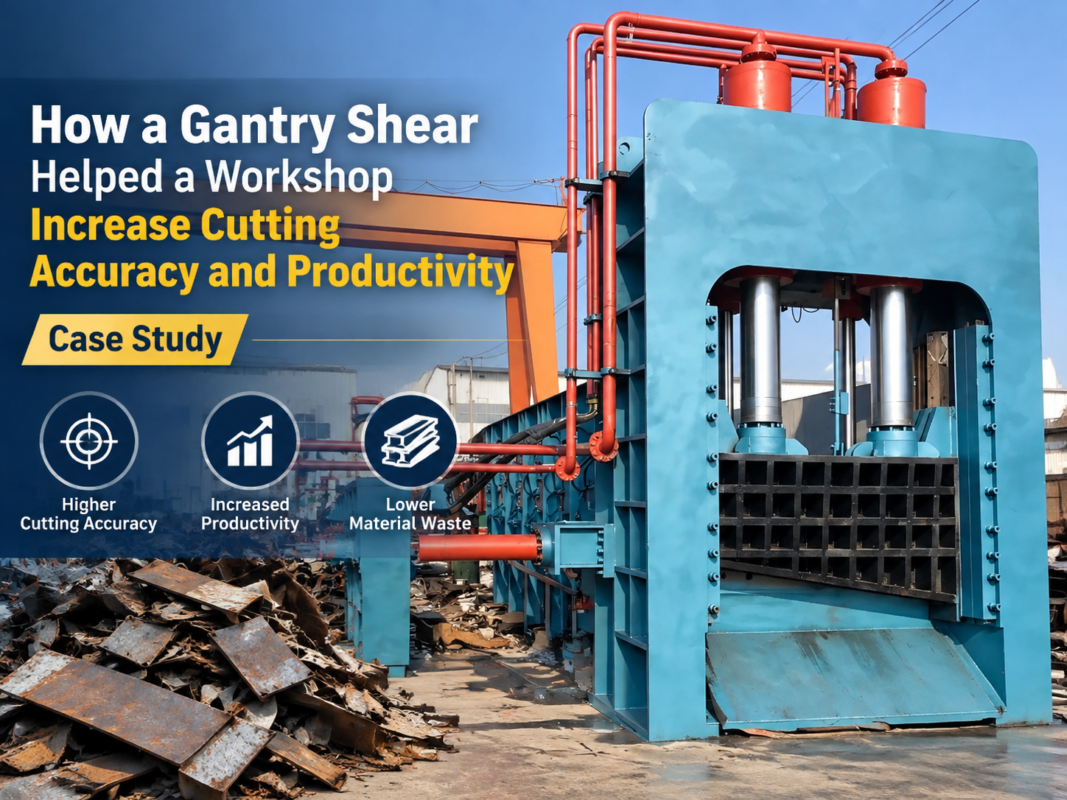
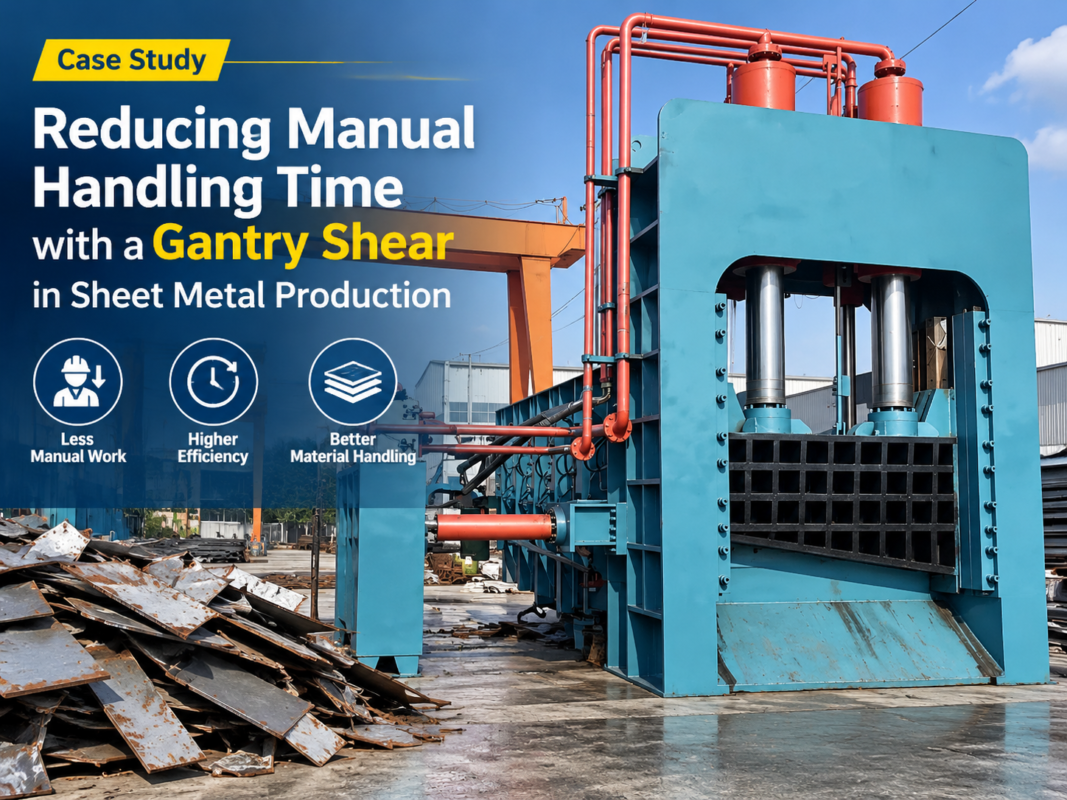
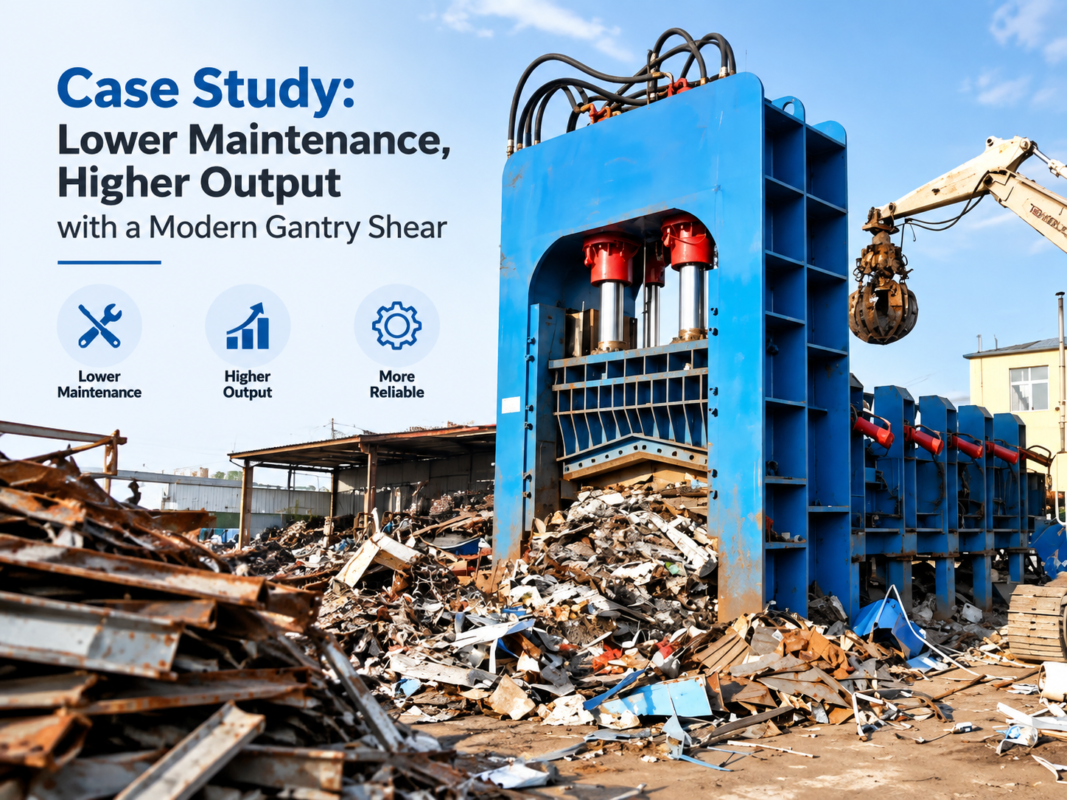
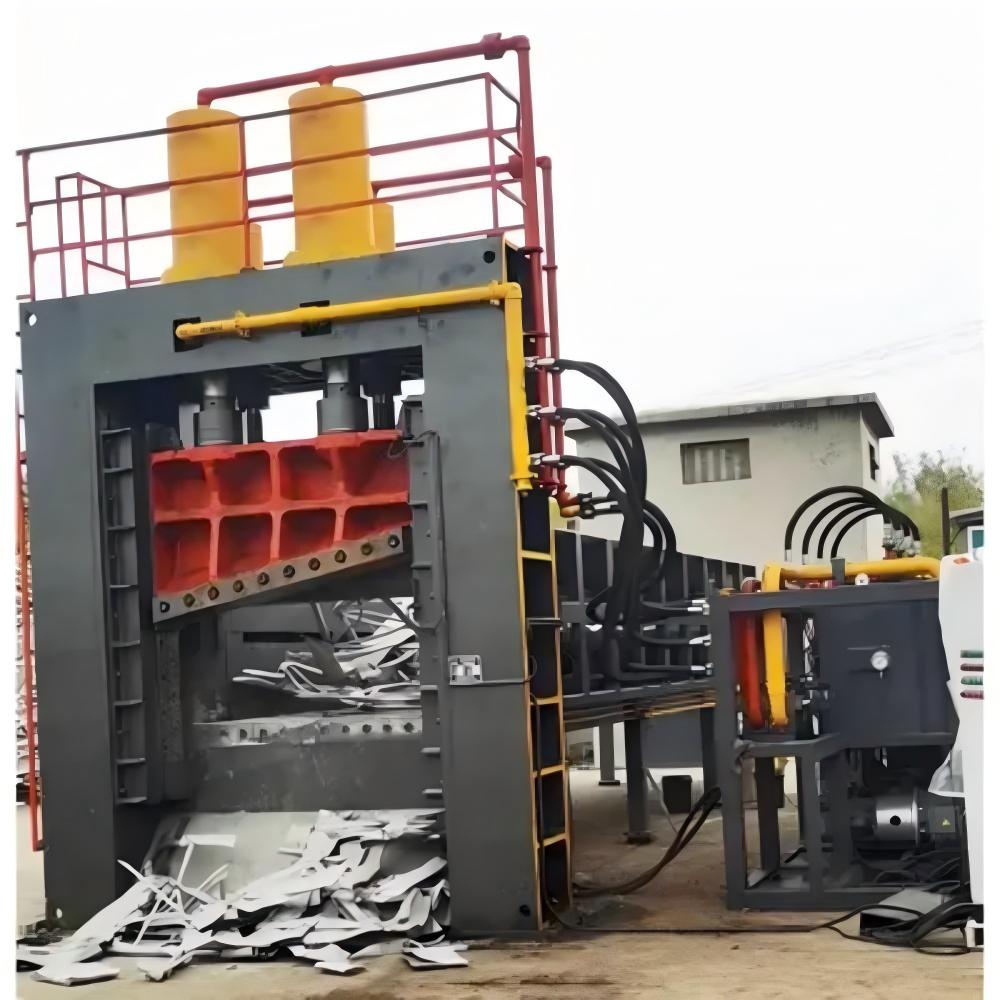
Gantry shears, often referred to as guillotine shears in the recycling industry, are designed to process large volumes of heavy scrap metal, including structural steel, HMS (Heavy Melting Scrap), and large plates. Unlike smaller alligator shears, gantry shears offer automated, continuous feeding and high-tonnage cutting forces. As the global demand for recycled steel grows, the pressure on scrap yards to optimize their processing speed has never been higher. Understanding the technical nuances of these machines is the first step toward a profitable investment.
Price Range Overview: Understanding the Investment Tiers
The market for gantry shears is broad, with prices ranging significantly based on cutting force, automation level, and brand reputation. Generally, the investment can be categorized into three main tiers. Entry-level machines, typically offering 400 to 600 tons of cutting force, usually fall within the $40,000 to $85,000 range. These are ideal for smaller yards or facilities that process lighter structural scrap and need a reliable machine for intermittent use.
Mid-range gantry shears, which are the workhorses of the industry, offer between 800 and 1,250 tons of force. These machines typically cost between $100,000 and $250,000. They feature more robust hydraulic systems, faster cycle times, and often include semi-automated feeding hoppers. For most medium-sized scrap processing operations, this tier provides the best balance between upfront cost and production capacity.
High-end, heavy-duty gantry shears exceed 1,600 tons of cutting force and can cost anywhere from $300,000 to over $1,000,000 for fully automated, high-speed systems. These machines are designed for 24/7 operation in large-scale industrial recycling centers. They often come equipped with advanced PLC controls, remote diagnostics, and integrated conveyor systems to handle massive volumes of HMS 1 and HMS 2 scrap. When considering a Gantry Shear Purchase: Matching Machine Capacity Production Needs, it is vital to look beyond the sticker price and evaluate the total cost of ownership over a 10-year lifecycle.
Main Cost Drivers in Gantry Shear Manufacturing
Several factors contribute to the final price of a gantry shear. The most significant is the quality and origin of the hydraulic system. High-end machines utilize pumps and valves from reputable brands like Rexroth or Vickers, which offer superior longevity and precision but add a premium to the cost. The hydraulic system is the heart of the machine; a cheaper, generic system may save money initially but often leads to higher downtime and maintenance costs.
The structural integrity of the frame and the quality of the blades are also major cost drivers. A gantry shear must withstand immense stress during the cutting cycle. Manufacturers who use high-tensile, Q345B or better steel and employ advanced welding techniques produce machines that resist frame warping. Similarly, the blades must be made from specialized tool steel (such as 9CrSi or Cr12MoV) to maintain sharpness when cutting through hardened alloys. The inclusion of a “side-squeeze” or pre-compression box also increases the price but significantly improves the machine’s ability to process bulky scrap.
Configuration Impact on Production Efficiency
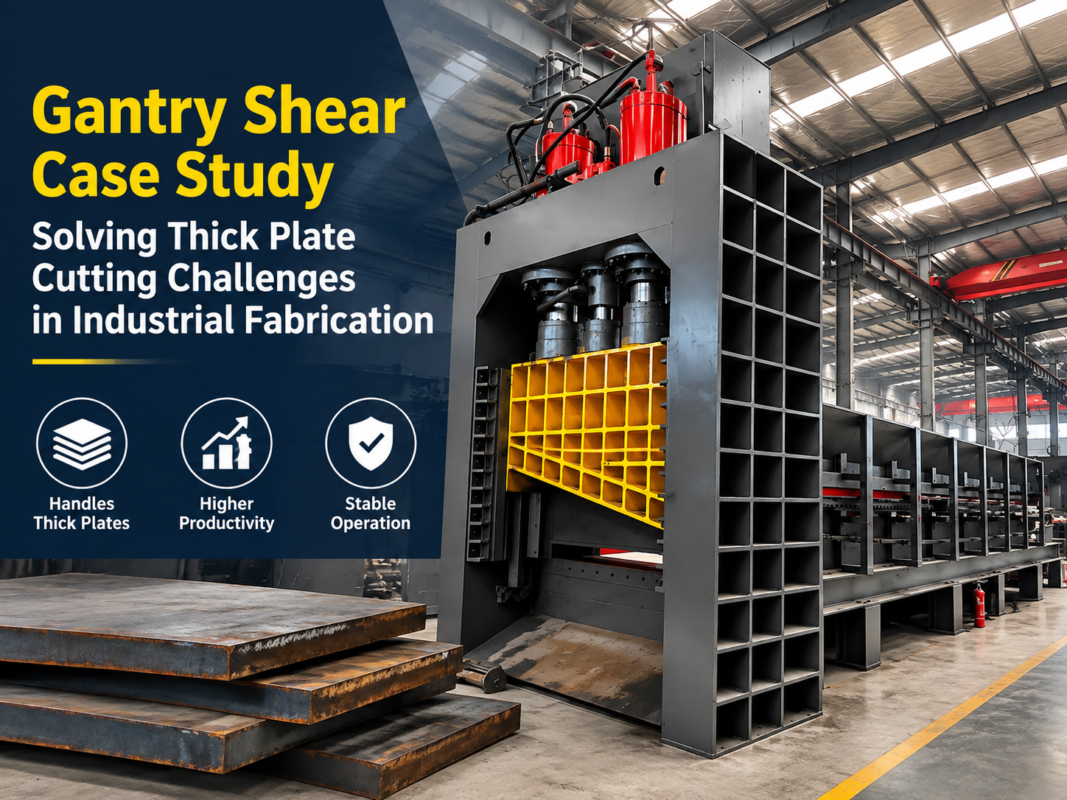
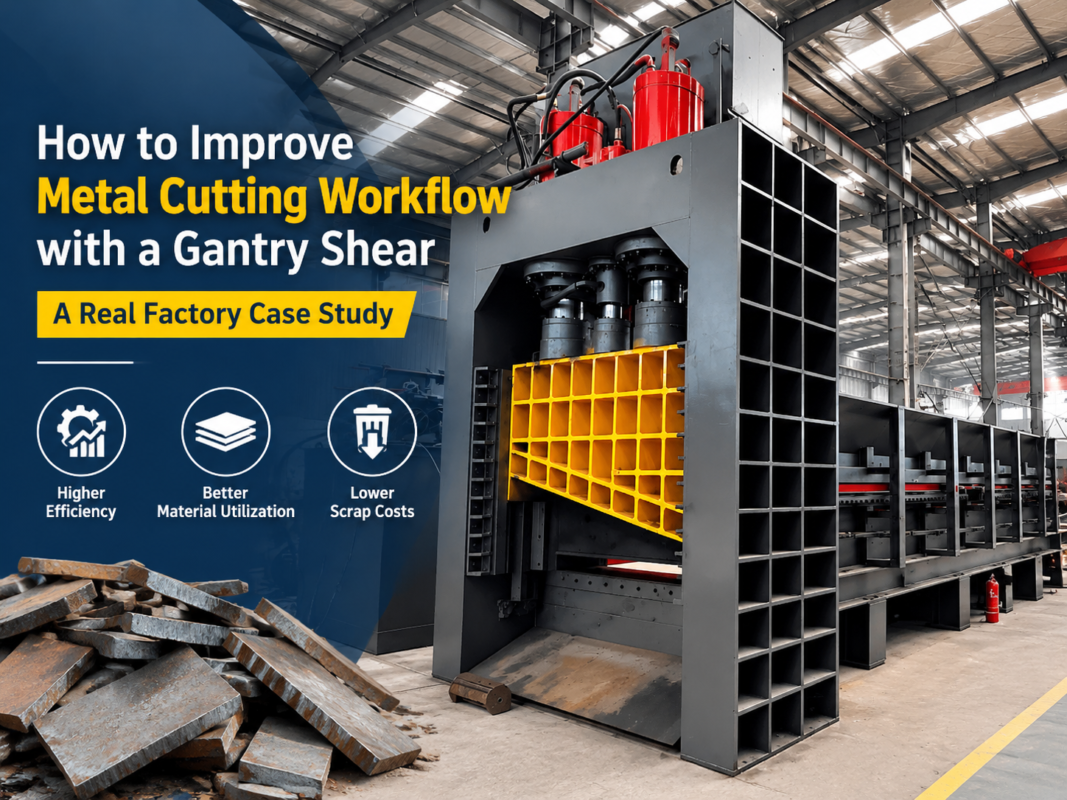
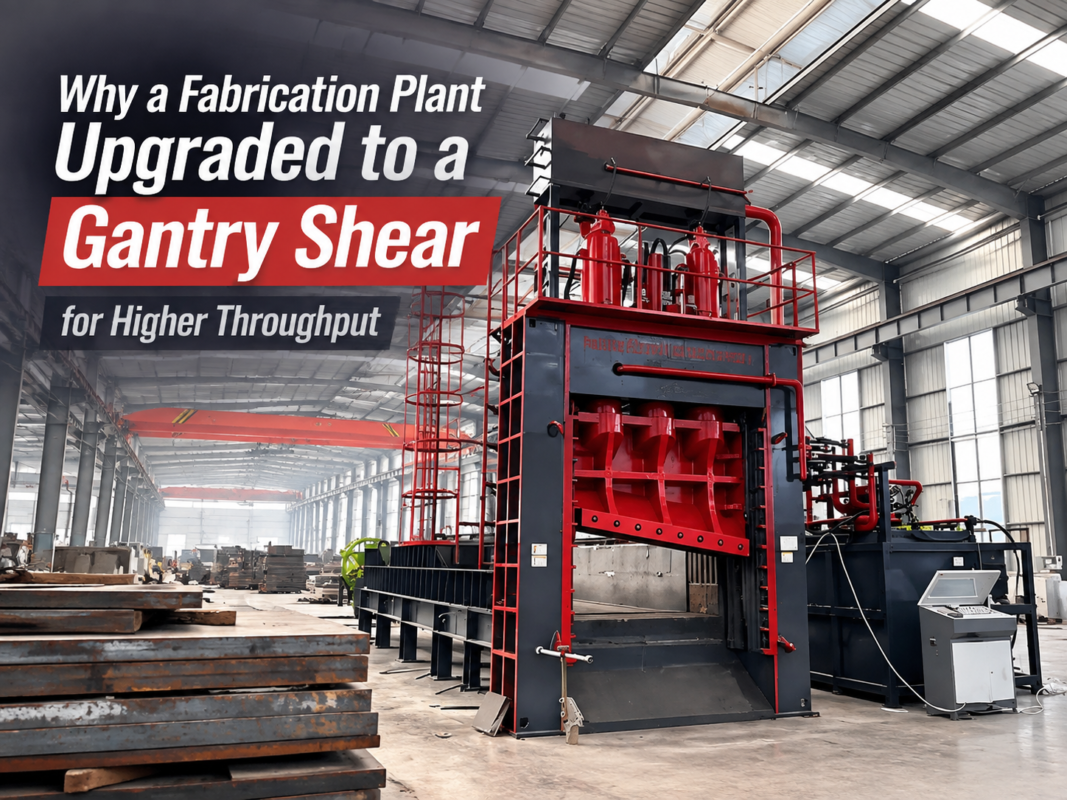
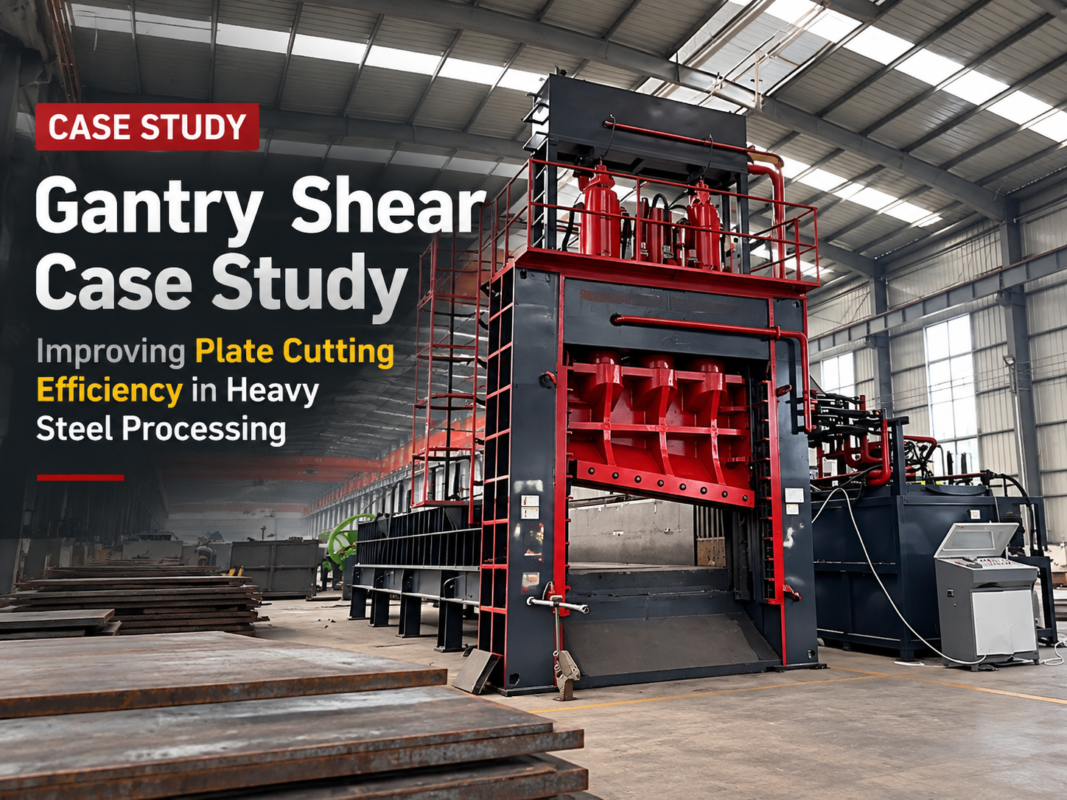
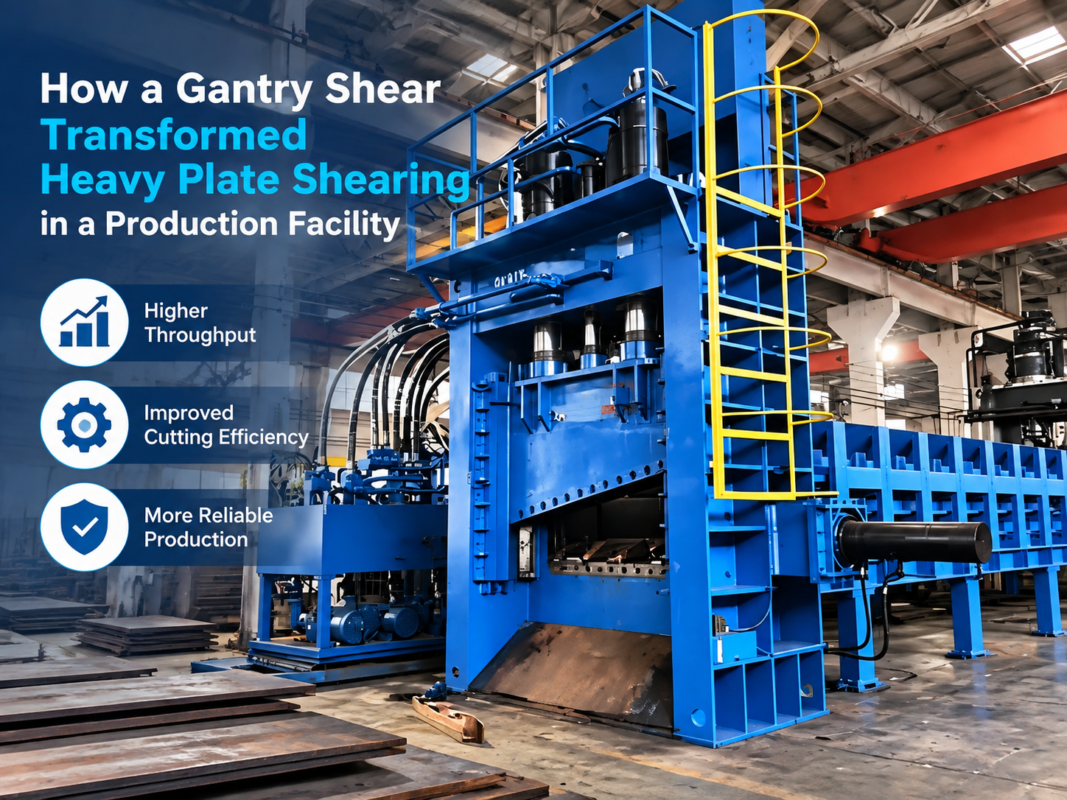
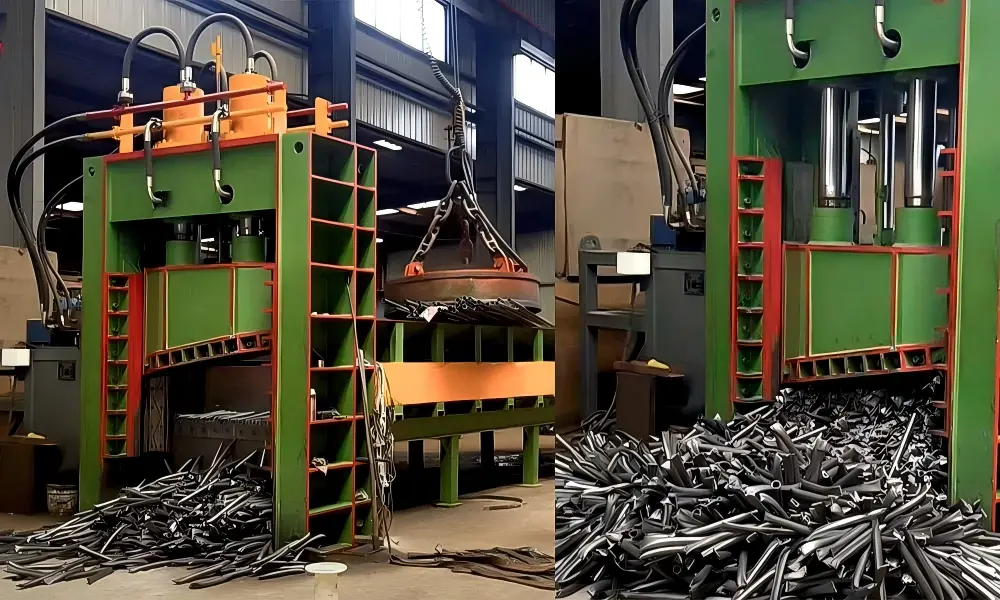
The configuration of your gantry shear directly dictates your daily output. One of the most critical components is the feeding mechanism. A gravity-fed hopper is common in smaller units, but for high-volume needs, a hydraulic pusher or a continuous belt feeder is essential. These systems ensure that the cutting chamber is always full, minimizing the “dry cycle” time where the blade moves without cutting material.
Blade length and throat opening size are equally important. If you frequently process large structural beams or wide plates, a narrow throat will require you to pre-cut the material with torches, which is labor-intensive and expensive. Matching the throat width to your largest common scrap size is a key aspect of Gantry Shear Purchase: Matching Machine Capacity Production Needs. Furthermore, the cycle speed—measured in cuts per minute—determines the theoretical maximum throughput. A machine with a high-speed regenerative hydraulic circuit can perform 3-5 cuts per minute, whereas a standard circuit might only manage 1-2.
Hidden Costs of Owning a Gantry Shear
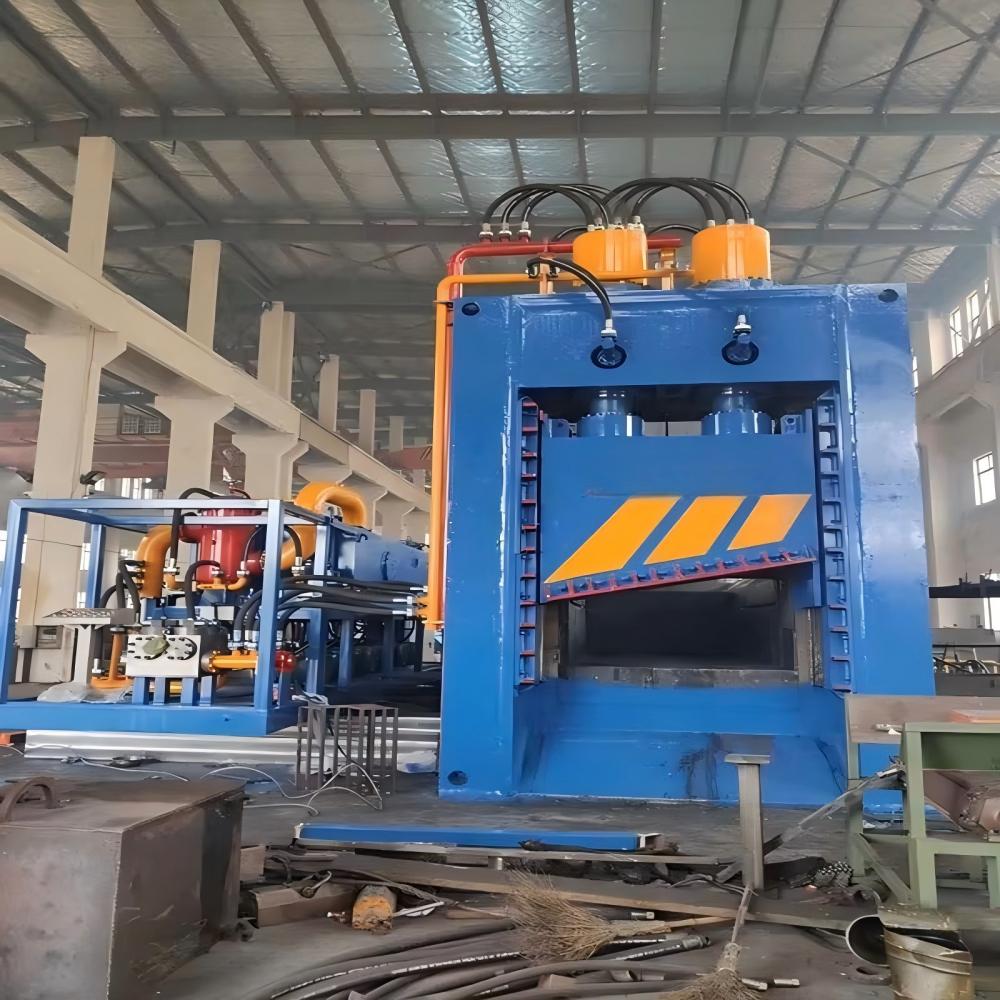
When budgeting for a gantry shear, many buyers overlook the secondary expenses. Installation is a primary hidden cost. These machines are incredibly heavy and require a reinforced concrete foundation to prevent the ground from shifting under the vibration and pressure of the cutting cycle. Depending on your site’s soil quality, foundation work can add $5,000 to $20,000 to your initial setup costs.
Operational costs such as electricity and hydraulic oil are also significant. A 1,000-ton shear may require a 150kW motor, leading to substantial monthly utility bills. Additionally, the hydraulic reservoir can hold thousands of liters of oil, which must be filtered and occasionally replaced. Spare parts, particularly blades and seals, should be factored into the annual budget. A set of high-quality blades can cost several thousand dollars, and while they can be flipped and reground, they are ultimately a consumable item in high-volume environments.
ROI Calculation: When Does the Investment Pay Off?
Calculating the Return on Investment (ROI) for a gantry shear involves comparing the increased value of processed scrap against the total cost of the machine and its operation. Unprocessed, bulky scrap (like whole pipes or large plates) often sells at a lower price point than “prepared” scrap that meets specific size requirements for steel mills (e.g., 3-foot or 5-foot lengths). The price spread between unprepared and prepared scrap can range from $30 to $60 per ton.
To calculate ROI, use the following formula: (Monthly Tonnage x Price Spread) – (Monthly Labor + Power + Maintenance) = Monthly Profit Increase. For example, if a machine processes 1,000 tons per month with a $40 price spread, it generates $40,000 in additional revenue. If operating costs are $10,000, the net gain is $30,000 per month. A $300,000 machine would thus reach its break-even point in just 10 months. This rapid ROI is why gantry shears are considered essential for growing scrap yards.
Buying Advice: A Step-by-Step Selection Process
To ensure a successful Gantry Shear Purchase: Matching Machine Capacity Production Needs, follow this checklist:
- Analyze Your Scrap Mix: Determine the percentage of HMS 1, HMS 2, and light scrap you process. This dictates the tonnage required.
- Measure Your Space: Gantry shears have a large footprint. Ensure you have enough room for the machine, the feeding area, and the discharge pile.
- Evaluate Power Supply: Ensure your facility’s electrical grid can handle the high amperage required by large hydraulic motors.
- Check Serviceability: Choose a manufacturer like HARSLE that provides clear documentation, readily available spare parts, and remote technical support.
- Test Before Buying: If possible, visit a site where the model you are considering is in operation. Observe the cycle time and the ease of blade replacement.
Furthermore, consider the future. If you expect your business to grow by 20% over the next three years, it is often more cost-effective to buy a slightly larger machine now than to replace an undersized one later. Over-specifying slightly provides a buffer for tougher materials and reduces the strain on the machine, leading to a longer service life.
Maintenance and Longevity
The longevity of a gantry shear is directly tied to its maintenance regimen. Because these machines operate in dirty, dusty environments, hydraulic oil filtration is paramount. Contaminated oil is the leading cause of pump failure and valve sticking. Implementing a daily inspection routine—checking for leaks, tightening bolts, and lubricating moving parts—can extend the life of the machine by years.
Blade management is another critical aspect. Dull blades don’t just produce poor cuts; they increase the stress on the hydraulic system and the frame. By rotating and sharpening blades on a strict schedule, you ensure the machine operates at peak efficiency. Most modern gantry shears feature four-sided blades, allowing you to rotate them three times before a full regrind is necessary, maximizing the value of each set.
Frequently Asked Questions (FAQ)
What is the difference between a gantry shear and an alligator shear?
An alligator shear is a smaller, jaw-like machine used for manual feeding and cleaning non-ferrous metals. A gantry shear is a large, automated machine designed for high-volume processing of heavy ferrous scrap. Gantry shears offer much higher cutting forces and automated feeding, making them suitable for industrial-scale operations.
How often do the blades need to be changed?
Blade life depends entirely on the material being cut. For standard structural steel, blades may last for 500 to 1,000 tons per edge. Since most blades have four edges, a single set can process several thousand tons before needing a professional regrind or replacement.
Can a gantry shear be used for non-ferrous metals?
Yes, gantry shears are excellent for processing large volumes of aluminum or copper scrap. However, because non-ferrous metals are often more valuable, operators must ensure the machine is cleaned between different material types to prevent cross-contamination.
What safety features should I look for?
Modern gantry shears should include emergency stop buttons at multiple locations, safety cages or light curtains around the feeding area, and pressure relief valves to prevent hydraulic over-pressurization. Automated systems should also have sensors to detect jams or foreign objects in the cutting chamber.
Is a diesel-powered gantry shear better than an electric one?
Electric motors are generally more efficient and require less maintenance, making them ideal for fixed installations. Diesel-powered units are only recommended if the machine needs to be mobile or if the scrap yard lacks a high-capacity electrical connection.
Conclusion
Investing in a gantry shear is a transformative step for any metal processing business. By focusing on Gantry Shear Purchase: Matching Machine Capacity Production Needs, you ensure that your equipment serves as a catalyst for growth rather than a financial burden. From understanding the primary cost drivers to calculating a realistic ROI, every step of the selection process should be guided by data and a clear understanding of your operational requirements. With the right machine, such as those offered by HARSLE, your facility can achieve new levels of throughput, safety, and profitability in the competitive world of metal recycling.