Best Gantry Shear Features to Look For in a High-Performance Cutting Machine

Introduction to High-Performance Gantry Shears
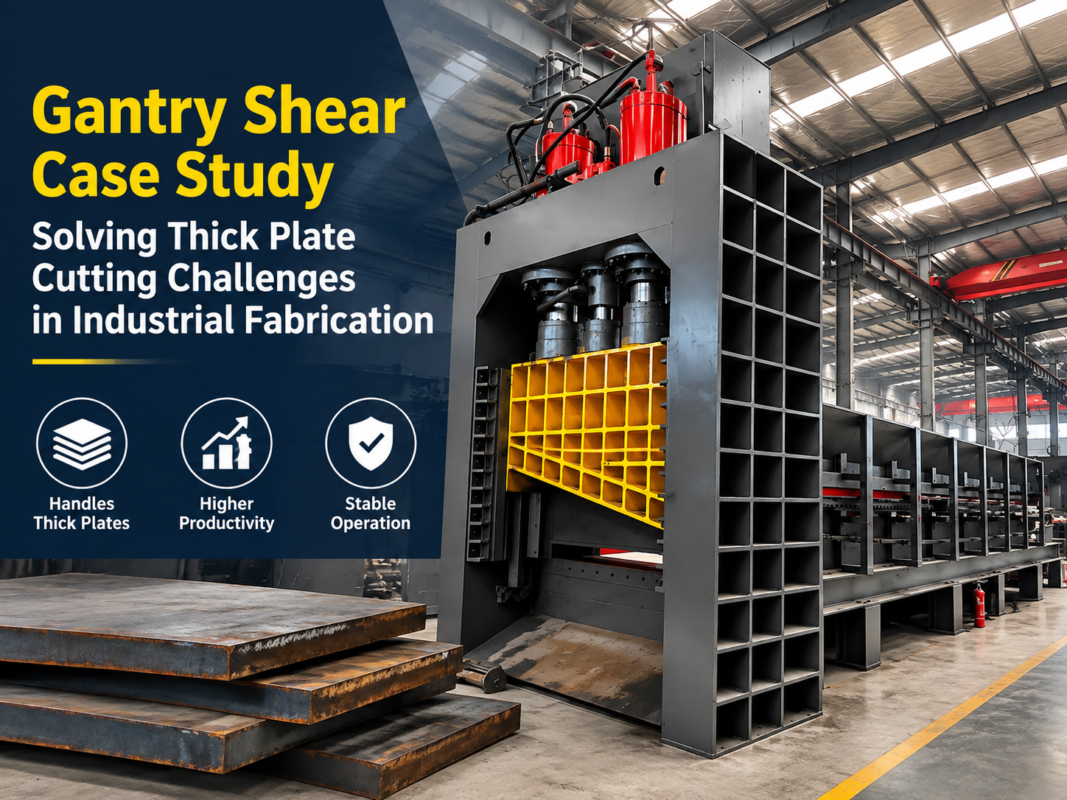
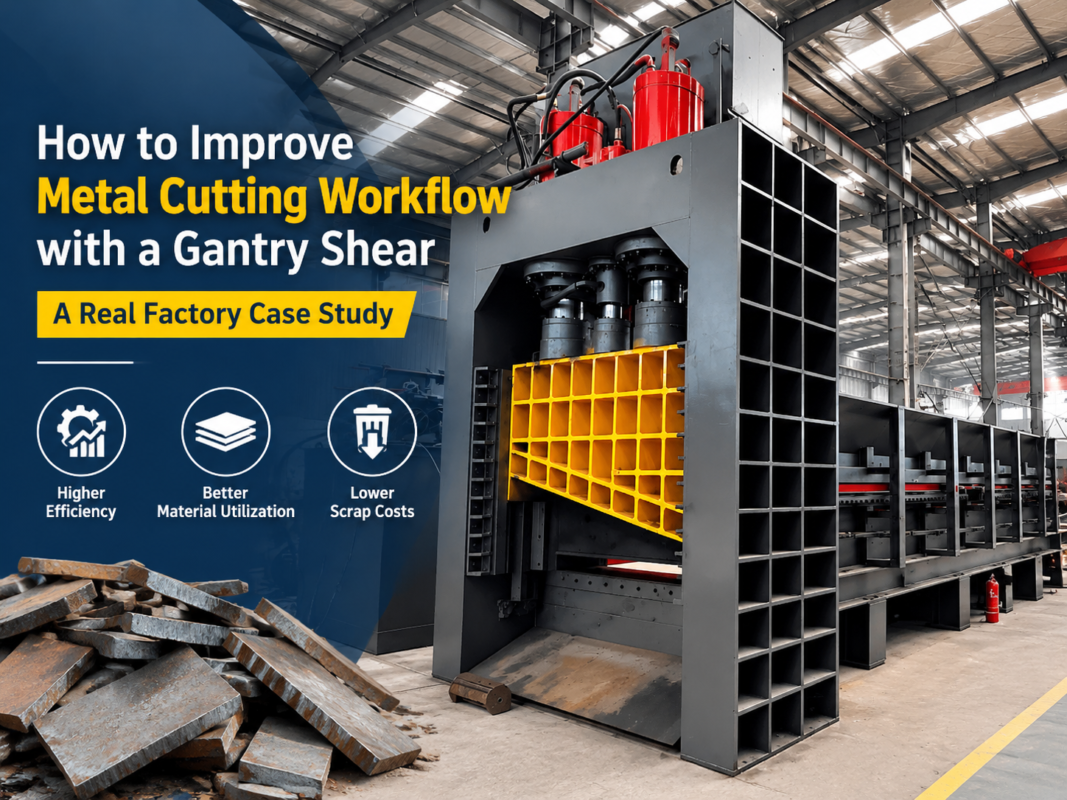
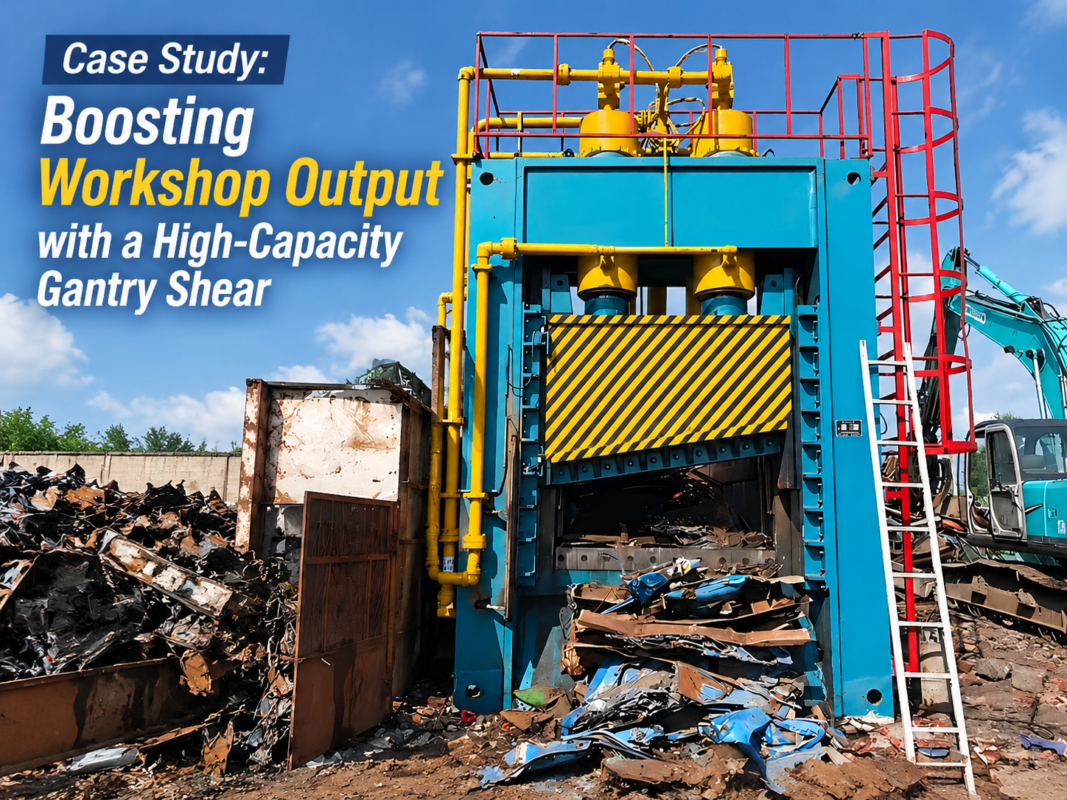
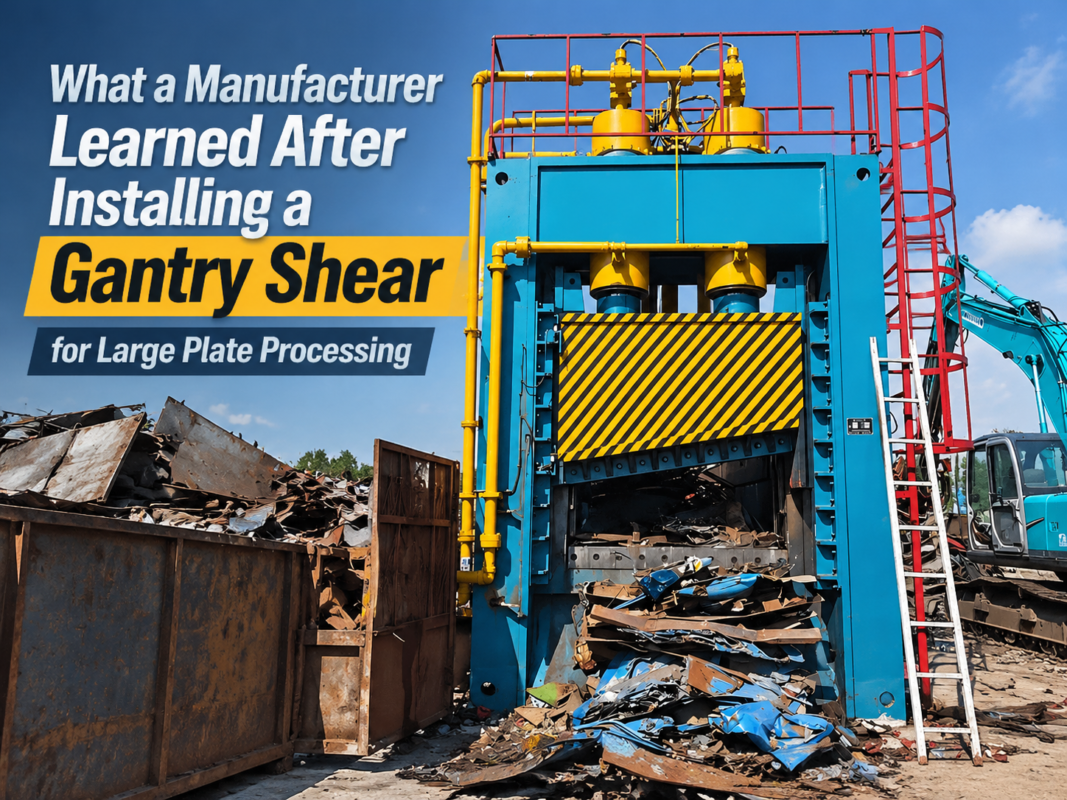
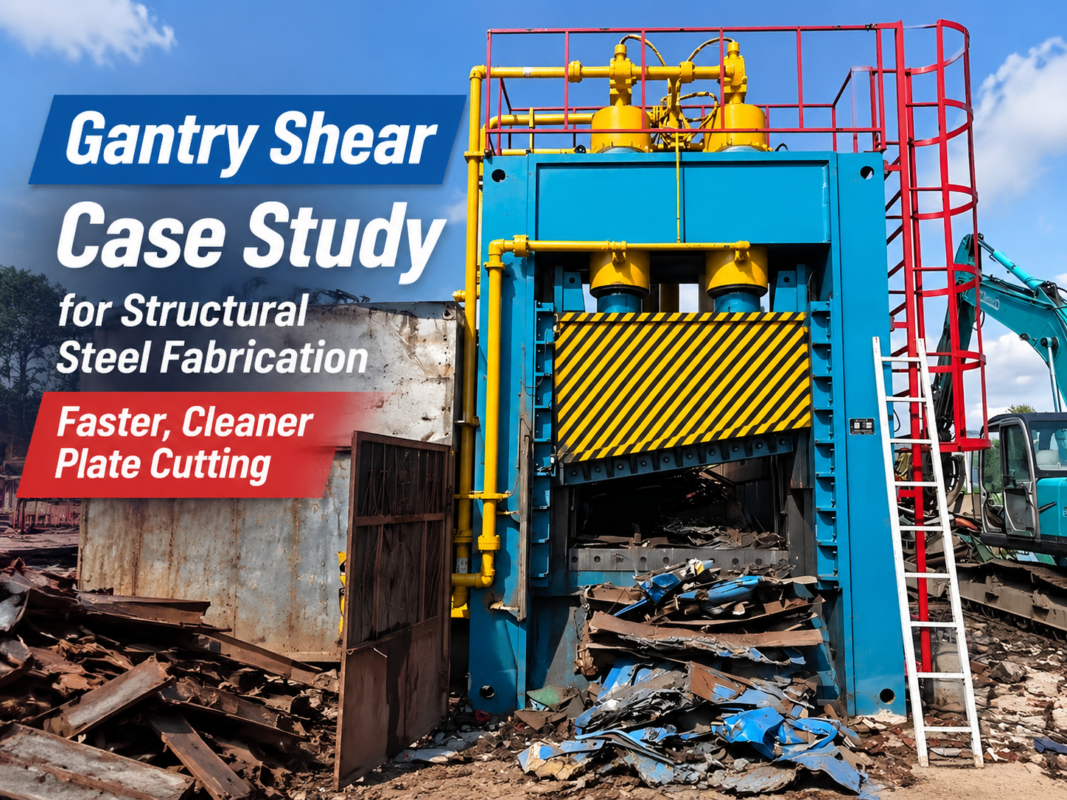
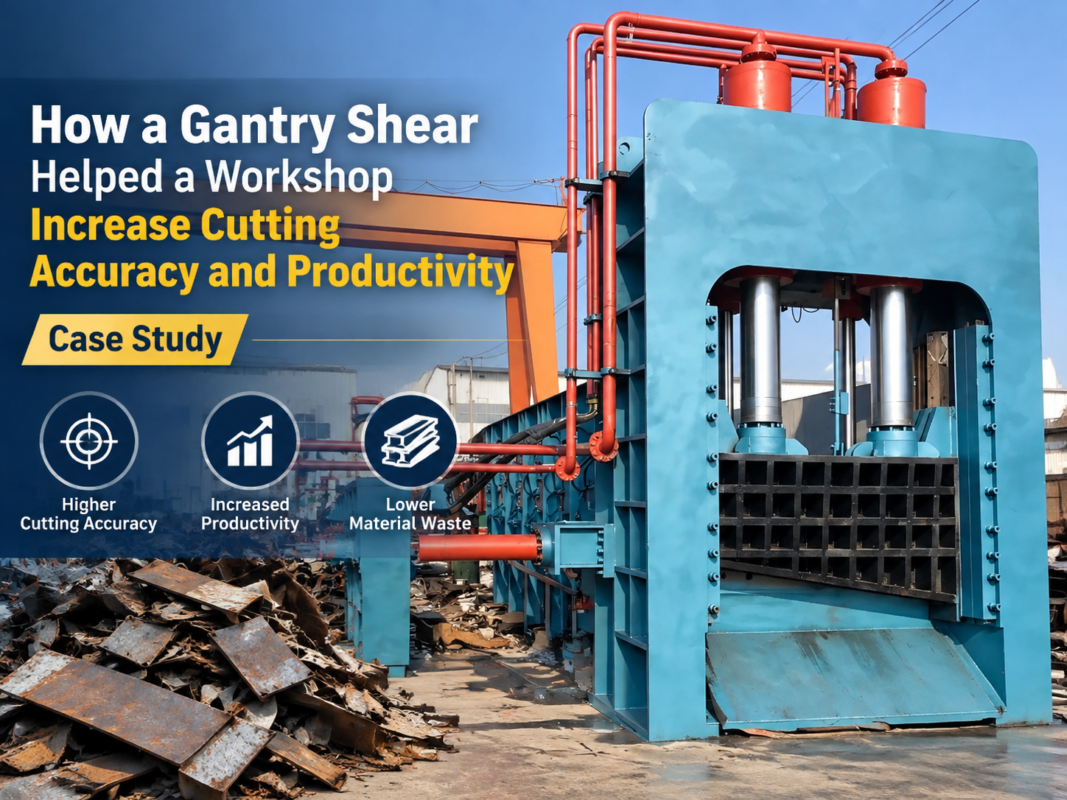
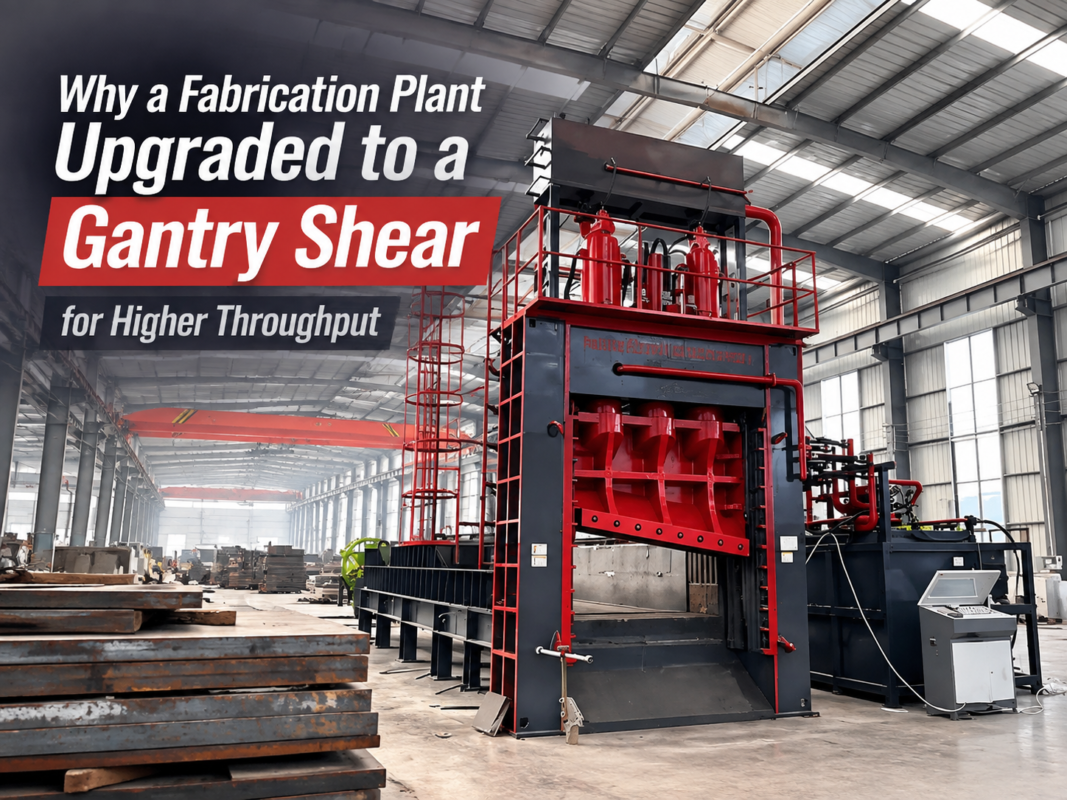
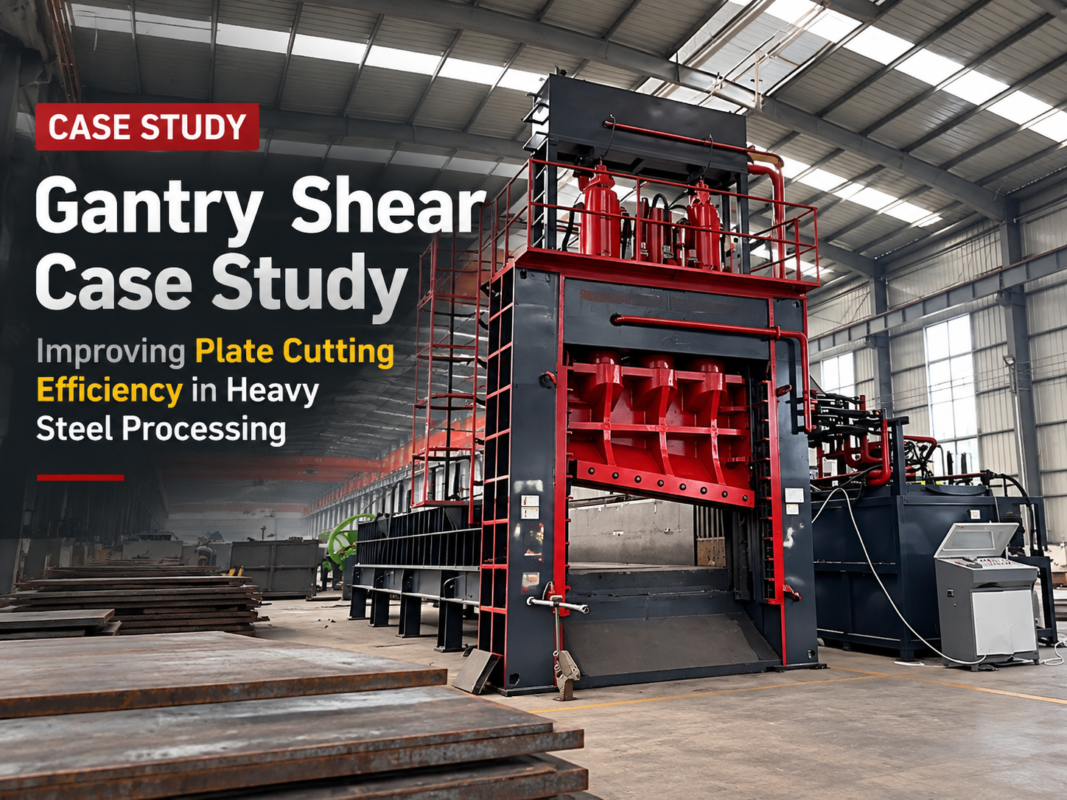
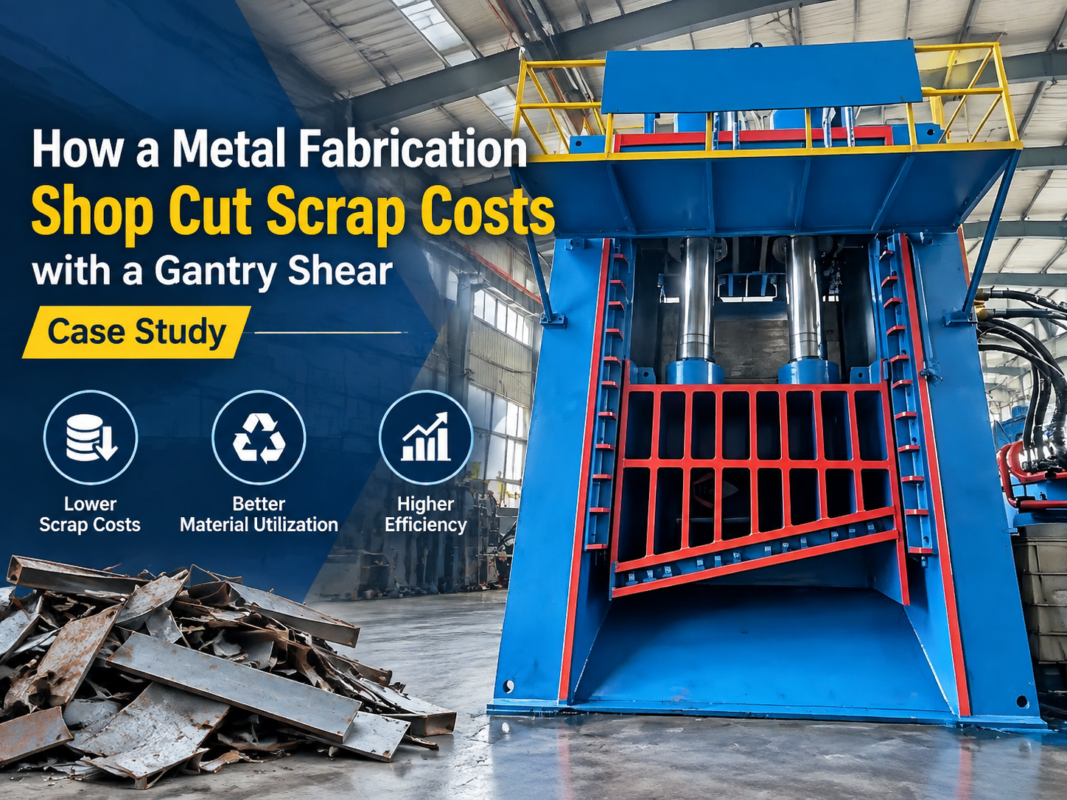
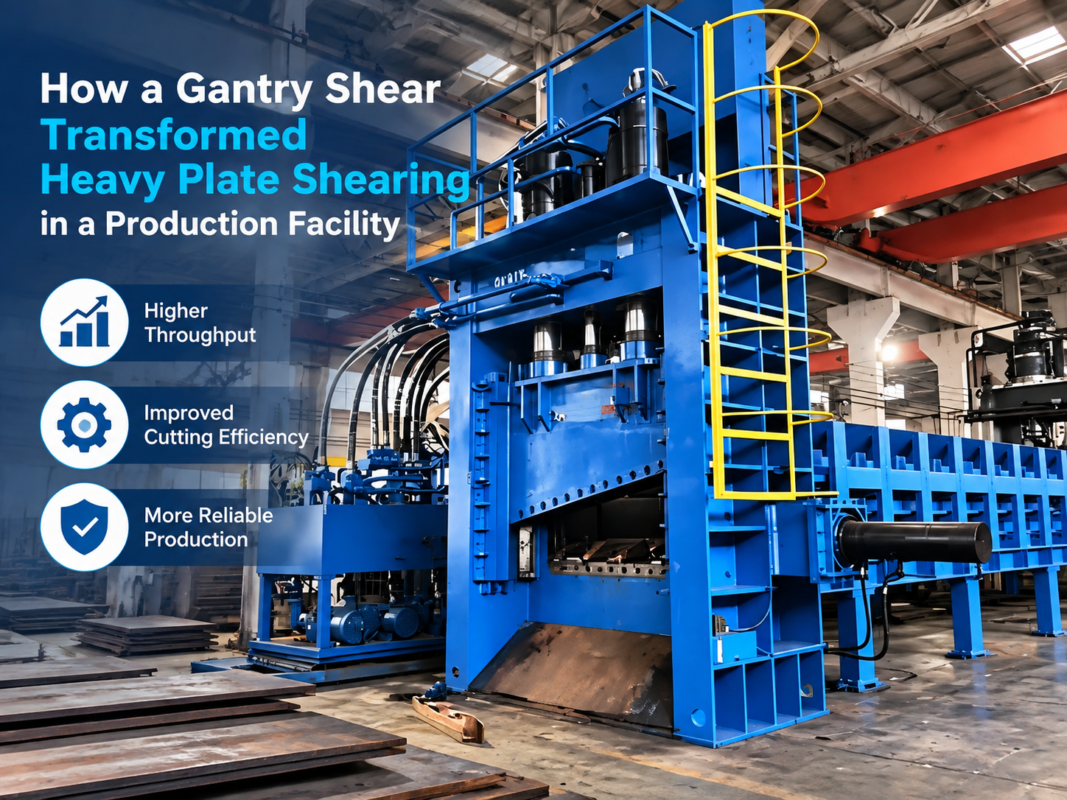
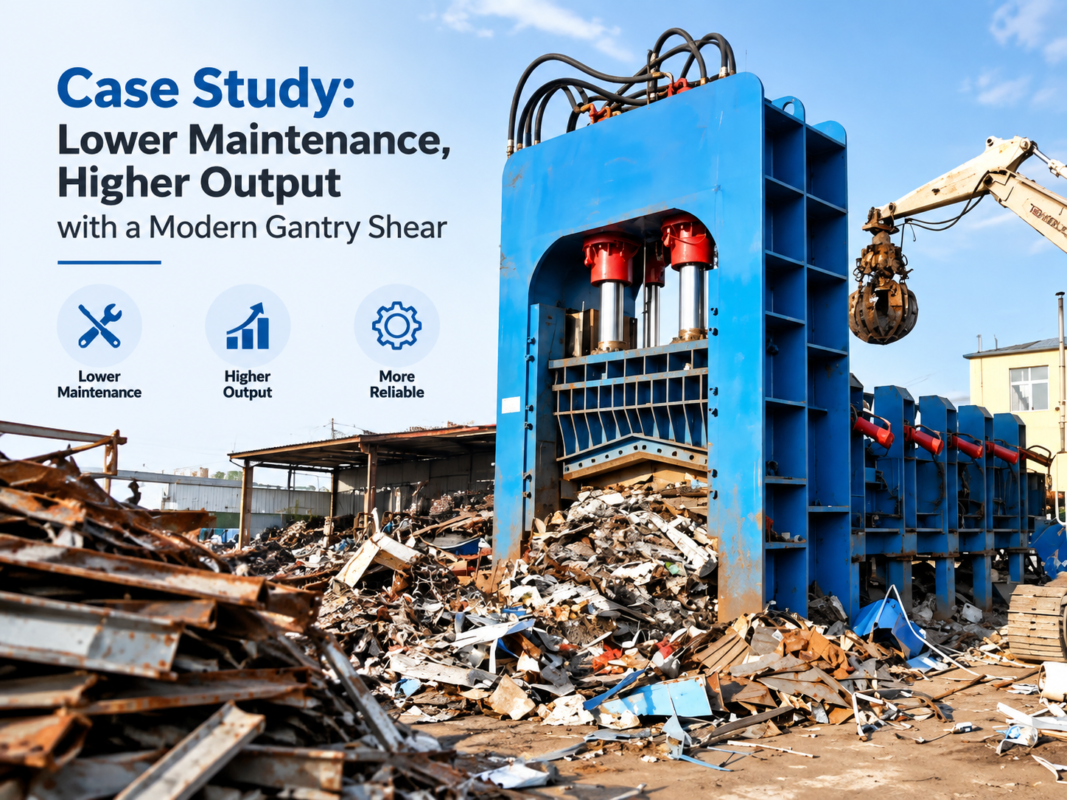
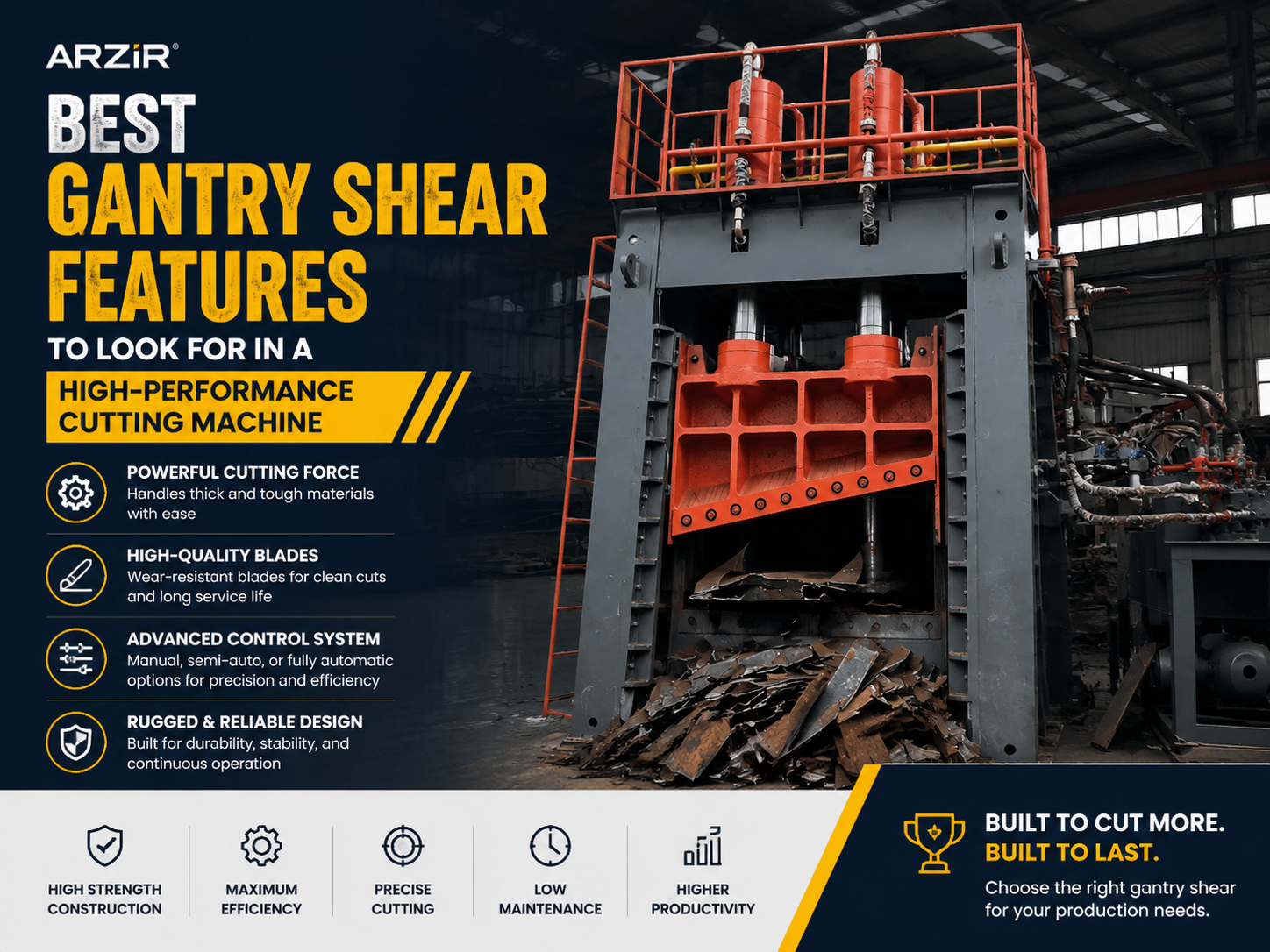
In the world of heavy-duty metal recycling and industrial fabrication, the gantry shear stands as a titan of efficiency. Designed to process massive volumes of scrap metal, structural steel, and decommissioned machinery, these units are the backbone of modern scrap yards. However, not all machines are created equal. Identifying the best gantry shear features look in a high-performance cutting machine is essential for any business looking to maximize throughput while minimizing operational costs. A high-performance gantry shear is defined by its ability to provide consistent cutting force, rapid cycle times, and long-term structural durability under the most grueling conditions.
HARSLE has pioneered several advancements in hydraulic shearing technology, ensuring that our machines meet the rigorous demands of the global market. When evaluating a gantry shear, one must look beyond the surface-level tonnage. You must consider the integration of hydraulic systems, the sophistication of the control logic, and the quality of the wear components. This guide provides a comprehensive deep dive into the financial and technical aspects of acquiring a top-tier gantry shear, helping you make an informed investment for your facility.
Price Range Overview: Investing in Quality
The price of a gantry shear is primarily dictated by its shearing force, which typically ranges from 400 tons to over 2,000 tons. For small to medium-sized recycling operations, an entry-level gantry shear (400T to 600T) might cost anywhere from $45,000 to $85,000. These machines are suitable for processing light to medium scrap, such as automotive frames and smaller structural beams. While they lack the sheer power of larger units, they offer a compact footprint and lower energy consumption.
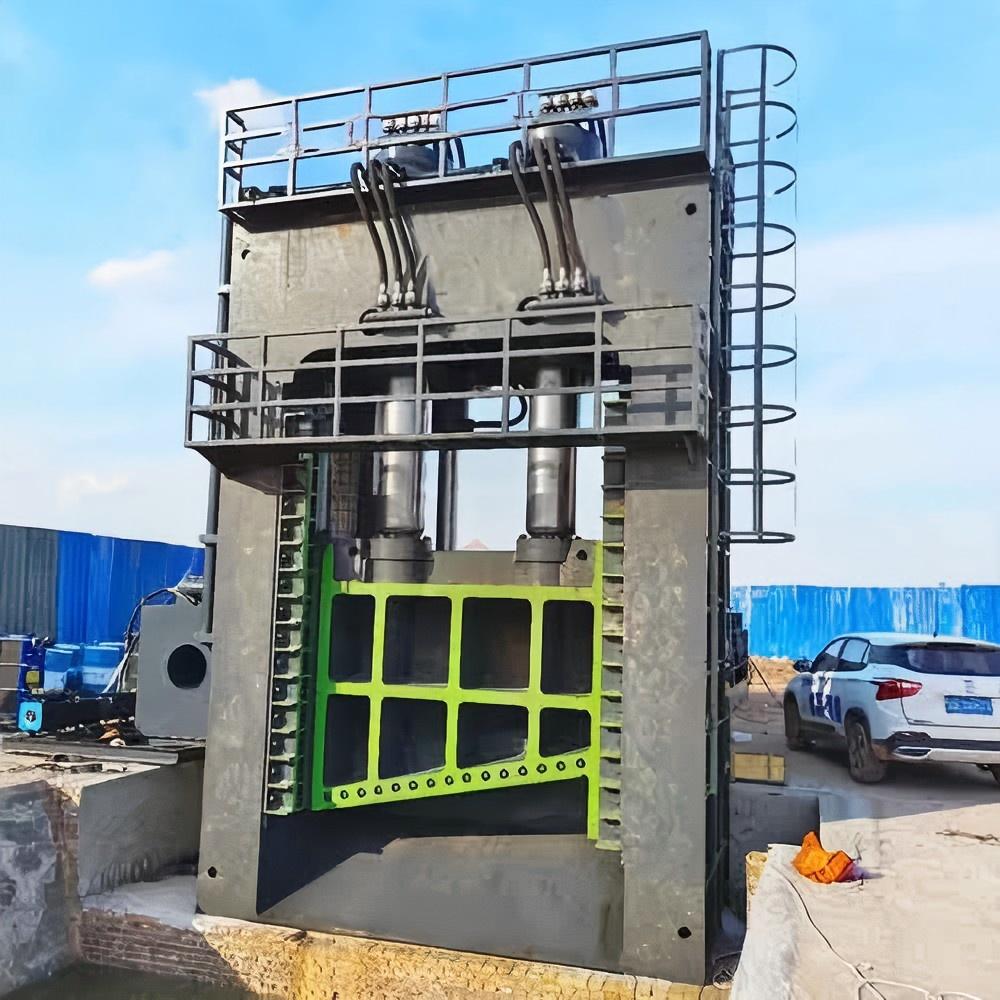
Moving into the mid-range category (800T to 1250T), prices generally fall between $100,000 and $250,000. These machines are the industry standard for high-volume scrap yards. They feature faster cycle times, more robust hydraulic pumps, and advanced cooling systems. At the top end of the spectrum, heavy-duty industrial gantry shears (1600T to 2500T+) can exceed $500,000. These behemoths are designed for the most demanding applications, such as shipbreaking or processing heavy industrial I-beams and thick plate steel. When considering the price, it is vital to remember that the initial purchase cost is only one part of the total cost of ownership.
Main Cost Drivers in Gantry Shear Manufacturing
Several factors contribute to the final price tag of a high-performance gantry shear. Understanding these drivers allows buyers to distinguish between a machine that is simply expensive and one that offers genuine value through superior engineering.
1. Hydraulic System Sophistication
The heart of any gantry shear is its hydraulic system. High-performance machines utilize premium components from brands like Rexroth, Vickers, or Parker. The cost of these components is significantly higher than generic alternatives, but they offer unmatched reliability and precision. A multi-pump system allows for variable flow rates, which means the machine can move the shear head quickly when not under load and then switch to high-pressure, low-flow mode for the actual cut. This “regenerative” circuit design is a hallmark of the best gantry shear features look in a high-performance cutting machine.
2. Structural Steel and Frame Integrity
A gantry shear must withstand immense internal stresses. High-quality machines use Q345B or higher-grade structural steel, often with reinforced stress-relieved weldments. The thickness of the side walls and the design of the gantry frame itself are major cost drivers. A machine that uses more steel in its construction will naturally be more expensive but will also resist deformation over decades of use. Cheap machines often cut corners here, leading to frame cracking or misalignment after just a few years of operation.
3. Blade Material and Hardening
The blades are the primary wear part. High-performance shears use specialized alloy steels like 9CrSi, Cr12MoV, or even more advanced tool steels. The heat treatment process used to harden these blades is critical. Properly hardened blades can process thousands of tons of scrap before requiring a flip or a regrind. The cost of a single set of high-quality blades can run into the thousands of dollars, making them a significant factor in the machine’s overall value.
Configuration Impact on Performance
The configuration of a gantry shear determines its versatility and efficiency. When searching for the best gantry shear features look in a high-performance cutting machine, pay close attention to how the machine is outfitted for your specific material types.
Automatic Feeding Systems
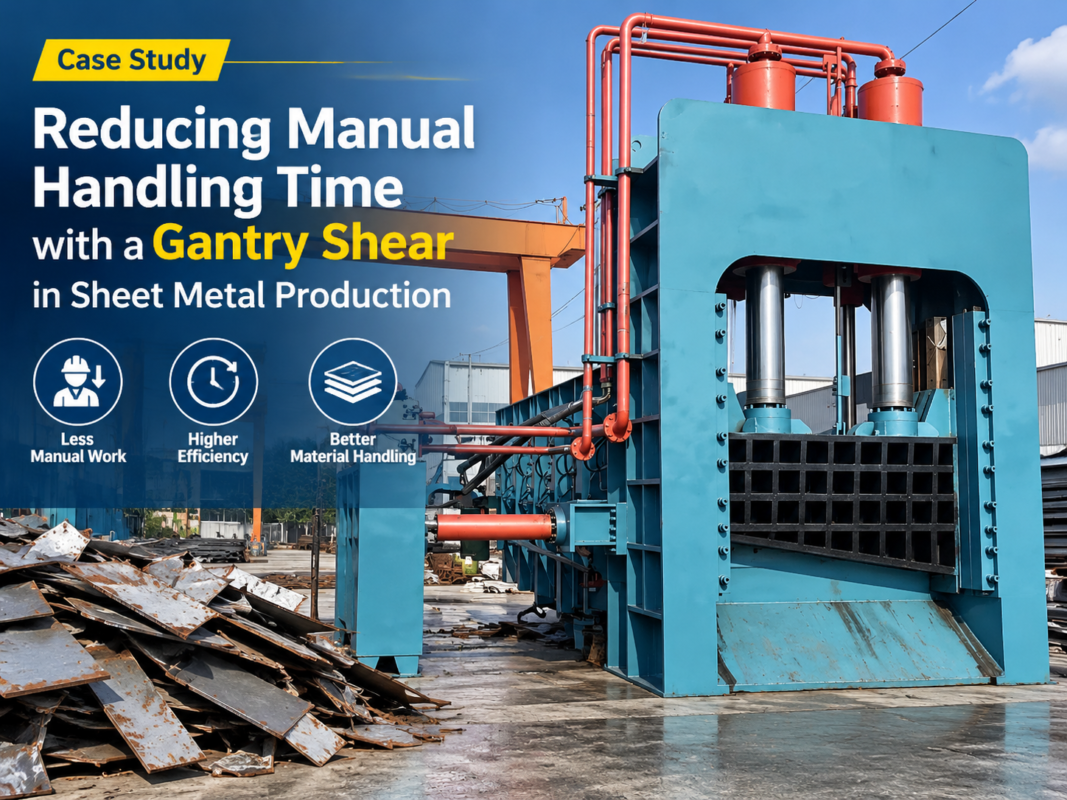
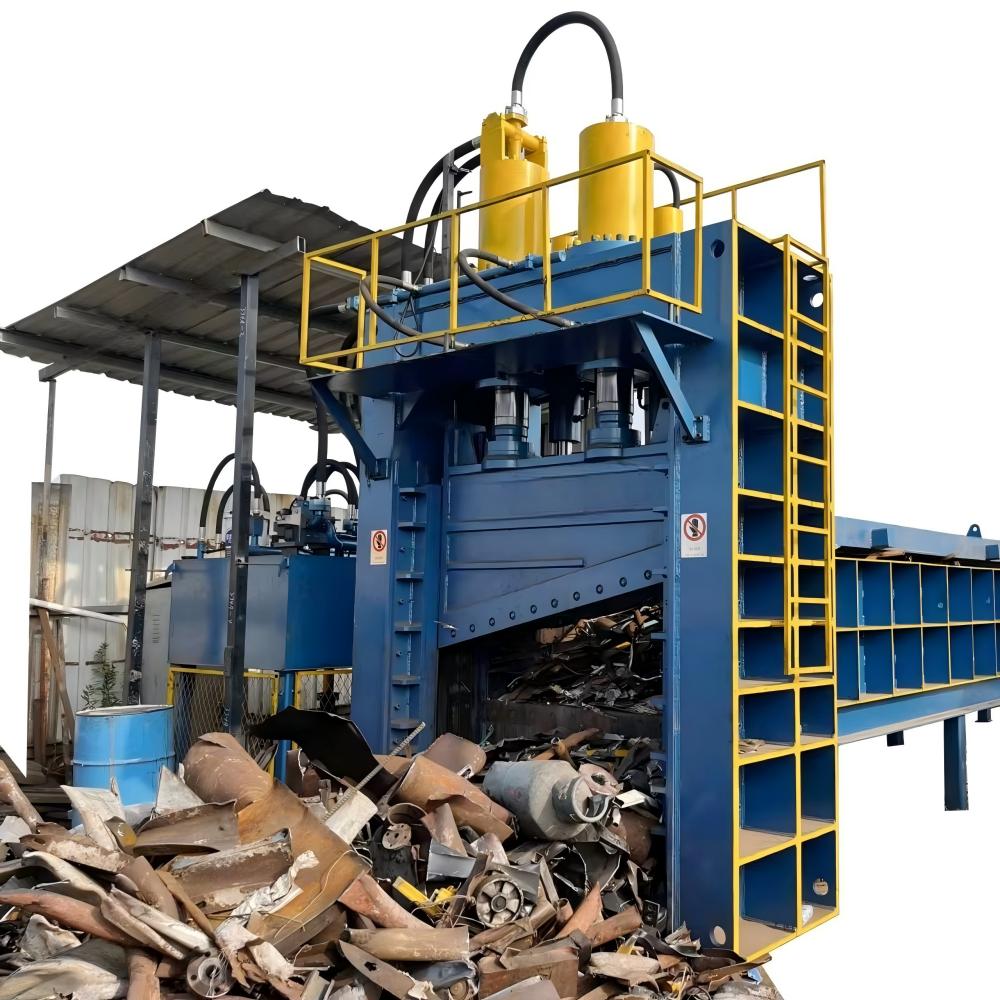
Manual feeding is slow and dangerous. High-performance machines are equipped with automatic conveyor belts or vibrating feeders. These systems ensure a steady flow of material into the shear box, maximizing the number of cuts per hour. Some advanced HARSLE models feature a “pre-compression” lid or side-squeeze mechanism that compacts bulky scrap before it reaches the blades, allowing for a cleaner cut and preventing jams.
PLC and Control Logic
Modern gantry shears are controlled by Programmable Logic Controllers (PLCs), typically from Siemens or Schneider. A well-programmed PLC allows for multiple operating modes: manual, semi-automatic, and fully automatic. It also provides real-time diagnostics, monitoring oil temperature, pressure levels, and filter status. This level of control is essential for preventing catastrophic failures and optimizing the cutting cycle based on the resistance encountered by the blades.
Cooling and Filtration
Hydraulic oil generates significant heat during continuous operation. A high-performance machine must have an oversized industrial oil cooler (either air-cooled or water-cooled) and a multi-stage filtration system. Keeping the oil clean and cool extends the life of the seals, pumps, and valves, which are the most expensive components to replace.
Hidden Costs of Ownership
The sticker price is just the beginning. To accurately budget for a gantry shear, you must account for several hidden costs that often catch first-time buyers off guard.
- Foundation and Installation: A 1000-ton gantry shear cannot sit on a standard factory floor. It requires a reinforced concrete foundation, often several feet deep, to absorb the vibrations and weight. This can cost between $5,000 and $20,000 depending on local soil conditions.
- Hydraulic Oil: Large shears require massive amounts of hydraulic oil—sometimes up to 4,000 liters. High-quality anti-wear hydraulic oil is an ongoing expense, and the initial fill can cost several thousand dollars.
- Electrical Infrastructure: These machines draw significant power. You may need to upgrade your facility’s electrical transformer or install specialized soft-starters to prevent power surges when the massive motors engage.
- Shipping and Rigging: Gantry shears are oversized loads. Shipping them from the manufacturer to your site requires specialized logistics, and once they arrive, you will need heavy-duty cranes for assembly.
ROI Calculation: When Does the Investment Pay Off?
Calculating the Return on Investment (ROI) for a gantry shear involves comparing the increased value of processed scrap against the operational costs. Processed scrap (cut to “HMS 1” or “HMS 2” standards) fetches a significantly higher price at steel mills than unprocessed, bulky scrap.
For example, if a high-performance HARSLE gantry shear allows you to process 10 tons of scrap per hour, and the price difference between unprocessed and processed scrap is $50 per ton, the machine generates $500 of additional value per hour. If your total operating costs (labor, electricity, maintenance) are $150 per hour, your net gain is $350 per hour. In a standard 2,000-hour work year, that equates to $700,000 in additional profit, meaning even a high-end machine can pay for itself in less than a year.
Buying Advice: Choosing the Right Machine
When you are ready to purchase, follow these steps to ensure you select the best gantry shear features look in a high-performance cutting machine for your specific needs:
- Analyze Your Scrap Stream: Do not buy a 1250T machine if you mostly process light aluminum or thin sheet metal. Conversely, do not under-buy; trying to cut heavy I-beams with a 400T shear will lead to frequent breakdowns and frame fatigue.
- Prioritize Serviceability: Choose a manufacturer like HARSLE that uses standardized components. If a valve fails, you want to be able to source a replacement locally rather than waiting weeks for a proprietary part from overseas.
- Check the Cycle Time: Ask for the “dry cycle time” (the time it takes for the blade to go down and back up without material). A faster cycle time directly correlates to higher daily tonnage.
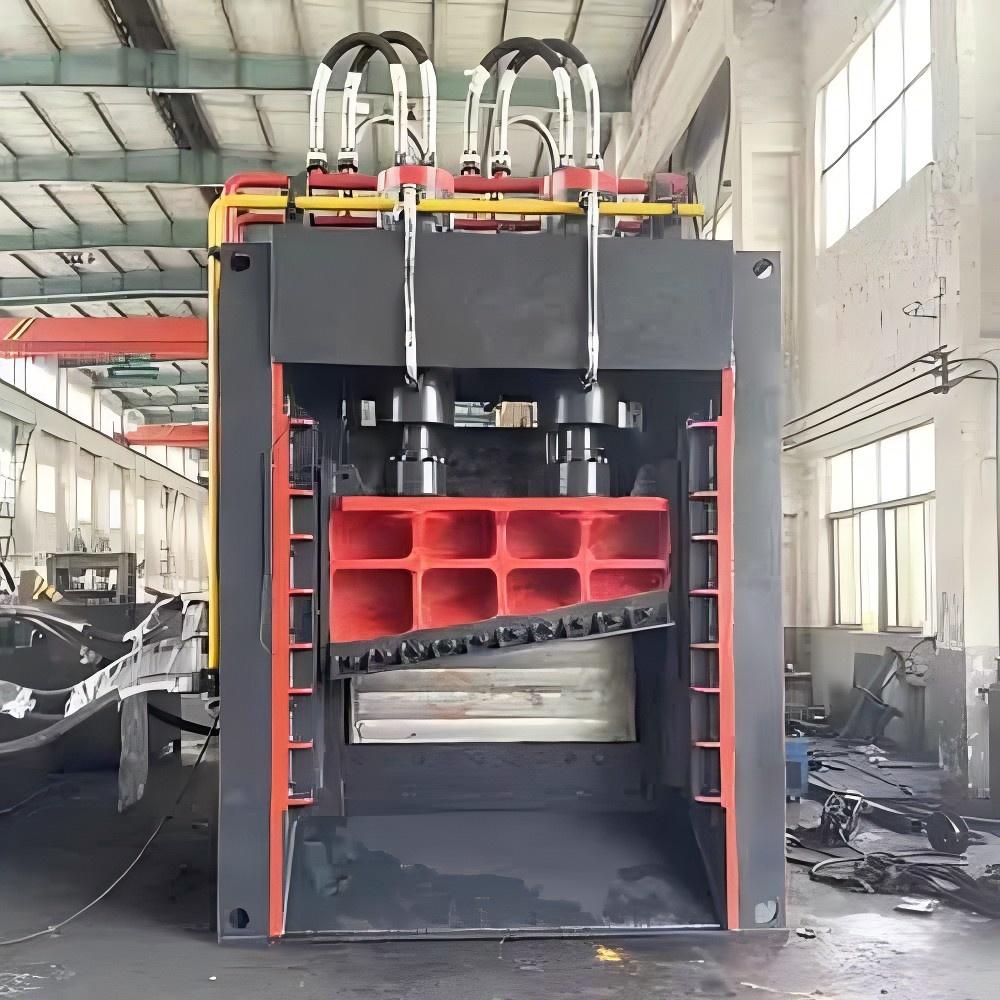
- Inspect the Safety Features: High-performance machines must include emergency stop circuits, safety cages for the feeding area, and pressure relief valves to prevent over-tonnage accidents.
Frequently Asked Questions (FAQ)
What is the average lifespan of gantry shear blades?
Depending on the material being cut, a set of high-quality blades can typically process 2,000 to 5,000 tons of scrap before needing to be rotated. Most blades have four cutting edges, allowing them to be flipped three times before requiring professional regrinding.
Can a gantry shear be used for non-ferrous metals?
Yes, gantry shears are excellent for processing large volumes of aluminum, copper, and stainless steel. However, because non-ferrous metals are often more valuable, precision in cutting lengths becomes more important to meet specific mill requirements.
How often should the hydraulic oil be changed?
In a high-performance environment, hydraulic oil should be tested every 2,000 hours and typically changed every 4,000 to 5,000 hours, provided that the filtration system is maintained correctly. Regular oil analysis can prevent expensive pump failures.
What is the difference between a gantry shear and a crocodile shear?
A crocodile (alligator) shear is a smaller, manual-feed machine used for cleaning scrap or cutting small pieces. A gantry shear is a large-scale, automated machine designed for high-volume throughput and much thicker materials. The gantry shear is the superior choice for industrial-scale operations.
Does HARSLE provide installation support?
Yes, HARSLE offers comprehensive support, including foundation drawings, remote installation guidance, and on-site commissioning by experienced engineers to ensure your machine is set up for maximum performance from day one.