Essential Alligator Shear Specs to Review Before You Order: A Comprehensive Guide for Metal Recyclers

Introduction to Alligator Shear Procurement
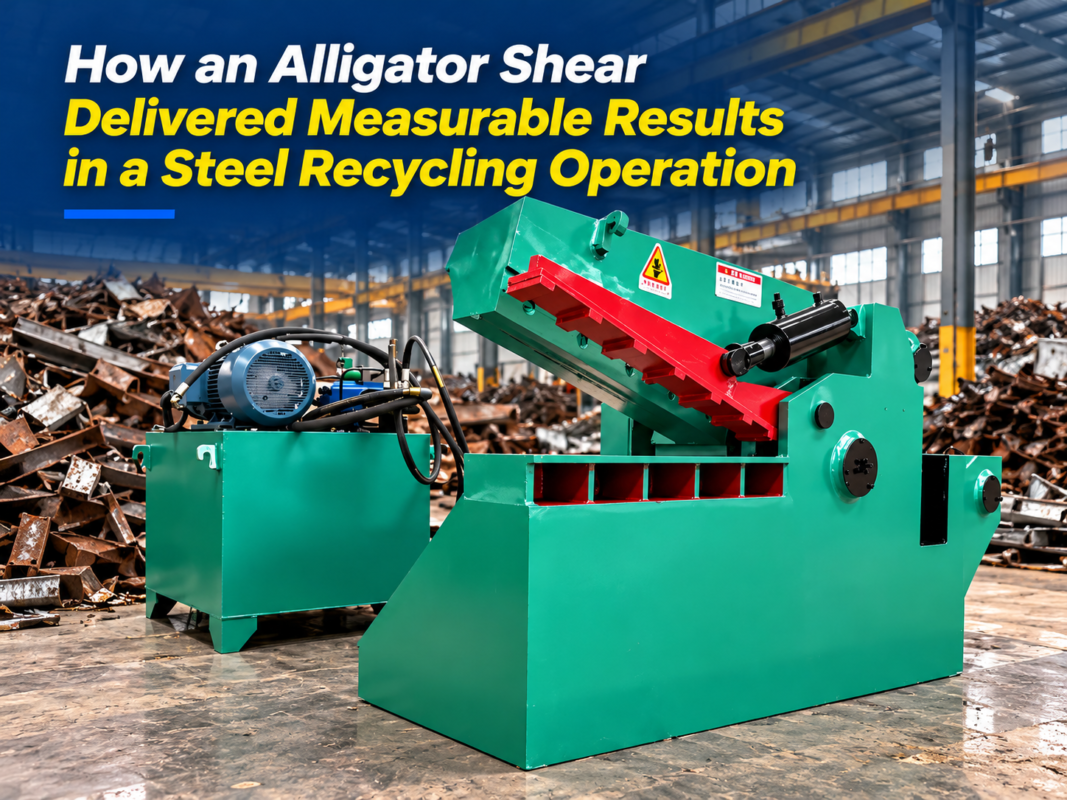
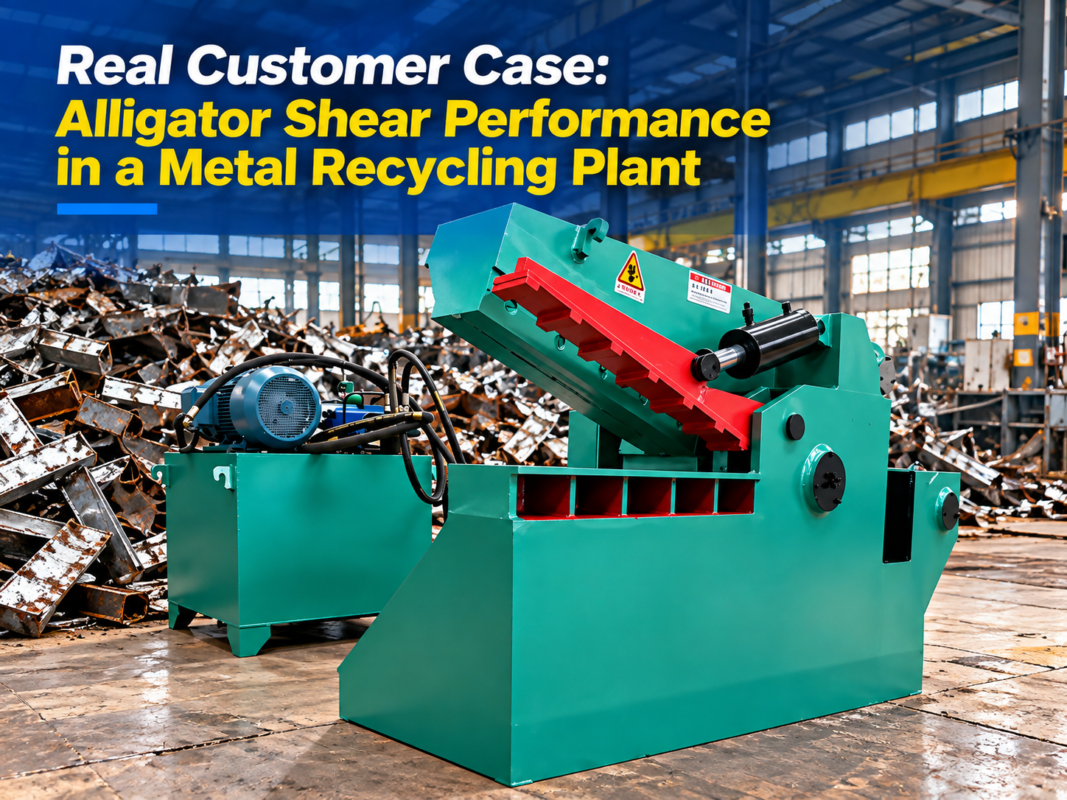
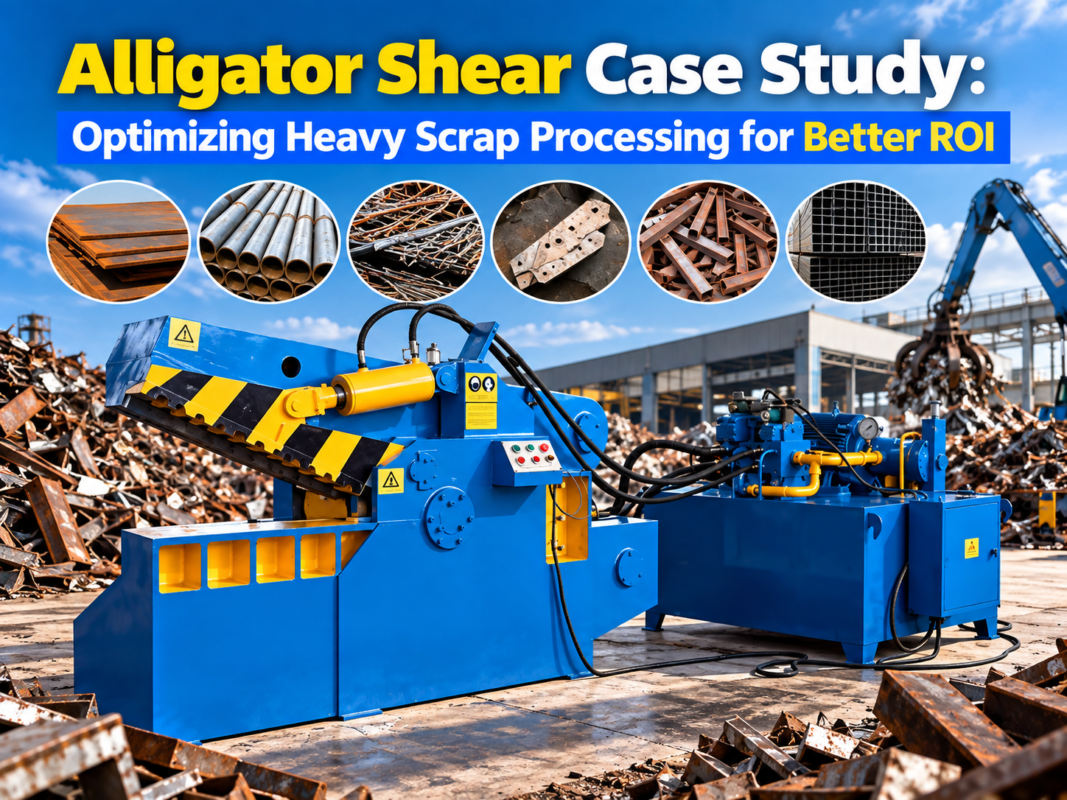
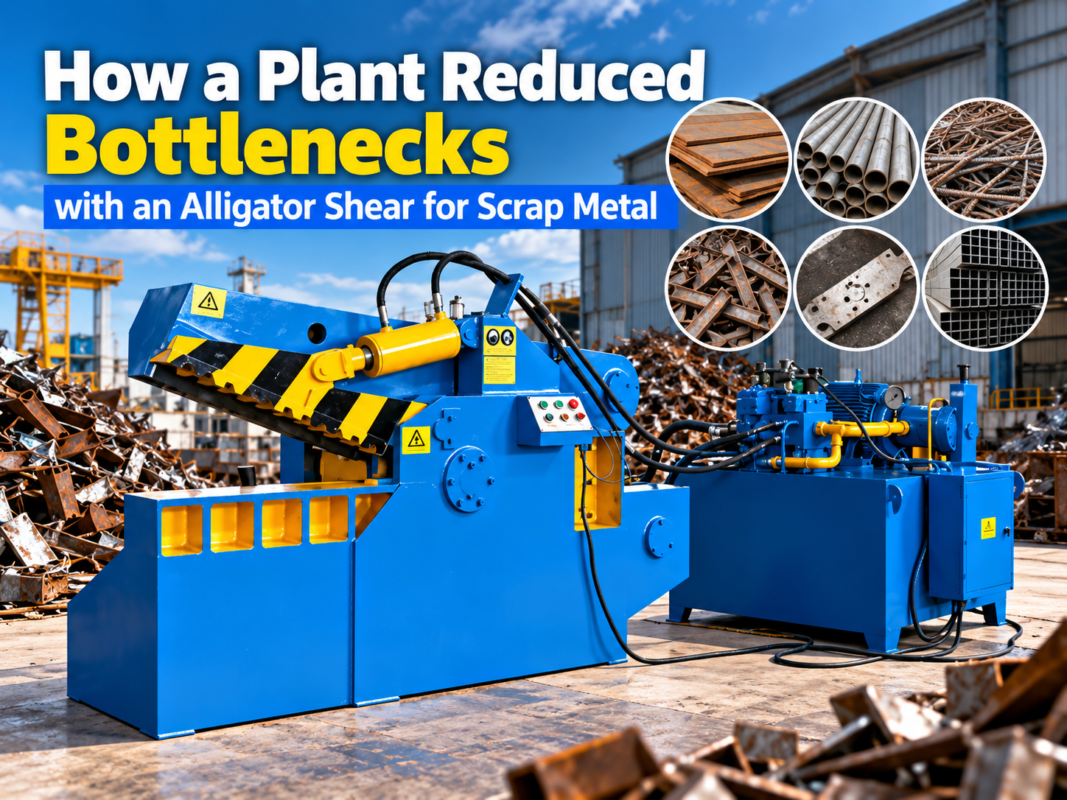
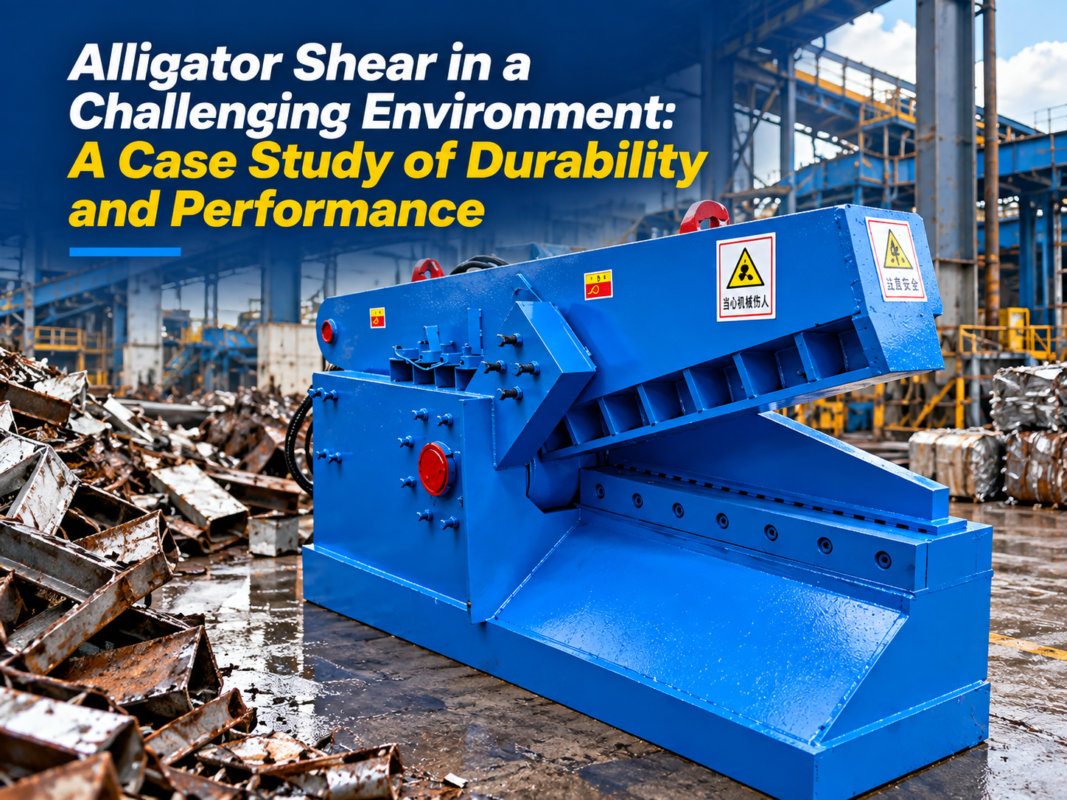
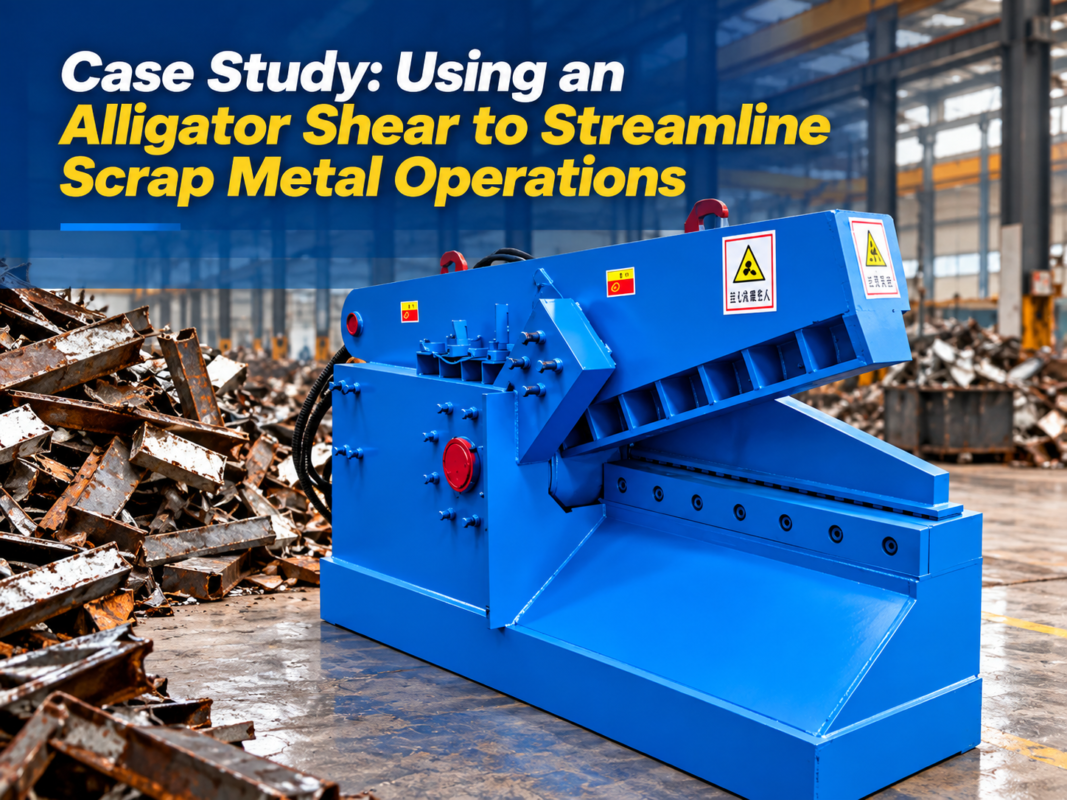
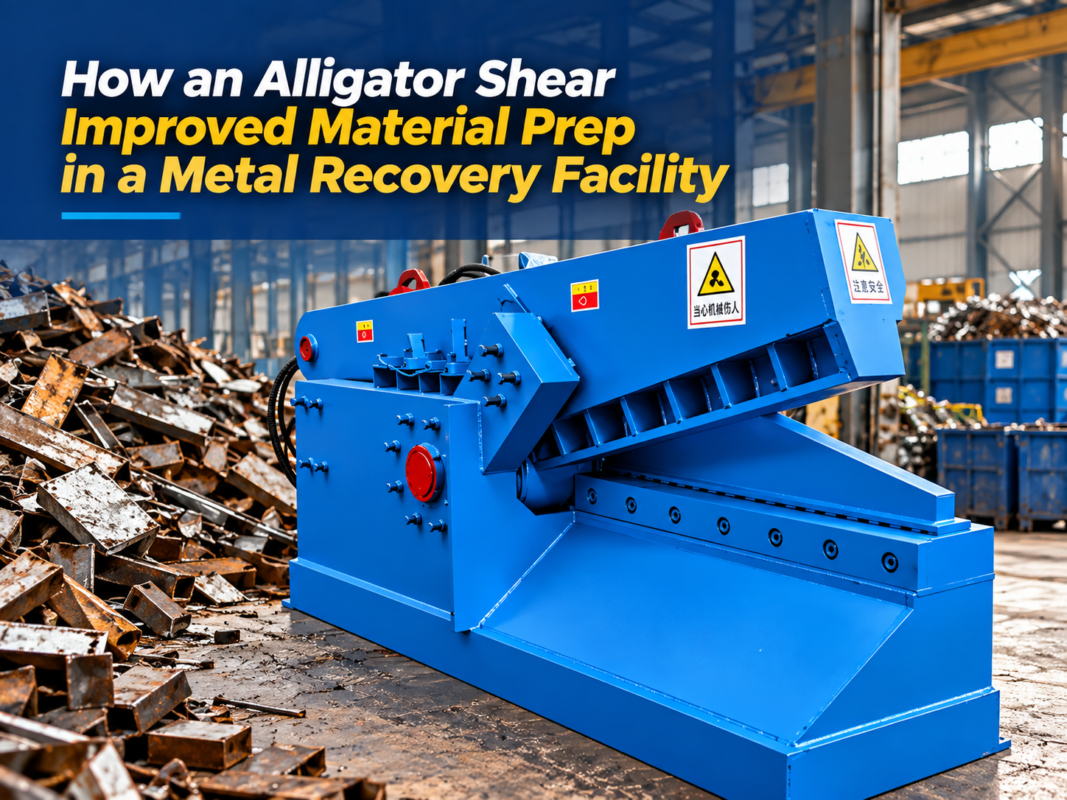
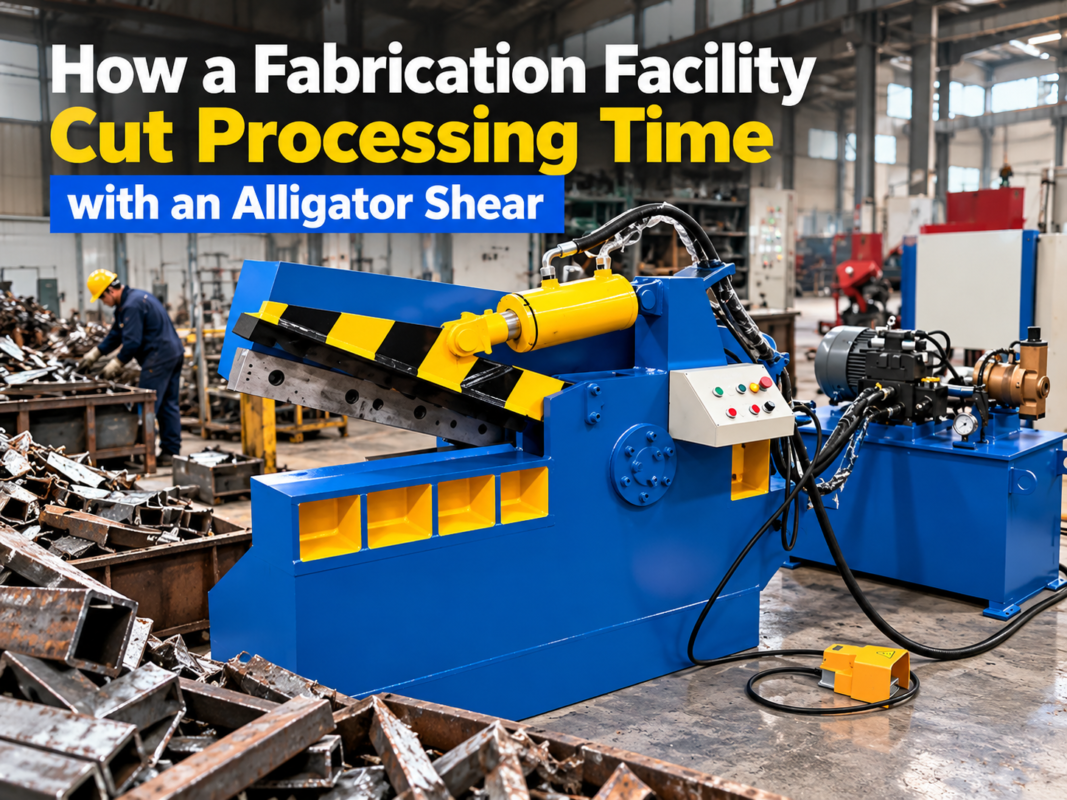
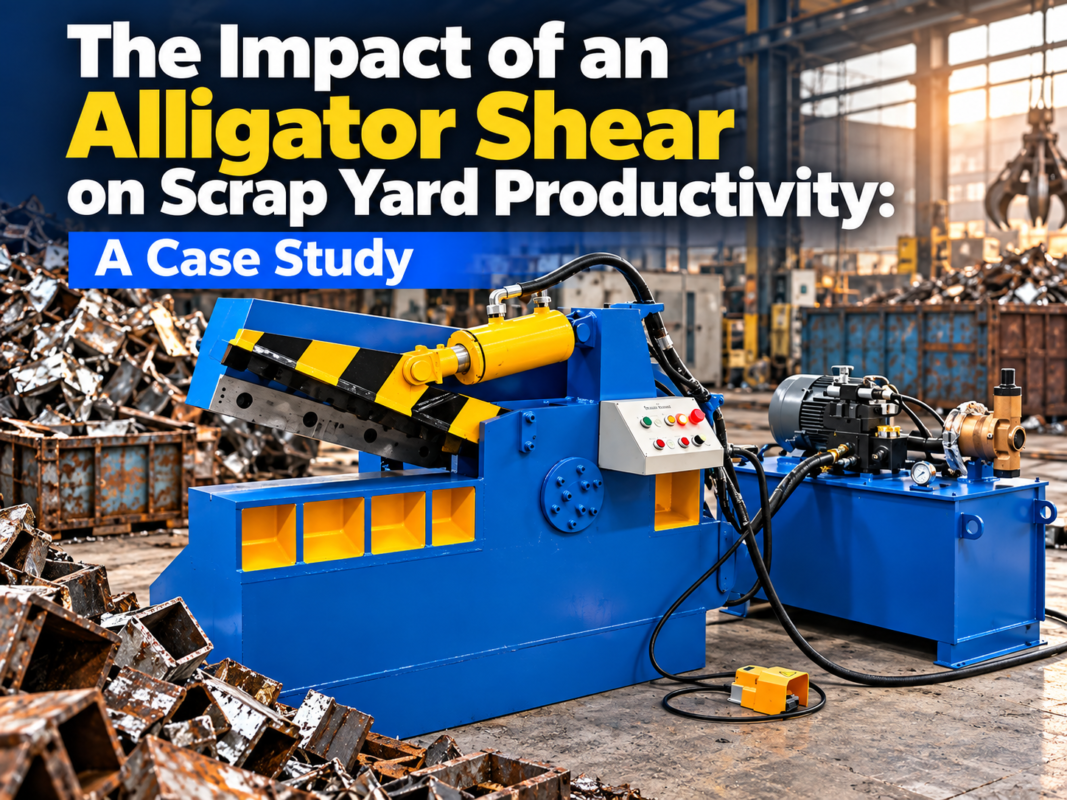
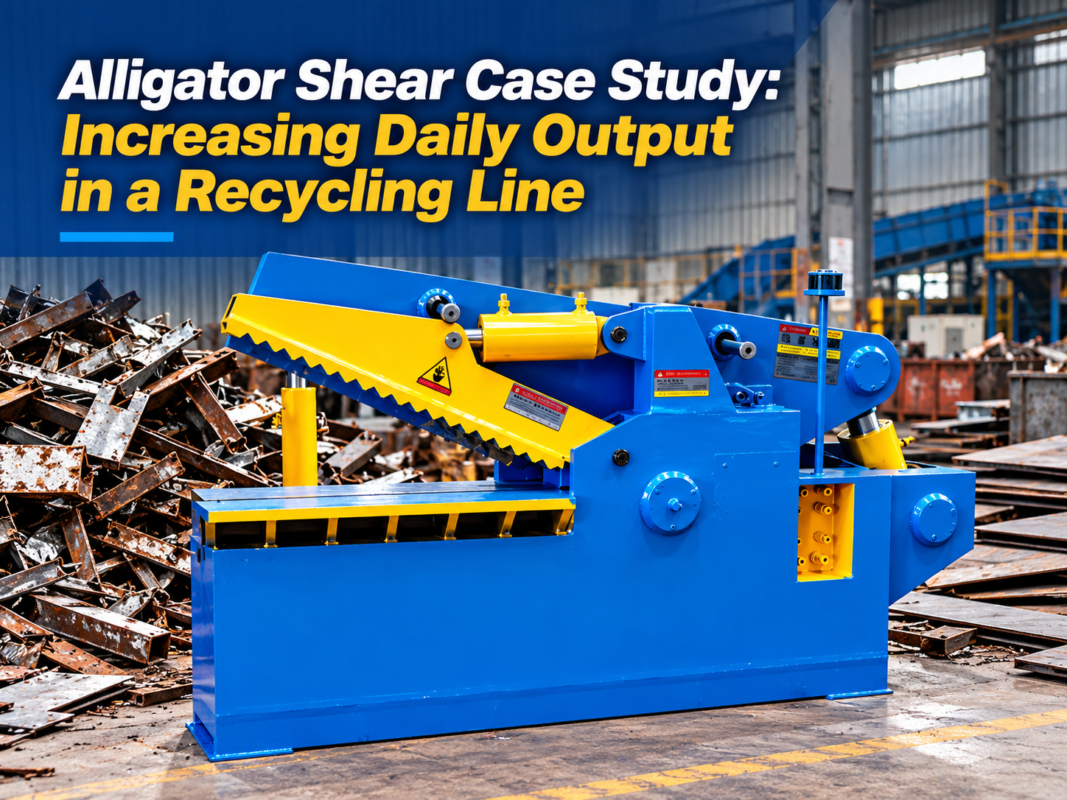
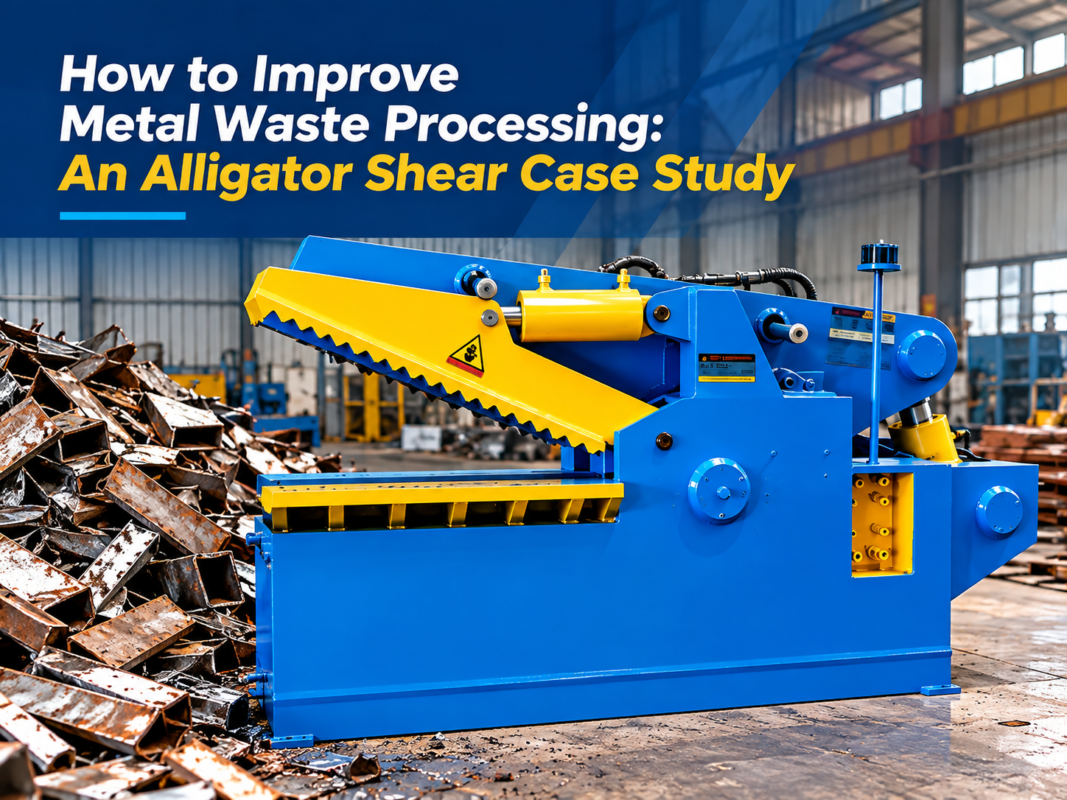
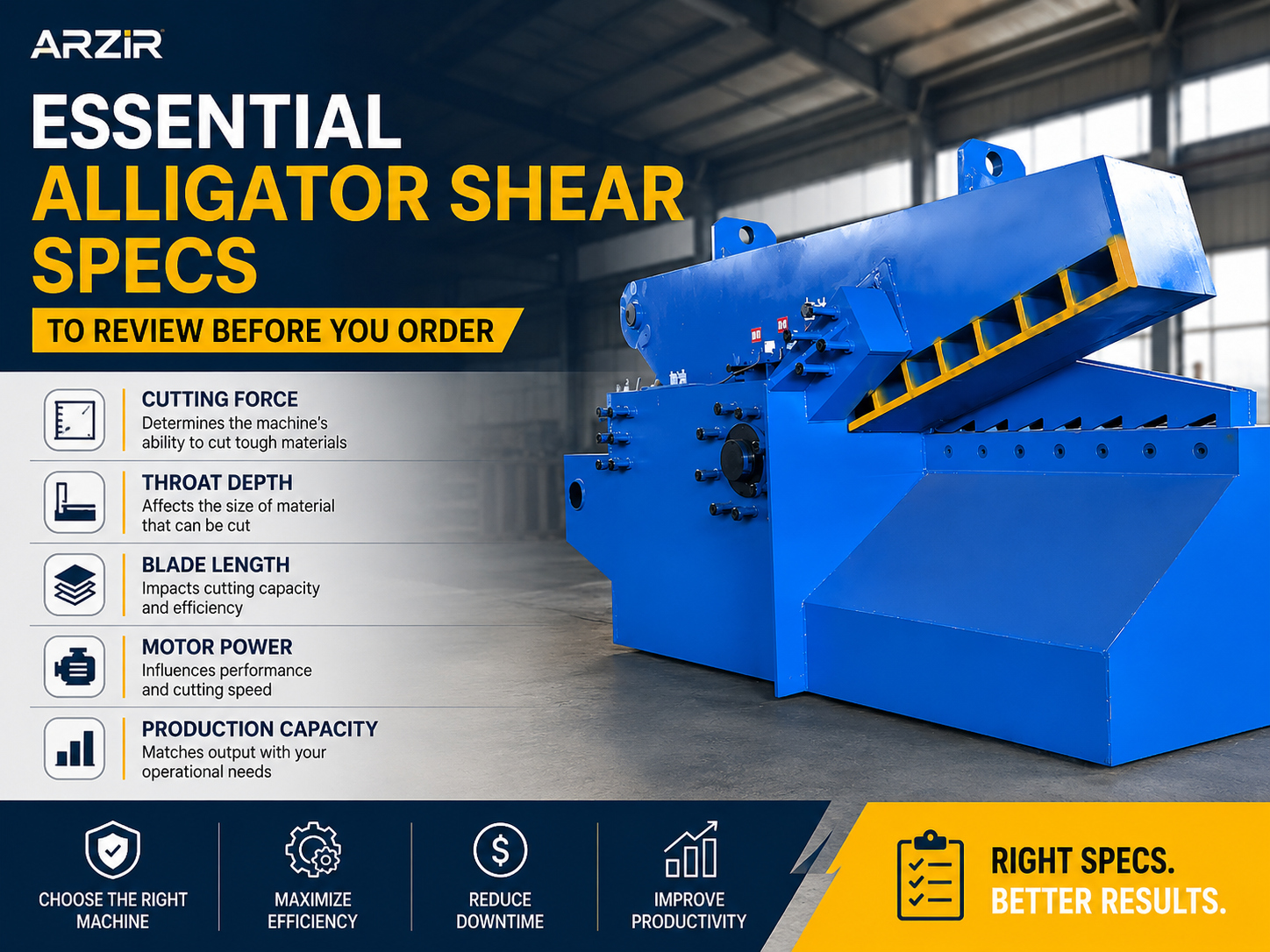
In the world of scrap metal recycling and industrial fabrication, the alligator shear is an indispensable workhorse. Named for its characteristic jaw-like movement, this machine is designed to cold-cut metal sections and waste materials into manageable sizes for further processing or smelting. However, purchasing one is not as simple as picking a model from a catalog. To ensure you get the best value and performance, there are essential alligator shear specs to review before you order. Failing to account for variables like shear force, blade length, and cycle speed can lead to underperformance or premature equipment failure.
HARSLE has spent years refining the engineering behind these machines to meet the rigorous demands of modern scrap yards. Whether you are processing non-ferrous metals like aluminum and copper or heavy-duty steel pipes and beams, understanding the technical nuances of your equipment is the first step toward operational efficiency. This guide will walk you through every critical specification, cost factor, and ROI consideration to help you make an informed investment.
Price Range Overview: What to Expect
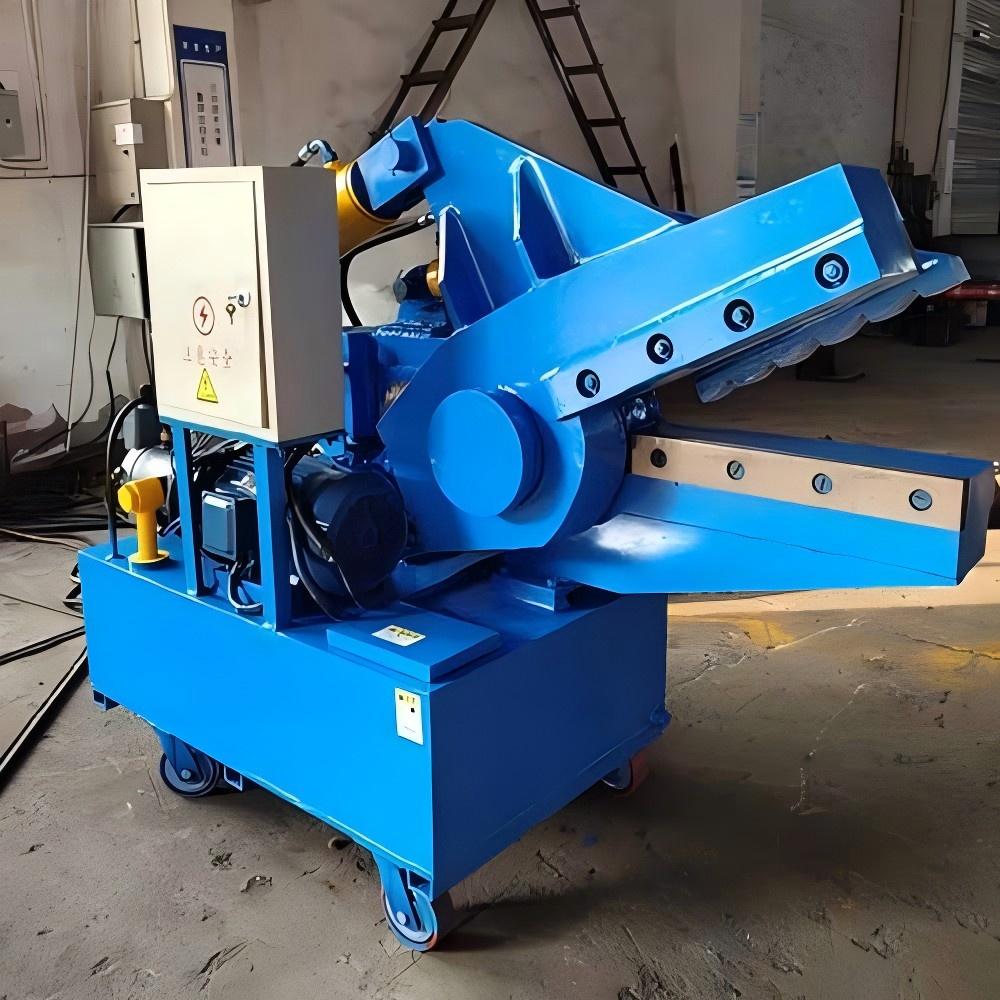
The price of an alligator shear can vary significantly based on its capacity and build quality. Generally, the market is divided into three main tiers. Entry-level shears, often used for light non-ferrous recycling or small-scale workshops, typically range from $3,000 to $8,000. These machines usually feature shorter blade lengths (around 300mm to 400mm) and lower cutting forces (63 to 100 tons). While affordable, they are not intended for continuous heavy-duty steel processing.
Mid-range alligator shears, which are the most common in professional scrap yards, fall between $10,000 and $25,000. These units offer a balance of power and speed, with cutting forces ranging from 120 to 250 tons and blade lengths up to 800mm. They are capable of handling structural steel, thicker pipes, and larger volumes of scrap. Finally, heavy-duty industrial shears can exceed $40,000. These are massive machines with 500+ tons of force and 1200mm blades, designed for 24/7 operation in large-scale recycling facilities.
When conducting your essential alligator shear specs review before you order, it is vital to remember that the lowest price rarely equates to the lowest total cost of ownership. A cheaper machine might save you money upfront but could cost thousands in downtime and frequent blade replacements if it is pushed beyond its rated capacity.
Main Cost Drivers in Alligator Shear Manufacturing
Several technical factors dictate the manufacturing cost and, consequently, the retail price of an alligator shear. Understanding these drivers helps you identify where your money is going and whether a specific feature is necessary for your application.
1. Shear Force and Hydraulic Pressure
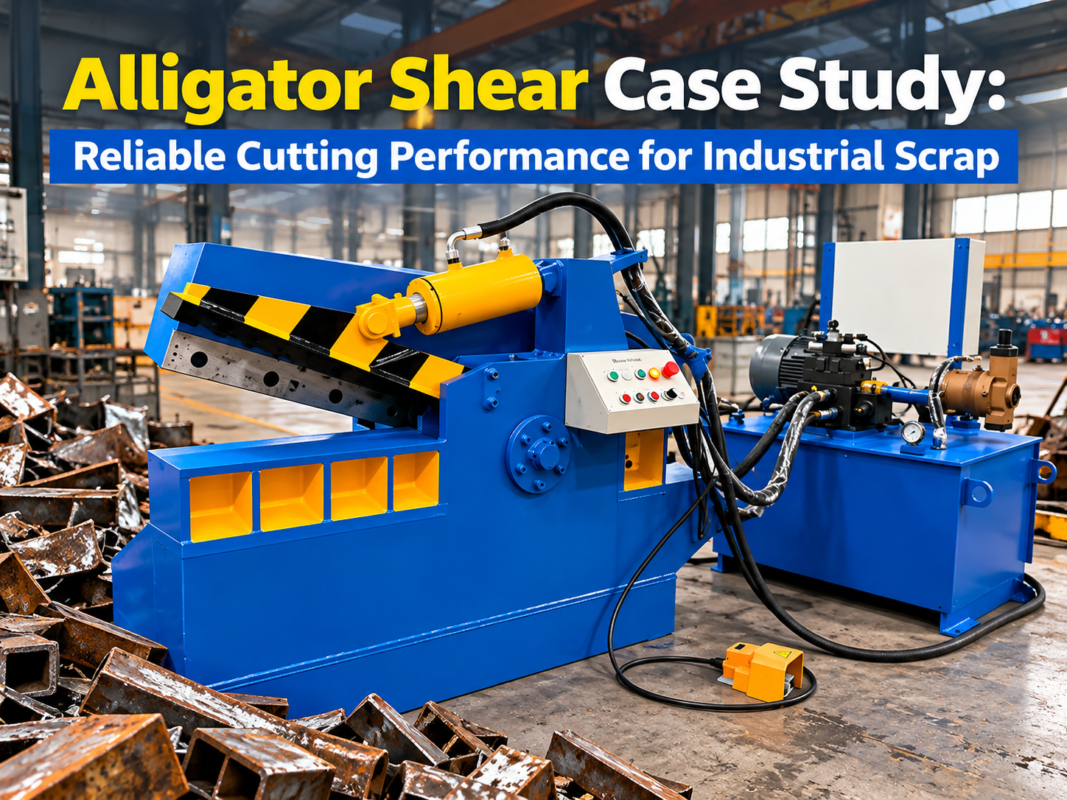
The most significant cost driver is the maximum shear force. This is the pressure the blades exert on the material. Higher force requires larger hydraulic cylinders, more robust frames, and more powerful motors. For example, a 250-ton shear requires significantly more steel in its construction than a 63-ton shear to prevent the frame from warping under pressure. The hydraulic system must also be rated for higher pressures, often requiring premium pumps and valves from reputable brands like Rexroth or Vickers.
2. Blade Length and Material Quality
Blade length determines the size of the material you can feed into the machine. Longer blades (e.g., 1000mm or 1200mm) require a wider jaw opening and a more stable pivot point. Furthermore, the metallurgy of the blades is critical. High-quality blades made from H13 or Cr12MoV tool steel are more expensive but offer superior wear resistance and can be sharpened multiple times. Cheaper shears often use inferior alloys that dull quickly, leading to jagged cuts and increased strain on the motor.
3. Motor Power and Cycle Speed
The kilowatt (kW) rating of the motor directly impacts the cycle speed—how many cuts the machine can perform per minute. A higher-powered motor allows the hydraulic pump to move fluid faster, reducing the time it takes for the jaw to open and close. In a high-volume scrap yard, a difference of 2-3 seconds per cycle can result in hundreds of additional tons processed over a year.
Configuration Impact: Customizing for Your Needs
The configuration of your alligator shear can greatly influence its usability and safety. When you perform an essential alligator shear specs review before you order, consider how the following configurations align with your workflow.
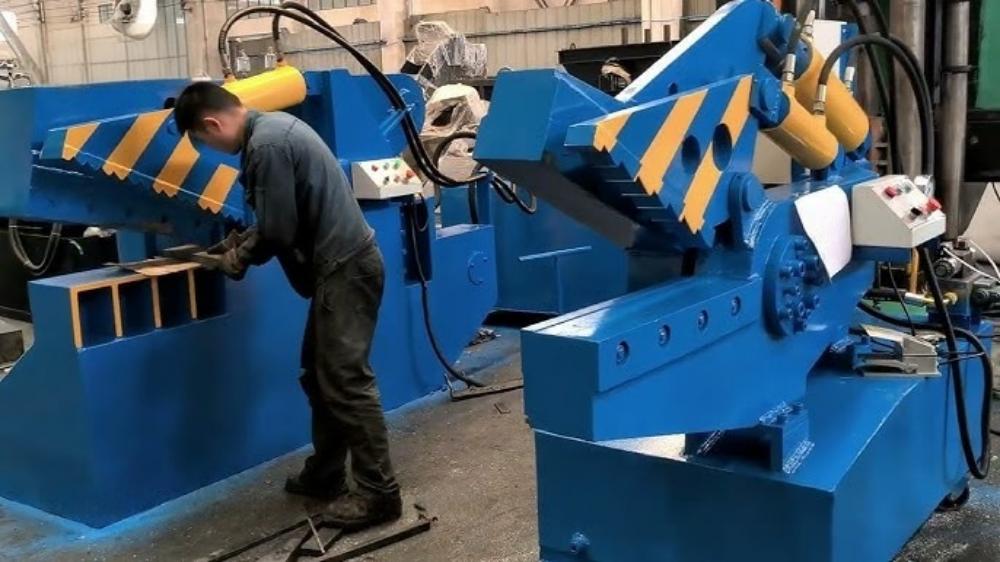
- Manual vs. Automatic Operation: Most modern shears offer both a foot pedal for manual control and an automatic mode for continuous cutting. Automatic modes are excellent for processing long pipes or uniform scrap, while manual control is safer for irregular pieces that require precise positioning.
- Cooling Systems: In hot climates or high-duty cycle environments, hydraulic oil can overheat. Adding an air-cooled or water-cooled heat exchanger is a configuration choice that extends the life of the hydraulic seals and oil.
- Blade Guarding and Safety: Safety is paramount. Configurations that include heavy-duty cages or proximity sensors to prevent operation when hands are near the blades are essential for modern industrial compliance.
- Portability: Some shears are mounted on wheels or have forklift pockets for easy relocation within a yard. Stationary models are usually more stable for heavy-duty cutting but lack flexibility.
Hidden Costs to Consider Before Ordering
The sticker price is only one part of the financial equation. To avoid surprises, you must account for several hidden costs associated with industrial machinery.
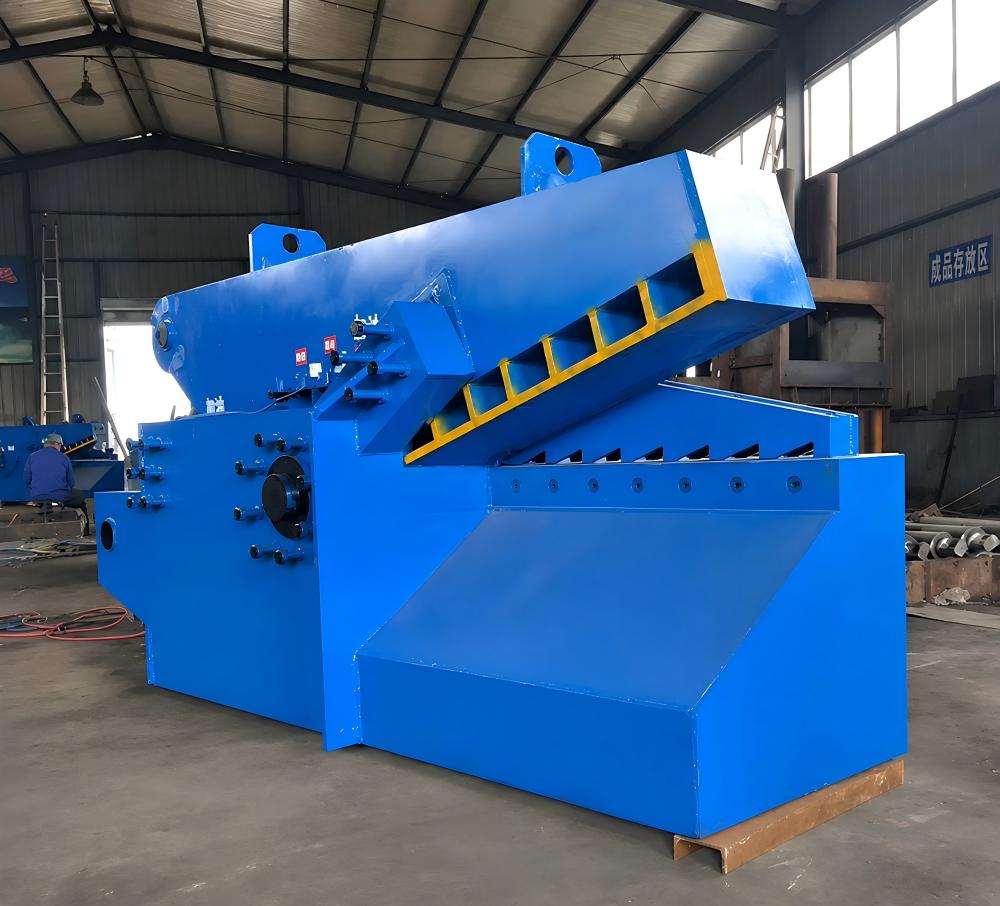
Shipping and Logistics: Alligator shears are heavy. Depending on the model, they can weigh anywhere from 1,000kg to over 10,000kg. International shipping, customs duties, and local drayage can add 10-20% to the total cost. Ensure your supplier provides a clear Incoterm (like CIF or DDP) so you know exactly who is responsible for these costs.
Installation and Power Requirements: Does your facility have the necessary electrical infrastructure? A large shear might require 380V or 440V three-phase power. If you need to upgrade your electrical panel or run new lines, this is a significant additional expense. Furthermore, you will need several hundred liters of high-grade hydraulic oil to fill the reservoir before the first start-up.
Maintenance and Wear Parts: Blades are consumable items. Depending on the material you cut, you may need to rotate or sharpen the blades every few months. Having a spare set of blades on hand is a recommended but additional cost. You should also budget for regular filter changes and hydraulic oil testing to prevent pump failure.
ROI Calculation: Is the Investment Worth It?
Calculating the Return on Investment (ROI) for an alligator shear involves comparing the cost of the machine against the increased revenue from processed scrap and labor savings. Processed scrap (cut to size) typically commands a higher price per ton at the foundry than unprocessed, bulky scrap. This is because processed scrap is easier to transport and melts more efficiently.
Consider this example: If a manual laborer can process 1 ton of scrap per day using hand tools, but an alligator shear allows them to process 5 tons, the machine has quintupled your productivity. If the price difference between “unprepared” and “prepared” scrap is $50 per ton, the machine generates an additional $200 in value per day. At this rate, a $15,000 machine could pay for itself in just 75 working days, excluding labor savings and overhead. This highlights why the essential alligator shear specs review before you order is so important—choosing a machine that is too slow or underpowered will directly extend your ROI period.
Buying Advice: A Checklist for Success
Before you sign the purchase order, use this checklist to ensure the machine meets your specific requirements:
- Verify the Material Capacity: Don’t just look at the tonnage. Ask the manufacturer for the maximum diameter of solid steel bar and the maximum thickness of plate the machine can cut.
- Check the Blade Material: Ensure the blades are made from high-quality tool steel. Ask about the hardness rating (HRC) to gauge durability.
- Inspect the Frame Construction: A thick, welded steel frame is better than a bolted one for long-term structural integrity. Look for reinforced pivot points.
- Evaluate Spare Parts Availability: Choose a manufacturer like HARSLE that maintains a robust inventory of seals, valves, and blades. You don’t want your machine sitting idle for weeks waiting for a part from overseas.
- Request a Video Test: Ask the supplier to send a video of the specific model cutting material similar to what you process. This confirms the cycle speed and cutting capability.
Frequently Asked Questions (FAQ)
What is the most important spec in an alligator shear?
While all specs matter, the shear force is generally the most critical. It determines the maximum thickness and hardness of the material you can cut. If the force is insufficient, the machine will stall or damage its hydraulic system.
Can an alligator shear cut stainless steel?
Yes, but stainless steel is much harder than mild steel. You will need a shear with higher tonnage and high-quality blades. Cutting stainless steel also dulls blades faster, so factor in more frequent maintenance.
How often do the blades need to be sharpened?
This depends entirely on the material being cut. For soft metals like aluminum, blades can last for a year or more. For heavy steel pipes, you might need to rotate the blades (most have four cutting edges) every 3-6 months and sharpen them once all edges are worn.
Is a foot pedal better than automatic control?
Neither is “better”; they serve different purposes. A foot pedal is essential for safety when positioning irregular scrap. Automatic control is a productivity booster for uniform materials. Most high-quality shears include both.
What kind of hydraulic oil should I use?
Most alligator shears use ISO 46 or ISO 68 anti-wear hydraulic oil. Always refer to the manufacturer’s manual, as using the wrong viscosity can lead to overheating or poor pump performance.
Conclusion
Investing in metal recycling equipment is a significant step for any fabrication or scrap business. By conducting a thorough essential alligator shear specs review before you order, you protect your capital and ensure your operations run smoothly. Focus on the balance between cutting force, blade length, and build quality. Remember that HARSLE is committed to providing high-performance machinery that stands the test of time. With the right specifications, your alligator shear will be a cornerstone of your profitability for years to come.