Comprehensive Guide: Key Questions to Ask Before Buying an Alligator Shear

Introduction to Alligator Shear Procurement
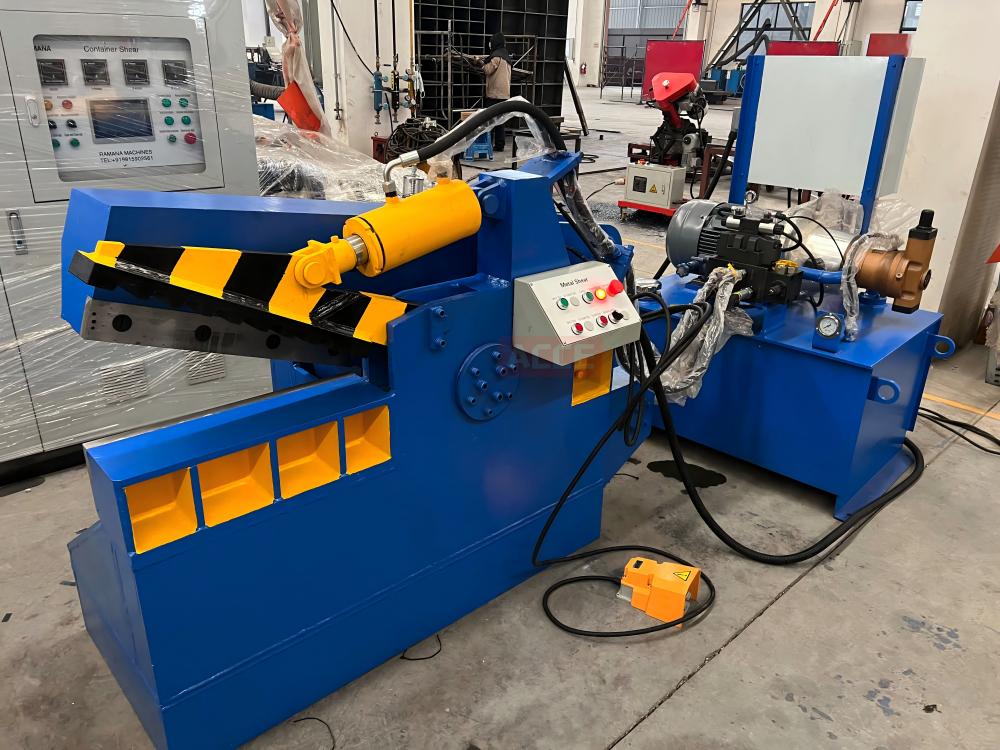
In the world of scrap metal recycling and industrial fabrication, the alligator shear remains a cornerstone of efficiency. Named for its characteristic jaw-like movement, this machine is indispensable for cold-cutting various metal shapes, pipes, and profiles into manageable sizes for smelting or transport. However, investing in an alligator shear is not a decision to be taken lightly. The market is flooded with various models, ranging from small manual units to massive, automated hydraulic systems. To ensure you receive the best value for your investment, you must understand the technical nuances and operational requirements of the equipment.
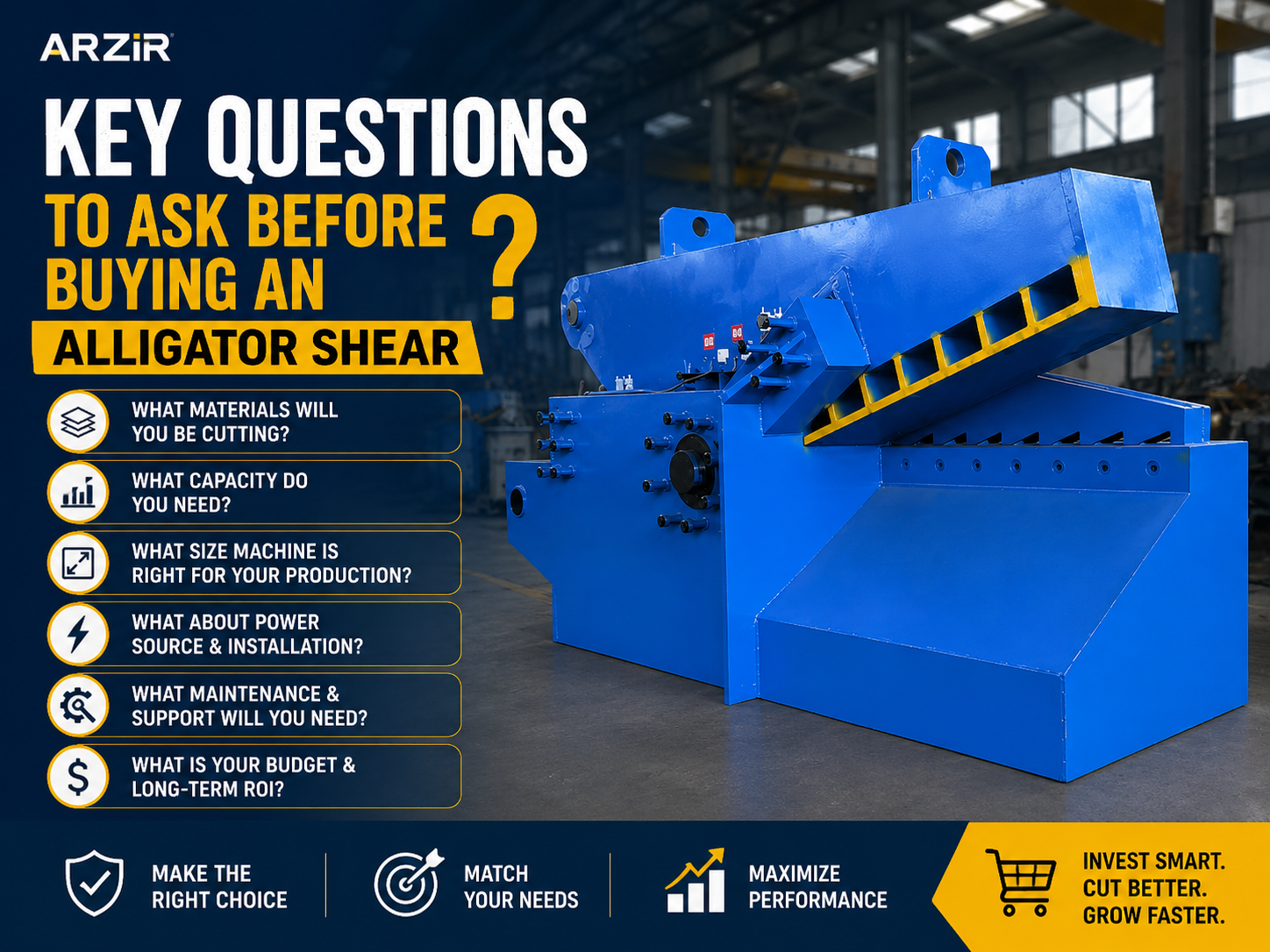
This guide is designed to walk you through the essential Key Questions Ask Before Buying An Alligator Shear. By addressing these questions, you can avoid common pitfalls such as underestimating power requirements, overlooking maintenance costs, or choosing a machine that cannot handle your specific scrap volume. Whether you are a small recycling yard owner or a large-scale industrial manufacturer, the following sections will provide the clarity needed to make an informed purchase from reputable manufacturers like HARSLE.
Price Range Overview: What to Expect
The price of an alligator shear is primarily determined by its cutting force (tonnage) and blade length. Generally, the market is divided into three tiers: entry-level, mid-range, and heavy-duty industrial units. Understanding where your needs fall within this spectrum is the first step in budgeting. Entry-level machines, often with a cutting force between 63 and 100 tons and blade lengths of 400mm to 600mm, typically range from $3,500 to $8,000. These are ideal for small yards processing non-ferrous metals or thin-walled pipes.
Mid-range alligator shears, which offer 120 to 250 tons of pressure, are the workhorses of the industry. These machines often feature enhanced hydraulic systems and more robust frames, with prices ranging from $10,000 to $25,000. They are capable of handling thicker steel plates and larger structural beams. Finally, heavy-duty industrial shears with 315 to 500+ tons of force and blade lengths exceeding 1000mm can cost anywhere from $30,000 to over $60,000. These units are often integrated into automated lines and are designed for 24/7 operation in high-volume environments.
It is important to note that these prices are estimates and can fluctuate based on the manufacturer’s location, the quality of components (such as motors and pumps), and the inclusion of advanced features like PLC controls or specialized cooling systems. When evaluating the price, always ask for a detailed breakdown of what is included in the quote to ensure you are comparing like-for-like options.
Main Cost Drivers in Alligator Shear Manufacturing
When you ask Key Questions Ask Before Buying An Alligator Shear, you must delve into what actually drives the cost of the machine. The most significant cost driver is the hydraulic system. High-quality shears utilize premium hydraulic pumps (such as those from Rexroth or high-end domestic brands) and valves that ensure consistent pressure and longevity. A cheaper hydraulic system may save money upfront but will likely lead to leaks, pressure drops, and frequent downtime in the future.
The second major cost driver is the material and heat treatment of the blades. Alligator shear blades are subjected to immense stress. High-quality blades made from materials like 9CrSi or Cr12MoV, which have undergone rigorous vacuum heat treatment, will maintain their edge significantly longer than cheaper alternatives. The cost of the steel used in the machine’s frame also plays a role; a heavier, reinforced frame prevents deformation under high-pressure cycles, ensuring the machine remains accurate and safe over decades of use.
Motor efficiency and brand also impact the final price. Using a world-renowned motor brand like Siemens or WEG ensures that the machine meets international energy standards and provides reliable torque. Additionally, the complexity of the control system—ranging from simple foot pedals to advanced touch-screen PLC interfaces—adds to the manufacturing cost. While these features increase the initial price, they often contribute to lower operational costs and higher safety standards.
Configuration Impact: Tailoring the Machine to Your Needs
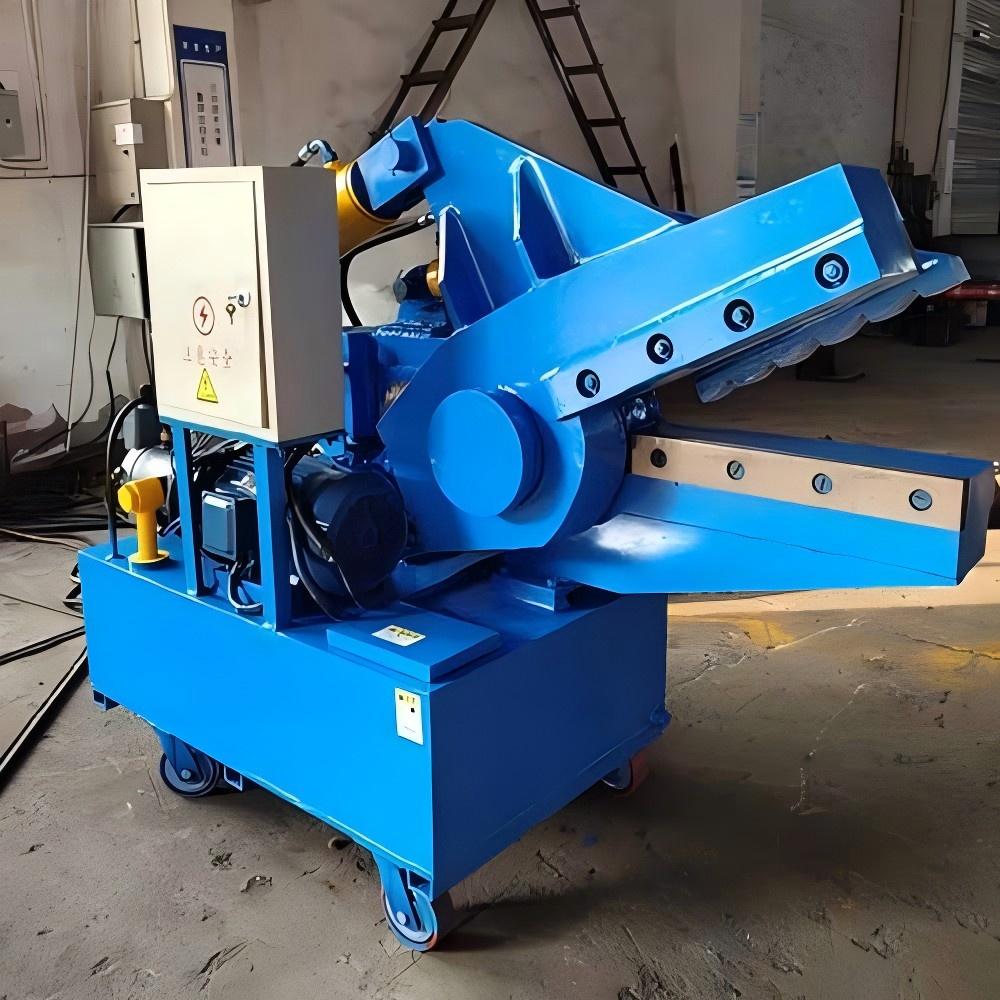
The configuration of an alligator shear should be dictated by the specific types of scrap you intend to process. One of the most critical configuration choices is the blade length. A shorter blade (e.g., 600mm) provides higher concentrated cutting force at the throat, which is excellent for thick bars and bolts. Conversely, a longer blade (e.g., 1200mm) allows for the processing of wider sheets and larger diameter pipes in a single stroke, though the force is distributed over a larger area.
Another vital configuration aspect is the “hold-down” mechanism. In manual configurations, the operator must ensure the material is stable, which can be a safety risk. Automatic hydraulic hold-downs secure the material before the cutting blade descends, preventing the metal from “kicking up” and ensuring a cleaner cut. This feature is highly recommended for any operation focusing on safety and precision. Furthermore, consider the stroke speed. Some machines offer a “fast-cycle” configuration using regenerative hydraulic circuits, which can significantly increase the number of cuts per minute, boosting overall productivity.
Cooling systems are another configuration variable. If your facility operates in a hot climate or if the machine will be running continuously, an air-cooled or water-cooled oil system is essential. Without proper cooling, the hydraulic oil will thin, leading to component wear and loss of cutting power. When discussing configurations with a supplier like HARSLE, be specific about your duty cycle and environmental conditions to ensure the machine is equipped to handle the workload.
Hidden Costs of Owning an Alligator Shear
The purchase price is only the beginning of the total cost of ownership. One often-overlooked hidden cost is the initial fill of hydraulic oil. Large alligator shears can require hundreds of liters of high-grade hydraulic oil, which can cost several hundred to over a thousand dollars depending on the grade and volume. Additionally, the cost of site preparation—such as pouring a reinforced concrete pad or installing high-voltage electrical lines—must be factored into the initial budget.
Maintenance and consumables represent ongoing hidden costs. Blades are the primary consumable; even the best blades will eventually dull and require professional sharpening or replacement. Depending on the material being cut (e.g., hardened steel vs. aluminum), you may find yourself replacing blades more frequently than anticipated. Shipping and logistics, especially for international purchases, can also add a significant percentage to the total cost. This includes not just the freight, but also customs duties, offloading fees at your facility, and the potential need for a technician to fly in for installation and training.
Finally, consider the cost of electricity. A 30kW motor running 8 hours a day can significantly impact your monthly utility bill. Choosing a machine with an energy-efficient motor or a variable frequency drive (VFD) can mitigate these costs over time, but the initial investment might be higher. Always ask the manufacturer for the estimated power consumption under full load to avoid surprises in your operational budget.
ROI Calculation: When Will the Machine Pay for Itself?
Calculating the Return on Investment (ROI) for an alligator shear involves comparing the cost of the machine against the increased value of processed scrap and labor savings. Processed scrap (cut to “prepared” sizes) typically commands a much higher price at the mill than “unprepared” bulky scrap. For example, if prepared scrap sells for $50 more per ton than unprepared scrap, and your machine processes 10 tons per day, you are generating an additional $500 in revenue daily.
Labor savings are another critical factor. A hydraulic alligator shear can do the work of several manual laborers using torches or handheld saws. By reducing the man-hours required to process a ton of metal, you directly increase your profit margin. To calculate the ROI, use the formula: (Total Investment Cost) / (Monthly Increased Revenue + Monthly Labor Savings – Monthly Operating Costs) = Months to Payback. Most high-quality alligator shears in a busy recycling environment will pay for themselves within 12 to 18 months.
Beyond the direct financial gains, consider the “soft” ROI benefits. These include improved safety (reducing the risk of expensive workplace injuries), better organization of your yard (processed scrap takes up less space), and the ability to accept a wider variety of scrap materials that you previously couldn’t process. These factors contribute to the long-term sustainability and growth of your business.
.jpg)
Buying Advice: Key Questions Ask Before Buying An Alligator Shear
When you are ready to move forward, having a checklist of Key Questions Ask Before Buying An Alligator Shear is vital. Start with the technical specifications: “What is the maximum tensile strength of the material this machine can cut?” and “What is the actual cycle time under load?” Don’t just rely on the “no-load” speeds often listed in brochures. Ask about the origin of the components: “Are the hydraulic seals from a reputable brand like NOK?” and “What is the hardness rating of the blades?”
Next, vet the manufacturer. Ask for references or case studies from customers in your region. A reputable manufacturer like HARSLE will be transparent about their manufacturing process and provide detailed documentation. Inquire about after-sales support: “What is the lead time for replacement blades?” and “Do you provide remote technical support for the PLC system?” It is also wise to ask about the warranty terms—specifically, what is covered (parts vs. labor) and for how long.
Finally, if possible, request a video of the machine testing the specific type of scrap you intend to process. This “proof of concept” can save you from buying a machine that looks good on paper but struggles with your actual material. Ensure the machine complies with your local safety standards (such as CE or UL certification), as non-compliant machinery can lead to legal issues and insurance complications.
Frequently Asked Questions (FAQ)
1. Can an alligator shear cut hardened steel?
While alligator shears are powerful, they are primarily designed for structural steels, pipes, and non-ferrous metals. Cutting extremely hardened steel (like leaf springs or specialized tool steels) can chip or shatter the blades. Always check the machine’s maximum cutting capacity and material hardness ratings before attempting to cut hardened alloys.
2. How often do the blades need to be sharpened?
The frequency of sharpening depends entirely on the material being cut and the volume of work. For average scrap processing, blades may need to be rotated or sharpened every 3 to 6 months. Most alligator shear blades have four cutting edges, meaning you can rotate them four times before needing a full regrind.
3. Is a foundation required for installation?
For smaller units (under 120 tons), a standard level concrete floor is usually sufficient. However, for larger, heavy-duty shears, a reinforced concrete foundation is highly recommended to absorb the vibrations and prevent the machine from shifting or cracking the floor over time.
4. What is the difference between an alligator shear and a container shear?
An alligator shear is a smaller, open-jaw machine used for individual pieces of scrap. A container shear (or guillotine shear) is a much larger, enclosed system where scrap is fed into a hopper and compressed before being cut. Container shears are for much higher volumes and require a significantly larger investment.
5. Can the machine be operated in freezing temperatures?
Yes, but you must use the correct grade of hydraulic oil for cold weather and potentially install an oil heater. Operating a hydraulic machine with cold, viscous oil can damage the pump and seals. Most manufacturers offer cold-weather packages for such environments.
6. What safety features should I look for?
Essential safety features include an emergency stop button, a protective cage or shield for the operator, a hydraulic hold-down mechanism to prevent material kickback, and clear safety labeling. Some modern machines also include light curtains that stop the machine if a hand enters the cutting zone.
Conclusion
Purchasing an alligator shear is a strategic move that can significantly enhance the productivity of any metal-related business. By focusing on the Key Questions Ask Before Buying An Alligator Shear, you move beyond the surface-level price and into the realm of long-term value and operational excellence. Remember to prioritize component quality, match the configuration to your specific scrap profile, and account for all hidden costs when calculating your ROI. With the right machine from a trusted partner like HARSLE, your facility will be well-equipped to handle the challenges of modern scrap processing for years to come.