Gantry Shear Selection Guide: Matching Cutting Capacity, Blade Quality, and Production Needs

Introduction to Strategic Gantry Shear Selection
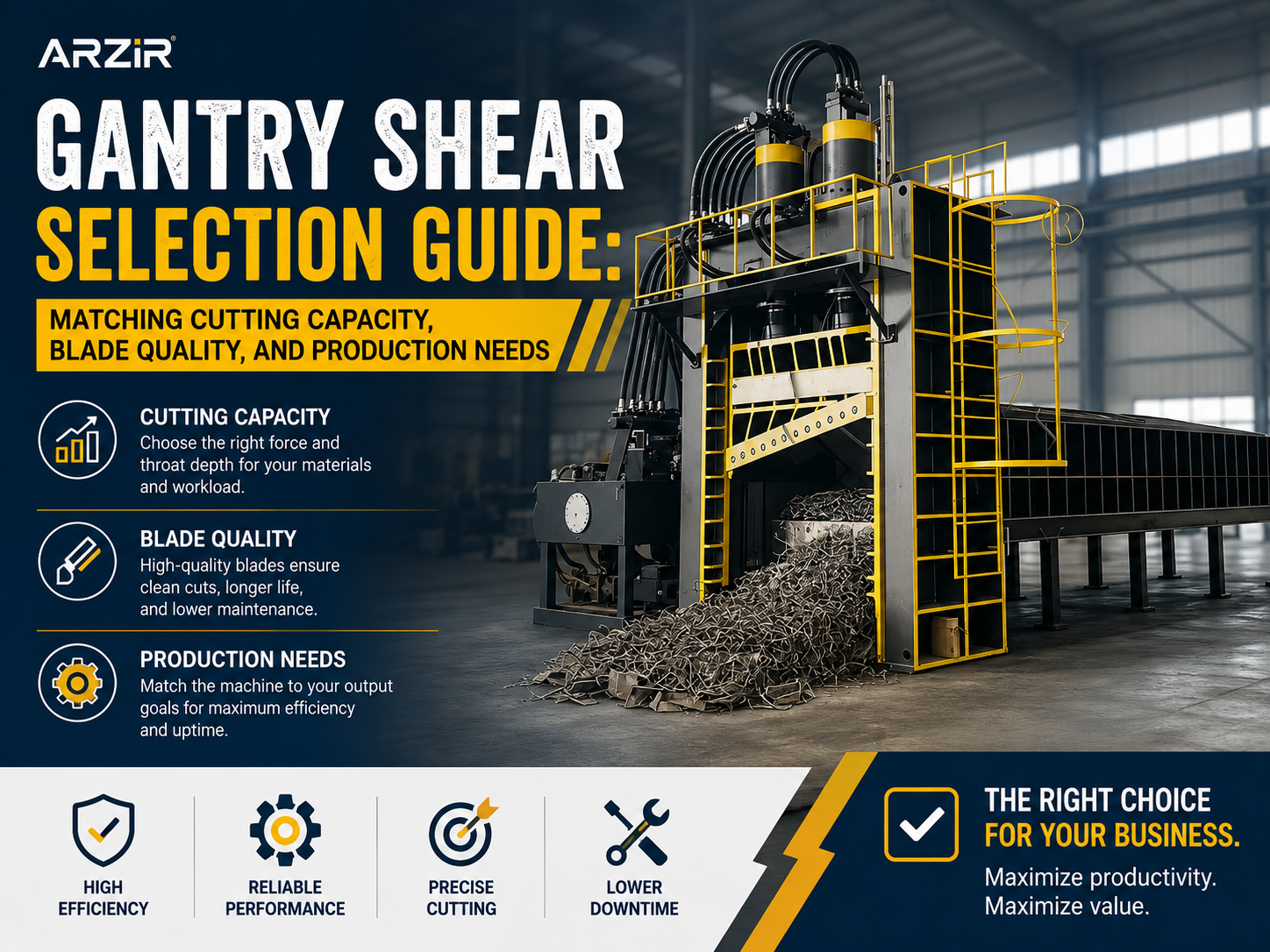
In the high-stakes world of scrap metal recycling and heavy industrial fabrication, the gantry shear stands as a cornerstone of efficiency. Selecting the right equipment is not merely a matter of choosing the largest machine within a budget; it is a complex process of Gantry Shear Selection : Matching Cutting Capacity, Blade Quality, Production Needs to ensure long-term profitability. A mismatched shear can lead to excessive energy consumption, frequent blade failures, or bottlenecks in the production line. Conversely, a perfectly calibrated gantry shear optimizes throughput, reduces labor costs, and maximizes the resale value of processed scrap.
HARSLE understands that every scrap yard and manufacturing facility has unique requirements. Whether you are processing light aluminum extrusions or heavy structural steel beams, the technical specifications of your gantry shear must align with your operational reality. This guide provides a deep dive into the critical factors that influence the selection process, from hydraulic pressure dynamics to the metallurgical properties of the cutting blades.
Price Range Overview: Understanding the Investment Tiers
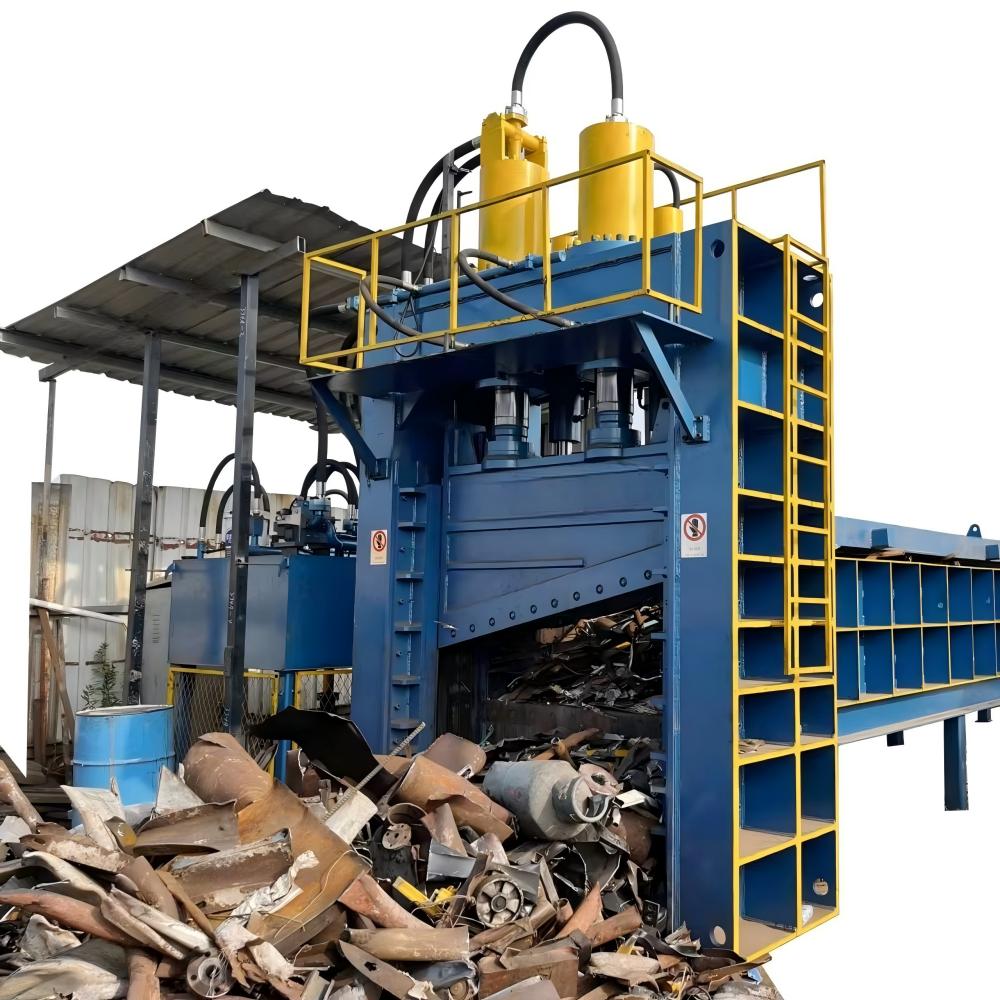
The financial commitment required for a gantry shear varies significantly based on tonnage and automation. Generally, the market is divided into three primary tiers. Entry-level shears, typically ranging from 400 to 600 tons of cutting force, are designed for smaller yards or facilities processing lighter materials like HMS2 (Heavy Melting Steel) and sheet metal. These units often range from $80,000 to $150,000, depending on the feeding mechanism and brand reputation.
Mid-range gantry shears, with capacities between 800 and 1000 tons, represent the workhorses of the industry. These machines are capable of handling thicker structural sections and larger volumes of HMS1 scrap. Prices in this category typically fall between $180,000 and $350,000. These units often feature more sophisticated hydraulic systems and faster cycle times, making them ideal for growing operations that require a balance between cost and performance.
High-capacity industrial shears, exceeding 1250 tons and reaching up to 2000 tons or more, are major capital investments. These machines can cost anywhere from $400,000 to over $1,000,000. They are engineered for 24/7 operation in large-scale recycling centers or steel mills. At this level, the focus shifts from initial purchase price to total cost of ownership (TCO) and maximum hourly throughput. When considering Gantry Shear Selection : Matching Cutting Capacity, Blade Quality, Production Needs, the price must be viewed through the lens of the machine’s ability to generate revenue over a 10-to-15-year lifespan.
Main Cost Drivers in Gantry Shear Manufacturing
Several technical factors dictate the manufacturing cost and, consequently, the market price of a gantry shear. The most significant driver is the hydraulic system. High-end shears utilize premium pumps (such as Rexroth or Kawasaki) and valves that offer higher precision, better heat dissipation, and longer service lives. A robust hydraulic system ensures that the machine can maintain consistent cutting force even during prolonged shifts in high-temperature environments.
The structural integrity of the frame is another critical cost factor. A gantry shear is subjected to immense stress during every cycle. Manufacturers like HARSLE use high-tensile strength steel and advanced welding techniques to ensure the frame does not warp or crack over time. The weight of the machine is often a good indicator of its durability; a heavier machine generally contains more steel and offers better stability during heavy cuts.
Automation and control systems also play a role. Modern shears are equipped with PLC (Programmable Logic Controller) systems from reputable brands like Siemens or Schneider Electric. These systems allow for automated feeding, remote diagnostics, and integration into broader facility management software. While these features increase the upfront cost, they significantly reduce the need for manual intervention and minimize the risk of operator error.
Configuration Impact: Customizing for Efficiency
The configuration of a gantry shear should be tailored to the specific types of scrap being processed. One of the most important configuration choices is the feeding system. Gravity-fed hoppers are excellent for loose, bulky scrap, while conveyor-fed systems are better suited for continuous processing of uniform materials. The choice between a side-compressor or a top-compressor (or both) depends on the density of the input material. For instance, bulky car bodies require significant pre-compression before they can be efficiently sheared.
Blade length and throat depth are also vital configuration parameters. A wider blade allows for processing larger pieces of scrap without the need for manual pre-cutting with torches, which is both labor-intensive and hazardous. However, a wider blade also requires more hydraulic force to maintain the same cutting pressure per square inch. Therefore, Gantry Shear Selection : Matching Cutting Capacity, Blade Quality, Production Needs requires a careful calculation of the maximum dimensions of the scrap you intend to process.
Blade Quality: The Heart of the Cutting Process
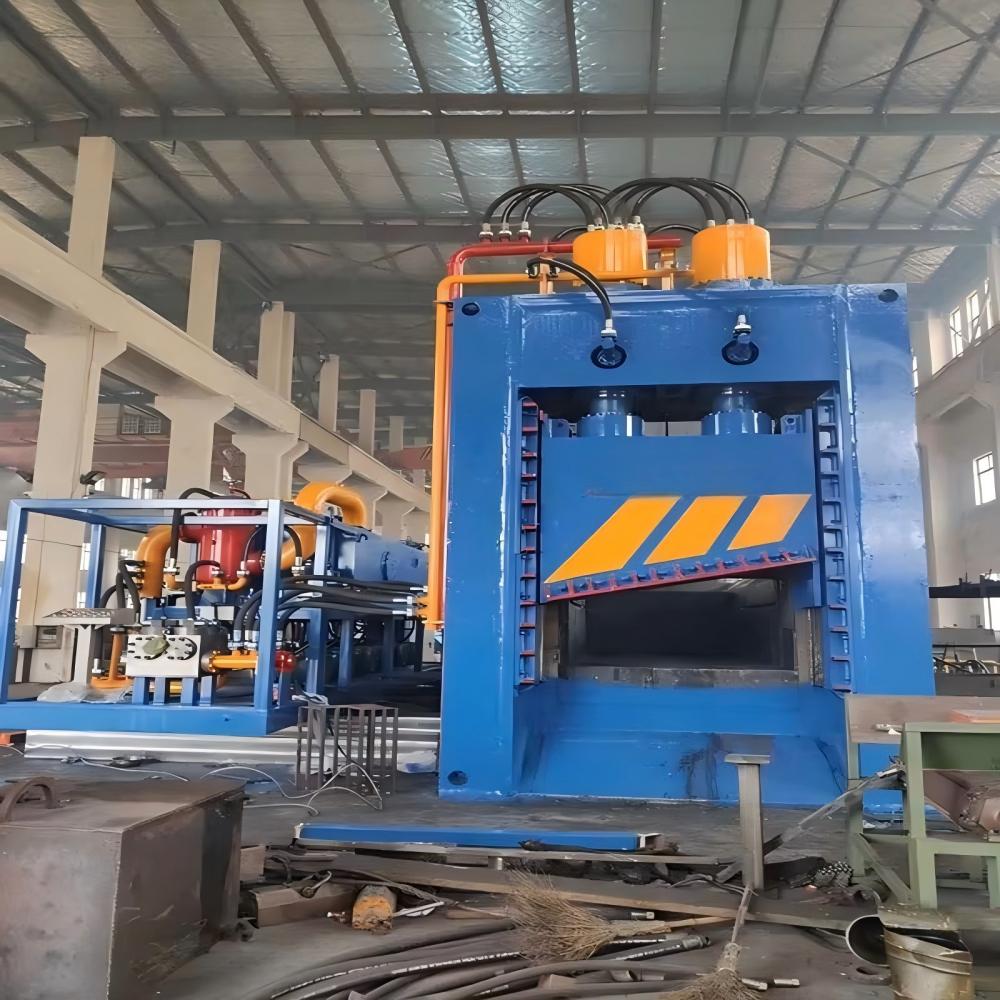
In the context of Gantry Shear Selection : Matching Cutting Capacity, Blade Quality, Production Needs, the quality of the blades is perhaps the most overlooked factor. The blades are the primary wear parts of the machine, and their performance directly impacts the quality of the cut and the strain on the hydraulic system. High-quality blades are typically made from specialized tool steels such as 6CrW2Si, Cr12MoV, or H13. These materials offer a balance of hardness (to maintain a sharp edge) and toughness (to resist chipping under impact).
The heat treatment process is equally important. Blades must be hardened to a specific Rockwell scale (HRC) to ensure they can withstand the abrasive nature of scrap metal. Furthermore, the design of the blade seat and the ease of blade rotation are critical for maintenance. Most modern gantry shears feature four-sided reversible blades, allowing the operator to rotate the blade to a fresh edge three times before the blade requires regrinding or replacement. This significantly extends the interval between major maintenance tasks.
Production Needs: Matching Tonnage to Material
To select the right tonnage, you must analyze your typical scrap stream. Below is a general guideline for matching cutting capacity to common scrap types:
- 400-500 Tons: Ideal for aluminum profiles, copper wire, light sheet metal, and thin-walled pipes.
- 600-800 Tons: Suitable for HMS2, rebar, small I-beams, and automotive scrap.
- 1000-1250 Tons: Necessary for HMS1, heavy structural steel, large diameter pipes, and thick plate steel.
- 1600+ Tons: Reserved for the heaviest industrial scrap, including ship-breaking materials and large-scale demolition debris.
Underestimating the required tonnage leads to “stalling,” where the shear cannot complete the cut, forcing the operator to back off and reposition the material. This wastes time and puts unnecessary stress on the hydraulic seals. Overestimating, while safer, leads to higher electricity bills and a slower return on investment due to the higher initial cost.
Hidden Costs of Gantry Shear Ownership
When budgeting for a gantry shear, the purchase price is only the beginning. Hidden costs can significantly impact your bottom line if not accounted for during the Gantry Shear Selection : Matching Cutting Capacity, Blade Quality, Production Needs process. One of the largest hidden costs is the foundation. A 1000-ton gantry shear requires a massive, reinforced concrete pad to absorb the vibrations and weight of the machine. Depending on soil conditions, this can cost tens of thousands of dollars.
Electrical infrastructure is another consideration. These machines require significant amperage to start and run their large electric motors. You may need to upgrade your facility’s transformer or install specialized soft-start controllers to prevent power surges. Additionally, hydraulic oil is a major recurring expense. A large shear can hold 2,000 to 5,000 liters of hydraulic oil, which must be filtered and periodically replaced to protect the sensitive hydraulic components.
ROI Calculation: When Does the Machine Pay for Itself?
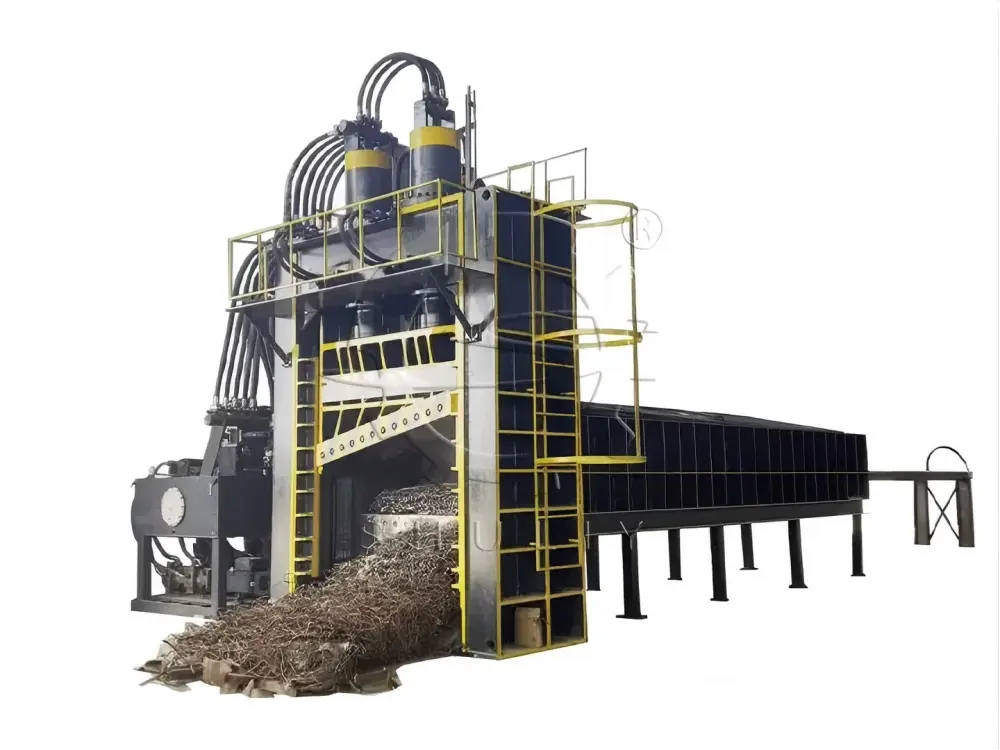
Calculating the Return on Investment (ROI) for a gantry shear involves comparing the cost of the machine against the increased value of the processed scrap and the reduction in labor costs. Processed scrap (cut to specific lengths like 2 feet or 3 feet) commands a significantly higher price at the steel mill than unprocessed, bulky scrap. This price delta, often referred to as the “processing spread,” is the primary driver of revenue.
For example, if a gantry shear allows you to process 10 tons of scrap per hour that was previously sold as-is, and the processing spread is $40 per ton, the machine generates $400 of additional value per hour. If the machine operates for 2,000 hours per year, that is $800,000 in additional revenue. Subtracting the costs of electricity, labor, and maintenance (blades and oil), you can arrive at a net annual profit. Most well-selected gantry shears in high-volume environments achieve a full ROI within 18 to 36 months.
Buying Advice: A Checklist for Success
Before finalizing your purchase, consider the following checklist to ensure your Gantry Shear Selection : Matching Cutting Capacity, Blade Quality, Production Needs is accurate:
- Verify the Cycle Time: Ask the manufacturer for the dry cycle time (the time it takes for the blade to go down and back up without material). Faster cycle times mean higher throughput.
- Inspect the Blade Material: Ensure the blades are made from high-grade tool steel and ask about the hardening process.
- Check Spare Parts Availability: Ensure that critical components like seals, filters, and blades are readily available in your region.
- Evaluate the Cooling System: For operations in warm climates, an oversized industrial oil cooler is essential to prevent hydraulic overheating.
- Request a Reference Visit: A reputable manufacturer like HARSLE will often be able to connect you with an existing customer so you can see the machine in a real-world environment.
Frequently Asked Questions (FAQ)
What is the difference between a gantry shear and an alligator shear?
An alligator shear is a smaller, jaw-like machine used for cleaning scrap and cutting smaller pieces. It is usually manually fed. A gantry shear is a much larger, vertical-cutting machine designed for high-volume processing and can handle much thicker and larger materials through an automated feeding system.
How often do gantry shear blades need to be changed?
Blade life depends entirely on the material being cut. When cutting clean structural steel, blades may last for several hundred hours per edge. However, cutting sandy, dirty, or exceptionally hard alloys will accelerate wear. Regular inspection is key; once the edge rounds off, the shear requires more force to cut, which can damage the machine.
Can a gantry shear be used for non-ferrous metals?
Yes, gantry shears are excellent for processing large volumes of aluminum, copper, and stainless steel. In fact, because non-ferrous metals are often more valuable, the ROI on a shear used for these materials can be even faster than for ferrous scrap.
What kind of maintenance does the hydraulic system require?
The most important maintenance tasks are monitoring oil levels, checking for leaks, and replacing hydraulic filters. You should also perform regular oil analysis to check for metal particles or moisture, which can indicate internal wear in the pumps or cylinders.
Is a remote control necessary for a gantry shear?
While not strictly necessary, a remote control allows the operator of the loading crane to also trigger the shear cycles. This eliminates the need for a dedicated operator sitting in a control cabin, significantly reducing labor costs and improving safety by keeping personnel away from the cutting zone.
Conclusion
The process of Gantry Shear Selection : Matching Cutting Capacity, Blade Quality, Production Needs is a strategic endeavor that requires a deep understanding of both your current operations and your future growth goals. By focusing on the technical drivers of performance—such as hydraulic efficiency, frame rigidity, and blade metallurgy—you can invest in a machine that not only processes scrap but also builds the foundation for a more profitable recycling business. HARSLE remains committed to providing the industry with high-performance gantry shears that meet these rigorous standards, ensuring that our clients stay competitive in an ever-evolving global market.