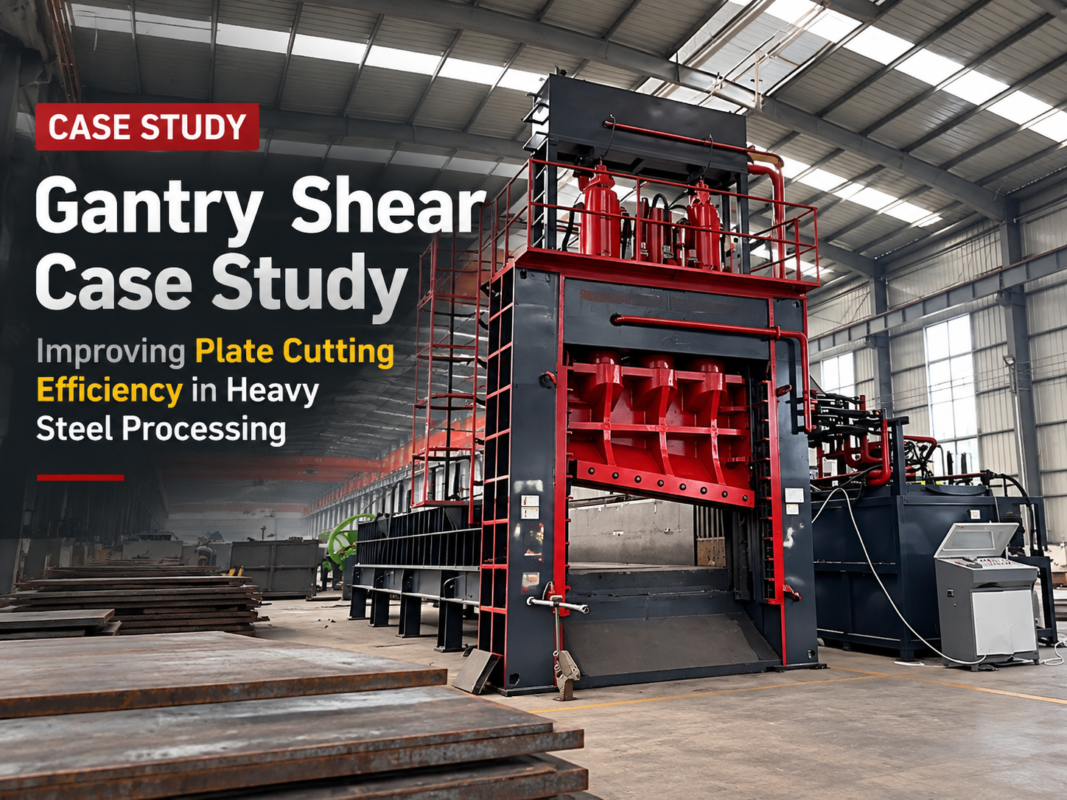
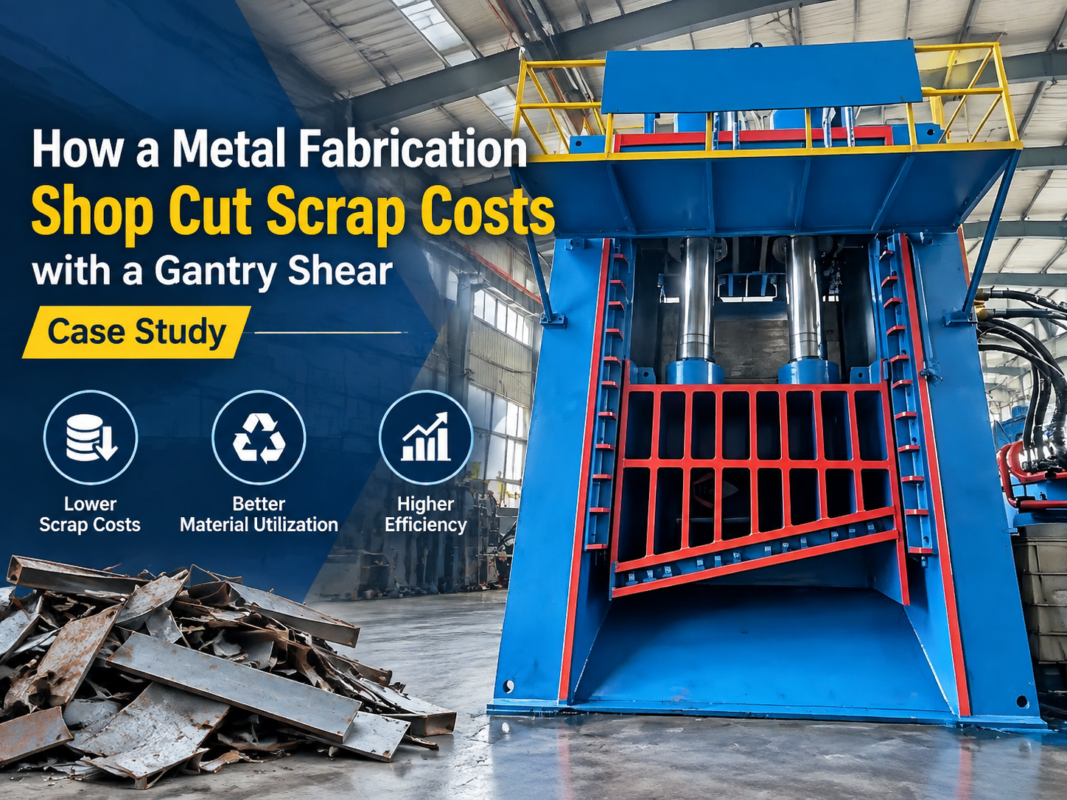
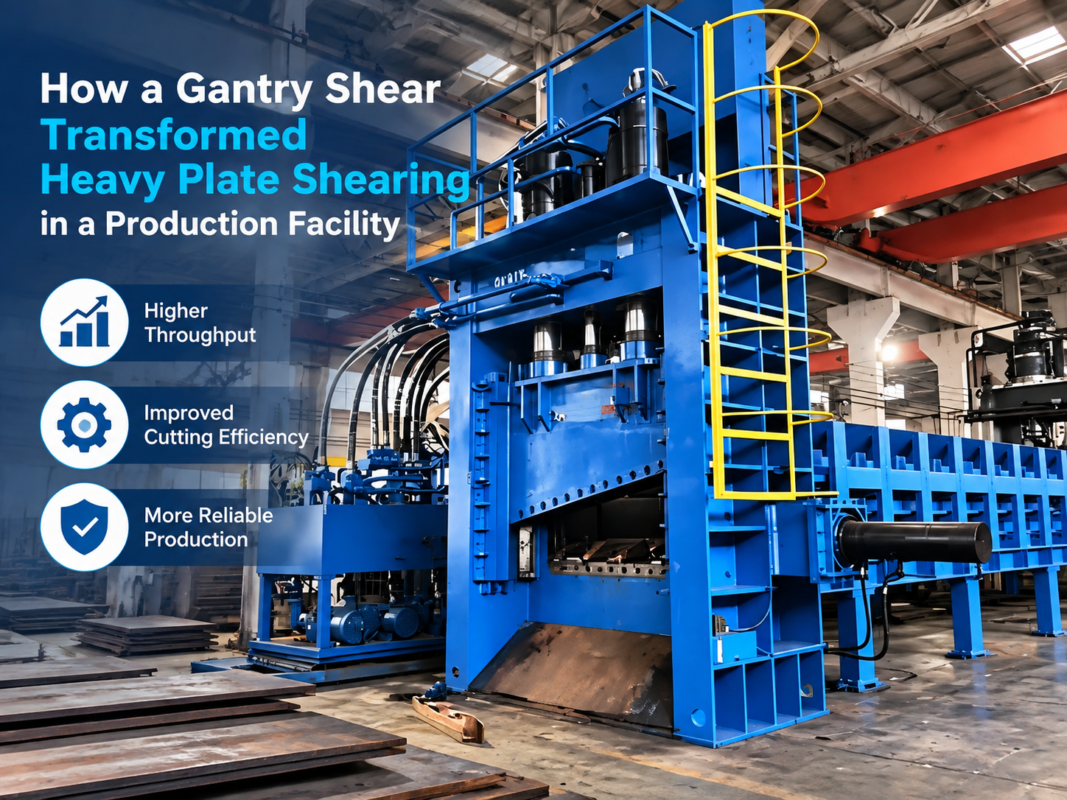
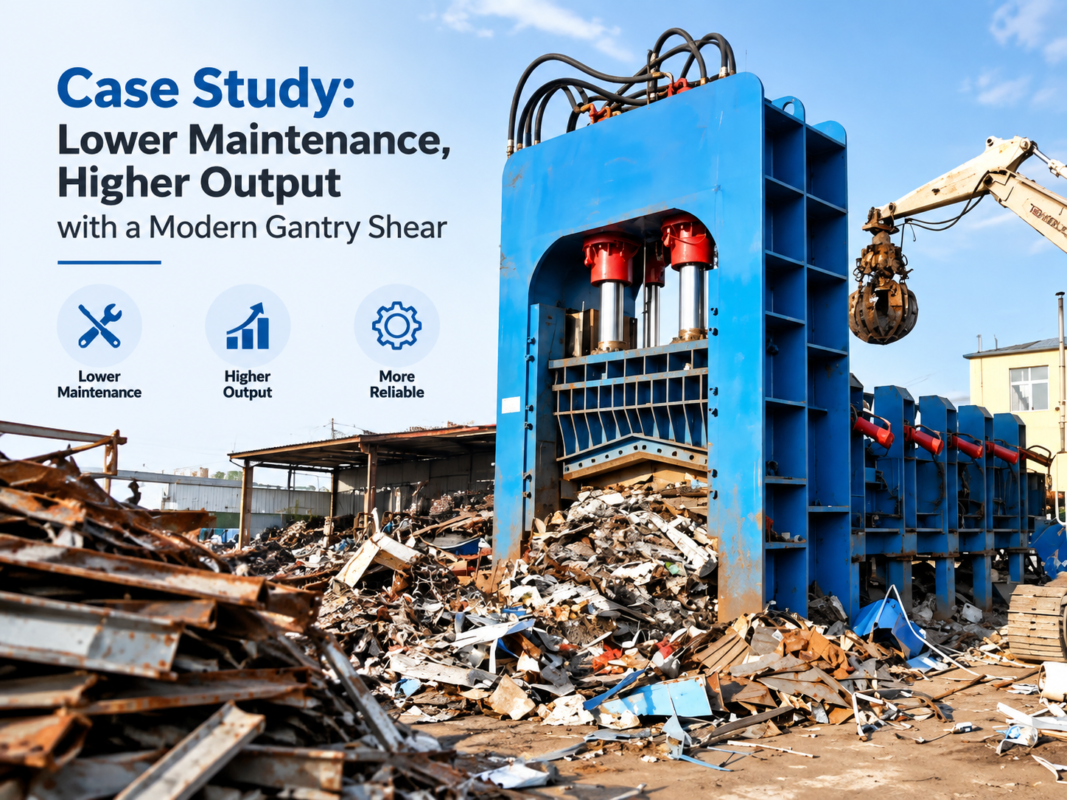
How to Choose a Gantry Shear for Steel Plate Cutting: A Complete Buying Guide

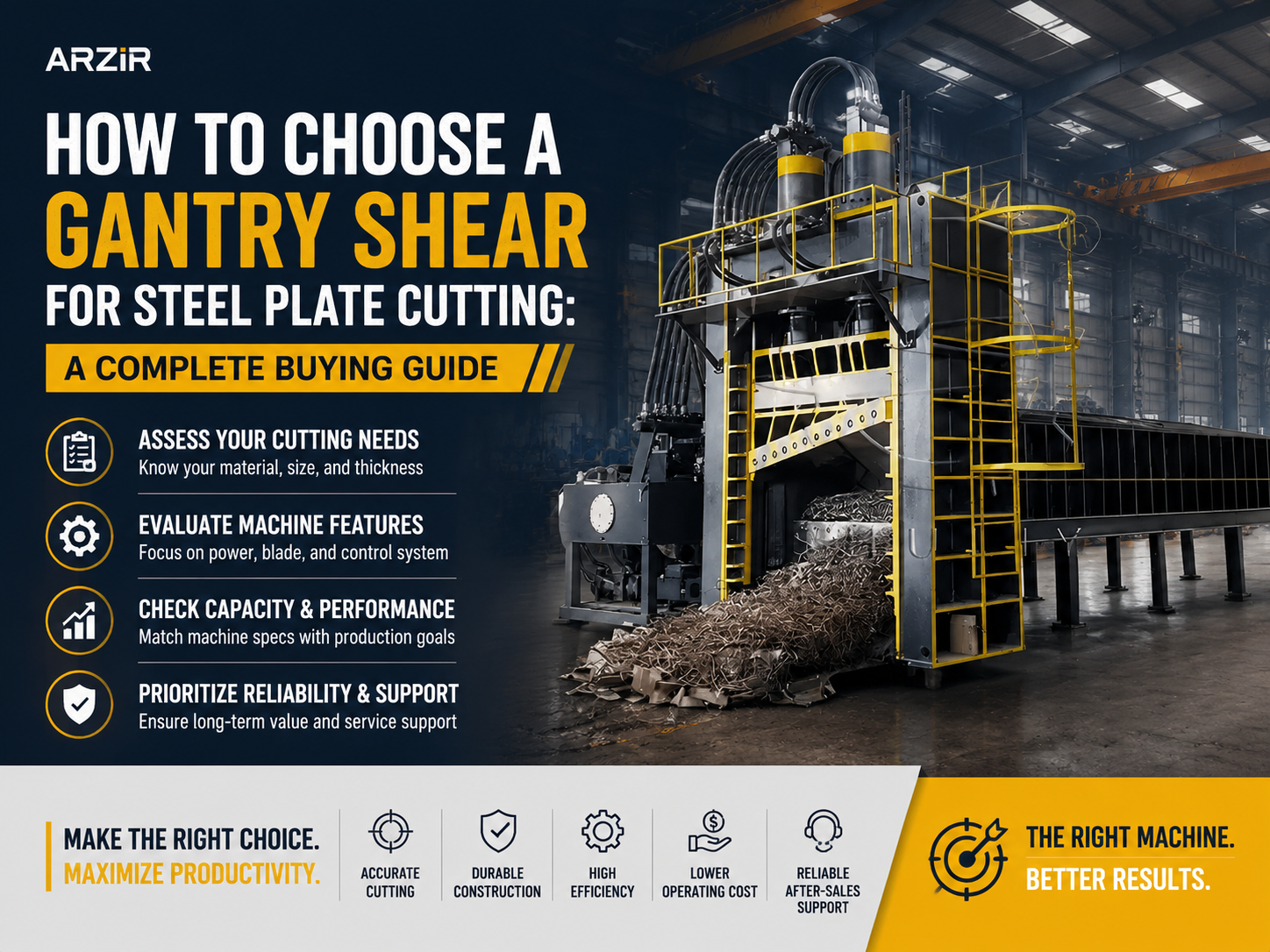
Introduction to Gantry Shears in Modern Metal Fabrication
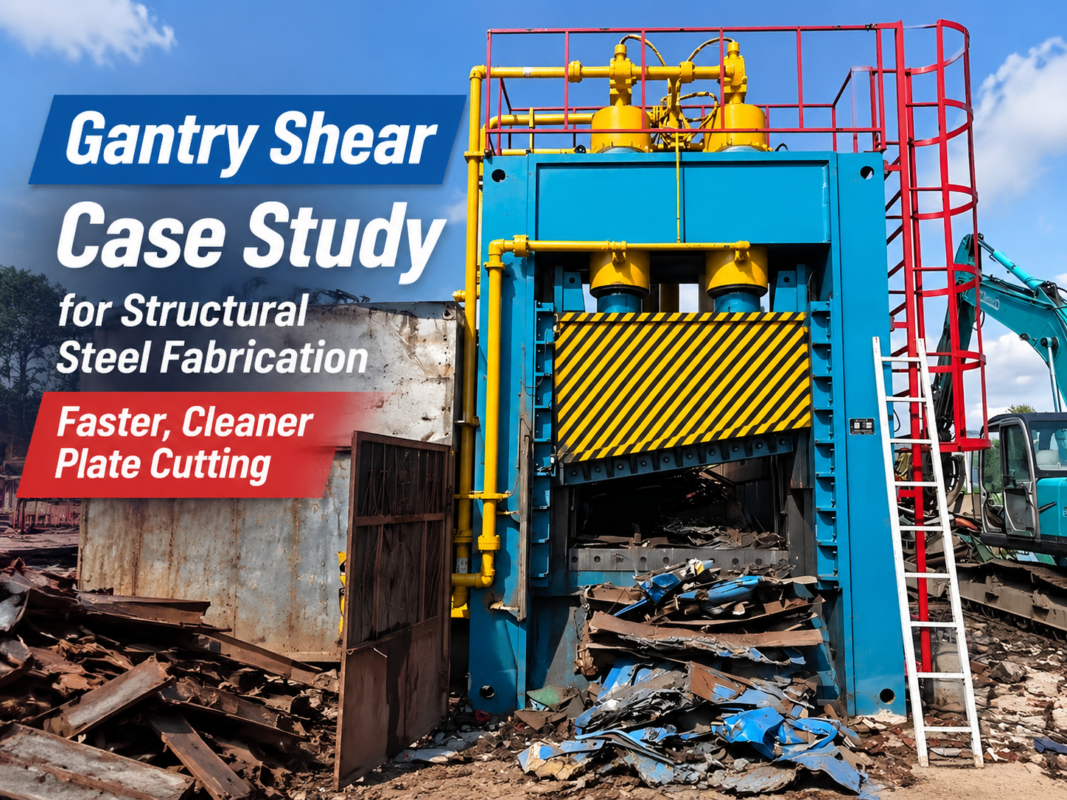
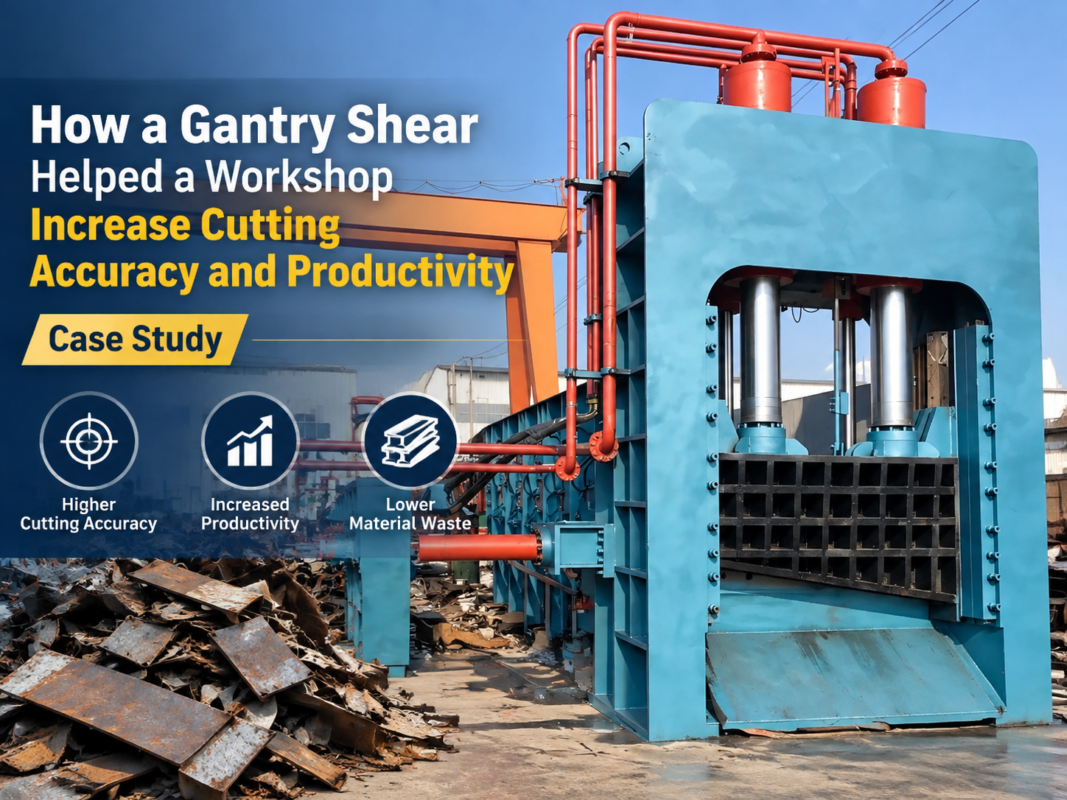
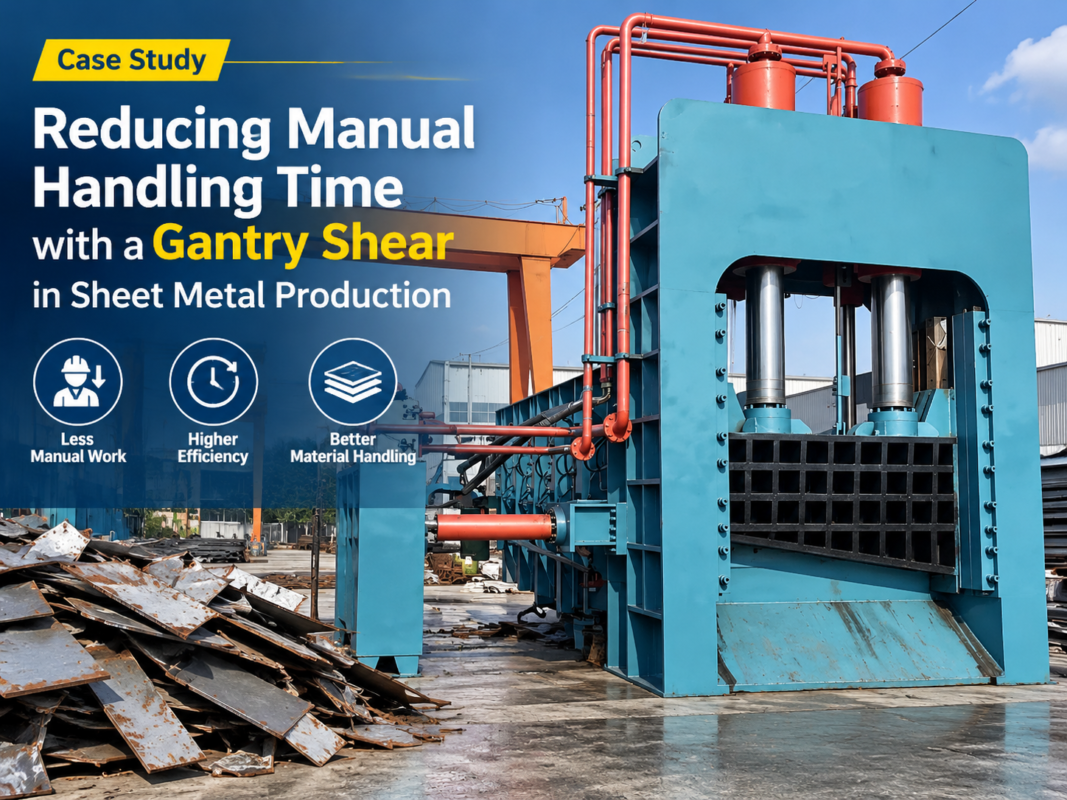
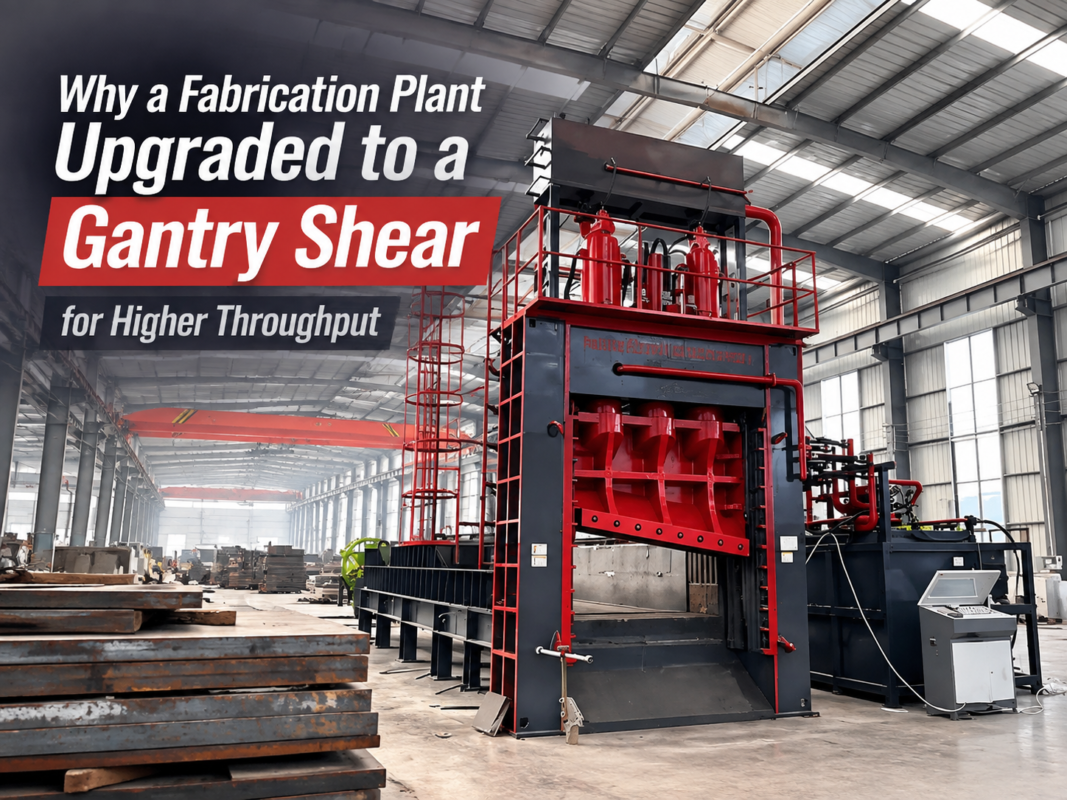
In the heavy-duty world of metal recycling and industrial steel processing, the gantry shear stands as a titan of efficiency. Designed to handle massive volumes of scrap metal, structural steel, and thick plates, these machines are the backbone of high-capacity yards. However, the process to Choose A Gantry Shear Steel Plate Cutting: A Complete Buying experience can be daunting due to the sheer variety of tonnages, hydraulic configurations, and automation levels available on the market today.
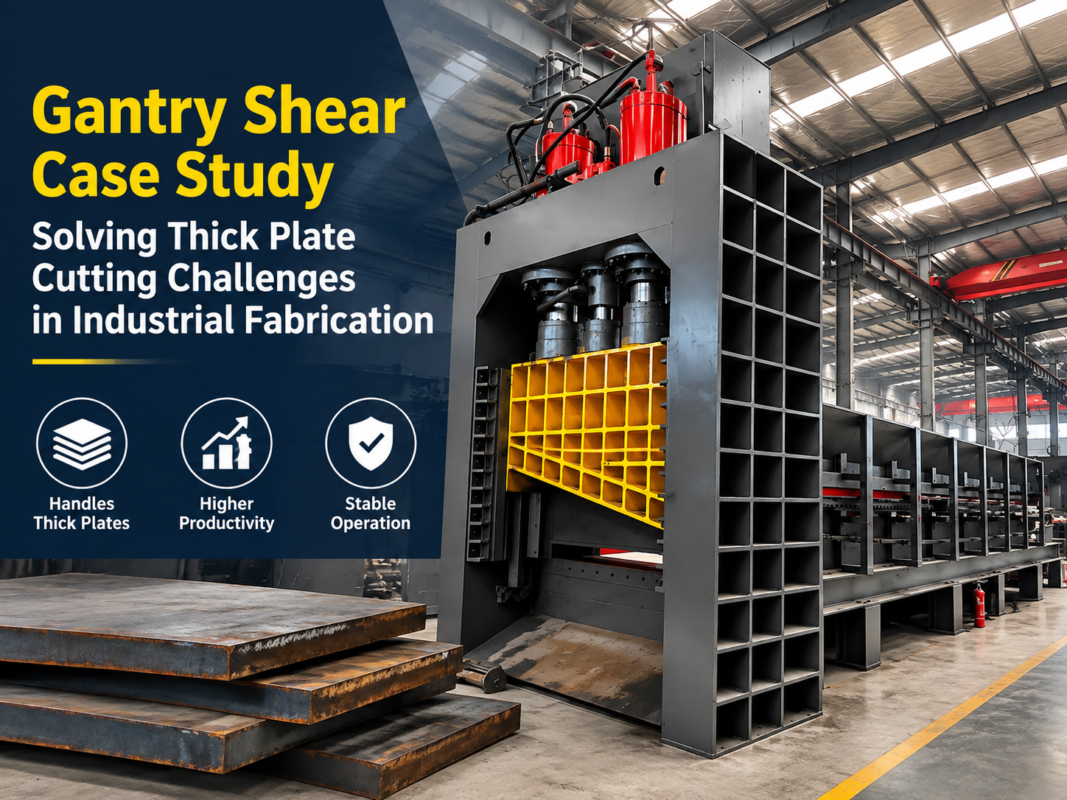
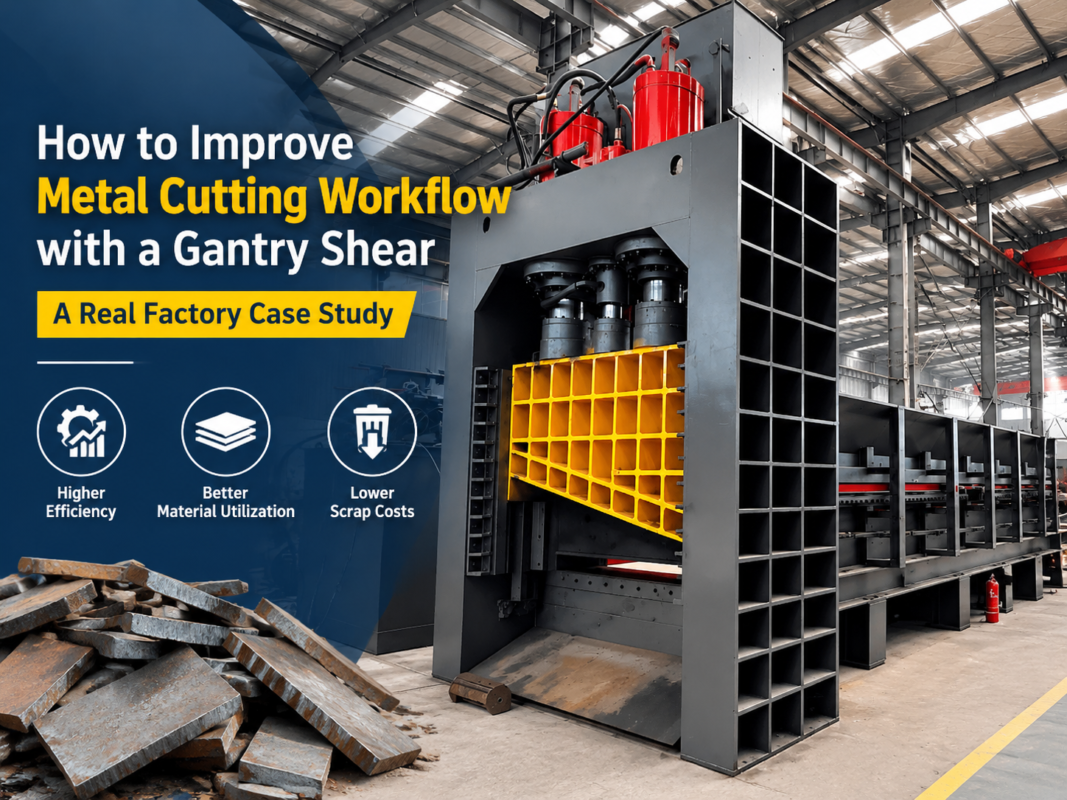
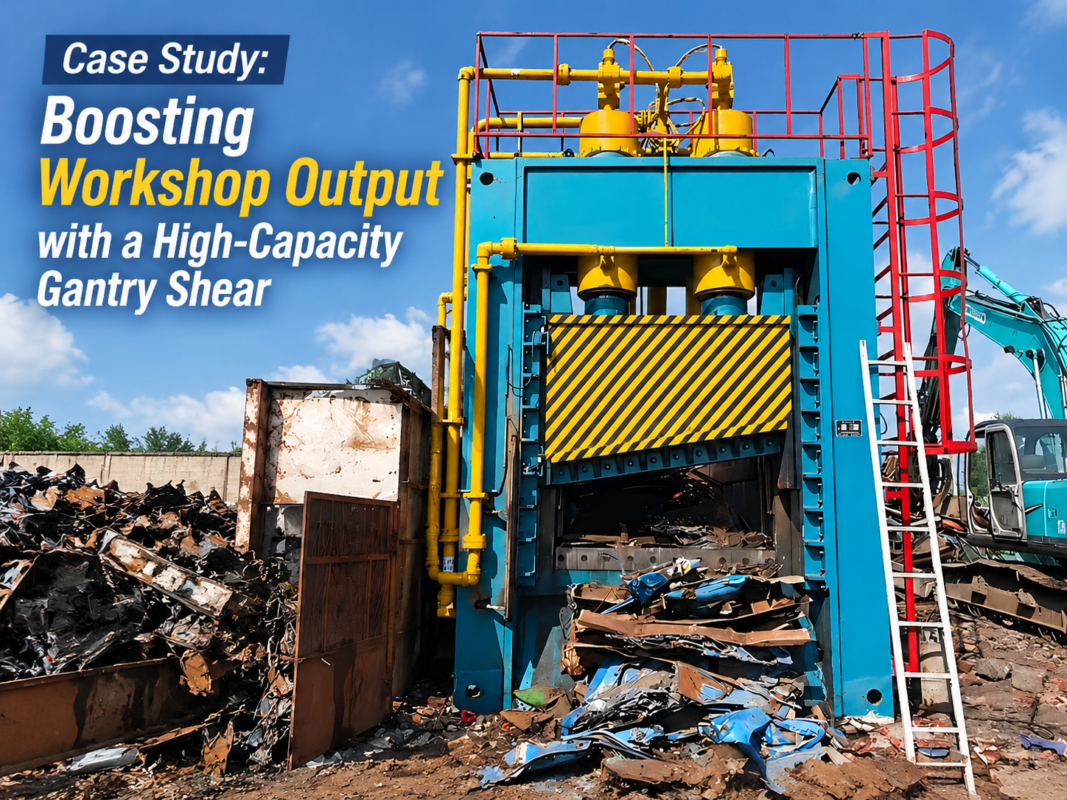
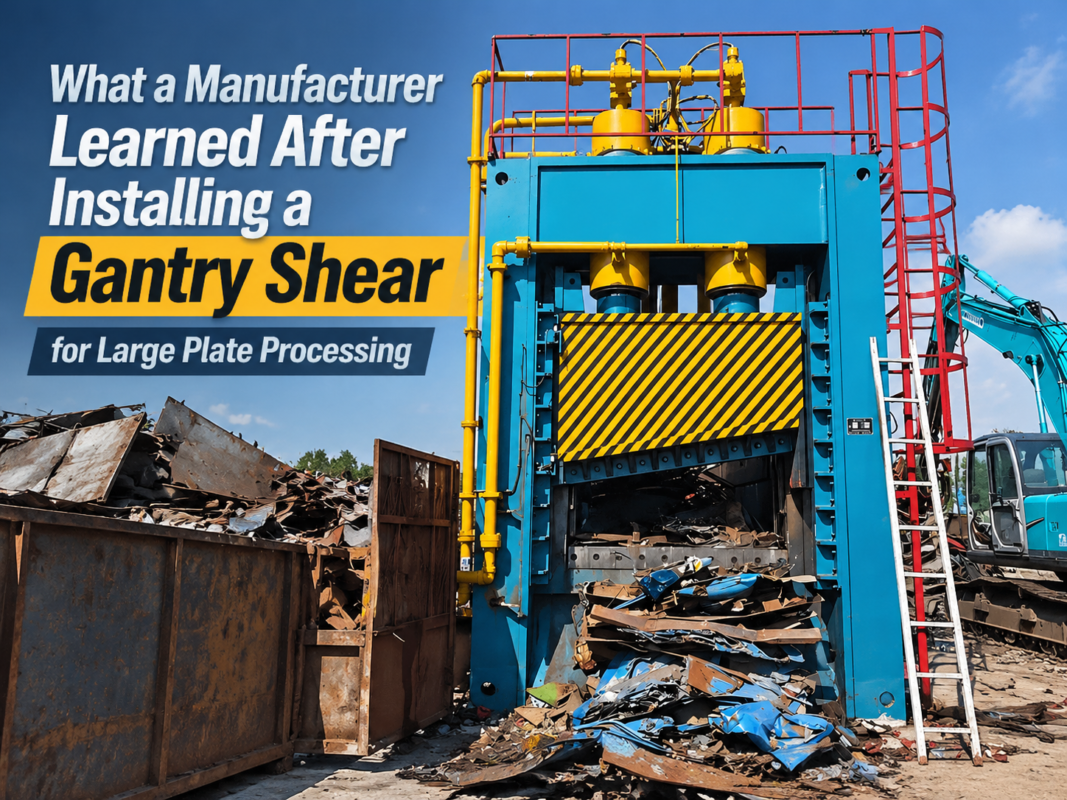
A gantry shear operates on a vertical cutting principle, utilizing a massive hydraulic ram to force a hardened blade through material resting on a bed. Unlike smaller alligator shears, gantry shears are designed for continuous, high-volume throughput. They often feature integrated compression boxes that squeeze bulky scrap into a manageable shape before the shearing blade descends. For businesses looking to scale their operations, selecting the right gantry shear is not just about buying a machine; it is about investing in a long-term production asset that dictates the speed and profitability of the entire facility.
HARSLE has long been at the forefront of manufacturing robust metal fabrication equipment. We understand that the decision-making process involves balancing upfront capital expenditure with long-term operational efficiency. This guide is designed to walk you through every critical factor, from technical specifications to hidden costs, ensuring you make an informed decision that aligns with your production goals.
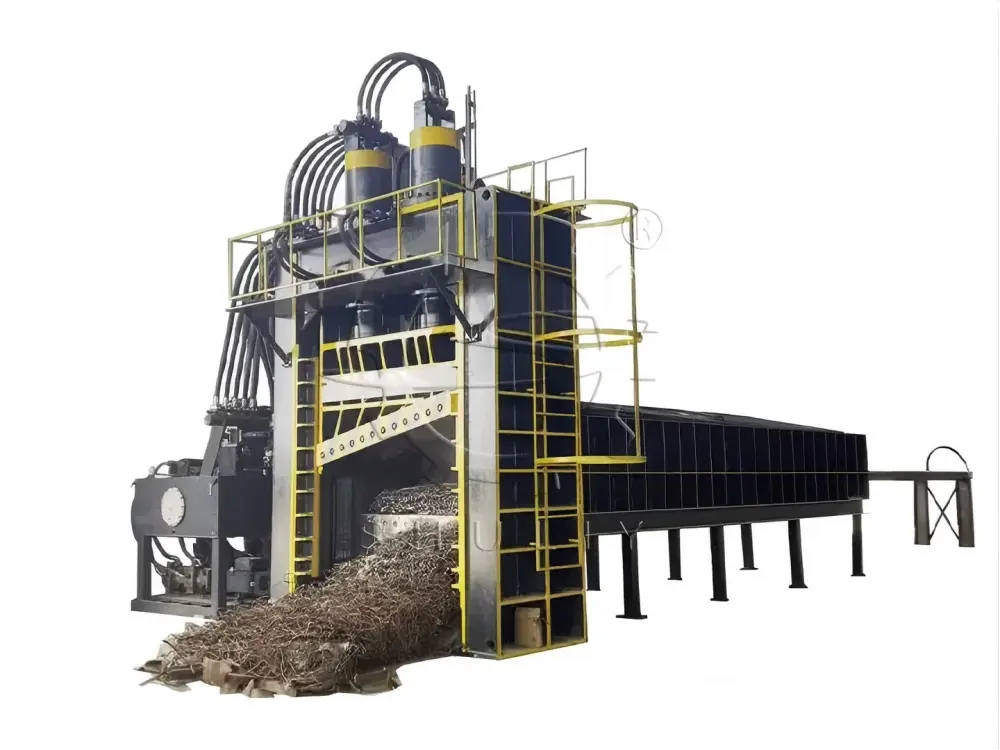
Price Range Overview: What to Expect
When you begin to Choose A Gantry Shear Steel Plate Cutting: A Complete Buying journey, the first question is almost always about the price. Gantry shears are significant investments, and their pricing is primarily dictated by their shearing force (tonnage) and the width of the cutting blade. Generally, the market is divided into three main tiers: entry-level/medium-duty, heavy-duty, and ultra-high-capacity industrial shears.
Entry-level gantry shears, typically ranging from 400 to 600 tons of shearing force, are priced between $35,000 and $65,000. These machines are ideal for smaller recycling centers or fabrication shops that process light-to-medium gauge steel plates and structural shapes like I-beams and channels. While they lack the raw power of larger units, they offer a compact footprint and lower energy consumption, making them a popular choice for businesses transitioning from manual cutting to automated shearing.
The mid-range segment, featuring 800 to 1,250 tons of force, typically falls within the $80,000 to $160,000 bracket. These are the workhorses of the industry. They are capable of handling thicker steel plates (up to 30mm-50mm depending on the blade width) and high volumes of mixed scrap. At this price point, you begin to see more advanced features such as PLC control systems, faster cycle times, and more sophisticated hydraulic cooling units.
Finally, ultra-high-capacity gantry shears (1,600 tons to 2,500+ tons) can exceed $250,000 and reach upwards of $500,000 for fully automated, custom-engineered lines. These machines are designed for 24/7 operation in large-scale smelting plants or massive scrap processing hubs. They can shear through solid steel shafts and the thickest armor plates with ease. When investing at this level, the price often includes specialized feeding conveyors and discharge systems tailored to the facility’s layout.
Main Cost Drivers in Gantry Shear Manufacturing
Understanding why one machine costs $50,000 and another seemingly similar one costs $90,000 is crucial. The primary cost driver is the quality and origin of the hydraulic system. The hydraulic pump and valve blocks are the “heart” of the gantry shear. High-end brands like HARSLE often utilize Rexroth or Vickers components. These parts are more expensive but offer superior reliability, smoother pressure transitions, and easier global sourcing for replacements.
The second major driver is the structural steel used in the frame. A gantry shear is subjected to immense stress during every cycle. Machines built with high-tensile, Q345B or better steel plates that have undergone stress-relief heat treatment will naturally cost more. This prevents the frame from warping or cracking over years of heavy use. Cheaper machines may use thinner plates or skip the heat treatment process, leading to structural failure within a few years of operation.
Blade material and the shear’s “throat” design also play a role. Blades made from 6CrW2Si or Cr12MoV alloys are significantly more expensive than standard carbon steel blades but can last five times longer between sharpenings. Additionally, the inclusion of a nitrogen accumulator system—which speeds up the return stroke of the shear—adds to the initial cost but drastically improves the number of cuts per hour, directly impacting your bottom line.
Configuration Impact: Customizing for Efficiency
The configuration of your gantry shear should be dictated by the specific type of steel plate or scrap you process most frequently. One of the most important choices is the feeding mechanism. Standard models often use a simple hopper, but for high-efficiency steel plate cutting, a continuous belt conveyor or a vibrating feeder is often preferred. These systems allow for a constant flow of material, reducing the idle time between cuts.
Another critical configuration is the control system. While manual lever-operated hydraulics are available on budget models, modern industrial standards demand PLC (Programmable Logic Controller) systems, often from Siemens or Schneider. A PLC allows the operator to set specific stroke lengths, which is vital when cutting uniform steel plates. By limiting the stroke to only what is necessary for the plate thickness, you save energy and reduce wear on the hydraulic seals.
Cooling systems are often overlooked but are vital for performance. In hot climates or high-intensity shifts, the hydraulic oil can overheat, leading to a loss of pressure and damage to the pump. Choosing between an air-cooling system and a water-cooling system depends on your facility’s resources. Water cooling is generally more efficient for 24-hour operations but requires a dedicated water source and plumbing, whereas air cooling is more “plug-and-play” but may struggle in extreme heat.
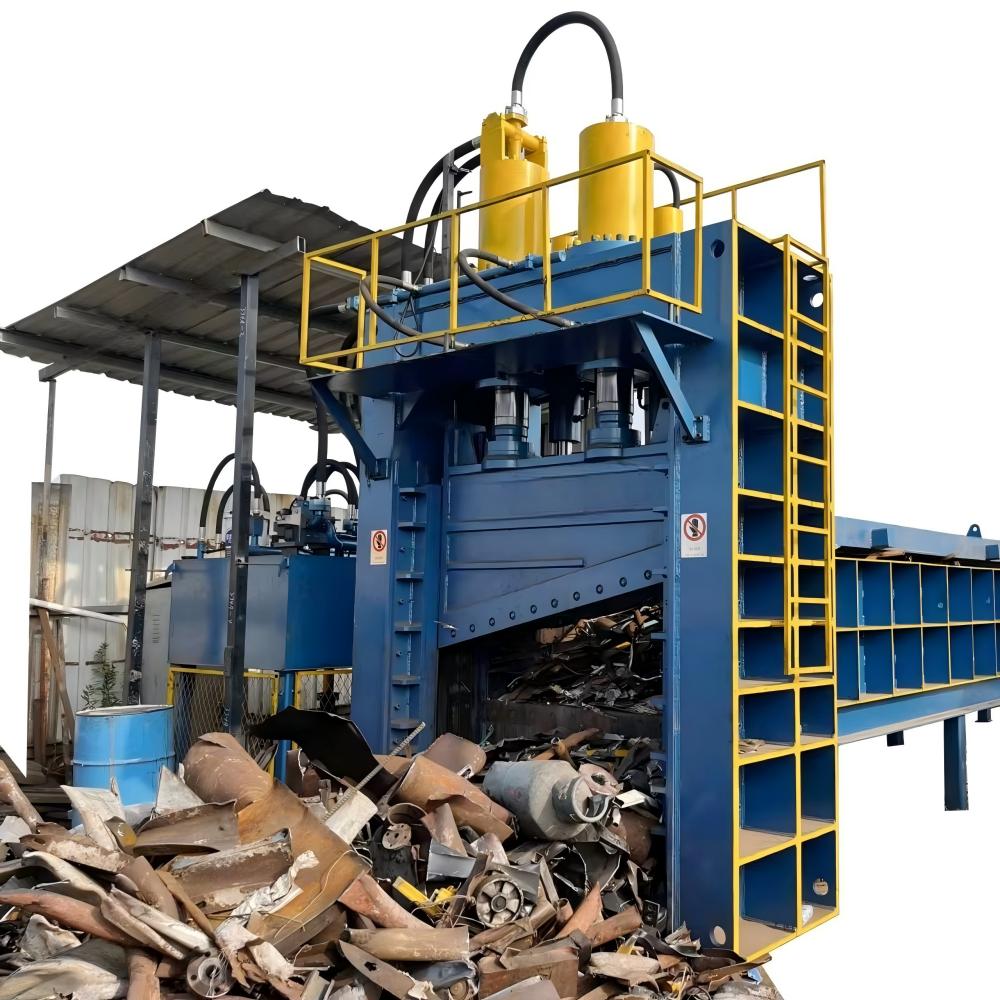
Hidden Costs of Owning a Gantry Shear
When you Choose A Gantry Shear Steel Plate Cutting: A Complete Buying strategy, you must look beyond the invoice price. One of the most significant hidden costs is the foundation work. A 1,000-ton gantry shear can weigh 60 to 80 tons itself, and the impact force during shearing is immense. You will likely need a reinforced concrete pad, often 1 to 2 meters deep, with specific anchor bolt patterns. This civil engineering work can cost several thousand dollars and must be completed before the machine arrives.
Electricity consumption is another ongoing cost. These machines use high-wattage motors (often 45kW to 110kW or more). If your facility’s power grid cannot handle the peak starting current of these motors, you may need to invest in a soft-starter or a variable frequency drive (VFD), or even upgrade your transformer. Furthermore, hydraulic oil is a significant consumable; a large gantry shear can require 1,000 to 3,000 liters of high-grade anti-wear hydraulic oil, which needs periodic filtration and replacement.
Finally, consider the cost of spare parts and downtime. Blades are consumables. Depending on the hardness of the steel plates you are cutting, you may need to rotate or sharpen blades every few months. Having a spare set of blades on hand is a necessity, not a luxury. If you buy a machine from a manufacturer without a local support network or a fast shipping policy for parts, a simple seal failure could result in weeks of lost production.
ROI Calculation: Is the Investment Worth It?
Calculating the Return on Investment (ROI) for a gantry shear involves comparing the increased value of processed scrap against the total cost of ownership. Unprocessed, bulky scrap metal has a lower market value because it is difficult to transport and melt. Once sheared into “foundry grade” or “HMS 1/2” sizes (typically 2 feet or smaller), the value per ton increases significantly.
For example, if a gantry shear allows you to process 10 tons of scrap per hour, and the price difference between unprocessed and sheared scrap is $40 per ton, the machine generates $400 of added value per hour. Subtracting labor, electricity, and maintenance costs (estimated at $100 per hour), you are left with a net profit of $300 per hour. If the machine costs $120,000, it would take approximately 400 operating hours to pay for itself. In a standard 8-hour shift, that is only 50 working days.
Beyond the direct scrap value, a gantry shear reduces transportation costs. Sheared metal is much denser, meaning you can fit more weight into a single truck or container, reducing the number of trips required to move material to the steel mill. This logistical saving often accounts for 10-15% of the total ROI, especially in regions with high fuel costs.
Expert Buying Advice for Steel Plate Cutting
To successfully Choose A Gantry Shear Steel Plate Cutting: A Complete Buying path, we recommend a strict verification process. First, always request a video of the machine testing material that matches your specific requirements. If you plan to cut 40mm steel plates, do not settle for a demo video of the machine cutting thin sheet metal. The behavior of the hydraulics under maximum load is the only true test of quality.
Second, inspect the cylinder design. High-quality gantry shears use heavy-duty cylinders with chrome-plated rods and high-end sealing kits (like Hallite or SKF). Look for a machine that offers easy access to the blade bolts. In a production environment, you don’t want to spend an entire day struggling to change a blade because the design is poorly thought out.
Third, consider the reputation of the manufacturer. HARSLE provides comprehensive technical documentation, installation guidance, and a robust warranty. Buying from an established manufacturer ensures that five years from now, when you need a specific hydraulic valve or a PLC program update, the company will still be there to support you. Avoid “no-name” machines that offer suspiciously low prices, as these often use refurbished components or sub-standard steel.
Frequently Asked Questions (FAQ)
1. What is the maximum thickness a gantry shear can cut?
The maximum thickness depends on the tonnage and the blade length. A standard 600-ton shear can typically handle up to 25-30mm thick mild steel plates. A 1,250-ton shear can handle 50mm or more. However, cutting harder alloys or stainless steel will reduce these maximum limits significantly.
2. How often do the blades need to be sharpened?
For standard mild steel processing, blades usually need to be rotated (most blades have 4 cutting edges) every 3-6 months of single-shift operation. Once all four edges are dull, they can be professionally ground and shimmed. Total blade life can span several years if maintained correctly.
3. Can a gantry shear be used for non-ferrous metals like aluminum?
Yes, gantry shears are excellent for aluminum, copper, and brass. Because these metals are softer than steel, the machine will experience less wear and can often process thicker sections than its rated steel capacity. However, ensure the blade gap is adjusted correctly for thinner, softer materials to prevent “folding” instead of cutting.
4. Do I need a specialized operator for this machine?
While modern PLC-controlled gantry shears are easy to operate, the operator should be trained in hydraulic safety and material loading. Improper loading (e.g., placing a solid steel shaft at the very edge of the blade) can cause uneven stress and damage the machine. HARSLE provides training manuals to ensure safe and efficient operation.
5. What kind of maintenance is required daily?
Daily maintenance is minimal but critical: check hydraulic oil levels, inspect for leaks, and ensure the automatic lubrication system is filled with grease. You should also clear any small metal debris from the blade slide area to prevent scoring of the wear plates.
6. Is a box-type feeder better than a hopper?
A compression box (or wing-box) is superior for bulky, hollow scrap like car bodies or pipework because it crushes the material into a dense log before shearing. For flat steel plates, a simple hopper or conveyor is usually more efficient as it allows for faster, continuous feeding without the extra cycle time of the compression wings.