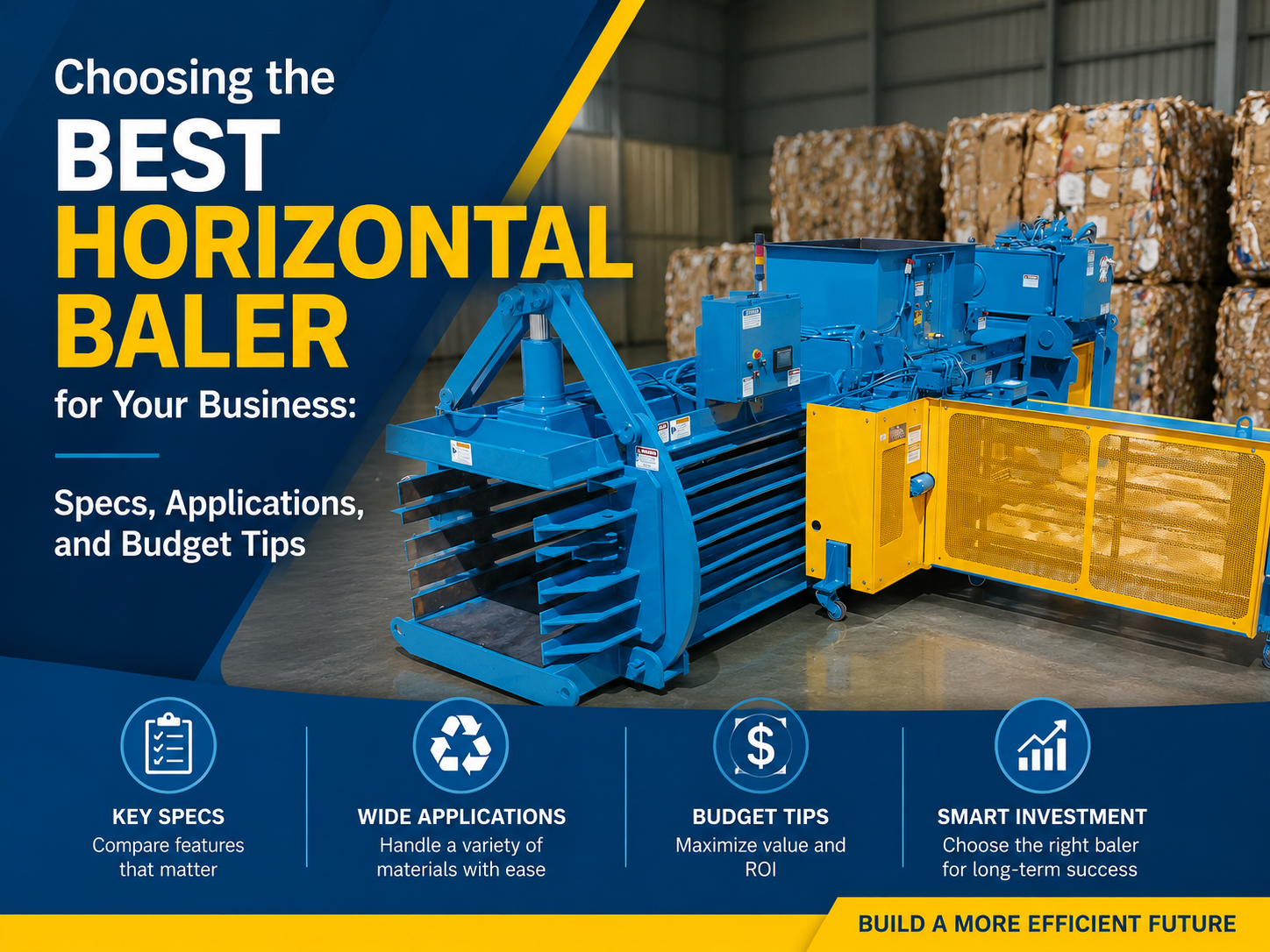
Choosing the Best Horizontal Baler for Your Business: Specs, Applications, and Budget Tips

Introduction to Horizontal Balers in Modern Industry
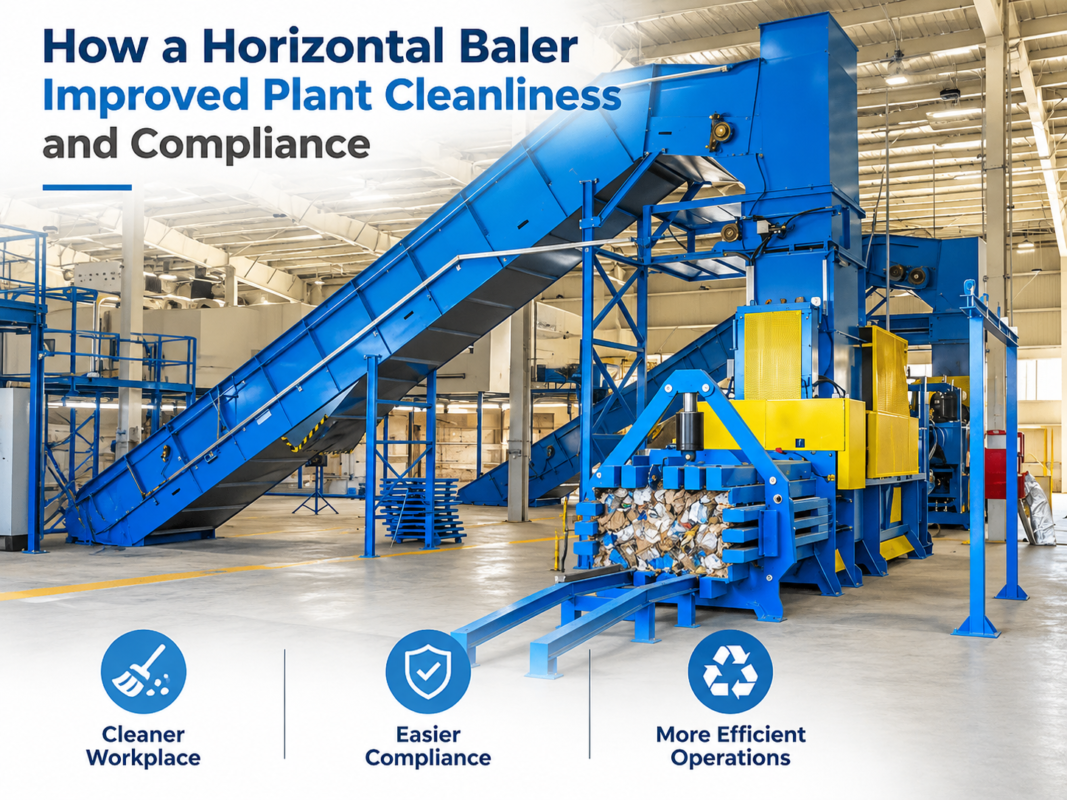
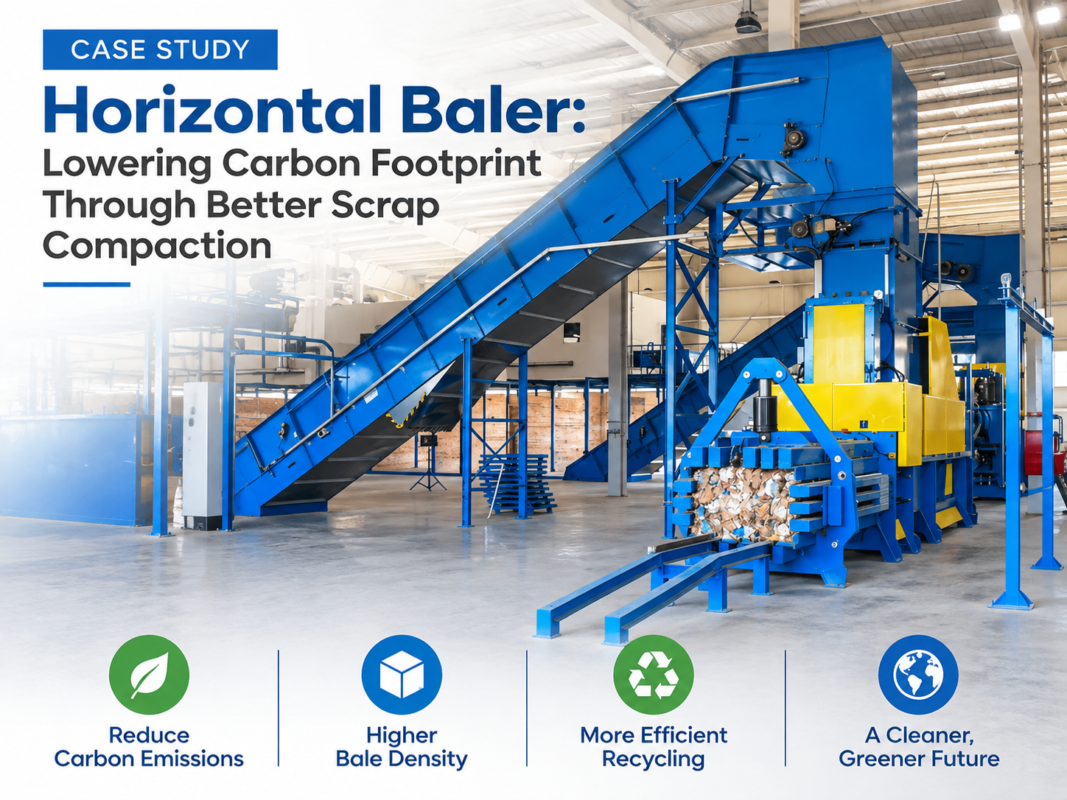
In the fast-paced world of manufacturing and waste management, efficiency is the cornerstone of profitability. As businesses scale, the volume of waste materials—ranging from cardboard and plastics to non-ferrous metals—can become a logistical nightmare. This is where the horizontal baler becomes an indispensable asset. Unlike vertical balers, which are often limited by manual loading and lower throughput, horizontal balers are designed for high-volume, continuous operation, making them the preferred choice for distribution centers, recycling facilities, and large-scale manufacturing plants.
Choosing the best horizontal baler for your business requires a deep dive into technical specifications, application requirements, and long-term financial planning. HARSLE, a leader in metal fabrication and industrial machinery, understands that a baler is not just a purchase; it is a strategic investment in your facility’s operational flow. This guide will walk you through everything from initial pricing to the granular details of configuration, ensuring you make an informed decision that balances performance with budget constraints.
Price Range Overview: What to Expect
The market for horizontal balers is diverse, with prices varying significantly based on capacity, automation, and build quality. Understanding the price tiers is the first step in narrowing down your options. Generally, horizontal balers are categorized into three main price brackets: entry-level, mid-range, and high-performance industrial units.
Entry-level horizontal balers, often featuring manual tie systems and smaller feed openings, typically range from $20,000 to $45,000. These machines are ideal for businesses processing 1 to 3 tons of material per hour. While they require more operator intervention, they offer a significant step up from vertical units in terms of bale density and ease of loading. They are frequently used for OCC (Old Corrugated Containers) and basic plastic films.
Mid-range units, which often include semi-automatic features or basic auto-tie functionality, fall between $50,000 and $120,000. These machines are the workhorses of the industry, capable of handling 4 to 10 tons per hour. They often feature larger hydraulic cylinders and more robust frames, allowing them to process tougher materials like PET bottles or aluminum cans. At this level, you begin to see advanced PLC (Programmable Logic Controller) systems that allow for fine-tuning of the baling process.
High-performance, fully automatic horizontal balers can cost anywhere from $130,000 to over $350,000. These are massive machines designed for 24/7 operation in municipal recycling centers or massive logistics hubs. They feature high-speed cycles, advanced shear blades to prevent jams, and sophisticated auto-tie systems that minimize downtime. When choosing the best horizontal baler for your business, the price must be weighed against the volume of material you intend to process.
Main Cost Drivers: Why Prices Vary
Several technical factors influence the final price tag of a horizontal baler. The most significant is the hydraulic system. The force exerted by the main ram, measured in tons, determines the density of the bale. A 60-ton baler will naturally be cheaper than a 120-ton unit. Higher tonnage allows for denser bales, which is crucial for maximizing shipping container weights and reducing transport costs. However, higher tonnage also requires larger pumps, more powerful motors, and thicker steel frames to withstand the pressure.
The motor and power unit are also primary cost drivers. A machine equipped with a 20HP motor will have a slower cycle time than one with a 50HP or 100HP motor. In high-volume environments, cycle time is everything. If a baler takes 60 seconds to complete a stroke versus 30 seconds, the throughput is effectively halved. High-efficiency motors, often meeting IE3 or IE4 standards, may have a higher upfront cost but save thousands in electricity over the machine’s lifespan.
Material of construction and component brands also play a role. HARSLE machines, for instance, utilize high-grade wear-resistant steel in the baling chamber to ensure longevity. Furthermore, the use of internationally recognized components—such as Siemens PLCs, Schneider electrics, and Rexroth hydraulics—increases the initial cost but ensures that replacement parts are easily accessible worldwide, reducing potential downtime.
Configuration Impact: Customizing for Your Needs
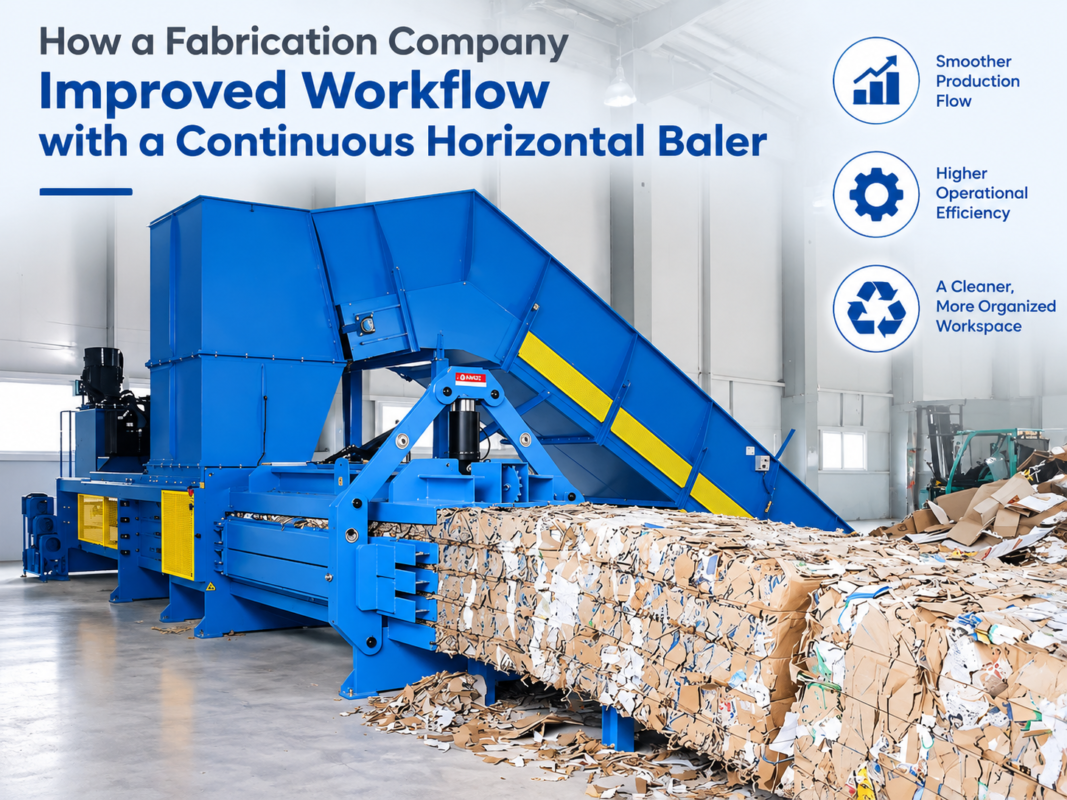
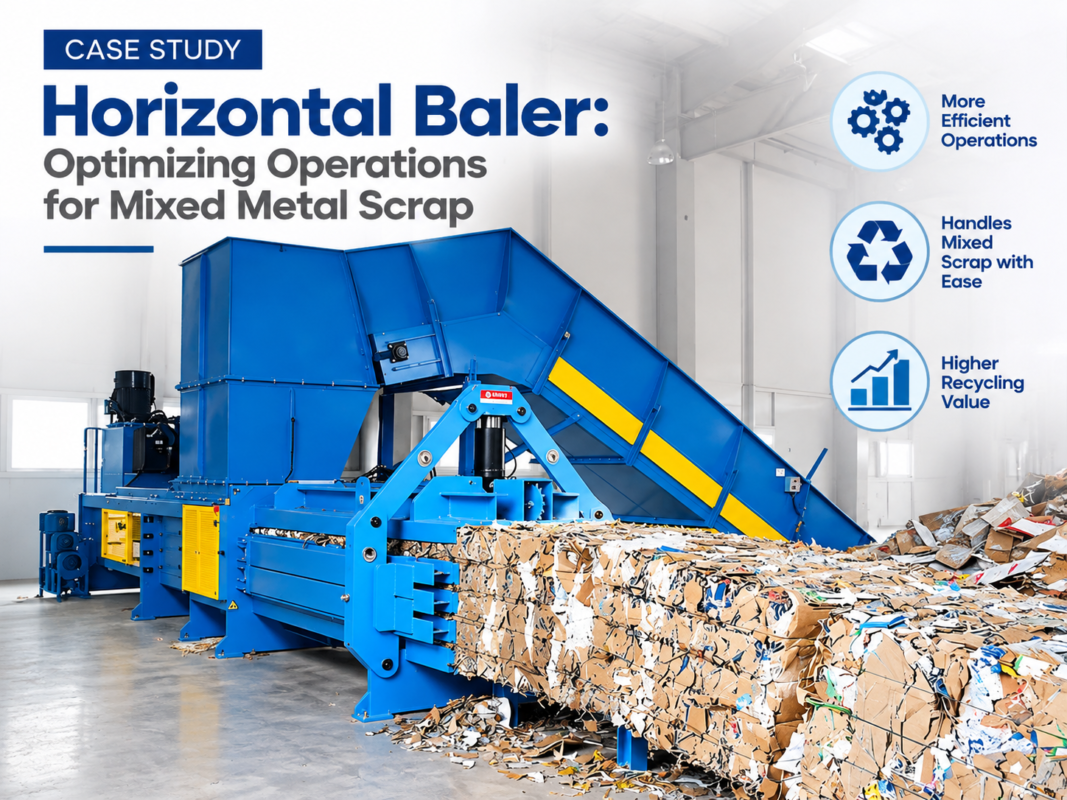
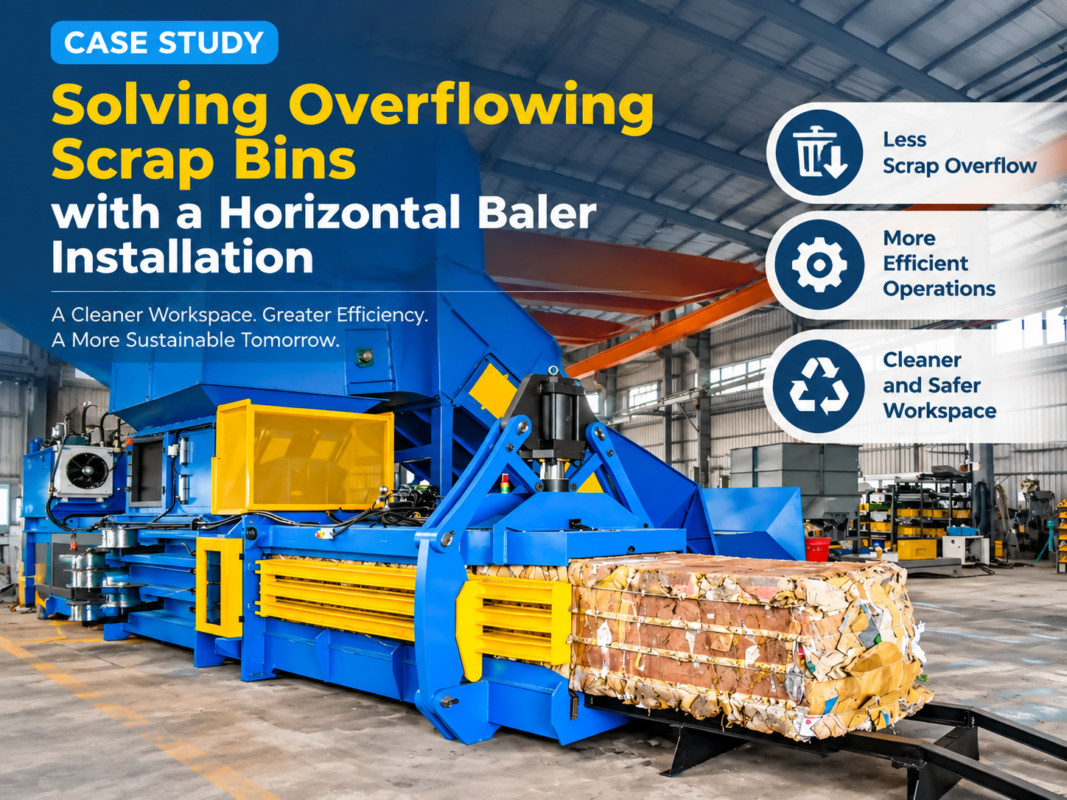
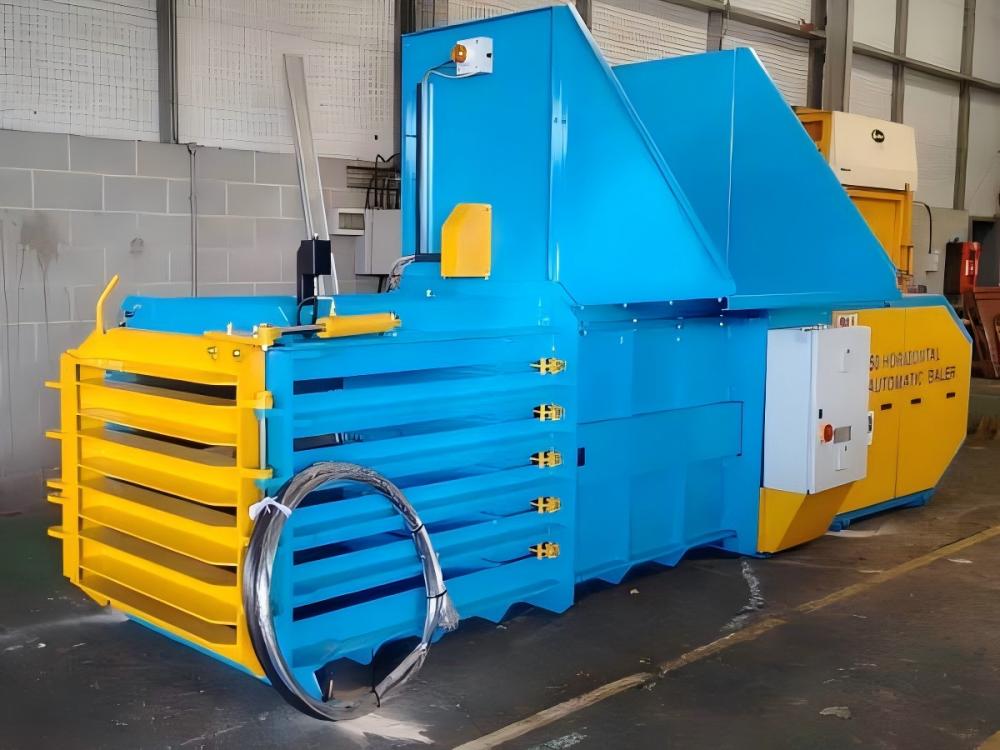
The configuration of your horizontal baler should be dictated by the specific materials you process and your facility’s layout. One of the biggest decisions is between an open-end and a closed-end baler. Closed-end balers use a hydraulic gate to hold the material in place while the ram compresses it, resulting in very high density. These are excellent for diverse materials but operate in batches. Open-end balers, conversely, use a long extrusion channel to create a continuous flow of material, which is then tied off at specific lengths. These are superior for high-volume, single-material streams like cardboard.
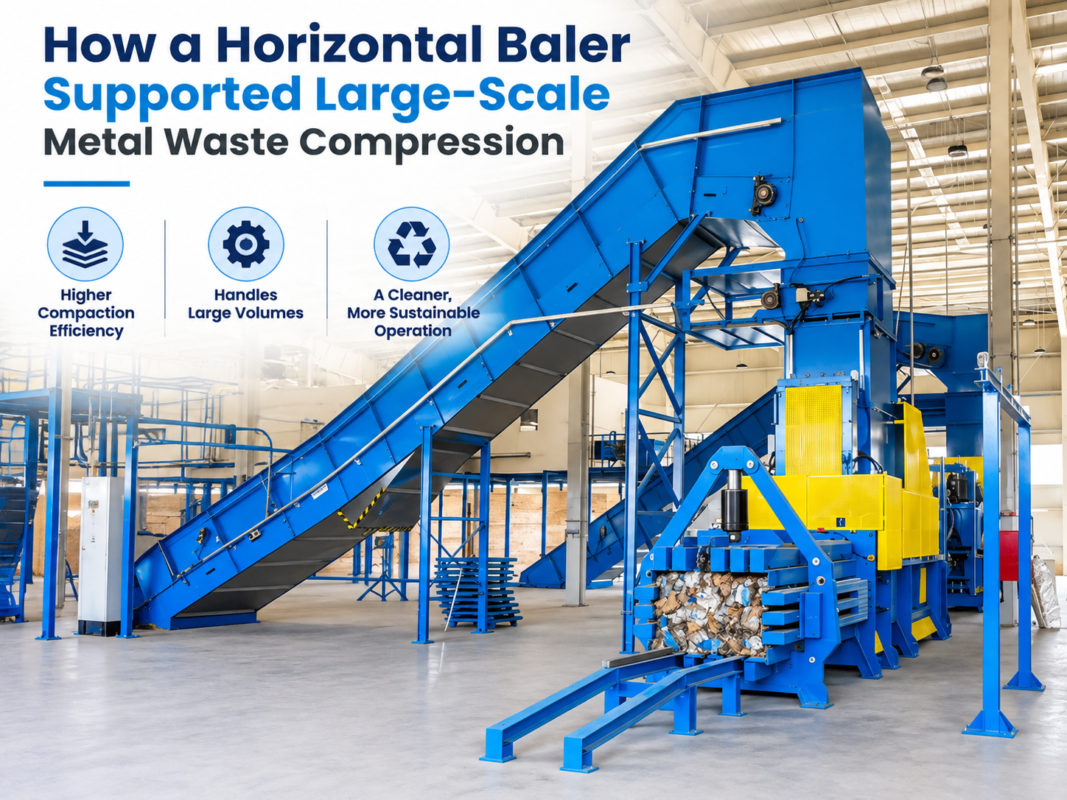
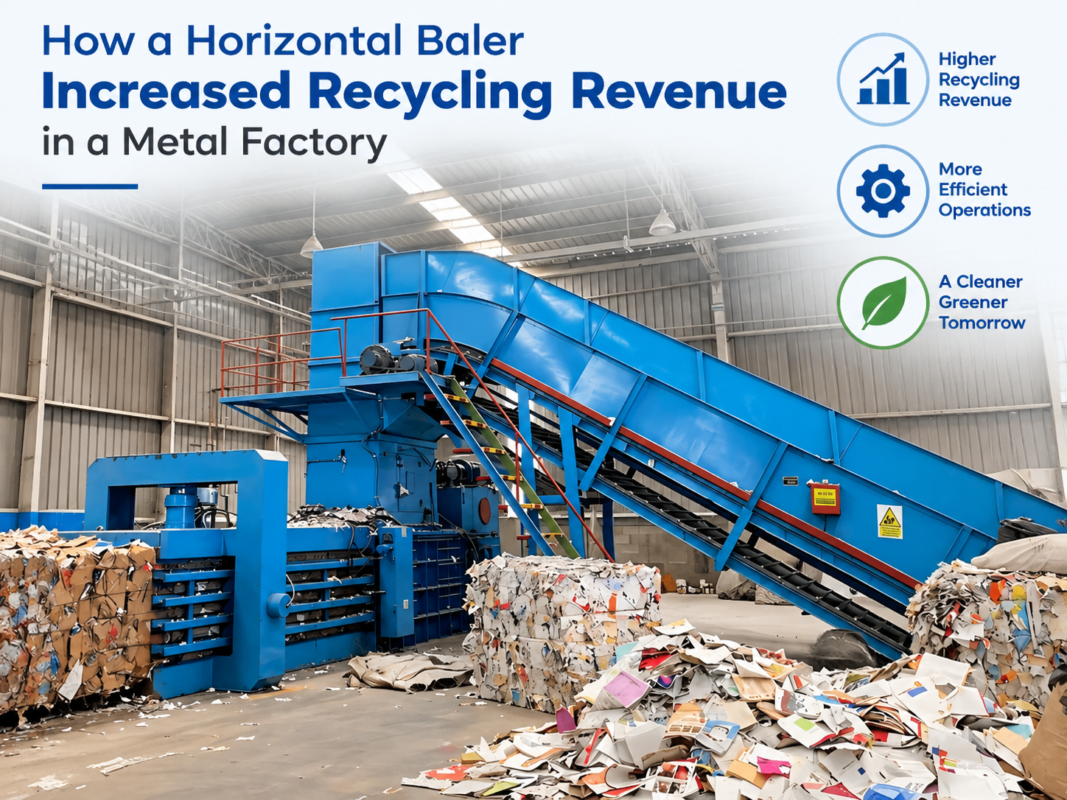
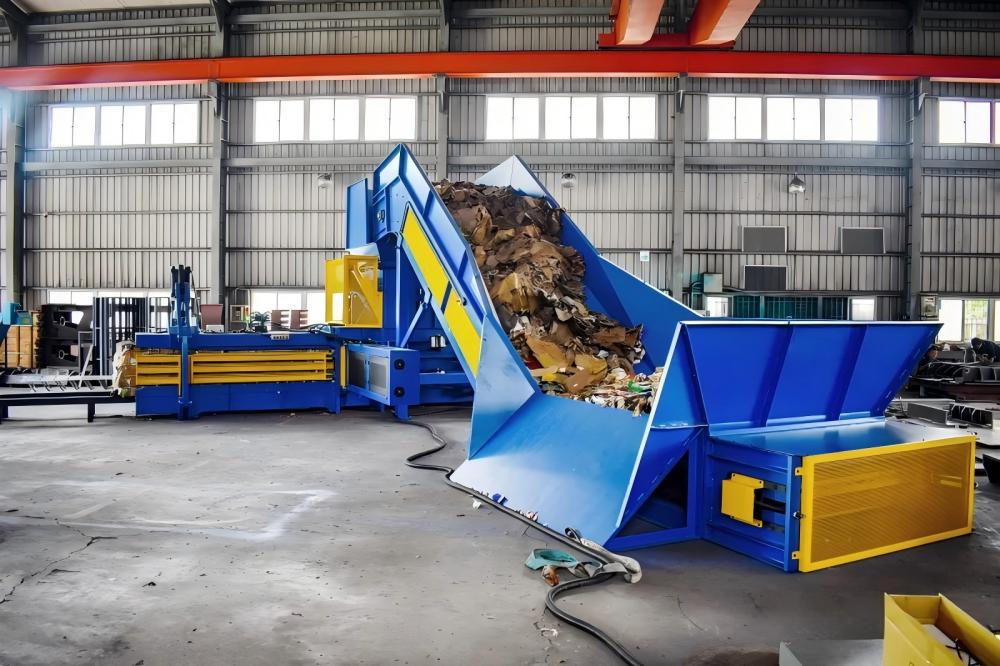
The feeding system is another critical configuration point. Will you be loading the baler with a forklift, a conveyor belt, or a pneumatic air system? A baler designed for conveyor loading needs a larger hopper and potentially a “fluffer” or “distributor” to prevent material from bridging. If you are processing bulky items like large crates or thick plastics, a shear-blade system is essential. The shear blade cuts off excess material at the top of the chamber, ensuring the ram can complete its stroke without jamming.
Automation level is perhaps the most impactful configuration choice. Manual tie balers require an operator to thread the wire and tie the bale, which can take several minutes. Automatic tie (auto-tie) systems perform this task in seconds without human intervention. While auto-tie systems add significant cost and complexity, they are often the only way to achieve the throughput required by modern industrial standards. Choosing the best horizontal baler business specs involves calculating whether the labor savings of an auto-tie system justify its higher price point.
Hidden Costs: Beyond the Purchase Price
When budgeting for a horizontal baler, many businesses fail to account for the “hidden” costs associated with installation and operation. The first is site preparation. Horizontal balers are heavy and exert significant vibration. You may need to reinforce your concrete floor or install specialized mounting pads. Additionally, these machines require significant electrical power. Upgrading your facility’s electrical panel to handle a 460V three-phase connection can cost several thousand dollars.
Shipping and rigging are also substantial expenses. Because horizontal balers are oversized loads, freight costs can be high, especially for international shipments. Once the machine arrives, you will likely need a professional rigging crew and a heavy-duty crane or forklift to move it into position. HARSLE recommends consulting with a local contractor to estimate these costs before finalizing your purchase.
Consumables and maintenance represent ongoing hidden costs. Baling wire is a recurring expense that fluctuates with steel prices. Furthermore, hydraulic oil needs to be filtered and changed periodically, and wear liners in the baling chamber will eventually need replacement. A proactive maintenance schedule is vital; neglecting small issues like seal leaks or sensor misalignments can lead to catastrophic failures that halt production for days.
ROI Calculation: Making the Business Case
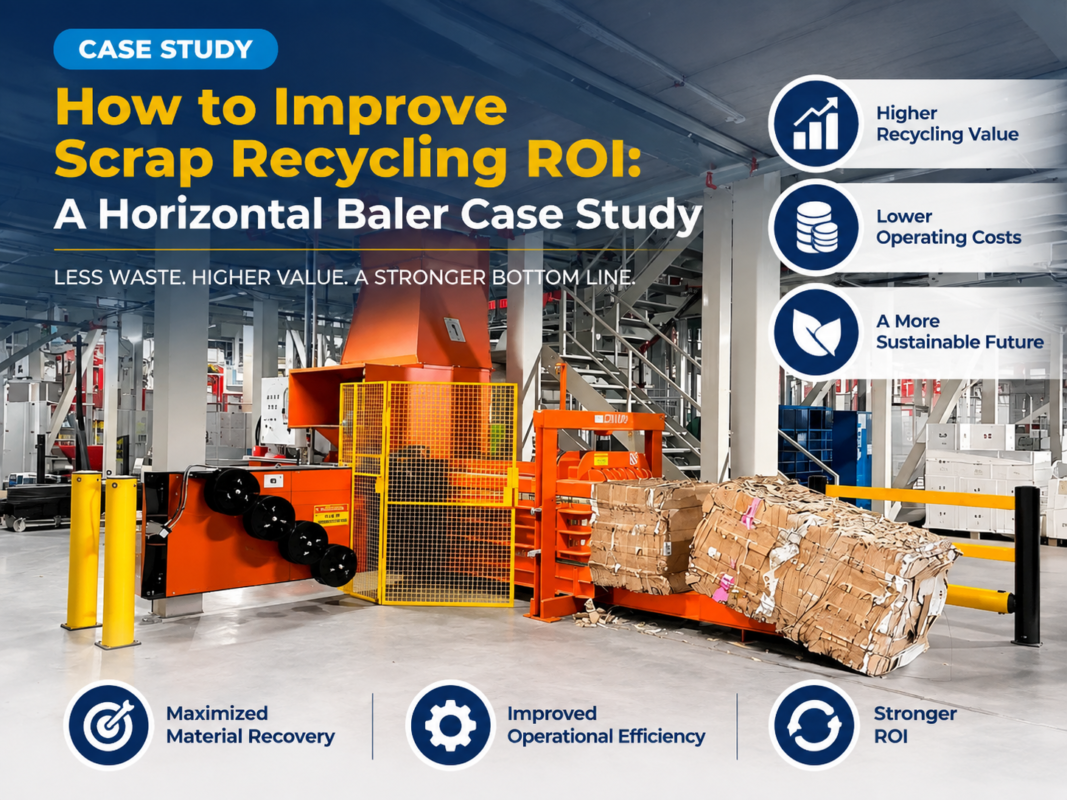
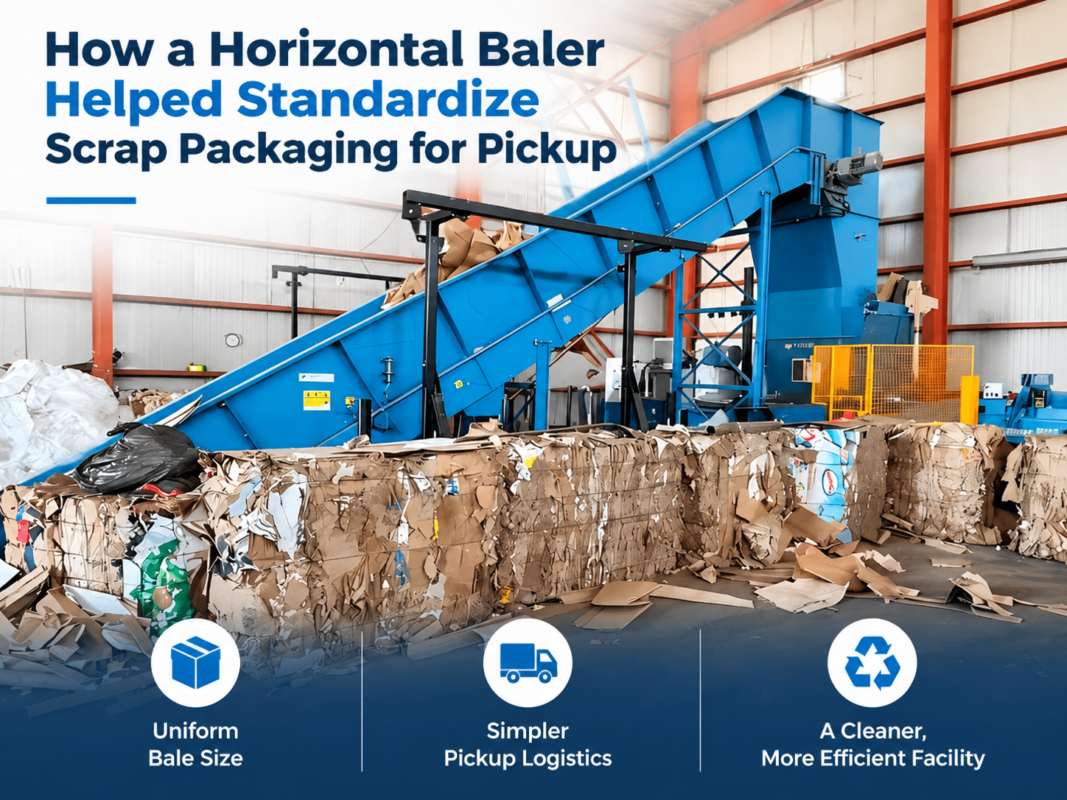
To justify the investment in a horizontal baler, you must perform a Return on Investment (ROI) calculation. The primary source of ROI is the reduction in waste hauling costs. Loose cardboard or plastic takes up massive amounts of space in a dumpster, leading to frequent and expensive pickups. By baling this material, you can reduce the volume by a ratio of up to 10:1. This means ten dumpster pickups could be reduced to one, saving thousands of dollars per month.
Another factor is the revenue generated from the bales themselves. Recyclers pay a premium for clean, high-density bales because they are easier to transport and process. In some cases, a business that was previously paying to have waste removed can turn that waste stream into a revenue stream. For example, if your facility produces 50 tons of OCC per month, and the market rate is $70 per ton, you are looking at $3,500 in monthly revenue, plus the savings from eliminated hauling fees.
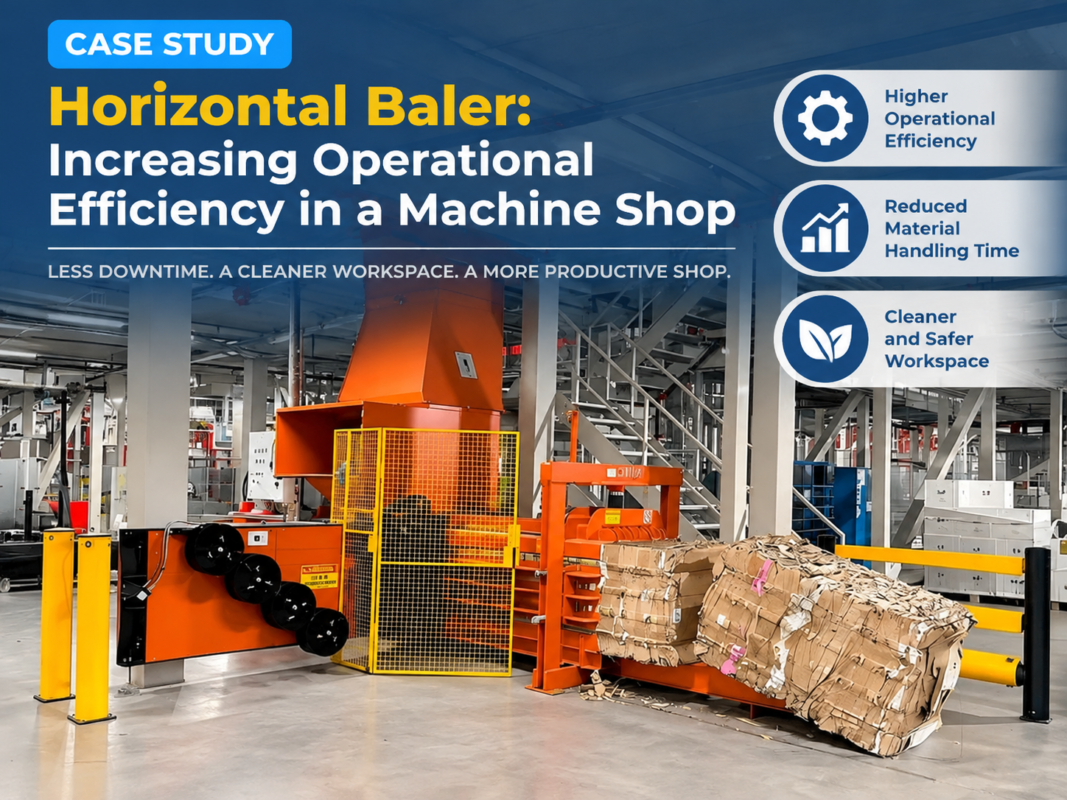
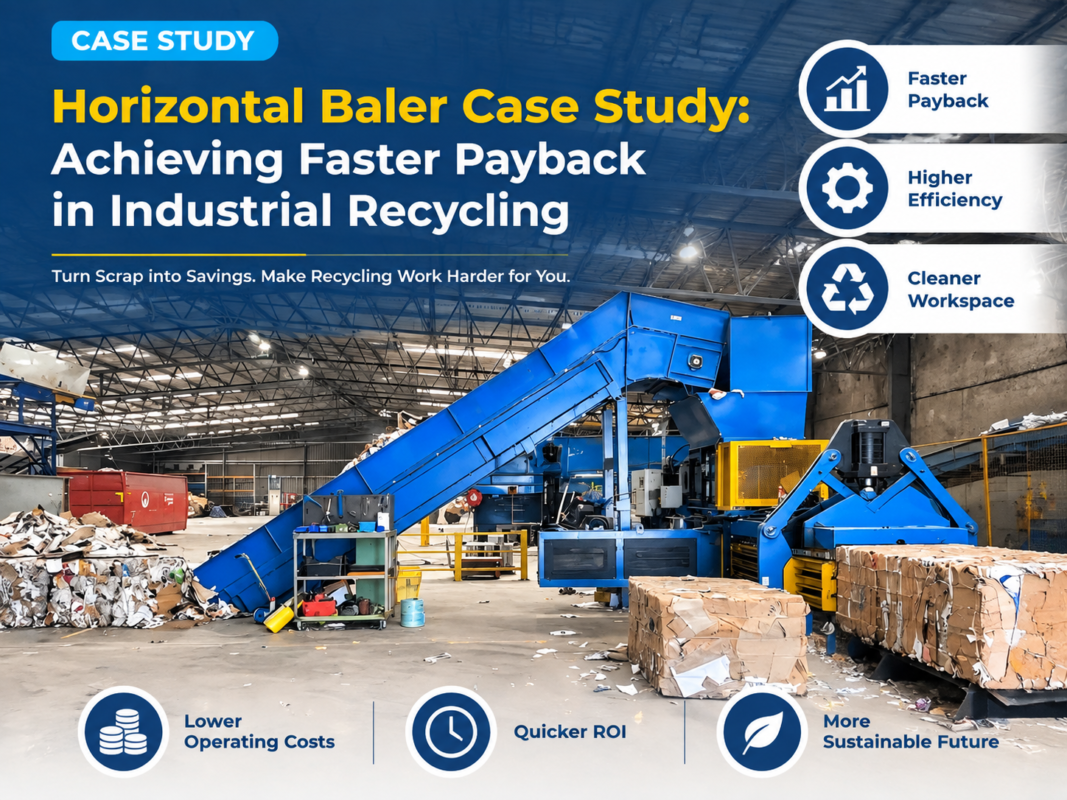
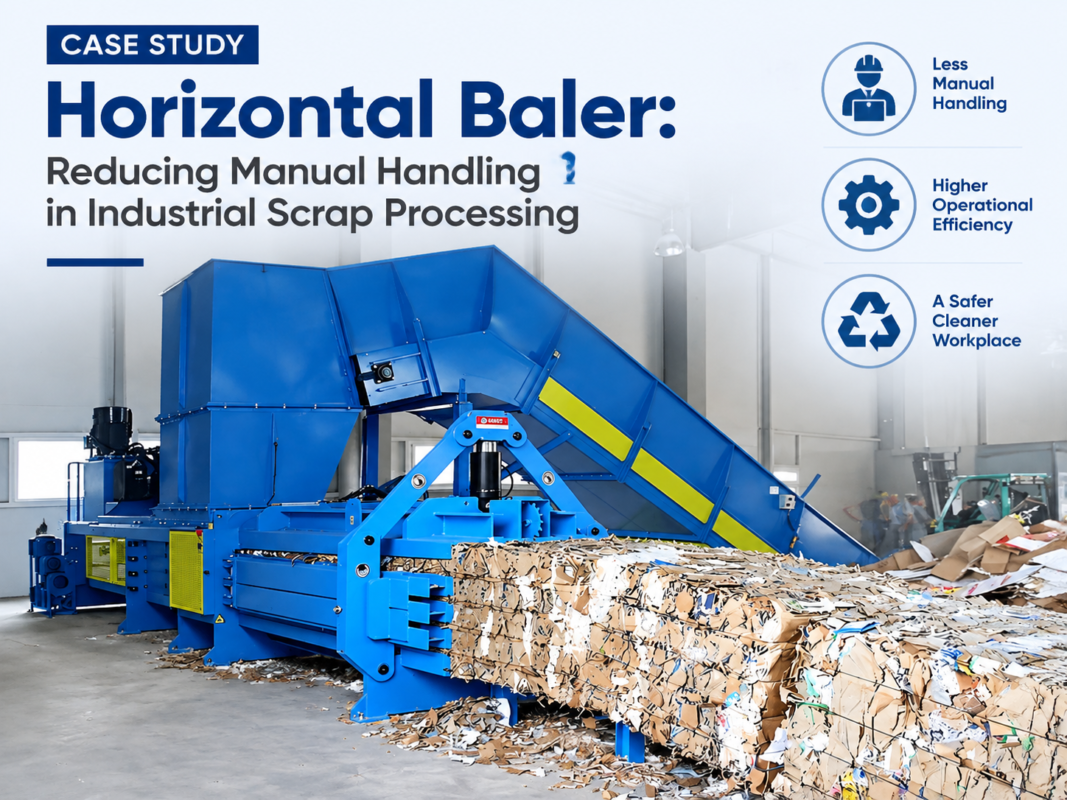
Labor efficiency is the third pillar of ROI. A horizontal baler with a conveyor system allows employees to quickly dump waste and return to their primary tasks, rather than spending hours breaking down boxes or manually loading a small vertical baler. When you combine hauling savings, material revenue, and labor reduction, most high-quality horizontal balers pay for themselves within 18 to 36 months.
Buying Advice: A Step-by-Step Guide
When you are ready to choose the best horizontal baler for your business, follow this checklist to ensure success. First, conduct a waste audit. Weigh your waste for a week to determine your actual volume and identify the primary materials. This data is crucial for determining the required tonnage and hopper size. Second, consider your future growth. It is often better to buy a machine with 20% more capacity than you currently need than to outgrow a machine within two years.
Third, evaluate the manufacturer’s support network. Does the company offer remote diagnostics? Are spare parts stocked locally? HARSLE prides itself on providing comprehensive technical support and detailed manuals to ensure our clients can maintain their equipment with minimal downtime. Fourth, request a trial or a reference visit. Seeing a similar model in operation can provide insights into noise levels, ease of use, and real-world cycle times that a spec sheet cannot convey.
Finally, don’t buy on price alone. A cheaper machine made with inferior components will cost more in the long run through repairs and lost production. Look for features like heavy-duty structural steel, reputable hydraulic components, and a user-friendly interface. Investing in quality ensures that your waste management process remains a seamless part of your operation rather than a constant source of stress.
Frequently Asked Questions (FAQ)
What is the difference between a manual-tie and an auto-tie horizontal baler?
A manual-tie baler requires an operator to manually insert and tie the wires around the bale once it reaches the desired length. This is suitable for lower volumes. An auto-tie baler uses a mechanical needle and twister system to automatically secure the bale, allowing for continuous operation and much higher throughput without dedicated labor.
Can one horizontal baler handle multiple types of materials?
Yes, most horizontal balers are versatile. However, settings like hydraulic pressure and bale length may need to be adjusted via the PLC when switching between materials like cardboard, plastic film, and aluminum. For highly elastic materials like PET bottles, a baler with a higher force and specific “dogs” (retainers) in the chamber is recommended to prevent spring-back.
How much space do I need for a horizontal baler installation?
Horizontal balers have a large footprint. Beyond the machine’s physical dimensions (which can range from 15 to 30 feet in length), you must account for the bale discharge area, the loading area (conveyor or forklift clearance), and at least 3 feet of clearance on all sides for maintenance access. Always refer to the manufacturer’s floor plan before installation.
What are the power requirements for an industrial horizontal baler?
Most industrial horizontal balers require three-phase power, typically 220V, 480V, or 575V depending on your region. The amperage requirement depends on the motor size. It is essential to have a certified electrician verify that your facility’s infrastructure can support the startup current (inrush current) of the baler’s motor.
How long does a typical horizontal baler last?
With proper maintenance, a high-quality horizontal baler from a reputable manufacturer like HARSLE can last 15 to 20 years or more. Key factors in longevity include regular oil changes, timely replacement of wear liners, and ensuring the machine is not consistently operated beyond its rated capacity.