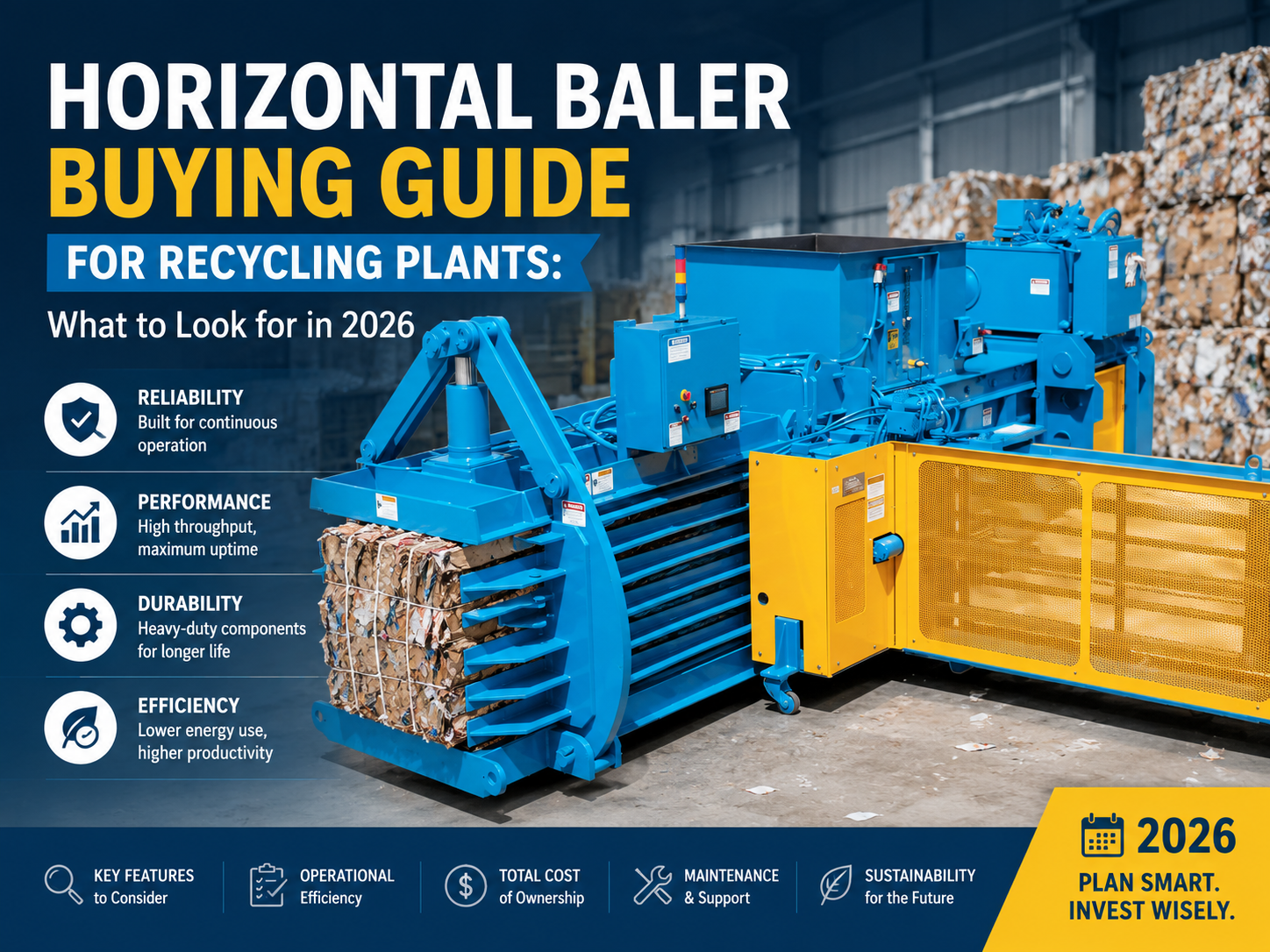
Horizontal Baler Buying Guide for Recycling Plants: What to Look for in 2026

Introduction to the 2026 Recycling Landscape
As we move into 2026, the recycling industry is undergoing a massive transformation driven by stricter environmental regulations, rising labor costs, and the push for ‘Industry 4.0’ integration. For recycling plant managers and owners, the horizontal baler remains the heartbeat of the facility. However, the criteria for selecting the right machine have evolved. It is no longer just about ‘crushing’ material; it is about bale density, energy efficiency, and data connectivity. This Horizontal Baler Buying Recycling Plants: Look In 2026 guide is designed to navigate the complexities of modern procurement, ensuring your investment yields maximum returns over the next decade.
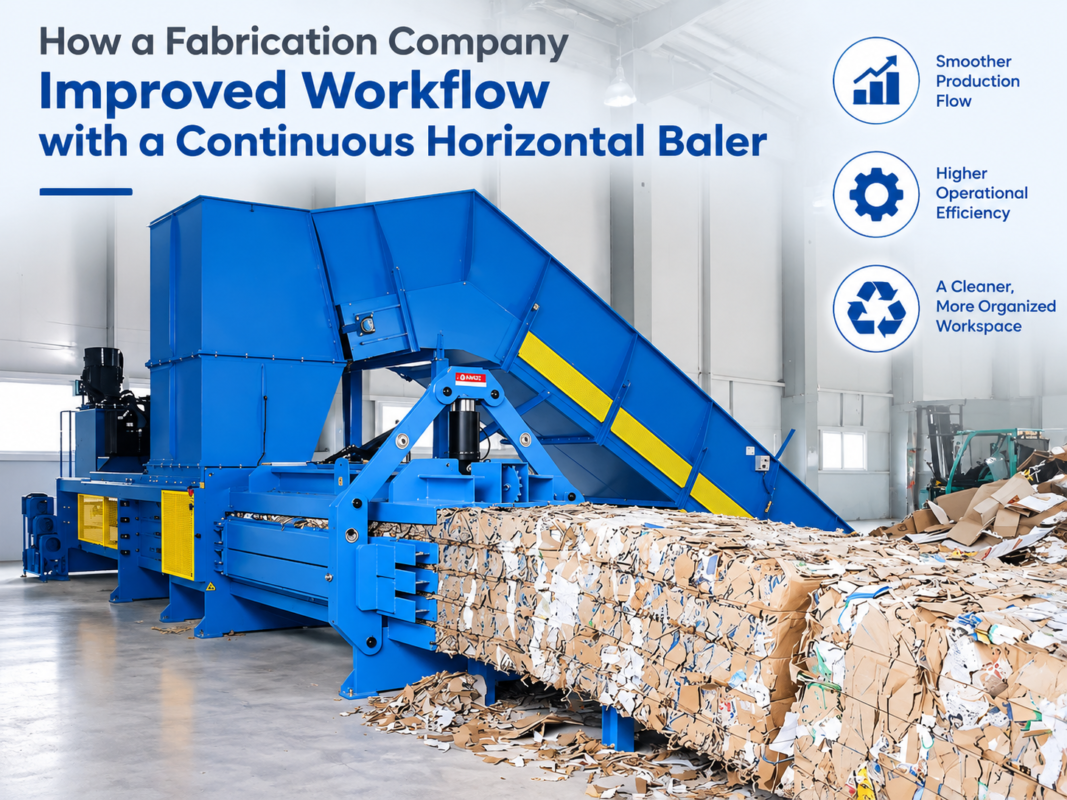
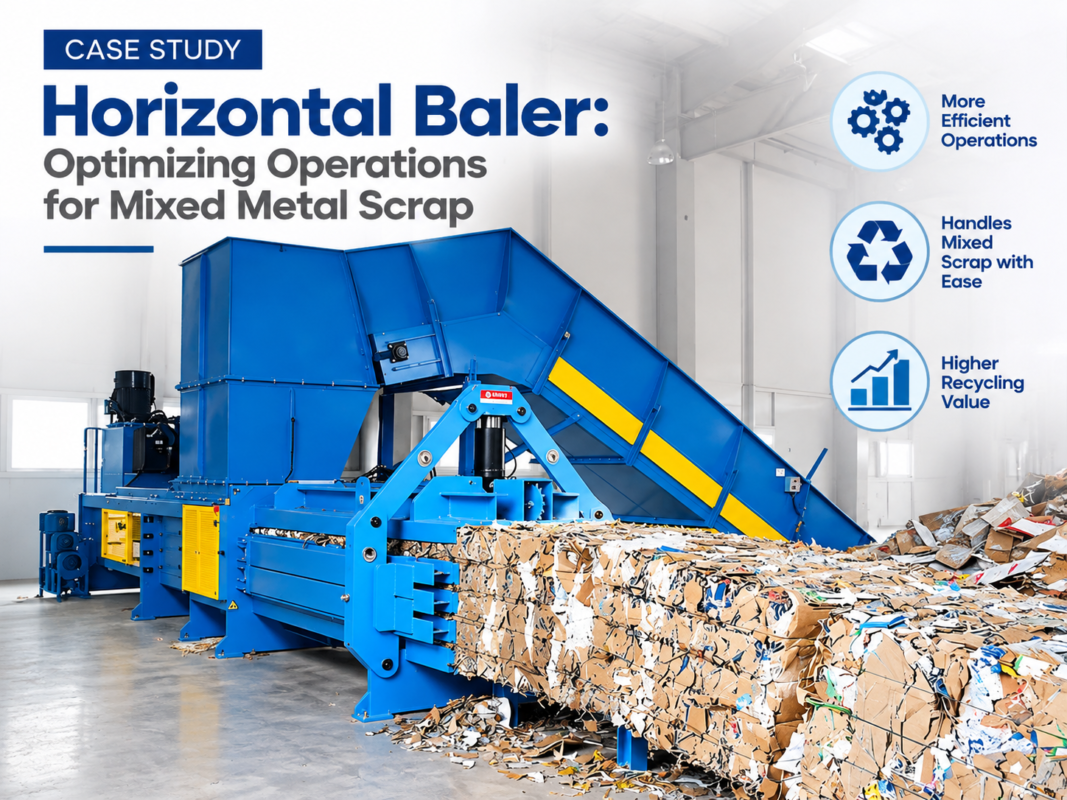
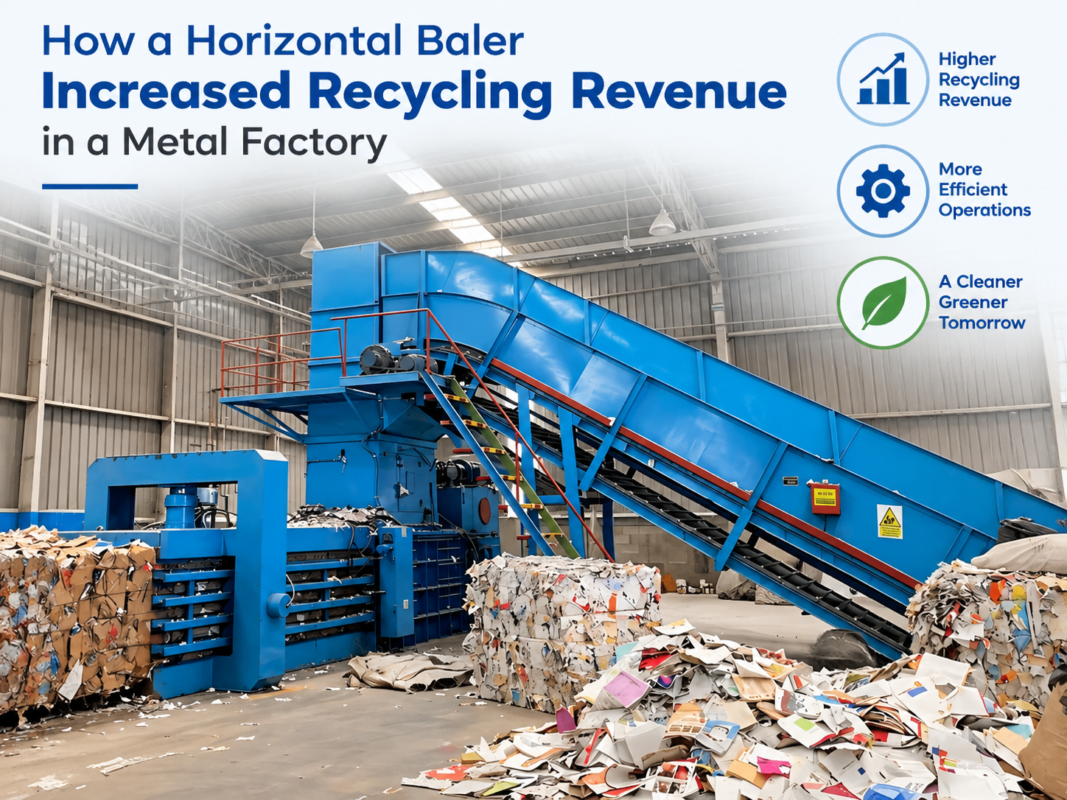
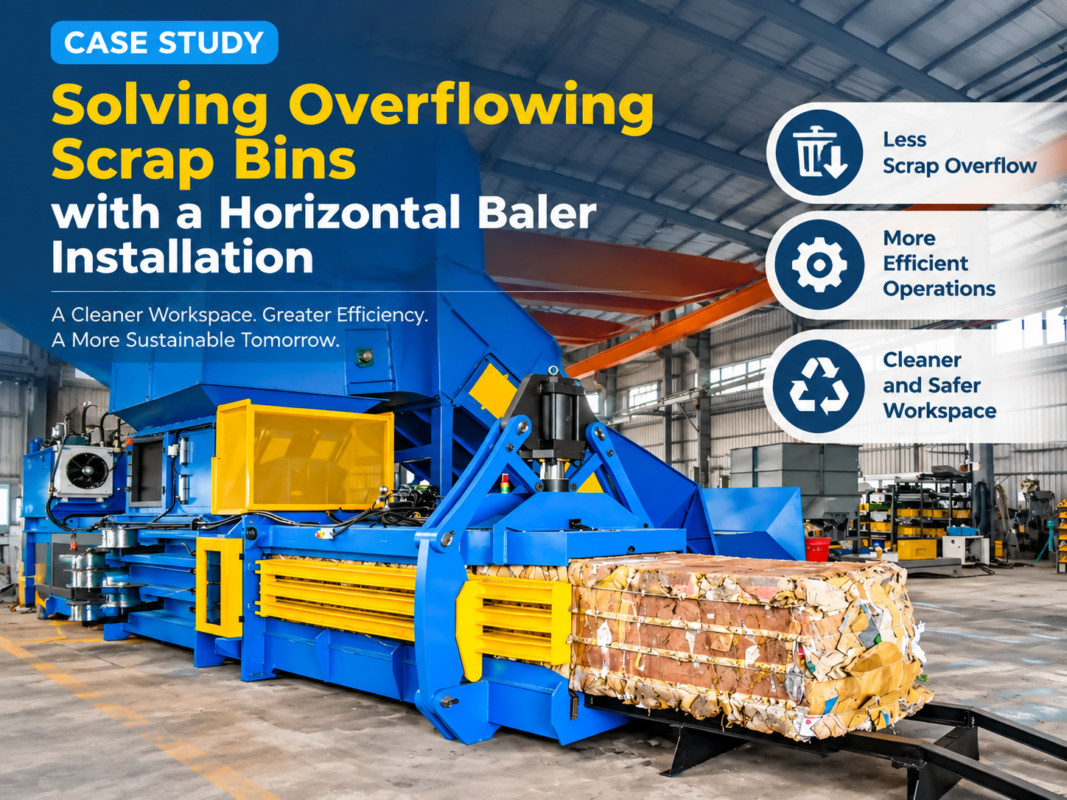
Horizontal balers are preferred over vertical models in high-volume environments because they allow for continuous feeding, often via conveyor belts or air-sort systems. In 2026, the market is seeing a shift toward ‘smart’ balers that can automatically adjust pressure based on the material detected, reducing wear and tear while optimizing bale weight for transport. Whether you are processing OCC (Old Corrugated Containers), PET plastics, or non-ferrous metals, choosing the right configuration is critical to your plant’s operational flow.
Price Range Overview: Setting Your Budget
When planning your capital expenditure for 2026, understanding the price tiers of horizontal balers is essential. Prices have stabilized after the volatility of the early 2020s, but advanced technology integration has created a wider gap between entry-level and premium models. Generally, a horizontal baler can range from $35,000 to well over $300,000 depending on capacity and automation.
- Entry-Level Semi-Automatic Balers ($35,000 – $65,000): These machines are ideal for smaller recycling centers or distribution hubs. They require manual tying of the bales but offer the horizontal throughput advantage. They typically handle 1 to 3 tons of material per hour.
- Mid-Range Automatic Tie Balers ($70,000 – $160,000): The workhorse of the modern recycling plant. These machines feature auto-tie systems, higher hydraulic pressure (60-100 tons), and can process 5 to 15 tons per hour. They are designed for multi-shift operations.
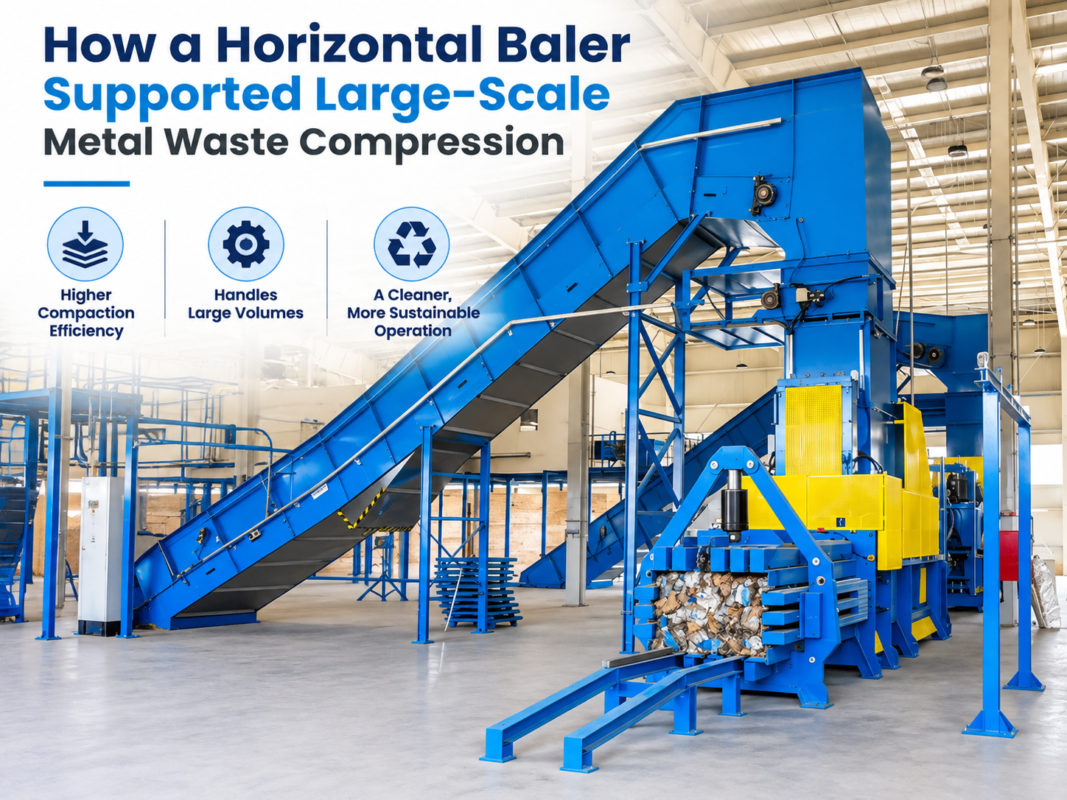
- High-Capacity Industrial Balers ($180,000 – $350,000+): These are massive machines used in large-scale Material Recovery Facilities (MRFs). They feature high-speed cycles, advanced PLC controls, and the ability to process difficult materials like heavy plastics and light metals at rates exceeding 20 tons per hour.
It is important to note that the initial purchase price is only one part of the equation. In 2026, buyers are increasingly looking at the ‘Total Cost of Ownership’ (TCO), which includes energy consumption and maintenance intervals. A cheaper machine that uses 30% more electricity may end up costing significantly more over a five-year period.

Main Cost Drivers in 2026
Several technical factors dictate the price and performance of a horizontal baler. Understanding these drivers allows you to prioritize features that match your specific material stream. The first major driver is Hydraulic Power and Cylinder Force. The ‘tonnage’ of a baler refers to the force the ram exerts on the material. Higher tonnage allows for denser bales, which is crucial for maximizing shipping container weights. However, higher tonnage requires more robust steel frames and larger hydraulic pumps, driving up the cost.
The second driver is the Cycle Time and Motor Efficiency. In 2026, high-efficiency motors (IE3 or IE4 standards) are becoming the norm. A faster cycle time means the ram moves back and forth more quickly, allowing for higher throughput. Machines equipped with twin-motor systems or variable frequency drives (VFDs) offer better energy management, as they only draw maximum power when the ram encounters high resistance. This sophisticated electrical engineering adds to the upfront cost but slashes operational expenses.
Thirdly, Material Construction and Wear Liners play a significant role. Balers processing abrasive materials like glass-contaminated plastics or scrap metal require Hardox or similar high-abrasion-resistant liners. A machine built with premium steel and replaceable wear plates will have a higher price tag but will survive the rigors of a 24/7 recycling environment far better than a ‘light-duty’ alternative.
Configuration Impact: Customizing for Your Needs
The configuration of your horizontal baler should be dictated by your primary material. For instance, a baler configured for cardboard (OCC) might struggle with PET bottles unless it has specific features like a ‘pre-press’ flap or a specialized shear blade. In 2026, the ‘one-size-fits-all’ approach is fading in favor of modular configurations.
Auto-Tie vs. Manual Tie
The decision between auto-tie and manual tie is usually a matter of labor costs. In 2026, with labor shortages persisting in the industrial sector, auto-tie systems have become the standard for any plant processing more than 500 tons per month. Auto-tie systems use a needle and twister mechanism to secure the bale without operator intervention. While more complex to maintain, they eliminate the 5-10 minutes of downtime required to manually tie each bale.
Shear Blade vs. No-Shear Designs
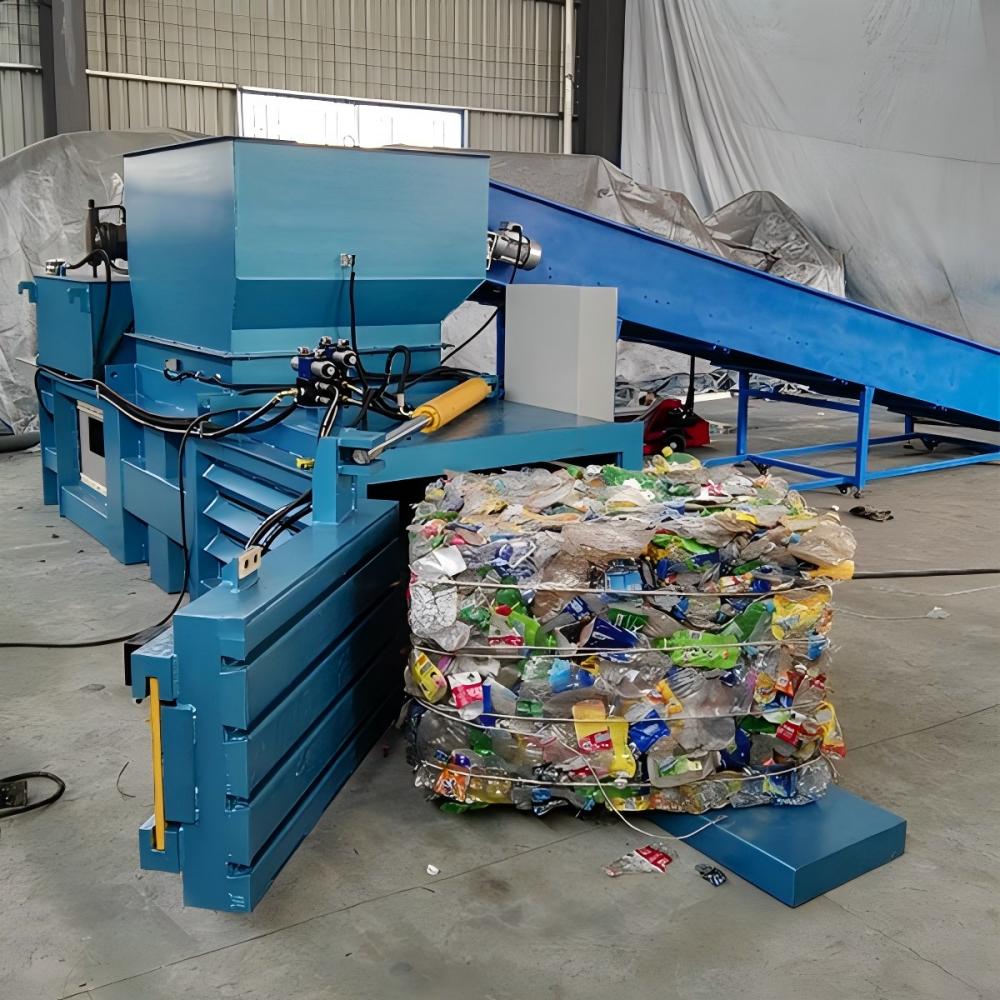
Shear balers use a heavy-duty blade to cut off excess material as the ram moves forward. This ensures a clean, rectangular bale that is easy to stack. No-shear balers, often called ‘closed-end’ balers, compress the material against a solid door. Shear balers are generally faster and better for continuous feeding, whereas closed-end balers are often used for materials that require extremely high pressure to stay compressed, such as certain plastics or light metals.
Hidden Costs of Horizontal Baler Ownership
When reviewing quotes, many buyers overlook the ‘soft costs’ associated with installing and operating a horizontal baler. In 2026, these can add 15-25% to the total project budget. Installation and Commissioning is the first hurdle. A horizontal baler is a massive piece of machinery that often requires a reinforced concrete pad. You must also account for the cost of a rigger and a crane to position the machine, as well as an electrician to run high-voltage power to the site.
Consumables are another ongoing expense. For an auto-tie baler, the cost of baling wire can be significant. In 2026, the price of steel wire fluctuates with global markets. Some modern balers are designed to use plastic strapping, which can be cheaper and easier to recycle, but the initial cost of a plastic-strap head is higher. Additionally, hydraulic oil is a major consumable; a large baler can hold hundreds of gallons of oil, which needs to be filtered and periodically replaced.
Finally, consider Software and Connectivity Fees. Many 2026 models come with remote monitoring and diagnostic tools. While these are invaluable for reducing downtime, some manufacturers charge an annual subscription fee for the cloud-based dashboard. Ensure you clarify whether the machine’s software is a one-time purchase or a recurring cost.
ROI Calculation: When Will the Machine Pay for Itself?
Calculating the Return on Investment (ROI) for a horizontal baler involves more than just looking at the sale of baled material. The primary driver of ROI in 2026 is Logistics Savings. Loose cardboard or plastic is expensive to transport because you are essentially ‘shipping air.’ By increasing bale density, you can fit more weight into a single truckload. If a horizontal baler allows you to increase your average load weight from 15 tons to 22 tons, you are reducing your shipping costs by nearly 30%.
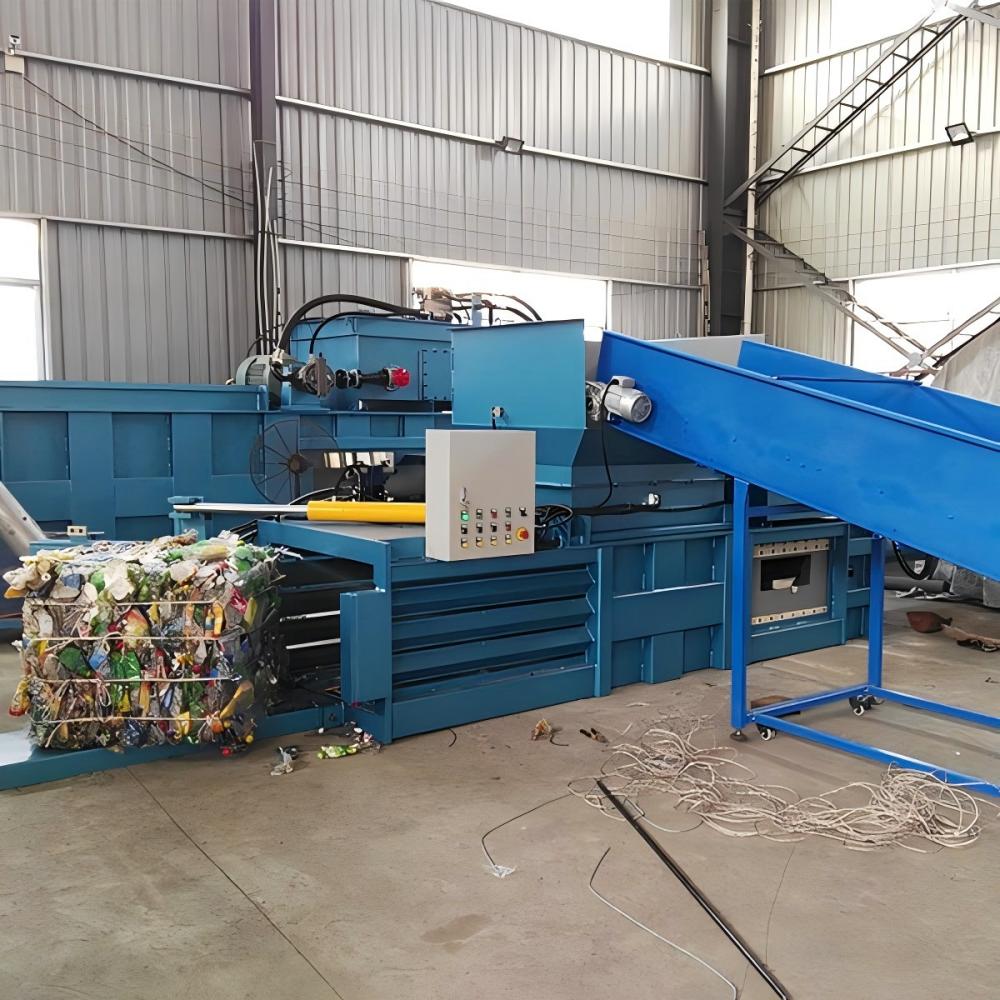
Labor Reduction is the second pillar of ROI. A horizontal baler with a conveyor feed system can often be operated by a single person (or even zero dedicated persons if integrated into an automated line), whereas multiple vertical balers would require several operators to load, tie, and eject bales. If the machine saves the cost of two full-time employees, it can pay for itself in less than 24 months based on 2026 wage averages.
Lastly, consider the Material Value Premium. Clean, high-density bales often fetch a higher price per ton from mills and exporters. This ‘quality premium’ can add up significantly over thousands of tons of material. When building your ROI model, use a conservative estimate for material prices but be aggressive in calculating your savings on labor and freight.
Buying Advice: How to Choose the Right Partner
In 2026, the ‘who’ you buy from is as important as the ‘what’ you buy. The global supply chain has made it easier to purchase machinery from overseas, but local support remains king. When evaluating a manufacturer like HARSLE or other industrial leaders, look for their Service Infrastructure. Do they have technicians in your region? What is the lead time for critical spare parts like hydraulic seals or PLC modules?
Before signing a contract, perform a Material Test. Any reputable manufacturer should allow you to send a sample of your specific waste stream to their facility for a test baling. This will confirm the bale density and cycle time you can expect. Furthermore, ask for a Reference List of plants operating the same model. Speaking with a current user can reveal ‘real-world’ maintenance issues that won’t appear in a glossy brochure.
Finally, ensure the machine is Future-Proof. In 2026, this means having an open-architecture PLC (like Siemens or Allen-Bradley) that can be easily updated or integrated with other facility management software. Avoid proprietary ‘black box’ controllers that lock you into a single service provider for the life of the machine.
Technical Specifications Comparison Table
| Feature | Small-Scale (Semi-Auto) | Medium-Scale (Auto-Tie) | Large-Scale (Industrial) |
|---|---|---|---|
| Pressing Force | 30 – 50 Tons | 60 – 100 Tons | 120 – 200+ Tons |
| Motor Power | 15 – 22 kW | 30 – 45 kW | 75 – 150+ kW |
| Throughput (OCC) | 1-2 Tons/Hr | 5-8 Tons/Hr | 15-25 Tons/Hr |
| Bale Weight (OCC) | 300 – 500 kg | 600 – 900 kg | 1000 – 1300 kg |
| Control System | Basic Relay/PLC | Advanced PLC w/ HMI | Industry 4.0 Integrated |
Frequently Asked Questions (FAQ)
1. How long does a horizontal baler typically last?
With proper maintenance, a high-quality horizontal baler can last 15 to 20 years. In 2026, many plants are refurbishing machines from the early 2010s with new hydraulics and electronics to extend their life. The structural steel frame is rarely the point of failure; it is usually the moving parts and hydraulic systems that require overhaul after 10 years.
2. Can one horizontal baler handle all types of materials?
While many horizontal balers are ‘multi-material,’ there are trade-offs. A baler optimized for cardboard may not produce the best results for aluminum cans or PET bottles without adjustments to the hydraulic pressure and shear settings. If you process a wide variety of materials, look for a machine with ‘material recipes’ pre-programmed into the PLC.
3. What are the safety requirements for horizontal balers in 2026?
Safety standards have become more stringent. In 2026, machines should comply with CE (Europe) or ANSI Z245.5 (USA) standards. This includes category 4 safety interlocks on all access doors, emergency stop buttons at multiple points, and light curtains or physical barriers around the bale discharge area.
4. How often does the hydraulic oil need to be changed?
Most manufacturers recommend a full oil change every 2,000 to 4,000 operating hours. However, in 2026, many balers are equipped with ‘smart’ oil monitoring sensors that analyze the particulate count and moisture level in the oil, allowing you to change it only when necessary, which can save thousands of dollars in maintenance costs.
5. Is an automatic tie system worth the extra cost?
If your plant processes more than 10-15 bales per day, the answer is almost always yes. The labor savings and the ability to maintain a continuous flow of material through the plant far outweigh the initial $20,000 – $40,000 premium for the auto-tie mechanism. It also reduces the physical strain on workers, lowering the risk of workplace injuries.
6. What is the lead time for a new horizontal baler in 2026?
Lead times have stabilized since the supply chain crises of the past. For a standard model, expect a lead time of 12 to 16 weeks. Custom-engineered solutions or very large industrial balers may take 6 to 9 months from the time of deposit to delivery. Always plan your facility upgrades well in advance.
Conclusion
Investing in a horizontal baler in 2026 requires a balance of technical scrutiny and forward-thinking strategy. By focusing on high-efficiency components, robust construction, and smart automation, recycling plants can ensure they remain competitive in an increasingly demanding market. Remember that the ‘best’ machine is not necessarily the most expensive one, but the one that most closely aligns with your material volume, labor availability, and long-term growth goals. Use this Horizontal Baler Buying Recycling Plants: Look In 2026 guide as your roadmap to a successful procurement process.