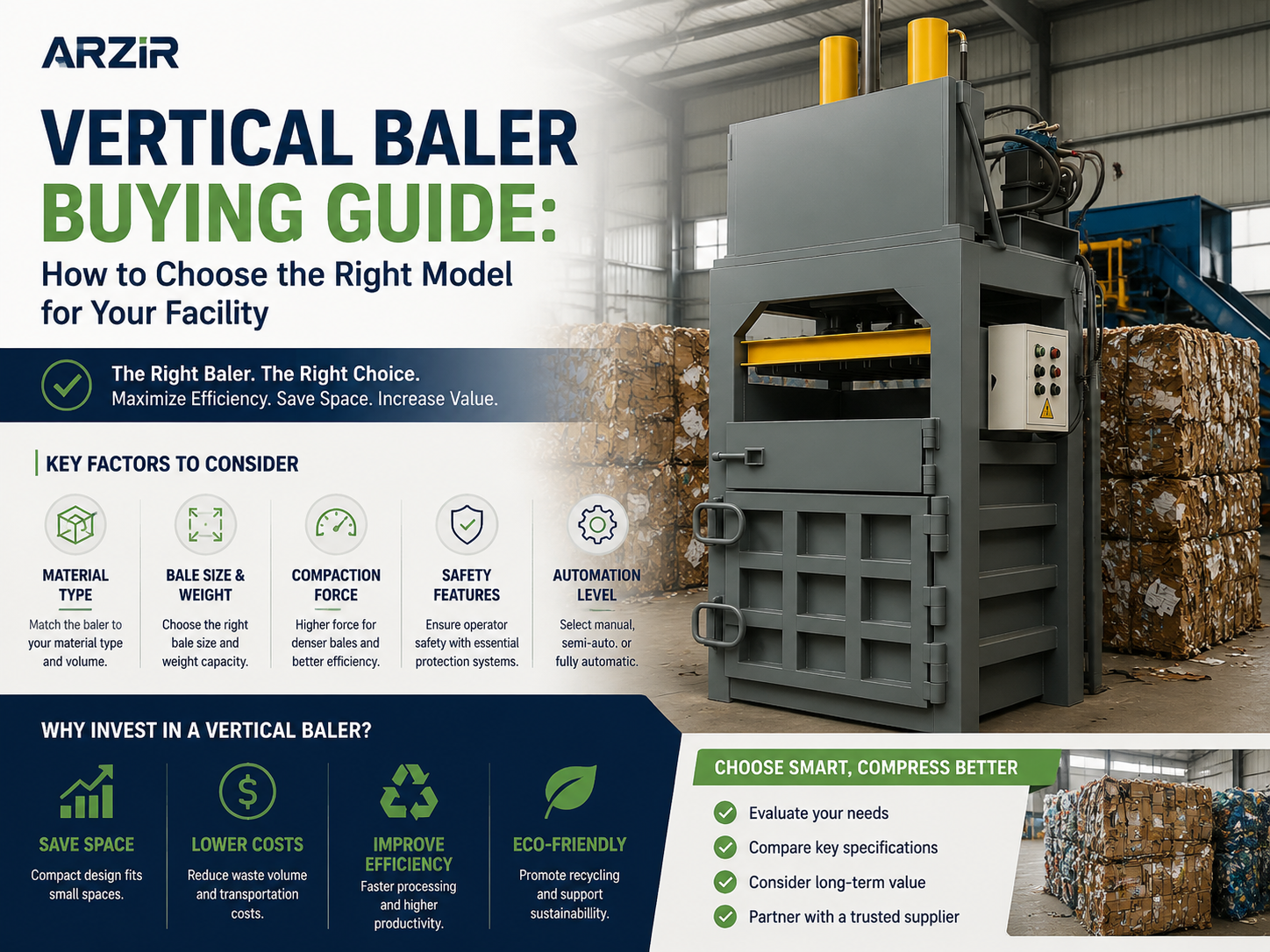
Vertical Baler Buying Guide: How to Choose the Right Model for Your Facility

Introduction to Vertical Baler Selection
In the modern industrial landscape, waste management is no longer just a matter of cleanliness; it is a critical component of operational efficiency and environmental compliance. For facilities dealing with high volumes of cardboard, plastic, textiles, or light metal scrap, a vertical baler is an indispensable tool. However, the process of Vertical Baler Buying: Choose Model Facility requirements can be daunting given the wide array of tonnages, configurations, and price points available in the market. Choosing the wrong model can lead to underperformance, frequent maintenance issues, or unnecessary capital expenditure.
HARSLE, a leader in metal fabrication and industrial machinery, understands that every facility has unique throughput needs. Whether you are a small retail warehouse or a large-scale manufacturing plant, selecting a baler requires a deep dive into technical specifications and long-term financial impact. This guide is designed to walk you through the essential factors of vertical baler procurement, ensuring you invest in a machine that optimizes your waste stream and maximizes your return on investment.
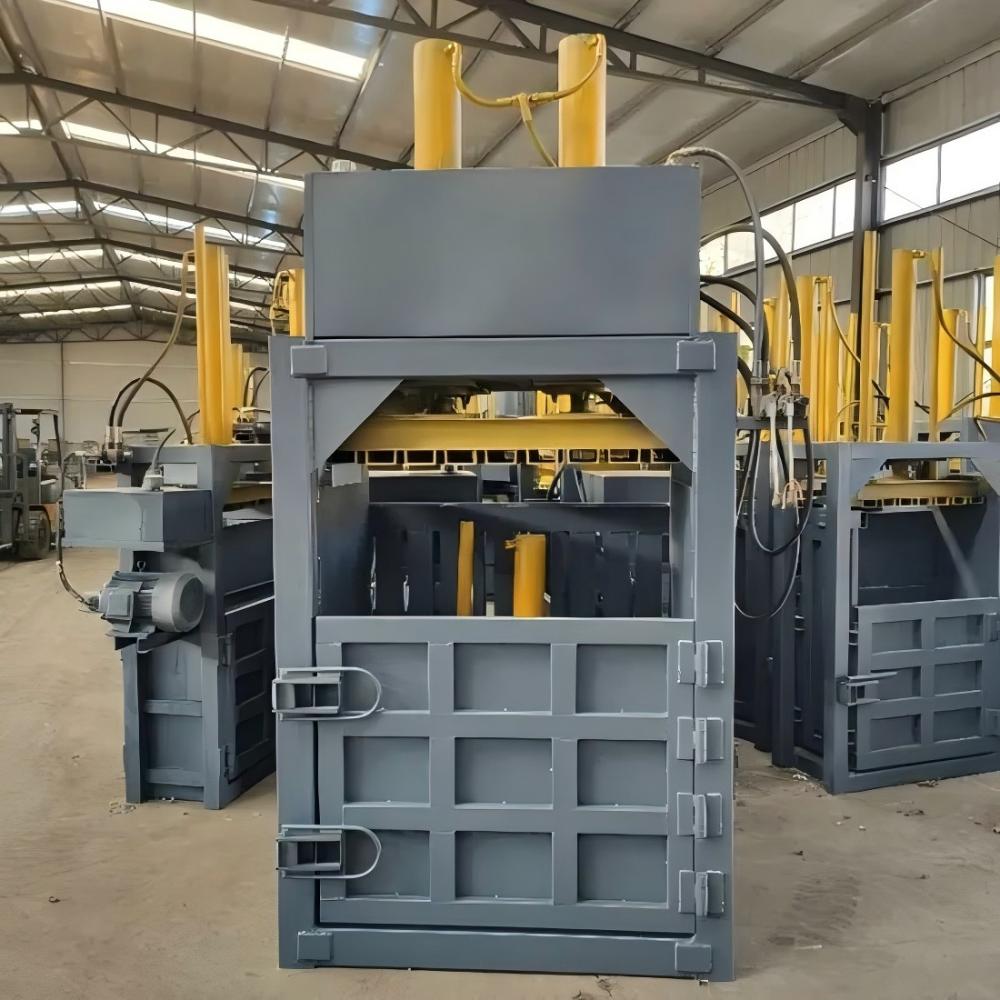
Price Range Overview: What to Expect
The cost of a vertical baler varies significantly based on its compression force, chamber size, and automation features. Generally, the market is divided into three primary categories: entry-level, mid-range, and heavy-duty industrial models. Understanding these price brackets is the first step in the Vertical Baler Buying: Choose Model Facility process.
Entry-level vertical balers, typically offering 10 to 30 tons of pressure, are priced between $3,500 and $8,000. These machines are ideal for small grocery stores, hotels, or small workshops that generate a moderate amount of cardboard or plastic film. They are compact, often running on single-phase power, and produce smaller bales that can be moved with a standard pallet jack.
Mid-range models, providing 40 to 60 tons of pressure, usually fall within the $9,000 to $18,000 range. These are the workhorses of the industry, capable of handling larger volumes and denser materials. They produce industry-standard “mill-size” bales (typically 60 inches wide), which are highly sought after by recycling companies, often fetching a higher rebate price per ton.
Heavy-duty industrial vertical balers, exceeding 80 to 100+ tons of pressure, can cost anywhere from $20,000 to $45,000 or more. These machines are engineered for difficult materials like aluminum cans, plastic jugs (HDPE/PET), and even light scrap metal. They feature reinforced structures, high-efficiency hydraulic systems, and advanced PLC controls to handle continuous operation in demanding environments.
Main Cost Drivers in Vertical Baler Manufacturing
When evaluating the price of a vertical baler, several technical factors drive the final quote. The most significant driver is the hydraulic system. The quality of the pump, the diameter of the cylinders, and the complexity of the valve blocks determine the machine’s pressing force and cycle time. A faster cycle time (the time it takes for the ram to descend and return) increases productivity but requires a more powerful motor and a more robust hydraulic circuit, which adds to the cost.
The structural integrity of the frame is another major factor. High-tonnage balers require thick, high-grade steel plates and heavy-duty welding to withstand the immense internal pressure generated during compression. Cheaper models may use thinner steel, which can lead to frame warping or weld failure over years of heavy use. HARSLE emphasizes the use of FEA (Finite Element Analysis) in design to ensure that stress points are reinforced without adding unnecessary bulk.
Component brands also play a role. A baler equipped with world-class components—such as Siemens motors, Schneider electrics, and Rexroth hydraulics—will carry a premium price compared to machines using generic or local-brand parts. However, the investment in premium components pays off through increased reliability and the ease of finding replacement parts globally, reducing potential downtime.
Configuration Impact: Customizing for Your Needs
The configuration of a vertical baler should be dictated by the specific material you intend to process. For instance, if your facility primarily handles plastic bottles, you need a baler with a long-stroke cylinder and potentially a “perforator” to release air from the bottles, ensuring a dense, stable bale. For cardboard, a standard stroke is usually sufficient, but a wide feed opening is critical to minimize the need for pre-shredding or folding boxes.
Door configurations also impact workflow. Manual lift doors are common on smaller models, while automatic sliding doors or hydraulic-assist gates are preferred for high-volume facilities to reduce operator fatigue and improve safety. Furthermore, the ejection system—how the finished bale is removed from the machine—can be manual (using a chain) or hydraulic. Hydraulic bale ejectors are significantly safer and faster, making them a standard choice for mid-to-high-range models.
Control systems range from simple push-button operation to sophisticated PLC (Programmable Logic Controller) interfaces. A PLC allows for customized pressure settings, bale-full indicators, and diagnostic displays. For facilities looking to integrate their waste management into a broader “Smart Factory” or Industry 4.0 framework, PLC-controlled balers can even provide data on bale counts and weight, helping managers track recycling targets in real-time.
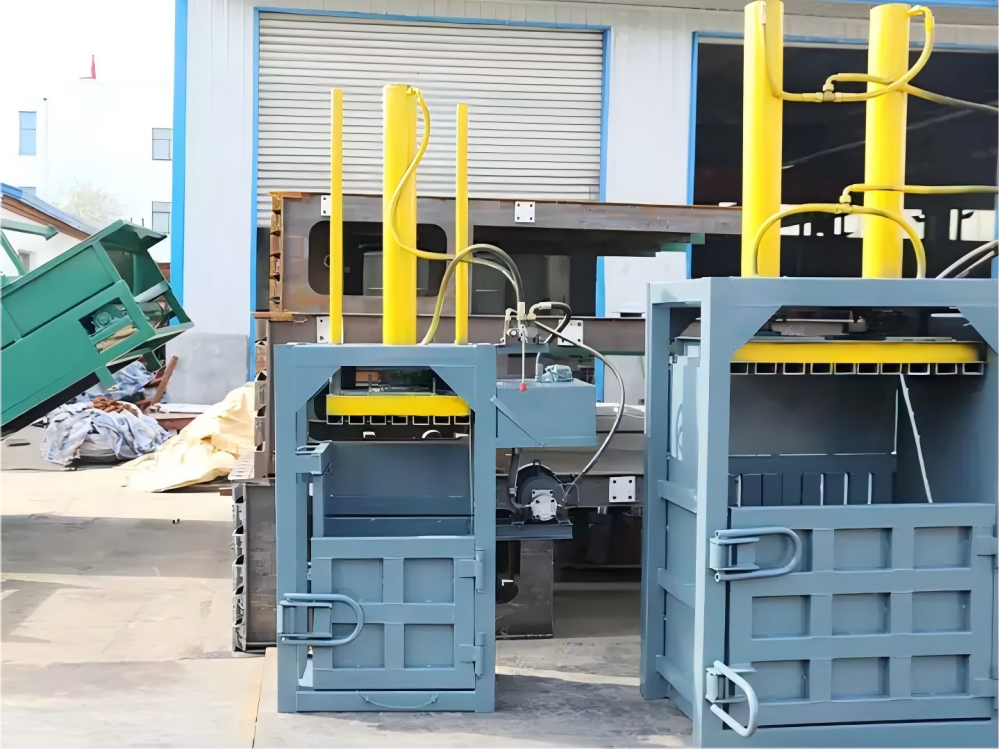
Hidden Costs of Ownership
The purchase price is only one part of the total cost of ownership. When planning your Vertical Baler Buying: Choose Model Facility budget, you must account for several “hidden” expenses. Shipping and rigging are often overlooked; these machines are heavy and require specialized freight and potentially a forklift or crane for installation. If your facility has limited ceiling height or narrow doorways, you may need a low-profile model or specialized disassembly/reassembly services.
Electrical requirements can also trigger unexpected costs. Many industrial balers require 3-phase power. If your facility is only wired for single-phase, you may need to hire an electrician to run new lines or invest in a phase converter. Additionally, consider the cost of consumables. Baling wire or high-strength polyester strapping is required for every bale. Depending on your volume, these costs can add up to hundreds or thousands of dollars annually.
Finally, maintenance and training are essential for longevity. While vertical balers are relatively low-maintenance compared to complex CNC machinery, they still require regular oil changes, filter replacements, and inspections of the safety interlocks. Investing in operator training ensures that the machine is used correctly, preventing accidental damage to the ram or doors caused by improper loading.
ROI Calculation: How a Baler Pays for Itself
The primary justification for a vertical baler is the Return on Investment (ROI). This is calculated by looking at three main areas: labor savings, waste disposal fees, and recycling revenue. Without a baler, employees often spend hours breaking down boxes and hauling loose trash to an outdoor dumpster. A baler streamlines this process, allowing waste to be processed at the source, which can save dozens of labor hours per month.
Waste disposal fees are typically based on the frequency of dumpster pickups. Loose cardboard takes up a massive amount of volume. By baling that material, you can reduce the number of pickups required by 70% or more. In many cases, the savings on hauling fees alone can cover the monthly lease payment of a baler. Furthermore, many recycling centers will pay for “mill-size” bales of clean cardboard (OCC) or plastic, turning a waste expense into a small revenue stream.
To calculate your specific ROI, use the following formula: (Monthly Hauling Savings + Monthly Labor Savings + Monthly Recycling Revenue) – (Monthly Consumables + Maintenance) = Net Monthly Gain. Most facilities find that a well-chosen vertical baler pays for itself within 12 to 24 months, making it one of the most financially sound equipment investments in a warehouse or factory setting.
Buying Advice: A Step-by-Step Checklist
When you are ready to move forward with Vertical Baler Buying: Choose Model Facility, follow this checklist to ensure no detail is missed:
- Analyze Your Material: What is the primary waste product? (Cardboard, soft plastic, hard plastic, textile, or metal?)
- Measure Your Volume: How many tons of waste do you generate per week? This determines the required tonnage and cycle time.
- Check Your Space: Measure the footprint of the machine AND the height. Remember to leave room for the operator to stand and for the bale to be ejected.
- Verify Power Supply: Do you have 208V, 230V, or 460V 3-phase power available?
- Evaluate Safety Features: Ensure the machine meets CE, UL, or OSHA standards, including emergency stops and magnetic safety interlocks on doors.
- Consider Vendor Support: Does the manufacturer offer a warranty? Are spare parts stocked locally? HARSLE provides comprehensive technical support and global shipping to ensure long-term machine viability.
By taking a systematic approach to these questions, you can narrow down the vast market to the 2 or 3 models that truly fit your facility’s operational flow and budget.
Frequently Asked Questions (FAQ)
1. What is the difference between a vertical and horizontal baler?
Vertical balers are loaded from the front and compress material downward. They have a smaller footprint and are generally more affordable, making them ideal for small to medium volumes. Horizontal balers are loaded from the top (often via conveyor) and compress material sideways. They are designed for high-volume, continuous industrial operations but require significantly more floor space and a higher investment.
2. Can I bale different materials in the same machine?
Yes, most vertical balers are versatile. You can bale cardboard in the morning and plastic film in the afternoon. However, you must ensure the chamber is completely empty between materials to avoid contaminating the recycling stream. Some materials, like tires or heavy metals, require specialized “heavy-duty” versions of vertical balers with reinforced rams.
3. How long does a typical vertical baler last?
With proper maintenance, a high-quality vertical baler from a reputable manufacturer like HARSLE can last 15 to 20 years. The key to longevity is regular hydraulic oil changes, keeping the area around the limit switches clean, and ensuring operators do not overload the chamber with non-compressible items.
4. Do I need a special license to operate a vertical baler?
In most jurisdictions, no special license is required, but OSHA (in the US) and similar bodies elsewhere require that operators be at least 18 years old and have received documented training on the specific machine. Safety is paramount, as these machines exert enough force to be extremely dangerous if misused.
5. What is a “Mill-Size” bale?
A mill-size bale typically refers to a bale produced by a 60-inch vertical baler, weighing approximately 800 to 1,200 lbs (for cardboard). This size is the industry standard for recycling mills, as it maximizes the weight capacity of a standard shipping container or truck trailer, allowing you to get the best possible price for your recycled material.
6. How do I know if I need a 30-ton or 60-ton baler?
If you are primarily baling thin plastic or small amounts of cardboard, 30 tons is usually sufficient. If you are baling thick corrugated boxes, large volumes, or want to achieve mill-size bale weights for maximum revenue, a 60-ton model is the standard recommendation. Higher tonnage results in denser bales, which saves on storage space and transport costs.