Best Vertical Baler Features to Compare Before You Buy: A Comprehensive Industrial Guide

Introduction to Vertical Baler Selection
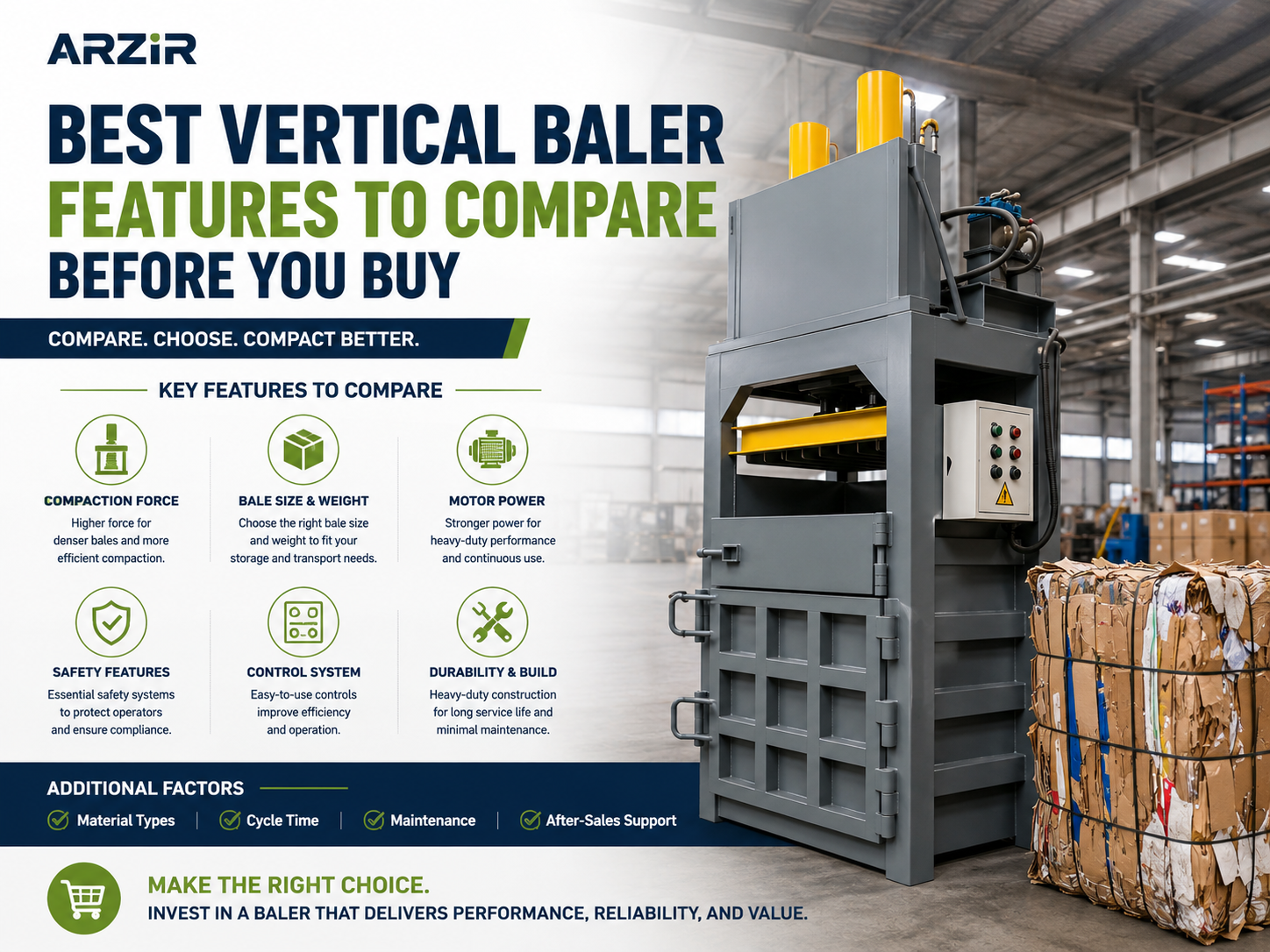
In the modern industrial landscape, efficient waste management is no longer just an environmental consideration; it is a critical component of operational profitability. For facilities dealing with large volumes of cardboard, plastic, textiles, or light metal scraps, a vertical baler is an indispensable tool. However, the market is saturated with various models, making it difficult to discern which machine offers the best value. Understanding the Best Vertical Baler Features Compare Before You Buy is essential for ensuring that your investment aligns with your production goals and safety standards.
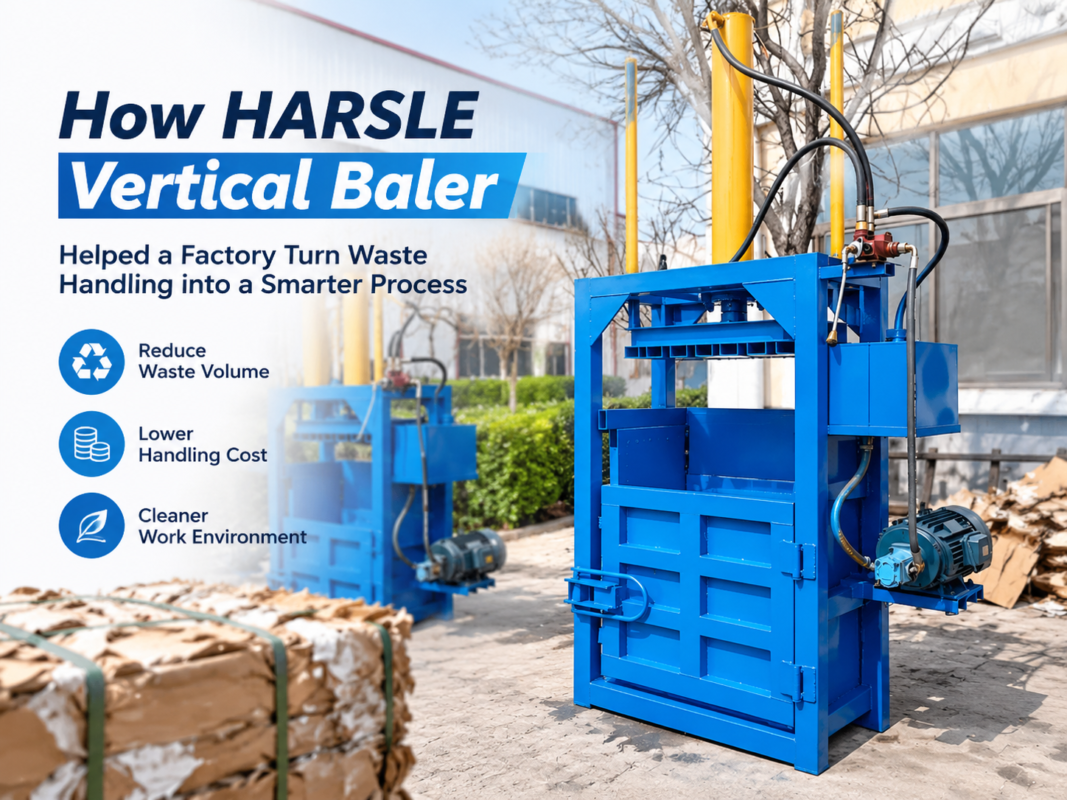
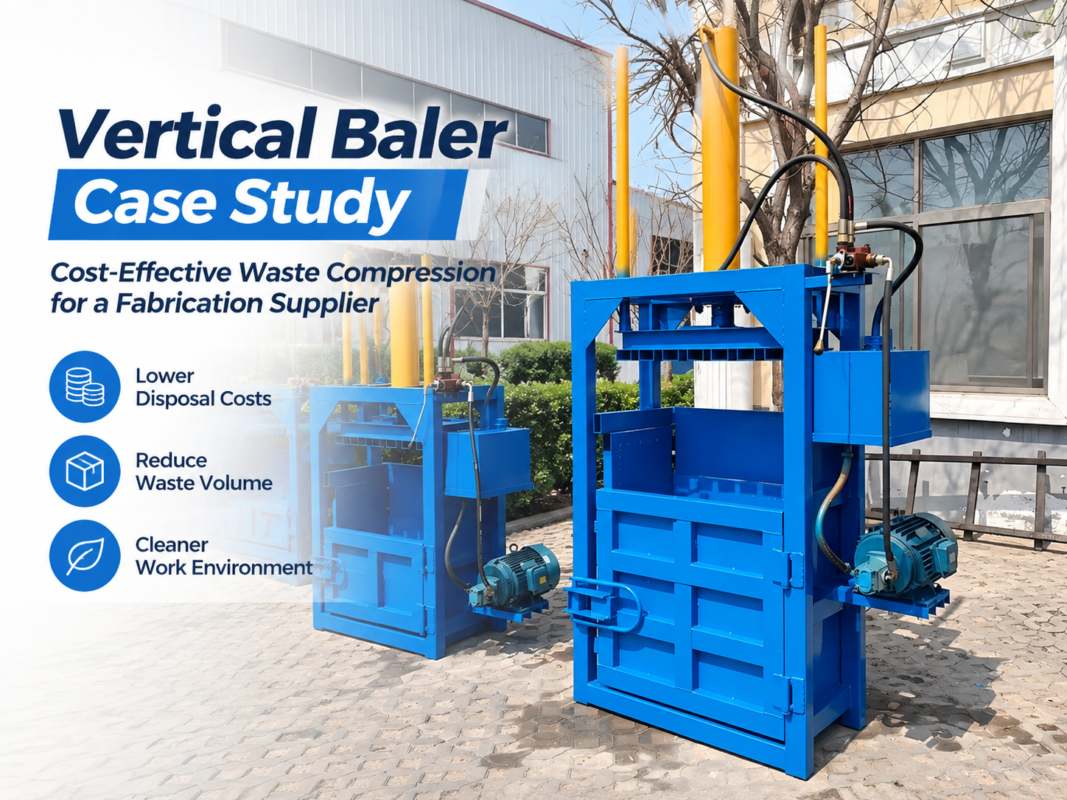
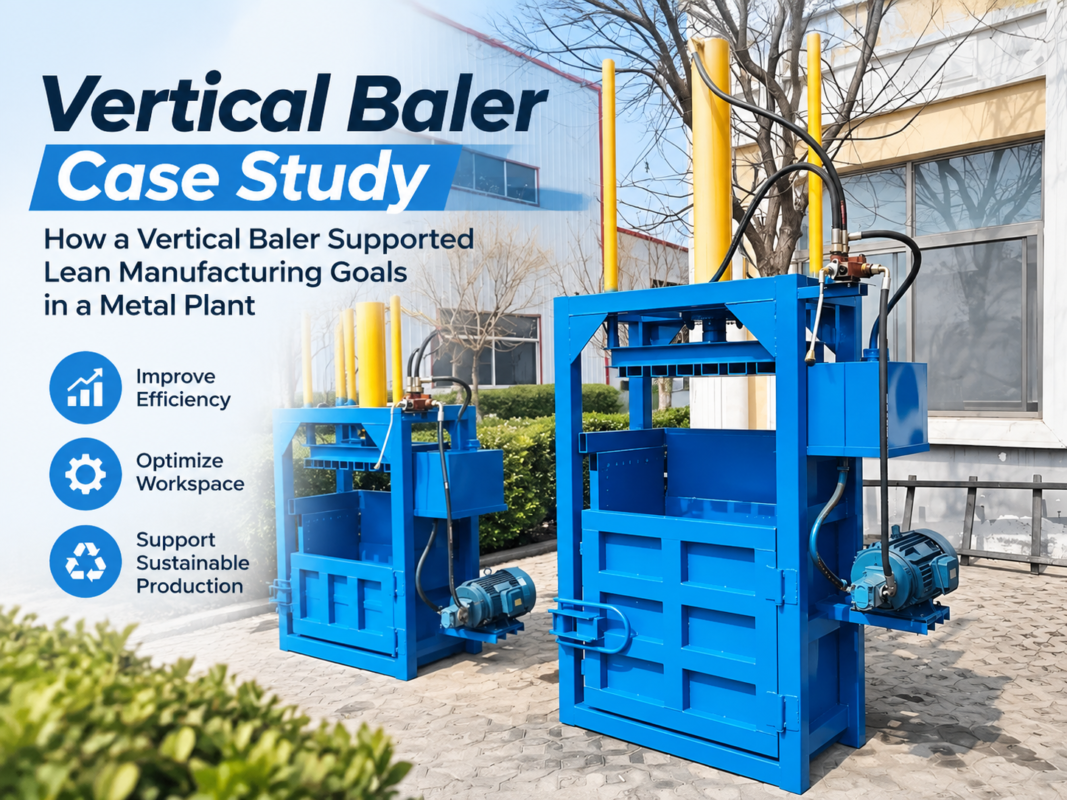
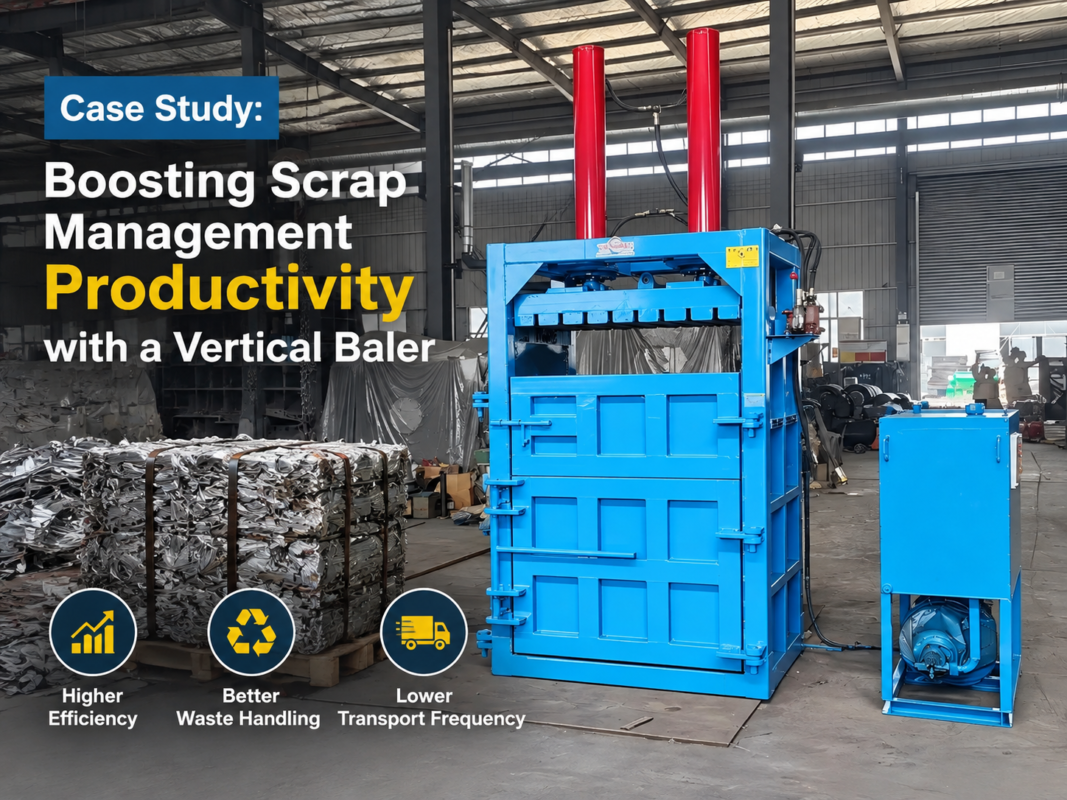
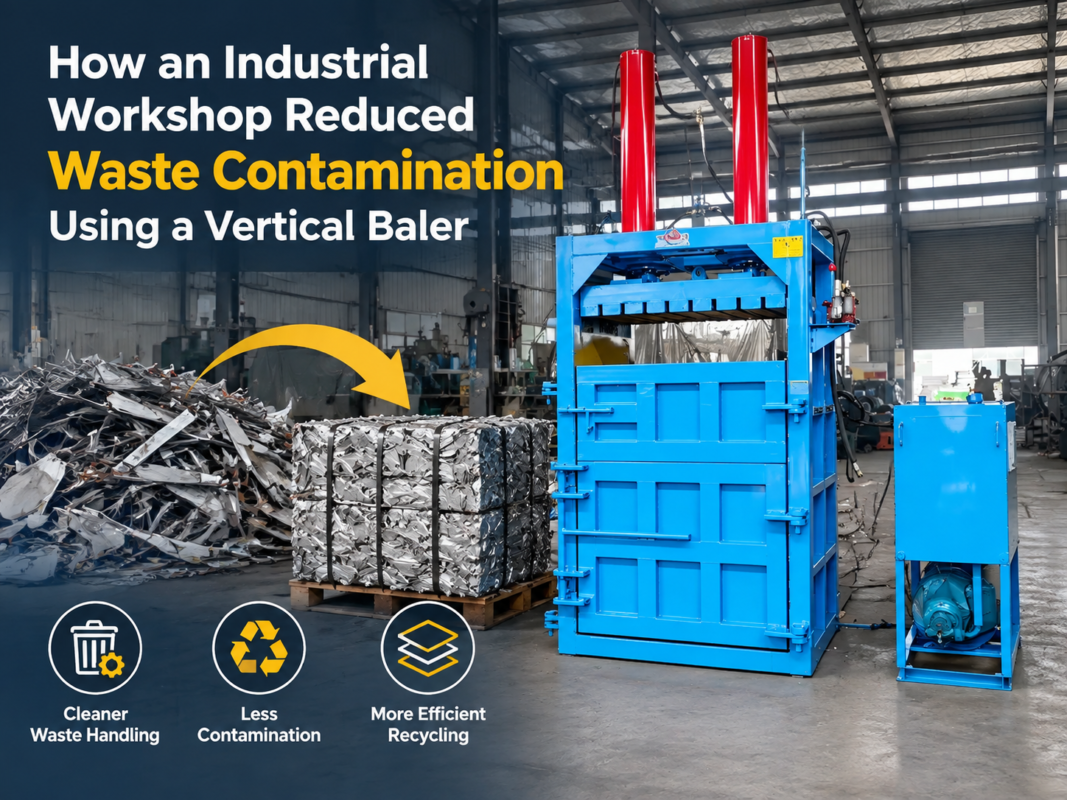
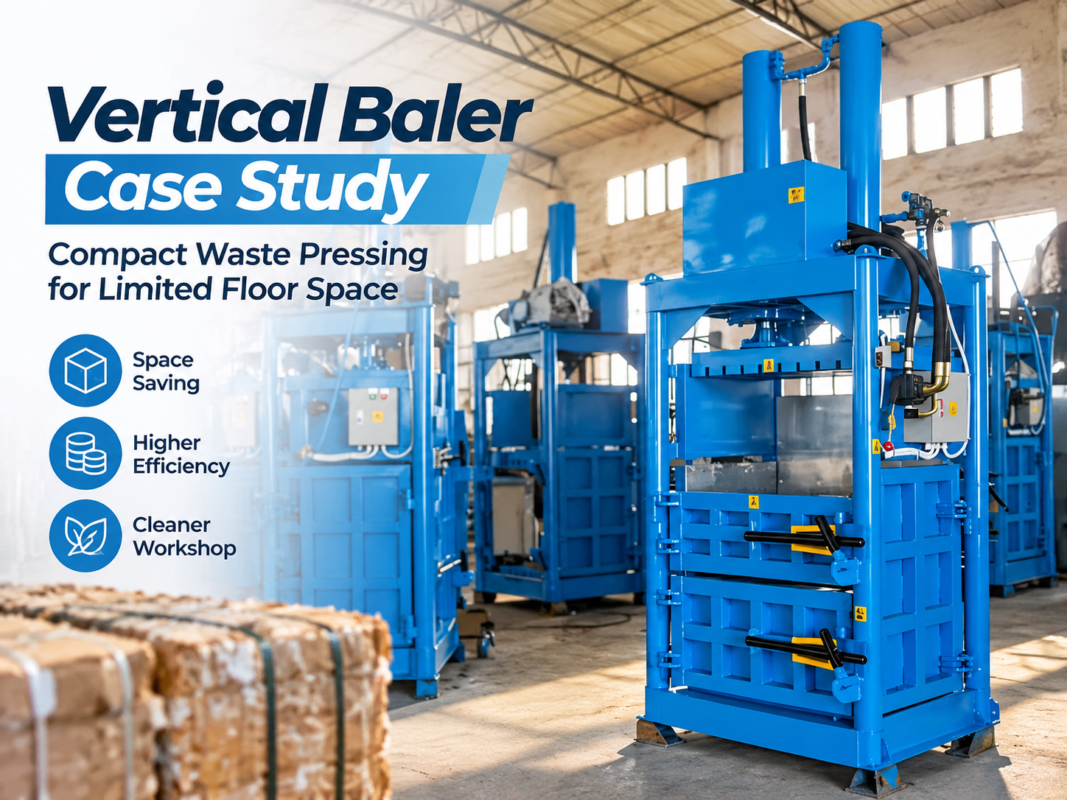
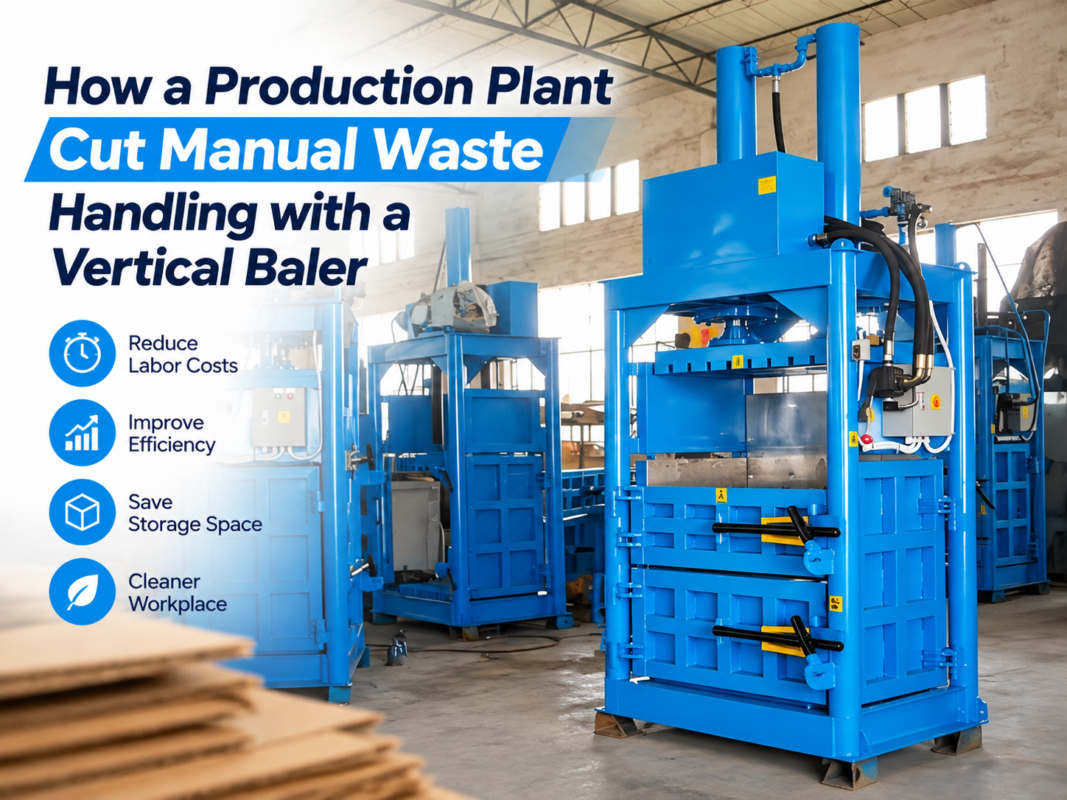
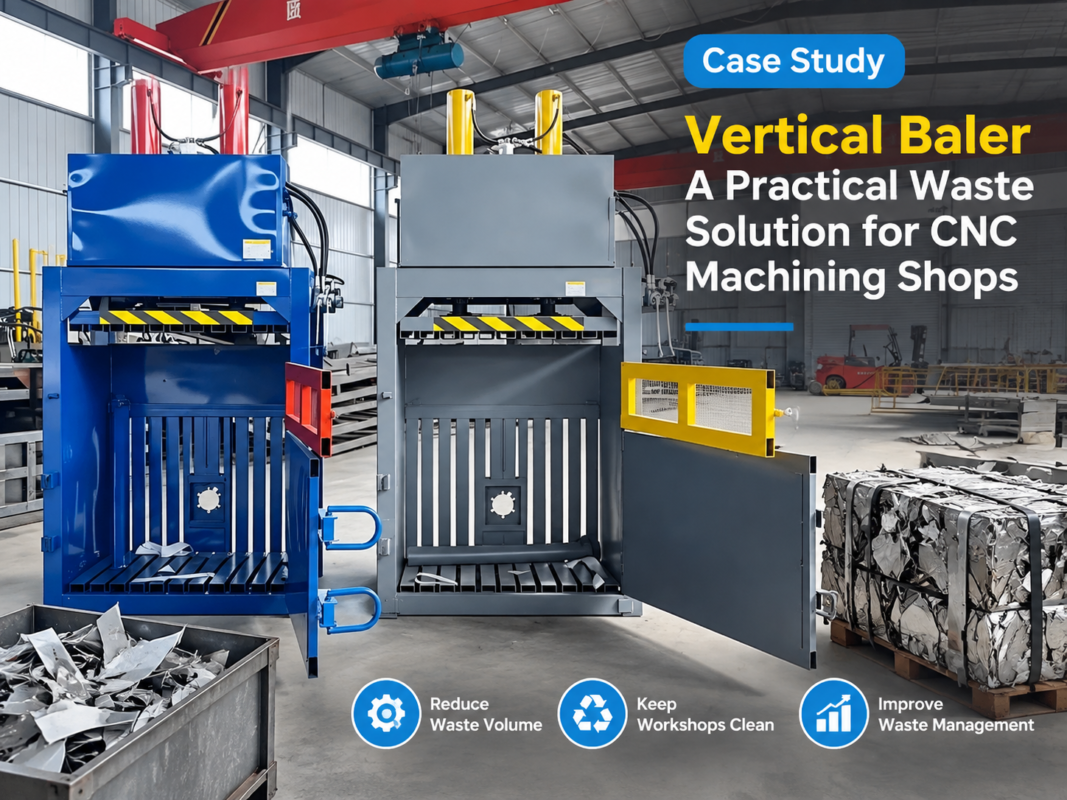
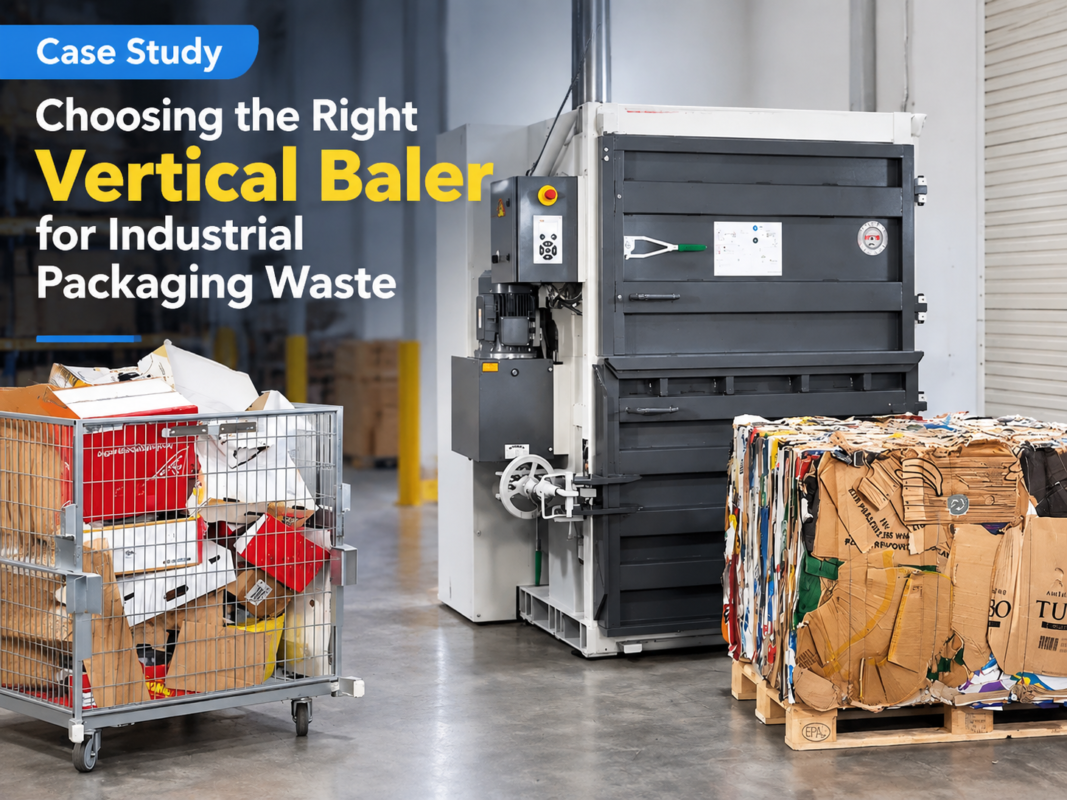
Vertical balers are designed to compress recyclable materials into dense, manageable blocks known as bales. These machines operate on a vertical axis, meaning the pressing ram moves from top to bottom. This design is particularly favored for its small footprint, making it ideal for retail spaces, warehouses, and manufacturing plants where floor space is at a premium. But beyond the physical dimensions, the internal components and technological features determine the machine’s longevity and efficiency.
When you begin your search, you will find that prices and capabilities vary wildly. A machine that looks sturdy on the outside might lack the hydraulic sophistication required for high-density baling. Conversely, an overpriced model might include features that your specific application doesn’t require. This guide aims to break down every technical and financial aspect of the vertical baler, providing you with a roadmap to make an informed decision.
Price Range Overview: What to Expect
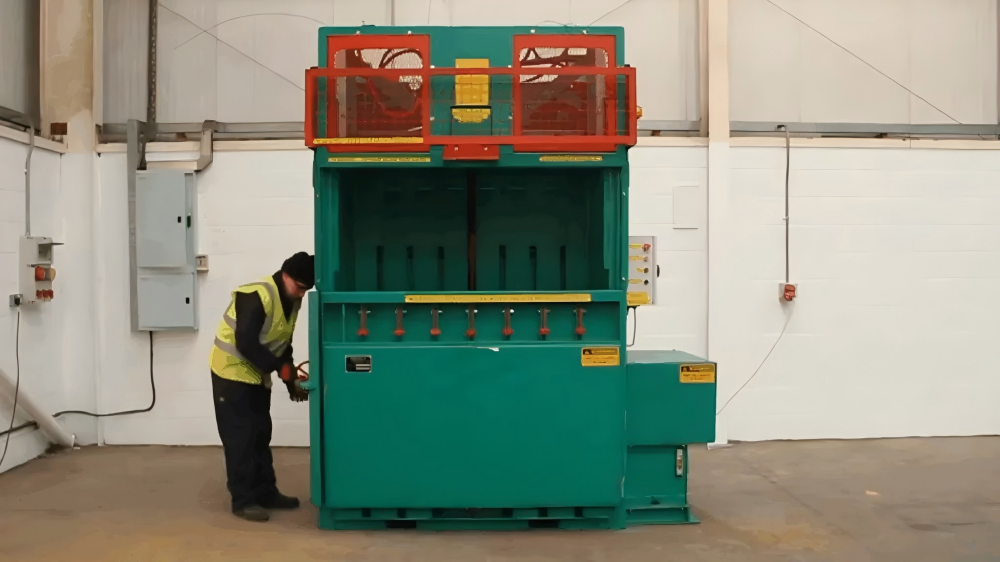
The cost of a vertical baler is influenced by its pressing force, chamber size, and automation level. Generally, industrial vertical balers fall into three primary price categories. Understanding these tiers helps you set a realistic budget based on your volume requirements.
Entry-Level Balers ($3,000 – $7,000)
Entry-level machines are typically designed for small retail outlets or businesses with low waste volumes. These units usually offer a pressing force between 5 to 15 tons. While they are affordable, they often feature manual controls and slower cycle times. They are best suited for baling light cardboard or soft plastics. However, they may lack the structural reinforcement needed for continuous heavy-duty use.
Mid-Range Industrial Balers ($8,000 – $18,000)
This is the most popular category for medium-sized warehouses and manufacturing facilities. These machines offer 20 to 50 tons of pressing force and are built with thicker steel frames. They often include semi-automatic features, such as automatic bale ejection systems and safety interlocks. In this range, you start to see high-quality hydraulic components from reputable brands, which significantly reduces long-term maintenance costs.
High-End Heavy-Duty Balers ($20,000 – $50,000+)
For high-volume recycling centers or large-scale industrial plants, heavy-duty balers are a necessity. These machines provide 60 to 100+ tons of pressure and are capable of baling difficult materials like aluminum cans, plastic jugs (PET/HDPE), and even light metal turnings. They feature advanced PLC (Programmable Logic Controller) systems, high-speed hydraulics, and heavy-duty structural components designed for 24/7 operation. When looking for the Best Vertical Baler Features Compare Before You Buy, the high-end segment offers the most sophisticated safety and efficiency technologies.
Main Cost Drivers in Vertical Baler Manufacturing
Why does one 50-ton baler cost $10,000 while another costs $18,000? The answer lies in the quality of the components and the engineering philosophy behind the machine. Here are the primary factors that drive the manufacturing cost and, ultimately, the purchase price.
1. Hydraulic System Quality
The heart of any baler is its hydraulic system. High-quality machines use premium pumps and valves (often from brands like Rexroth or Vickers) that can handle high pressures without leaking or overheating. The diameter of the hydraulic cylinder and the quality of the piston rod plating also play a massive role. A thicker, chrome-plated rod will resist wear and corrosion much better than a cheaper alternative, extending the life of the seals.
2. Structural Steel and Frame Integrity
The force exerted by a 50-ton ram is immense. If the frame is not constructed from high-grade structural steel (such as Q235B or Q345B), it will eventually warp or crack under the stress. Premium balers use reinforced “I-beam” constructions and heavy-duty door hinges to ensure the machine remains square over years of operation. The weight of the machine is often a good indicator of its structural quality; a heavier machine generally contains more steel and is more durable.
3. Motor and Electrical Components
The efficiency of the electric motor determines the cycle time and energy consumption. High-efficiency motors (IE3 standard) may cost more upfront but save thousands in electricity over the machine’s lifespan. Furthermore, the use of world-class electrical components (like Schneider or Siemens contactors and breakers) ensures that the machine is less prone to electrical failures and is easier to service globally.
Configuration Impact: Best Vertical Baler Features to Compare Before You Buy
When evaluating specific models, you must look beyond the price tag and compare the technical configurations. These features directly impact the daily usability and productivity of the machine.
Chamber Size and Bale Dimensions
The chamber size dictates how much material you can load at once, while the bale dimensions determine how many bales you can fit on a standard truck. If your goal is to sell your bales to a recycler, you must ensure the machine produces “mill-size” bales (typically 60 inches wide). Mill-size bales command the highest market price, whereas smaller, non-standard bales may actually cost you money to dispose of because they require extra handling by the recycler.
Cycle Time and Throughput
Cycle time is the duration it takes for the ram to move down, compress the material, and return to its starting position. A faster cycle time (e.g., 35 seconds vs. 55 seconds) means your employees spend less time standing in front of the machine and more time on their primary tasks. Over a year, a 20-second difference per cycle can equate to hundreds of hours in labor savings.
Bale Ejection Systems
Manual bale removal is labor-intensive and potentially dangerous. The Best Vertical Baler Features Compare Before You Buy list should always include an automatic bale ejection system. Most modern industrial balers use a hydraulic or chain-driven ejector that tips the finished bale onto a pallet automatically. This feature enhances safety and significantly speeds up the unloading process.
Safety Interlocks and Compliance
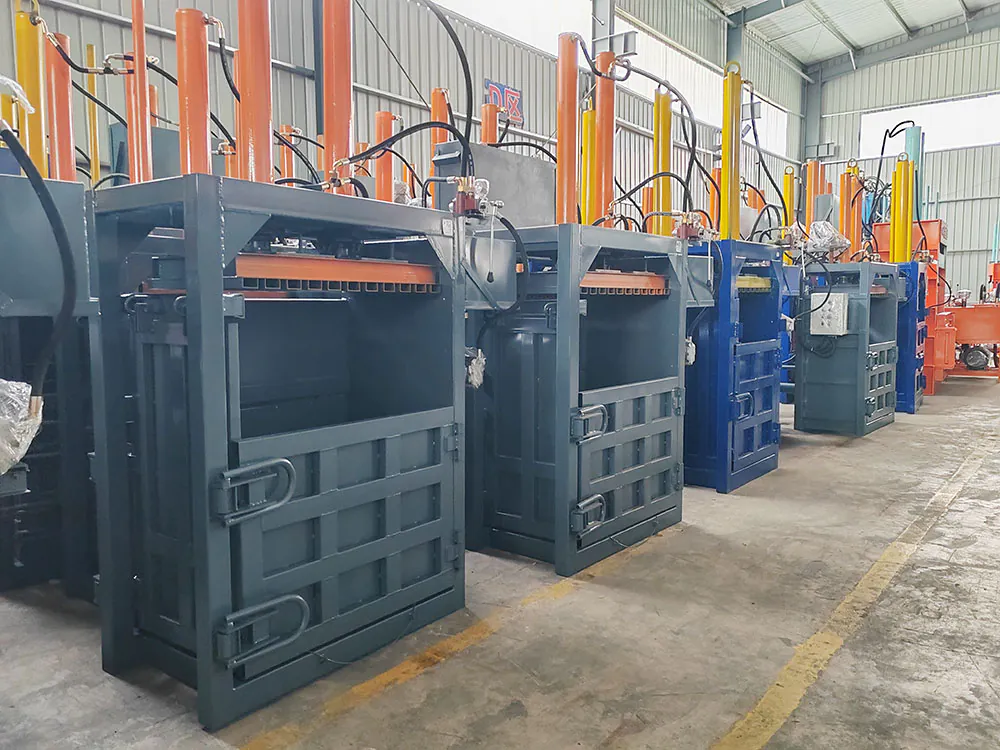
Safety is paramount in any industrial setting. Ensure the baler complies with CE or ANSI standards. Key safety features include dual-hand controls (to keep hands away from the ram), magnetic safety switches on doors (to prevent operation while the door is open), and emergency stop buttons. Some advanced models also feature “gate-closed” sensors that prevent the cycle from starting if the loading gate is not properly latched.
Hidden Costs of Owning a Vertical Baler
The purchase price is only the beginning. To calculate the true cost of ownership, you must account for several often-overlooked expenses.
- Installation and Commissioning: Does the price include delivery to your floor? Do you have the necessary electrical infrastructure (e.g., 3-phase power) to run the machine?
- Hydraulic Oil: Large balers require significant amounts of hydraulic oil (often 60-100 liters). This oil needs to be changed periodically to maintain system health.
- Consumables: You will need baling wire or high-strength polyester strapping to secure the bales. Depending on your volume, this can be a significant monthly expense.
- Maintenance and Wear Parts: Items like oil filters, door seals, and limit switches will eventually need replacement. Choosing a brand like HARSLE ensures that spare parts are readily available.
- Training: Proper operator training is essential to prevent machine damage and workplace injuries. Factor in the time required to train your staff on safe operation and basic maintenance.
ROI Calculation: Is a Vertical Baler Worth It?
To justify the purchase of a vertical baler, you should perform a Return on Investment (ROI) calculation. The primary savings come from three areas: labor, floor space, and waste disposal fees.
Labor Savings
Without a baler, employees often spend hours breaking down boxes manually. With a baler, they can simply toss the whole boxes into the chamber. If a baler saves 10 man-hours per week at $20/hour, that’s $10,400 in annual labor savings alone.
Waste Disposal Reductions
Waste management companies charge by the “pull” (each time they empty your dumpster). Loose cardboard fills dumpsters quickly. By baling the cardboard, you reduce the volume of waste by up to 90%, meaning far fewer dumpster pickups. In many cases, recyclers will even pay you for your bales, turning a waste expense into a revenue stream.
The ROI Formula
A simple way to look at it is: (Annual Disposal Savings + Annual Labor Savings + Revenue from Bales) / Total Machine Cost = ROI %. Most industrial facilities find that a high-quality vertical baler pays for itself within 12 to 24 months.
Buying Advice: How to Choose the Right Model
When you are ready to buy, follow these expert tips to ensure you get the best machine for your needs:
- Analyze Your Material: Not all balers are equal. If you are baling plastic film, you need a machine with a long stroke to ensure maximum compression. If you are baling metal scraps, you need a heavy-duty model with high-tensile steel liners.
- Check the Power Supply: Ensure your facility can support the motor’s requirements. While some small balers run on 110V/220V single-phase, most industrial units require 380V-480V three-phase power.
- Evaluate the Manufacturer’s Reputation: Buy from companies like HARSLE that have a proven track record in metal fabrication and industrial machinery. Look for reviews, case studies, and the availability of technical support.
- Request a Video Demo: If you cannot visit the factory, ask for a video of the machine baling your specific material. This confirms the cycle time and the density of the final bale.
- Prioritize Safety Over Price: Never compromise on safety features. A single workplace accident can cost far more than the price difference between a cheap machine and a high-quality, compliant one.
Technical Specifications Comparison Table
| Feature | Entry-Level (10T) | Standard Industrial (30T) | Heavy-Duty (60T+) |
|---|---|---|---|
| Pressing Force | 10 Tons | 30 Tons | 60-100 Tons |
| Bale Weight (Cardboard) | 50-100 kg | 250-350 kg | 450-600 kg (Mill Size) |
| Motor Power | 2.2 kW | 5.5 – 7.5 kW | 11 – 18.5 kW |
| Cycle Time | 50-60 Seconds | 40-45 Seconds | 30-35 Seconds |
| Control System | Manual Lever | Electric Button / PLC | Advanced PLC with Touchscreen |
| Best For | Small Retail / Offices | Warehouses / Distribution | Recycling Centers / Factories |
Frequently Asked Questions (FAQ)
What is the most important feature in a vertical baler?
While pressing force is vital, the Best Vertical Baler Features Compare Before You Buy should prioritize structural integrity and hydraulic reliability. A 50-ton baler with a weak frame will fail much sooner than a well-built 30-ton machine.
Can I bale different materials in the same machine?
Yes, most vertical balers are versatile. However, you should adjust the settings (if the machine has a PLC) for different materials. For example, plastic requires a longer “dwell time” (holding the ram down) to prevent the material from springing back.
How often does a vertical baler need maintenance?
Daily checks should include inspecting for hydraulic leaks and ensuring safety sensors are clean. A full professional service, including oil filter changes and structural inspections, should be performed every 6 to 12 months depending on usage volume.
Is a vertical baler better than a horizontal baler?
It depends on volume. Vertical balers are better for small to medium volumes and save floor space. Horizontal balers are designed for continuous, high-volume automation but require significantly more space and a higher initial investment.
What safety certifications should I look for?
In Europe, look for the CE mark. In North America, look for ANSI Z245.5 compliance and UL-listed electrical components. These certifications ensure the machine meets rigorous safety and quality standards.
Conclusion
Investing in a vertical baler is a strategic move that can significantly enhance your facility’s efficiency and sustainability. By focusing on the Best Vertical Baler Features Compare Before You Buy—such as hydraulic quality, structural reinforcement, and safety compliance—you ensure that your machine will provide a reliable service for years to come. At HARSLE, we specialize in providing high-performance industrial machinery designed to meet the rigorous demands of modern waste management. Whether you are looking for your first baler or upgrading an existing system, prioritizing quality and technical specifications will always yield the best long-term ROI.