Vertical Baler Purchase Guide: Comparing Manual, Semi-Automatic, and Heavy-Duty Models

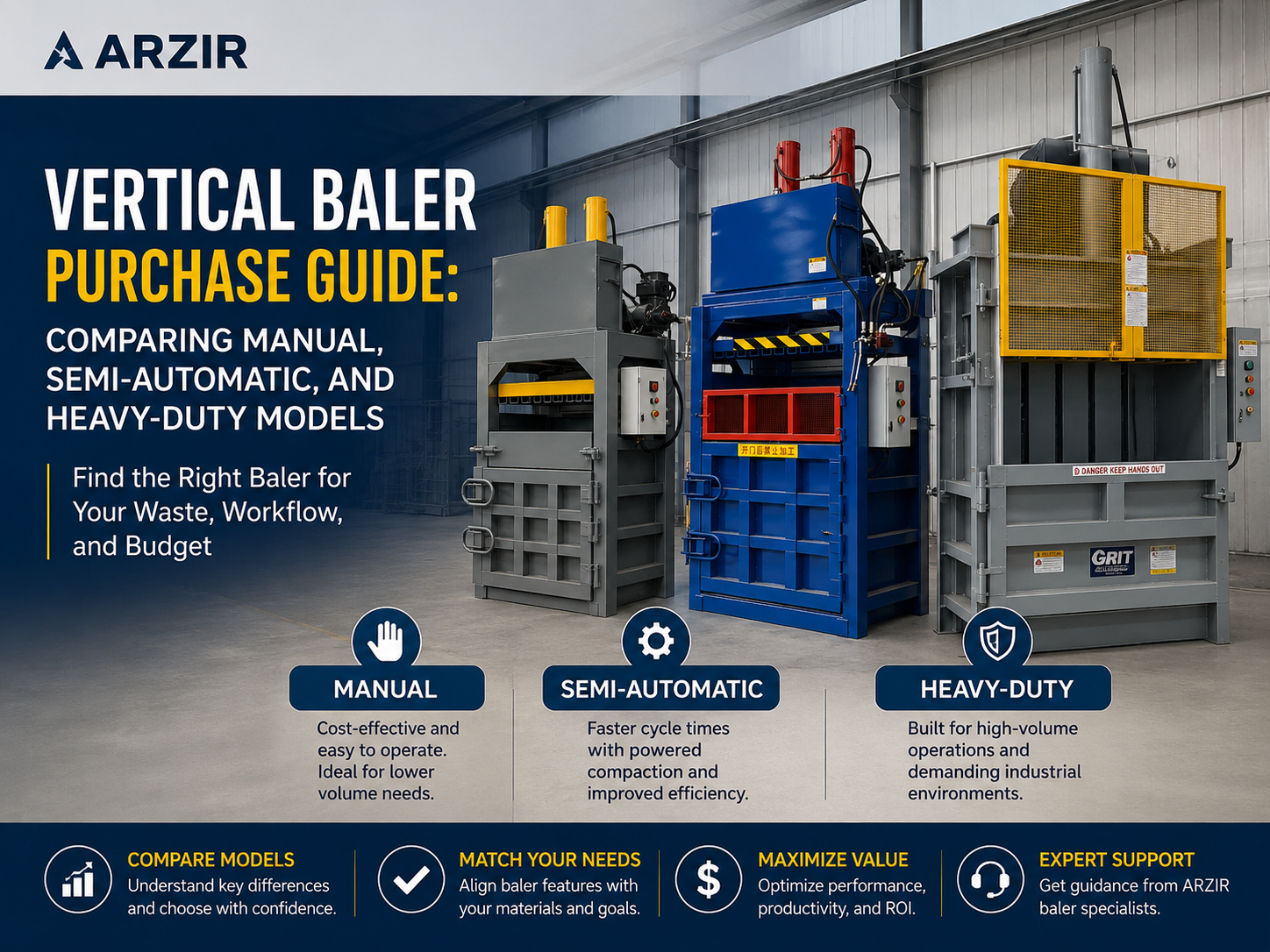
Introduction to Vertical Baler Selection
In the modern industrial landscape, waste management is no longer just a logistical necessity; it is a critical component of operational efficiency and sustainability. For businesses dealing with significant volumes of cardboard, plastic, textiles, or light metal scrap, a vertical baler is an indispensable tool. However, the market offers a wide spectrum of machinery, ranging from basic manual units to sophisticated heavy-duty industrial systems. Navigating this landscape requires a deep understanding of your facility’s specific needs, volume throughput, and long-term financial goals.
Choosing the right vertical baler involves more than just looking at the price tag. It requires a comprehensive analysis of the material types you handle, the space available in your facility, and the labor resources you can allocate to waste processing. A well-chosen baler can transform a cluttered warehouse into a streamlined operation, turning waste disposal costs into a potential revenue stream through the sale of high-density bales to recycling centers. This guide aims to provide a detailed comparison of manual, semi-automatic, and heavy-duty vertical balers to help you make an informed investment.
Price Range Overview: What to Expect
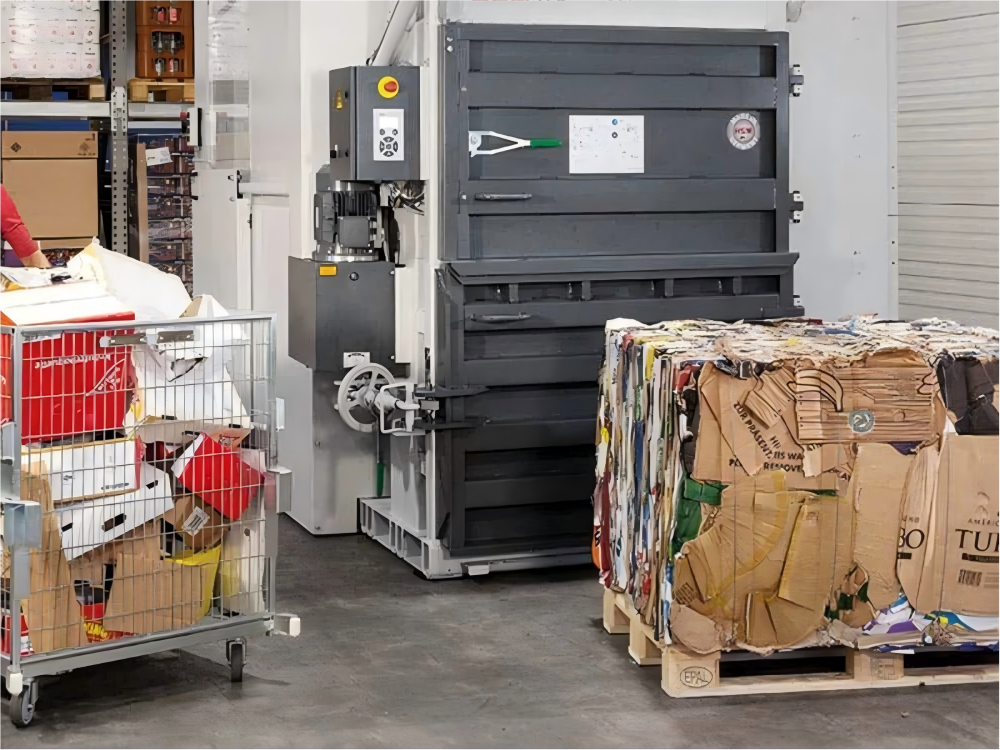
The cost of a vertical baler is primarily determined by its pressing force (tonnage), bale size, and level of automation. Entry-level manual vertical balers typically range from $2,500 to $6,000. These machines are designed for small retail outlets or workshops that produce a few bales per week. They require significant operator involvement but offer a low barrier to entry for businesses looking to start their recycling journey.
Mid-range semi-automatic models generally fall between $7,000 and $18,000. These units often feature higher tonnage (30 to 50 tons) and automated bale ejection systems, which significantly reduce the physical strain on workers. They are the “workhorses” of the industry, suitable for medium-sized distribution centers and manufacturing plants that need to process several tons of material daily.
Heavy-duty industrial vertical balers represent the top tier of the market, with prices ranging from $20,000 to over $45,000. These machines are built with reinforced steel frames, high-performance hydraulic systems (60 to 100+ tons), and advanced PLC controls. They are designed for 24/7 operation in high-volume recycling facilities or large-scale industrial plants where bale density and throughput are the primary KPIs.
Main Cost Drivers in Vertical Baler Manufacturing
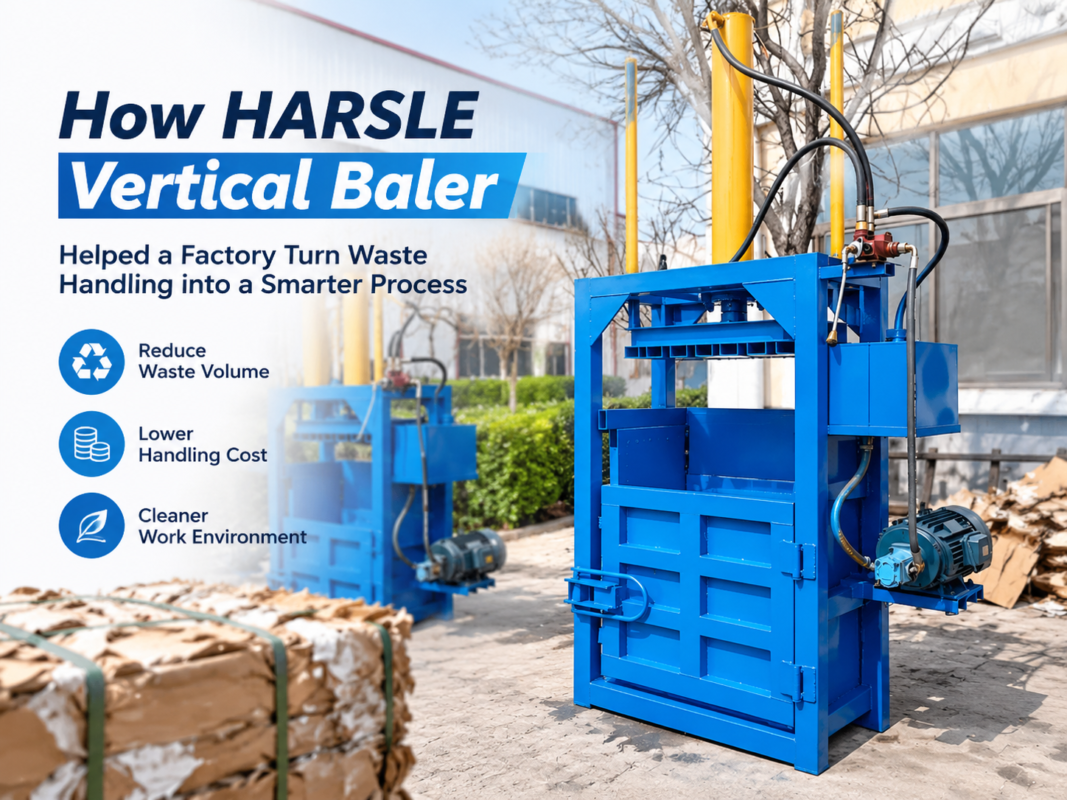
When evaluating the price of a HARSLE vertical baler or any industrial model, several technical factors drive the final cost. The most significant is the hydraulic system. A high-quality hydraulic pump and cylinder assembly must be able to withstand thousands of cycles without leaking or losing pressure. The quality of the valves and the inclusion of oil cooling systems for high-use environments add to the manufacturing cost but ensure long-term reliability.
The structural integrity of the frame is another major cost driver. Heavy-duty balers use thicker steel plates and more extensive welding to prevent the frame from warping under the immense pressure of the hydraulic ram. A machine rated for 60 tons of pressure requires a much more robust chassis than a 10-ton unit. Furthermore, the inclusion of premium electrical components, such as Siemens motors or Schneider electrics, increases the initial price but reduces the likelihood of electrical failure and simplifies the sourcing of replacement parts.
Safety features also play a role in pricing. Modern balers must comply with strict safety standards (such as CE or ANSI). This includes magnetic interlock switches on doors, emergency stop buttons, and two-handed operation controls. While these features add to the cost, they are non-negotiable for protecting workers and reducing corporate liability. Finally, the complexity of the control system—ranging from simple manual levers to touchscreen PLC interfaces—contributes to the overall investment.
Configuration Impact: Tonnage, Bale Size, and Cycle Time
The configuration of a vertical baler directly impacts its productivity. Tonnage, or the pressing force, determines how tightly the material is compressed. For cardboard, a 30-ton baler is often sufficient, but for denser materials like plastic containers or aluminum cans, a 50-ton or 60-ton unit is required to achieve a stable, transportable bale. Higher tonnage results in denser bales, which reduces the number of trips required for waste pickup, directly lowering logistics costs.
Bale size is another critical configuration factor. Standard “mill-size” bales (typically 60 inches wide) are the industry standard for recycling centers. If your baler produces smaller, non-standard bales, you may receive a lower price for your recycled material or even be charged a handling fee. However, smaller machines are necessary for facilities with limited ceiling height or narrow doorways. It is essential to match the bale size to both your space constraints and the requirements of your local recycler.
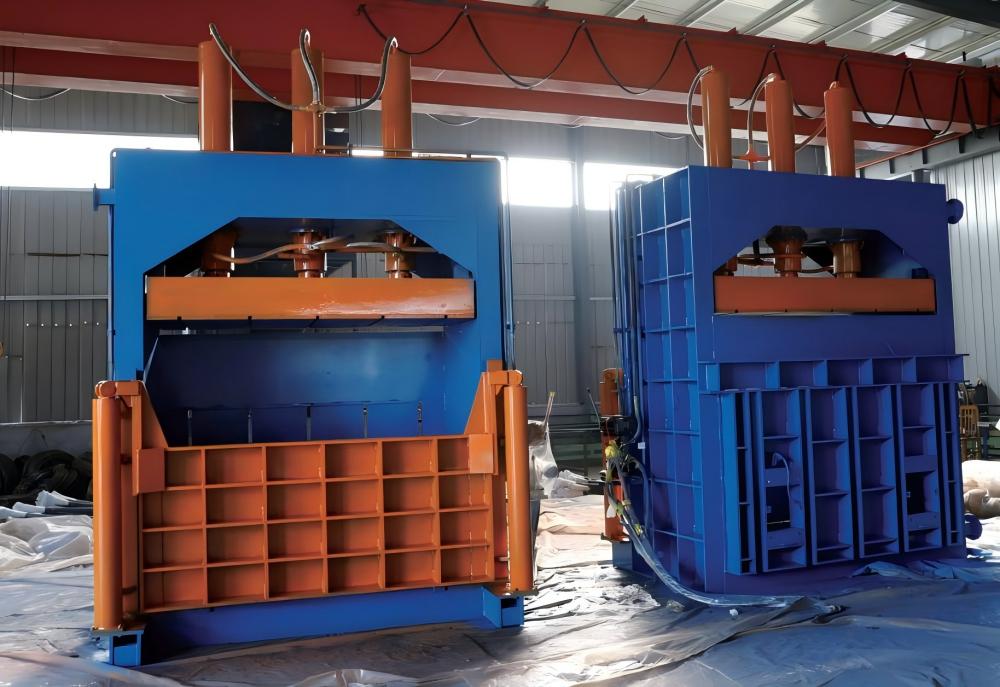
Cycle time—the time it takes for the ram to move down and return to its starting position—is the primary metric for throughput. Manual and entry-level models may have cycle times of 50 to 60 seconds. In contrast, high-performance heavy-duty models can complete a cycle in 25 to 35 seconds. While a 20-second difference might seem negligible, it adds up significantly over an eight-hour shift, potentially allowing for 30% more bales to be produced per day.
Hidden Costs: Beyond the Initial Purchase
The sticker price of a vertical baler is only part of the Total Cost of Ownership (TCO). One of the most overlooked hidden costs is freight and installation. These machines are heavy and often require specialized rigging and forklifts to move into place. Additionally, some models require a 3-phase power supply, which may necessitate electrical upgrades to your facility. Always factor in the cost of a professional electrician to ensure the machine is wired correctly and safely.
Consumables are another ongoing expense. Baling wire or high-strength polyester strapping is required to secure every bale. Depending on your volume, these costs can range from a few hundred to several thousand dollars per year. Maintenance is also a recurring cost. Hydraulic oil needs to be changed periodically, and seals or hoses may need replacement after several years of use. Implementing a preventative maintenance schedule is vital to avoid the high cost of emergency repairs and unplanned downtime.
Energy consumption should also be considered. While vertical balers only consume significant power during the compression cycle, a machine with an inefficient motor or hydraulic system can lead to higher utility bills over time. Choosing a model with an energy-efficient motor or an auto-shutoff feature can mitigate these costs. Lastly, consider the cost of operator training. Ensuring that your staff knows how to load the machine efficiently and tie off bales safely will maximize productivity and minimize the risk of accidents.
ROI Calculation: Turning Waste into Profit
Calculating the Return on Investment (ROI) for a vertical baler is a straightforward process that often reveals surprising benefits. The primary source of ROI is the reduction in waste disposal fees. Most waste management companies charge by the “pull” (each time they empty a dumpster). By baling cardboard and plastic, you can reduce the volume of your loose waste by up to 90%, drastically reducing the frequency of dumpster pickups.
For example, if a facility currently pays $1,200 a month for daily dumpster pickups and can reduce that to once a week by baling, the monthly savings are $900. Over a year, that is $10,800 in direct savings. Furthermore, many recycling companies will pay for mill-sized bales of clean cardboard or plastic. While the market price for recyclables fluctuates, this creates a secondary revenue stream that further accelerates the payback period.
Labor savings also contribute to ROI. Without a baler, employees often spend significant time breaking down boxes manually or walking back and forth to an outdoor compactor. A strategically placed vertical baler allows for immediate processing of waste at the source. In many cases, a mid-range vertical baler can pay for itself in 12 to 18 months through a combination of reduced disposal fees, recycling revenue, and improved labor efficiency.
Buying Advice: Choosing the Right Model for Your Needs
When you are ready to make a Vertical Baler Purchase : Comparing Manual, Semi-Automatic, Heavy-Duty Models, start by auditing your waste stream. Weigh your waste for one week to determine your average daily volume. If you produce less than 500 lbs of cardboard a day, a manual or small semi-automatic unit is likely sufficient. If you are processing multiple tons, a heavy-duty model is a necessity to handle the load without premature wear.
Consider your material type carefully. If you are baling “springy” materials like plastic film or foam, look for a baler with “retainer dogs” (metal teeth inside the chamber) that prevent the material from expanding upward when the ram retracts. For heavy materials like aluminum cans or crushed PET bottles, ensure the machine has a high-tonnage rating and a heavy-duty door locking mechanism to prevent the door from bowing under pressure.
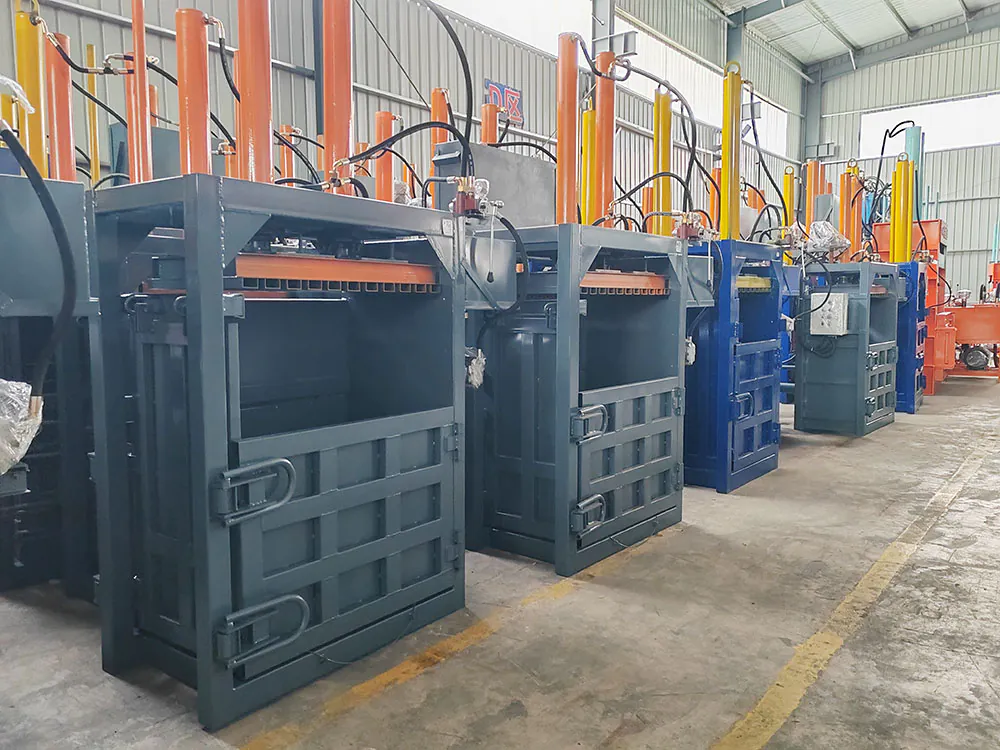
Finally, evaluate the manufacturer’s support and warranty. A machine is only as good as the service behind it. Companies like HARSLE provide comprehensive technical support and readily available spare parts, which is crucial for minimizing downtime. Check the warranty terms for the frame, the hydraulics, and the electrical components. A longer warranty on the structural frame is often a good indicator of the manufacturer’s confidence in their build quality.
Frequently Asked Questions (FAQ)
1. What is the difference between a vertical and horizontal baler?
Vertical balers are loaded from the front and compress material downward. They have a smaller footprint and are generally more affordable, making them ideal for small to medium volumes. Horizontal balers are loaded from the top (often via conveyor) and compress material sideways. They are designed for extremely high volumes and continuous operation but require much more floor space and a higher investment.
2. Can I bale different materials in the same machine?
Yes, most vertical balers are versatile enough to handle cardboard, plastic, and even light textiles. However, you should never mix materials within a single bale, as this will contaminate the load and make it unrecyclable. It is also important to adjust the pressure settings if your machine allows it, as different materials require different compression forces.
3. How much ceiling height do I need for a vertical baler?
This is a critical consideration. Because the hydraulic cylinder sits on top of the machine, vertical balers can be quite tall. A standard 60-inch baler may require 10 to 12 feet of ceiling clearance. If you have low ceilings, look for “low-profile” models that use cross-cylinder designs to reduce the overall height of the machine without sacrificing pressing force.
4. Is it better to buy or lease a vertical baler?
Buying a baler outright offers the best long-term ROI since you own the asset and have no ongoing monthly payments. However, leasing can be a good option for businesses that want to preserve capital or want to include maintenance costs in a single monthly fee. Many equipment dealers offer flexible leasing programs that can be tailored to your cash flow.
5. How long does a typical vertical baler last?
With proper maintenance, a high-quality industrial vertical baler can last 15 to 20 years or more. The lifespan depends heavily on the volume of material processed and the regularity of maintenance tasks like oil changes and seal inspections. Heavy-duty models are generally built to last longer under strenuous conditions than entry-level manual units.
6. What safety certifications should I look for?
In the United States, look for ANSI Z245.5 compliance. In Europe and many other international markets, CE certification is the standard. These certifications ensure the machine meets specific safety requirements regarding guarding, electrical safety, and emergency stop functionality. Never operate a baler that has had its safety interlocks bypassed.