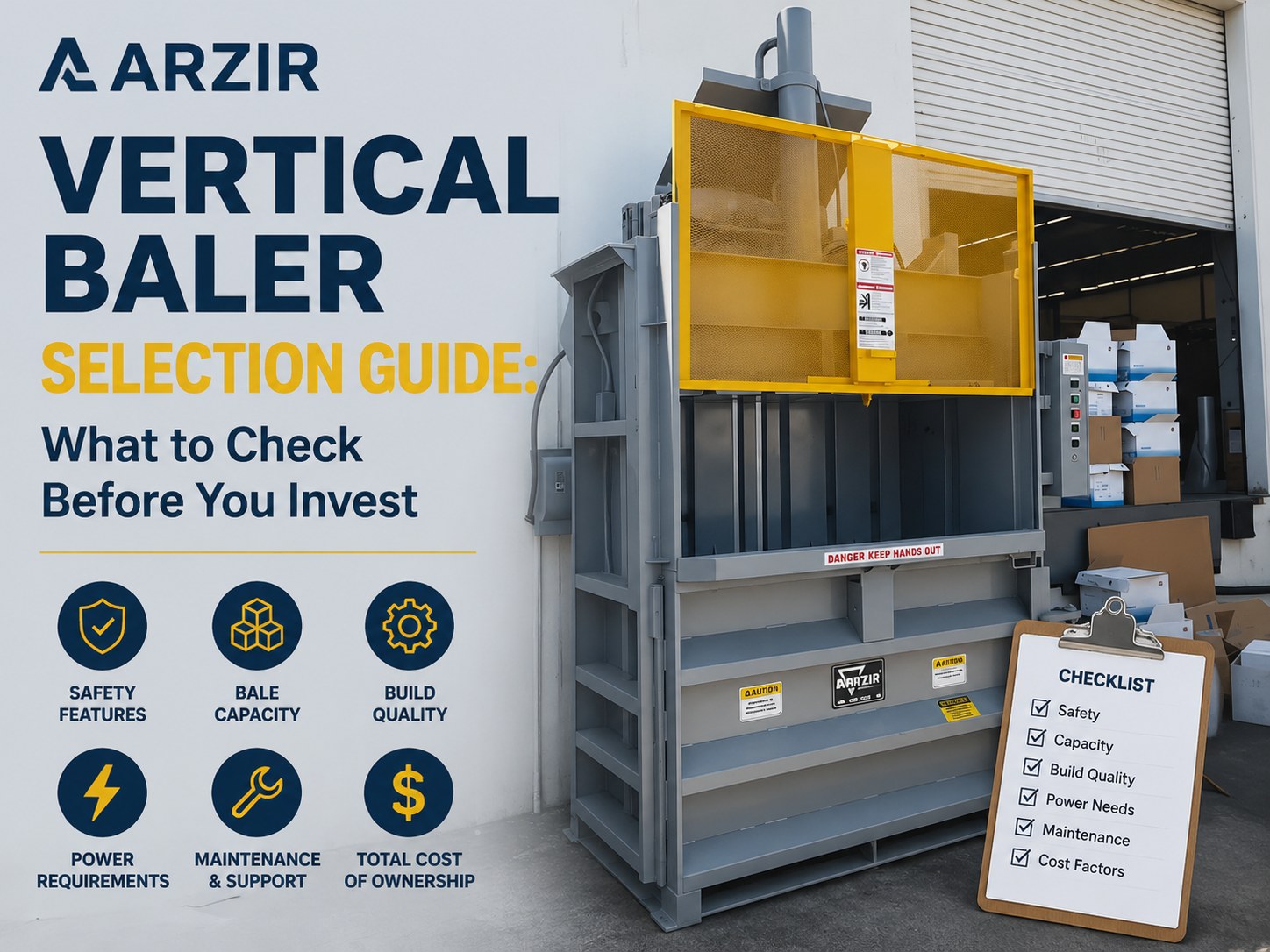
Vertical Baler Selection Guide: What to Check Before You Invest

Introduction to Vertical Baler Investment
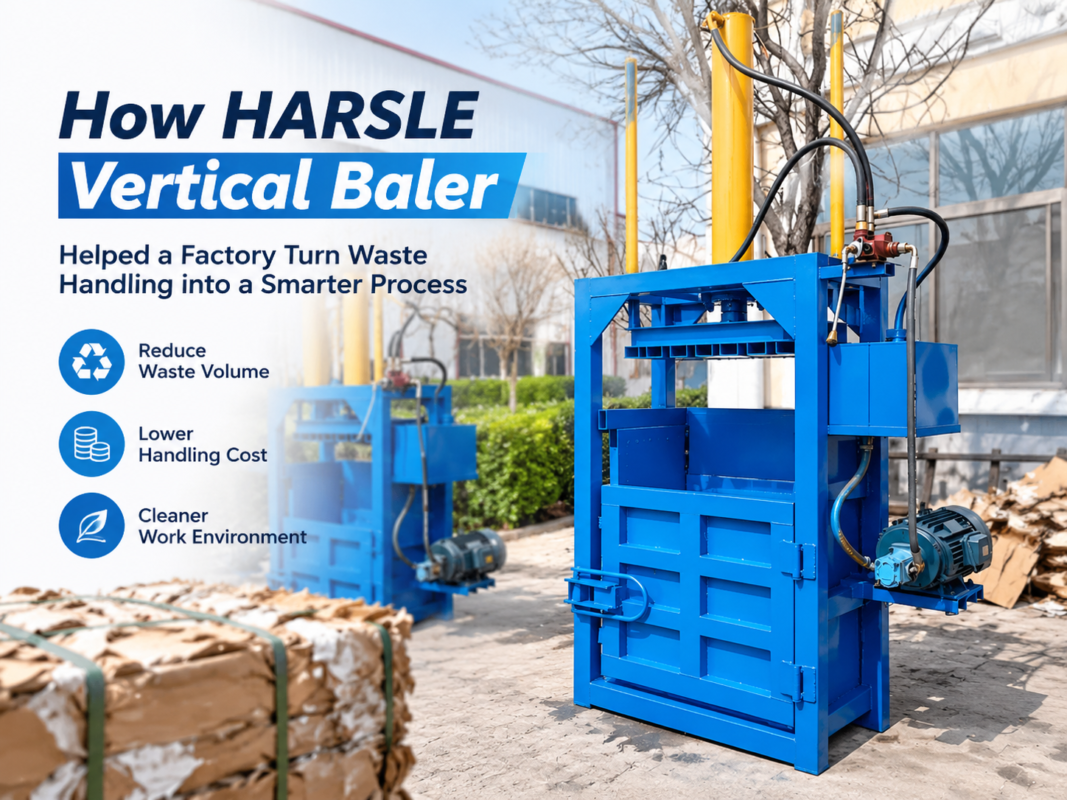
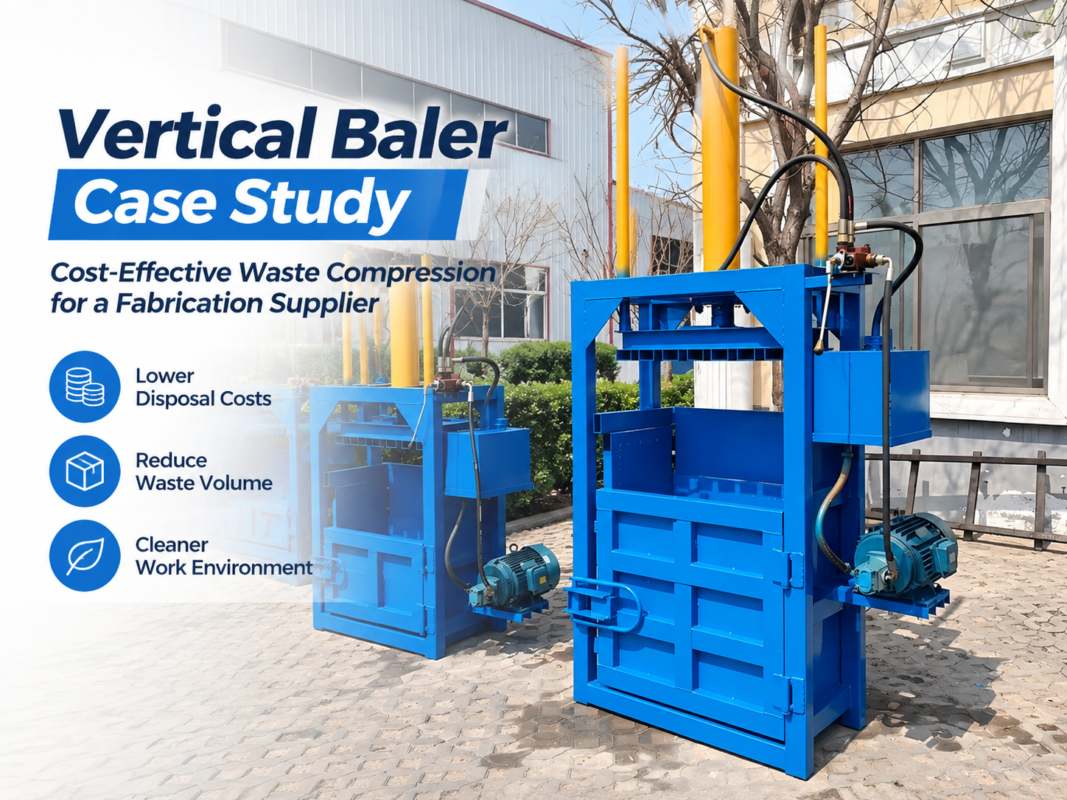
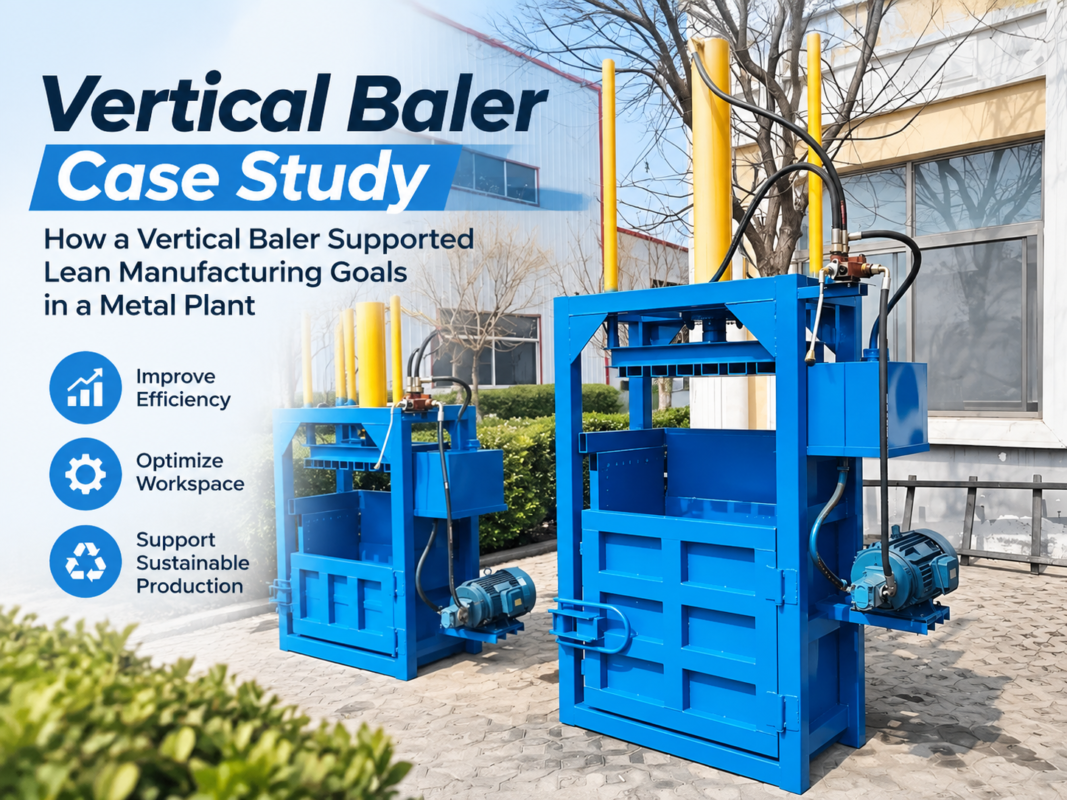
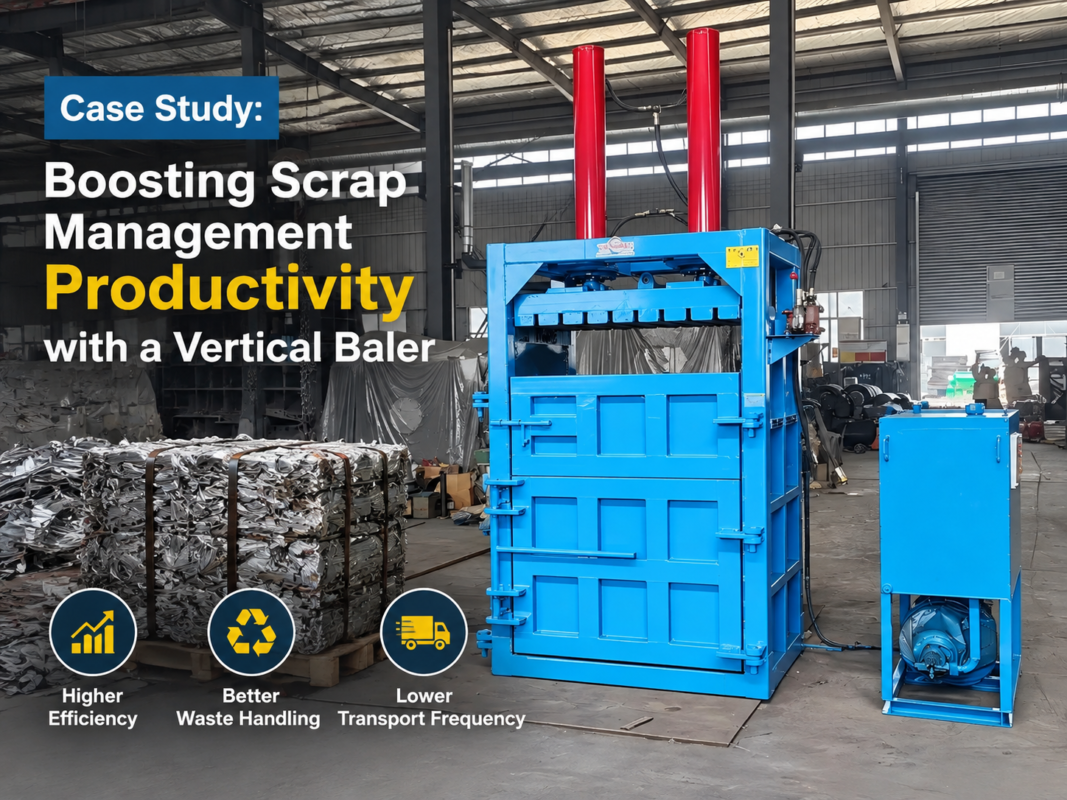
In the modern industrial landscape, waste management is no longer just a matter of cleanliness; it is a critical component of operational efficiency and environmental sustainability. For businesses dealing with high volumes of cardboard, plastic, textiles, or light metal scraps, a vertical baler is an indispensable tool. However, the market is flooded with various models, tonnages, and configurations, making the selection process daunting for many procurement managers. This guide, ‘Vertical Baler Selection: Check Before You Invest,’ aims to provide a comprehensive roadmap to ensure your investment yields the highest possible return.
Choosing the right vertical baler requires a deep understanding of your facility’s waste stream, labor availability, and long-term financial goals. A mismatched machine can lead to bottlenecks, safety hazards, or unnecessary maintenance costs. Conversely, a well-selected baler streamlines logistics, reduces fire risks associated with loose waste, and can even turn a waste expense into a revenue stream through the sale of high-density bales to recyclers. HARSLE, as a leader in metal fabrication and industrial machinery, emphasizes the importance of technical scrutiny before signing any purchase order.
Price Range Overview: Understanding the Market Tiers
When beginning your vertical baler selection process, the first thing you will notice is the wide variance in pricing. Generally, vertical balers can be categorized into three main tiers based on their capacity, build quality, and automation features. Understanding these tiers helps set realistic budget expectations and prevents the mistake of under-investing in a machine that cannot handle your workload.
- Entry-Level/Small-Scale Balers ($2,500 – $6,000): These machines are typically designed for retail environments or small warehouses. They offer a press force of 5 to 15 tons and produce smaller bales (often under 100kg). While affordable, they are not built for continuous 24/7 operation and usually feature manual controls and basic safety mechanisms.
- Mid-Range Industrial Balers ($6,000 – $15,000): This is the most common category for manufacturing plants and distribution centers. These balers provide 30 to 60 tons of pressure and produce ‘mill-size’ bales (approx. 400-500kg), which are the industry standard for recycling pickups. They feature more robust hydraulic systems and enhanced safety sensors.
- Heavy-Duty & Specialized Balers ($15,000 – $35,000+): These are high-performance machines designed for difficult materials like hard plastics, aluminum cans, or high-volume textile recycling. They often feature high-speed cycles, advanced PLC (Programmable Logic Controller) systems, and reinforced structural frames to withstand extreme internal pressures.
It is important to note that the initial purchase price is only one part of the total cost of ownership. A cheaper machine might require more frequent seal replacements or consume more electricity, eventually costing more than a premium model over a five-year period. Therefore, the ‘Vertical Baler Selection: Check Before You Invest’ philosophy dictates looking beyond the sticker price to the machine’s specifications and build quality.
Main Cost Drivers in Vertical Baler Manufacturing
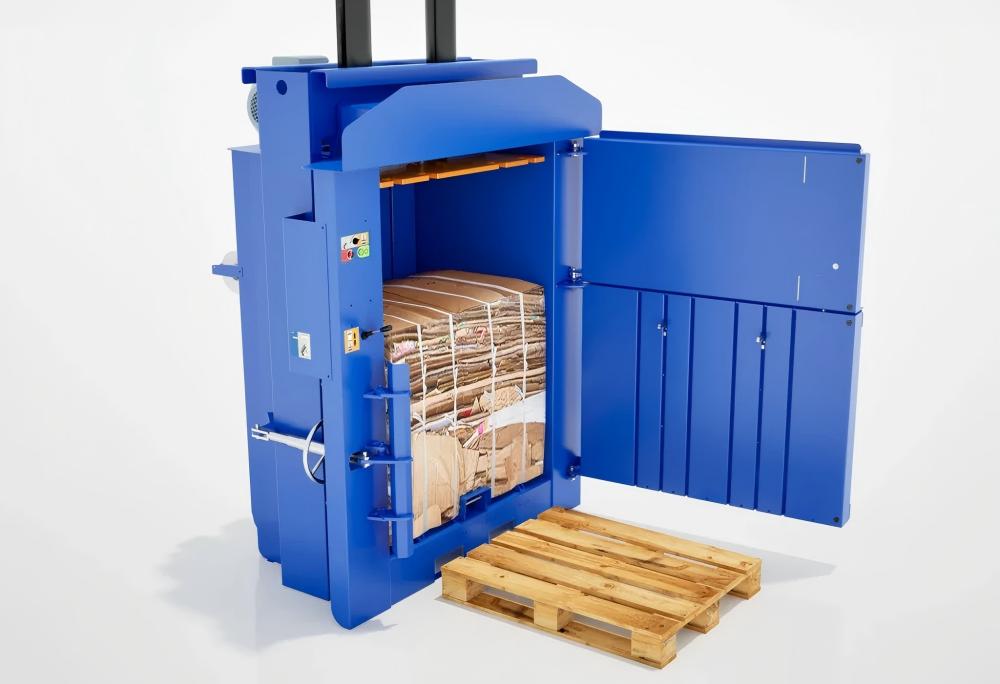
What exactly are you paying for when you buy a vertical baler? Several technical factors drive the manufacturing cost and, consequently, the retail price. The most significant driver is the Hydraulic System. The quality of the pump, the diameter of the cylinder, and the precision of the valves determine the machine’s pressing force and cycle time. High-end brands like HARSLE use premium hydraulic components that ensure smooth operation and minimize the risk of oil leaks, which are common in budget-grade machines.
Another major cost driver is Steel Quality and Frame Construction. A baler is subjected to immense internal stress during every cycle. If the frame is made of thin or low-grade steel, it will eventually warp or crack. Industrial-grade balers use heavy-duty H-beam steel and thick plates for the pressing platen. The welding quality also plays a role; robotic welding ensures consistency and strength that manual welding might lack. When checking before you invest, always ask for the thickness of the chamber walls and the platen.
Electrical Components and Automation also influence the price. A machine equipped with a Siemens or Schneider PLC, touch-screen interfaces, and automated bale-ejection systems will cost more than one with simple manual lever controls. However, automation reduces labor time and minimizes human error, which can be a significant safety and efficiency advantage. Furthermore, the inclusion of safety interlocks, emergency stops, and infrared sensors adds to the cost but is non-negotiable for modern industrial safety compliance.
Configuration Impact: Matching Specs to Your Needs
The configuration of your vertical baler should be dictated by the material you intend to process. For instance, cardboard is relatively easy to compress but has high ‘memory,’ meaning it wants to expand back to its original shape. This requires a baler with a long stroke and retaining claws. On the other hand, plastic film is slippery and requires a different platen design to prevent the material from oozing out of the sides during compression.
Bale Size and Weight: This is perhaps the most critical configuration detail. If your goal is to sell your waste to a recycler, you must produce bales that meet their specifications. ‘Mill-size’ bales are generally preferred because they maximize the weight capacity of a standard shipping container or truck. If your baler produces bales that are too small or too light, you may find that recyclers refuse to pick them up or charge you a transport fee that eats into your profits.
Cycle Time: This refers to the time it takes for the platen to move down, compress the material, and return to the starting position. In high-volume environments, a cycle time of 30-45 seconds is ideal. If the cycle time is too slow (e.g., 90 seconds), your employees will spend more time waiting for the machine than actually working, leading to labor inefficiencies. Always check the motor horsepower and pump flow rate, as these directly impact the cycle speed.
Hidden Costs: What the Sales Brochure Doesn’t Tell You
When performing a ‘Vertical Baler Selection: Check Before You Invest’ analysis, you must account for the hidden costs that arise after the machine arrives at your facility. Logistics and Installation are the first hurdles. These machines are incredibly heavy, often requiring specialized rigging or heavy-duty forklifts to move. If your facility doesn’t have a loading dock or the right equipment, you will need to hire a professional installation team.
Consumables are an ongoing expense. Vertical balers require baling wire or high-strength polyester strapping to hold the bales together. Depending on your volume, this can add up to hundreds or thousands of dollars per year. Additionally, the Hydraulic Oil needs to be changed periodically, and filters must be replaced to keep the system running efficiently. Neglecting these small costs can lead to a major pump failure, which is a very expensive repair.
Electricity Consumption is another factor. While vertical balers only consume significant power during the active cycle, a poorly designed motor or hydraulic system can be inefficient. Look for machines with high-efficiency motors (IE3 rating) and systems that automatically shut down the motor when the machine is idle. Finally, consider Training and Compliance. You must invest time in training your staff to operate the machine safely, and you may need to pay for annual safety inspections to comply with local labor laws.
ROI Calculation: Turning Waste into Profit
The Return on Investment (ROI) for a vertical baler is calculated by comparing the total cost of ownership against the savings and revenue generated. The primary saving comes from Reduced Disposal Fees. Waste management companies charge by the ‘pull’ (each time they empty a dumpster) and often by weight. By baling your cardboard or plastic, you significantly reduce the volume of waste, meaning fewer dumpster pickups. In many cases, businesses can reduce their waste collection frequency from daily to once a month.
The second component of ROI is Labor Savings. Without a baler, employees often spend hours breaking down boxes manually or walking back and forth to an outdoor dumpster. A vertical baler located near the source of the waste allows for immediate processing, freeing up staff for more productive tasks. If a baler saves just one hour of labor per day, that can equate to thousands of dollars in savings over a year.
Finally, there is the Revenue from Recyclables. While the market price for cardboard (OCC) and plastics fluctuates, high-density bales are always more valuable than loose material. In a favorable market, the revenue from selling your bales can cover the monthly financing cost of the machine itself. To calculate your ROI, use the following formula: (Annual Disposal Savings + Annual Labor Savings + Annual Recycling Revenue) / (Annual Machine Cost + Maintenance + Consumables). Most industrial facilities find that a quality vertical baler pays for itself within 12 to 24 months.
Buying Advice: A Step-by-Step Checklist
Before you finalize your vertical baler selection, follow this checklist to ensure you have covered all bases. First, Audit Your Waste. For one week, track exactly how much of each material you are throwing away. This will determine the tonnage and chamber size you need. Second, Measure Your Space. Vertical balers require significant ceiling height for the cylinder to extend fully. Ensure you have at least 12-15 feet of clearance and enough floor space for the operator to move around and for the finished bales to be stored.
Third, Check Power Requirements. Most industrial balers require 3-phase power (220V, 380V, or 480V). If your facility only has single-phase power, you will either need a specialized motor or a phase converter, both of which add cost. Fourth, Evaluate the Supplier. Does the manufacturer offer a warranty? Do they have spare parts in stock? A machine is only as good as the support behind it. HARSLE, for example, provides comprehensive technical support and readily available components to minimize downtime.
Lastly, Prioritize Safety Features. Ensure the machine has a CE or UL certification. It should have a safety gate that prevents the machine from operating while open, an emergency stop button within easy reach, and a bale-ejection system that doesn’t require the operator to stand in a dangerous position. Investing in safety is not just about compliance; it’s about protecting your most valuable asset—your employees.
Frequently Asked Questions (FAQ)
1. What is the difference between a vertical and horizontal baler?
Vertical balers are loaded from the front and compress material downward. They are compact and ideal for small to medium volumes. Horizontal balers are loaded from the top or via a conveyor and compress material sideways. They are much larger, more expensive, and designed for high-volume, continuous industrial operations.
2. Can I bale different materials in the same machine?
Yes, most vertical balers can handle cardboard, plastic film, and even some textiles. However, you must empty the chamber completely before switching materials to avoid contaminating the bales. Some materials, like aluminum cans or hard plastics, may require a baler with higher tonnage and a specialized platen.
3. How long does a vertical baler typically last?
With proper maintenance, a high-quality industrial vertical baler can last 10 to 15 years or more. Key maintenance tasks include checking hydraulic oil levels, lubricating moving parts, and inspecting the structural welds for any signs of fatigue.
4. Do I need a special license to operate a vertical baler?
In most jurisdictions, you do not need a specific license, but OSHA (in the US) and similar organizations elsewhere require that operators be at least 18 years old and receive documented safety training. Always check your local labor and safety regulations.
5. How do I know what tonnage I need?
Tonnage depends on the material. For cardboard, 30-50 tons is usually sufficient for mill-size bales. For ‘springy’ materials like plastic or tires, you may need 60-80 tons of pressure to ensure the bale stays compressed once the wires are tied.
6. What is a ‘mill-size’ bale?
A mill-size bale typically measures approximately 60 x 30 x 48 inches and weighs between 800 and 1,100 lbs (for cardboard). This size is the industry standard because it allows for the most efficient loading of semi-trucks, which is why recyclers offer the best prices for these bales.
Conclusion
Investing in a vertical baler is a strategic move that can significantly improve your facility’s efficiency and bottom line. By following the ‘Vertical Baler Selection: Check Before You Invest’ framework, you can avoid common pitfalls and select a machine that meets your specific needs. Focus on build quality, hydraulic reliability, and safety features rather than just the lowest price. With the right equipment from a trusted manufacturer like HARSLE, your waste management process will transform from a costly chore into a streamlined, profitable operation.