How to Evaluate a Car Body Baler for High-Output Scrap Metal Operations

Introduction to High-Output Scrap Metal Processing
In the fast-paced world of scrap metal recycling, efficiency is not just a goal; it is the foundation of profitability. For facilities handling end-of-life vehicles (ELVs), the car body baler is the heart of the operation. When you need to evaluate a car body baler for high-output scrap metal operations, you are looking for more than just a machine that crushes metal. You are looking for a strategic asset that can handle continuous duty cycles, minimize downtime, and produce high-density bales that optimize transport logistics.
High-output operations typically process dozens, if not hundreds, of car bodies per day. This level of volume places immense stress on hydraulic systems, structural frames, and wear surfaces. Therefore, a standard baler designed for occasional use will quickly fail under these conditions. This guide provides a deep dive into the technical and financial metrics required to make an informed investment in high-performance baling technology.
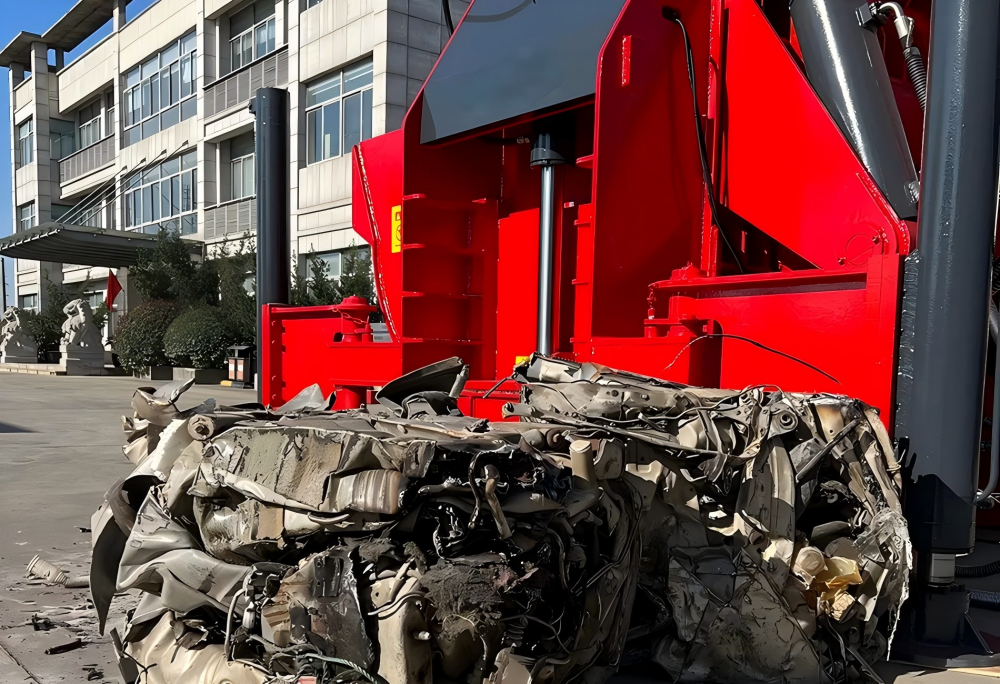
Price Range Overview: What to Expect
The market for car body balers is broad, with prices reflecting the machine’s capacity, speed, and durability. For high-output operations, entry-level machines are rarely sufficient. Generally, the price range for industrial-grade car body balers can be categorized into three tiers:
- Mid-Range Industrial Balers ($60,000 – $120,000): These machines are suitable for medium-sized yards. They offer decent cycle times and reliable hydraulics but may lack the advanced automation or extreme structural reinforcement needed for 24/7 high-volume throughput.
- High-Output Performance Balers ($120,000 – $250,000): This is the sweet spot for professional scrap operations. These units feature high-speed hydraulic circuits, larger charging boxes, and heavy-duty wear plates (like Hardox). They are designed to process 15-25 cars per hour consistently.
- Heavy-Duty Fully Automated Systems ($250,000+): These are top-tier machines often integrated into shredder feed lines. They feature massive shearing forces, sophisticated PLC controls, and remote monitoring capabilities.
When you evaluate a car body baler for high-output scrap metal operations, remember that the purchase price is only the beginning. A cheaper machine that processes 5 fewer cars per hour can cost you hundreds of thousands of dollars in lost revenue over its lifespan.
Main Cost Drivers in High-Output Balers
Understanding why one machine costs significantly more than another is crucial for a fair evaluation. Several technical factors drive the manufacturing cost and, consequently, the performance of the baler.
1. Hydraulic System Sophistication
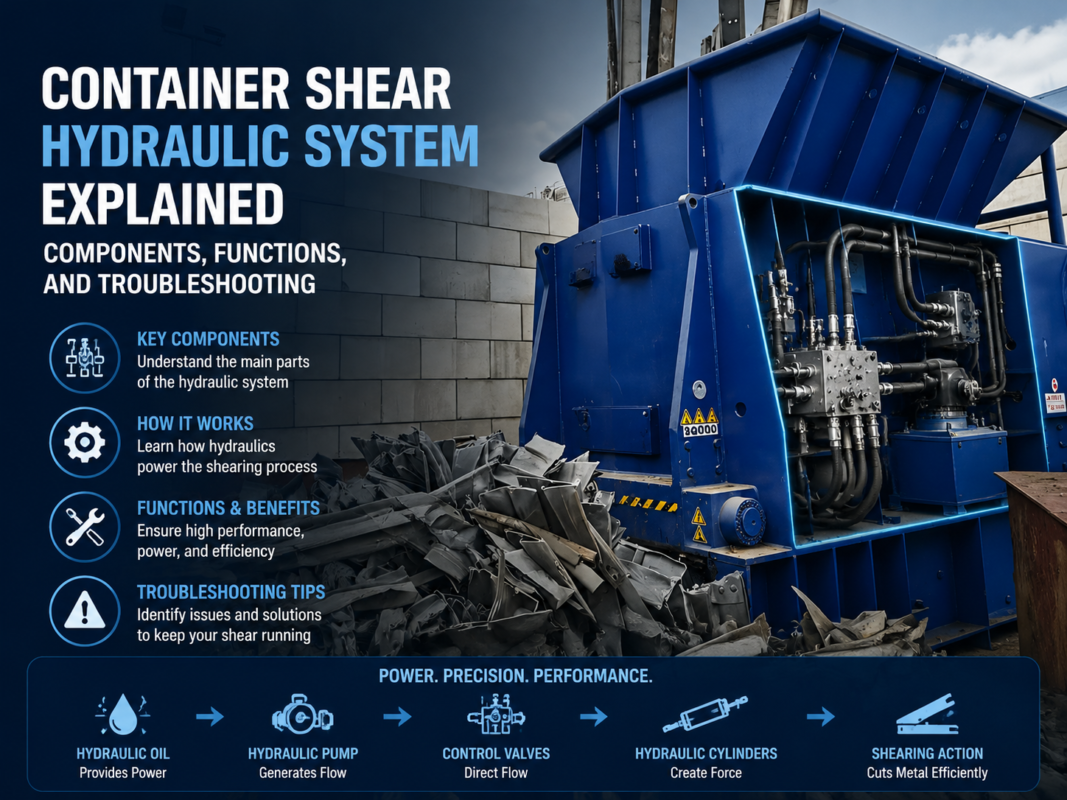
The hydraulic system is the engine of the baler. High-output machines utilize high-pressure, variable-displacement pumps (often from brands like Rexroth or Parker). These pumps allow for faster ram movement during the “no-load” portion of the cycle and maximum force during the compression phase. The inclusion of high-efficiency cooling systems is also a major cost driver, as it allows the machine to run in hot climates without oil degradation.
2. Structural Steel and Wear Liners
A baler is essentially a box that tries to explode every time it compresses a car. To prevent deformation, high-output balers use thick, high-tensile steel plates. Furthermore, the interior of the charging box must be lined with replaceable wear plates. Using Hardox 450 or 500 liners significantly increases the initial cost but prevents the main structure from wearing down, extending the machine’s life by decades.
3. Cylinder Bore and Stroke
The size of the main compression cylinders determines the density of the bale. Larger cylinders require more steel and more hydraulic fluid, increasing costs. However, higher density bales mean you can fit more weight into a shipping container or truck, directly impacting your bottom line.
Configuration Impact on Operational Efficiency
The configuration of the baler should match your specific site requirements and material flow. There are several key design choices to consider during your evaluation.
Lid Design: Single vs. Double Wing
For car bodies, the “wing” or “lid” design is common. A double-wing baler uses two heavy lids to fold the car into the box before the main ram compresses it longitudinally. This is generally faster and more effective for bulky car bodies than a single-lid design. For high-output, a “pre-compression” lid can significantly reduce the time the main ram spends moving, thereby shortening the total cycle time.
Stationary vs. Mobile Units
If your scrap yard is centralized, a stationary unit with a dedicated concrete foundation is often the best choice for stability and longevity. However, if you process scrap at multiple sites or offer off-site baling services, a mobile (trailer-mounted) or portable (roll-off) unit is necessary. Mobile units are more expensive due to the added complexity of the chassis and independent power units (diesel engines).
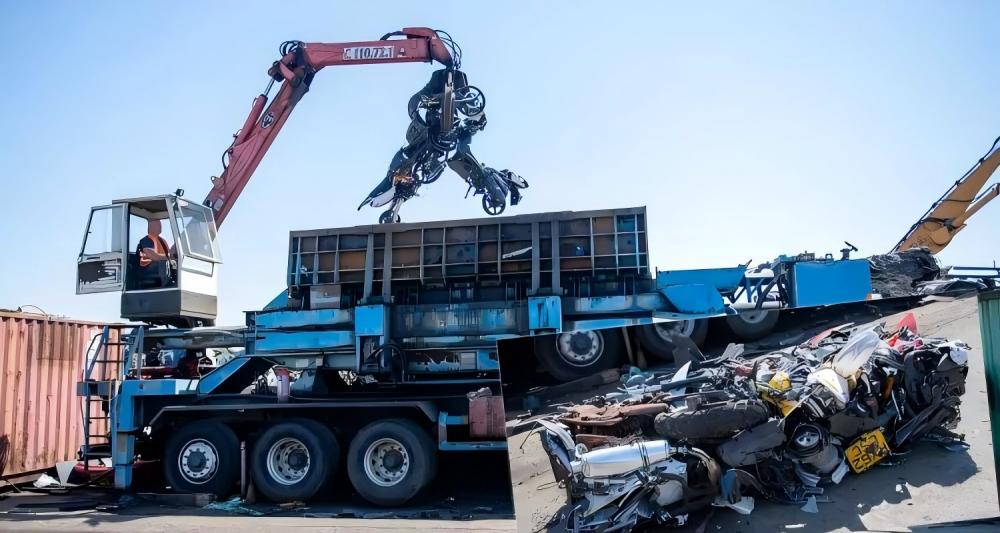
Power Source: Electric vs. Diesel
High-output operations often prefer electric motors if the local grid can support the high amperage. Electric motors are quieter, require less maintenance, and are generally cheaper to run. However, diesel-powered units offer total independence and are essential for remote scrap yards or mobile operations.
Hidden Costs of Owning a Car Body Baler
Beyond the invoice price, several “hidden” costs can impact the total cost of ownership (TCO). Failing to account for these can turn a profitable operation into a financial burden.
- Foundation and Installation: A stationary high-output baler requires a reinforced concrete pad to handle the vibration and weight. This can cost several thousand dollars in site prep.
- Consumables and Wear Parts: Hydraulic oil, filters, and wear plates are recurring expenses. In a high-output environment, you might replace liners every 12-24 months.
- Energy Consumption: A 100HP electric motor running 8 hours a day consumes significant electricity. Evaluate the efficiency of the hydraulic circuit to minimize wasted energy.
- Labor and Training: While many balers are automated, you still need skilled operators and maintenance personnel. Training costs and the potential for human error should be factored in.
- Logistics of Bale Removal: If the baler is faster than your ability to move the finished bales, the machine will sit idle. You may need to invest in additional forklifts or grapple loaders.
ROI Calculation: The Business Case for Quality
To evaluate a car body baler for high-output scrap metal operations, you must perform a Return on Investment (ROI) calculation. Let’s look at a hypothetical comparison between a standard baler and a high-output HARSLE model.
| Metric | Standard Baler | High-Output Baler |
|---|---|---|
| Purchase Price | $80,000 | $150,000 |
| Cars Per Hour | 8 | 18 |
| Daily Output (8 hrs) | 64 cars | 144 cars |
| Bale Density (lbs/cu.ft) | 45 | 65 |
| Annual Revenue Potential | $1.2M | $2.7M |
In this scenario, the high-output baler pays for the $70,000 price difference in just a few months of operation. Furthermore, the higher bale density allows for 30% more weight per truckload, drastically reducing shipping costs. When calculating ROI, always look at the “cost per ton processed” rather than the “cost of the machine.”
Buying Advice: How to Choose the Right Partner
Choosing the right manufacturer is as important as choosing the right machine. When evaluating vendors like HARSLE, consider the following:
Technical Support and Spare Parts
In a high-output operation, every hour of downtime is lost revenue. Ensure the manufacturer has a robust support network and keeps critical spare parts (seals, valves, sensors) in stock for immediate shipping. Ask about the availability of remote diagnostics via the PLC.
Build Quality Inspection
If possible, visit the factory or a site where the machine is in operation. Look at the quality of the welds—they should be clean and deep. Check the brand of the components. A machine built with globally recognized hydraulic and electrical components will be much easier to maintain locally.
Customization Options
Every scrap yard has a unique layout. Does the manufacturer offer flexibility in the placement of the control cabin or the power unit? Can they adjust the box size to accommodate specific types of scrap? A manufacturer that offers customization is often more invested in your operational success.
Frequently Asked Questions (FAQ)
1. How long does a high-output car body baler typically last?
With proper maintenance and regular replacement of wear liners, a high-quality industrial baler can last 15 to 20 years. The hydraulic pumps and motors may need rebuilding every 5-7 years depending on usage intensity.
2. What is the ideal cycle time for a high-output operation?
For car bodies, a total cycle time (loading, lid closure, compression, and bale ejection) of under 120 seconds is considered excellent. Some ultra-high-speed machines can achieve this in 90 seconds or less.
3. Can a car body baler handle other types of scrap?
Yes, most car body balers are versatile enough to handle white goods (appliances), sheet metal, and light structural scrap. However, they should not be used for heavy HMS1/HMS2 (heavy melting scrap) unless specifically rated for it, as this can damage the lids.
4. Is automation necessary for high-output?
While manual operation is possible, semi-automatic cycles (where one button press completes the compression cycle) are highly recommended. This ensures consistency in bale density and reduces operator fatigue, which is a common cause of accidents in high-volume yards.
5. How do I determine the right box size?
The charging box should be large enough to accept the largest vehicles you typically process (such as SUVs or long-wheelbase vans) without requiring extensive pre-processing with a shear or torch. A standard length of 5 to 6 meters is common for car body balers.
Conclusion
To evaluate a car body baler for high-output scrap metal operations, one must look beyond the surface-level specifications. It requires a deep understanding of hydraulic efficiency, structural integrity, and the long-term economics of scrap processing. By focusing on cycle times, bale density, and total cost of ownership, scrap yard owners can select a machine that not only meets today’s demands but provides a scalable foundation for future growth. HARSLE remains committed to providing high-performance machinery that stands up to the rigors of the modern recycling industry, ensuring that your investment translates into sustained profitability.