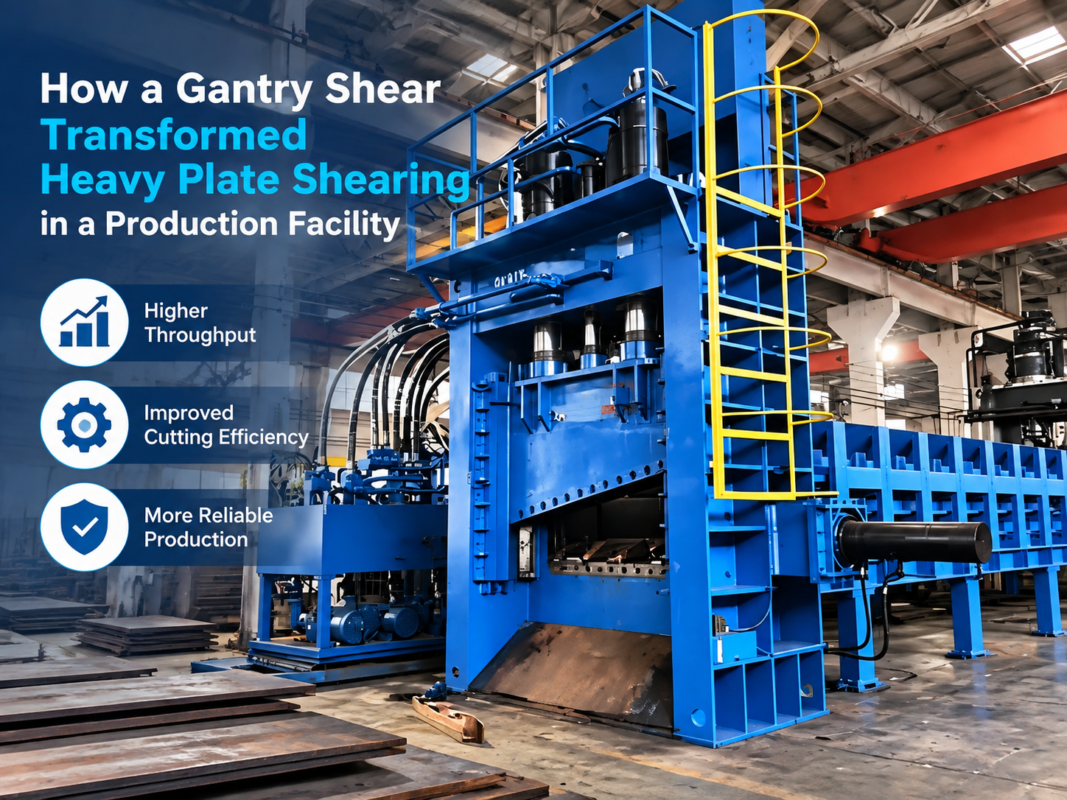
Comprehensive Guide: What Affects the Cutting Speed of a Gantry Shear Machine?

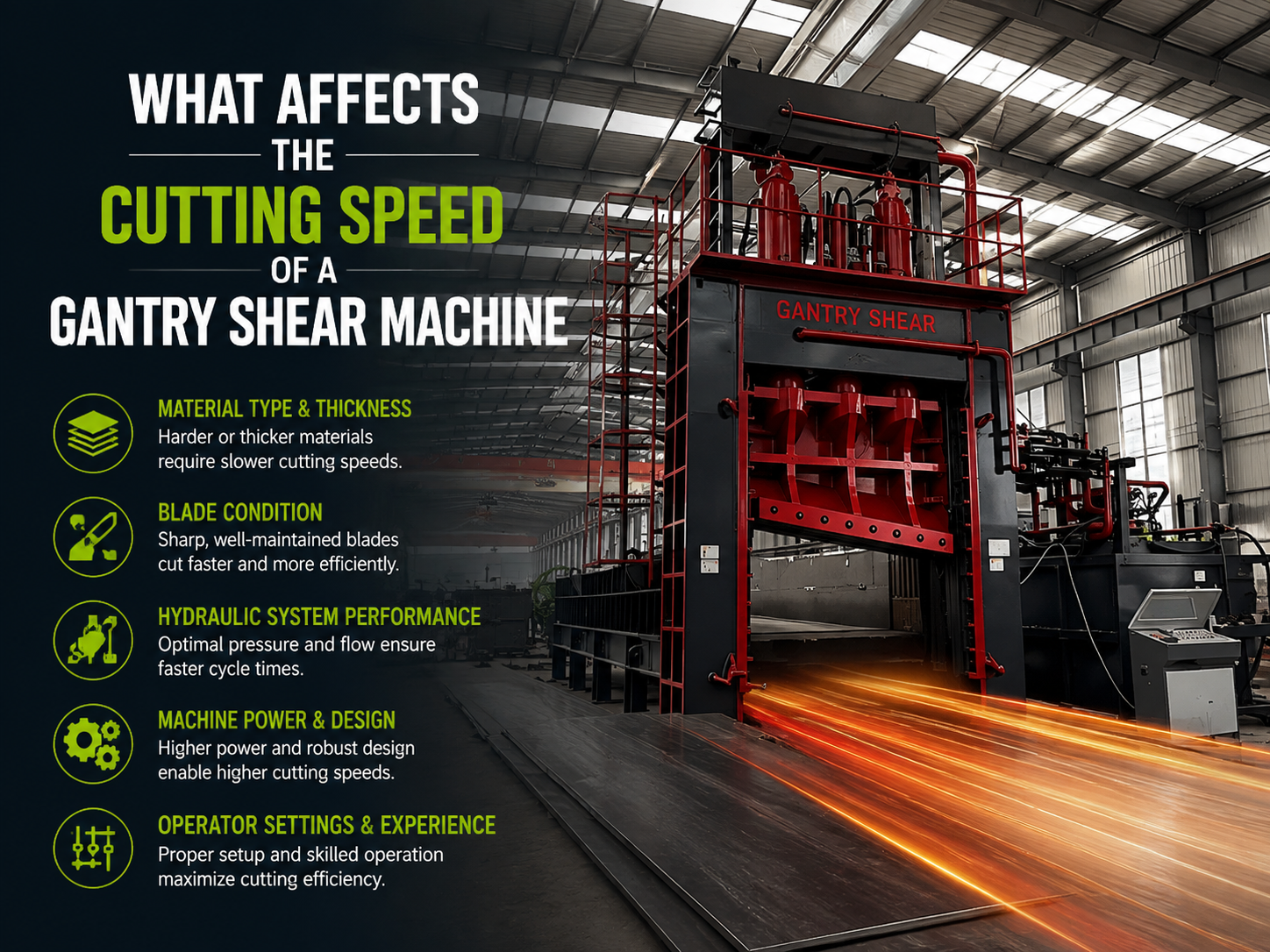
Technical Overview of Gantry Shear Machines
In the world of heavy-duty scrap metal processing, the gantry shear machine stands as a titan of efficiency. Designed to handle massive volumes of metal waste, from structural steel to decommissioned vehicle frames, its primary goal is to downsize material for easier transport and smelting. However, for any scrap yard operator or industrial facility, the most critical metric is throughput. Understanding what affects the cutting speed of a gantry shear machine is not just a matter of technical curiosity; it is a fundamental requirement for maximizing Return on Investment (ROI).
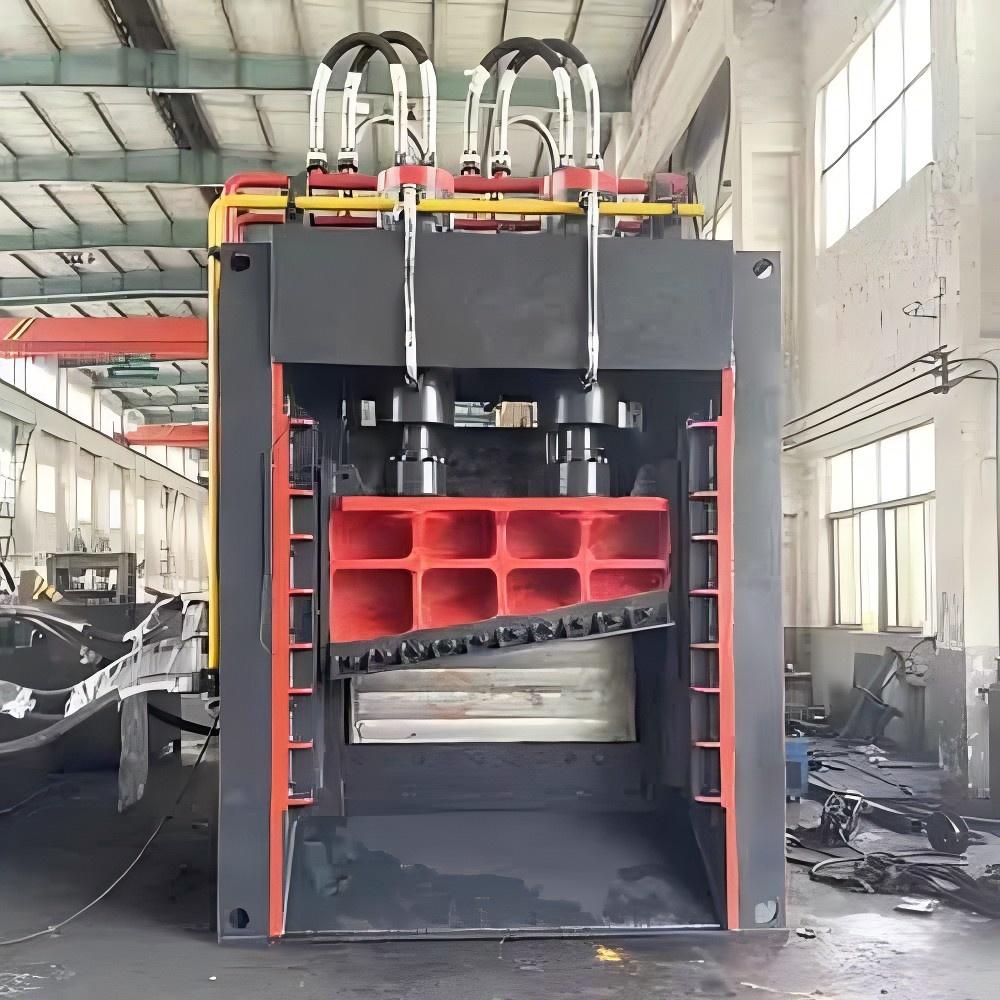
A gantry shear operates on a hydraulic principle where a massive blade carrier moves vertically within a rigid frame (the gantry). Unlike smaller alligator shears, the gantry shear is built for continuous, high-capacity operation. The speed of this operation is defined by the cycle time—the duration it takes for the blade to descend, shear the material, and return to its starting position. This cycle is influenced by a complex interplay of hydraulic dynamics, mechanical design, and the physical properties of the material being processed.
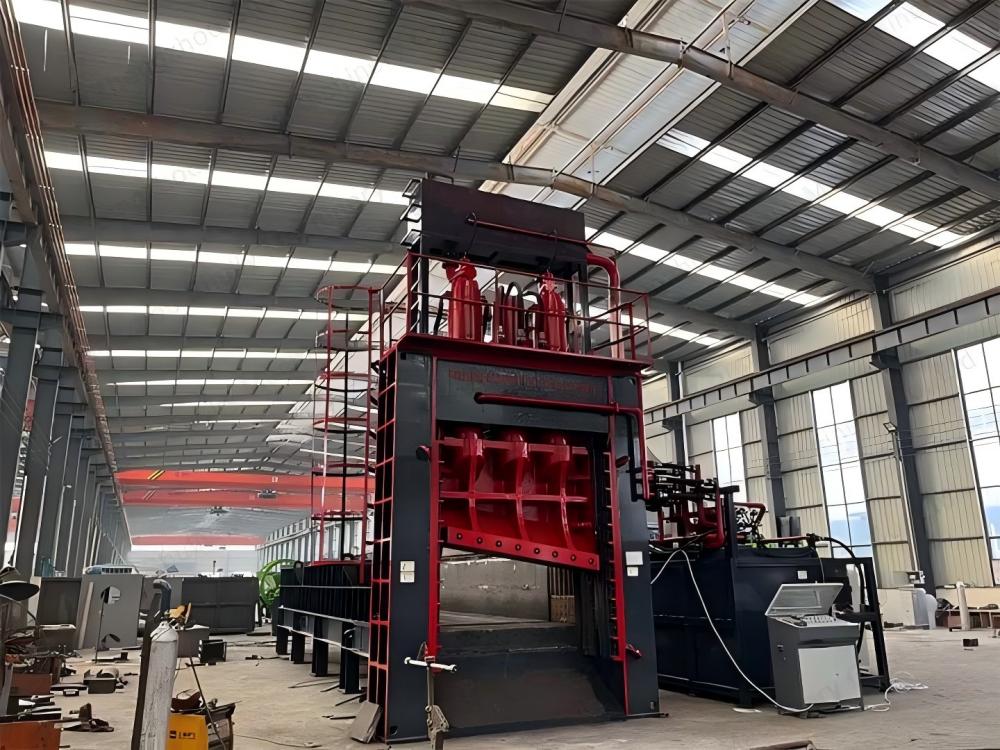
HARSLE engineering focuses on optimizing these variables to ensure that the machine doesn’t just cut powerfully, but also quickly. In modern industrial settings, speed is often the bottleneck. If the shear is too slow, the entire feeding and logistics chain stalls. Conversely, if speed is increased without considering the mechanical stresses, the machine’s lifespan may be compromised. Therefore, achieving the perfect balance is the hallmark of high-quality metal fabrication equipment.
Core Parameters That Affect Cutting Speed
Several internal and external factors dictate how fast a gantry shear can complete its task. To understand what affects the cutting speed of a gantry shear machine, we must break down the machine into its functional components.
1. Hydraulic Pump Flow Rate and Displacement
The hydraulic pump is the heart of the gantry shear. The speed of the cylinder’s movement is directly proportional to the volume of oil delivered by the pump per unit of time (measured in Liters Per Minute or GPM). A higher flow rate results in faster piston movement. Many high-end HARSLE machines utilize variable displacement pumps that can adjust flow based on the pressure requirements, allowing for a fast approach speed and a slower, high-torque cutting speed.
2. Main Cylinder Diameter
Physics dictates that for a given flow rate, a cylinder with a larger diameter will move more slowly than a smaller one. This is because more oil is required to fill the larger volume. However, larger cylinders provide the force necessary to cut through thick materials. Manufacturers must balance the cylinder bore size to provide sufficient tonnage while maintaining an acceptable cycle speed. This is why high-tonnage shears often feature multiple pumps to maintain speed despite large cylinder volumes.
3. Motor Power and Efficiency
The electric motor drives the hydraulic pumps. If the motor is underpowered, it cannot maintain the necessary RPM under load, leading to a drop in hydraulic pressure and flow. High-efficiency motors (such as IE3 or IE4 standards) ensure that the energy conversion from electrical to hydraulic is maximized, preventing speed loss during heavy shearing cycles.
4. Material Hardness and Thickness
The material itself is a major variable. Shearing a 10mm mild steel plate is significantly faster than shearing a 50mm hardened alloy beam. As the resistance of the material increases, the hydraulic system reaches its pressure relief limit more quickly, often triggering a shift from high-speed/low-torque to low-speed/high-torque mode. This transition is essential for protecting the machine but inherently slows down the cycle.
5. Blade Sharpness and Clearance
The condition of the cutting blades is often overlooked. Dull blades increase the friction and the force required to initiate a fracture in the metal. This extra resistance forces the hydraulic system to work harder and slower. Furthermore, improper blade clearance (the gap between the upper and lower blades) can cause the material to bend or “drag” rather than shear cleanly, significantly extending the time required for a single cut.
Calculation Method for Cutting Speed
To accurately predict the performance of a gantry shear, engineers use specific formulas. The theoretical speed (v) of the shear blade can be calculated using the following relationship:
v = Q / A
Where:
v = Velocity of the cylinder (speed of the blade)
Q = Flow rate of the hydraulic pump
A = Cross-sectional area of the cylinder piston
However, in a real-world scenario, we must account for the “Cycle Time,” which includes the approach stroke, the cutting stroke, and the return stroke. The formula for total cycle time (T) is:
T = (L / v_approach) + (L_cut / v_cut) + (L / v_return) + T_dwell
- L: Total stroke length.
- L_cut: The portion of the stroke where the blade is actually engaging the material.
- v_approach: The high-speed descent before contact.
- v_cut: The slower, high-pressure speed during the shear.
- v_return: The speed at which the blade retracts (usually the fastest phase).
- T_dwell: The time taken for the PLC to process signals and for valves to shift.
By optimizing the v_approach and v_return through the use of nitrogen accumulators or differential circuits, HARSLE machines can significantly reduce the total cycle time without needing excessively large motors.
Parameter Table: Speed vs. Tonnage
The following table illustrates how different machine specifications typically influence the cutting speed across various HARSLE gantry shear models. Note how the flow rate must increase with tonnage to maintain speed.
| Model Tonnage (Tons) | Motor Power (kW) | Max Pump Flow (L/min) | Cycle Speed (Cuts/Min – Empty) | Typical Material Capacity (mm) |
|---|---|---|---|---|
| 400T | 37 – 45 | 300 – 400 | 4 – 6 | < 20mm Mild Steel |
| 630T | 75 – 90 | 600 – 800 | 3 – 5 | 20mm – 40mm Steel |
| 800T | 110 – 132 | 900 – 1200 | 3 – 4 | 40mm – 60mm Steel |
| 1000T+ | 160+ | 1500+ | 2 – 3 | Heavy Structural / HMS1 |
Common Engineering Mistakes Affecting Speed
Even the best machine can underperform if operated or maintained incorrectly. Here are the most common mistakes that negatively affect the cutting speed of a gantry shear machine:
1. Neglecting Hydraulic Oil Temperature
Hydraulic oil has an optimal operating temperature range (usually 30°C to 50°C). If the oil is too cold, its viscosity is too high, causing sluggish movement and increased internal friction. If it is too hot, the oil thins out, leading to internal leakage within the pump and valves, which reduces volumetric efficiency and slows down the machine. Failure to maintain the cooling system is a primary cause of speed degradation.
2. Incorrect Blade Gap Adjustment
Many operators fail to adjust the blade gap when switching between thin and thick materials. If the gap is too wide for thin material, the metal will fold between the blades, causing a jam or a very slow, messy cut. If it is too tight for thick material, it creates excessive friction and can damage the blade seats, both of which slow down the operation.
3. Using Low-Quality Hydraulic Fluid
Not all hydraulic oils are created equal. Low-quality oils may contain contaminants or lack the anti-foaming additives required for high-speed cycling. Air bubbles in the oil (aeration) make the hydraulic fluid compressible, leading to “spongy” controls and a significant reduction in the speed of the cylinder response.
4. Overlooking Filter Maintenance
Clogged suction or return filters restrict the flow of oil. When the pump is starved of oil (cavitation), it cannot produce the required flow rate, and the cutting speed drops dramatically. Furthermore, cavitation can permanently damage the pump internals, leading to a permanent loss of performance.
Selection Checklist for High-Speed Gantry Shears
When purchasing a gantry shear, if speed is your priority, use this checklist to ensure the machine meets your requirements:
- Pump Configuration: Does the machine use a single pump or a multi-pump system? Multi-pump systems offer better redundancy and speed control.
- Accumulator Support: Does the machine include nitrogen accumulators? These store energy during the non-cutting phase to provide a massive burst of flow during the return stroke, significantly increasing cycles per minute.
- PLC and Automation: Is the machine equipped with a high-speed PLC (like Siemens or Mitsubishi)? Fast signal processing reduces the “dwell time” between strokes.
- Cooling System: Is there an industrial-grade air or water cooling system? This is vital for maintaining speed during 24/7 operations.
- Feeding Mechanism: A fast shear is useless if the feeding hopper or conveyor is slow. Ensure the auxiliary equipment matches the shear’s cycle time.
- Blade Material: Are the blades made of high-quality tool steel (like 9CrSi or Cr12MoV)? Durable blades stay sharp longer, maintaining consistent speed over months of use.
Frequently Asked Questions (FAQ)
Q1: Can I increase the speed of my existing gantry shear?
Yes, to an extent. You can optimize speed by ensuring the hydraulic oil is at the correct temperature, sharpening the blades, and adjusting the blade gap. In some cases, upgrading to a higher-flow pump or adding an accumulator can provide a significant boost, but this requires a professional engineering assessment to ensure the frame can handle the increased dynamic loads.
Q2: Why does my shear slow down when cutting thicker metal?
This is a safety and physics-driven feature. As the resistance increases, the hydraulic pressure rises. Most systems are designed to trade speed for force (tonnage) once a certain pressure threshold is reached. This ensures the machine has enough power to complete the cut without stalling the motor or blowing a seal.
Q3: How often should I sharpen the blades to maintain speed?
This depends on the material you are processing. For clean mild steel, blades may last hundreds of hours. For contaminated or hardened scrap, they may need rotation or sharpening every 80-100 hours. Dull blades are one of the most common reasons for a gradual decline in cutting speed.
Q4: Does the type of scrap metal affect the speed?
Absolutely. Brittle materials like cast iron shear very quickly because they fracture almost immediately. Ductile materials like stainless steel or aluminum require the blade to travel further through the material before a full separation occurs, which takes more time.
Q5: Is a faster cutting speed always better?
Not necessarily. While higher speed increases throughput, it also increases heat generation and mechanical wear. The goal should be “optimal speed”—the fastest rate at which the machine can operate reliably without excessive maintenance costs or safety risks.
Conclusion
Understanding what affects the cutting speed of a gantry shear machine is essential for any modern metal fabrication or recycling operation. From the core hydraulic parameters like flow rate and cylinder diameter to the operational nuances of blade maintenance and oil temperature, every factor plays a role in the machine’s overall efficiency. By choosing high-quality equipment from manufacturers like HARSLE and following a rigorous maintenance schedule, operators can ensure their gantry shears deliver maximum performance and longevity in the demanding world of scrap processing.