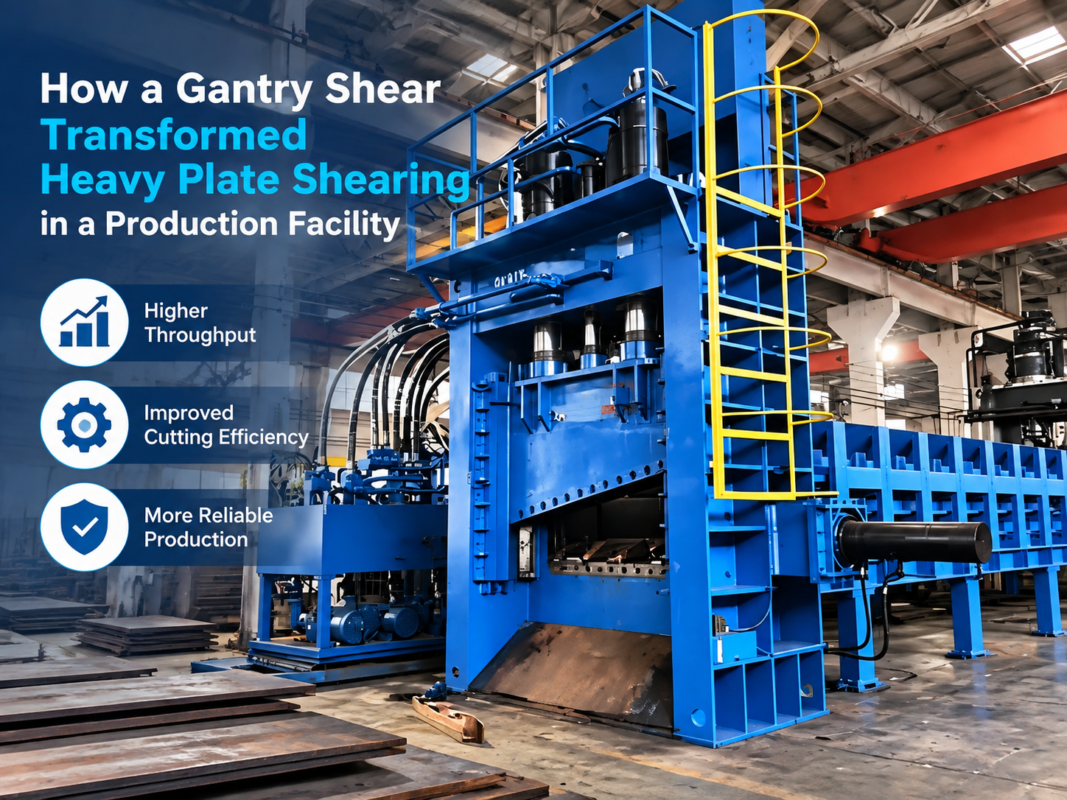
How to Reduce Burrs and Deformation When Using a Gantry Shear: A Technical Guide

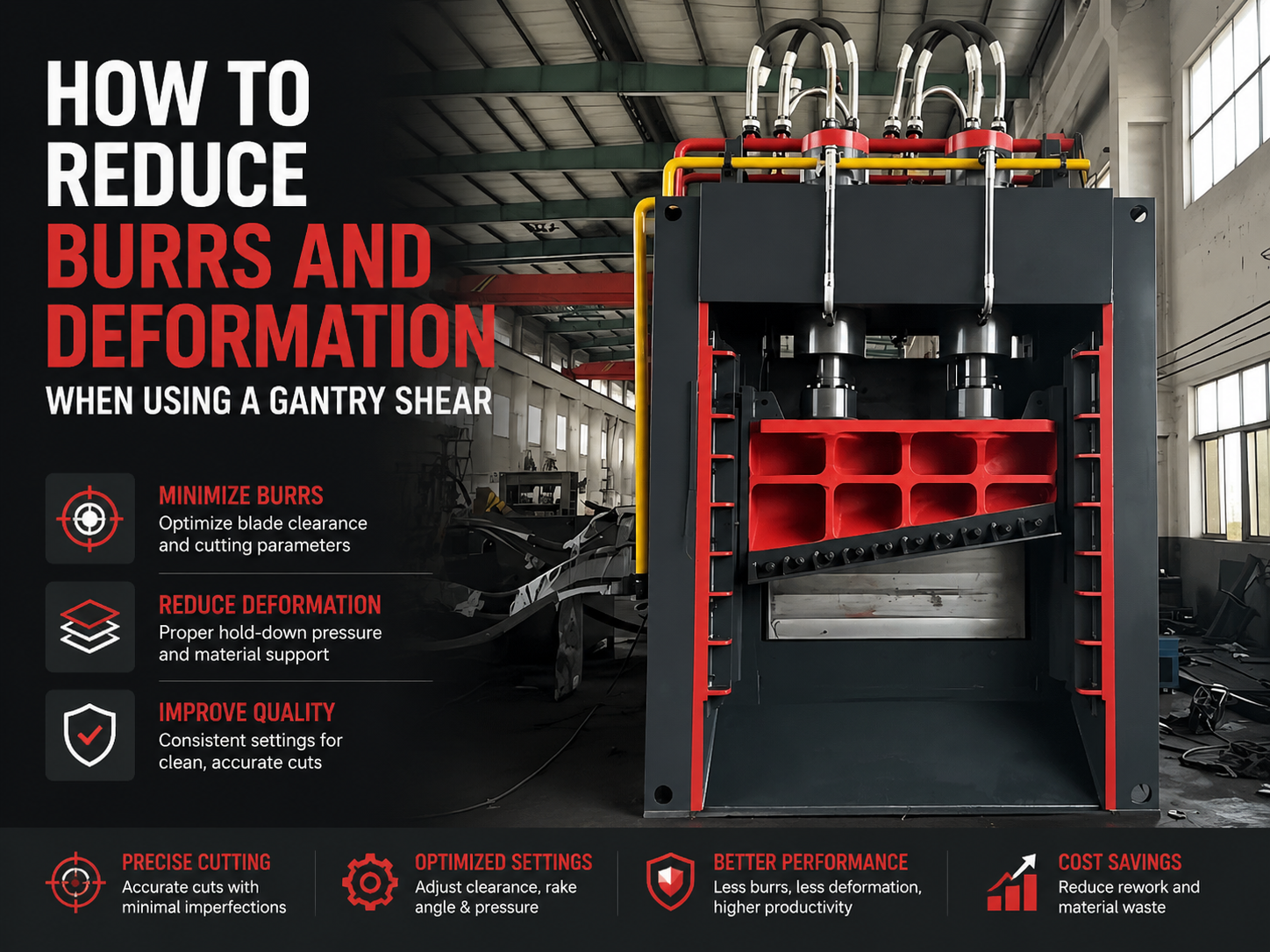
Technical Overview of Gantry Shearing Mechanics
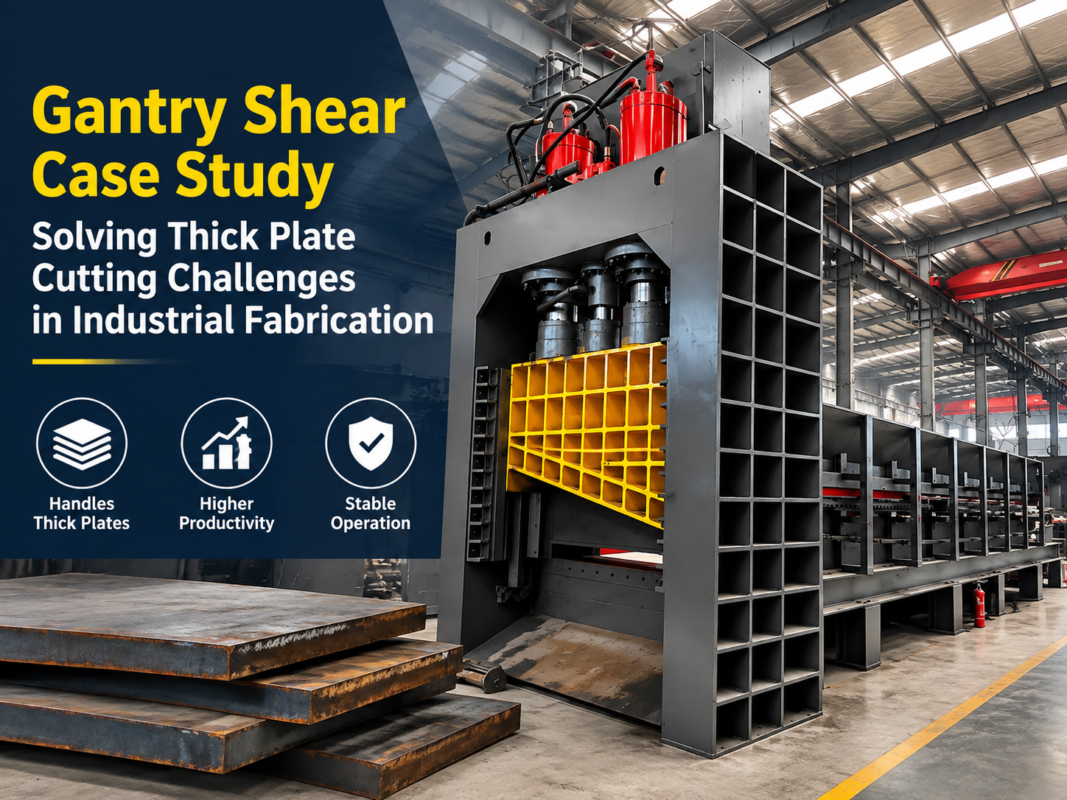
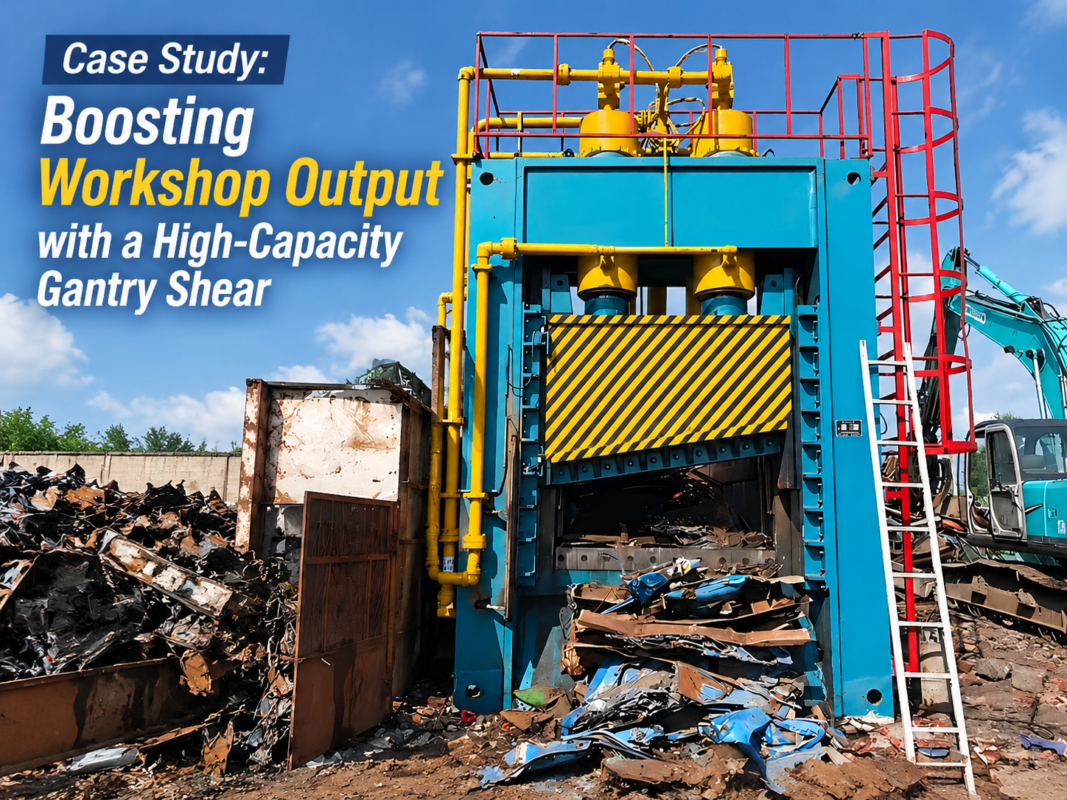
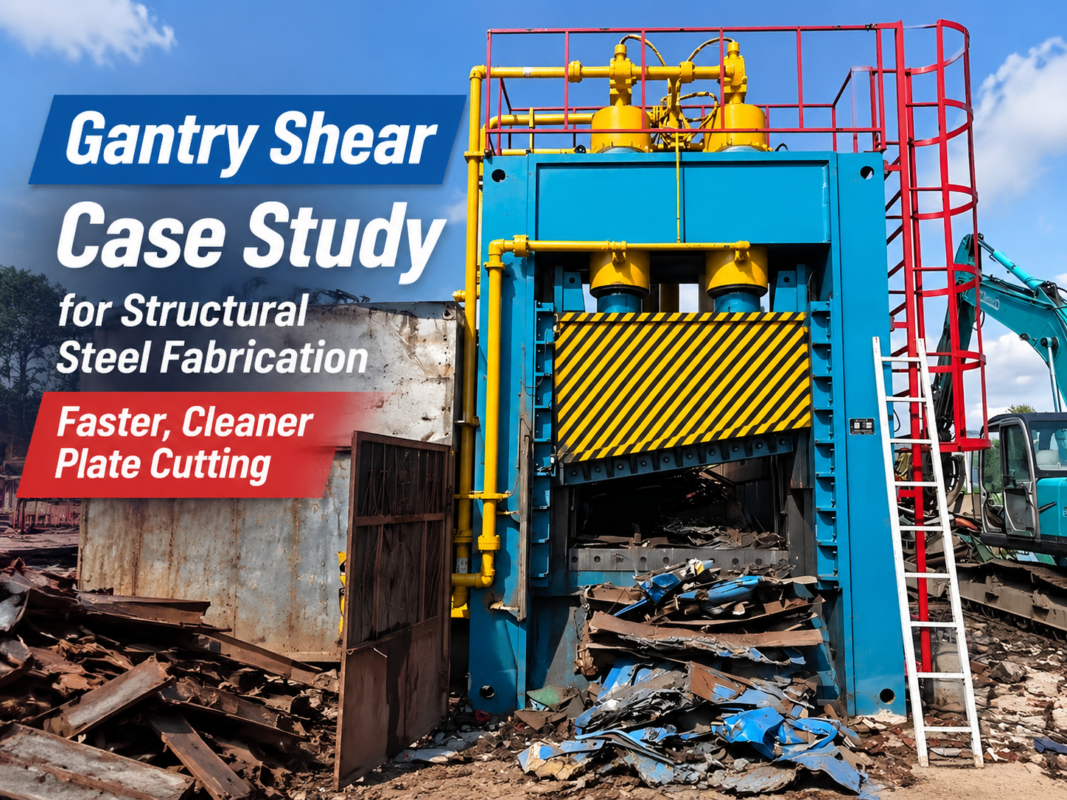
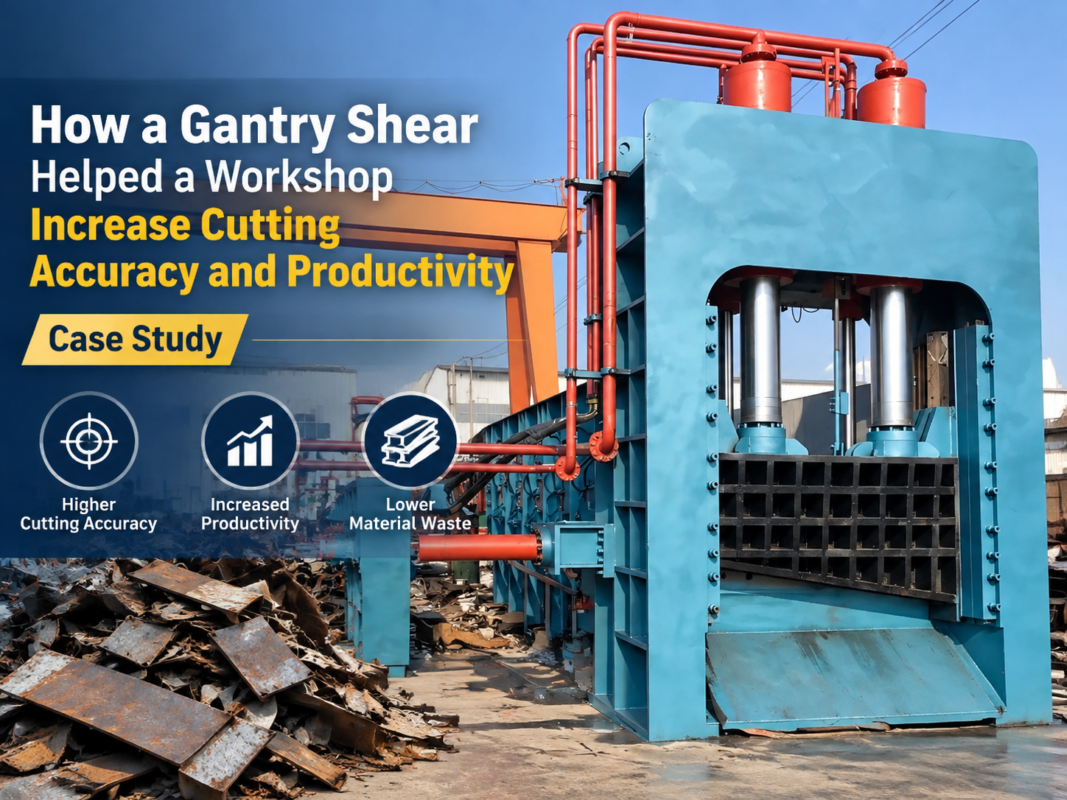
In the world of heavy-duty metal fabrication and scrap processing, the gantry shear stands as a titan of productivity. However, achieving a clean, precise cut without excessive burrs or material deformation remains a significant challenge for many operators. To reduce burrs and deformation when using a gantry shear, one must first understand the physics of the shearing process. Shearing is not merely a process of ‘cutting’ like a knife through butter; it is a controlled mechanical failure of the material. When the upper blade descends, it initially causes plastic deformation, followed by a penetration phase, and finally, a fracture that separates the metal.
Burrs occur when the material is stretched rather than fractured cleanly, often due to excessive blade clearance or dull edges. Deformation, such as bowing, twisting, or cambering, occurs when the internal stresses of the metal are released unevenly or when the material is not properly secured during the stroke. High-quality gantry shears, such as those manufactured by HARSLE, are designed with rigid frames to minimize deflection, but operator settings play a crucial role in the final output quality. By mastering the relationship between blade gap, material thickness, and hydraulic pressure, facilities can significantly improve their secondary processing efficiency.
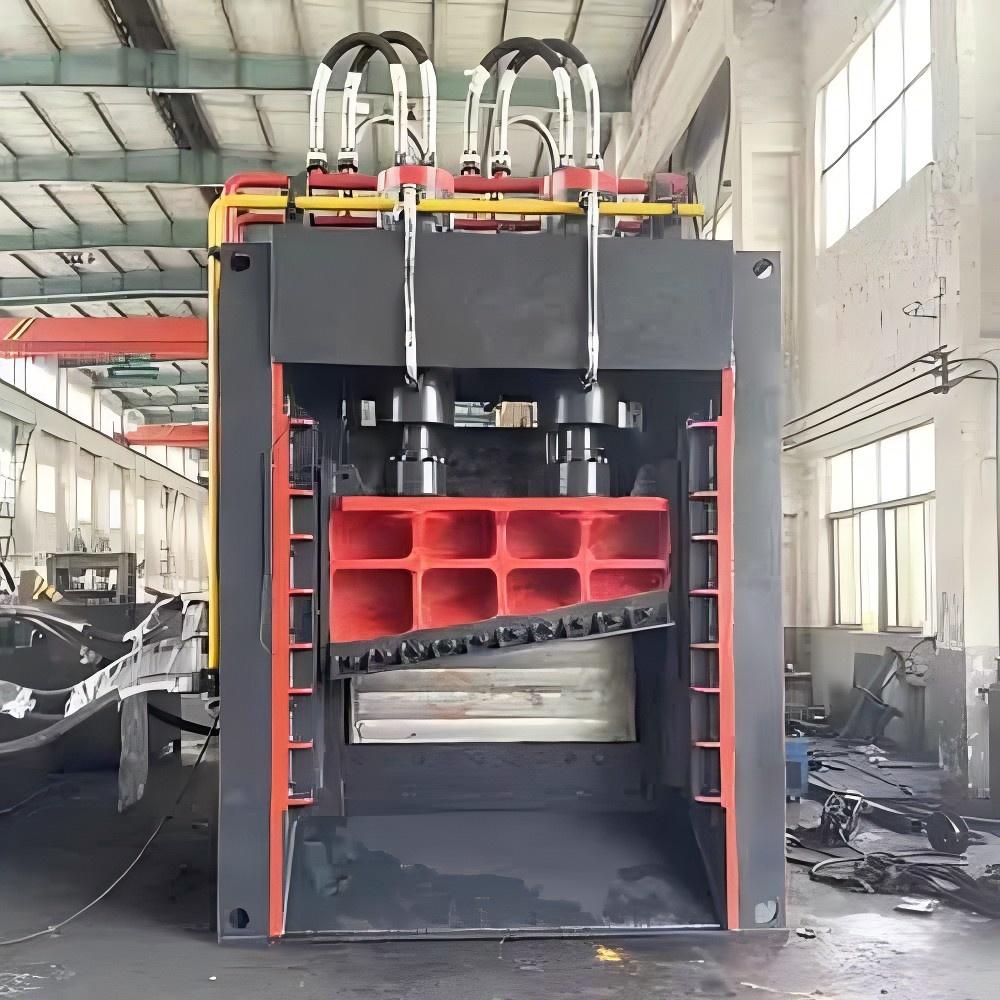
The shearing zone is divided into four distinct areas: the roll-over (the rounded top edge), the burnish (the shiny smooth part of the cut), the fracture (the rougher area where the metal snapped), and the burr (the sharp protrusion at the bottom). To reduce burrs deformation when using a gantry shear, the goal is to maximize the burnish zone and ensure the fracture zone is as vertical as possible. This requires a delicate balance of mechanical force and precision alignment, which we will explore in the following sections.
Core Parameters Influencing Cut Quality
1. Blade Clearance (The Gap)
Blade clearance is perhaps the most critical factor in determining the quality of a cut. It refers to the horizontal distance between the upper and lower blades as they pass each other. If the gap is too small, the fracture lines do not meet, causing a ‘double shear’ which increases the required force and wears out the blades prematurely. If the gap is too large, the material is pulled into the gap, resulting in a large, heavy burr and significant edge deformation. Generally, the optimal clearance is between 5% and 10% of the material thickness, depending on the material’s tensile strength.
2. Shear Angle
The shear angle is the slope of the upper blade relative to the lower blade. A higher shear angle reduces the total force required because it cuts less material at any given moment (the ‘scissor effect’). However, a high shear angle increases the likelihood of material deformation, specifically ‘twist’ and ‘bow.’ For thin materials, a lower shear angle is preferred to maintain flatness, whereas thick scrap requires a higher angle to protect the machine’s hydraulic system from overloading.
3. Blade Sharpness and Condition
A dull blade does not cut; it crushes. As the radius of the blade edge increases through wear, the ‘penetration’ phase of shearing is delayed, leading to increased plastic deformation. This results in a larger roll-over at the top and a significant burr at the bottom. Regular inspection and rotation of the four-sided blades used in HARSLE gantry shears are essential for maintaining a clean edge profile.
4. Hold-Down Pressure (Clamping)
Without sufficient clamping force, the material will tip or slide during the shearing stroke. This movement is a primary cause of ‘camber’ (the curving of the sheared strip). The hydraulic hold-down system must engage the material with enough force to counteract the lateral thrust generated during the cut. In modern gantry shears, this pressure is often synchronized with the shearing force to ensure stability throughout the cycle.
Calculation Method for Optimal Shearing
To effectively reduce burrs and deformation when using a gantry shear, operators should not rely on guesswork. Precise calculations ensure the machine operates within its mechanical limits while producing the best possible edge. The two primary calculations involve Shearing Force and Blade Clearance.
Calculating Shearing Force
The required force (F) can be estimated using the following formula:
F = 0.7 * L * T * UTS
Where:
– L is the length of the cut.
– T is the thickness of the material.
– UTS is the Ultimate Tensile Strength of the material.
– 0.7 is a constant factor accounting for the shear resistance.
If the calculated force exceeds the machine’s rated capacity, the operator must increase the shear angle or reduce the length of the cut to prevent frame deflection, which is a major cause of deformation.
Calculating Blade Clearance
The optimal gap (C) is typically calculated as:
C = T * k
Where k is a constant based on the material type:
– Mild Steel: k = 0.06 to 0.08
– Stainless Steel: k = 0.08 to 0.10
– Aluminum: k = 0.04 to 0.06
Using these constants helps in setting the machine for the specific metallurgy of the workpiece, directly impacting the reduction of burrs.
Recommended Parameter Table
The following table provides a quick reference for setting up a gantry shear to minimize defects across various common materials.
| Material Type | Thickness (mm) | Recommended Gap (%) | Shear Angle (Deg) | Expected Cut Quality |
|---|---|---|---|---|
| Mild Steel (A36) | 10 – 20 | 7% – 8% | 2.0 – 3.0 | High (Minimal Burr) |
| Mild Steel (A36) | 25 – 40 | 9% – 10% | 3.5 – 4.5 | Standard (Clean Fracture) |
| Stainless Steel (304) | 6 – 15 | 10% – 12% | 1.5 – 2.5 | Moderate (Requires Sharp Blades) |
| Aluminum (6061) | 10 – 25 | 5% – 6% | 1.0 – 2.0 | High (Very Smooth) |
| Hardened Scrap | Variable | 12% + | 5.0+ | Rough (Focus on Force) |
Common Engineering Mistakes
Even with high-end equipment, certain mistakes can lead to poor results. Avoiding these pitfalls is key to reducing burrs and deformation when using a gantry shear.
- Ignoring Material Grain: Metal has a grain direction from the rolling process. Shearing parallel to the grain can result in more cracking and larger burrs than shearing perpendicular to it.
- Inconsistent Blade Shimming: When blades are reground, they become thinner. If they are not properly shimmed back to the original centerline, the clearance becomes uneven across the length of the bed, leading to ‘spotty’ cut quality.
- Overloading the Machine: Attempting to shear material thicker than the machine’s rating causes the gantry frame to stretch (deflect). This deflection momentarily increases the blade gap during the cut, causing massive burrs and potentially damaging the blade seats.
- Neglecting Lubrication: While often overlooked in scrap operations, lubricating the blades can reduce friction and heat, which in turn reduces the tendency of the material to gall or stick to the blade edge, a common cause of burrs in softer metals like aluminum.
- Using the Wrong Blade Grade: Using blades designed for mild steel on high-carbon scrap will cause rapid dulling. Once the edge is gone, deformation increases exponentially.
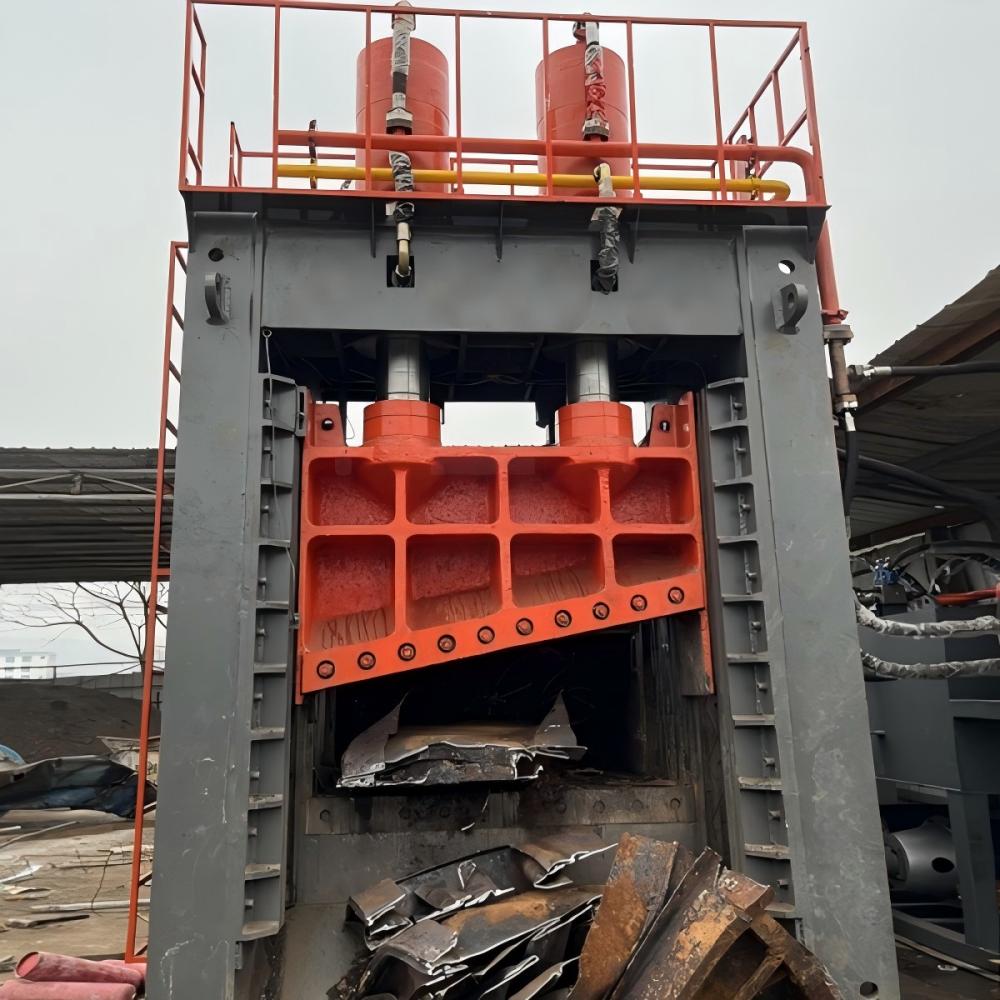
Selection Checklist for High-Quality Shearing
When purchasing or evaluating a gantry shear for precision work, use this checklist to ensure the machine is capable of reducing burrs and deformation effectively:
- Frame Rigidity: Is the gantry a heavy-duty welded structure? Look for stress-relieved frames that resist deflection under maximum load.
- Blade Adjustment System: Does the machine allow for easy and precise blade gap adjustment? Manual shimming is common, but some HARSLE models offer quicker adjustment mechanisms.
- Hydraulic Hold-Downs: Are there multiple independent hold-down cylinders? More cylinders provide better clamping across the entire width of the plate.
- Blade Quality: Are the blades made of high-chromium, high-carbon tool steel (like Cr12MoV or 6CrW2Si)? These materials retain their edge longer.
- Variable Shear Angle: Can the shear angle be adjusted? The ability to lower the angle for thinner plates is essential for preventing twist and bow.
- Stroke Control: Does the machine have a stroke limit? Reducing the stroke for narrower pieces saves time and reduces unnecessary wear on the hydraulic seals.
Frequently Asked Questions (FAQ)
How often should I rotate the blades on my gantry shear?
Blade rotation depends on the volume and type of material being processed. For standard mild steel operations, blades should be inspected every 80-100 operating hours. Most HARSLE gantry shears use four-edged blades, allowing you to flip them three times before needing a professional regrind. If you notice an increase in burr height, it is time to rotate.
Why is my metal twisting after it is cut?
Twisting is usually caused by a shear angle that is too high for the thickness of the material. When the blade is at a steep angle, it exerts a lateral force that ‘rolls’ the material. To fix this, reduce the shear angle if your machine allows, or ensure the hold-down pressure is at its maximum setting to keep the material flat.
Can I use a gantry shear for precision plate cutting?
While gantry shears are often associated with scrap, high-quality models are perfectly capable of precision cutting. To achieve ‘precision’ results, you must set the blade gap to the tighter end of the spectrum (5-6%) and ensure the blades are freshly sharpened. However, for extremely tight tolerances, a dedicated hydraulic guillotine shear might be more appropriate.
What is the maximum burr height allowed in industrial standards?
While standards vary by industry, a general rule of thumb in metal fabrication is that the burr should not exceed 10% of the material thickness. If your 10mm plate has a 2mm burr, your blade gap is likely too wide or your blades are dull.
Does the temperature of the metal affect the cut quality?
Yes. Cold metal is more brittle and tends to fracture more cleanly, but it requires more force. Warm or hot-rolled metal is more ductile, which can lead to increased ‘roll-over’ and larger burrs. If you are shearing material that has been sitting in the sun or near a furnace, you may need to tighten the blade gap slightly to compensate for the increased ductility.
How do I know if my blade gap is too tight?
If the gap is too tight, you will see a ‘double shear’ mark on the edge of the metal—essentially two burnished zones with a ragged fracture in the middle. You may also hear a loud ‘bang’ or ‘cracking’ sound during the cut, and the machine’s hydraulic pressure will spike higher than usual. This is dangerous and can lead to blade chipping.
Conclusion
To reduce burrs and deformation when using a gantry shear, the operator must act as a technician rather than just a button-pusher. By meticulously managing blade clearance, maintaining sharp edges, and understanding the specific needs of different metals, you can transform a standard shearing operation into a high-precision process. HARSLE machinery provides the robust foundation needed for these results, but the final quality lies in the details of the setup. Regular maintenance and adherence to the calculated parameters will not only improve the quality of your output but also extend the lifespan of your equipment, ensuring a higher return on investment for your fabrication facility.