Common Container Shear Problems and How to Fix Them Quickly: A Comprehensive Technical Guide

Technical Overview of Container Shears in Scrap Metal Processing
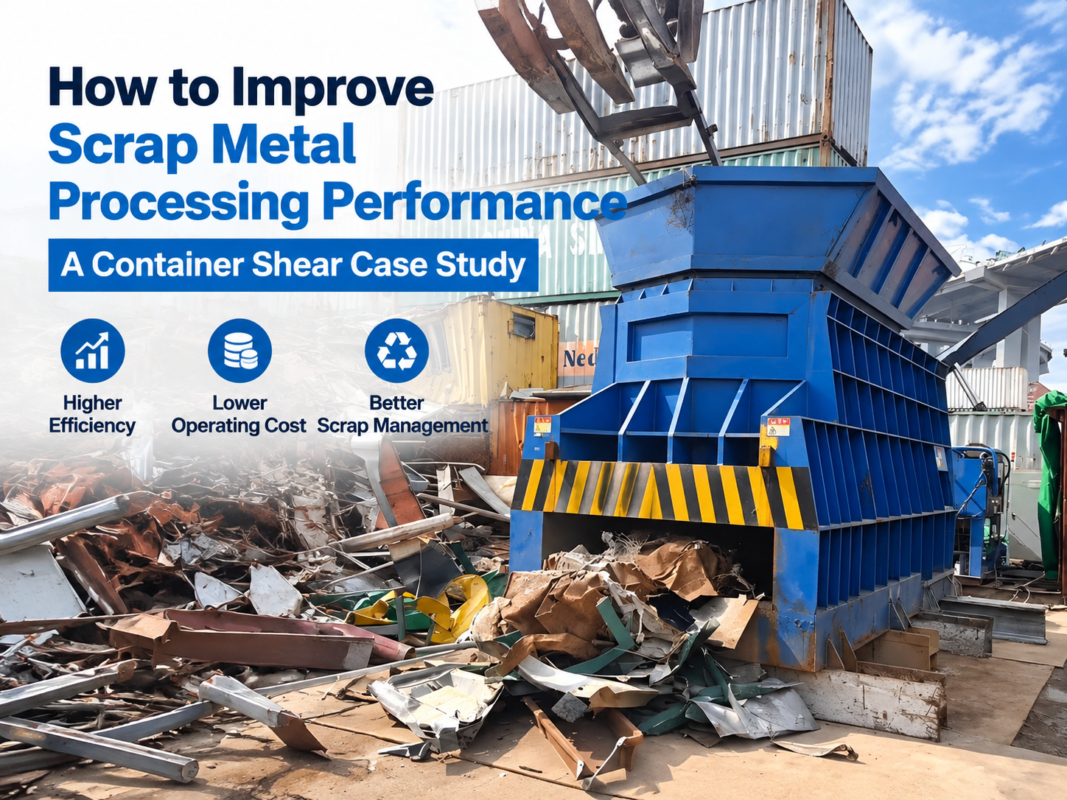
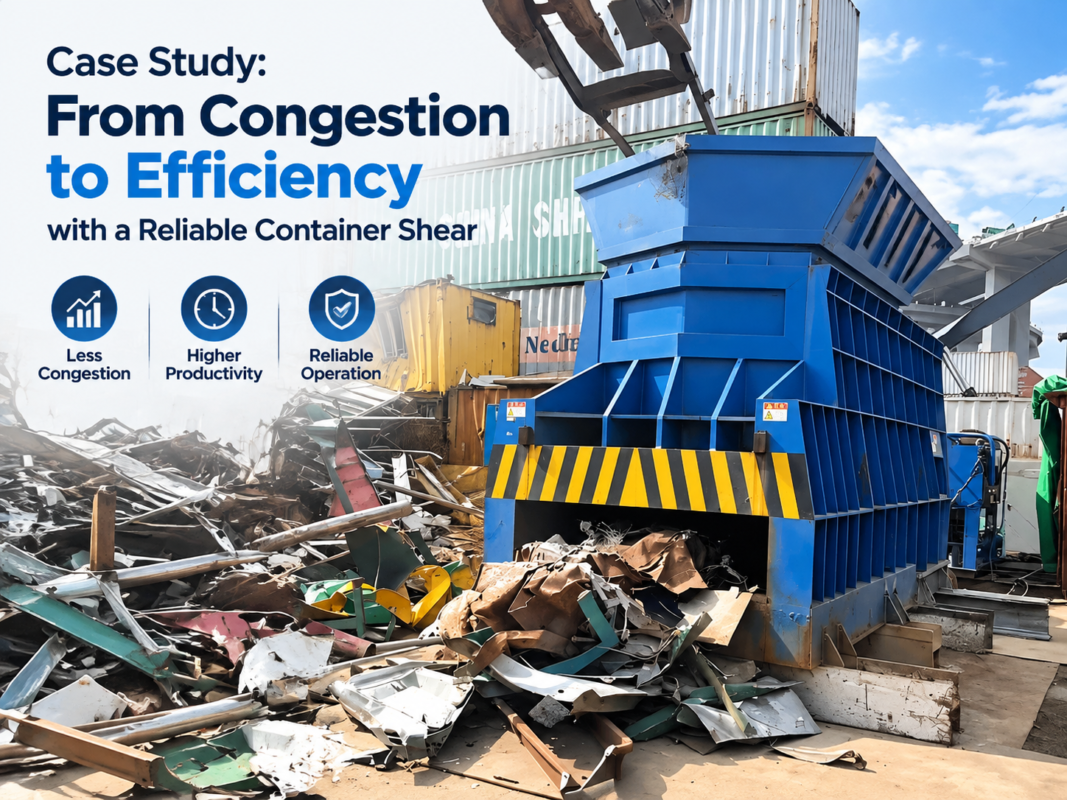
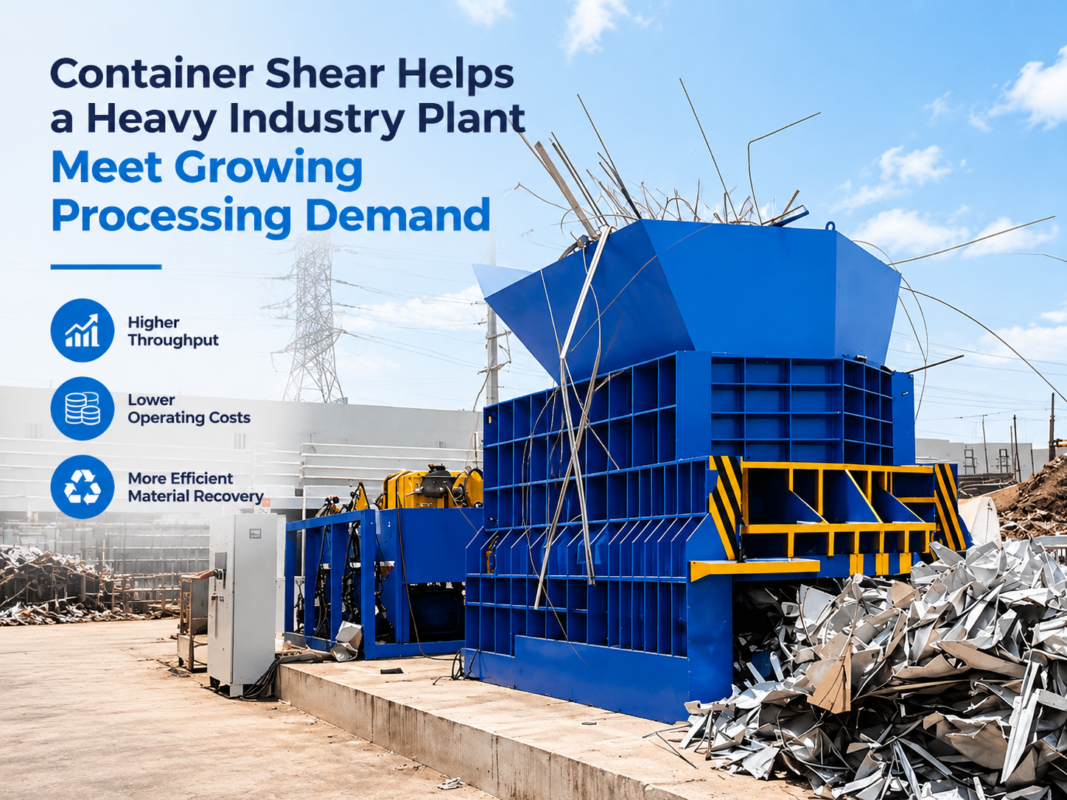
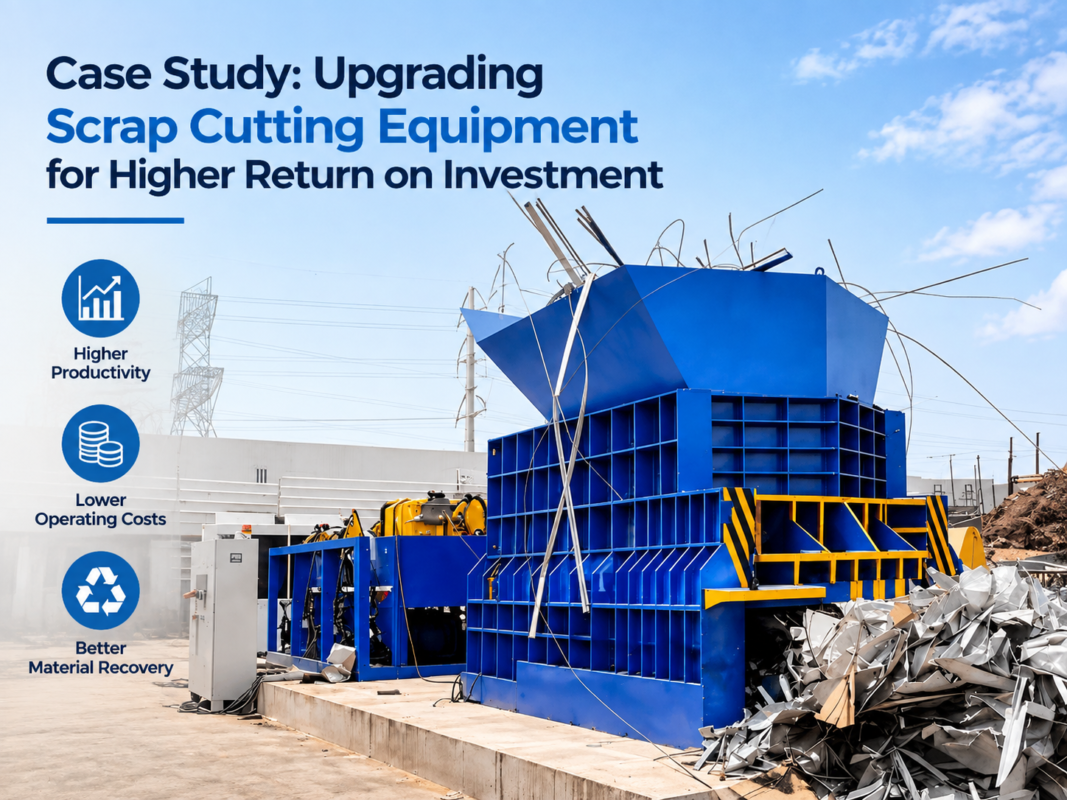
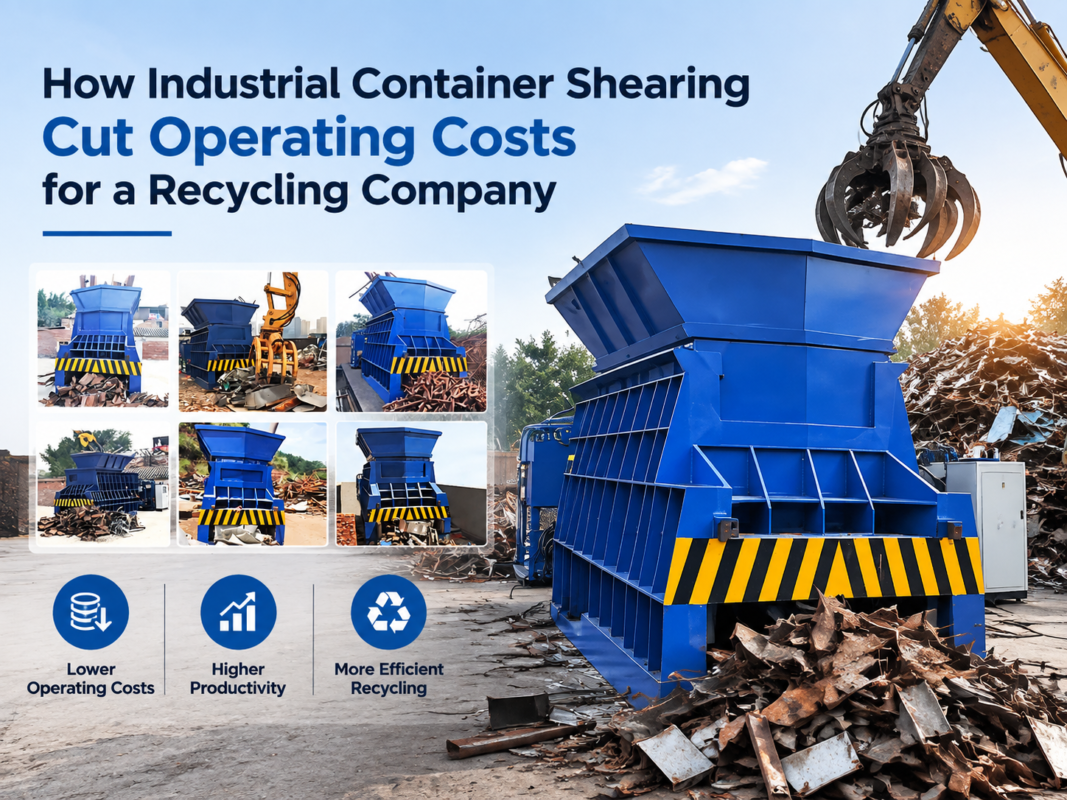
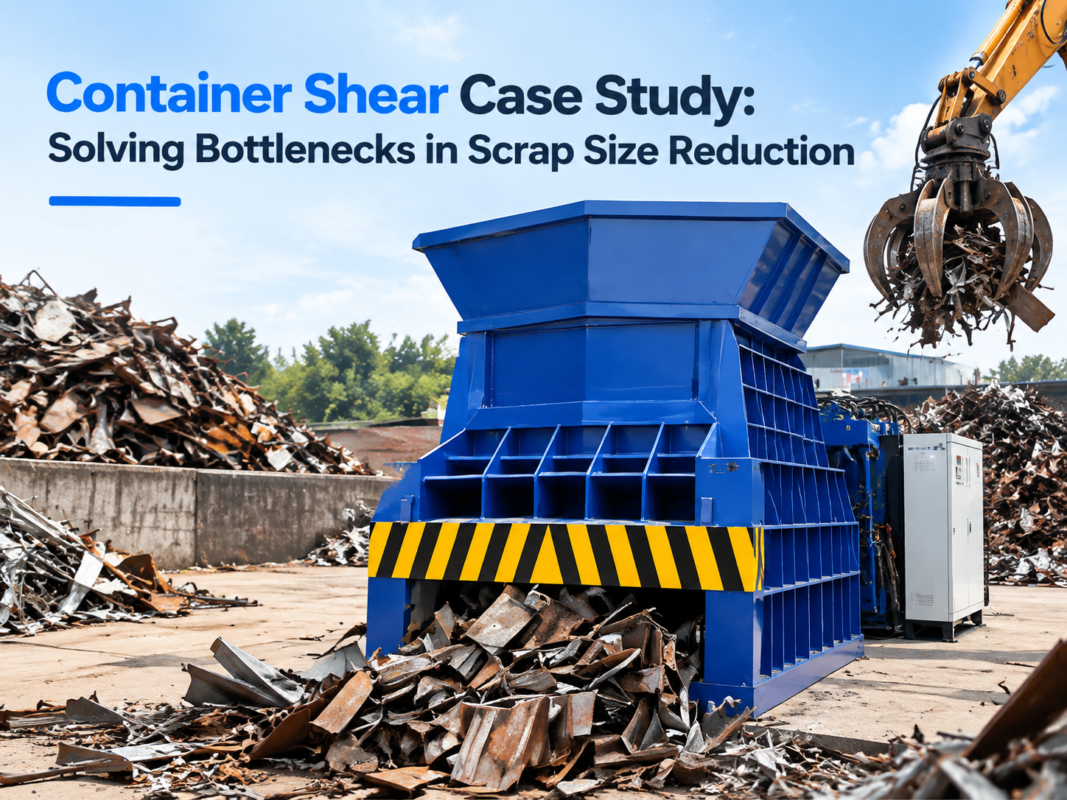
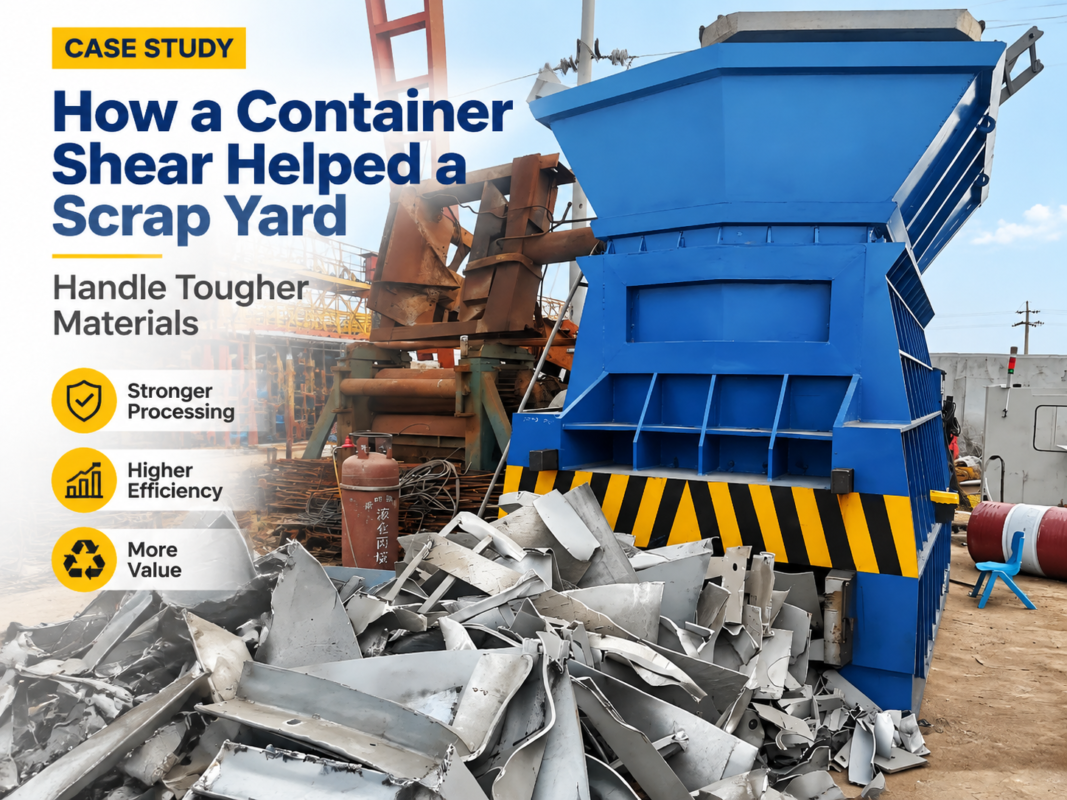
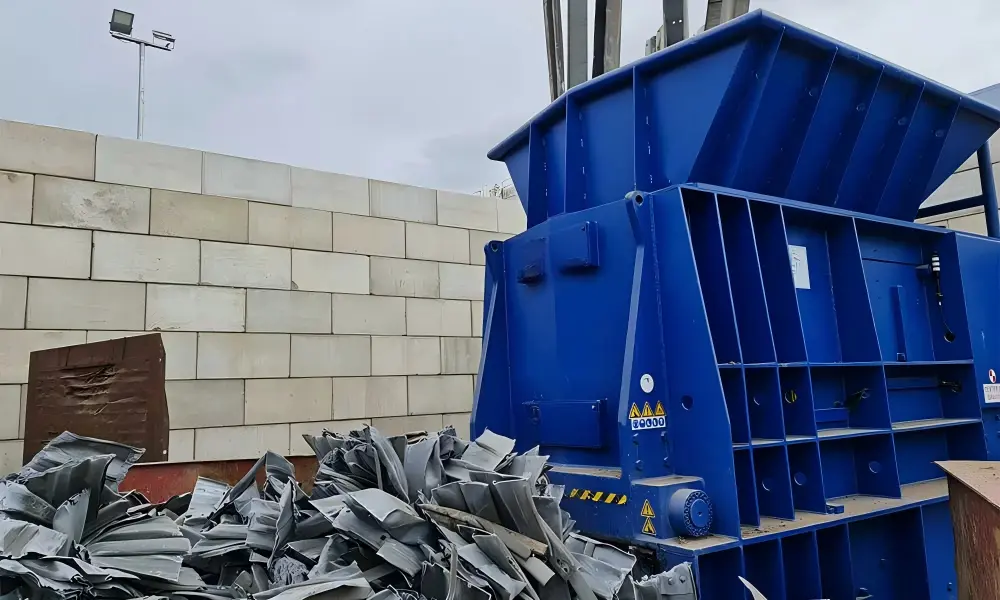
Container shears, often referred to as box shears or mobile scrap shears, are the workhorses of the modern recycling industry. Unlike traditional alligator shears or heavy-duty gantry shears, container shears offer a unique combination of high-volume processing and relative mobility. These machines are designed to compress and cut bulky scrap metal—ranging from structural steel and pipes to automotive frames—into manageable sizes for smelting. The core mechanism involves a large feeding box where scrap is loaded, a longitudinal compression cylinder that pushes the material toward the blades, and a heavy-duty hydraulic shear head that performs the cutting action.
The efficiency of a container shear is largely dependent on its hydraulic system. High-pressure pumps deliver fluid to massive cylinders, converting electrical energy into mechanical force. Modern HARSLE container shears utilize advanced PLC (Programmable Logic Controller) systems to synchronize the movements of the feeding lid, the pusher, and the shear blade. This automation ensures that the machine operates at peak efficiency while minimizing the risk of human error. However, the harsh environment of scrap yards—characterized by dust, metal shards, and extreme weather—means that even the most robust machines require diligent maintenance and a deep understanding of potential technical failures.
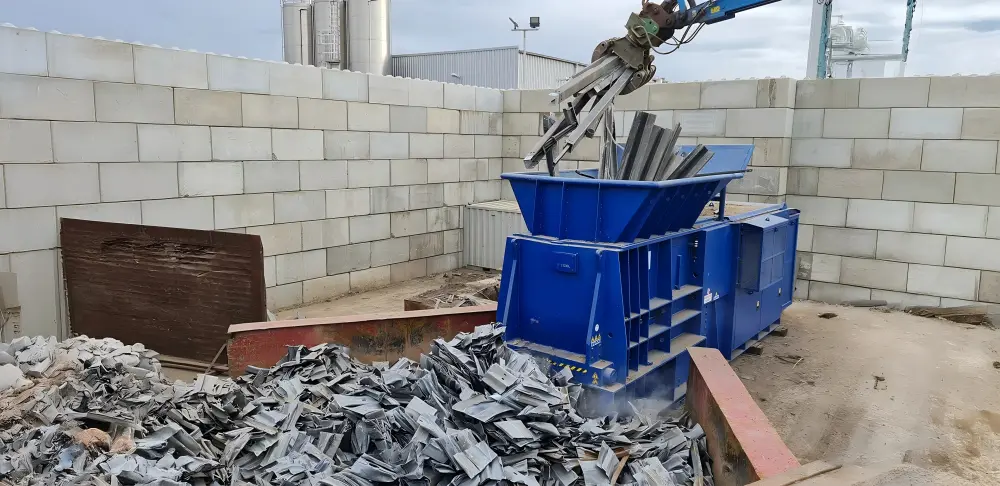
Understanding the technical nuances of these machines is the first step in addressing Common Container Shear Problems Fix Them Quickly. For instance, the shear’s structural integrity is maintained through high-strength alloy plates and reinforced welding. The cutting blades are typically made from specialized tool steel, heat-treated to withstand immense pressure and abrasion. When these components are pushed beyond their design limits, or when maintenance schedules are ignored, the machine’s performance degrades, leading to costly downtime. This guide aims to provide engineers and operators with the technical knowledge required to diagnose and fix these issues rapidly.
Core Parameters of High-Performance Container Shears
When evaluating the performance of a container shear or diagnosing a drop in productivity, one must look at the core technical parameters. These specifications define the machine’s capability and serve as the baseline for troubleshooting. The most critical parameter is the Shear Force, usually measured in tons (kN). This represents the maximum pressure the hydraulic cylinder can exert on the material. For container shears, this typically ranges from 400 to 1250 tons. If the shear force drops, it usually indicates a leak in the hydraulic circuit or a failing pump.
Another vital parameter is the Blade Length. The length of the blade determines the maximum width of the scrap that can be processed in a single stroke. Common lengths range from 800mm to 1500mm. Coupled with the Max Opening Height, these dimensions define the ‘throat’ of the machine. If the material being fed exceeds these dimensions, it can lead to structural jamming, one of the most frequent operational hurdles. Operators must ensure that the scrap is pre-sorted to match the machine’s physical constraints to avoid unnecessary mechanical stress.
The Cycle Time is a measure of operational efficiency, representing the time taken for the pusher to advance, the shear to cut, and the system to reset. A standard cycle time might range from 60 to 90 seconds depending on the material density. An increase in cycle time is often a symptom of hydraulic fluid overheating or air being trapped in the lines. Finally, the Motor Power (measured in kW) dictates the energy consumption and the speed at which the hydraulic pumps can move the fluid. Understanding these parameters allows maintenance teams to pinpoint exactly where a machine is underperforming.
Calculation Method for Shear Force and Material Capacity
To effectively address Common Container Shear Problems Fix Them Quickly, it is essential to understand the physics behind the cutting process. Calculating the required shear force for a specific material prevents overloading and premature wear. The basic formula used by engineers to determine the shearing force (F) is:
F = L × S × τ
Where:
L = Length of the cut (mm)
S = Thickness of the material (mm)
τ (Tau) = Shear strength of the material (N/mm²)
For example, if you are cutting a mild steel plate with a thickness of 20mm and a width of 500mm, and the shear strength of mild steel is approximately 350 N/mm², the calculation would be: 500 * 20 * 350 = 3,500,000 Newtons, or roughly 350 tons of force. If your machine is rated for 400 tons, you are operating within a safe margin. However, if the material is stainless steel or high-carbon alloy, the shear strength (τ) increases significantly, potentially exceeding the machine’s capacity.
Furthermore, the Hydraulic Pressure Calculation is vital for troubleshooting. The force exerted by a cylinder is the product of the pressure (P) and the area of the piston (A): F = P × A. If the machine fails to cut a piece of scrap that it previously handled with ease, technicians should check if the system pressure (P) is reaching its rated value (usually 25-31.5 MPa). A discrepancy here points toward a faulty relief valve or internal leakage in the cylinder seals. By applying these calculations, operators can determine if a problem is mechanical, hydraulic, or simply a matter of trying to process material that is too thick for the machine’s specifications.
Technical Parameter Table for Container Shear Models
The following table outlines the standard specifications for various HARSLE container shear models. This data is crucial for comparing performance benchmarks during troubleshooting.
| Model Specification | HCS-400 | HCS-630 | HCS-800 | HCS-1000 | HCS-1250 |
|---|---|---|---|---|---|
| Shear Force (Tons) | 400 | 630 | 800 | 1000 | 1250 |
| Blade Length (mm) | 800 | 1000 | 1200 | 1400 | 1500 |
| Max Opening (mm) | 600 | 700 | 800 | 900 | 1000 |
| Box Length (mm) | 4000 | 5000 | 6000 | 7000 | 8000 |
| Motor Power (kW) | 45 | 75 | 90 | 110 | 132 |
| Cycle Time (s) | 70-90 | 80-100 | 90-110 | 100-120 | 110-130 |
Common Engineering Mistakes in Container Shear Operation
One of the most frequent engineering mistakes in the operation of container shears is the neglect of the hydraulic filtration system. Scrap yards are inherently dirty environments. If the hydraulic oil becomes contaminated with fine metal dust or moisture, it acts as an abrasive paste, rapidly wearing down the precision-machined surfaces of the pumps and valves. Many operators wait for a total system failure before changing filters, whereas a proactive approach—monitoring the filter clog indicator—can prevent thousands of dollars in repair costs.
Another common error is incorrect blade gap adjustment. The clearance between the upper and lower blades must be precisely set based on the thickness of the material being cut. If the gap is too wide, the metal will ‘fold’ rather than shear, causing immense lateral stress on the shear head and potentially cracking the blade seats. Conversely, if the gap is too tight, the blades may collide, leading to catastrophic chipping. Engineers often fail to re-check this gap after replacing blades or after a particularly heavy shift, leading to a rapid decline in cutting quality.
Furthermore, ignoring the lubrication of the slide guides is a recipe for disaster. The shear head moves along heavy-duty guides that are subject to massive friction. Without consistent lubrication—ideally through an automated system—the guides can gall or seize. This not only increases the energy required for each stroke but also causes misalignment in the cutting path. Finally, many facilities fail to provide a level and stable foundation for the machine. A container shear exerts massive dynamic forces; if the foundation settles unevenly, the entire frame can twist, leading to hydraulic leaks and structural cracks that are nearly impossible to fix quickly.
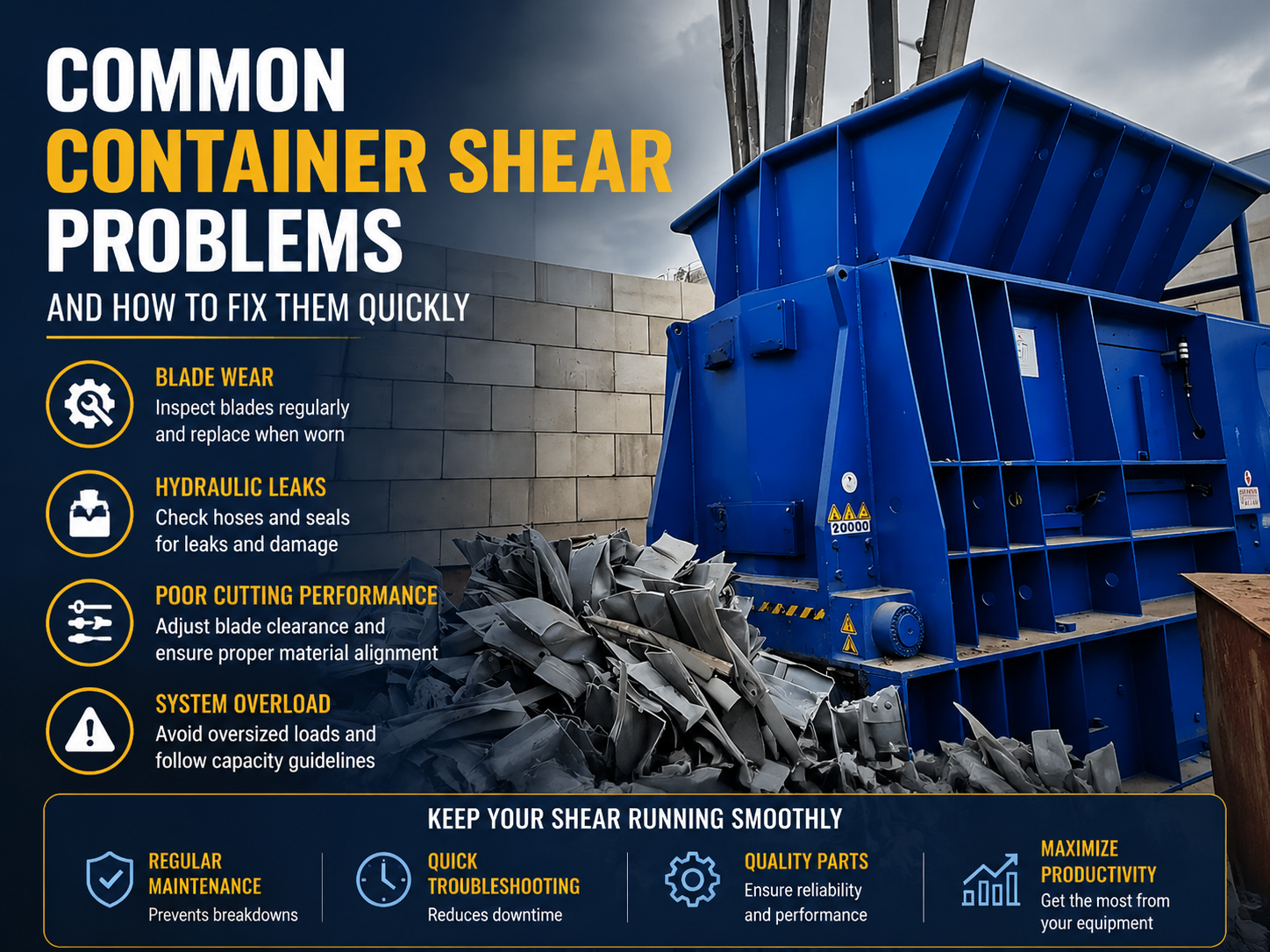
Common Container Shear Problems and How to Fix Them Quickly
1. Low Hydraulic Pressure or Loss of Cutting Power
This is perhaps the most frequent issue. When the shear fails to cut through material it should easily handle, the first step is to check the pressure gauge. If the pressure is low, inspect the relief valve. Often, a small piece of debris can get stuck in the valve seat, preventing it from closing fully. Cleaning or replacing the relief valve usually fixes this quickly. Another culprit is internal cylinder leakage. If the piston seals are worn, high-pressure oil bypasses the piston, reducing the effective force. This can be diagnosed by checking if the cylinder gets excessively hot during operation.
2. Excessive Noise and Vibration
While container shears are naturally loud, a change in the sound profile—such as high-pitched whining or rhythmic banging—indicates trouble. Whining often points to pump cavitation, caused by air entering the suction line or a clogged suction filter. Ensure all fittings are tight and the oil level is sufficient. Banging sounds usually indicate loose mechanical components or worn-out bushings. Check the bolts on the shear head and the pusher plate immediately. Tightening these components can prevent a minor vibration from turning into a major structural failure.
3. Slow Operation and Increased Cycle Times
If the machine feels ‘sluggish,’ the most likely cause is oil overheating. As hydraulic oil gets too hot, its viscosity drops, leading to increased internal leakage and reduced pump efficiency. Check the cooling system—ensure the fans are working and the heat exchanger isn’t clogged with dust. Another possibility is a failing solenoid valve. If the electrical signal to the valve is weak or the valve spool is sticking, the flow of oil to the cylinders will be restricted. Testing the solenoids with a multimeter and cleaning the valve bodies can often restore speed.
4. Blade Chipping and Rapid Wear
Blades are consumables, but premature chipping is a sign of an underlying issue. This is often caused by processing ‘un-shearable’ materials like hardened steel shafts or thick cast iron pieces that exceed the machine’s rating. To fix this quickly, ensure operators are trained in material identification. Additionally, check the blade bolts. If the bolts stretch or loosen, the blade will move slightly during the cut, leading to edge damage. Using high-tensile bolts and a torque wrench for installation is critical.
5. PLC and Electrical Faults
Modern shears rely on sensors (limit switches, pressure transducers) to communicate with the PLC. If the machine stops mid-cycle, check the PLC diagnostic screen for error codes. A faulty limit switch is a common culprit; these sensors are often hit by flying scrap or coated in grease. Cleaning the sensor or realigning it can often get the machine running in minutes. Always keep a backup of the PLC program and a spare set of common sensors on-site to minimize downtime.
Selection Checklist for Buying a Container Shear
Choosing the right container shear is the best way to avoid future problems. Use this checklist during your procurement process:
- Material Compatibility: Does the shear force match the thickest and toughest material in your scrap stream? Always aim for a 20% buffer in capacity.
- Hydraulic Component Brand: Does the machine use reputable brands like Rexroth, Parker, or Vickers? High-quality valves and pumps are much easier to service and find parts for.
- Cooling System Capacity: If you operate in a hot climate, ensure the machine has an oversized industrial oil cooler.
- Automation Features: Look for PLCs with remote diagnostic capabilities. This allows the manufacturer to troubleshoot software issues via the internet.
- Blade Design: Are the blades four-sided? Reversible blades provide four times the life before needing a regrind, significantly lowering operational costs.
- Structural Weight: Compare the total weight of the machine. A heavier machine generally indicates more robust steel construction and better long-term durability.
- After-Sales Support: Does the manufacturer provide a detailed troubleshooting manual and a guaranteed response time for spare parts?
Frequently Asked Questions (FAQ)
How often should I change the hydraulic oil in my container shear?
Generally, hydraulic oil should be changed every 2,000 to 3,000 operating hours. However, this depends on the environment. In dusty or humid conditions, you should perform oil analysis every 500 hours to check for contamination and additive depletion. Changing the oil before it degrades is much cheaper than replacing a hydraulic pump.
Why is my container shear leaking oil from the main cylinder?
Leaks from the main cylinder are usually due to worn rod seals. These seals are subjected to high pressure and can be damaged by ‘scoring’ on the cylinder rod (scratches caused by metal dust). If the leak is minor, you might be able to finish the shift, but the seals should be replaced immediately to prevent environmental contamination and further damage to the rod.
Can I sharpen the blades myself?
While you can grind the edges of the blades to restore sharpness, it must be done with precision. If the blades are ground unevenly, it will create an inconsistent gap, leading to the problems mentioned earlier. It is usually recommended to have blades professionally ground by a machine shop that can ensure perfectly flat surfaces and correct angles.
What is the best way to prevent ‘jamming’ in the feeding box?
The best prevention is proper material preparation. Avoid loading long, rigid pieces that can bridge across the box. Use the lid (if equipped) to pre-compress the material effectively. If a jam occurs, most modern HARSLE shears have a ‘reverse’ function on the pusher to clear the obstruction. Never attempt to clear a jam manually while the machine is under power.
How do I know if my hydraulic pump is failing?
Signs of a failing pump include a persistent high-pitched noise, increased cycle times even when the oil is cool, and an inability to reach maximum system pressure. You can perform a ‘flow test’ to confirm. If the pump output is significantly lower than its rated displacement, it likely has internal wear and needs rebuilding or replacement.
Is it necessary to warm up the machine in winter?
Yes. Cold hydraulic oil is highly viscous and can cause pump cavitation and sluggish valve response. Most container shears have a ‘warm-up’ cycle that circulates oil through the relief valve at low pressure to raise the temperature. You should wait until the oil reaches at least 20°C (68°F) before starting heavy shearing operations.