Container Shear Installation Guide: Site Preparation, Foundation, and Commissioning Tips

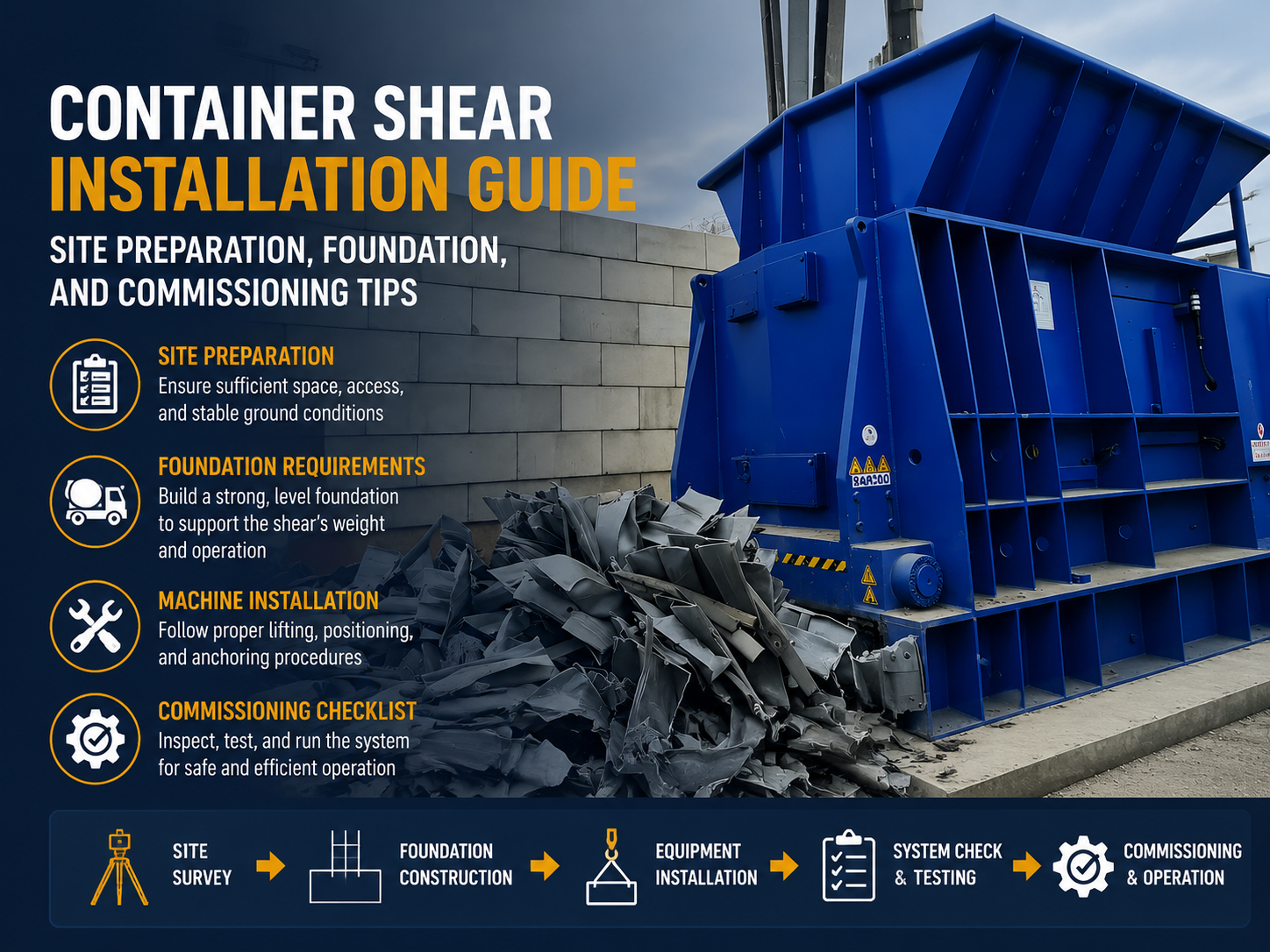
Technical Overview of Container Shear Installation
The container shear, a cornerstone of modern scrap metal recycling, represents a significant investment in industrial efficiency. Unlike traditional alligator shears or vertical guillotines, the container shear is designed for high-volume, continuous processing of bulky scrap. However, the performance of a HARSLE container shear is only as good as its installation. Proper Container Shear Installation : Site Preparation, Foundation, Commissioning Tips are not merely suggestions; they are engineering requirements that dictate the machine’s lifespan, safety, and operational accuracy.
Technically, a container shear operates using high-pressure hydraulic systems to compress and cut metal. This process generates immense structural vibrations and localized pressure. If the installation site is not prepared to handle these dynamic loads, the machine may suffer from frame misalignment, hydraulic leaks, or even catastrophic foundation failure. The installation process involves a multi-disciplinary approach, combining civil engineering for the foundation, electrical engineering for power integration, and mechanical expertise for the final commissioning.
HARSLE container shears are engineered with robust frames, but the interface between the machine and the ground is where stability is won or lost. A well-executed installation ensures that the cutting force is directed entirely into the scrap material rather than being dissipated through a shifting base. This guide provides a deep dive into the technicalities of setting up your container shear for long-term success, focusing on the critical phases of site selection, structural support, and initial startup protocols.
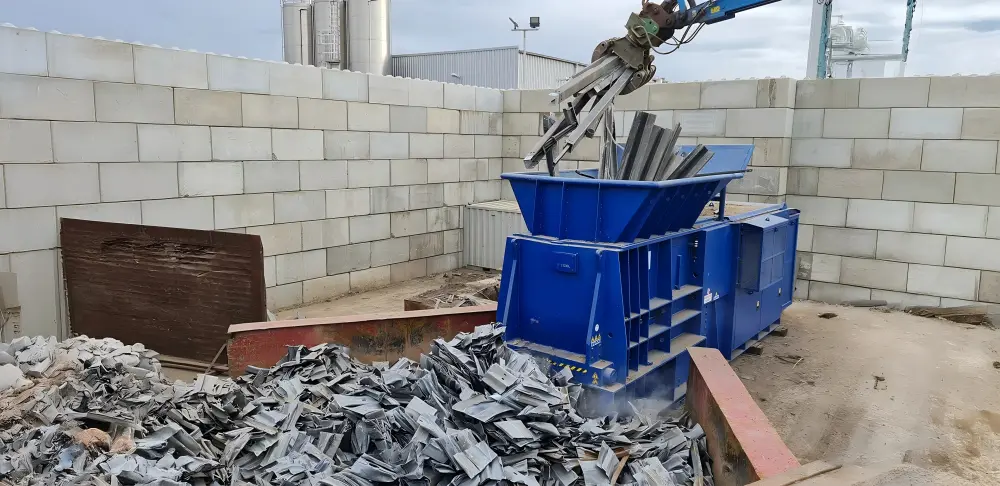
The Role of Hydraulic Stability in Installation
At the heart of the container shear is a complex hydraulic manifold. During the installation phase, the positioning of the hydraulic unit relative to the main cutting body is vital. Excessive distance can lead to pressure drops, while improper leveling can cause air pockets in the oil lines. The installation must account for the thermal expansion of hydraulic fluids and provide adequate ventilation for the cooling systems. By following a rigorous installation protocol, operators can prevent the most common cause of early-stage failure: hydraulic cavitation and contamination.
Core Parameters for Installation Planning
Before breaking ground, it is essential to understand the core parameters that influence the installation of a container shear. These parameters define the physical and operational footprint of the machinery. The primary factors include the total weight of the machine, the maximum cutting force, the cycle time, and the electrical load requirements. For instance, a 630-ton container shear has vastly different foundation requirements than a 1250-ton model.
Weight distribution is perhaps the most critical parameter. A container shear does not exert a static load; it exerts a dynamic, reciprocating load. As the compression box closes and the shear blade descends, the center of gravity shifts. The installation site must be analyzed for soil bearing capacity to ensure it can support these shifting forces without settling. Furthermore, the electrical parameters, including voltage stability and peak current draw during the start-up of the main motors, must be matched with the site’s power infrastructure.
Another core parameter is the spatial requirement for maintenance access. A container shear requires significant clearance on all sides for blade replacement, hydraulic cylinder servicing, and scrap feeding logistics. Ignoring these spatial parameters during the site preparation phase can lead to operational bottlenecks and increased downtime during routine maintenance. HARSLE recommends a minimum clearance of 3 to 5 meters around the perimeter of the machine to facilitate safe and efficient servicing.
Calculation Method for Foundation and Load Bearing
Calculating the requirements for a container shear foundation involves both static and dynamic load analysis. The static load is simply the weight of the machine plus the maximum weight of the scrap metal it can hold. However, the dynamic load—the force generated during the cutting stroke—can be 1.5 to 2 times the static weight. To calculate the required thickness of the reinforced concrete pad, engineers often use the following simplified formula:
T = (K * W) / (f * L * B)
Where T is the thickness, K is the dynamic load factor (usually 2.0 for shears), W is the total weight, f is the allowable soil bearing pressure, and L and B are the length and width of the foundation. It is imperative that the soil is compacted to at least 95% Proctor density before pouring the concrete. For HARSLE machines, we recommend using C30 or C35 grade concrete reinforced with a double-layer steel rebar grid.
In addition to thickness, the calculation must account for vibration dampening. Using specialized anti-vibration mounts or high-density rubber pads between the machine base and the concrete can significantly reduce the transmission of noise and shockwaves to surrounding structures. This is particularly important if the shear is installed near sensitive electronic equipment or office buildings. The foundation should also include integrated drainage channels to manage hydraulic oil spills and rainwater, ensuring a clean and safe working environment.
Container Shear Installation Parameter Table
The following table outlines the typical installation requirements for various HARSLE container shear models. Note that these are general guidelines and should be verified against the specific technical manual provided with your machine.
| Model Series | Cutting Force (Tons) | Total Weight (Approx. Tons) | Foundation Depth (mm) | Power Requirement (kW) | Min. Installation Area (m) |
|---|---|---|---|---|---|
| HCS-630 | 630 | 45 – 55 | 800 – 1000 | 90 – 110 | 12 x 6 |
| HCS-800 | 800 | 65 – 75 | 1000 – 1200 | 110 – 150 | 15 x 8 |
| HCS-1000 | 1000 | 85 – 100 | 1200 – 1500 | 150 – 200 | 18 x 10 |
| HCS-1250 | 1250 | 120 – 140 | 1500 – 1800 | 200 – 300 | 22 x 12 |
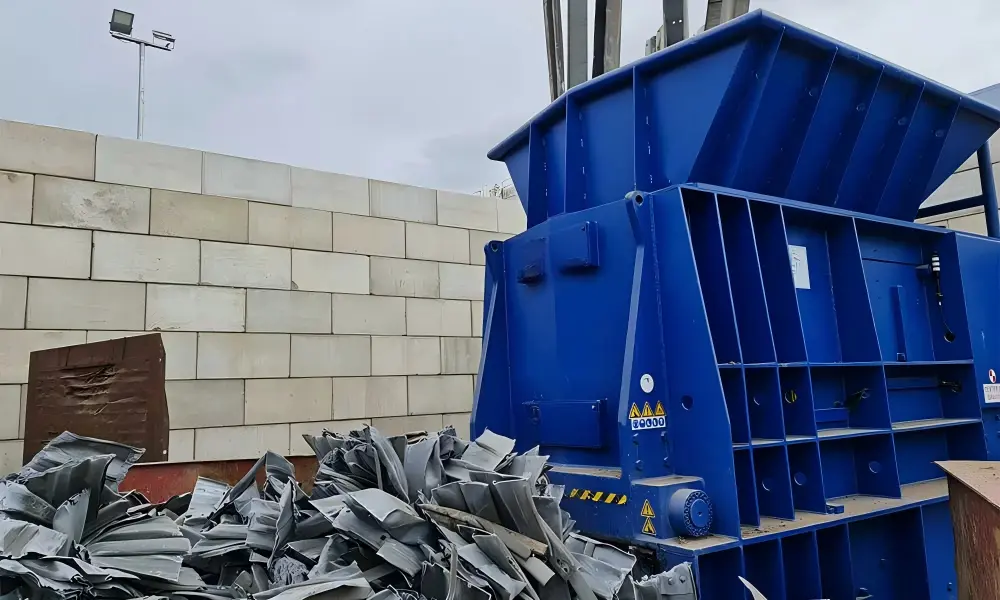
Common Engineering Mistakes in Installation
One of the most frequent mistakes in Container Shear Installation : Site Preparation, Foundation, Commissioning Tips is the underestimation of soil stability. Many facilities attempt to install heavy shears on existing warehouse floors that were only designed for forklift traffic. This inevitably leads to floor cracking and machine misalignment, which puts undue stress on the hydraulic cylinders and leads to premature seal failure.
Another common error is improper anchor bolt tensioning. Anchor bolts must be cast directly into the foundation or secured with high-strength epoxy. If the bolts are loose or unevenly tightened, the machine will “walk” or vibrate excessively during the cutting cycle. This not only damages the foundation but also affects the precision of the blade gap, leading to poor cutting quality and increased blade wear. Leveling the machine using precision laser levels is a step that cannot be skipped; even a 1-degree tilt can cause uneven wear on the main ram.
Electrical mistakes are also prevalent. Using undersized cabling or failing to provide a dedicated transformer can result in voltage drops when the hydraulic pumps engage. This causes the motors to overheat and can damage the PLC (Programmable Logic Controller) sensitive electronics. Furthermore, failing to implement a proper grounding (earthing) system can lead to electrical interference and safety hazards for the operators. Always ensure that the electrical installation complies with local industrial codes and the manufacturer’s specifications.
Selection Checklist for Site and Machine Setup
Choosing the right site and preparing it correctly requires a systematic approach. Use this checklist to ensure no critical steps are missed during the installation of your HARSLE container shear:
- Geotechnical Survey: Has the soil been tested for bearing capacity and moisture content?
- Logistics Access: Is there a clear path for heavy cranes and flatbed trailers to deliver the machine components?
- Foundation Curing: Has the concrete been allowed to cure for at least 28 days to reach full design strength?
- Power Supply: Is the electrical panel capable of handling the peak starting current of the hydraulic motors?
- Hydraulic Fluid: Do you have the correct grade and volume of hydraulic oil (e.g., ISO VG 46 or 68) ready for filling?
- Environmental Protection: Are there adequate measures for oil containment and noise reduction?
- Tooling and Equipment: Are precision levels, torque wrenches, and hydraulic pressure gauges available for commissioning?
- Safety Zones: Are the operator station and emergency stop buttons positioned for maximum visibility and safety?
- Blade Alignment: Has the blade gap been checked and adjusted according to the thickness of the scrap being processed?
- Documentation: Are all installation logs, electrical diagrams, and warranty documents organized and accessible?
Commissioning Tips for Peak Performance
Commissioning is the final bridge between installation and full-scale production. The first step in commissioning a container shear is a thorough inspection of all hydraulic connections. Even a minor leak can lead to significant fluid loss under high pressure. Once the system is filled with oil, the pumps should be jogged briefly to bleed air from the lines. Air trapped in the cylinders can cause “spongy” movement and erratic cutting behavior.
During the initial dry run (operating the machine without scrap), monitor the hydraulic pressure gauges and the temperature of the oil. The system should operate smoothly without unusual noises or vibrations. Check the PLC interface for any error codes and verify that all limit switches and sensors are functioning correctly. The auto-cycle logic should be tested to ensure the compression box, pusher, and shear head operate in the correct sequence.
The final stage of commissioning involves “hot testing” with actual scrap metal. Start with light-gauge material to verify the cutting action and gradually increase to the machine’s maximum rated capacity. Pay close attention to the blade clearance during these tests. As the machine warms up, thermal expansion may slightly alter the tolerances. Fine-tuning the pressure settings and cycle timers during this phase will optimize the machine for your specific scrap mix, ensuring maximum throughput and minimum energy consumption.
Frequently Asked Questions (FAQ)
1. How long does the typical container shear installation take?
From site preparation to final commissioning, the process usually takes 4 to 8 weeks. This includes the time required for the concrete foundation to cure (typically 28 days) and the mechanical assembly of the machine components, which takes about 5 to 10 days depending on the model size.
2. Can I install a container shear outdoors?
Yes, HARSLE container shears are often installed outdoors. However, you must ensure the hydraulic unit and electrical cabinets are protected by a weather-resistant enclosure or roof. Additionally, the foundation must account for local frost lines and drainage to prevent water from pooling around the machine base.
3. What type of hydraulic oil should I use?
We generally recommend high-quality anti-wear hydraulic oil, such as ISO VG 46 for temperate climates or ISO VG 68 for hotter environments. It is crucial to use oil that meets the cleanliness standards specified in the manual to protect the high-precision valves and pumps.
4. How often should I check the foundation bolts?
During the first month of operation, anchor bolts should be checked weekly as the machine settles. After the initial break-in period, a monthly inspection is sufficient. Any sign of loosening should be addressed immediately to prevent structural damage.
5. Why is blade gap adjustment so important during commissioning?
The blade gap determines the quality of the cut and the amount of stress placed on the machine. If the gap is too wide, the metal will fold rather than shear, causing high pressure and potential jams. If it is too tight, the blades may clash, leading to catastrophic damage. Proper adjustment ensures efficient cutting and extends blade life.
6. Do I need a specialized technician for commissioning?
While a skilled maintenance team can handle much of the physical installation, HARSLE strongly recommends having a factory-trained technician oversee the final commissioning. This ensures that the hydraulic pressures and PLC settings are optimized for safety and performance, and it often validates the manufacturer’s warranty.