Car Body Baler Buying Guide: Compare Hydraulic Press Options for Car Bodies

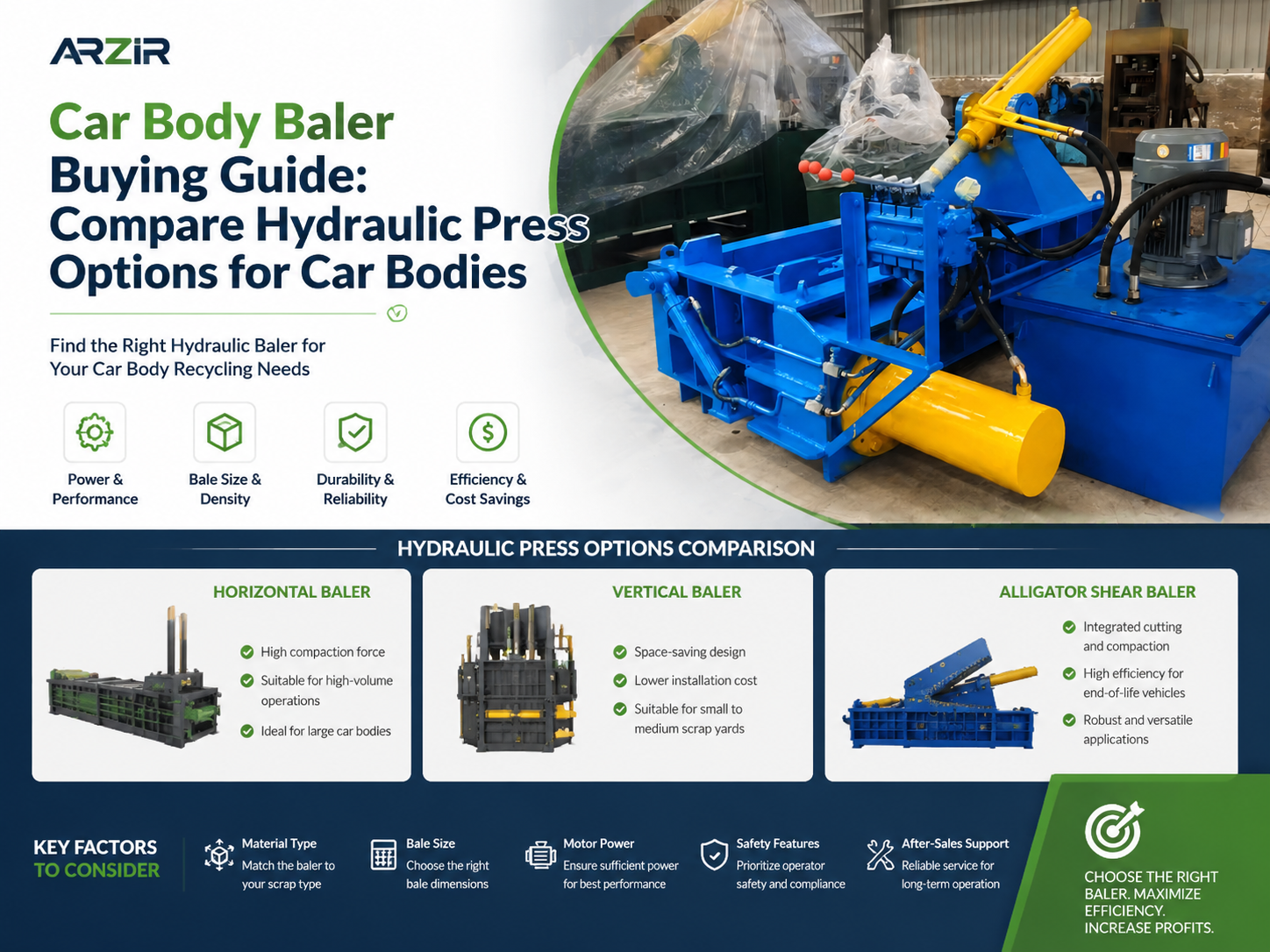
Introduction to Car Body Baler Buying
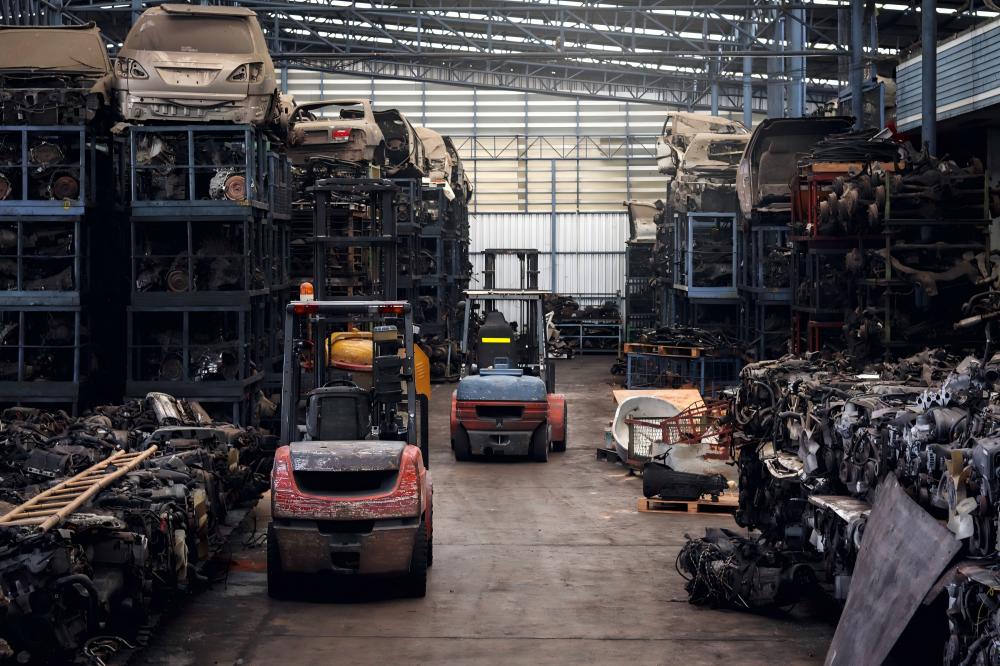
In the rapidly evolving landscape of scrap metal recycling, the efficiency of processing end-of-life vehicles (ELVs) determines the profitability of a yard. A car body baler is not just a piece of machinery; it is the heart of a recycling operation. When considering a Car Body Baler Buying : Compare Hydraulic Press Options Car Bodies, stakeholders must navigate a complex market of hydraulic pressures, cycle times, and structural configurations. This guide is designed to provide an exhaustive analysis of the factors that influence the purchase of a hydraulic press specifically engineered for car bodies.
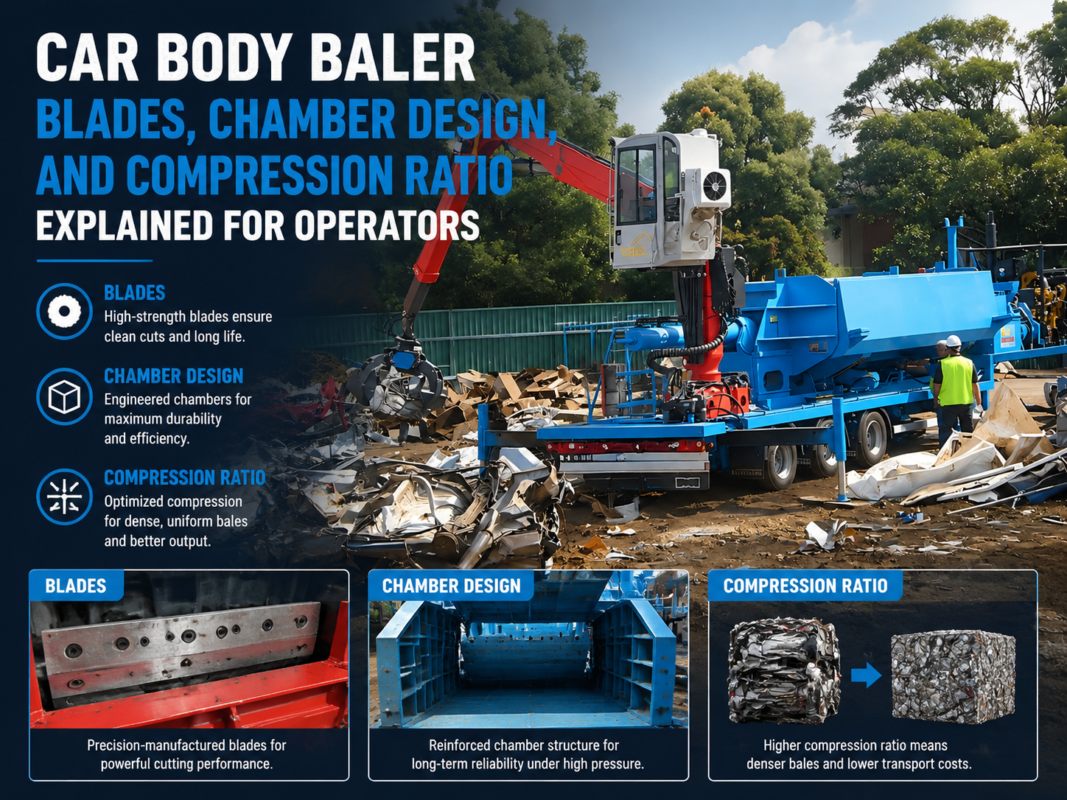
The primary function of a car body baler is to reduce the volume of a vehicle frame into a dense, manageable cube or bale. This process significantly lowers transportation costs and prepares the material for secondary smelting or shredding. However, not all balers are created equal. From portable units used in mobile salvage operations to massive stationary triple-compression presses, the choice depends on volume, budget, and long-term business goals. HARSLE, a leader in metal fabrication machinery, emphasizes that the right choice balances initial capital expenditure with operational efficiency.
Price Range Overview: What to Expect
The financial commitment for a car body baler varies significantly based on the machine’s capacity and automation level. Generally, the market is divided into three tiers: entry-level, mid-range, and industrial-grade. Understanding these price points is the first step in the Car Body Baler Buying : Compare Hydraulic Press Options Car Bodies process. Entry-level machines, often used by smaller yards or for occasional processing, typically range from $25,000 to $50,000. These units are usually semi-automatic and may have slower cycle times.
Mid-range hydraulic presses, which offer better durability and faster throughput, fall between $60,000 and $120,000. These machines are the workhorses of the industry, capable of processing dozens of cars per day. Finally, high-capacity, fully automated industrial balers can exceed $200,000. These are designed for 24/7 operation and feature advanced PLC controls and high-speed hydraulic circuits. When comparing these options, it is vital to look beyond the sticker price and consider the total cost of ownership over a ten-year period.
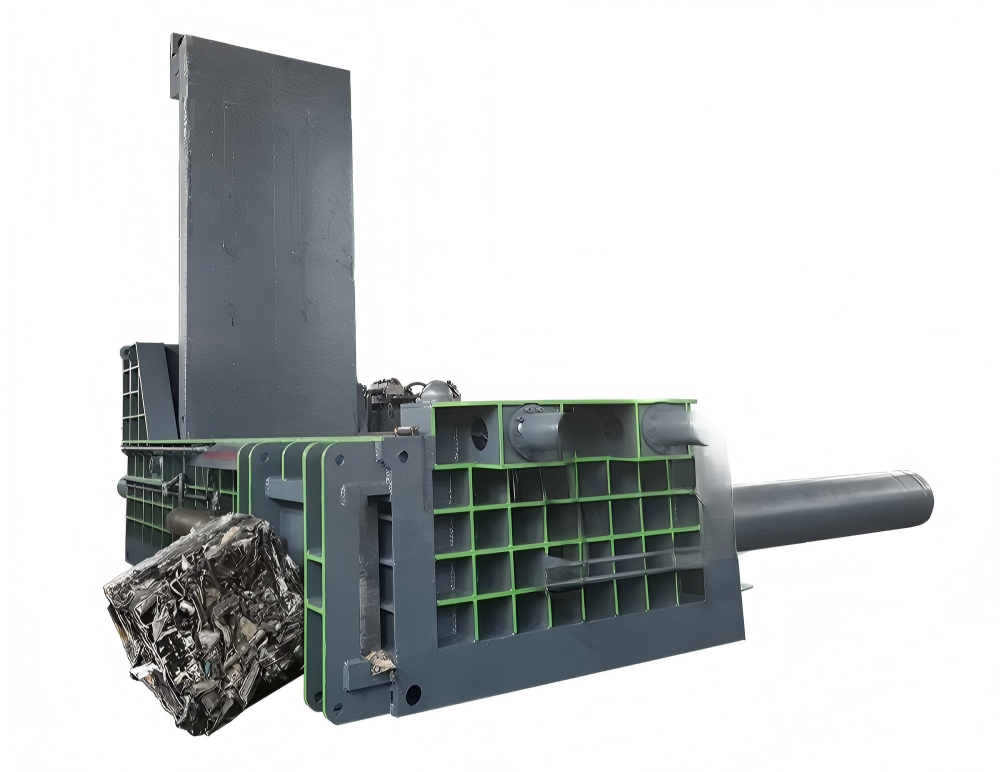
Main Cost Drivers in Hydraulic Press Selection
Several technical factors dictate the price and performance of a car body baler. The most significant driver is the hydraulic force, measured in tons. A baler designed for car bodies typically requires between 150 to 400 tons of pressure. Higher tonnage allows for denser bales, which are preferred by steel mills, but it also requires more robust steel frames and larger hydraulic cylinders, driving up the cost.
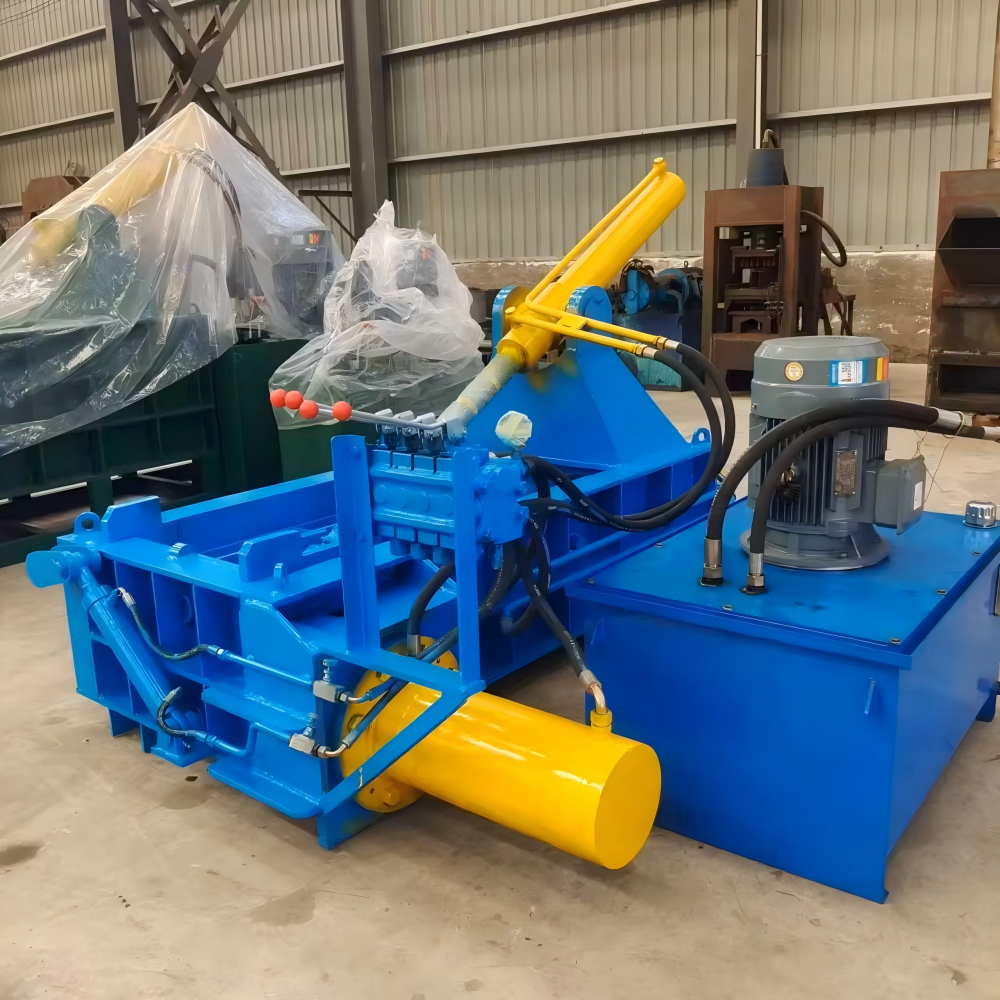
Another major cost driver is the hydraulic pump and motor system. High-efficiency pumps from reputable brands like Rexroth or Vickers increase the machine’s reliability and speed but add to the initial investment. Furthermore, the quality of the wear plates inside the compression chamber is critical. Using Hardox or similar abrasion-resistant steel ensures the machine can withstand the constant friction of crushed metal, reducing long-term maintenance costs but increasing the upfront price.
- Cylinder Bore and Stroke: Larger cylinders provide more force but require more oil and larger pumps.
- Cycle Time: The time it takes to complete one bale. Faster cycles require more sophisticated hydraulic logic.
- Steel Grade: The thickness and quality of the main frame (Q235 vs. Q345 steel).
- Control Systems: Manual valves vs. PLC-controlled automated systems with remote diagnostics.
Configuration Impact: Side-Push vs. Top-Push
When you Compare Hydraulic Press Options Car Bodies, the configuration of the compression mechanism is a pivotal decision. The two most common designs are the side-push (horizontal) baler and the top-push (vertical or lid-style) baler. Side-push balers are often more compact and easier to integrate into existing conveyor systems. They work by pushing the material against a fixed wall or a secondary ram to form the bale.
Top-push balers, often featuring a heavy-duty lid that acts as a primary compression tool, are exceptionally effective for bulky car bodies. The lid crushes the vehicle from above, and then side rams compress it into its final shape. This “triple compression” method produces the highest density bales. While more expensive due to the complexity of the lid mechanism and the additional cylinders, triple compression balers are often the preferred choice for high-volume exporters who need to maximize shipping container weight.
Hidden Costs of Owning a Car Body Baler
The purchase price is only the beginning. Buyers must account for several “hidden” costs that can impact the overall budget. Installation is a primary concern; heavy stationary balers require a reinforced concrete foundation to handle the vibration and weight. Shipping a 30-ton machine across continents can also add thousands of dollars to the final bill. Additionally, the initial fill of hydraulic oil—often hundreds of gallons—is a significant expense that is frequently overlooked.
Operational costs include electricity or diesel fuel, depending on the power unit. High-tonnage presses consume substantial energy, so choosing a machine with an energy-efficient motor or a variable frequency drive (VFD) can save significant money over time. Wear parts, such as hydraulic seals, filters, and the aforementioned wear plates, must be factored into the annual maintenance budget. Finally, operator training is essential; an unskilled operator can damage the machine or cause accidents, leading to costly downtime and liability.
ROI Calculation: Turning Scrap into Profit
Calculating the Return on Investment (ROI) is the most critical part of the Car Body Baler Buying : Compare Hydraulic Press Options Car Bodies journey. To calculate ROI, one must look at the “spread”—the difference between the price paid for a scrap car and the price received for a processed bale. A baler increases this spread by reducing transportation costs. For example, an uncrushed car takes up massive space on a flatbed, whereas a truck can carry dozens of compressed bales, reducing freight costs by up to 75%.
Consider a yard processing 20 cars per day. Without a baler, logistics might consume 40% of the profit margin. With a high-efficiency HARSLE baler, those logistics costs drop, and the labor required to load trucks is minimized. If the baler saves $50 per car in logistics and labor, and processes 5,000 cars a year, the $250,000 in annual savings can pay off a mid-range machine in less than six months. This calculation should also include the higher price per ton that mills pay for dense, clean bales compared to loose scrap.
Buying Advice: How to Choose the Right Manufacturer
Choosing the right manufacturer is as important as choosing the right machine. When evaluating suppliers like HARSLE, look for a track record of durability and after-sales support. Ask for technical drawings and material certifications for the steel used in the frame. A reputable manufacturer will provide detailed specifications on the hydraulic components, ensuring they are sourced from globally recognized brands that offer local spare parts availability.
Before finalizing a purchase, request a video demonstration or a factory visit. Observe the machine under load—listen for unusual noises in the hydraulic valves and check for smooth cylinder movement. Ensure the safety features, such as emergency stops and protective guarding, meet your local industrial standards (e.g., CE or OSHA). Lastly, negotiate a comprehensive warranty that covers both parts and remote technical support, as downtime in a scrap yard is incredibly expensive.
Buyer’s Checklist for Car Body Balers
- Throughput Requirements: How many tons per hour do you actually need to process?
- Bale Size: Does the bale size fit your local mill’s requirements or your shipping containers?
- Power Source: Do you have the electrical infrastructure for a 45kW+ motor, or do you need a diesel generator?
- Space Constraints: Does the machine footprint allow for safe loading and unloading with a crane or forklift?
- Maintenance Access: Are the hydraulic filters and pumps easily accessible for routine servicing?
Frequently Asked Questions (FAQ)
1. What is the average lifespan of a hydraulic car body baler?
With proper maintenance, a high-quality industrial baler from a manufacturer like HARSLE can last 15 to 20 years. The lifespan is largely dependent on the regularity of oil changes, the replacement of wear plates, and the environment in which it operates.
2. Can a car body baler process other types of scrap?
Yes, most car body balers are versatile. They can process white goods (appliances), light structural steel, and non-ferrous metals like aluminum and copper. However, they should not be used for heavy structural beams or hardened steel shafts which could damage the rams.
3. Is a portable or stationary baler better?
Portable balers are ideal for companies that manage multiple small yards or perform on-site cleanups. Stationary balers are generally more powerful, durable, and efficient for high-volume, centralized operations.
4. How much hydraulic oil does a standard baler require?
A mid-sized car body baler typically requires between 600 to 1,200 liters of hydraulic oil. It is crucial to use the correct grade (usually ISO 46 or 68) and keep it clean to prevent pump failure.
5. What safety certifications should I look for?
Look for CE marking if you are in Europe, or compliance with ANSI/OSHA standards in North America. These certifications ensure the machine has been designed with operator safety in mind, including proper guarding and emergency systems.
6. How does bale density affect my profit?
Steel mills and smelters prefer high-density bales because they melt more efficiently and take up less space in the furnace. Consequently, they often pay a premium for “Grade 1” heavy melting scrap bales compared to lower-density bundles.
Conclusion
The process of Car Body Baler Buying : Compare Hydraulic Press Options Car Bodies requires a deep dive into technical specifications, operational needs, and financial forecasting. By focusing on high-quality hydraulic components, robust structural design, and a clear understanding of ROI, recycling businesses can make an investment that drives growth for decades. HARSLE remains committed to providing the industry with the tools necessary to turn automotive waste into valuable raw materials, ensuring a sustainable and profitable future for the metal recycling sector.