
Complete Guide to Hammer Shredder Wear Parts and Replacement Intervals

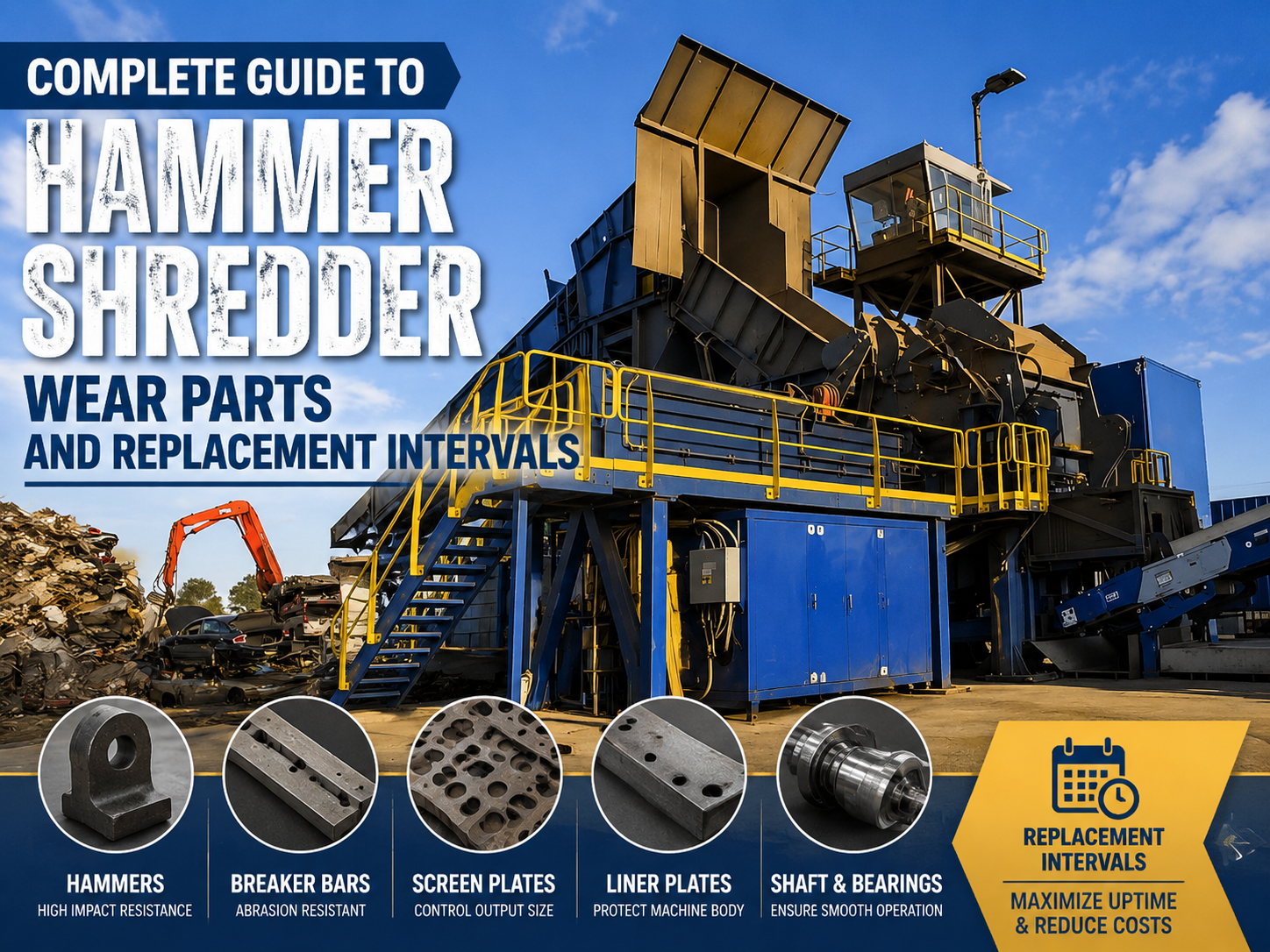
Technical Overview of Hammer Shredder Wear Components
In the high-stakes world of scrap metal recycling and industrial waste management, the hammer shredder stands as the primary workhorse. Its efficiency is dictated not just by the motor’s horsepower, but by the integrity of its internal wear components. Understanding the Complete Hammer Shredder Wear Parts Replacement Intervals is essential for any facility aiming to minimize downtime and maximize throughput. A hammer shredder operates on the principle of high-velocity impact, where a series of heavy hammers attached to a rotating shaft strike the incoming material, shattering it against internal liners and grates until it is small enough to pass through the discharge screen.
The environment inside a shredding chamber is one of extreme violence. Kinetic energy is converted into mechanical work, resulting in intense heat, friction, and impact forces. Consequently, the wear parts—primarily the hammers, grates, side liners, and rotor protectors—are designed to be sacrificial. They are engineered to absorb this energy and wear down gradually rather than failing catastrophically. However, the rate of this wear is highly variable, depending on the metallurgical composition of the parts and the nature of the feedstock being processed.
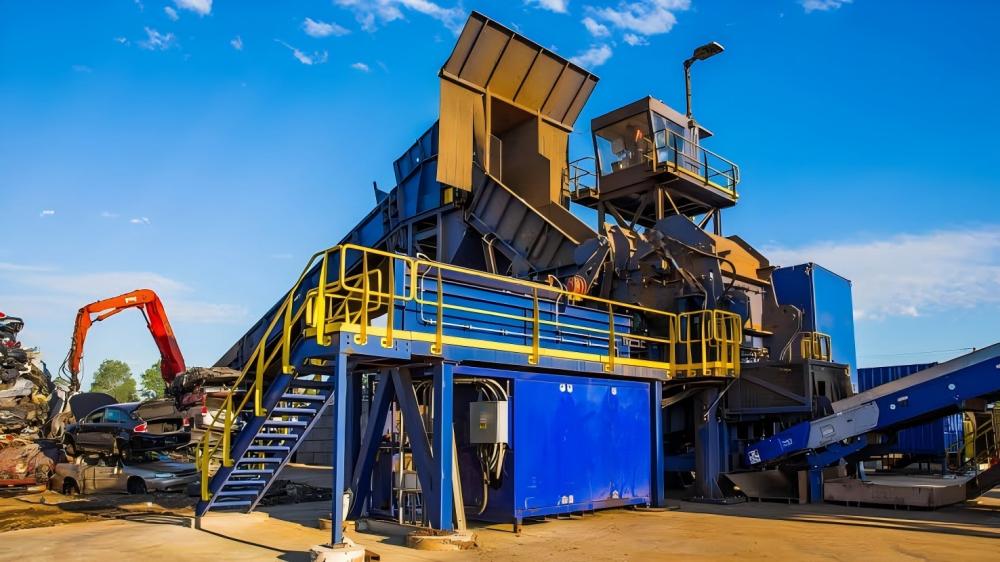
Modern industrial shredders utilize advanced alloys to extend these intervals. Manganese steel, often referred to as Hadfield steel, remains the industry standard due to its unique work-hardening properties. As the hammers strike hard scrap, the surface of the manganese steel increases in hardness while the core remains ductile, providing a balance of abrasion resistance and impact toughness. Understanding this metallurgical behavior is the first step in mastering the Complete Hammer Shredder Wear Parts Replacement Intervals.
Core Parameters Influencing Wear Life
When evaluating the longevity of shredder components, several core parameters must be analyzed. These parameters define the operational envelope of the machine and dictate how often a maintenance crew must intervene. The primary factor is the Hardness (HRC) of the wear part. While higher hardness generally equates to better abrasion resistance, it often comes at the cost of brittleness. For hammer shredders, a balance must be struck between the Rockwell hardness and the Impact Toughness (Charpy V-Notch values).
Another critical parameter is the Rotor Tip Speed. The faster the rotor spins, the higher the impact energy, but also the higher the rate of frictional wear. A shredder operating at 500 RPM will have significantly different replacement intervals than one operating at 800 RPM. Furthermore, the Feedstock Density plays a massive role. Processing light tin or aluminum cans is far less taxing on the hammers than processing heavy structural steel or engine blocks. The presence of non-shreddables, such as massive shafts or hardened tool steel, can cause immediate damage, regardless of the scheduled interval.
Finally, the Grate Opening Size influences the internal circulation time of the material. Smaller grate openings mean the material stays in the chamber longer, leading to more frequent impacts per ton of output and, consequently, faster wear on both the hammers and the grates themselves. Operators must calibrate their expectations based on these specific operational variables rather than relying solely on generic manufacturer estimates.
Calculation Method for Replacement Intervals
Determining the Complete Hammer Shredder Wear Parts Replacement Intervals requires a data-driven approach rather than guesswork. The most common method is the Tonnage-Based Calculation. By tracking the total tons of material processed against the weight loss of the hammers, operators can establish a ‘grams per ton’ wear rate. For example, if a set of hammers weighs 2,000 kg and is considered ‘spent’ after losing 400 kg of mass, and this occurs after processing 10,000 tons, the wear rate is 40 grams per ton.
A more sophisticated approach involves the Dimensional Analysis Method. Maintenance teams measure the ‘nose’ length of the hammer at regular intervals. Once the hammer has worn down to a specific percentage of its original length (typically 30-40%), the efficiency of the shredder drops significantly because the gap between the hammer and the grate becomes too wide. This results in ‘slugging’ and increased energy consumption. The formula for calculating the remaining life is: Remaining Life = (Current Dimension – Minimum Safe Dimension) / Average Wear Rate per Shift.
It is also vital to factor in the Cost-Per-Ton Analysis. Sometimes, it is more economical to replace hammers earlier to maintain high throughput and low energy costs, rather than running them to their absolute physical limit. A worn hammer requires more electricity to achieve the same shredding result because it relies more on rubbing and friction than on clean impact. Therefore, the replacement interval should be optimized for economic efficiency, not just part longevity.
Parameter Table: Wear Part Material Comparison
The following table outlines the typical characteristics and expected lifespans of various wear part materials used in modern hammer shredders. These values are estimates based on standard scrap metal processing conditions.
| Material Type | Hardness (HRC) | Impact Toughness (J/cm²) | Typical Application | Estimated Lifespan (Tons) |
|---|---|---|---|---|
| 13% Manganese Steel | 18-25 (Work hardens to 45+) | 150-200 | Standard light scrap, tin | 8,000 – 12,000 |
| 18% Manganese Steel | 20-28 (Work hardens to 50+) | 120-160 | Mixed scrap, auto bodies | 12,000 – 18,000 |
| 22% Manganese Steel | 22-30 (Work hardens to 55+) | 100-140 | Heavy scrap, structural steel | 18,000 – 25,000 |
| High Chrome Iron | 58-65 | 5-10 | Liners only (Low impact) | 30,000 – 50,000 |
| Alloy Steel (Heat Treated) | 35-45 | 60-90 | Rotor protectors, pins | 15,000 – 20,000 |
Common Engineering Mistakes in Shredder Maintenance
One of the most frequent mistakes in managing Complete Hammer Shredder Wear Parts Replacement Intervals is the failure to maintain rotor balance. As hammers wear unevenly—which is common if the feed is not distributed across the full width of the shredder—the rotor becomes unbalanced. This leads to excessive vibration, which can destroy bearings and even cause structural failure of the shredder housing. Operators often wait for a scheduled shutdown to address wear, ignoring the warning signs of vibration that suggest an earlier intervention is needed.
Another common error is the improper selection of hammer alloy for the specific climate. Manganese steel requires impact to work-harden. If a shredder is processing very soft material in a cold environment, the hammers may not reach their optimal hardness, leading to rapid abrasive wear. Conversely, using high-chrome components in high-impact zones is a recipe for disaster, as the brittle nature of chrome iron will lead to cracking and catastrophic part failure, potentially damaging the rotor itself.
Furthermore, many facilities neglect the Hammer Pins. The pins hold the hammers to the rotor and are subject to immense shear forces. Reusing pins that have exceeded their fatigue life or failing to lubricate the pin-to-hammer interface can lead to pin breakage. A broken pin releases a hammer into the chamber, which can cause an explosive failure of the machine. Always replace pins according to the manufacturer’s cycles, regardless of their visual appearance.
Selection Checklist for Hammer Shredder Wear Parts
Choosing the right parts is as important as knowing when to replace them. Use this checklist during your next procurement cycle:
- Material Verification: Does the supplier provide metallurgical certificates for the manganese content?
- Application Matching: Are you using 13%, 18%, or 22% manganese? Match the percentage to the toughness of your scrap.
- Weight Consistency: Are the hammers in a set within 1-2% of each other’s weight to ensure rotor balance?
- Fitment Tolerances: Do the hammer eyes and pin diameters match the rotor specifications to prevent ‘slap’?
- Liner Geometry: Are the side liners designed with a profile that encourages material flow rather than dead zones?
- Grate Design: Are the grates cast or fabricated? Cast grates generally offer longer life in high-abrasion environments.
- Supplier Track Record: Does the manufacturer have experience with HARSLE-style or similar high-capacity shredders?
Frequently Asked Questions (FAQ)
How often should I flip my hammers?
Hammers should typically be flipped when the leading edge has worn down by approximately 20-25% of its original profile. Flipping allows the trailing edge to become the new striking face, effectively doubling the life of the part. Most operators perform a flip halfway through the expected tonnage life of the hammer set.
What are the signs that grates need replacement?
The most obvious sign is the size of the output material. If the shredded scrap is consistently larger than the grate openings, it indicates that the grates have thinned or the bars have worn down, allowing oversized material to pass. Additionally, visual inspection for cracks or bowing is essential during every maintenance shift.
Can I weld-repair worn hammers?
While possible, it is generally not recommended for high-production environments. Welding on manganese steel requires very specific temperature controls to prevent embrittlement. Improper welding can lead to the hammer shattering upon its first impact after being reinstalled. It is usually more cost-effective and safer to replace the part.
Why is my shredder vibrating after a hammer change?
This is almost always due to a weight imbalance. Even new hammers have slight weight variations. It is critical to weigh each hammer and distribute them around the rotor in a balanced pattern (e.g., placing the heaviest hammers opposite each other). If the vibration persists, the rotor itself may be bent or the pins may be worn unevenly.
How does moisture affect wear parts?
Moisture, especially when combined with dirt or sand in the scrap, creates an abrasive slurry that accelerates wear on the liners and the bottom of the hammers. In wet conditions, you may see a 10-15% reduction in the Complete Hammer Shredder Wear Parts Replacement Intervals compared to dry processing.
What is the role of the ‘Breaker Bar’?
The breaker bar is the first point of impact for material entering the shredder. It takes the brunt of the initial shock. If the breaker bar is worn, the material enters the main chamber without being pre-broken, which puts significantly more stress on the hammers and increases the overall wear rate of the system.


