How to Select the Best Car Body Baler for Your Scrap Metal Processing Plant

Introduction to Car Body Baler Selection
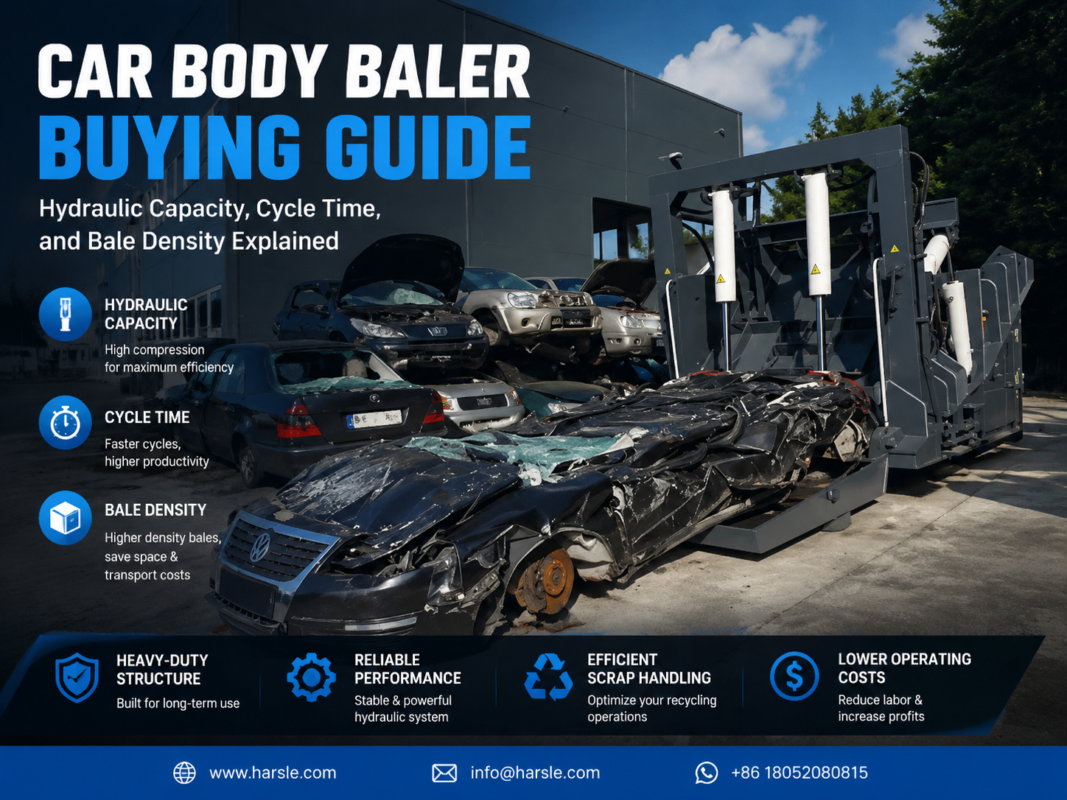
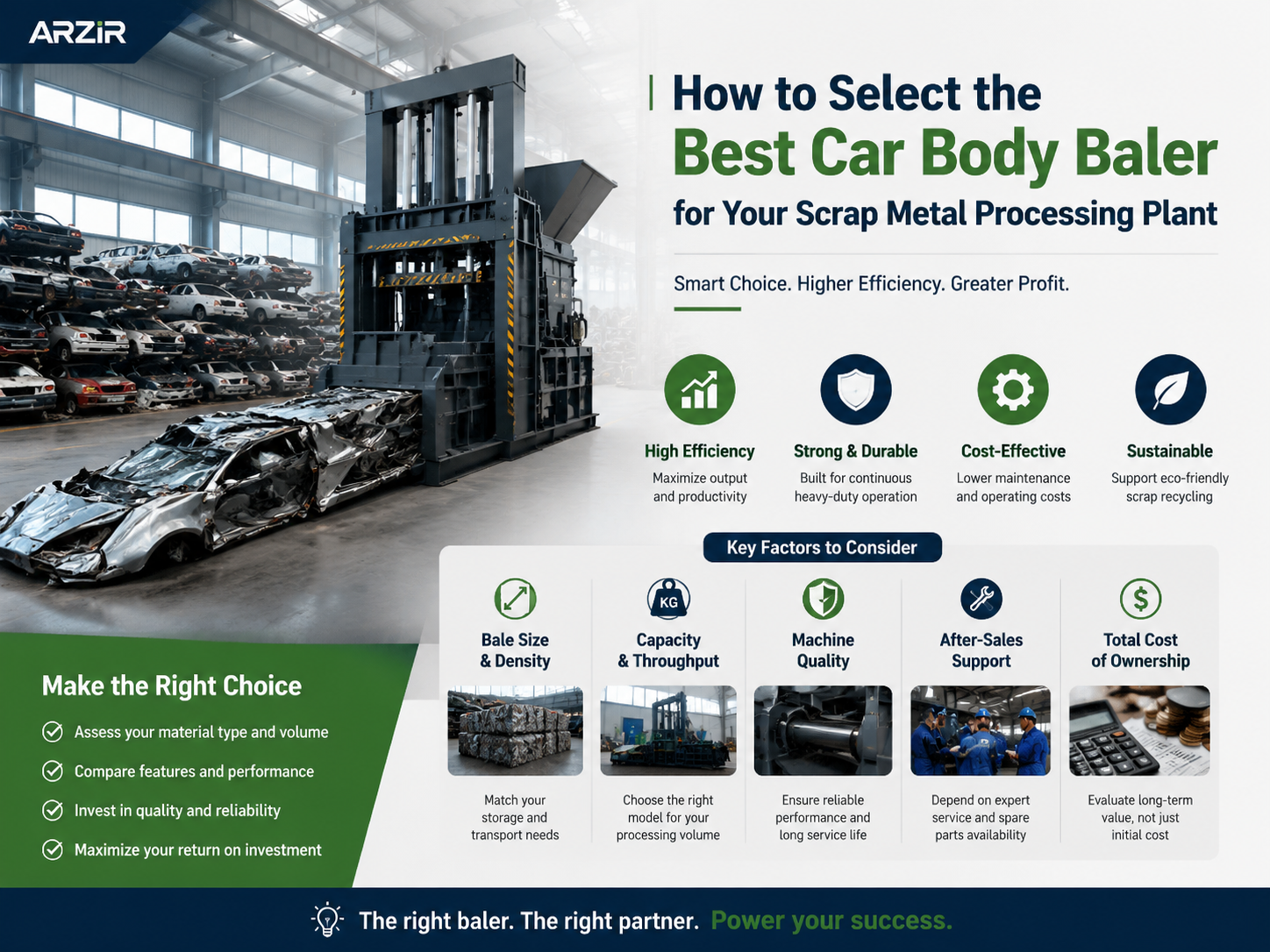
In the high-stakes world of scrap metal recycling, efficiency is the primary driver of profitability. For facilities dealing with End-of-Life Vehicles (ELVs), the ability to compress bulky car shells into dense, transportable bales is not just a convenience—it is a logistical necessity. To select the best car body baler for your scrap metal processing plant, you must look beyond the initial price tag and evaluate technical specifications, structural integrity, and long-term operational costs. A well-chosen baler can reduce transportation costs by up to 75% and significantly increase the market value of your scrap.
HARSLE understands that every scrap yard has unique requirements, ranging from small-scale regional collectors to massive industrial processing hubs. The selection process involves a deep dive into hydraulic pressures, cycle times, and the physical dimensions of the charging box. This guide provides a comprehensive roadmap to help you navigate the complexities of purchasing a car body baler, ensuring that your investment yields the highest possible Return on Investment (ROI) while maintaining peak operational safety.
Price Range Overview: What to Expect
The market for car body balers is diverse, with prices fluctuating based on capacity, mobility, and automation levels. Generally, the investment for a professional-grade car body baler starts at approximately $40,000 and can exceed $300,000 for high-speed, fully automated stationary systems. Understanding where your needs fall within this spectrum is the first step in the procurement process.
Entry-level balers, often designed for smaller yards or lower volume processing, typically range from $40,000 to $75,000. These machines are usually semi-automatic and may have longer cycle times. While they are capable of processing full car bodies, they may require more manual intervention for pre-processing, such as removing engines or flattening the roof before loading. These are ideal for plants processing 10 to 20 cars per day.
Mid-range balers, priced between $80,000 and $160,000, represent the most common choice for established scrap metal processing plants. These machines offer faster cycle times (often under 90 seconds), higher hydraulic force, and better wear-resistant liners. Many in this category are available in mobile or portable configurations, allowing the machine to be moved within the yard or even between different sites.
High-end industrial balers, costing $180,000 and above, are built for 24/7 operation. These units feature massive charging boxes, integrated cranes for loading, and advanced PLC systems for fully automated cycles. They are designed to produce high-density bales that meet the strictest requirements of steel mills and foundries. For a plant processing hundreds of tons of scrap daily, the speed and reliability of these machines are essential to prevent bottlenecks.
Main Cost Drivers in Baler Manufacturing
When you select the best car body baler for your scrap metal processing plant, it is important to understand why one machine costs significantly more than another of similar size. The primary cost driver is the quality and capacity of the hydraulic system. High-pressure pumps from reputable brands like Rexroth or Vickers, combined with large-bore cylinders, ensure the machine can handle the immense resistance of a reinforced car chassis without overheating or failing.
The quality of steel used in the frame and the charging box is another critical factor. A baler is subjected to extreme structural stress during every cycle. Machines built with high-tensile Q345B steel or reinforced with Hardox wear plates in the compression chamber will last significantly longer than cheaper alternatives. Hardox liners are particularly important because they protect the main structure from the abrasive nature of scrap metal, which can quickly grind down standard steel surfaces.
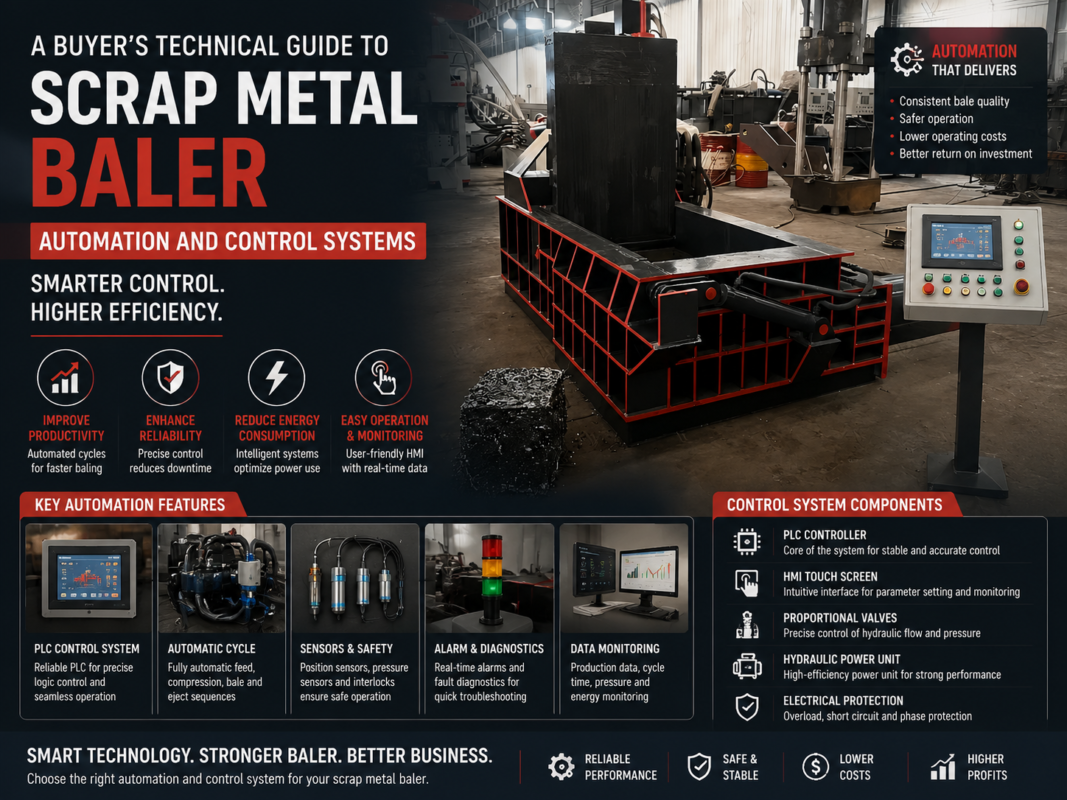
Automation and control systems also impact the price. Modern balers utilize Programmable Logic Controllers (PLCs) and remote control systems that allow a single operator to manage the loading and baling process from the safety of a crane cab. While these features increase the initial cost, they drastically reduce labor expenses and improve site safety. Furthermore, the inclusion of integrated cooling systems for hydraulic oil is a cost driver that ensures the machine can operate in hot climates without performance degradation.
Configuration Impact: Tailoring the Machine to Your Yard
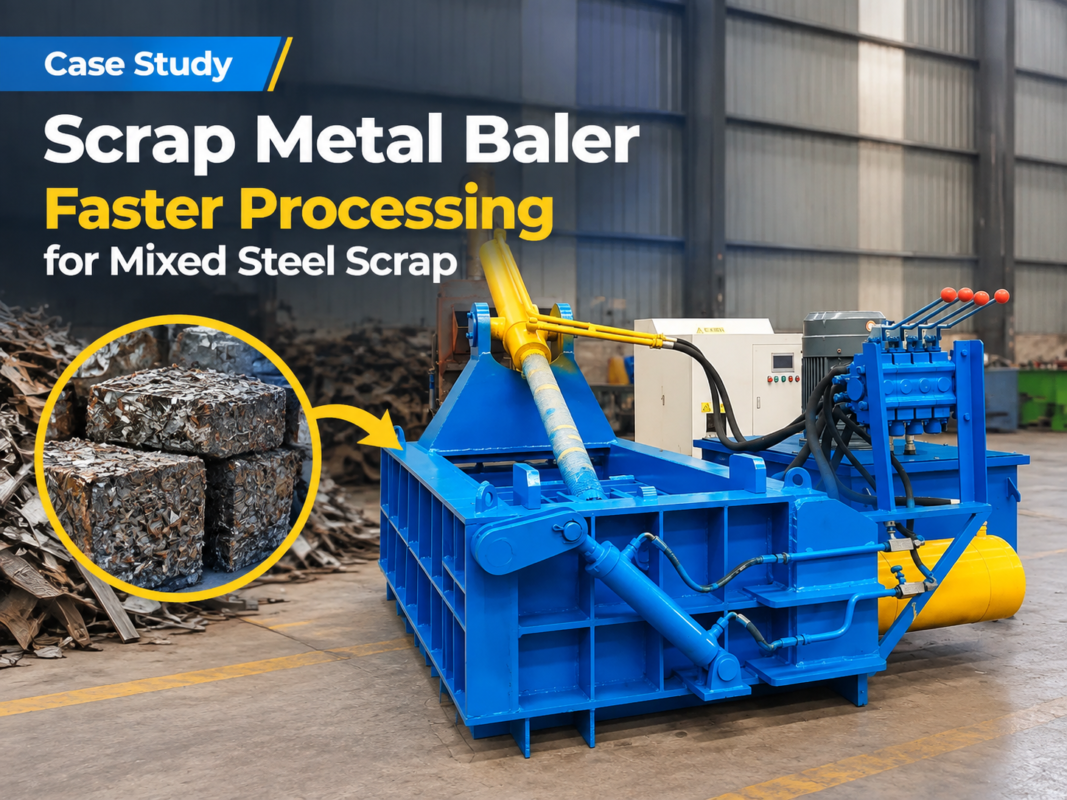
The configuration of a car body baler determines its throughput and the density of the final product. There are three main types of compression configurations: side-squeeze, lid-style (clamshell), and triple-compression. For car bodies, the lid-style or “pre-compression” lid is highly effective. The lid comes down with massive force to flatten the car, after which the longitudinal and transverse rams compress it into a neat cube.
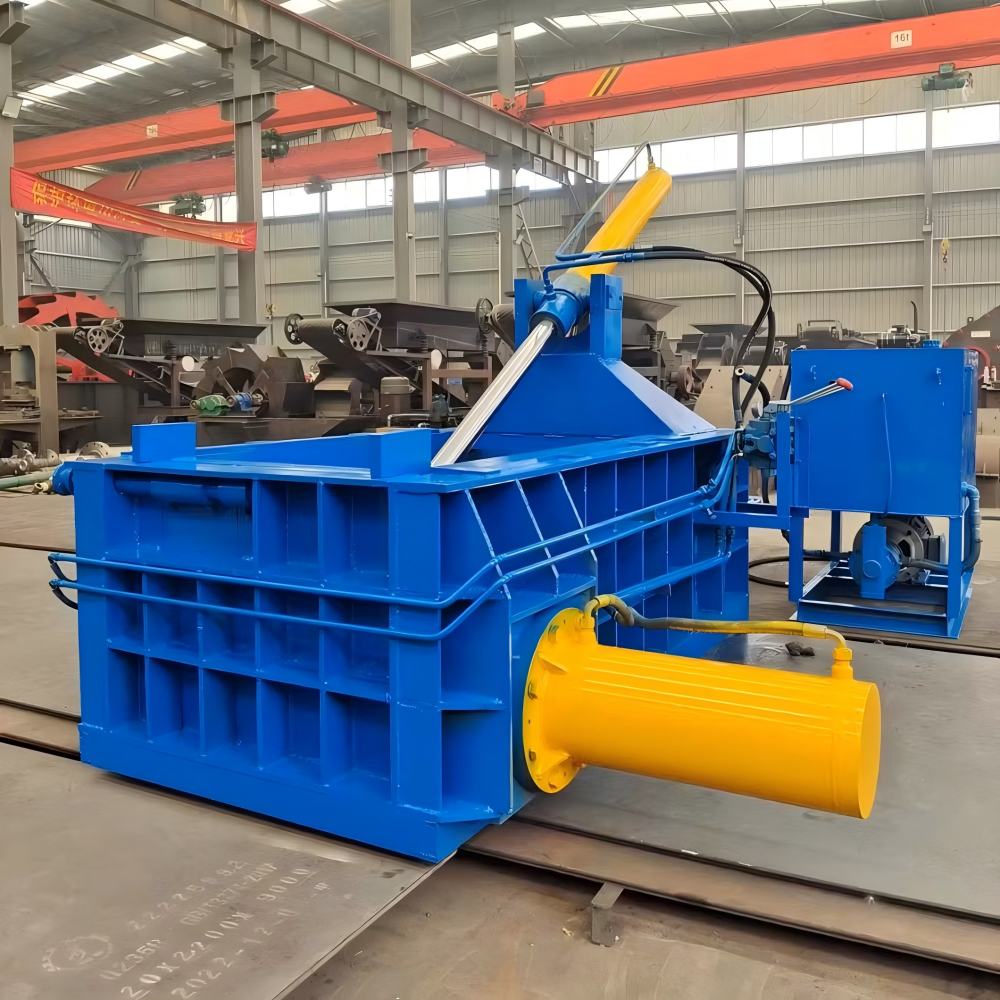
Another configuration choice is between stationary and mobile units. Stationary balers are generally more powerful and have a longer lifespan because they are anchored to a concrete foundation, which absorbs vibration better. However, if your scrap processing plant operates across multiple locations or if you need to move the machine to different piles of scrap within a large yard, a mobile baler mounted on a trailer or tracks is the superior choice. Mobile units often include their own diesel power units, making them independent of the local electrical grid.
The size of the charging box is perhaps the most practical configuration detail. To process modern SUVs and large sedans without extensive pre-cutting, a box length of at least 5 meters (approx. 16 feet) is recommended. If the box is too small, operators must spend time cutting the cars into pieces, which increases labor costs and slows down the entire production line. Always choose a box size that accommodates your largest common scrap input.
Hidden Costs of Owning a Car Body Baler
The purchase price is only the beginning of the total cost of ownership. One of the most overlooked hidden costs is the electrical or fuel consumption. A large hydraulic baler requires significant power. If you are opting for an electric model, you may need to upgrade your plant’s electrical transformers and wiring to handle the peak load. For diesel-powered units, the daily fuel cost can be substantial, especially during periods of high oil prices.
Maintenance and wear parts represent another ongoing expense. The blades used to shear excess metal and the liners inside the compression chamber are consumables. Depending on your volume, these may need to be rotated or replaced every 6 to 12 months. Additionally, hydraulic oil is a major hidden cost; a large baler can hold between 500 and 1,500 liters of oil. Regular oil analysis and filter changes are mandatory to prevent expensive pump failures.
Installation and site preparation are also factors. A stationary baler requires a reinforced concrete pad designed to withstand both the weight of the machine and the dynamic forces generated during the compression cycle. Shipping costs for these massive machines can also be significant, often requiring specialized heavy-haul transport and cranes for offloading and positioning at your facility.
ROI Calculation: Turning Scrap into Profit
To justify the investment, you must calculate the ROI based on throughput and logistical savings. The primary way a car body baler pays for itself is through “transportation density.” An un-baled car shell is mostly air; a standard flatbed truck might only be able to carry 5 to 8 loose shells. However, the same truck can carry 20 to 30 baled cars, reaching its maximum weight capacity. This reduction in trips directly translates to thousands of dollars saved in fuel and driver wages every month.
Consider this example: If your plant processes 40 cars per day and baling saves you $25 per car in transport and handling costs, you are saving $1,000 per day. In a standard 250-day work year, that is $250,000 in savings. Even after accounting for labor, electricity, and maintenance, a mid-range baler can often pay for itself in less than 12 to 18 months. Furthermore, many steel mills offer a premium price for “No. 1 Bundle” or high-density bales compared to loose mixed scrap.
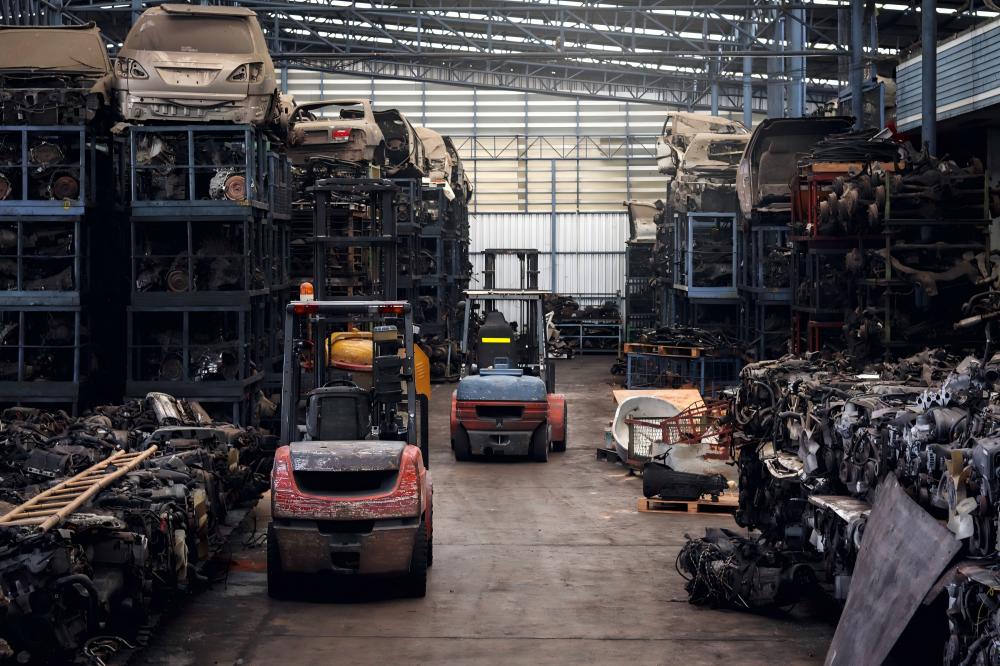
Another factor in ROI is labor efficiency. A manual yard might require several workers with torches and shears to process cars. A single operator with a baler and a grapple loader can do the work of five people. Reducing headcount or reallocating those workers to other value-added tasks significantly improves the plant’s bottom line.
Buying Advice for Scrap Plant Managers
When you are ready to select the best car body baler for your scrap metal processing plant, start by auditing your current and projected volume. Do not buy a machine for what you process today; buy for what you plan to process in three years. Look for manufacturers like HARSLE that offer robust after-sales support and readily available spare parts. A machine that is down for three weeks waiting for a custom seal from overseas is a massive liability.
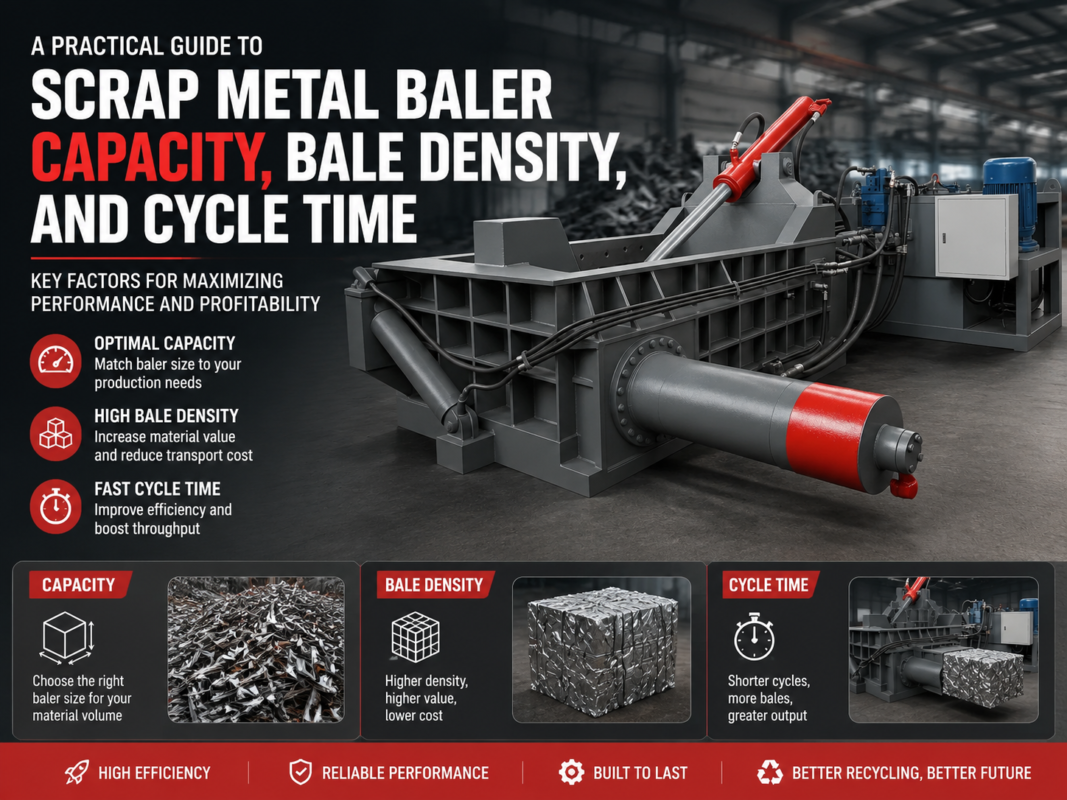
Always request a video of the machine processing a full-sized vehicle or, better yet, visit a site where the model is currently in operation. Pay attention to the “Cycle Time”—the time it takes from the moment the lid closes to the moment the bale is ejected. A difference of 30 seconds per cycle might not seem like much, but over a year, it represents thousands of tons of lost production. Also, ensure the machine has an integrated oil cooling system if you operate in a multi-shift environment, as heat is the number one killer of hydraulic components.
Finally, check the safety features. The machine should have emergency stop buttons at multiple locations, safety interlocks on the access doors, and clear warning signals. In the scrap industry, safety and productivity go hand-in-hand. A well-designed machine protects your employees and your investment simultaneously.
Frequently Asked Questions (FAQ)
1. Can a car body baler handle engines and transmissions?
While some heavy-duty balers can crush engines, it is generally recommended to remove them first. Engines contain high-value aluminum and cast iron that should be recycled separately. Furthermore, the hardened steel of an engine block can cause excessive wear on the baler’s liners and hydraulic system. Most plants remove the engine and transmission to maximize the value of the scrap and protect the machine.
2. What is the difference between a baler and a logger?
A baler compresses metal into a dense, rectangular cube (a bale) that is held together by the friction and interlocking of the metal itself. A logger (or car flattener) simply squashes the car into a flat pancake. Balers are preferred for shipping to steel mills because the resulting cubes are easier to handle with magnets and charge into furnaces. Loggers are typically used for intermediate transport to a larger processing center.
3. How much maintenance does a car body baler require?
Daily maintenance includes checking hydraulic oil levels, inspecting hoses for leaks, and greasing pivot points. Weekly, you should inspect the wear plates and the tightness of the bolts. Monthly, the hydraulic oil filters should be checked. A full oil change is usually required every 2,000 to 4,000 hours of operation, depending on the environment and oil quality.
4. Is electric or diesel power better for a scrap yard?
Electric power is generally cheaper and requires less maintenance (no engine oil changes or air filters). However, it requires a stable, high-voltage power supply. Diesel power is essential for mobile operations or yards where the cost of bringing in high-voltage electricity is prohibitive. Diesel units also offer more flexibility in machine placement within the yard.
5. What size bale does a standard car body baler produce?
Most car body balers produce bales that are approximately 600mm x 600mm (24″ x 24″) or 800mm x 800mm (31″ x 31″) in cross-section, with the length varying based on the amount of material loaded. These dimensions are standard for the industry and fit perfectly into standard shipping containers or onto flatbed trailers.
6. How do I know if I need a triple-compression baler?
Triple-compression balers are used when you need the highest possible density. If you are shipping scrap long distances or via export containers, the extra density provided by the third ram ensures you hit the maximum weight limit of the container, which is vital for profitability. For local transport, a double-compression (lid and main ram) baler is usually sufficient.