A Practical Guide to Scrap Metal Baler Capacity, Bale Density, and Cycle Time

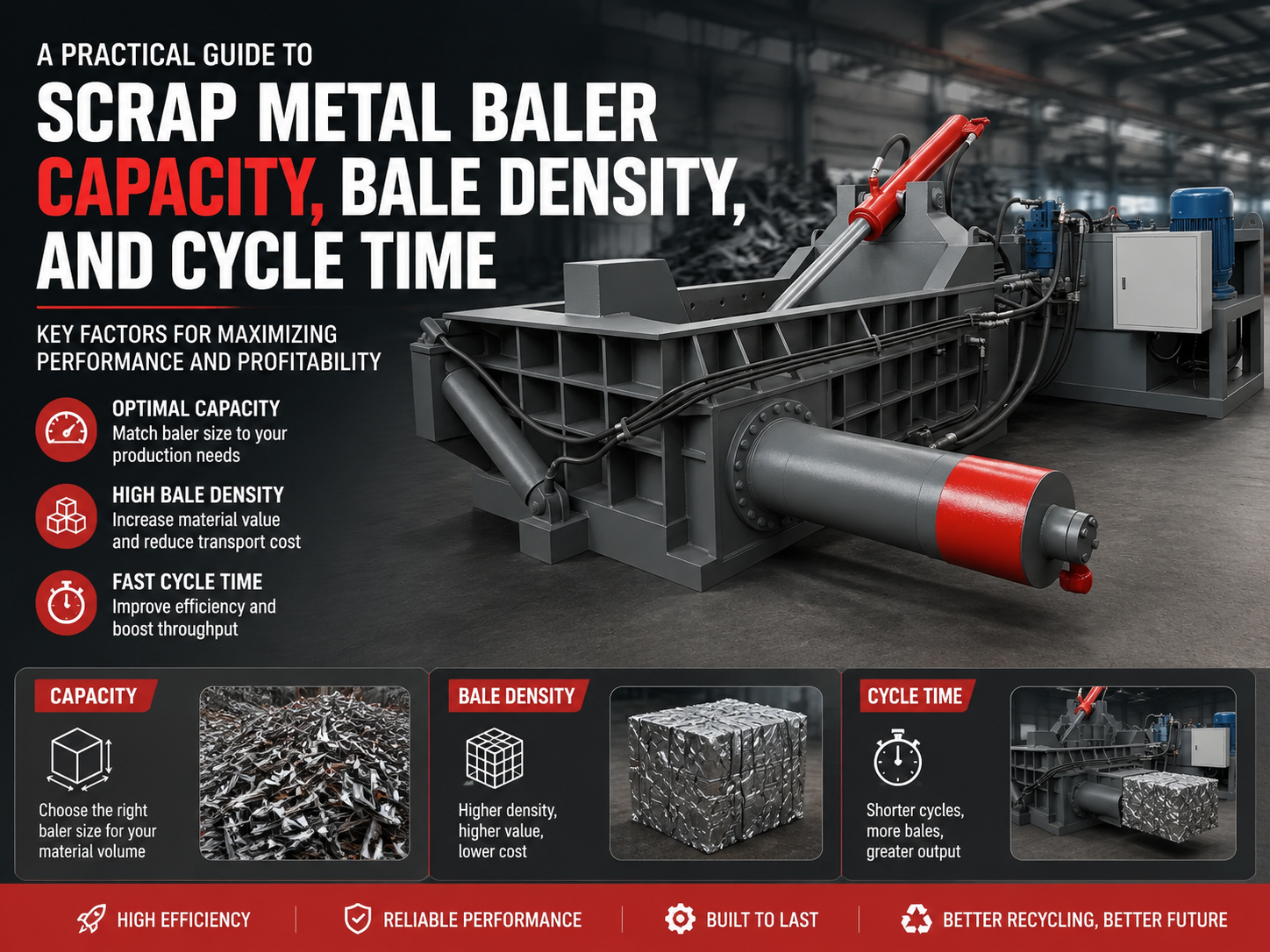
Technical Overview of Scrap Metal Baler Systems
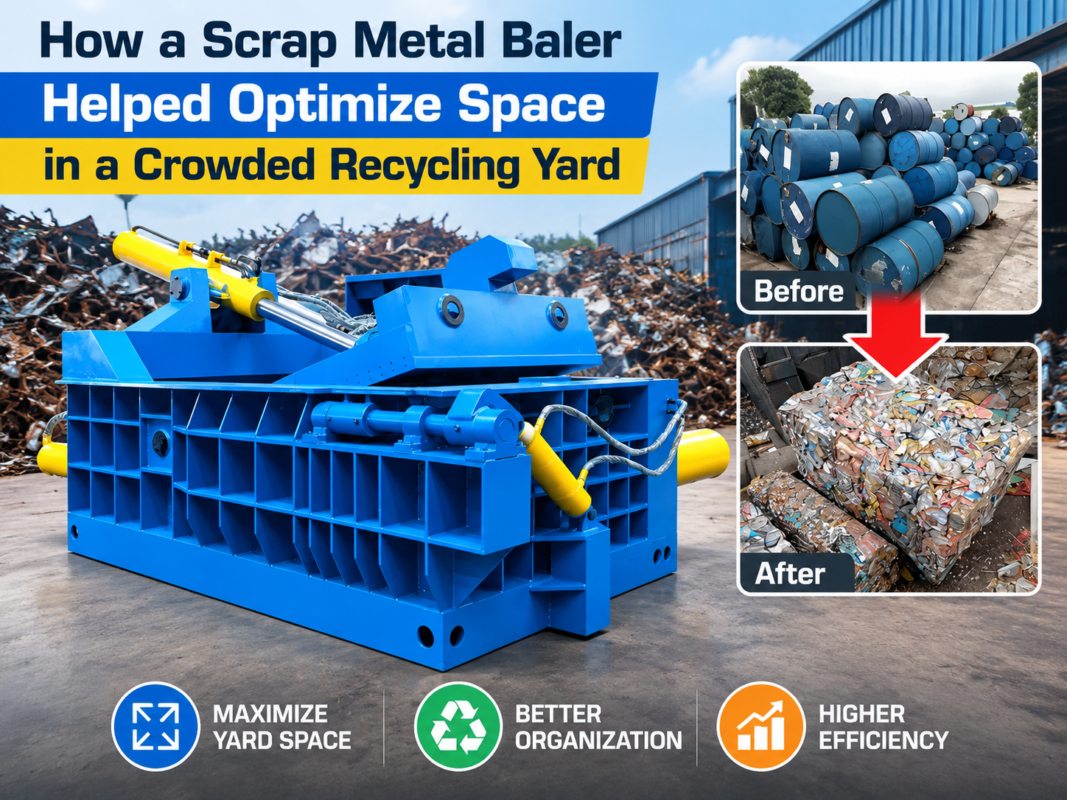
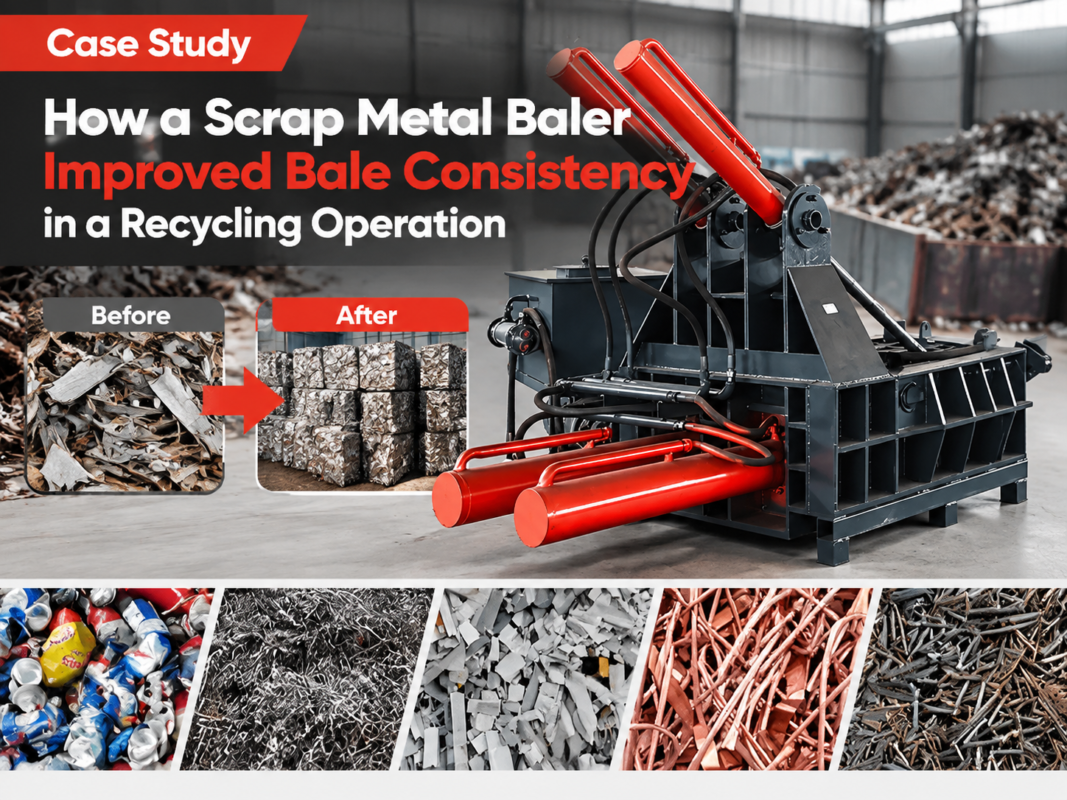
In the modern recycling industry, the efficiency of a scrap metal baler is not merely a matter of brute force; it is a sophisticated balance of hydraulic engineering, structural integrity, and operational logic. A scrap metal baler is designed to compress loose metal scrap—ranging from aluminum extrusions and copper wire to steel sheets and end-of-life vehicle parts—into dense, manageable blocks known as bales. This process is critical for reducing transportation costs, optimizing storage space, and meeting the stringent density requirements of smelting furnaces. At HARSLE, we recognize that understanding the interplay between capacity, density, and cycle time is the key to maximizing Return on Investment (ROI) for any scrap yard or fabrication facility.
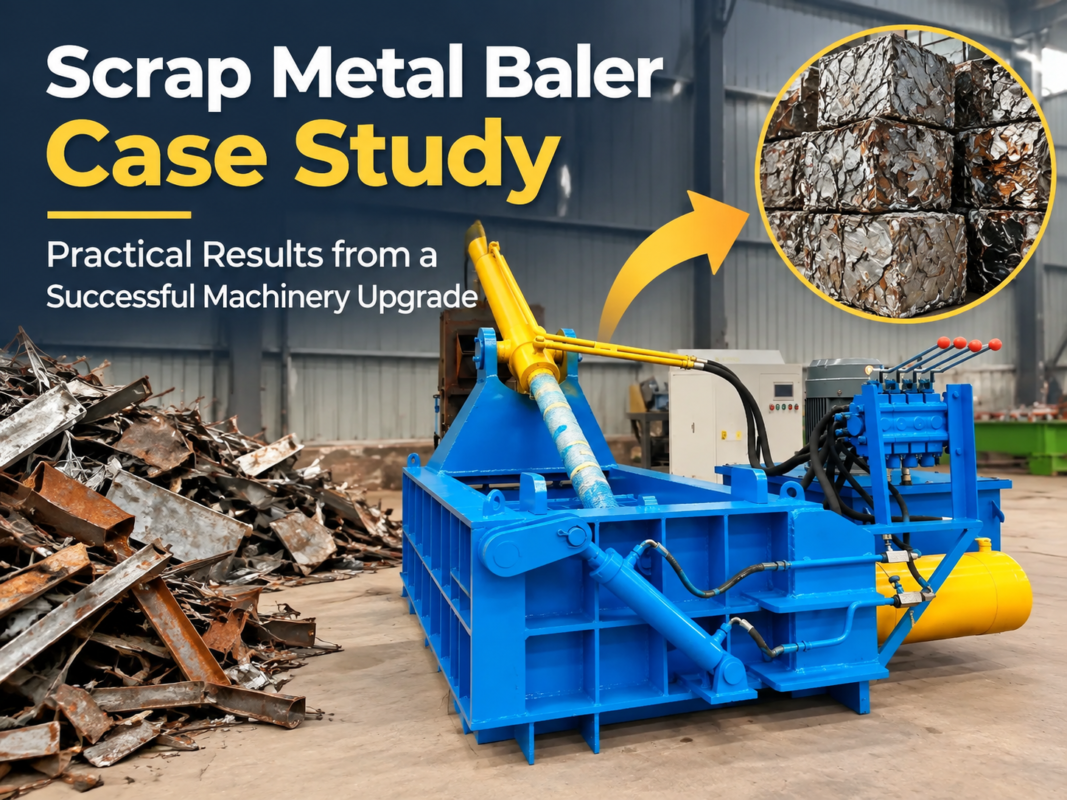
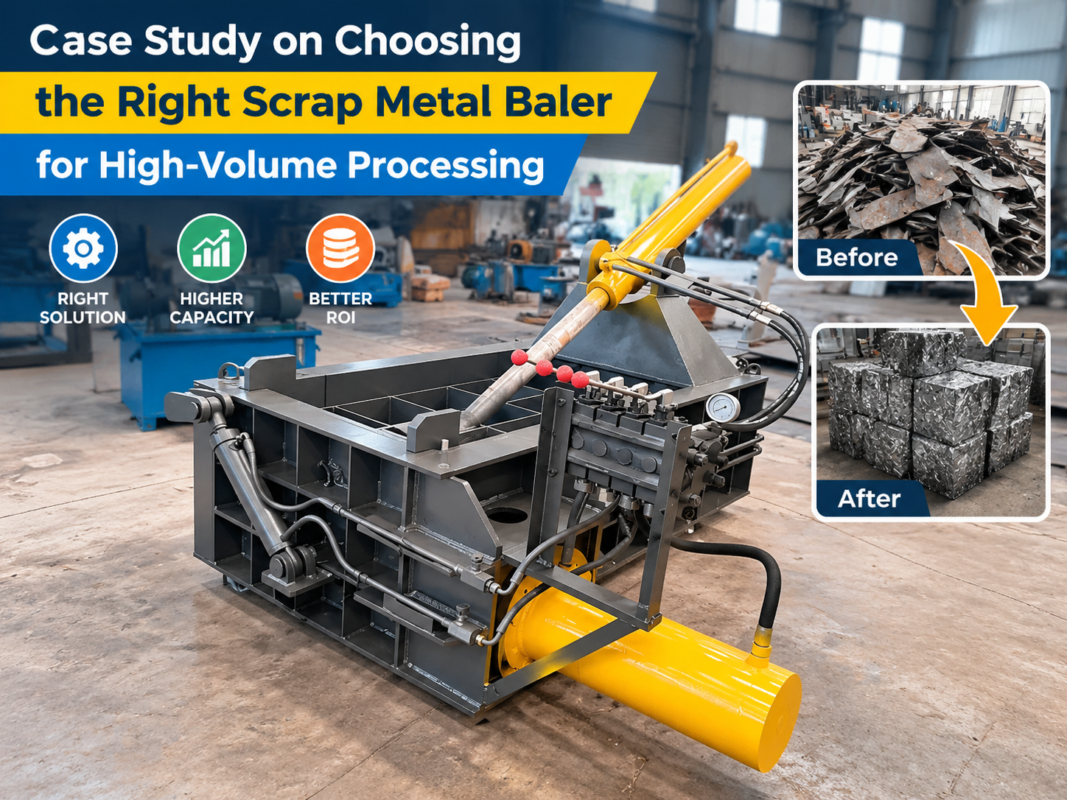
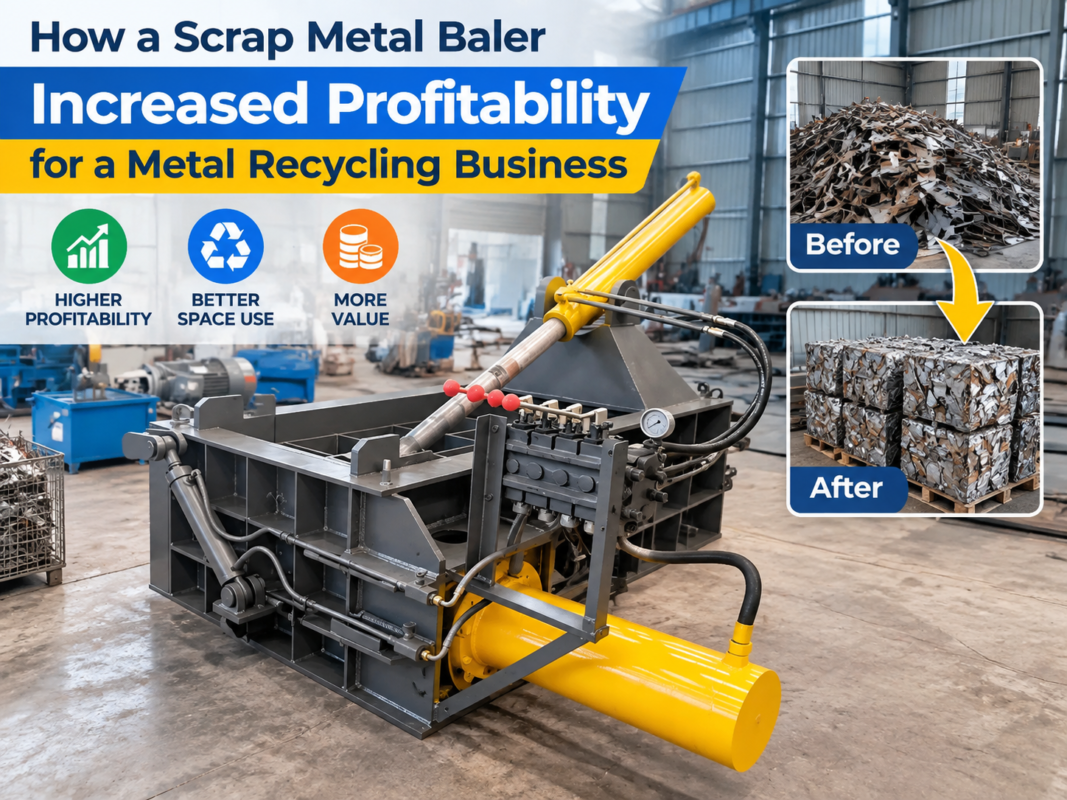
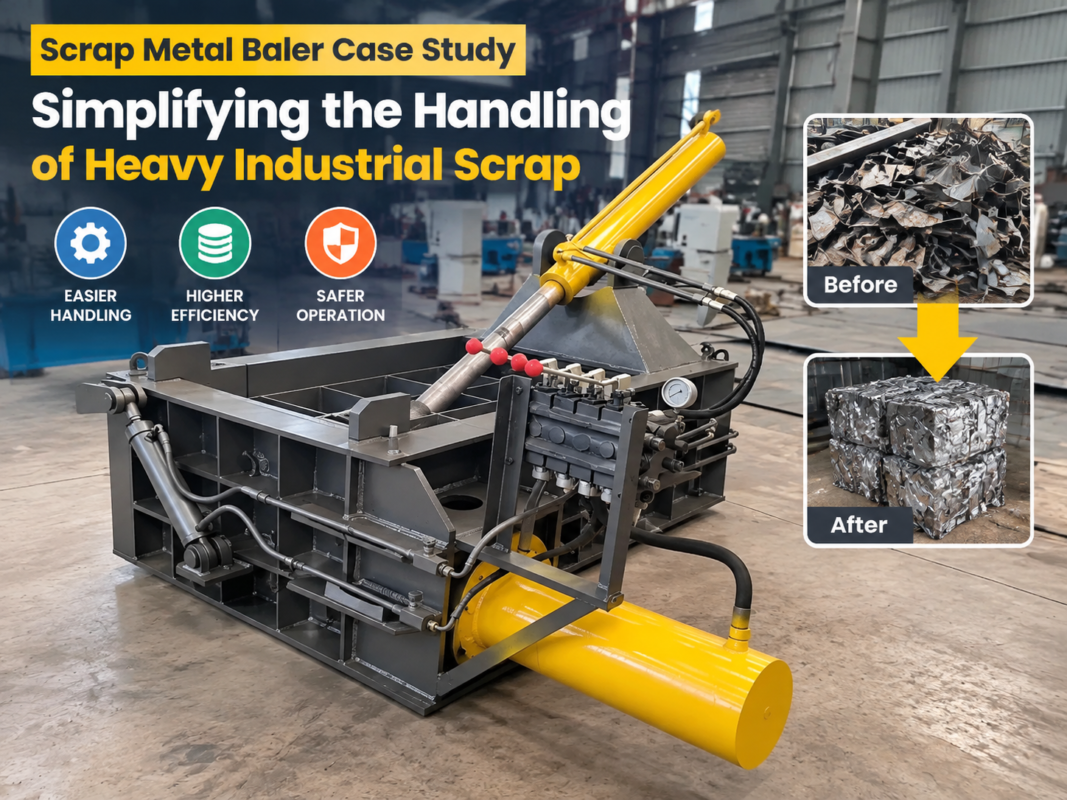
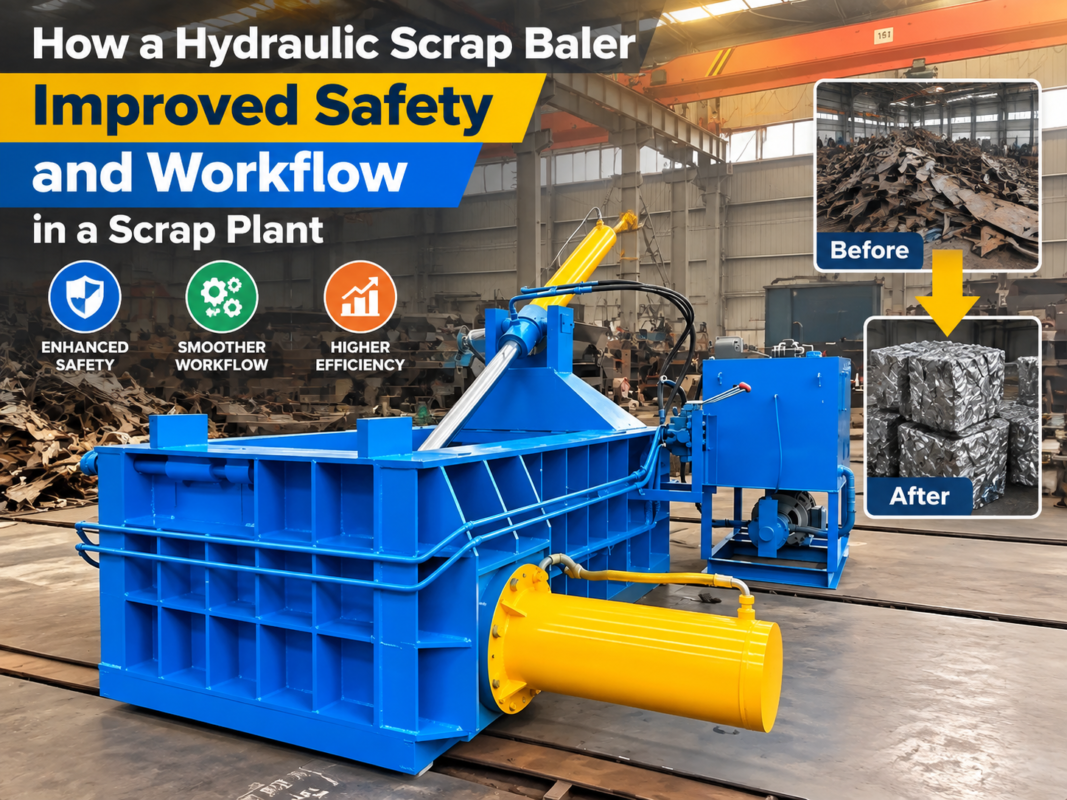
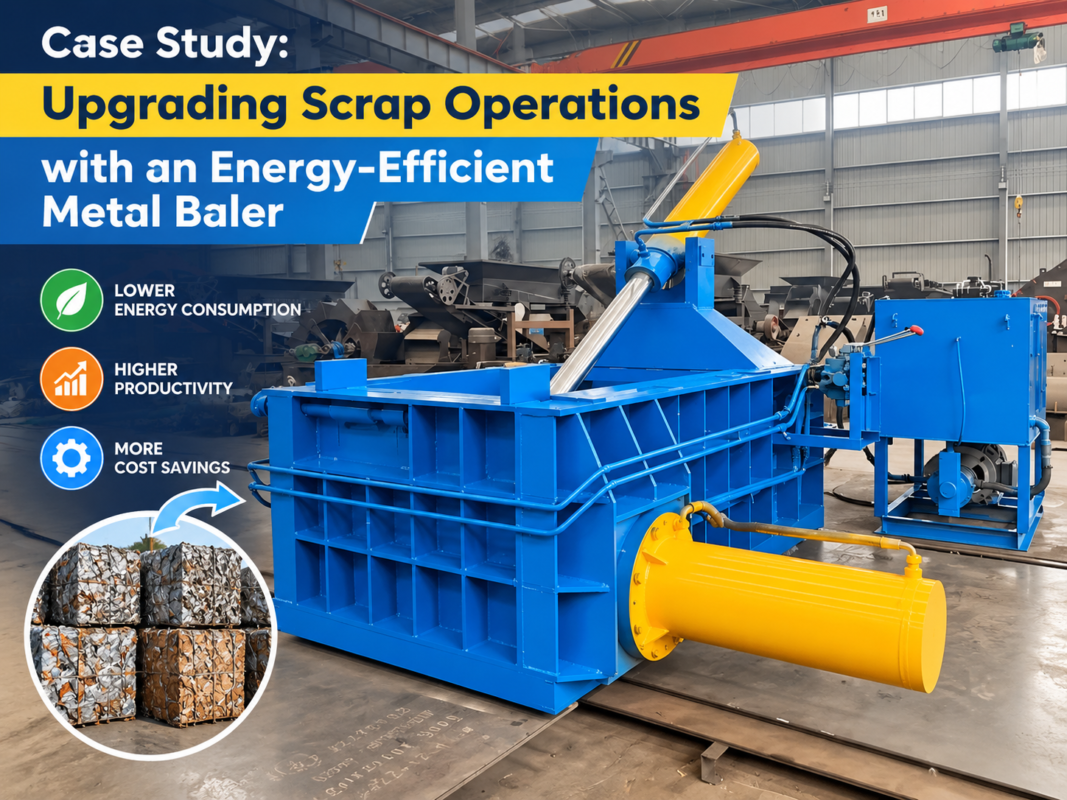
The fundamental mechanism of a scrap metal baler involves a series of hydraulic rams. Most high-performance machines utilize a multi-stage compression process. First, a lid or a side-squeeze ram reduces the volume of the scrap in the charging box. Subsequently, the main ram exerts the final longitudinal pressure to form the bale. The technical complexity lies in the hydraulic circuit’s ability to deliver high pressure while maintaining a rapid flow rate. A Practical Scrap Metal Baler Capacity, Bale Density, Cycle Time analysis must begin with the realization that these three factors are intrinsically linked: increasing density often requires more time, while increasing speed may sacrifice the compactness of the final product unless the hydraulic system is appropriately scaled.
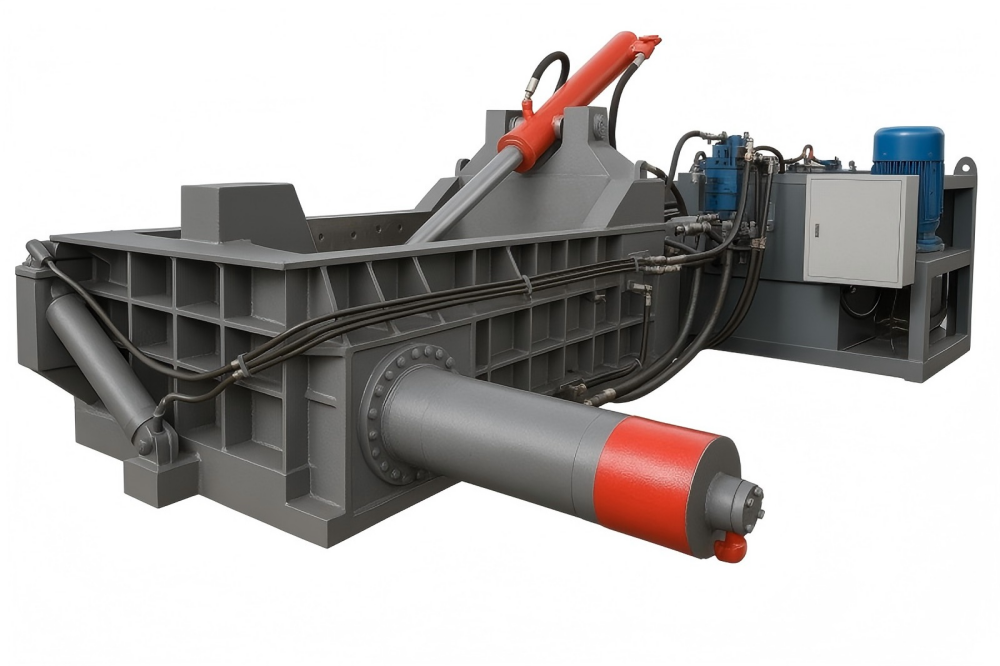
Modern balers are equipped with PLC (Programmable Logic Controller) systems that allow operators to fine-tune these parameters based on the specific material being processed. For instance, baling light aluminum cans requires a different pressure profile than baling heavy structural steel. The structural frame of the machine must also be engineered to withstand the immense reactive forces generated during the final compression stage. Without a rigid frame, the energy intended for compression is lost to structural deflection, leading to inconsistent bale sizes and premature mechanical wear.
Core Parameters: Capacity, Density, and Cycle Time
1. Capacity (Throughput)
Capacity refers to the total volume or weight of material a baler can process within a specific timeframe, usually measured in tons per hour (TPH). It is the ultimate metric for productivity. However, capacity is often misunderstood. There is a distinction between ‘theoretical capacity’—which assumes a continuous, perfect feed of material—and ‘actual capacity,’ which accounts for loading delays, operator efficiency, and material variability. To achieve a high capacity, the machine must have a large charging box to minimize the number of strokes required to process a specific volume of loose scrap.
2. Bale Density
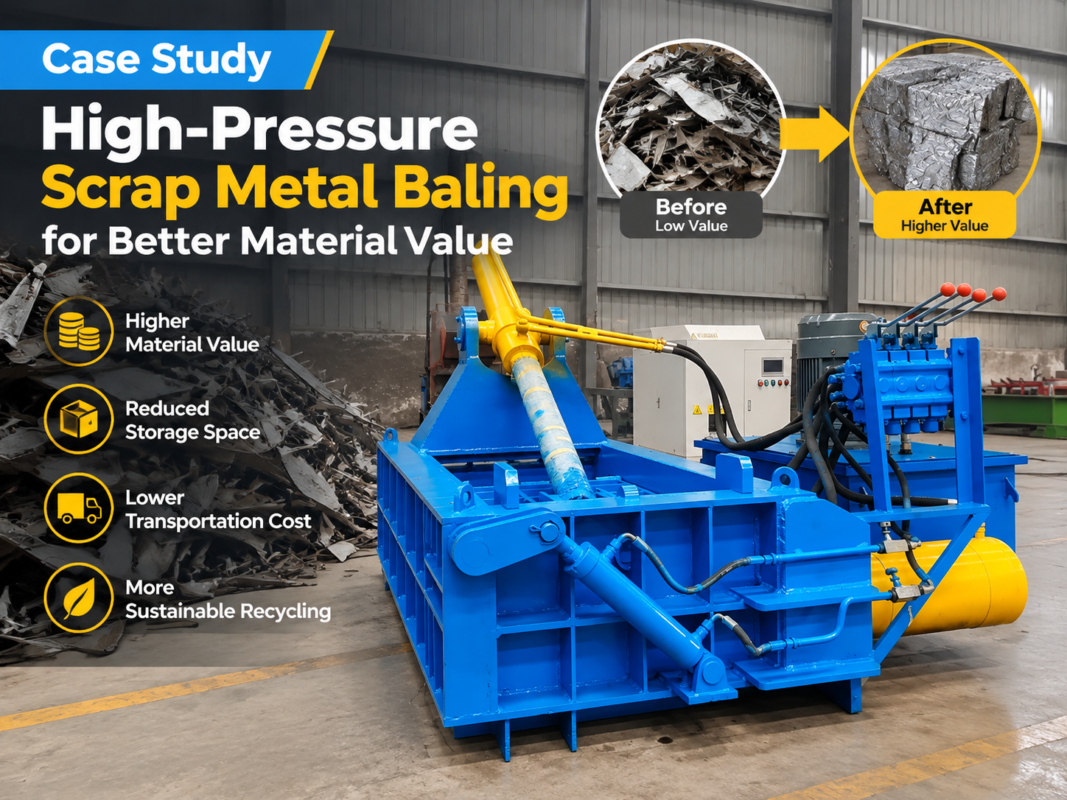
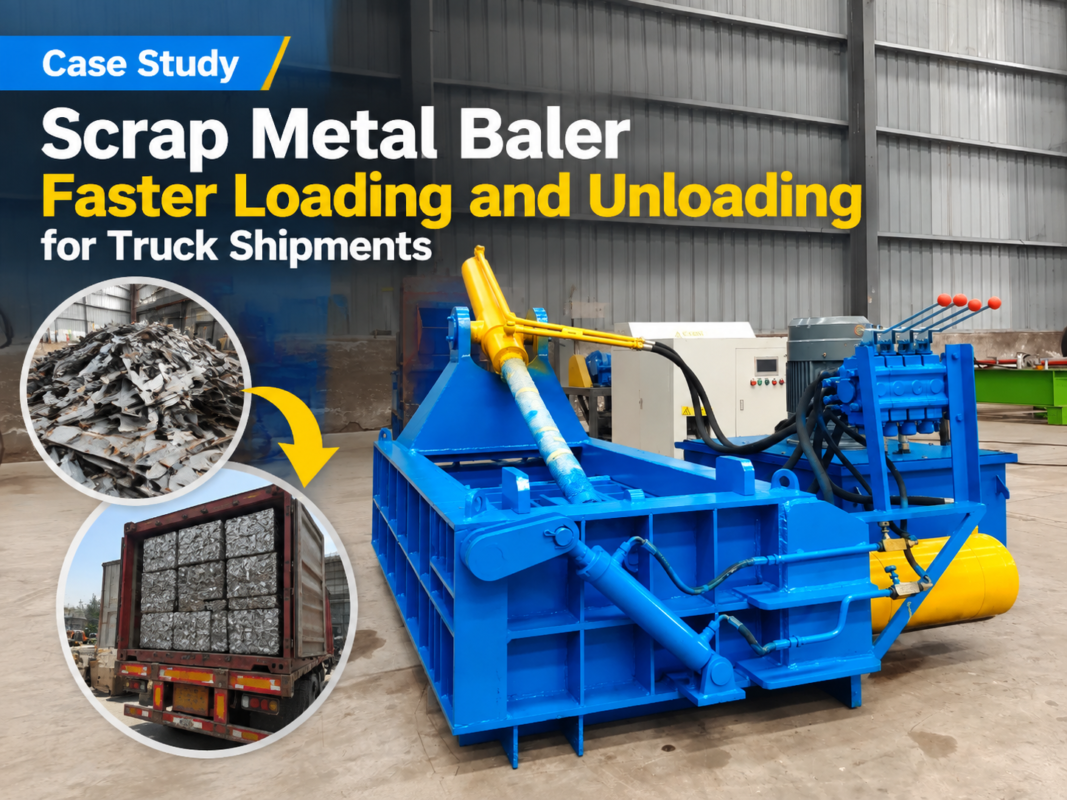
Bale density is the mass of the compressed metal per unit of volume (kg/m³ or lb/ft³). This is perhaps the most critical parameter for logistics. Shipping air is expensive; therefore, the denser the bale, the more weight can be packed into a standard shipping container or truck. Furthermore, steel mills and foundries prefer high-density bales because they melt more efficiently with less oxidation loss. Achieving high density requires significant ‘specific pressure’—the amount of force applied per square inch of the bale’s face. A Practical Scrap Metal Baler Capacity, Bale Density, Cycle Time evaluation must prioritize density if the primary goal is international export.
3. Cycle Time
Cycle time is the duration required for the machine to complete one full compression cycle, from the moment the lid closes to the moment the main ram retracts and the bale is ejected. Cycle time is primarily dictated by the hydraulic pump’s flow rate (liters per minute) and the volume of the hydraulic cylinders. A faster cycle time directly correlates to higher capacity, provided the loading system can keep up. However, extremely fast cycle times can lead to hydraulic shock and increased heat generation, necessitating robust cooling systems and high-quality valves.
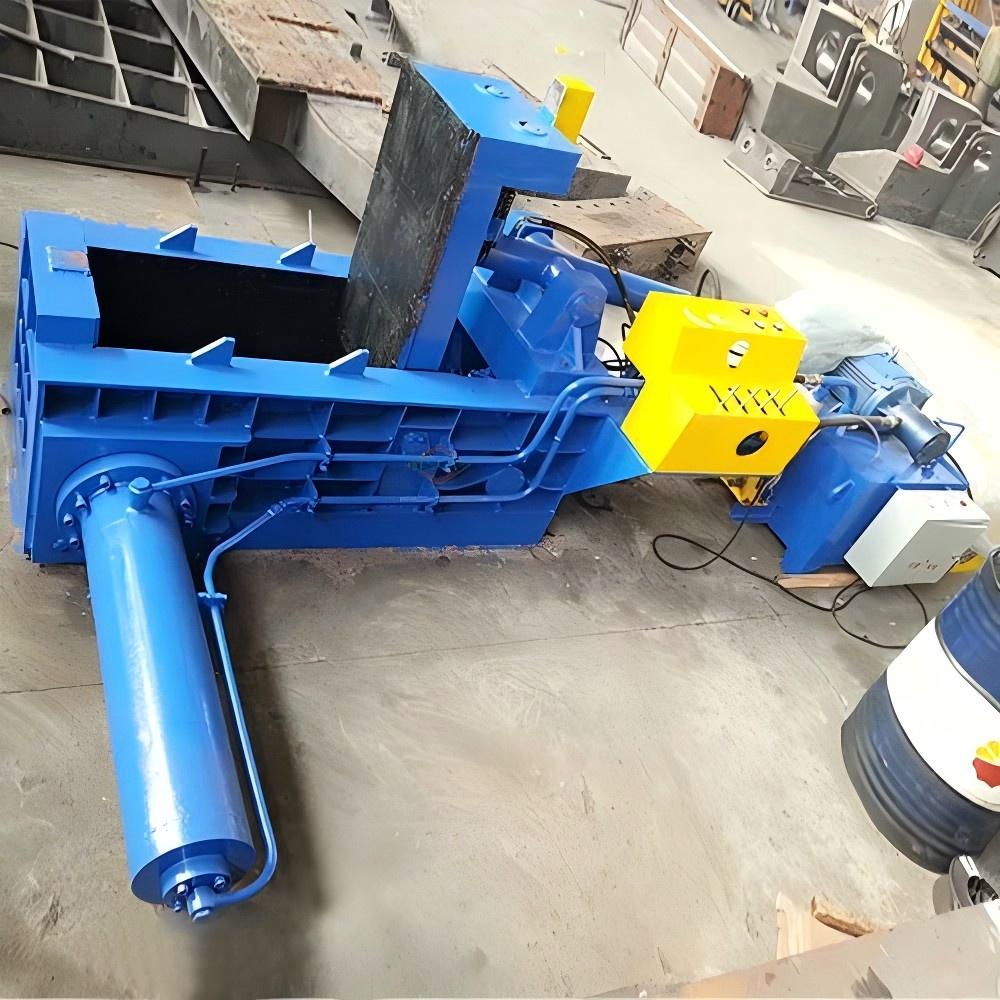
Calculation Methods for Performance Metrics
To accurately assess a baler’s performance, engineers and facility managers use specific formulas. Understanding these calculations allows for better equipment comparison and operational planning. The most basic calculation for Theoretical Capacity is:
Capacity (Tons/Hr) = (Bale Weight in kg × 3600) / (Cycle Time in seconds + Loading Time in seconds) / 1000
For example, if a machine produces a 200kg bale with a cycle time of 60 seconds and a loading time of 30 seconds, the capacity is approximately 8 tons per hour. However, if the loading time increases due to poor material handling, the capacity drops significantly, regardless of the machine’s speed.
Bale Density is calculated by dividing the final weight of the bale by its volume (Length × Width × Height). It is important to note that different materials have different ‘spring-back’ characteristics. Aluminum, for instance, tends to expand slightly after the pressure is released, which must be accounted for when calculating the final density. To achieve a target density, the hydraulic system must be able to reach and hold a specific pressure for a set ‘dwell time’ to ensure the metal fibers are permanently deformed.
Cycle Time can be calculated based on the cylinder dimensions and pump flow: Cycle Time = (Cylinder Volume / Pump Flow Rate). In multi-ram systems, the total cycle time is the sum of the individual movements of the lid, side ram, and main ram. High-end HARSLE balers often utilize regenerative hydraulic circuits, which redirect oil from the rod side of the cylinder back to the piston side during the initial low-pressure movement, effectively doubling the speed of the ram until high pressure is required.
Parameter Table: HARSLE Baler Series Comparison
| Model Series | Nominal Force (Tons) | Bale Size (mm) | Cycle Time (s) | Estimated Capacity (T/h) | Primary Application |
|---|---|---|---|---|---|
| Y81-125 | 125T | 300 x 300 | 60 – 80 | 1.5 – 2.5 | Aluminum, Copper, Light Steel |
| Y81-250 | 250T | 400 x 400 | 80 – 100 | 3.0 – 5.0 | Steel Scrap, Car Shells, Wire |
| Y81-400 | 400T | 500 x 500 | 100 – 120 | 6.0 – 9.0 | Heavy Industrial Scrap, HMS 1/2 |
| Y81-630 | 630T | 600 x 600 | 120 – 150 | 10.0 – 15.0 | Large Scale Recycling Centers |
Common Engineering Mistakes in Baler Selection and Operation
One of the most frequent mistakes in the industry is undersizing the hydraulic pump to save on initial costs. While a smaller motor and pump reduce the purchase price, they result in sluggish cycle times that bottleneck the entire facility’s production. In a high-volume environment, the lost revenue from lower throughput far outweighs the savings on the machine’s price tag. Furthermore, a pump running at its absolute limit for extended periods will generate excessive heat, leading to oil degradation and seal failure.
Another common error is ignoring material-specific density requirements. Not all 250-ton balers are created equal. If the charging box is too large for the available force, the specific pressure (PSI on the bale face) will be too low to achieve the density required for export-grade bales. Conversely, a box that is too small limits the size of the scrap pieces that can be fed into the machine, increasing the need for pre-processing (shearing or torching), which adds labor costs.
Finally, many operators neglect the cooling and filtration systems. Scrap metal baling is a dirty, high-heat process. If the hydraulic oil is not kept clean and cool, the precision valves in the manifold will stick or wear prematurely. This leads to erratic cycle times and inconsistent bale weights. A Practical Scrap Metal Baler Capacity, Bale Density, Cycle Time strategy must include a rigorous preventative maintenance schedule focused on hydraulic health.
Selection Checklist for Industrial Scrap Balers
- Material Type: Determine the primary material (Ferrous vs. Non-Ferrous). Ferrous metals require higher compression forces.
- Volume Requirements: Calculate your daily scrap intake. Ensure the baler’s actual capacity (not just theoretical) exceeds this by at least 20%.
- Bale Dimensions: Ensure the bale size is compatible with your downstream customers’ furnace openings and your transport containers.
- Power Supply: Verify that your facility can handle the high amperage start-up loads of large hydraulic motors.
- Loading Method: Will you use a crane, conveyor, or manual loading? The charging box size must match the loading method.
- Ejection Style: Choose between ‘Turn-out’, ‘Side-push’, or ‘Forward-out’ based on your floor space and workflow.
- Automation Level: Decide if you need a manual valve control or a fully automated PLC system with remote monitoring.
- Maintenance Access: Ensure the design allows for easy access to cylinders and hydraulic lines for servicing.
- Safety Features: Look for emergency stops, safety interlocks on the lid, and pressure relief valves.
- Manufacturer Support: Choose a partner like HARSLE that provides technical documentation, spare parts, and engineering expertise.
Frequently Asked Questions (FAQ)
How does bale density affect shipping costs?
Bale density directly impacts the ‘freight density.’ Most shipping containers have a weight limit. If your bales are low density, the container will be full by volume before it reaches its weight limit, meaning you are paying to ship air. High-density bales allow you to reach the maximum weight capacity of the container, significantly lowering the cost per ton of transport.
Can I process different materials in the same baler?
Yes, most HARSLE balers are versatile. However, you should adjust the pressure settings and cycle logic via the PLC. For example, stainless steel requires much higher pressure to achieve the same density as aluminum. Mixing materials in a single bale is generally discouraged as it lowers the scrap value.
What is the typical lifespan of a hydraulic scrap baler?
With proper maintenance, a high-quality industrial baler can last 15 to 20 years. Key factors in longevity include regular oil changes, replacing wear plates in the charging box, and ensuring the hydraulic rams are not operated beyond their rated pressure for extended periods.
Why is my cycle time slower than the manufacturer’s specs?
Slow cycle times are usually caused by three things: cold hydraulic oil (which is more viscous), a clogged suction filter limiting pump intake, or internal leakage in the cylinders or control valves. Additionally, if the ambient temperature is very high, the system may slow down to prevent overheating if it has an intelligent thermal management system.
Does the size of the charging box affect the bale density?
Indirectly, yes. The density is a result of the total force divided by the area of the pressing ram. If you have a large charging box but a small main ram, the specific pressure is low. The charging box size primarily affects how much loose material you can fit in one go, which impacts capacity more than density.