Why Industrial Shredders Are Essential for Plastic and Metal Waste: A Comprehensive Guide

Introduction to Modern Waste Management
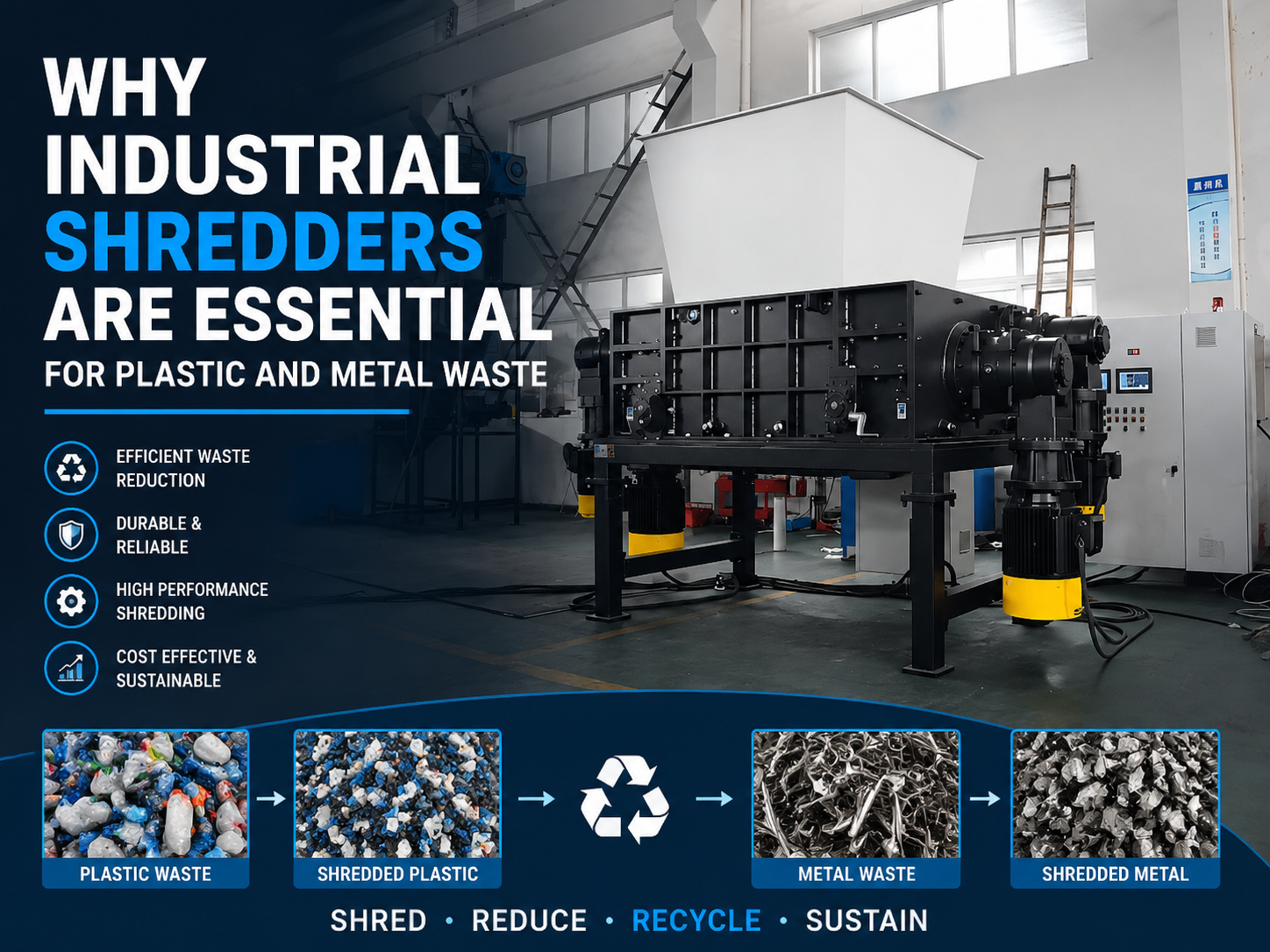
In the contemporary industrial landscape, the management of waste materials has transitioned from a logistical burden to a strategic opportunity. As global regulations tighten and the circular economy becomes the standard for sustainable business, the role of high-performance machinery has never been more critical. Specifically, understanding why industrial shredders are essential for plastic and metal waste is the first step for any fabrication or recycling facility looking to optimize its operations. These machines serve as the primary gateway for material recovery, transforming bulky, unmanageable scrap into uniform, high-value raw materials.
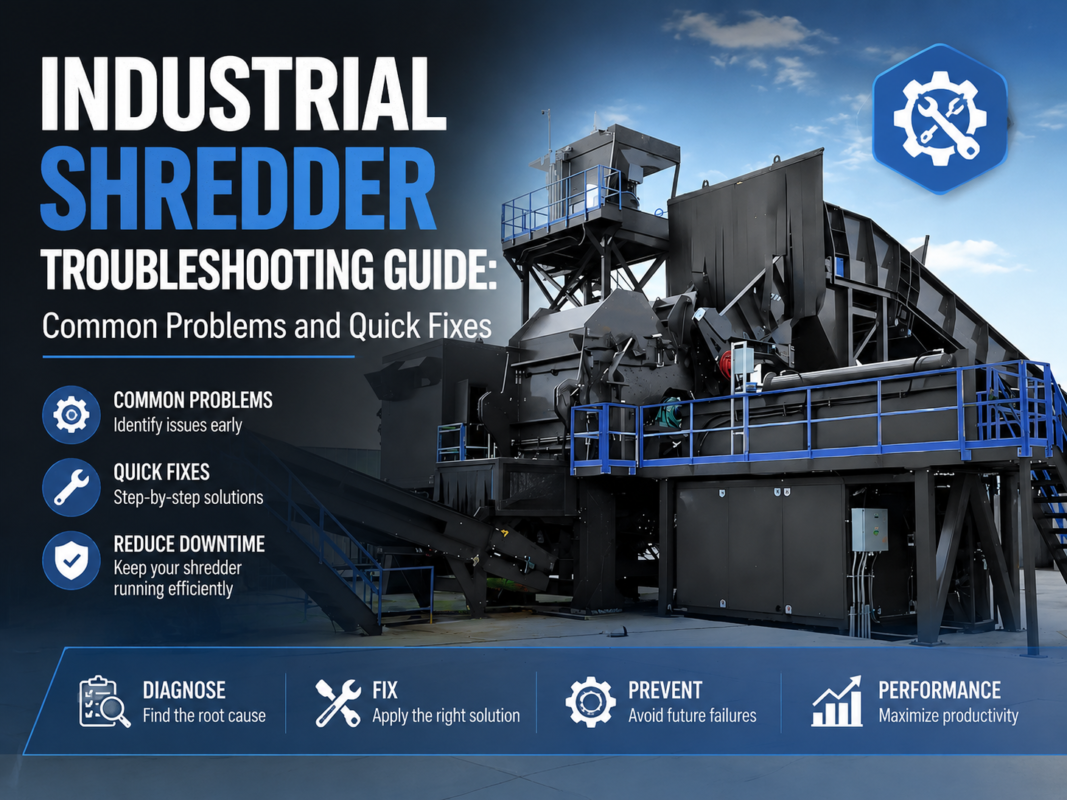
Industrial shredders are not merely cutting tools; they are sophisticated engineering solutions designed to handle the toughest materials, from high-density polyethylene (HDPE) to structural steel offcuts. By reducing the volume of waste and preparing it for downstream processes like sorting, melting, or pelletizing, these machines ensure that resources are not wasted in landfills. HARSLE, a leader in metal fabrication and recycling machinery, provides the technology necessary to bridge the gap between waste generation and resource reclamation.
Application Scenarios for Industrial Shredders
The versatility of industrial shredders allows them to be deployed across a vast array of sectors. In the realm of plastic waste, these machines are indispensable for post-consumer recycling centers. Here, they process everything from plastic bottles and containers to large-scale industrial drums and pipes. Without the initial shredding phase, these bulky items would occupy massive amounts of space in transport vehicles and storage facilities, driving up overhead costs and reducing the efficiency of the recycling chain.
In the metal fabrication and automotive industries, the application is equally vital. Scrap metal, such as aluminum extrusions, copper wiring, and steel turnings, often comes in irregular shapes that are difficult to handle. Industrial shredders break these down into smaller, denser pieces. This is particularly important for smelting operations, as smaller pieces melt more uniformly and quickly, leading to significant energy savings. Furthermore, the destruction of defective products or sensitive prototypes is a key application, ensuring that proprietary designs do not reach the secondary market.
Electronic waste (e-waste) represents another critical application scenario. Modern electronics contain a complex mix of plastics, precious metals, and hazardous materials. A multi-shaft shredder can effectively liberate these components, allowing for the mechanical separation of circuit boards, wiring, and plastic casings. This process is essential for recovering gold, silver, and copper while ensuring that toxic elements are handled according to environmental safety standards.
Material and Process Requirements
To understand why industrial shredders are essential for plastic and metal waste, one must look at the specific requirements of the materials being processed. Plastic, for instance, varies significantly in its physical properties. Thermoplastics like PVC or ABS require clean, precise cuts to prevent melting during the shredding process, which can clog the blades. Conversely, brittle plastics may shatter, requiring a machine that can handle fine dust and small particles without mechanical failure.
Metal waste presents a different set of challenges, primarily related to hardness and abrasiveness. Shredding high-carbon steel or thick aluminum plates requires immense torque and specialized blade alloys. The process must be controlled to prevent excessive heat buildup, which can damage the tempering of the cutting tools. Furthermore, the presence of contaminants—such as oil on metal turnings or labels on plastic bottles—must be factored into the machine’s design to ensure long-term durability and consistent output quality.
Process requirements also dictate the choice of shredder. If the goal is simple volume reduction for landfilling, a coarse shred may suffice. However, if the material is intended for high-quality recycling, the output must be uniform in size. This often necessitates a multi-stage process where a primary shredder reduces the bulk and a secondary granulator or fine shredder achieves the final desired particle size. The integration of magnetic separators and air classifiers further refines the process, ensuring that the final output is free of cross-contamination.
Recommended Machine Configuration
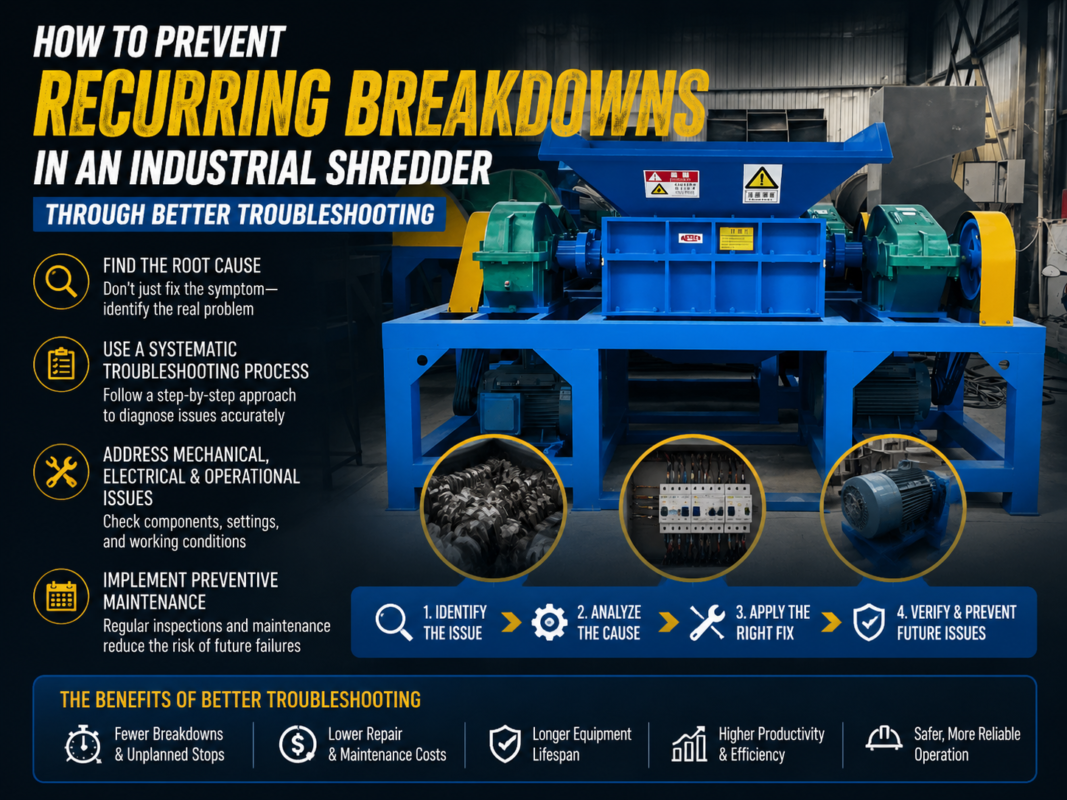
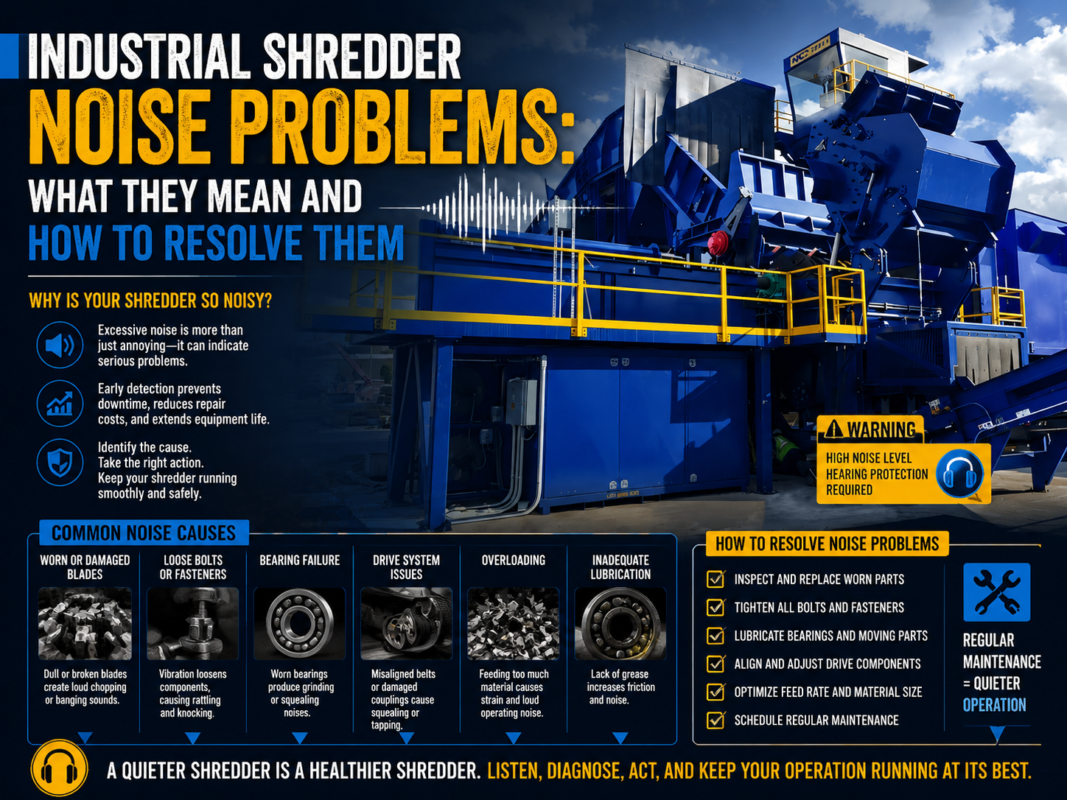
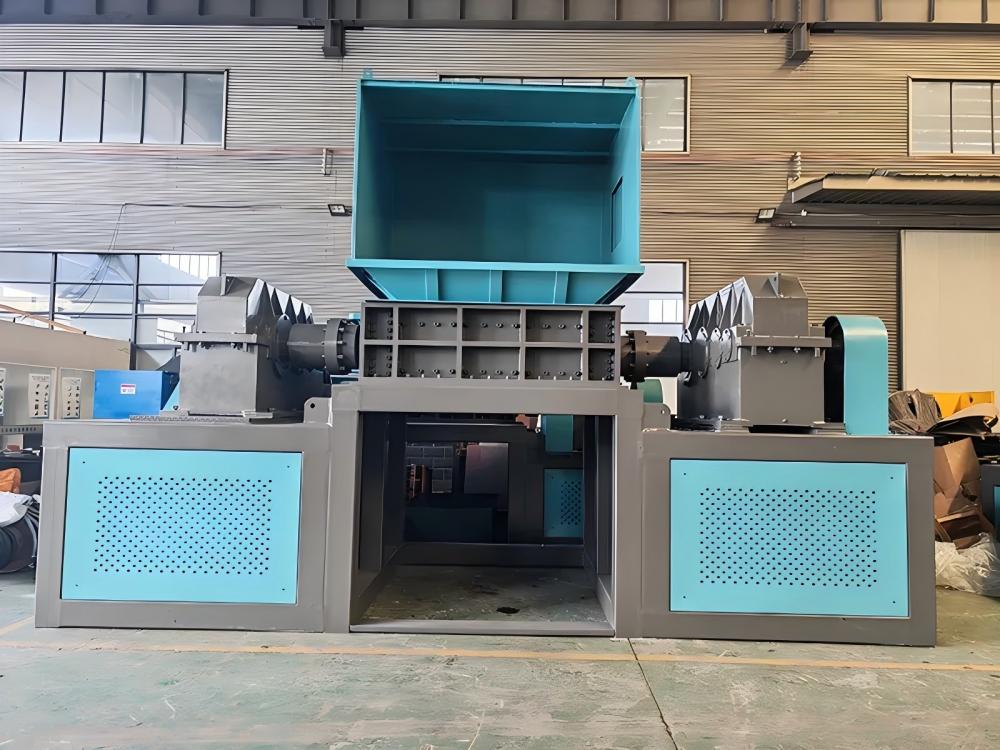
Choosing the right configuration is paramount to operational success. HARSLE offers several tiers of industrial shredders, each optimized for specific waste streams. For heavy-duty metal scrap, a Double-Shaft Shredder is often the gold standard. These machines utilize two counter-rotating shafts equipped with hooked blades that pull material into the cutting chamber. This design provides high torque at low speeds, which is ideal for shearing through tough metals and thick-walled plastics without generating excessive noise or dust.
For applications requiring a more controlled output size, a Four-Shaft Shredder is highly recommended. These machines feature two primary cutting shafts and two secondary shafts that help feed the material and provide additional shearing actions. The inclusion of a screen beneath the shafts ensures that only material of the correct size exits the machine, while larger pieces are recirculated for further processing. This configuration is particularly effective for e-waste and complex plastic assemblies.
Key Technical Specifications to Consider:
- Blade Material: High-alloy steels like D2 or SKD-11 are essential for longevity. These materials can be heat-treated to achieve the perfect balance of hardness and toughness, allowing them to maintain a sharp edge even when processing abrasive metals.
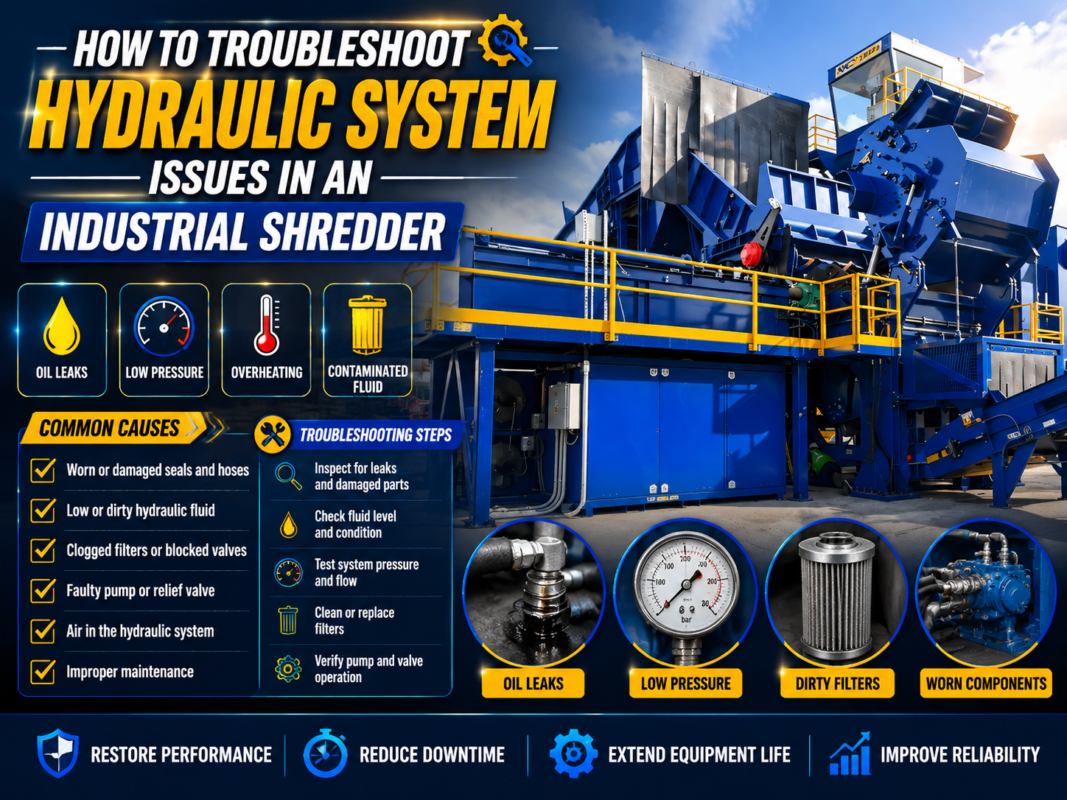
- Drive System: Hydraulic drives offer superior shock absorption for unpredictable waste streams, while electric drives with high-efficiency gearboxes are preferred for consistent, high-volume plastic shredding.
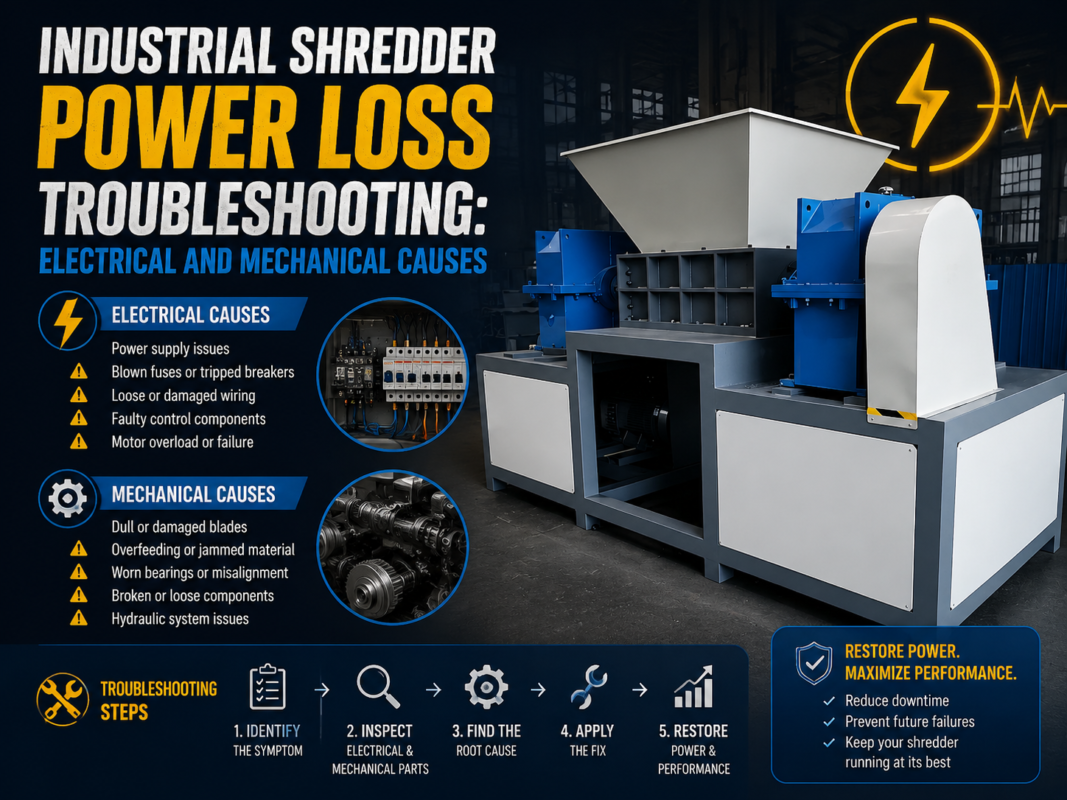
- PLC Control: Modern shredders must feature intelligent control systems (such as Siemens or Schneider) that can detect overloads and automatically reverse the shafts to clear jams, preventing motor burnout and mechanical damage.
Workflow of an Industrial Shredding Operation
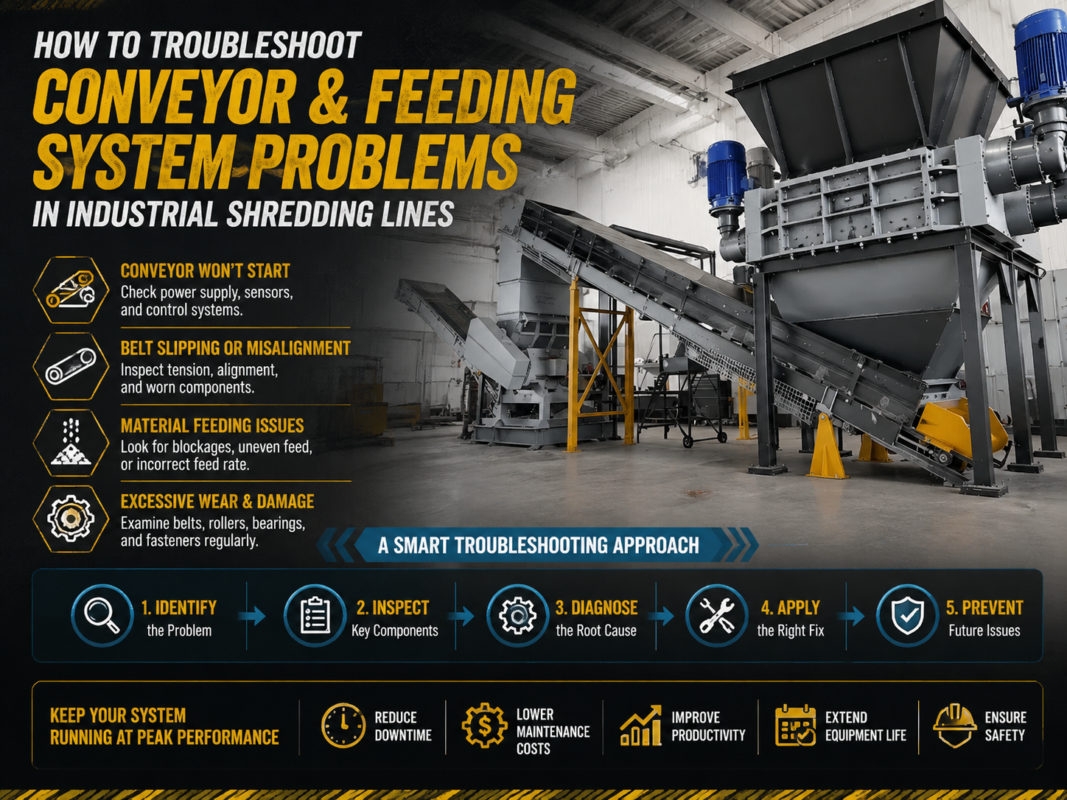
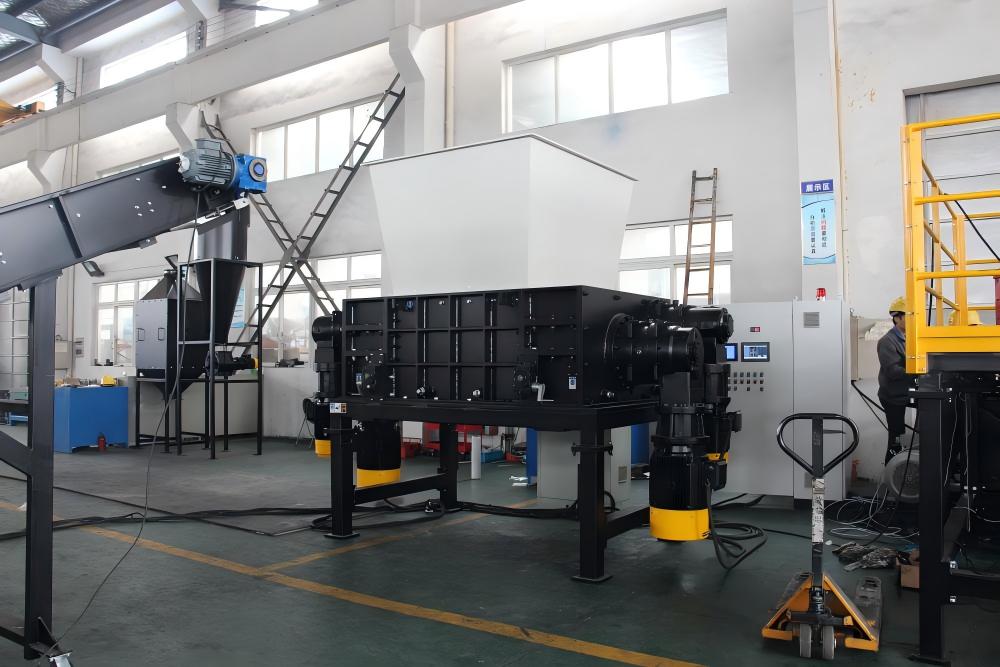
The workflow of an industrial shredding system is a carefully orchestrated sequence designed to maximize throughput and minimize downtime. It begins with the Feeding Stage, where material is introduced into the hopper via conveyor belts, grapples, or forklifts. A well-designed hopper prevents bridging (where material gets stuck) and ensures a steady flow into the cutting chamber. In some configurations, a hydraulic pusher ram is used to force bulky materials against the rotating blades.
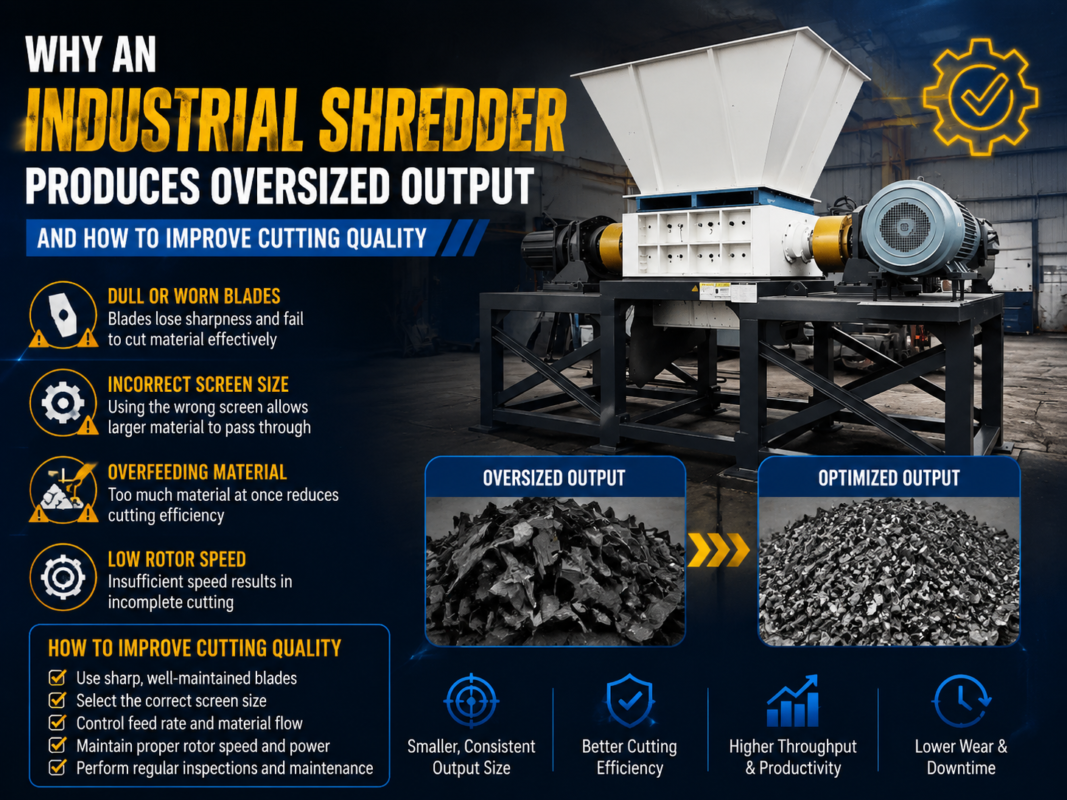
The Shredding Stage is where the actual transformation occurs. As the shafts rotate, the blades grab and shear the material against fixed counter-blades or against the blades of the opposing shaft. The geometry of the blades—their thickness, number of hooks, and diameter—is customized based on the material profile. For example, thinner blades are used for plastics to increase the number of cuts per revolution, while thicker, more robust blades are used for metal scrap.
Following the shredding, the Discharge and Sorting Stage takes over. The shredded material falls through the screen (if present) and onto a discharge conveyor. At this point, secondary processes are often integrated. Over-band magnets remove ferrous metals from plastic streams, while eddy current separators can pull out non-ferrous metals like aluminum. This automated workflow reduces the need for manual labor and ensures that the resulting material is of the highest possible purity, ready for sale or further processing.
Productivity and Economic Benefits
The economic argument for why industrial shredders are essential for plastic and metal waste is compelling. The most immediate benefit is Volume Reduction. Shredding can reduce the volume of bulky waste by up to 80%, which directly translates to lower transportation costs. Instead of hauling “air” in half-empty trucks, companies can transport dense, shredded material, significantly reducing the carbon footprint and logistics spend.
Furthermore, shredding increases the Market Value of Scrap. Clean, uniform, and sorted shredded material commands a much higher price on the commodities market than raw, mixed scrap. For manufacturers, this turns a waste disposal cost into a revenue stream. In-house shredding also allows for the immediate reuse of factory scrap (closed-loop recycling), reducing the need to purchase expensive virgin raw materials.
From a productivity standpoint, automated shredding systems allow for 24/7 operation with minimal supervision. The integration of smart sensors and remote monitoring means that maintenance can be scheduled proactively, avoiding costly unplanned downtime. By streamlining the waste handling process, facilities can reallocate labor to more value-added tasks, improving overall operational efficiency.
Case Example: Metal and Plastic Recovery Facility
Consider a mid-sized recycling facility that processes a mix of automotive scrap and industrial plastic drums. Before implementing a HARSLE Double-Shaft Shredder, the facility struggled with manual sorting and high transport costs due to the bulkiness of the items. They were processing approximately 10 tons of material per day, with significant labor costs and frequent safety incidents related to handling sharp metal edges.
After installing a customized HARSLE shredding line, the facility’s capacity increased to 40 tons per day. The double-shaft shredder easily handled the mixed stream, and an integrated magnetic separator automatically pulled out the steel components. The resulting plastic flakes were sold to a pelletizing plant at a 30% premium compared to the previous baled waste. Within 14 months, the facility achieved a full return on investment (ROI) through a combination of increased revenue, reduced labor costs, and lower transportation fees. This case highlights why industrial shredders are essential for plastic and metal waste in a real-world commercial environment.
Frequently Asked Questions (FAQ)
1. How often do the blades need to be sharpened or replaced?
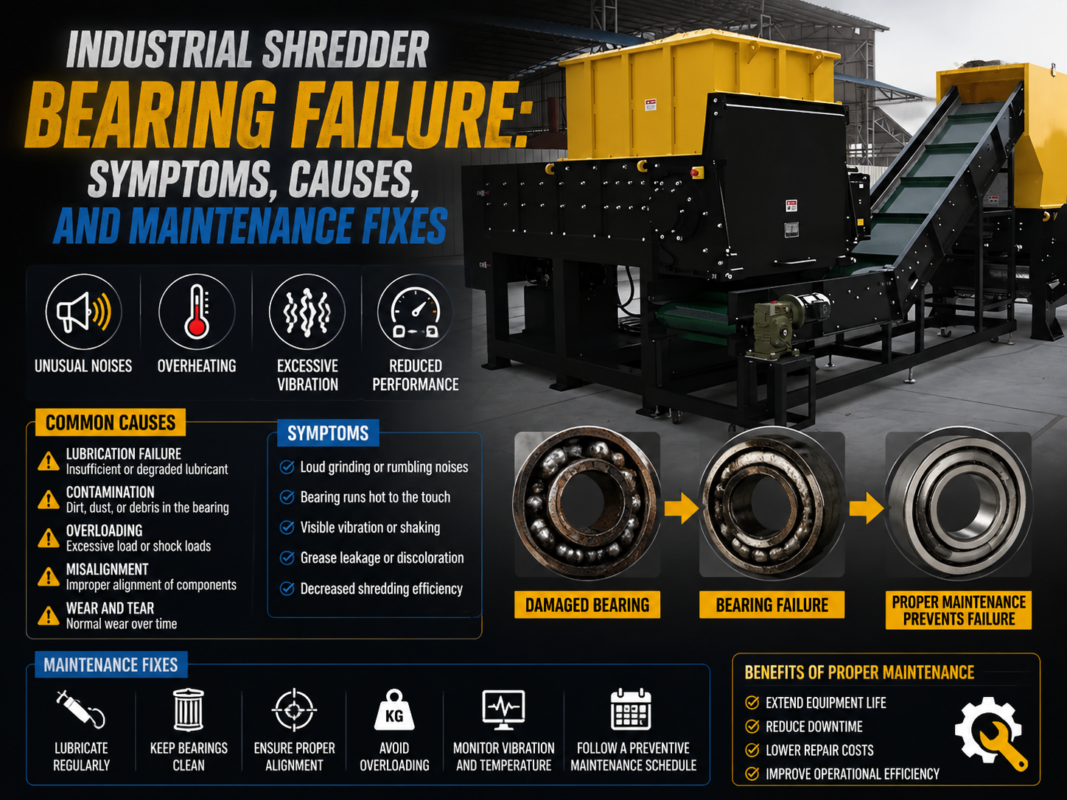
Blade longevity depends entirely on the material being processed. For clean plastics, blades can last for thousands of hours. For abrasive metals or contaminated waste, they may need inspection every 500-1,000 hours. HARSLE blades are designed for easy removal and can often be refurbished or rotated to extend their lifespan.
2. Can one shredder handle both plastic and metal?
Yes, many double-shaft shredders are versatile enough to handle both. However, for optimal efficiency, the blade configuration and motor torque should be adjusted. If you frequently switch between very different materials, a machine with a variable frequency drive (VFD) is recommended to adjust the cutting speed.
3. What safety features are included in HARSLE shredders?
Safety is a priority. Our machines include emergency stop buttons, safety interlocks on all access panels, and automated reverse functions to prevent jams. We also provide comprehensive training and guarding to ensure operators are protected from flying debris or moving parts.
4. What is the power consumption of an industrial shredder?
Power consumption varies by model and load. However, HARSLE utilizes high-efficiency motors and optimized gear ratios to ensure that the maximum amount of torque is delivered with the minimum amount of electricity. Using a shredder to reduce volume often saves more energy in downstream processing than it consumes during operation.
Conclusion: Partnering with HARSLE for Your Waste Solutions
Understanding why industrial shredders are essential for plastic and metal waste is the first step toward a more sustainable and profitable future. These machines are the workhorses of the recycling industry, providing the power and precision needed to turn waste into wealth. Whether you are looking to reduce your environmental impact, comply with strict waste regulations, or simply improve your bottom line, a high-quality industrial shredder is an investment that pays for itself many times over.
At HARSLE, we combine decades of engineering expertise with a deep understanding of the challenges faced by the metal fabrication and recycling industries. Our range of single, double, and four-shaft shredders is built to last, ensuring that your facility remains productive and competitive. Contact us today to discuss your specific material requirements and let our experts help you configure the perfect shredding solution for your needs.